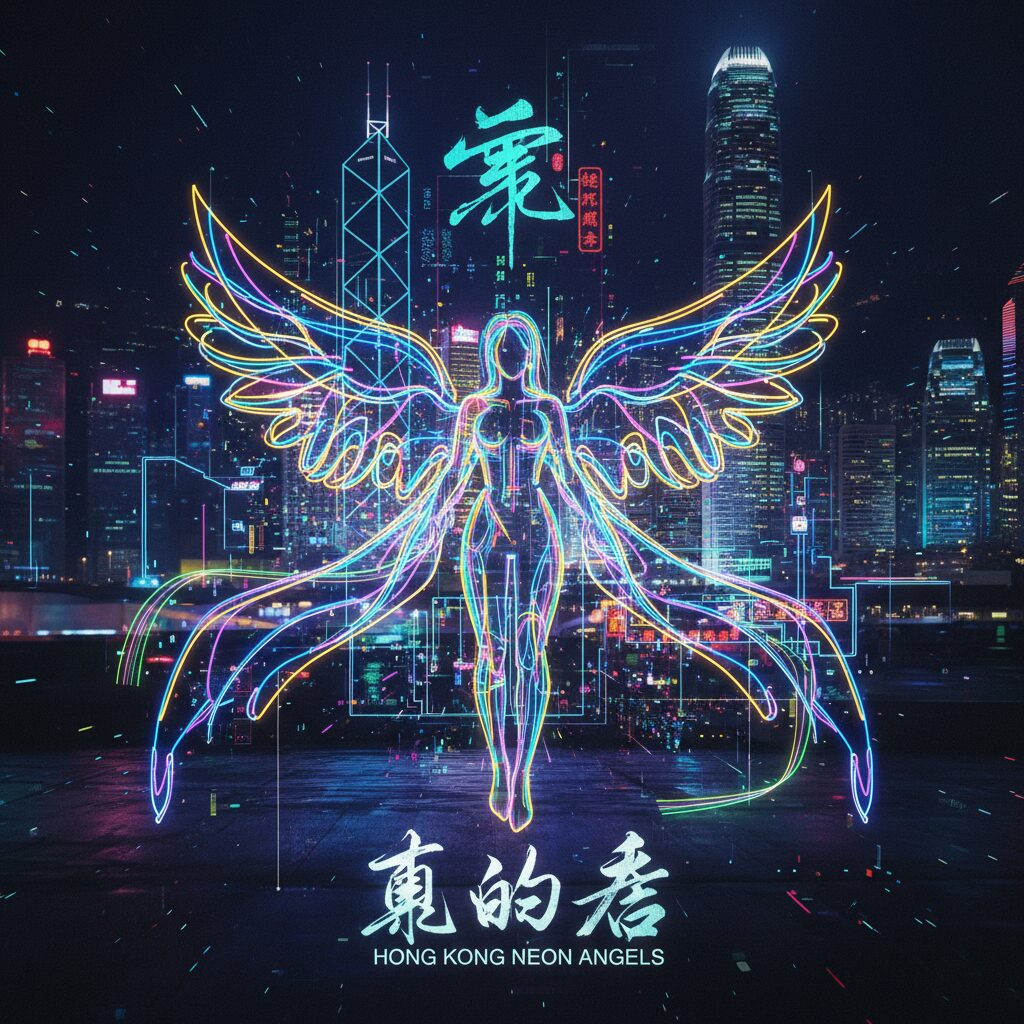
The rain-slicked streets of Hong Kong don’t just reflect neon; they reflect a mood, a feeling, a certain kind of beautiful, urban ache. For anyone who has been mesmerized by Wong Kar-wai’s 1995 masterpiece, Fallen Angels, the city isn’t just a location—it’s a character. It’s the silent partner to every hitman, every jilted agent, every mute entrepreneur selling services after dark. The film is a fever dream painted with a wide-angle lens, a symphony of blurred lights, distorted faces, and fleeting connections set against the relentless pulse of a city that never sleeps. It plunges you into a world of profound loneliness, where partnerships are transient, communication is fractured, and love is a memory you can’t quite hold. To walk through Hong Kong in search of Fallen Angels is not just about finding filming locations. It’s about chasing the ghost of that feeling. It’s about stepping into the frame and letting the city’s chaotic, melancholic energy wash over you. This is a journey into the soul of the film, a pilgrimage to the concrete-and-neon cathedrals where its lonely angels once roamed, a quest to understand how a place can so perfectly embody the jagged edges of the human heart. We’ll navigate the labyrinthine corridors of Chungking Mansions, ride the mechanical river of the Mid-Levels Escalator, and lose ourselves in the dizzying glow of Tsim Sha Tsui, all while searching for that intangible cinematic magic.
This cinematic pilgrimage to Hong Kong shares a spiritual kinship with the act of chasing cinematic ghosts through Godard’s Paris.
The Heartbeat of the Labyrinth: Chungking Mansions
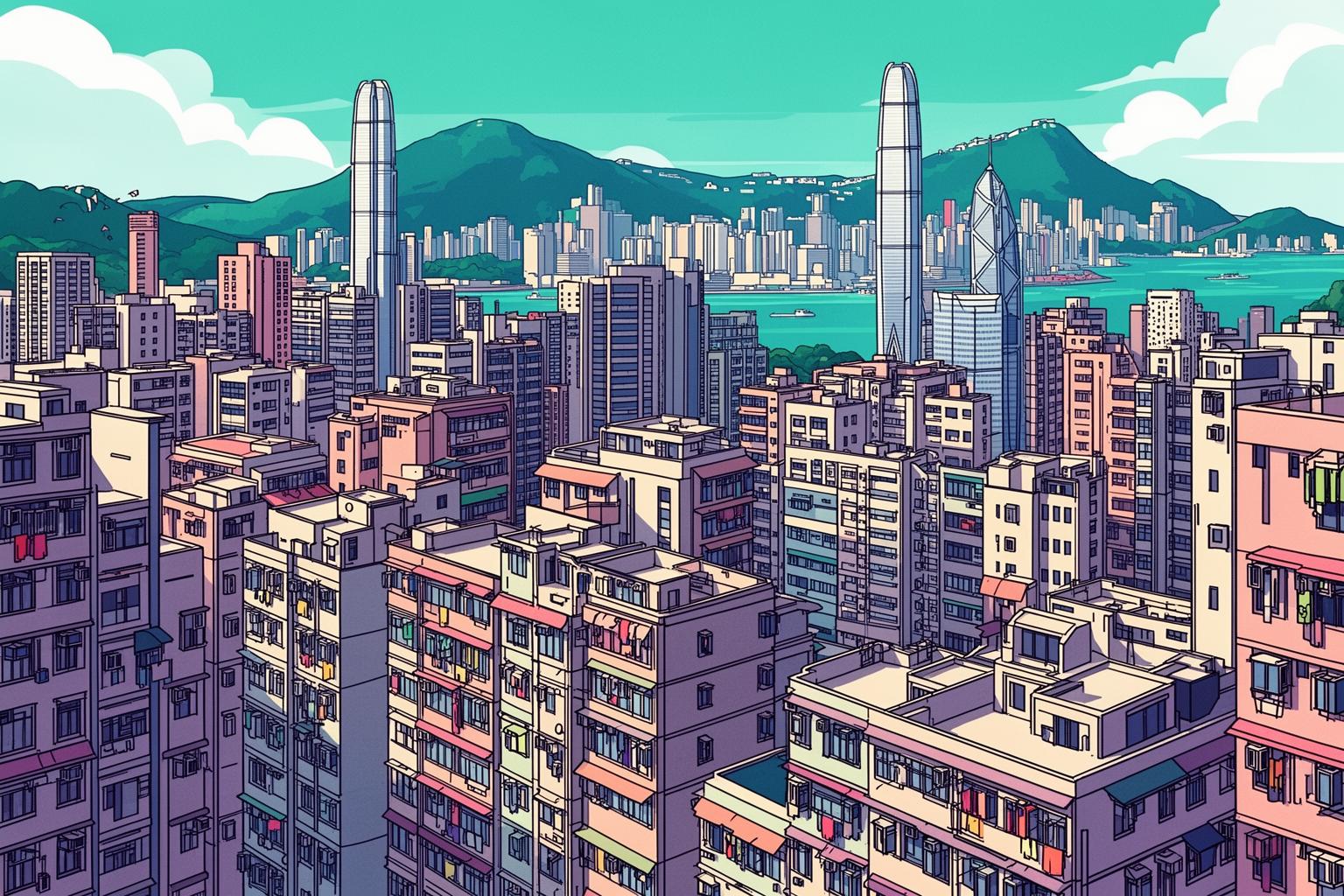
A World Within a Building
There is no place on earth quite like Chungking Mansions. Calling it simply a building is a severe understatement; it’s a vertical city, a microcosm of the entire world compacted into a sprawling concrete block on Nathan Road. The moment you pass beneath its modest entrance, the atmosphere shifts. The noise of Tsim Sha Tsui’s traffic fades away, replaced by the polyglot buzz of a hundred languages. The air thickens with the aroma of curry from numerous South Asian eateries, the sweet scent of incense, and the sharp, electric charge of a place in constant, frantic motion. This is the chaotic, vibrant, and utterly overwhelming world that the character He Qiwu—played with manic energy by Takeshi Kaneshiro—calls home.
In Fallen Angels, Wong Kar-wai uses Chungking Mansions not just as a setting but as an embodiment of He Qiwu’s inner life. It’s a labyrinth of endless corridors and dizzying layouts, echoing his own fragmented, nonlinear way of experiencing existence. He storms through its hallways, confronting strangers with strange business pitches—insisting on washing their clothes, handing out ice cream, offering a shoulder to lean on. The building, with its transient mix of backpackers, merchants, and asylum seekers, provides the perfect stage for his fleeting, often unreturned, attempts at connection. Wong Kar-wai’s camera, frequently employing disorienting wide-angle shots, exaggerates the already cramped hallways into something cavernous and surreal, making the audience feel as lost and overstimulated as the characters themselves. The building symbolizes Hong Kong’s identity as a global crossroads, a place where cultures collide in a beautiful, messy, and sometimes intimidating dance. It represents the underbelly of globalization—a stark contrast to Central’s gleaming skyscrapers—yet it pulses with a raw, undeniable energy that is the city’s true heartbeat.
Finding He Qiwu’s Echoes
Experiencing Chungking Mansions means engaging every one of your senses. The ground floor is a bustling arcade of currency exchange booths with fluorescent-lit rate boards, tiny shops selling SIM cards and counterfeit electronics, and restaurant owners vying to draw you in. As you go deeper, you’ll encounter elevators—often with long lines—that service its various blocks (A, B, C, D, E). Each block is a maze of guesthouses, whose names promise paradise or comfort but deliver modest, no-frills lodgings. This is the reality of the pilgrim’s Hong Kong—a place that is gritty, authentic, and endlessly captivating. You won’t find the exact spot where He Qiwu set up his impromptu massage parlor, since these spaces are ever-changing, but his entrepreneurial spirit is everywhere. It’s in the chaotic trade, the relentless hustle, and the sheer unpredictability waiting around every corner. Strolling the narrow corridors of the upper floors, you can almost hear the echoes of his footsteps and feel his restless energy bouncing off the walls. To truly connect with the film, give yourself permission to get a little lost. Wander aimlessly. Observe the incredible diversity of people who flow through these halls. This is the essence of what Wong Kar-wai captured: a place of infinite stories, most glimpsed only for a fleeting moment.
A Woman’s Perspective: Navigating the Mansions
For a first-time visitor, especially a woman traveling alone, Chungking Mansions can feel overwhelming. Let’s be clear: it’s not the dangerous place some outdated travel guides claim, but its intensity is undeniable. The key is to approach it with confidence and awareness. My advice is to visit for the first time during the day. The crowds remain, but the daylight filtering through the entrance makes the space feel less claustrophobic. Walk with purpose, even if you’re simply exploring. Touts on the ground floor will try to grab your attention, but a polite yet firm “no, thank you” or ignoring them works perfectly. Keep your bag secure and in front of you, as you would in any busy market. The guesthouses here are famously inexpensive, though quality varies greatly; if you choose to stay, read recent reviews carefully. However, residency is not required to experience the soul of the place. The true treasure lies in the food. The canteens and restaurants, mostly serving incredible Indian, Pakistani, and Nepali dishes, rank among the most authentic and affordable in Hong Kong. Pick one with good reviews, head upstairs, and you’ll be rewarded with a meal as vibrant and complex as the building itself. Stepping into Chungking Mansions means stepping outside your comfort zone, but it’s a crucial part of the Fallen Angels pilgrimage. Here, you grasp the beautiful friction that defines so much of Hong Kong—and the film.
Rivers of Light: The Neon-Soaked Streets of Tsim Sha Tsui and Mong Kok
Painting with Light and Shadow
Wong Kar-wai is a painter whose canvas is light—specifically, the vivid, hypnotic glow of Hong Kong’s neon signs. The nights in Fallen Angels are never truly dark; they are bathed in rich emeralds, melancholic blues, and striking crimsons that bleed across the screen. The districts of Tsim Sha Tsui and Mong Kok serve as the director’s palette. These are two of the most densely populated areas in the world, and at night, they transform into rivers of light and shadow, perfectly embodying the film’s restless, insomniac spirit. The hitman, Wong Chi-ming (Leon Lai), is a creature born of this nocturnal realm. He moves through it with detached elegance, a phantom in a trench coat navigating a space that is both his hunting ground and his prison. The director’s use of the wide-angle lens is essential here. It causes the already towering buildings to loom over the characters, their neon signs stretching and warping into abstract streaks of color. The streets feel impossibly wide yet claustrophobically close, intensifying the sense of urban alienation. The constant motion—the endless stream of red taxis, the blur of pedestrians, the steam rising from a food stall—is captured through step-printing, a technique that produces a stuttering, dreamlike effect. It’s as if time itself is shattered, each moment both fleeting and endlessly suspended. This is not a realistic portrayal of Hong Kong; rather, it’s an expressionistic vision, a city filtered through the emotional landscapes of its inhabitants. It’s a place of dazzling beauty and profound loneliness, often existing simultaneously within the same frame.
A Cinematic Stroll
To truly absorb this aesthetic, you must walk—it’s the only way. Begin your journey as twilight descends on the city. Start at the Tsim Sha Tsui MTR station and emerge onto Nathan Road, the district’s main thoroughfare. This is the ‘Golden Mile,’ a canyon of shops, eateries, and glowing signs. But don’t limit yourself to the main street. The genuine magic unfolds in the side alleys. Slip into lanes like Carnarvon Road or Kimberley Road. Look upward. The sheer density of signage is awe-inspiring, a vertical forest of light. Each sign tells a story—a restaurant, a sauna, a mahjong parlor. Now, proceed northward toward Mong Kok. The transition is subtle but tangible. The crowds grow thicker, the energy more frenetic. This is the very heart of street-level Hong Kong. Venture into areas like the Ladies’ Market on Tung Choi Street or the sneaker haven of Fa Yuen Street. Even if shopping isn’t your goal, the spectacle itself is the destination. Let the crowd guide you. As you move, notice the details Wong Kar-wai so masterfully illuminates. Observe how the neon light reflects on the wet pavement after a brief rain. Catch the fleeting expressions on faces as they pass beneath a sign. Listen to the city’s symphony: the clatter of mahjong tiles from an upstairs window, the sizzle of a street vendor’s wok, the ubiquitous beep of pedestrian crossings. This walk isn’t about reaching a point A or point B. It’s about allowing the city’s sensory overload to lead you, enabling you to experience the same exhilarating disorientation that defines the film’s visual style. It is in these moments—surrounded by millions yet feeling completely anonymous—that you come closest to living the characters’ experience.
The Mechanical Artery: The Central–Mid-Levels Escalator
An Upward Drift
Extending over 800 meters and rising 135 meters, the Central–Mid-Levels Escalator is more than just a means of public transportation; it is a cinematic icon and a crucial lifeline in the vertical landscape of Hong Kong Island. In Fallen Angels, as with its spiritual predecessor Chungking Express, the escalator serves as a place of quiet observation and passive movement. It symbolizes a journey, though one where the traveler is carried along, acting as a spectator to the life unfolding around them. We watch the Killer’s Agent, portrayed with cool, enigmatic poise by Michelle Reis, as she rides its metallic steps. She is the ultimate observer, a character who directs action from afar but seldom engages directly. The escalator is her perfect domain. As she glides upward, the city scrolls past like a film reel. Through the glass panels, she gazes out at the apartments, bars, and laundry lines of Soho, her expression unreadable. The rhythmic, mechanical hum of the escalator becomes the soundtrack to her detachment. It is a space in-between—not a home, not a destination, just a continuous, upward drift. For the characters in Wong Kar-wai’s world, often trapped in cycles of routine and loneliness, the escalator offers a rare sense of forward motion, even if they have no control over its direction or speed. It is a moment of suspension, both literal and metaphorical, elevating them above the chaos of the streets below and providing a vantage point for reflection.
Riding Through the Frame
Experiencing the escalator is one of the simplest and most evocative parts of a Fallen Angels pilgrimage. It operates downhill from 6:00 AM to 10:00 AM, carrying commuters to their offices in Central, and uphill from 10:30 AM to midnight for the return trip. For the full cinematic experience, it’s best to ride it uphill in the evening. Begin at the entrance on Queen’s Road Central and let it carry you away. The ideal time to go is after the evening rush hour, around 8 or 9 PM, when the crowds have thinned, allowing you to find your own space and fully absorb the atmosphere. As you ascend, don’t just look ahead—take in the sides as well. The escalator system weaves through the heart of one of Hong Kong’s most vibrant neighborhoods. You’ll see glowing lanterns outside trendy restaurants, hear chatter and music spilling from packed bars on Staunton and Elgin Streets, and catch intimate glimpses into lit apartment windows that appear almost within reach. This is the view the Agent once saw. It’s a parade of human life, a thousand small stories unfolding simultaneously. You can hop off at any point to explore the surrounding streets and then hop back on. The journey offers a unique cross-section of Hong Kong life, from the bustling financial district at its base to the quieter, more residential Mid-Levels. Allow the steady, unceasing motion to lull you into a contemplative mood. It is a strangely meditative experience, a moment of calm amid the city’s frenetic pace, and a perfect way to embody the detached, observant spirit of the film.
Fleeting Connections: Lan Kwai Fong and the After-Dark Scene
Where Loneliness Meets the Crowd
Lan Kwai Fong is Hong Kong’s vibrant, neon-lit epicenter of nightlife. This small L-shaped street and its surrounding alleys in Central form a compact hub of bars, clubs, and restaurants, pulsating with energy every night of the week. In Fallen Angels, it’s the kind of place where characters seek to feel something—anything—to break free from their existential numbness. It’s where the Killer’s Agent goes to drink, smoke, and wait. She sits alone at a bar, a solitary figure amid a raucous crowd, her isolation made all the more striking by the surrounding revelry. Wong Kar-wai skillfully captures this paradox: the profound loneliness one can experience even when surrounded by others. Lan Kwai Fong is a stage for performance. People come to be seen, to connect, to escape. Yet, for the film’s characters, these connections are often shallow and fleeting. The noise of the bars drowns out any chance of meaningful conversation, leaving them to communicate through glances and gestures. The Jukebox, a recurring symbol in Wong’s films, serves as a key means of communication—a way to convey messages or emotions without words. The district in the film represents a landscape of missed chances and unspoken longings, a place where the search for intimacy frequently ends in a deeper recognition of one’s own solitude.
Finding Your Own Cinematic Corner
To fully immerse yourself in the film’s world, a visit to Lan Kwai Fong after dark is essential. It truly comes alive after 10 PM, especially on weekends when the streets are packed shoulder to shoulder. For a more Wong Kar-wai experience and less of a wild party vibe, consider going on a weeknight. The atmosphere remains electric, but there’s more room to breathe and take it all in. Find a bar with an open front or a seat by the window. Order a drink and simply watch. This is what the Agent did. Observe the endless flow of people: the after-work office crowd, expats, tourists, university students. Each person is the protagonist of their own story, carrying their own scenes of joy, heartbreak, or boredom. Look for quiet moments amid the chaos—a couple deep in conversation, someone gazing into their drink, a group bursting into laughter. These are the cinematic details. From a practical woman’s perspective, Lan Kwai Fong is generally safe due to the heavy crowds and police presence, but vigilance is wise. Keep an eye on your drink and be mindful of your belongings amid the crowds. When it’s time to leave, stick to the main, well-lit streets to catch a taxi or reach the MTR. The district offers a vivid, real-life glimpse into the film’s themes: the desperate, universal human need for connection in a world that often seems intent on keeping us apart.
The Tunnel of a Dream: The Cross-Harbour Ride
A Symbol of Ephemeral Grace
Arguably the most iconic and poignantly romantic sequence in Fallen Angels is the motorcycle ride through the Cross-Harbour Tunnel. Wong Chi-ming, The Killer, is driving, with his Agent seated behind him, her head resting gently on his back. This is the sole moment in the film where they share genuine, physical intimacy. The tunnel, with its mesmerizing, repetitive orange lights streaming past, becomes a cocoon that separates them from the outside world. Her narration overlays the scene, offering a tender reflection on the impermanence of their connection: “The road isn’t long, and I know I’ll be getting off soon.” This line embodies the emotional heart of the film—cherishing a fleeting, perfect moment of warmth and closeness, fully aware it cannot endure. The ride feels like a dream, a brief respite from their cold, professional, and isolated existences. The motion blur, distorted angles, and ethereal soundtrack all combine to evoke pure cinematic magic. The tunnel serves as a passage not just between Kowloon and Hong Kong Island, but between their separate lives—a temporary bridge over the emotional gap that defines their relationship. It is a moment of beauty precisely because it is so transient.
Experiencing the Journey
For the adventurous traveler, recreating this scene is the ultimate pilgrimage. Yet, renting a motorcycle and navigating Hong Kong’s hectic traffic is neither practical nor safe for most visitors. Still, you can capture the essence of this enchanting journey. The best way is aboard a double-decker bus—aim for the front seat on the top deck. Several bus routes cross the Cross-Harbour Tunnel, linking Tsim Sha Tsui with Central or Causeway Bay. Plan your trip late at night, when traffic is lighter and the bus can move steadily. As the bus enters the tunnel, the city’s noise fades away, replaced by the engine’s hum and the rush of air. The view from the top deck is utterly mesmerizing. The tunnel’s curved roof and the endless rows of orange lights create a hypnotic, cinematic vortex of color and motion, closely resembling the film’s point-of-view shots. Play the movie’s soundtrack—perhaps ‘Because I’m Cool’ by The Flying Pickets—and let yourself be transported. Alternatively, a taxi ride through the tunnel offers a more intimate, enclosed experience, akin to the cocoon-like feeling of the motorcycle. Whichever mode you choose, the journey is about embracing that sense of passage, inhabiting a temporary, dreamlike space, before emerging, blinking, into the dazzling, chaotic reality on the other side.
The Flavor of Solitude: Hong Kong’s Culinary Soul
More Than Just a Meal
In Wong Kar-wai’s world, food transcends mere sustenance. Restaurants, diners, and food stalls become stages for human drama—places of routine, chance encounters, and quiet reflection over a bowl of noodles. In Fallen Angels, these locales emphasize the characters’ isolation. Consider the Killer’s Agent waiting for her partner in a brightly lit, sterile McDonald’s—a non-place, an impersonal corporate setting that highlights her detachment. By contrast, the chaotic, greasy-spoon cha chaan tengs that He Qiwu uses for his late-night dealings are rich with history, etched into their worn formica tables and chipped teacups. These spots are community hubs, yet to He Qiwu, they serve as empty theaters where he enacts his peculiar solitary performances. Food becomes a prop in their lives. He Qiwu smothers a man with ice cream not from cruelty, but from a twisted, childlike craving for connection. These culinary spaces are where the city’s lonely souls intersect, often without truly seeing one another, each trapped in their own world while sharing the same space. Eating alone late at night under the harsh glow of fluorescent light is a striking visual metaphor for the urban isolation permeating the film.
A Taste of the Film
To experience this side of Fallen Angels, seek out an authentic, local eatery late at night—steer clear of tourist spots and upscale restaurants. Find a small, brightly lit cha chaan teng or noodle shop in neighborhoods like Jordan or Sham Shui Po. The best are often crowded, noisy, and a bit intimidating to outsiders. Don’t hesitate—step inside. The atmosphere is part of the ritual: the clatter of ceramic bowls, the hiss of the wok, the brisk yet efficient service. Menus may be entirely in Chinese, but there are usually pictures, or you can point to what others are eating. Order a classic dish: wonton noodle soup, beef chow fun, or a pineapple bun with a thick pat of butter, paired with strong, sweet Hong Kong-style milk tea. Sit at a small table or a shared counter. This is not a place for lingering—it’s about a quick, satisfying, deeply comforting meal. As you eat, observe: the old man reading his paper, the young couple sharing a dish, the cook shouting orders. This is the genuine flavor of the city, the backdrop where the film’s quiet dramas unfold. It’s in these unremarkable, everyday moments that you sense the true rhythm of Hong Kong life, a pulse beating steadily beneath the film’s stylized veneer.
Capturing the Fallen Angels Aesthetic: A Photographer’s Guide
For photographers and cinephiles, visiting Hong Kong offers more than just seeing the locations—it’s an opportunity to capture the city through Wong Kar-wai’s distinctive visual perspective. Emulating the Fallen Angels style presents a rewarding challenge that encourages you to perceive the city in a new light. It’s not about snapping perfect, sharp, well-lit shots; it’s about conveying a mood. First, embrace the night. The neon signs become your main light source. Allow their vivid, often garish colors to saturate your images. Don’t shy away from underexposure and deep shadows; the darkness is as vital as the light. If your camera has manual settings, experiment with a slow shutter speed. This technique is essential for creating the motion blur central to the film’s aesthetic. Stand on a street corner and capture the red trails from taxi taillights streaking across your frame. Photograph the ghostly blur of pedestrians rushing by. This method, known as ‘dragging the shutter,’ replicates the step-printing effect seen in the film, evoking a sense of fractured time and constant motion. A wide-angle lens is indispensable. It distorts perspectives, making streets appear vast and buildings loom ominously, reflecting the film’s themes of alienation and scale. Compose your shots with subjects off-center. Position them at the frame’s edge to create imbalance and tension. Seek out reflections. After rain, wet streets turn into black mirrors, producing striking doubled images of neon signs above. Shoot through rain-streaked bus windows or condensation on a noodle shop’s glass front. These layers add depth and voyeuristic intimacy, as if peering into a hidden world. Lastly, think in terms of color. Isolate the dominant hues—a sickly green from a fluorescent-lit alley, the warm red of a hanging lantern, the cool blue of a commercial billboard. Let these colors convey an emotional narrative. Your aim is not merely to document Hong Kong, but to interpret it—to capture not only what the city looks like but what it feels like after midnight.
Beyond the Frame: The Enduring Spirit of Hong Kong
Hong Kong is a city in constant motion. The skyline today is different from what it was in 1995. Some neon signs have been replaced by more energy-efficient LEDs, and some of the gritty corners have been transformed by development. Yet, the soul of the city that Wong Kar-wai captured in Fallen Angels remains. It lives on in the maze-like chaos of Chungking Mansions, the relentless energy of Mong Kok at midnight, and the quiet, reflective glide of the Mid-Levels Escalator. The film was never meant to be a documentary; it was a poem. It conveyed the feeling of being young, lost, and strangely hopeful in an immense city. It spoke of the ache of loneliness amid millions and the profound beauty of fleeting connections—a shared glance, a brief motorcycle ride, a song played on a jukebox. Walking these streets today means moving through layers of time, through both the city’s history and your own cinematic memories. For a Fallen Angels fan, the pilgrimage is not a hunt for exact locations but an immersion in an atmosphere. It’s about finding a quiet corner in a noisy bar, watching the city lights blur from a bus window, and sensing the ghosts of these lonely, beautiful characters all around you. The neon may fade, but the feeling—that electric, melancholic, romantic pulse—endures, waiting for you to discover it in the city’s long, dark, and luminous night.