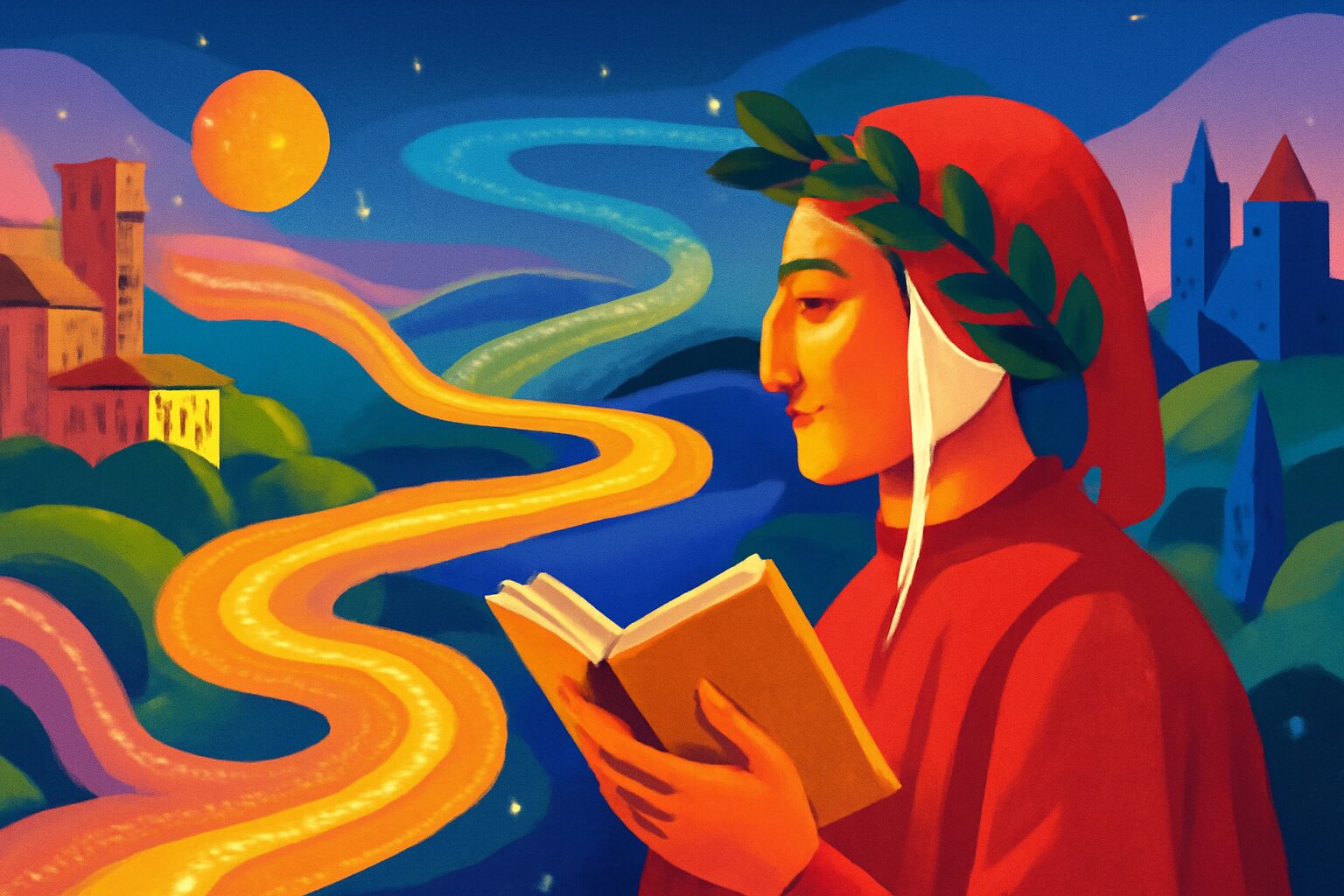
A groundbreaking cross-border tourism initiative, the ‘DANTE project,’ is set to launch, inviting travelers to journey through the landscapes that inspired one of history’s greatest poets, Dante Alighieri. The project will introduce five distinct literary itineraries that span the Italian regions of Veneto and Friuli Venezia Giulia, and cross into neighboring Slovenia, creating a unique cultural bridge built on a shared literary heritage.
The Vision: Beyond Tourism, A Cultural Pilgrimage
At its core, the DANTE project aims to redefine tourism in the region. By focusing on the life and work of the “Father of the Italian language,” the initiative seeks to attract cultural tourists—travelers who crave deeper, more meaningful connections with the places they visit. This move aligns with a growing global trend towards sustainable and experiential travel, shifting the focus from crowded hotspots to the rich, often overlooked, stories embedded in the landscape.
The project is not just about visiting places Dante may have seen; it’s about experiencing the cultural and historical fabric that shaped his monumental work, the Divine Comedy. It encourages a slower, more thoughtful form of travel, prompting visitors to engage with local history, art, and nature.
Background: Why Dante? Why Now?
Dante Alighieri (1265-1321) was a Florentine poet, but his political exile led him to travel extensively across northern Italy. This period of wandering heavily influenced his writing, and his legacy is scattered throughout the very regions these new trails will explore. This historical context makes him the perfect figurehead for a project connecting disparate locations through a single, powerful narrative.
The initiative also represents a significant step in cross-border cooperation between Italy and Slovenia. By highlighting a shared European cultural icon, the DANTE project strengthens regional ties and promotes a unified identity rooted in a common history that transcends modern political boundaries.
The Trails: A Journey Through Poetry and History
The five planned itineraries will guide travelers through a diverse tapestry of environments. Expect to wander through:
- Historic Towns: Explore medieval villages and fortified towns where the echoes of Dante’s era can still be felt.
- Cultural Institutions: Visit museums, libraries, and archives that hold manuscripts and artifacts related to Dante and his time.
- Natural Landscapes: Traverse the scenic countryside, from the plains of Veneto to the foothills of the Julian Alps in Friuli Venezia Giulia and Slovenia, landscapes that may have served as inspiration for the Inferno, Purgatorio, and Paradiso.
Each route is being carefully curated to offer a complete narrative, linking geography with poetry and history.
Future Impact: A Sustainable Model for Cultural Tourism
The DANTE project is poised to have a significant and lasting impact on the region, both economically and culturally.
Dispersing Tourism and Boosting Local Economies
By creating compelling attractions away from over-touristed centers like Venice, the project will help distribute tourist traffic more evenly. This can provide a vital economic boost to smaller towns and rural communities, supporting local businesses and preserving cultural heritage. Cultural tourism is a powerful economic driver. According to the UNWTO, this sector accounts for an estimated 40% of all international tourism, with travelers often staying longer and spending more in local communities.
Reinforcing a Shared Identity
The initiative serves as a powerful reminder of the deep cultural roots connecting Italy and Slovenia. For travelers, it offers a seamless journey across borders, experiencing a unified cultural landscape. For the local communities, it fosters a renewed appreciation for their shared heritage and history. Italy, already home to 59 UNESCO World Heritage sites—the most of any country in the world—is perfectly positioned to pioneer this type of profound, story-driven tourism.
Ultimately, the Dante Trails are more than just a new set of tourist routes. They represent a forward-thinking approach to travel, one that values authenticity, sustainability, and the timeless power of storytelling. For literary enthusiasts and curious travelers alike, this project promises an unforgettable pilgrimage into the heart of European culture.