There’s a rhythm to Dogo Onsen that you feel before you even see the main bathhouse. It’s the gentle clatter of a vintage tram navigating narrow streets, the soft shuffle of wooden geta sandals on stone pavement, and the faint, sulfur-kissed scent of ancient water rising as steam into the air. Located in the city of Matsuyama in Ehime Prefecture, this isn’t just a hot spring town; it’s a living, breathing storybook. Dogo Onsen holds the distinction of being one of Japan’s oldest, with a history that plunges back thousands of years into the realm of myth and legend. But for many modern pilgrims, its fame is twofold. It is a place where emperors once bathed, and a place that whispered inspiration into the fantastical world of Hayao Miyazaki’s masterpiece, Spirited Away. Arriving here feels less like visiting a tourist destination and more like crossing a threshold into a world where the past and present mingle in every steamy wisp. It’s a place to soak not just your body, but your imagination, in waters that have healed shoguns, inspired novelists, and fueled the creation of one of the most beloved animated films of all time. This is where the veil between the spirit world and our own feels wonderfully, tangibly thin.
Dogo Onsen is a prime example of how a location’s cinematic connection can transform it into a major destination, much like the tourism boom seen in Northern Ireland following its feature in a popular series.
The Legendary Bathhouse: A Spirited Inspiration
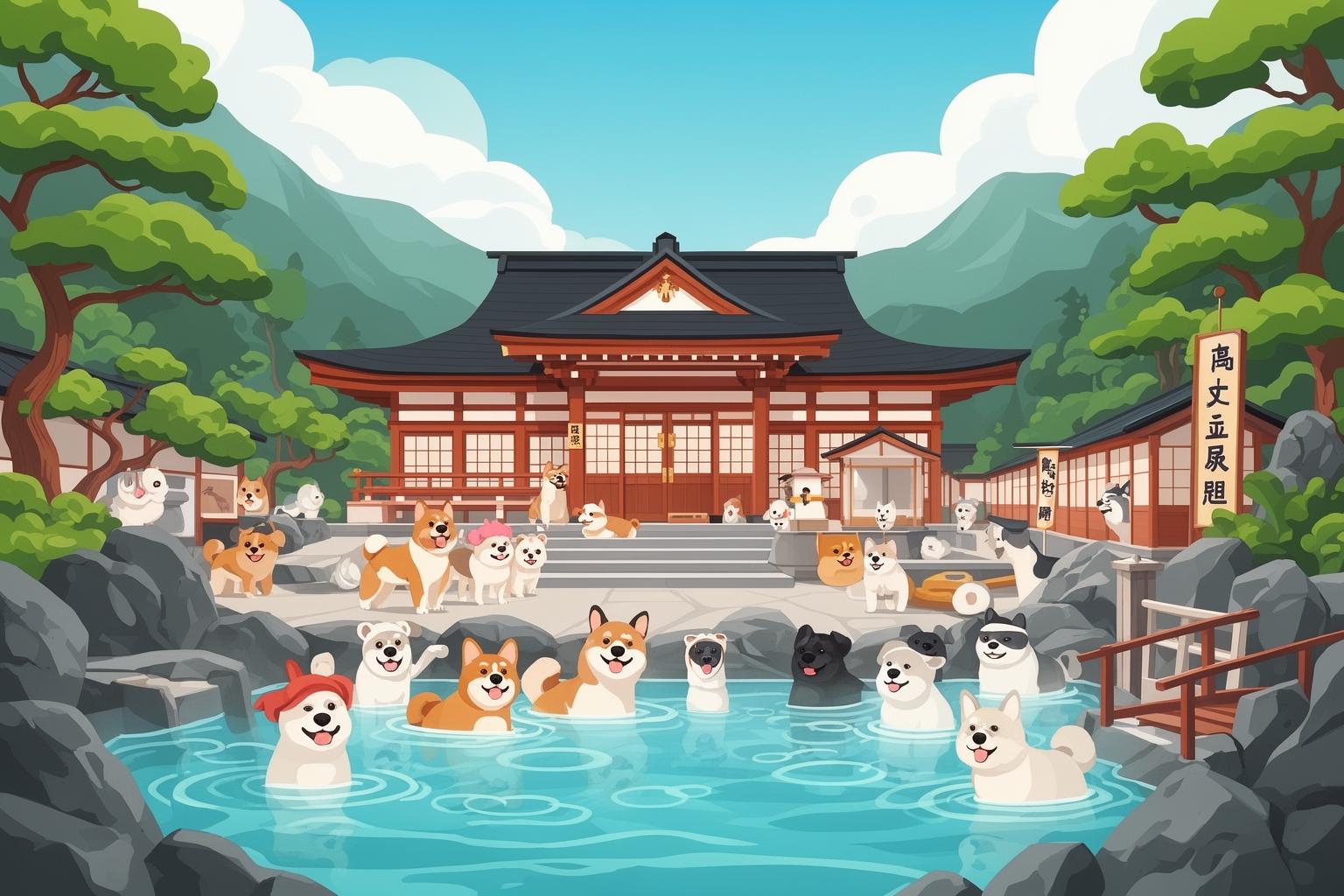
At the heart of the town, embodying its undeniable spirit, stands the Dogo Onsen Honkan. Even from afar, it commands awe. This three-story wooden sanctuary of relaxation boasts intricate, layered roofs that twist skyward, culminating in the prominent Shinrokaku tower. Perched atop this tower is a small, white egret, a tribute to the legend that birthed it all. For Studio Ghibli enthusiasts, the first sight of the Honkan is pure, unfiltered magic. Its resemblance to the Aburaya, the grand bathhouse for gods and spirits in Spirited Away, is instant and profound. The maze-like balconies, covered walkways, and sliding shoji screens feel surprisingly familiar, as if stepping directly from reality onto a film set. At night, when paper lanterns cast a warm, golden glow on the dark wooden facade and steam rises from hidden vents, the fantasy is complete. You almost expect to glimpse No-Face lingering on the bridge or Haku soaring above the tiled rooftops.
Built in 1894, this building is a masterpiece of Meiji-era architecture—a period when Japan was rapidly modernizing yet still deeply rooted in tradition. Inside, a charming maze of stairways and corridors, worn smooth by the footsteps of millions over more than a century, pulses with gentle, timeless energy. Laughter echoes from tatami mat rest areas, and the soft splash of water rises from the stone baths below. The Shinrokaku tower is more than decoration; it houses a taiko drum that sounds three times daily—at 6 a.m., noon, and 6 p.m.—its deep resonant beats rolling through the town to mark the hours. This sound connects today’s visitors to all who have gathered here through generations. Standing before the Honkan, you realize its influence on Spirited Away was not just visual but atmospheric. Miyazaki captured its chaotic yet orderly grandeur, rich history, and its role as a communal haven where beings from every walk—and perhaps other worlds—come to rest and rejuvenate.
Travelers should be aware that this venerable onsen is currently undergoing an extensive, multi-year restoration to preserve it for future generations. While some areas may be covered or inaccessible, the restoration itself is a captivating spectacle. It offers a rare chance to witness the work of Japanese master craftsmen preserving a National Important Cultural Property with meticulous care. The main baths often remain open, though the experience differs slightly from full operation. Rather than seeing it as diminished, consider it a unique opportunity to participate in an extraordinary chapter of the Honkan’s long and storied legacy.
A History Steeped in Steam: More Than Just an Anime Set
While its association with animation draws visitors from around the world, the history of Dogo Onsen runs far deeper and is much more profound. The waters are believed to have been flowing for 3,000 years. According to legend, an egret healed its injured leg by dipping it into the hot spring water bubbling up between the rocks, revealing the water’s miraculous healing properties to the local people. This tale is deeply embedded in the town’s identity, with egret motifs featured everywhere, from building adornments to manhole covers. The onsen is even referenced in the Man’yoshu, Japan’s oldest surviving poetry anthology, compiled in the 8th century. It’s more than just an ancient bathhouse; it’s a vital piece of Japanese cultural heritage.
Its most distinguished claim, however, is its imperial connection. In the late 19th century, a special wing of the Honkan, called the Yushinden, was constructed solely for the bathing comfort of the Imperial Family. It remains the only bathhouse in Japan with such a dedicated royal facility. Touring the Yushinden, which is open to visitors, feels like stepping back in time. You can admire the ornate rooms where the emperor would rest, adorned with exquisite paintings and detailed woodwork, alongside the private granite-lined bath, a serene space of understated luxury. The knowledge that emperors have bathed in these waters lends a striking sense of significance and prestige to the entire experience.
This rich history also drew literary greats. Matsuyama, the town where Dogo Onsen is located, is famously the setting for Natsume Soseki’s beloved 1906 novel Botchan. This humorous and thoughtful story about a young Tokyo teacher adapting to rural life is a cornerstone of modern Japanese literature. Soseki himself spent time in Matsuyama and frequently visited Dogo Onsen. Both the town and the onsen act as characters in the novel as much as the people do. Today, Matsuyama embraces this connection wholeheartedly. Statues of the novel’s characters can be found throughout the town, alongside a charming replica steam train called the “Botchan Train” and the popular “Botchan Dango,” a tri-colored sweet dumpling mentioned in the story. This literary dimension adds yet another layer to Dogo Onsen, making it a destination not only for anime enthusiasts but also for history buffs and book lovers alike.
The Dogo Experience: How to Bathe Like a Local
Bathing in Dogo is an art form, a ritual refined over centuries. While the Honkan remains the historic centerpiece, the town wisely established two other public bathhouses to accommodate the steady flow of visitors and offer varied experiences, especially valuable during the Honkan’s restoration.
The Annexes: Asuka-no-Yu and Tsubaki-no-Yu
Opened in 2017, the Dogo Onsen Asuka-no-Yu presents a striking modern interpretation of the area’s history. Its architecture draws inspiration from the Asuka period (592–710), a time when Prince Shotoku is said to have visited Dogo. The building beautifully combines traditional design with contemporary art. Inside, spacious baths await, including an open-air bath and replicas of the Yushinden imperial bathing rooms. What distinguishes Asuka-no-Yu are its collaborations with local artists. The rest areas showcase vibrant art installations featuring Ehime’s traditional crafts, like Tobe ware pottery and papercraft, providing a visual delight after your soak. It offers a more luxurious and open bathing experience compared to the cozy, historic ambiance of the Honkan.
For a more grounded, local experience, there is Tsubaki-no-Yu. Rebuilt in 1953, this neighborhood bathhouse is less ornate and less crowded with tourists, offering a straightforward, no-frills soak in the same legendary Dogo water. The large stone baths are frequented by locals chatting and going about their daily routines. If you wish to experience Dogo Onsen not as a tourist attraction but as part of everyday life in Matsuyama, Tsubaki-no-Yu is the place to visit. The water is just as divine, and the atmosphere feels authentic and welcoming.
The Ritual of the Onsen
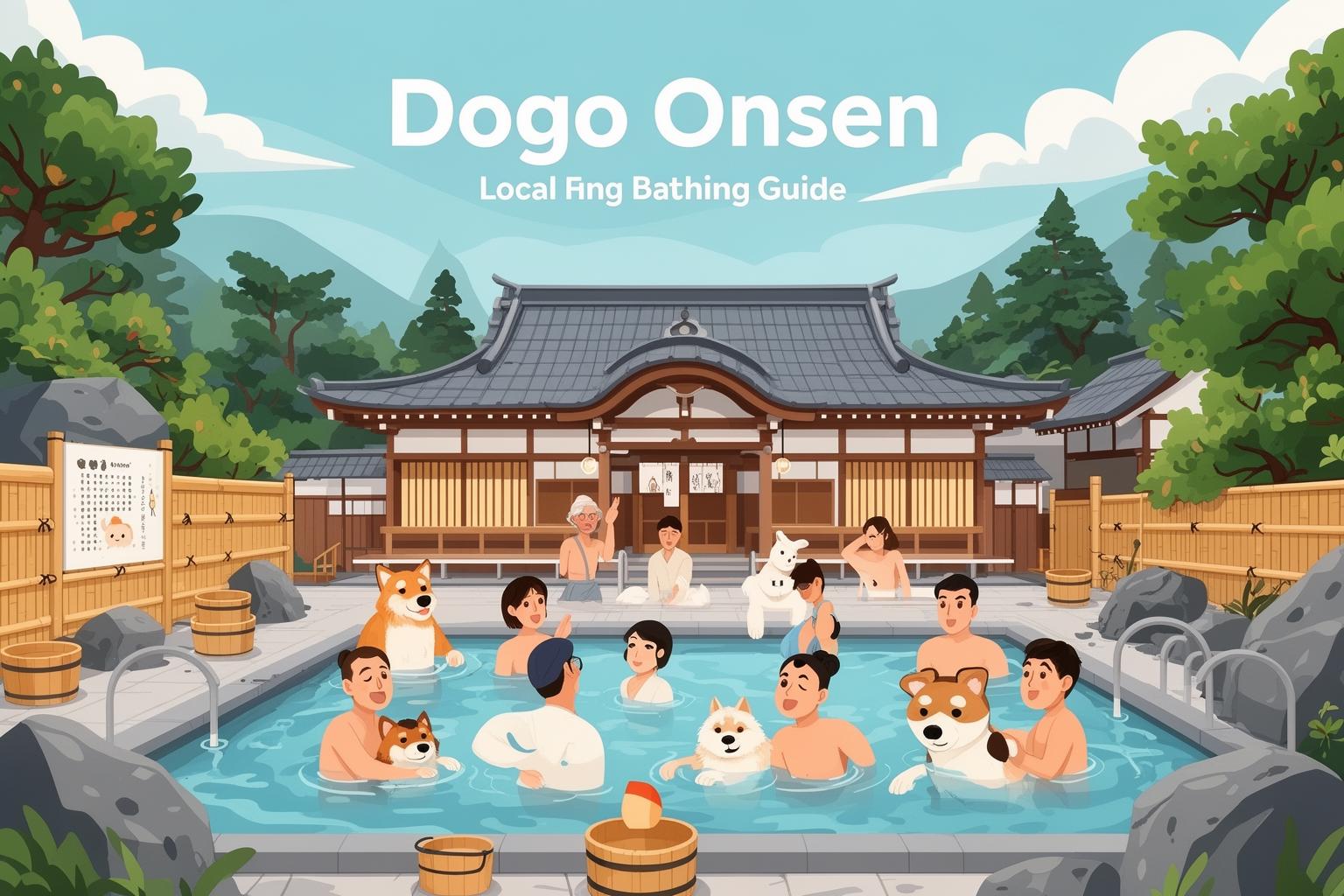
For first-time visitors to a Japanese onsen, the process might seem intimidating at first, but it is actually quite simple. The key rule is to wash yourself thoroughly before entering the bath. Each bathhouse provides a washing area with stools, faucets, and showers. You scrub down with soap and rinse completely before stepping into the communal tub. The onsen water is meant for soaking and healing, not cleaning. Once in the bath, find a spot and unwind. The water in Dogo is alkaline and incredibly soft, leaving your skin smooth and silky. It isn’t excessively hot, making it ideal for a long, meditative soak. Towels can be rented, but it’s common to bring a small one for washing and to place on your head while soaking to help regulate your body temperature. After your bath, you can relax in the tatami lounges. If you choose a higher-tier ticket at the Honkan or Asuka-no-Yu, you’ll be served tea and a small snack, a perfect conclusion to a rejuvenating experience. Many visitors staying at a local ryokan (traditional inn) walk to and from the bathhouses in their provided yukata (light cotton kimono), adding to the town’s timeless charm.
Wandering the Streets of Dogo: A Town Built Around the Bath
The magic of Dogo reaches far beyond the confines of its bathhouses. The entire town is designed to be explored on foot, with delightful discoveries waiting around every corner.
The Dogo Haikara Dori Shopping Arcade
Leading directly to the Honkan is Dogo Haikara Dori, a covered shopping arcade that serves as the town’s bustling commercial hub. This lively street is filled with shops offering a wonderful variety of local goods. You’ll find numerous souvenirs, from Ghibli-themed trinkets to items celebrating Botchan. The true highlights, however, are the local delicacies. Ehime Prefecture is Japan’s citrus kingdom, and the shops brim with mikan (mandarin orange) products: fresh juice, soft-serve ice cream, jellies, and even mikan-flavored beer. Don’t miss the two most famous local sweets: Botchan Dango, three-colored sweet dumplings on a skewer, and the Ichiroku Tart, a pinwheel-shaped sponge cake filled with sweet yuzu-citrus and bean paste. It’s the ideal spot to grab a snack after your bath or find a unique gift to bring home.
Clocks, Shrines, and Footbaths
Right at the entrance to the shopping arcade stands the Botchan Karakuri Clock. Every hour from 8 a.m. to 10 p.m., this charming clock tower springs to life. Music plays as scenes and characters from the novel Botchan appear and move across multiple tiers. It’s a delightful show that always attracts a crowd. Beside the clock is a free public footbath, or ashiyu. These footbaths are dotted throughout the town, offering a chance to soothe tired feet and enjoy the healing onsen water without committing to a full bath. For some spiritual reflection and a stunning view, climb the steep stone steps to Isaniwa Shrine. This beautiful Hachiman-style shrine, with its vermilion-lacquered halls, is a designated Important Cultural Property. The climb is refreshing, and the reward is a panoramic vista over the rooftops of Dogo and the city of Matsuyama.
A Taste of Ehime
Beyond the arcade’s snacks, Matsuyama boasts a unique culinary specialty: Tai-meshi, or sea bream with rice. There are two distinct varieties. The northern Hojo style involves steaming a whole sea bream with rice in a kelp-and-salt broth, while the southern Uwajima style features fresh sea bream sashimi marinated in a raw egg and soy-based sauce, which is then poured over hot rice. Many restaurants in the Dogo area serve both, making tasting them an essential part of the local experience. The delicate, clean flavor of the sea bream, for which the Seto Inland Sea is renowned, perfectly complements the pure, refreshing sensation of the onsen.
Practical Pilgrim’s Guide: Getting There and Staying Over
Despite its ancient ambiance, Dogo Onsen remains surprisingly easy to access.
Access to a Timeless Town
The primary entry point is the city of Matsuyama. Matsuyama Airport offers regular flights from major hubs such as Tokyo’s Haneda Airport and Osaka’s Itami Airport. From the airport, a convenient limousine bus runs directly to Dogo Onsen. If you’re traveling by train, the Japan Rail Pass will take you to JR Matsuyama Station. From there, the most scenic and straightforward way to reach Dogo is by the Iyotetsu streetcar. The tram ride itself provides a charming glimpse of local life. For a special experience, you can take the Botchan Train, a diesel-powered replica of the original steam locomotives from the Meiji era. It’s slightly more expensive and less frequent than the regular tram, but the nostalgic journey is well worth it.
Where to Rest Your Head
To truly experience the onsen culture, staying at a traditional ryokan is highly recommended. Dogo offers a variety of inns, ranging from historic, luxurious establishments to cozy, family-run ones. Staying in a ryokan means indulging in exquisite multi-course kaiseki dinners, sleeping on comfortable futons laid out on tatami floors, and most importantly, being provided with a yukata and geta sandals to wear as you explore the town. There is a special kind of freedom in leaving your everyday clothes behind and wandering the streets in a yukata, fully embracing the town’s timeless atmosphere. It’s wise to book your accommodation well ahead of time, especially if you plan to visit on weekends, national holidays like Golden Week, or during the popular cherry blossom season in spring.
Best Times to Visit
Dogo Onsen is a wonderful destination throughout the year, with each season offering its own unique appeal. Spring brings mild weather and stunning cherry blossoms around Matsuyama Castle and Dogo Park. Summer can be hot and humid, but evening strolls in a yukata after a cooling bath are truly delightful. Autumn is perhaps the most comfortable season, featuring crisp air and beautiful fall foliage in the surrounding hills. Winter is also magical, as there’s nothing quite like soaking in a steaming outdoor bath while the air remains cold and still. The town is always lively, but for a quieter experience, try to visit on a weekday.
A Final Soak in a Sea of Stories
A visit to Dogo Onsen is like traveling through layers of time. It’s a place where you can physically connect with the inspiration behind a global animation phenomenon, walk in the footsteps of one of Japan’s most celebrated authors, and bathe in the same sacred waters that, according to legend, were discovered by a divine bird. It is both a fantastical pilgrimage and a deeply grounding experience. The water soothes your body, while the town’s atmosphere—a blend of history, art, and quiet reverence—comforts your soul. Whether you come in search of spirits, stories, or simply a moment of tranquility, Dogo Onsen delivers. It serves as a reminder that some places are more than mere destinations on a map; they are reservoirs of myth and memory, waiting for you to dip your toes in.