There are stories that live on the page, and then there are those that spill out, bleeding into the very soil of the earth they describe. Sydney Pollack’s 1985 masterpiece, Out of Africa, is one such story. It’s more than a film; it’s a feeling, a sweeping, cinematic sigh that carried audiences away to a Kenya of breathtaking vistas, impossible romance, and profound heartbreak. Based on the memoirs of the Danish baroness Karen Blixen, the film etched the landscapes of East Africa onto our collective consciousness. The sight of Meryl Streep as Karen and Robert Redford as the dashing Denys Finch Hatton soaring over the Great Rift Valley in a Gipsy Moth biplane is an image that has fueled wanderlust for decades. It’s a call to a world that feels both epic and achingly personal. For those of us who have carried that call in our hearts, a journey to Kenya is not just a vacation; it is a pilgrimage. It is a quest to stand where they stood, to feel the sun that warmed their faces, and to see if the echoes of their story can still be heard in the wind that rustles through the acacia trees. This journey is about walking through the frame and into the heart of Karen Blixen’s Africa, a land she loved so deeply it became a part of her soul. From her quiet farmhouse at the foot of the storied hills to the untamed wilderness where she found freedom, the spirit of the film is waiting to be rediscovered.
If you’re inspired to trace the cinematic footsteps of another epic romance, consider a similar pilgrimage to the filming locations of The English Patient.
The Heart of the Story: Karen Blixen’s Farmhouse
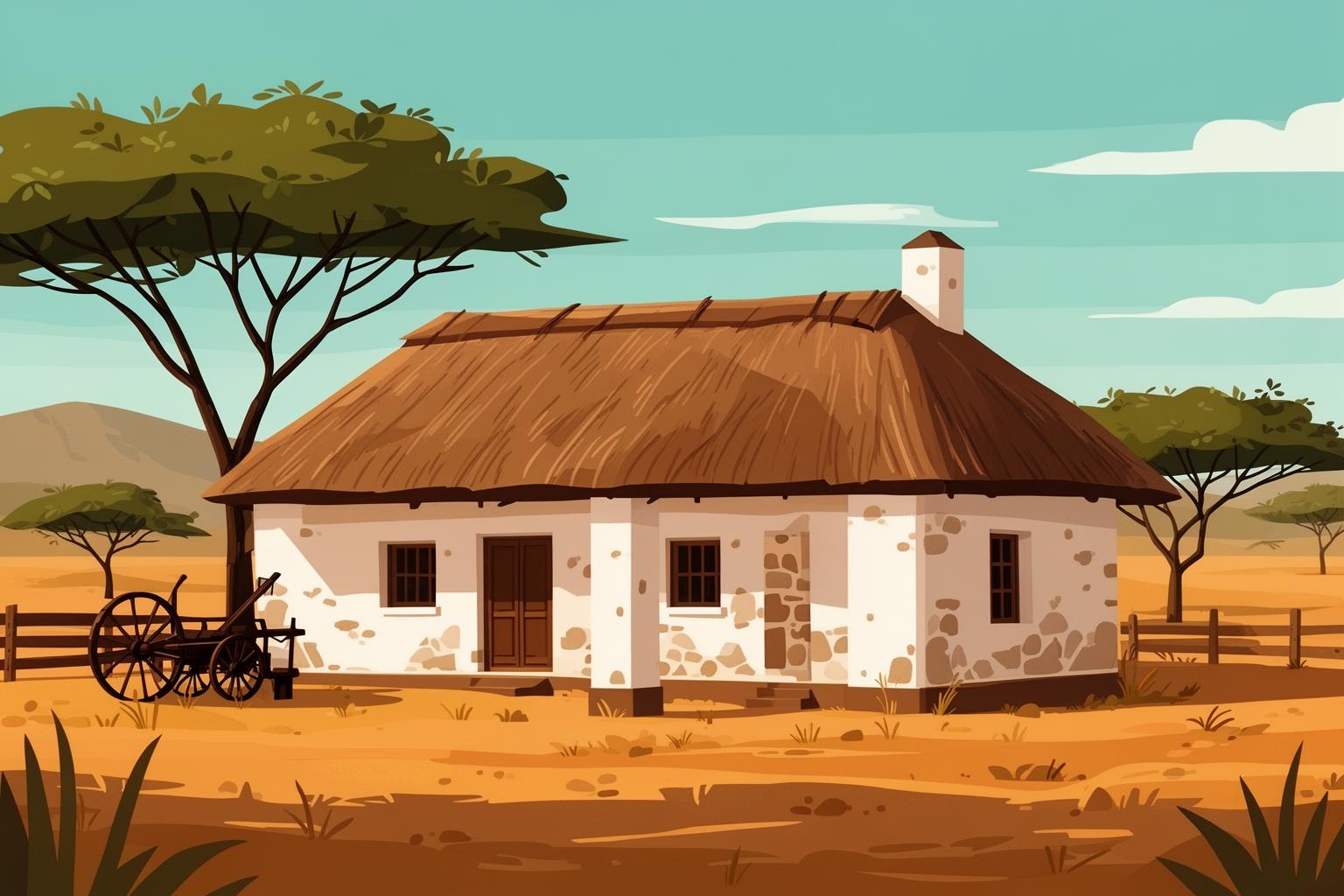
The pilgrimage begins, as it must, with the most iconic line from the book and film: “I had a farm in Africa, at the foot of the Ngong Hills.” That farm, Mbogani, still stands today. It is now the Karen Blixen Museum, nestled in the leafy, upscale Nairobi suburb that bears her name. Passing through its gates, you feel the fabric of time grow thin. The modern world, with its traffic and noise, fades into a soft murmur, replaced by the crunch of gravel beneath your feet and the scents of eucalyptus and blooming jacaranda. The house itself, a charming bungalow of dark wood and stone, doesn’t feel like a museum set. It feels like a home, infused with a quiet, enduring spirit. This was not a film set; it was her actual residence from 1917 to 1931, the place where she lived, loved, struggled, and wrote.
Stepping into a Cinematic Memory
Stepping onto the veranda, you are instantly transported. You can almost see Karen, dressed in khaki and linen, gazing out over the grounds, waiting for Denys’s car to arrive. The air is heavy with the weight of memory. Inside, the enchantment deepens. The museum has been carefully preserved, and although not all the furniture belonged to Blixen (much was sold when she left Kenya), many pieces are original, and others were donated by the Out of Africa production company after filming concluded. These props, now artifacts, blur the boundaries between historical fact and cinematic legend in the most enchanting way. In the drawing room sits the cuckoo clock Denys gave Karen, a whimsical symbol of their unconventional love. The phonograph, which filled lonely nights with Mozart, stands ready to play again. In the dining room, the table is set, and you can almost hear glasses clinking and the spirited debate between Karen, Denys, and their friend Berkeley Cole. The house is a vessel of stories. The guides, many of whom have served years there, are masterful storytellers, weaving together Blixen’s biography with iconic moments from the film. They point out the fireplace where Karen spun her fantastical tales, the desk where she wrote letters home, and the bedroom where she faced illness and heartbreak.
The Soul of the Farm
Beyond the house, the grounds tell their own story. You can stroll through the gardens she tended, a splash of European order amid the wild African landscape. At the edge of the property stands the massive, rusted machinery of the coffee factory. This equipment silently testifies to the venture that ultimately failed but defined her years in Africa. It reflects her tireless effort, the grueling labor, and the devastating financial ruin that led to her departure. Standing there, you understand that her story was not just one of grand romance but also of grit, determination, and profound loss. The air here carries the scent of damp earth and history. It’s a place for quiet reflection, to consider the immense courage it took for a woman of her era to run a vast coffee plantation in a foreign land. Visiting the Karen Blixen Museum is not a passive experience. It is emotional. It’s like feeling a ghost’s breath on your neck, a deep connection to a woman who loved this place so fiercely she never truly left it. It is the perfect, poignant opening to any Out of Africa journey.
Practical Notes for Your Visit
The museum is situated in the Karen suburb, about a 20-30 minute drive from Nairobi’s city center, depending on traffic. Taxis and ride-sharing services are readily available. Plan to spend at least two hours on your visit. The guided tour is essential for unlocking the stories held within the house’s walls. The guides are extremely knowledgeable and passionate. After your tour, take some time to wander the grounds alone. Find a quiet bench, close your eyes, and simply listen. The museum is a popular destination, so visiting on a weekday morning can provide a more peaceful experience. Consider combining your visit with a trip to the nearby Giraffe Centre for a truly memorable day in Karen.
The View from the Hills: The Ngong Hills
No landmark embodies the spirit of Out of Africa more than the Ngong Hills. They are the first feature Karen mentions, standing as steadfast, silent witnesses to her joys and sorrows. They acted as her compass, the steadfast anchor of her African dream. In the film, their rolling, verdant peaks provide the backdrop to countless unforgettable scenes, from contemplative moments on the veranda to the poignant funeral of Denys Finch Hatton. The name “Ngong” derives from a Maasai word meaning “knuckles,” and with four distinct peaks, the name is easy to visualize. Today, the Ngong Hills Forest Reserve remains a place of striking beauty and a must-see for anyone tracing Karen’s path.
A Walk Above the World
The best way to experience the Ngong Hills is on foot. A popular adventure is hiking the entire length of the peaks, a trek lasting several hours that rewards with some of Kenya’s most breathtaking views. As you climb, the sprawling city of Nairobi fades behind you, while the vast Great Rift Valley unfolds ahead. The air turns cooler and purer. The wind constantly accompanies you, rustling through the tall grasses. It is the same wind that carried the drone of Denys’s biplane, the same breeze Karen felt during their unforgettable picnic. On a clear day, the views stretch endlessly. You feel suspended between earth and sky, and here the film’s masterful cinematography truly shines. You grasp why this landscape was chosen, why it so completely captivated Karen. It is a scenery that invites dreaming, evokes humility before its grandeur, yet makes you feel connected to something vast and timeless.
A Final Resting Place
The most moving site in the Ngong Hills is the obelisk marking Denys Finch Hatton’s grave. Though the film shows a solitary grave on the mountainside, his real resting place lies quietly in the hills, a tranquil, reflective spot. Standing there is a deeply moving experience. You recall Karen’s memoir, where she imagined lions coming to rest on his grave, gazing out over the plains. It is a place of pilgrimage for fans of the story, a site to honor the free-spirited adventurer who won the Baroness’s heart. The silence is broken only by the wind and a distant bird call. It powerfully reminds visitors of the real lives and love behind the epic tale. Visiting his grave bridges the gap between cinematic fantasy and historical reality, grounding the sweeping romance in a tangible, sacred place.
Practical Notes for Your Visit
The Ngong Hills are easily reached from Nairobi. It is strongly advised to hire a local guide or join a tour group for the hike, for both navigation and safety. The Kenya Forest Service provides rangers to accompany hikers. Wear sturdy shoes, bring ample water, sunscreen, and a hat. Weather can change quickly, so a light jacket is also recommended. The best time to hike is early morning before the heat builds and to enjoy the clearest views. Standing on those peaks, with the vast land stretching out below, you will understand. You will feel the power of the place that so captivated Karen Blixen and would not let her go.
Into the Wild: Shaba National Reserve & The Great Rift Valley
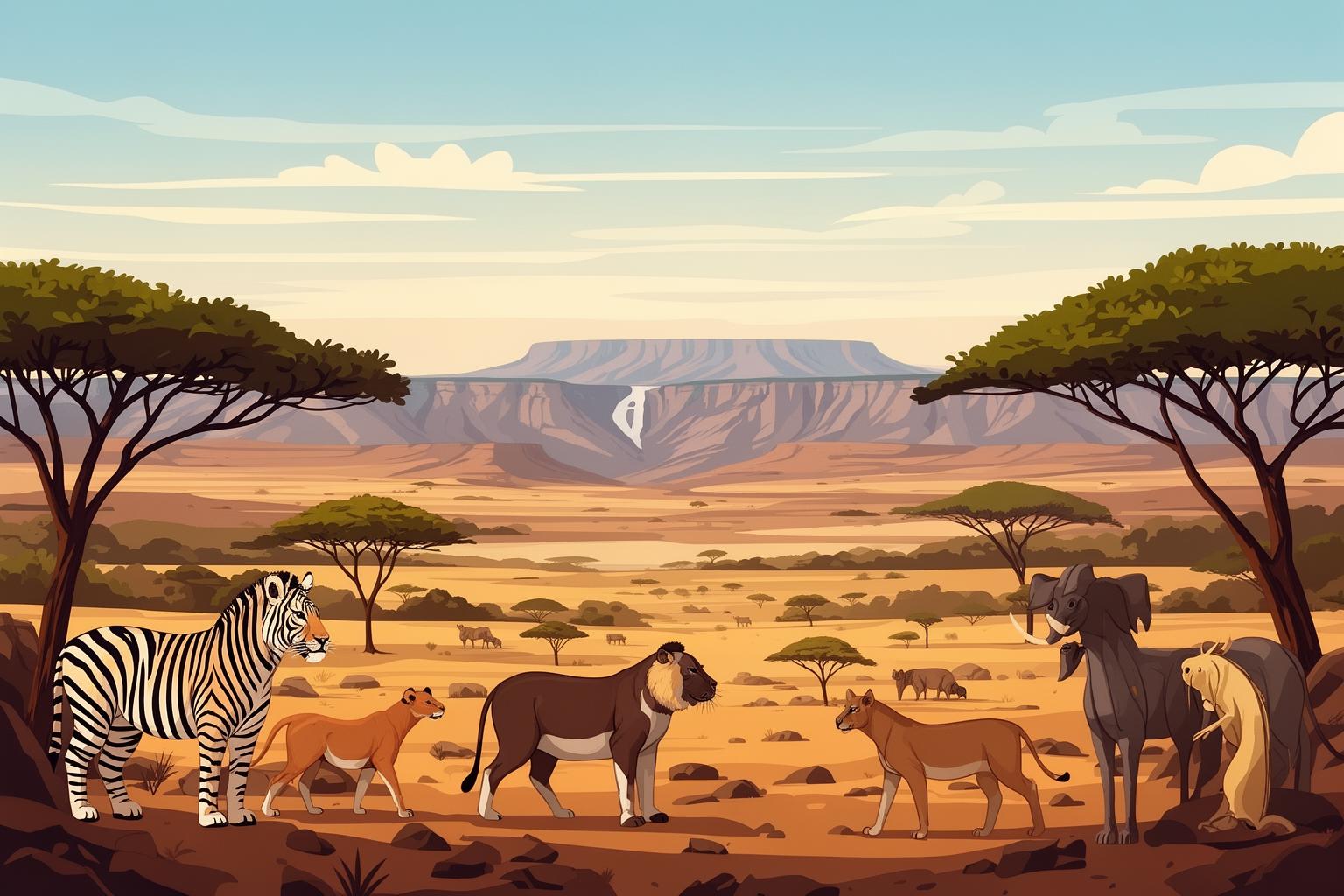
While Karen’s farm and the Ngong Hills formed the emotional heart of Out of Africa, the film’s essence—its feeling of untamed freedom and wild beauty—was captured farther afield. To discover the landscapes of those stunning aerial shots and dramatic wildlife encounters, one must journey north into Kenya’s hotter, drier, and more rugged interior. It was here, mainly within the Shaba National Reserve, that Sydney Pollack found the raw, primordial Africa that elevated the film to an aesthetic masterpiece.
The Rugged Beauty of Shaba
Shaba National Reserve feels worlds apart from the gentle, verdant slopes of Nairobi. It belongs to a trio of reserves, along with Samburu and Buffalo Springs, that safeguard a distinctive and dramatic ecosystem. The terrain is semi-arid, marked by acacia woodlands, rocky outcrops, and the life-giving Ewaso Ng’iro River winding through like a brown ribbon. This is the Africa of stark contrasts: harsh, sun-baked earth meeting lush riverine forests. This striking scenery served as the backdrop for some of the film’s most unforgettable scenes. The iconic moment when Denys’s plane flies low over a flock of thousands of pink flamingos was filmed here. The tense buffalo hunt and the harrowing lion attack that nearly claims Karen and her servant Farah also unfolded against Shaba’s rugged landscape. Visiting Shaba today feels like stepping onto that wild film set. The sense of isolation and untouched nature is tangible. It is less crowded than many of Kenya’s more popular parks, offering a more intimate and authentic safari experience.
Home of the Special Five
The wildlife in Shaba is as distinctive as its landscape. It is renowned for the “Samburu Special Five,” species adapted to this arid environment and rarely seen elsewhere. These include the Grévy’s zebra with its finely detailed stripes; the long-necked gerenuk, which stands on its hind legs to browse acacia bushes; the reticulated giraffe with its striking, patterned coat; the Somali ostrich with its characteristic blue legs; and the Beisa oryx. A game drive through Shaba is a constant quest for these unique animals, alongside lions, leopards, and elephants attracted to the river. To fully immerse yourself in the film’s atmosphere, consider staying at the Sarova Shaba Game Lodge. This riverside lodge served as the base camp for the entire cast and crew during filming months in the region. The lodge is decorated with memorabilia and photos from the production, and staff share stories recalling the excitement of hosting Hollywood royalty.
Soaring Over the Great Rift Valley
No account of Out of Africa‘s locations would be complete without mentioning the Great Rift Valley. This vast geological formation—a massive fissure in the earth’s crust running through the continent—provides the film with its most breathtaking visuals. The aerial shots of Denys and Karen’s biplane soaring over the escarpments, valleys, and soda lakes of the Rift Valley define the film’s epic scale. These scenes were captured across different parts of the valley, including areas around Lake Naivasha and Lake Nakuru. To truly recreate this experience, a scenic flight is the ultimate indulgence. From the air, you appreciate the immense scale and stunning beauty of the landscape. You see earth’s patterns, herds of animals appearing like tiny specks, and the shimmering lakes below. It’s a perspective that transforms you, offering a glimpse of the world as Karen and Denys witnessed it—a world of infinite possibility and freedom.
Practical Notes for Your Visit
Shaba National Reserve lies in northern Kenya, a considerable distance from Nairobi. The easiest way to visit is by taking a short domestic flight to the Samburu airstrip. Safari operators offer all-inclusive packages that cover flights, accommodation, and game drives. The best time to visit is during the dry seasons (June to October and December to March) when wildlife is easier to spot near the river. The Great Rift Valley is more accessible from Nairobi, with many of its lakes and viewpoints reachable as day trips or short overnight stays. Whether explored by land or air, the Rift Valley is a vital part of experiencing the grandeur of the Kenyan landscape that so deeply inspired Karen Blixen.
The Smaller Details: Crafting the Cinematic Illusion
A great film is like a mosaic, composed of grand gestures and tiny, perfect details. While the major locations form the framework for Out of Africa, several smaller yet significant sites contribute to fleshing out the world of colonial Kenya in the early 20th century. These places, both real and recreated, are essential pieces of the journey, adding layers of historical context and cinematic enchantment. They help us grasp not only Karen’s story but also the broader era in which she lived.
The Kikuyu Escarpment
Many of the sweeping landscape shots that establish the film’s strong sense of place were filmed along the Kikuyu Escarpment. This eastern edge of the Great Rift Valley features a dramatic drop-off with breathtaking views over the valley floor. Traveling the winding roads down the escarpment, you regularly encounter vistas that seem lifted straight from the movie. Roadside viewpoints offer safe stops to fully take in the vastness of the scenery. It was here that the filmmakers captured the feeling of a sprawling, unfolding continent—a land of both promise and peril. Driving through this area, perhaps en route to Lake Naivasha or the Maasai Mara, offers an accessible way to experience the everyday majesty that formed the backdrop to Karen Blixen’s life.
The Lunatic Express: The Uganda Railway
Karen Blixen’s African journey begins with a train ride on the Uganda Railway, the ambitious and notoriously challenging line that connected the port of Mombasa to the interior. This railway was the lifeline of the British colony, bringing in supplies, settlers, and soldiers. The film beautifully captures the romance and chaos of this mode of travel. While the original steam locomotives no longer run regularly, the spirit of this era is well preserved at the Nairobi Railway Museum. Here, visitors can see the actual train carriage used in the film—a beautifully restored wooden coach featured in the interior scenes. Stepping inside feels like stepping onto the set. The museum also houses an impressive collection of steam engines, historic photographs, and railway artifacts that recount the story of the “Lunatic Express” and its profound influence on Kenya’s development. It’s a fascinating stop that provides rich historical context for the world Karen entered.
The Colonial Social Scene: The Muthaiga Country Club
Karen Blixen’s social life, along with that of the entire colonial set, centered around exclusive clubs. The most renowned of these was the Muthaiga Country Club in Nairobi, a place where deals were forged, affairs played out, and the rigid social hierarchies of the time were enforced. It served as the setting for the film’s New Year’s Eve party, where Karen confronts the stuffy, patriarchal attitudes of other settlers. The Muthaiga Country Club remains a private, members-only establishment, inaccessible to the general public. Nevertheless, its existence serves as a reminder of the insulated and often scandalous world of the “Happy Valley” set. Although you cannot visit, understanding its role is essential to grasping the social pressures Karen faced. Some upscale hotels and lodges in Kenya, such as the Fairmont The Norfolk Hotel in Nairobi, retain a similar colonial-era charm, offering a glimpse of the old-world elegance and history that defined the period.
Crescent Island and Lake Naivasha
Though not a primary filming location for Out of Africa, the area around Lake Naivasha—especially Crescent Island Game Sanctuary—is so evocative of the film’s atmosphere that it frequently features in themed tours. Crescent Island, a peninsula in the lake, is a refuge for gentle herbivores like giraffes, zebras, waterbucks, and wildebeest. Because there are no predators here, visitors can enjoy a unique walking safari, strolling freely among the animals in a peaceful, open landscape. The scenery, with its iconic flat-topped acacia trees and shimmering lake, feels highly cinematic. It is believed that some background shots were filmed here, and the location is quintessentially East African. A visit captures the idyllic side of Karen’s Africa—the harmony with nature, the quiet afternoons, and the magic of walking alongside wild creatures in their natural habitat. It offers a beautiful contrast to the more dramatic landscapes of Shaba and the Ngong Hills.
Embodying the Spirit: How to Plan Your ‘Out of Africa’ Journey
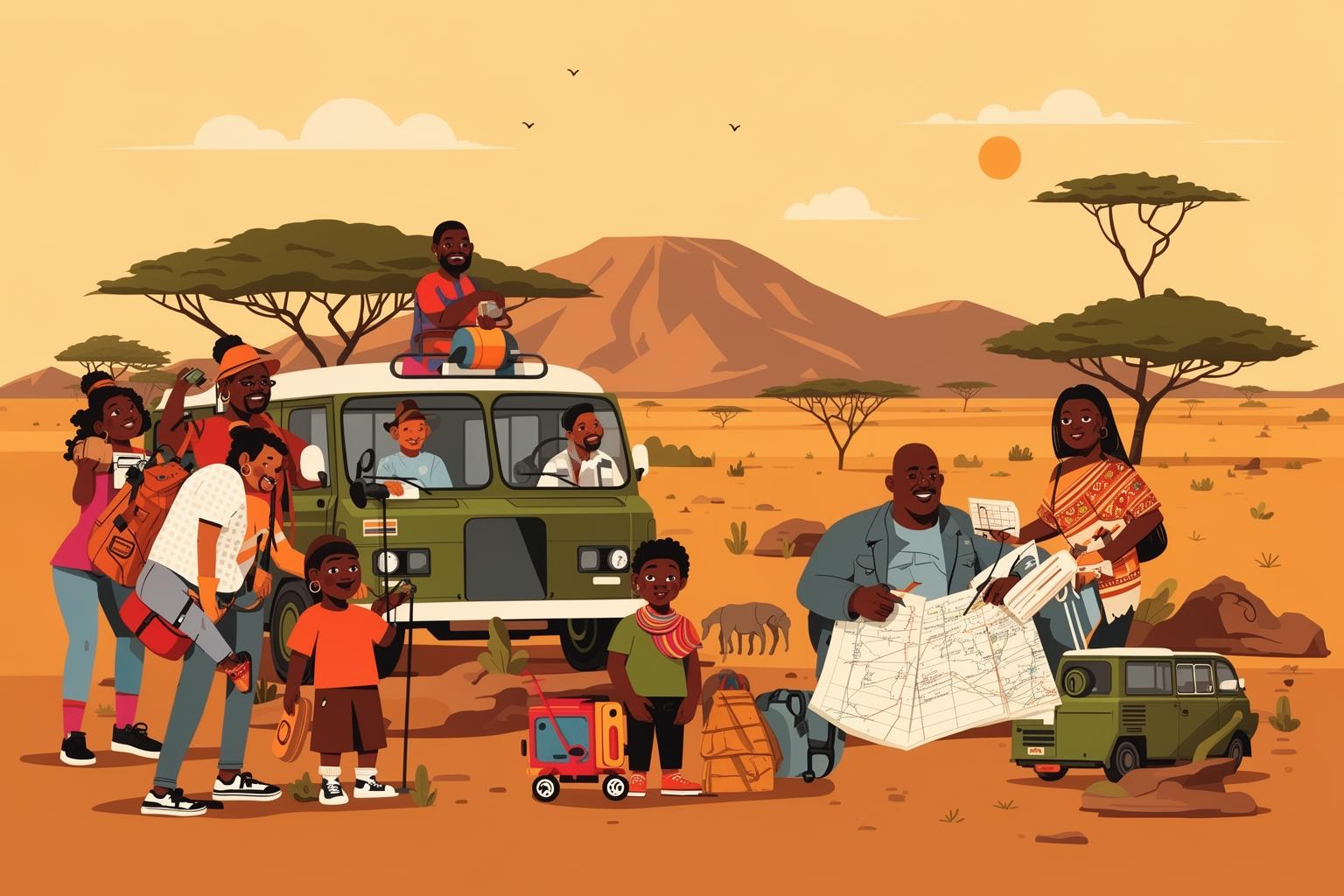
A pilgrimage inspired by Out of Africa goes beyond simply ticking off locations; it offers a deeply emotional and sensory immersion. Planning a trip that reflects the film’s essence involves combining iconic sites, exciting safaris, and peaceful moments of reflection. The goal is to design an itinerary that lets the story of Karen Blixen and the beauty of Kenya unfold naturally and unhurriedly.
Crafting the Ideal Itinerary
A well-rounded journey should both start and finish in Nairobi, which was central to Karen’s life. Begin your adventure by spending a couple of days exploring the capital. Dedicate the first day to diving into her personal history: visit the Karen Blixen Museum in the morning, enjoy lunch in the leafy suburb of Karen, and then perhaps stop by the nearby Giraffe Centre or the David Sheldrick Wildlife Trust to engage with local conservation efforts. On the second day, take in the views with a hike in the Ngong Hills, allowing you to connect physically and emotionally with the landscape that shaped her life.
From Nairobi, venture into the wilderness. For a truly cinematic experience, fly north to the Shaba or Samburu National Reserves. Plan to stay for at least two to three nights, giving you enough time for several game drives to discover unique wildlife and appreciate the stark, dramatic beauty of the area. Lodging near the Ewaso Ng’iro River enhances the experience, waking to the sounds of the bush just as the film crew did.
Lastly, spend some time in the Great Rift Valley. A drive from Nairobi to Lake Naivasha offers a couple of peaceful days. Enjoy a boat trip on the lake, visit Crescent Island for a walking safari, and unwind in an environment that captures colonial-era charm. This itinerary harmonizes Karen Blixen’s personal story with the sweeping landscapes and wildlife that made her tale—and the film—unforgettable.
Practical Considerations for Your Trip
When to Go
Kenya can be visited year-round, but the optimal time for focusing on landscapes and wildlife is during the two dry seasons: June to October and December to March. During these periods, the weather tends to be sunny and pleasant, skies are clear for views of the Ngong Hills and Mount Kenya, and animals gather around water sources, making wildlife easier to spot. The June to October window also aligns with the great wildebeest migration in the Maasai Mara, which, although not an Out of Africa location, can be a spectacular addition to a longer itinerary.
Getting Around
In Nairobi and nearby areas, ride-sharing apps and licensed taxis offer convenience. For longer trips to safari locations such as Shaba, domestic flights are the most efficient mode of transport. Once at a safari lodge, game drive transportation is usually included. For a more flexible and immersive experience, consider hiring a private driver-guide for the entire trip. A skilled guide serves as navigator, naturalist, and cultural interpreter, greatly enriching your journey.
What to Pack
Layered clothing is key for Kenya, as early mornings on safari can be cool, while midday temperatures rise. Bring lightweight clothes in neutral tones like khaki, green, and brown to blend into the environment. Include long-sleeved shirts and trousers for protection from sun and insects in the evenings. Essentials are a wide-brimmed hat, sunglasses, high-SPF sunscreen, insect repellent, and sturdy, comfortable walking shoes. Don’t forget binoculars for a closer view of wildlife and a quality camera to capture the cinematic landscapes. Most importantly, bring a copy of Karen Blixen’s memoir. Reading her words in the very places that inspired them transforms a trip from mere tourism into a genuine pilgrimage.
The Enduring Legacy: Why We Still Seek Karen’s Africa
Decades after its release, Out of Africa continues to captivate audiences and inspire travelers. What gives this story its lasting power? Perhaps it lies in its expression of a universal yearning for connection—not only with another person but also with a place. Karen Blixen’s love affair was not only with Denys Finch Hatton; it was a deep, complex, and unconditional love for the African continent itself. She came as a colonial settler but left profoundly changed by the land, its people, and its wildlife.
The film skillfully portrays this transformation. It offers a vision of Africa that is both romanticized and deeply revered. It is a world of stunning beauty and freedom, yet also one marked by harsh realities and deep sorrow. The Kenya we visit today is, naturally, quite different from the country Blixen knew. It is vibrant, modern, and independent. Still, the landscapes that formed the backdrop of her life remain— in many places—just as wild and majestic as they were a century ago. The silhouette of the Ngong Hills at sunset remains unchanged. The star-filled sky over Shaba is just as brilliant. The call of a fish eagle over Lake Naivasha still resonates across the water.
A journey following in the footsteps of Out of Africa isn’t about chasing a movie fantasy or trying to relive a colonial past. It’s about connecting with something deeper: the timeless, transformative power of the African wilderness. It’s about realizing how a landscape can shape a life, heal a broken heart, and hold one’s most treasured memories. As you stand atop the crest of the Ngong Hills, the wind in your hair and the vast plains stretched out before you, you may find yourself leaving a piece of your heart behind. You are discovering your own Africa—a place that will continue to call to you long after you have gone, just as it always called to Karen Blixen.