There are places on this earth that feel more like ideas than locations, landscapes so deeply infused with story that the soil itself seems to whisper. They are the crucibles of imagination, where the raw material of life—its struggles, its passions, its brutal truths, and its soaring beauties—is forged into literature. For the Nobel laureate Mo Yan, this place is Northeast Gaomi Township. A real administrative district on the vast, sun-scorched plains of Shandong Province in eastern China, Gaomi is also a universe unto itself. It is the Yoknapatawpha of modern Chinese letters, a mythic stage where the entire tumultuous drama of twentieth-century China unfolds through the lives of farmers, soldiers, lovers, and ghosts. To travel to Gaomi is not merely to visit a writer’s hometown; it is to perform a pilgrimage into the very heart of his hallucinatory realism, to walk through the rustling seas of red sorghum, and to breathe the air thick with the legends that nourished a giant of world literature. This is a journey for the soul, a chance to understand how a modest patch of yellow earth could give birth to stories that shake the world.
Much like the literary pilgrimages to other authors’ homelands, such as the journey through the world of Lao She, a visit to Gaomi offers a profound connection to the source of a writer’s inspiration.
The Land that Breathes Stories

The arrival offers a lesson in textures and scale. Stepping off the sleek, silent high-speed train at Gaomi Station feels like a sudden shift in time. You leave behind the polished chrome and towering skyline of Shanghai or Beijing and enter a world defined by the horizon. The sky here is vast, a limitless canvas of pale blue or bruised gray that looms over the pancake-flat expanse of the North China Plain. The first thing that truly hits you, even before the visual vastness registers, is the scent. It’s the smell of the earth—a rich, loamy, and deeply honest fragrance that lingers in the air. It’s the aroma of agriculture, of centuries of planting and harvesting, of life and decay locked in an endless, churning cycle. This is the core sensory experience of Mo Yan’s world, the scent of the yellow earth that both nurtures and ultimately claims his characters.
The atmosphere itself feels different. Here, history isn’t neatly stored in plaques or museum displays. It feels alive, a tangible presence in the wind that sweeps freely across the fields. This is the wind that carried ballads of bandits and the cries of newborns, the same wind that rustles sorghum leaves with a sound like a thousand whispered conversations. Mo Yan’s writing is often called “hallucinatory realism,” and standing here, it’s easy to see why. The landscape holds a raw, elemental force that borders on the mythic. It is both harshly real—a working land defined by labor and sustenance—and deeply dreamlike. The relentless flatness can feel disorienting, blurring boundaries between the real and the imagined, making it a perfect backdrop for tales where donkeys narrate human folly and ghosts linger in distillery yards. Walking here is to sense the soil’s gravitational pull, to recognize that Mo Yan’s characters are not merely set upon this land; they are part of it, their veins flowing with its dust and their spirits shaped by its unforgiving beauty.
In the Footsteps of the Sorghum Clan
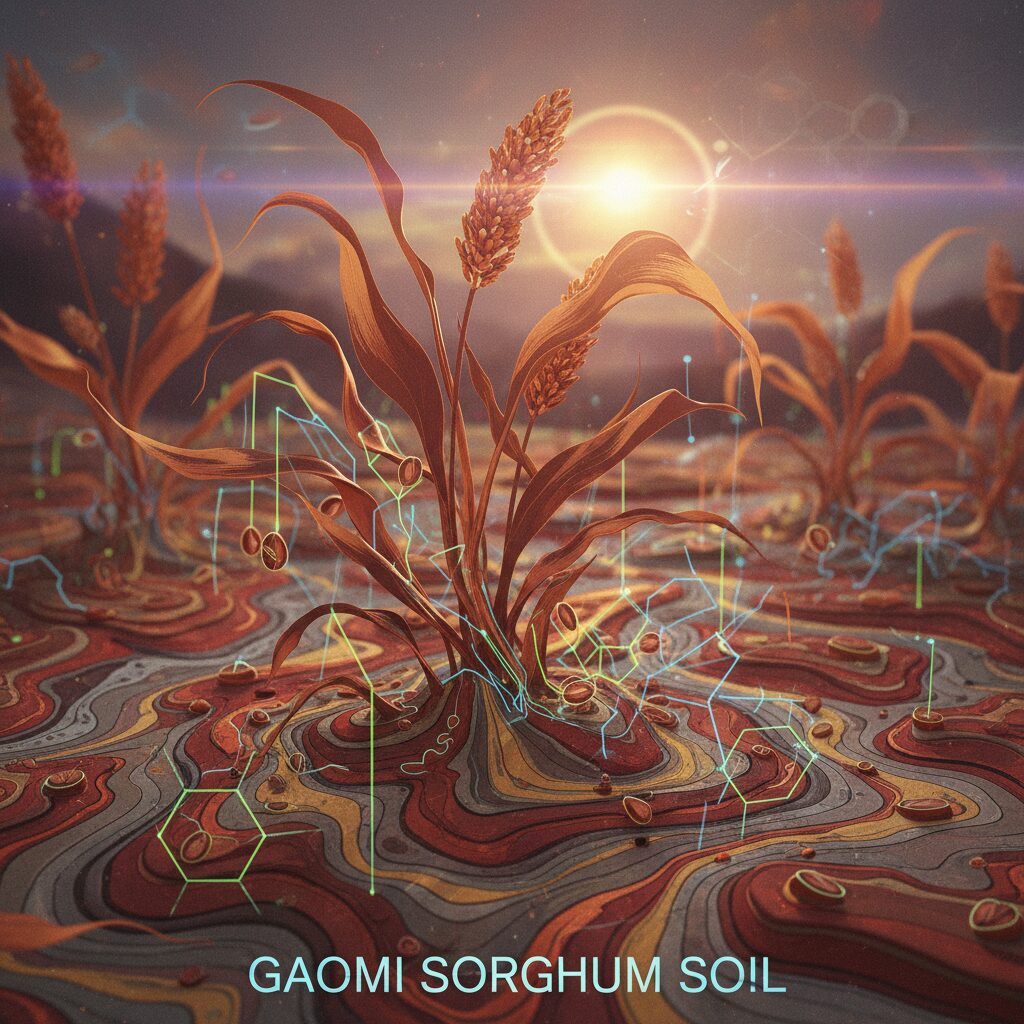
For much of the world, the entrance to Mo Yan’s Gaomi lies through the fiery, blood-red imagery of his masterpiece, Red Sorghum Clan. The novel, along with Zhang Yimou’s acclaimed film adaptation, etched the vision of a vast sorghum sea into the global imagination. Visiting Gaomi in late summer or early autumn reveals that this vision is no exaggeration. The fields extend for miles, a defiant crimson tide beneath the hot Shandong sun. The sorghum grows tall, towering well above a person’s height, forming dense, rustling corridors that feel both intimate and menacing. Standing at the edge of such a field is one experience; stepping inside is quite another. The outside world disappears. The sky shrinks to a sliver of blue glimpsed between the heavy, nodding heads of grain. The only sound is the rhythmic shushing of millions of leaves—a noise that can feel like a conspiratorial whisper or the roar of an ocean, depending on the wind’s mood.
This is the sacred and profane ground of the novel. It was here, in the thick embrace of the sorghum, that the narrator’s grandparents, Yu Zhan’ao and Dai Fenglian, consummated their wild, convention-defying love. It was here that they ran their distillery, turning the essence of the red grain into a spirit so potent it was said to fuel both life and rebellion. And it was here, on the Jiao-Gao plain, that local heroes staged their doomed, glorious ambush against the invading Japanese army, their blood mingling with the rich color of the stalks. Walking these paths is an act of deep empathy. The imagination ignites; you can almost see figures moving through the stalks, hear the defiant songs, and feel the primal energy of a people who drew their strength, passion, and identity from this remarkable plant. Sorghum in Gaomi is not merely a crop; it is a symbol of life itself—raw, untamable, resilient, and stained with the color of memory.
The cinematic legacy adds another dimension to the pilgrimage. Many visitors arrive with the film’s iconic scenes engraved in their minds: Gong Li, a vision in red, carried through the swaying stalks. The raw, violent beauty of those images finds its counterpart here in reality. It is a powerful convergence of literature, cinema, and life. You find yourself framing the landscape like a photographer, searching for the perfect angle where light filters through the leaves, striving to capture the untamable spirit that captivated both novelist and filmmaker—and through them, the world.
A Humble Home, A Universe of Words: Mo Yan’s Former Residence
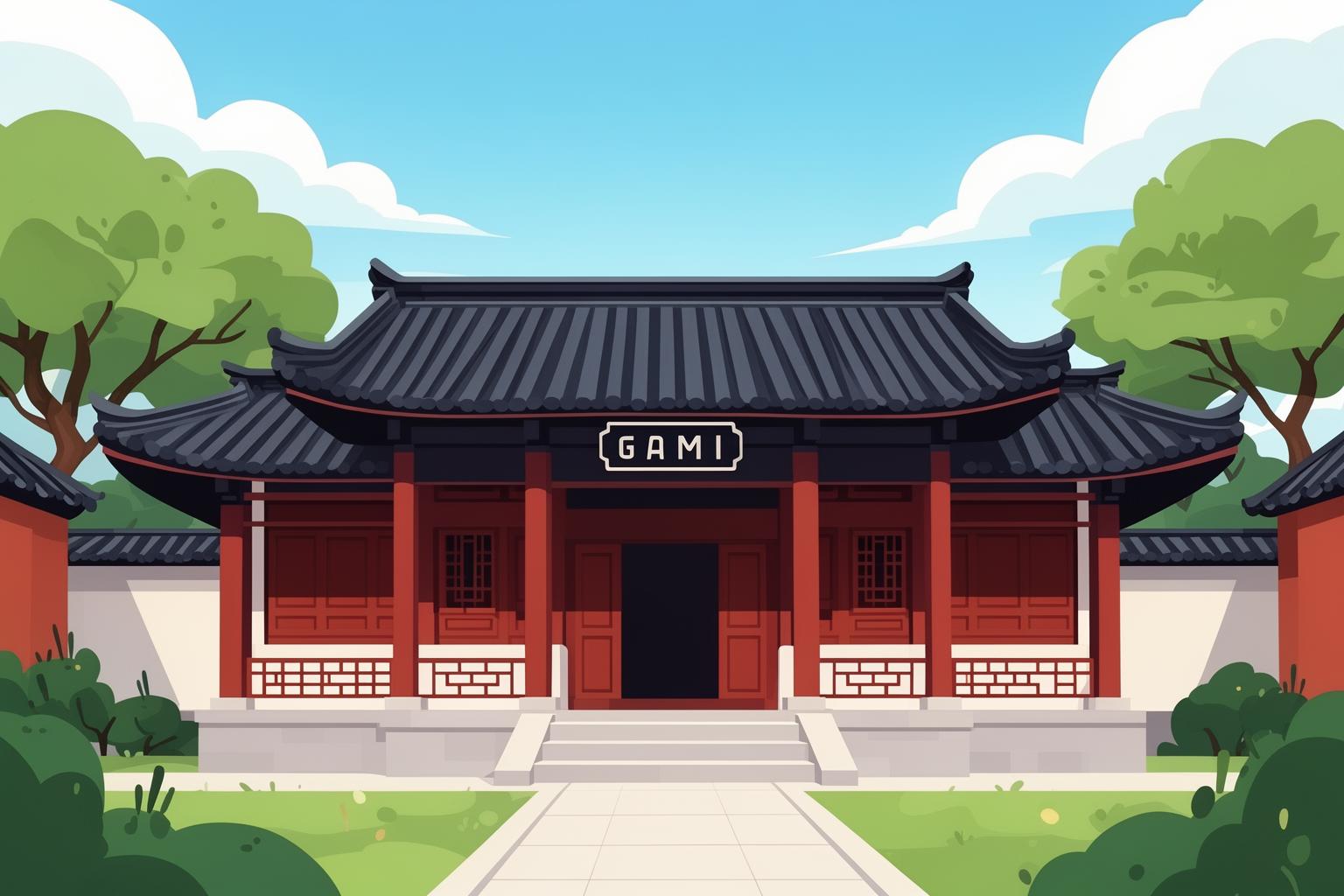
Deep in the countryside, in the quiet and unpretentious Dalan Village, lies the heart of Mo Yan’s literary upheaval: his childhood home. Reaching it is a journey in itself—a shift from the relative modernity of Gaomi city to a landscape seemingly frozen in time. The roads narrow, bordered by poplar trees and irrigation ditches, and the houses are constructed from simpler materials. There are no grand signs or gates marking your arrival. You simply find yourself in a village that feels deeply and authentically real, a place of dirt paths, crowing roosters, and the gentle rhythms of rural life.
Mo Yan’s former home stands as a powerful testament to his roots. It is a small, single-story house made of mud and brick, with a modest tiled roof and a plain wooden door. The courtyard is compact, dusty, and completely unpretentious. Stepping inside is like stepping into a memory. The rooms are small and sparsely furnished. You see the kang, the traditional heated brick bed that served as a communal space for sleeping, eating, and enduring harsh northern winters. You notice the small, roughly made desk where a young Guan Moye (Mo Yan’s birth name) would have sat, poring over books and beginning to weave his epic tales, his imagination breaking free from these earthen walls to span history.
The power of this place lies in its stark simplicity. It exudes a quiet dignity without any attempt at glorification or embellishment. This is the raw material. This is the soil from which the stories emerged. The contrast between the modest physical surroundings and the vast, fantastical scope of the novels it inspired is striking. It compels visitors to reflect on the nature of genius and the human imagination’s ability to create entire worlds from the humblest of origins. The air inside is still, heavy with a sense of quiet resolve. You can almost sense the young writer’s presence, fueled by memories, local folklore, and an insatiable desire to give voice to the voiceless people of his homeland.
Exploring the rest of Dalan Village is equally important. This is not a sterile museum; it is a living community. You see elderly residents sitting outside their homes, their faces marked by the same history that populates Mo Yan’s novels. You see farmers heading to their fields, their movements guided by the same seasons that shape the lives of his characters. This living context is essential. It confirms that the world of Northeast Gaomi Township was not pure invention; it was an amplification of a reality that continues to live and endure.
The Mo Yan Literary Museum: A Modern Tribute
If Mo Yan’s former residence is the heart of his world, then the Mo Yan Literary Museum in Gaomi city serves as its impressive, analytical brain. It presents a striking architectural and thematic contrast to the modest village home. This modern, purpose-built institution is designed to celebrate, contextualize, and archive the life and work of Gaomi’s most famous son. The museum itself is an elegant structure, often incorporating elements that evoke traditional Chinese aesthetics while maintaining a distinctly contemporary feel. It stands as a testament to Gaomi’s pride and recognizes the global stature of its Nobel laureate.
Inside, the museum reveals the story of Guan Moye’s transformation into Mo Yan. The exhibits are carefully curated, leading visitors through his life in chronological order. Faded black-and-white photographs of his family, military service, and early struggles as a writer are on display. Original manuscripts showcase his distinctive calligraphy and the painstaking revisions behind his masterpieces. The museum also holds an impressive collection of his novels in dozens of languages, visually demonstrating his international impact. A replica of his Nobel Prize medal is displayed in a case, serving as a focal point that invites visitors to share a moment of national pride.
Yet, the museum is more than just a collection of artifacts; it acts as a critical companion to his work. It offers the historical and cultural context necessary to fully appreciate the depth of his novels, providing insights into the political and social upheavals that form the backdrop of his fiction. Here, the connections between his personal experiences and literary themes are laid bare, allowing for a deeper understanding of his creative process. The museum becomes a place to connect the dots, revealing how the landscape and history outside are interwoven into the fabric of his art.
The Echoes of The Garlic Ballads
One section of the museum might explore The Garlic Ballads, a powerful novel of social protest inspired by a real incident in a neighboring county. Although the story is not set in Gaomi, its spirit of peasant struggle is deeply rooted in this region. The exhibit could include news clippings and photographs from the time, anchoring the fictional narrative in historical reality. Later, when visiting a bustling local market in Gaomi, the novel takes on new significance. You see farmers selling their produce, hear the passionate haggling, and sense the fierce pride and simmering frustrations of the people. The museum provides the text, but the town offers the living context. It becomes clear that the struggle for dignity and justice depicted in the novel is a timeless theme in this agricultural heartland.
The Cycles of Life in Life and Death Are Wearing Me Out
Another wing might be devoted to the wildly imaginative Life and Death Are Wearing Me Out. The novel’s protagonist, a landowner executed during the Land Reform, is reincarnated repeatedly as a donkey, an ox, a pig, a dog, and finally a monkey, bearing witness to fifty years of Chinese history through these non-human perspectives. The museum can offer explanations of the Buddhist concept of reincarnation and the significance of these animals in the Chinese zodiac and rural life. This fantastical premise feels less abstract after spending time in Gaomi’s villages, where the bond between humans and livestock is intimate and unsentimental. Animals are partners in labor, sources of food, and silent observers of human drama. The novel’s cyclical structure mirrors the endless cycle of the seasons seen here—the plowing, planting, harvesting, and fallow periods. The museum illuminates the philosophical foundations, while the surrounding landscape affirms the novel’s earthy, elemental truths.
A Mother’s Earth in Big Breasts and Wide Hips
Perhaps the most ambitious novel, Big Breasts and Wide Hips, is an epic that filters nearly a century of Chinese history through the suffering and resilience of a monumental mother figure, Shangguan Lu. An exhibit on this novel would likely focus on the role of women and the concept of the earth as a maternal, nurturing force. The museum can provide historical context—the Japanese invasion, the Civil War, the Great Leap Forward, and the Cultural Revolution—that the protagonist endures. Yet the true emotional power of the novel emerges when observing the women of Gaomi. Their strength, tireless work in fields and homes, and role as anchors of families and communities become evident. Shangguan Lu ceases to be just a literary figure; she becomes an archetype for the countless real women whose endurance and sacrifice have sustained this land through unimaginable hardship. The yellow earth stands as the ultimate mother, and these women are her daughters.
The Sensory Palette of Gaomi: Taste, Sound, and Scent

To truly grasp Gaomi, you must experience it with more than just your eyes. It is a place that awakens all the senses, weaving a vivid tapestry of experience that lingers in memory.
Taste
Gaomi’s cuisine embodies the flavor of the land: hearty, sincere, and deeply satisfying. The most iconic local delicacy is the Gaomi lu bao, or Gaomi stove bun. These are not small, dainty treats; they are substantial, fist-sized buns, often filled with seasoned pork and leeks, baked in a traditional cylindrical clay oven. Watching their preparation is like watching a performance. The baker presses the raw buns against the scorching oven wall, where they adhere and bake to a perfect golden brown—crispy outside, steamy, savory, and soft within. Eating a fresh lu bao on a bustling street corner captures the very essence of Shandong—unpretentious, generous, and delicious. Naturally, no culinary journey through Gaomi is complete without sampling its most notorious product: sorghum wine, or honggaoliang jiu. This fiery, potent spirit is clear as water yet delivers a powerful kick and a complex, earthy aroma. It serves as the drink of celebrations and sorrows alike, a social catalyst and the spark of rebellion in Mo Yan’s novels. Taking a small sip sends a wave of warmth through the body—a taste of the wild, untamed spirit of the red sorghum fields.
Sound
Gaomi’s soundscape is full of contrasts. In the countryside heartland, there is a profound quiet that feels almost musical. It is a silence filled with subtle sounds: the constant rustling of corn or sorghum leaves, the chirping of insects in the drowsy afternoon heat, the distant rumble of a tractor tilling the soil, the sharp cry of a hawk soaring overhead. Yet this rural tranquility gives way to a vibrant cacophony in towns and markets. The local dialect is a form of Mandarin, spoken with a fast, robust cadence rich in earthy, guttural tones. In morning markets, this dialect becomes the soundtrack of commerce. Vendors call out their fresh vegetables, rapid bargaining exchanges fly back and forth, and neighbors’ laughter and gossip blend into a lively, pulsating symphony of everyday life. It is the sound of a tightly knit community, vibrant and unapologetically alive.
Scent
Gaomi’s essence is carried on the breeze. The dominant scent is always the earth, which shifts with the weather—dry and dusty on sunny days, heavy and rich after rain. In summer, this base is layered with the sweet, green fragrance of growing corn and the distinct, slightly metallic aroma of sorghum in bloom. Autumn brings the smells of harvest—drying grains and burning crop stubble. Strolling through a village at dusk, the air is fragrant with cooking aromas: the sharp scent of garlic and ginger sizzling in a hot wok, the savory smell of simmering stews, the comforting fragrance of steamed bread. Near a distillery, the air becomes thick and heady with the sweet, fermenting tang of sorghum mash, a scent both intoxicating and deeply tied to the region’s identity. These aromas weave together to form an olfactory map of Gaomi, a map leading you straight into the world vividly brought to life by Mo Yan.
Practical Pilgrim’s Guide: Navigating Northeast Gaomi Township
Embarking on a journey to Mo Yan’s homeland is an incredibly rewarding experience, though it requires some planning since it lies outside the typical tourist routes. This, however, adds to its unique charm.
Getting There
The main entry points are the major cities of Qingdao and Jinan, both featuring international airports (Qingdao Jiaodong International Airport – TAO; Jinan Yaoqiang International Airport – TNA). From either city, Gaomi is easily reachable via China’s impressive high-speed rail network. The train journey itself is a delightful part of the trip. As the train leaves the expansive urban areas, the scenery changes dramatically. Skyscrapers and factories give way to vast, open plains—a patchwork of green and golden fields stretching to the horizon. This visual transition serves as the perfect introduction to Mo Yan’s world. The trip usually takes between one and two hours, arriving at the modern, efficient Gaomi Railway Station.
Getting Around
Gaomi’s city center is compact and can be easily explored with taxis or ride-hailing apps like Didi. However, to fully experience the literary landmarks, you’ll need to venture into the countryside. The most important site—Mo Yan’s former home in Dalan Village—is located several miles from the city. The most practical way to get there and explore nearby areas is to hire a car and driver for half or a full day, which can often be arranged through your hotel. The drive is an immersive experience in itself, winding along smaller roads past farms, villages, and canals. This leisurely journey through the authentic countryside is as much a part of the pilgrimage as the destination.
When to Visit
The best time to visit is in late summer to early autumn, from August through September, when the sorghum reaches its peak height and transforms into its iconic fiery red. The weather is typically warm and pleasant, ideal for walking through fields and villages. Spring (April to May) is also beautiful, with vibrant green plains showing new growth and the beginnings of the agricultural cycle. Winter is cold, stark, and often windy, offering a different kind of beauty—a desolate, monochrome landscape that reflects the harsher realities portrayed in Mo Yan’s work. It’s a time for quiet reflection, though you’ll need to bundle up.
Helpful Advice for the Traveler
Keep in mind that Gaomi is not a major international tourist spot, and that is part of its appeal. Embrace the authenticity of the experience. English is not widely spoken, especially in rural areas, so learning a few basic Mandarin phrases—like “你好” (nǐ hǎo – hello), “谢谢” (xièxiè – thank you), and the names of places you want to visit—will be very helpful and appreciated. Show respect when visiting Dalan Village, as it remains a living community rather than just a tourist attraction. Always ask permission before taking close-up photos of people or their homes. Comfortable walking shoes are essential, as you’ll spend plenty of time on foot exploring fields and unpaved village paths. Lastly, while mobile payments are common throughout China, it’s wise to carry some cash for small, family-run shops or vendors in the countryside.
Beyond the Page: The Enduring Spirit of Gaomi

A pilgrimage to Mo Yan’s Gaomi transforms your perception of his work. The words on the page, once potent but abstract, acquire a vivid, tangible reality. You become more than a reader; you become a witness. You have felt the sun beating down on the sorghum fields, tasted the fire of the local spirit, and walked the same dusty paths as the characters whose lives seemed both larger than life and as real as the earth beneath your feet.
This is a place that reminds you great literature does not emerge in isolation. It grows from a specific soil, nourished by a unique history and culture. Mo Yan introduced Northeast Gaomi Township to the world, but the place itself provided him with the stories, language, and indomitable spirit that permeate every page. To visit Gaomi is to realize that the history here is not a closed chapter. It lives in the resilience of the landscape, in the faces of the elderly, and in the enduring rhythms of agricultural life. It’s a powerful, humbling, and unforgettable experience—a journey that bridges the gap between reader and writer, between story and source, leaving you with the profound sense that you’ve just read a story written not with ink, but with the soil itself.