Written by Taro Kobayashi
There’s a whisper that travels on the breeze through the rolling hills of west-central England. It’s a story spun from honey-colored stone, ancient woodlands, and villages that seem to have tumbled directly out of a half-remembered fairy tale. This is the Cotswolds, an Area of Outstanding Natural Beauty that isn’t just a place on a map, but a feeling—a deep, resonant calm that settles over you the moment you leave the motorway behind and turn onto its winding country lanes. For the traveler seeking not just sights but atmosphere, for the dreamer whose imagination has been fired by the worlds of Tolkien or the quiet charm of Beatrix Potter, the Cotswolds is a pilgrimage. It’s a landscape where every stone wall and babbling brook feels infused with a narrative, a place where the line between history and fantasy beautifully blurs. Forget the rush of the modern world; here, time flows differently, measured in the slow drift of clouds over verdant valleys and the chime of a church bell across a sleepy village green. This isn’t just a trip; it’s an immersion into the very soul of pastoral England, a chance to walk through the pages of a story you’ve always wanted to read. Our journey is a road trip, the ultimate way to unlock the secrets of this region, granting you the freedom to chase the sunlight, to get lost on purpose, and to discover your own perfect corner of this enchanted land. Prepare to set your own pace, to let curiosity be your compass, and to find the magic that awaits around every bend.
This immersive experience is a perfect example of how powerful set-jetting can be, drawing travelers into the real-life landscapes of their favorite stories.
The Golden Hue: Understanding the Soul of the Cotswolds
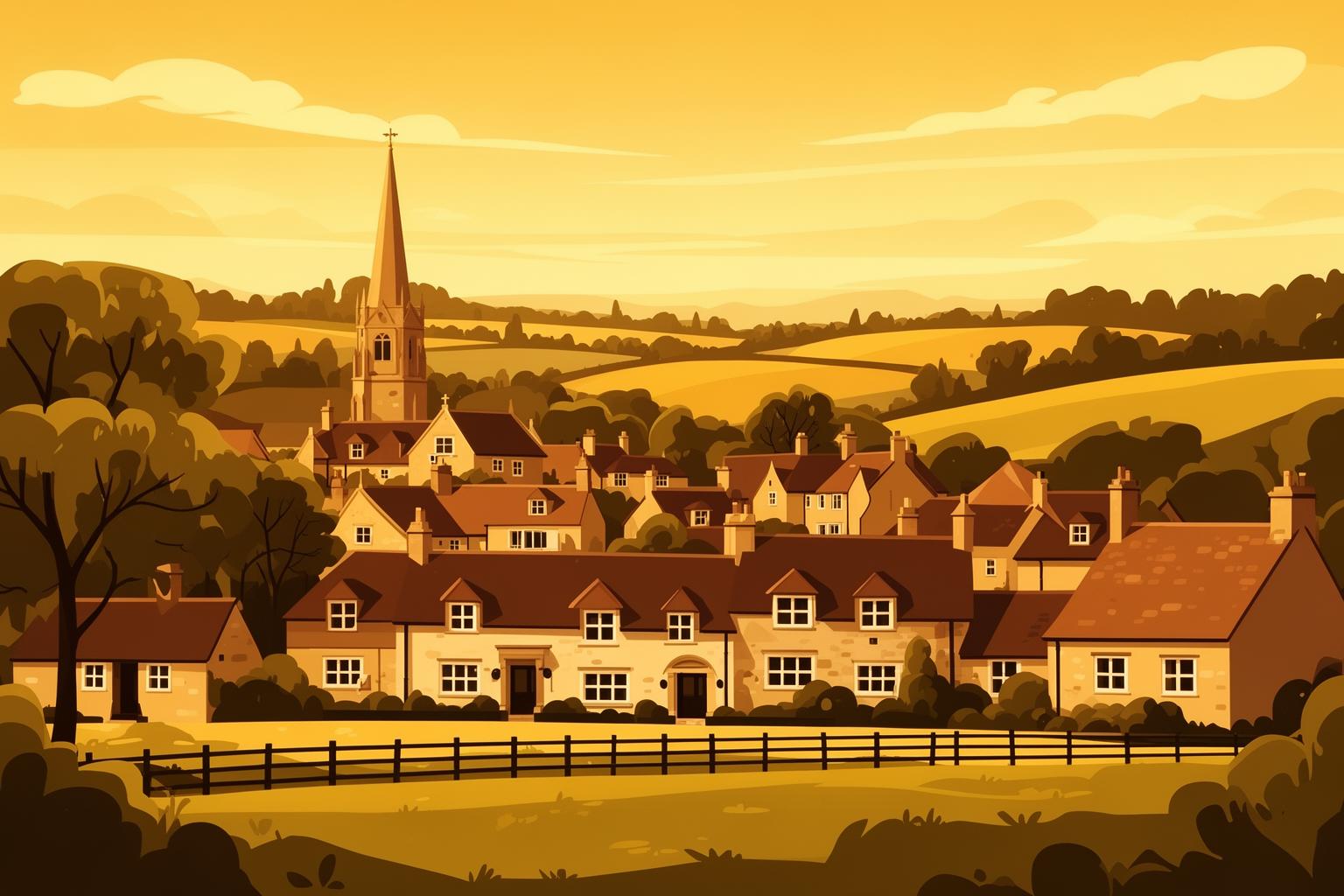
Before you even turn the key in your rental car, you need to understand the stone. It is the unifying element, the very essence of the Cotswolds. This isn’t just any rock; it’s a specific type of Jurassic limestone, rich with fossilized sea creatures from an ancient, shallow ocean that covered this land millions of years ago. When quarried, it breathes in the air and oxidizes, transforming into the iconic honey-gold that glows with a warm, gentle light, especially during the treasured golden hours of sunrise and sunset. This stone is the DNA of the region. It determines the color palette, the texture of the villages, and the sense of enduring history. Every cottage, church, and dry-stone wall testifies to this unique geology, creating a visual harmony that is deeply soothing.
This architectural beauty is closely tied to the history of wool. From the Middle Ages through the 19th century, the Cotswolds was the center of England’s wool trade. The grassy, limestone-rich hills were ideal for grazing a breed of sheep called the ‘Cotswold Lion,’ whose heavy, long fleeces produced some of the finest wool in Europe. This trade brought great wealth to merchants and landowners. And what they did with that wealth was build. They constructed magnificent ‘wool churches’ with towering spires that still dominate village skylines, grand manor houses, and charming cottages for weavers and farmhands. When you stroll through villages like Chipping Campden or Northleach, you’re walking through a landscape shaped by this medieval prosperity. The industry eventually declined with the rise of industrial manufacturing elsewhere, but its legacy essentially froze these villages in time. They were spared the disruptive changes of the Victorian era, preserving their ancient character for us to admire today. This is why it feels like a step back in time—because, in many ways, it truly is. The atmosphere is one of quiet, dignified history, a place that has known wealth but settled into a comfortable, peaceful old age.
Gearing Up for Your Grand Tour: The Practicalities of a Cotswolds Road Trip
Planning the ideal Cotswolds adventure starts with the logistics. Although it may seem far away, the region is surprisingly easy to reach. Most international visitors fly into London Heathrow (LHR), which is roughly a 90-minute to two-hour drive from the eastern edge of the Cotswolds. Bristol Airport (BRS) is another great choice, especially for reaching the southern areas. From there, your journey begins. Renting a car isn’t just advisable; it’s essential. Public transport does exist but is limited and won’t take you to the hidden lanes and tranquil hamlets where the true charm awaits.
Selecting Your Vehicle
When choosing a rental car, opt for something small. The appeal of the Cotswolds lies in its narrow, winding roads, often bordered by old stone walls that leave little room to maneuver. A compact car is much easier to drive and park than a large SUV. Although many cars in the UK have manual transmissions, automatic vehicles are commonly available but should be reserved well ahead of time, especially during the busy season. Be ready for ‘single-track roads,’ where passing places become invaluable. Local custom is to pull into one of these spots to allow oncoming vehicles to pass. A friendly wave is customary and part of the charm. This courteous dance slows your pace, making you savor the journey as much as the destination.
The Importance of Timing: Experiencing the Four Seasons
The Cotswolds dons a distinct, stunning character with each season, shaping the nature of your visit.
Spring (April – May)
For many, spring is the highlight. The landscape bursts with vibrant colors. Hillsides are speckled with newborn lambs—a quintessential image. Daffodils and bluebells carpet the woods, and gardens of famous estates like Hidcote and Kiftsgate come alive. Days grow longer, the air feels crisp, and while occasional spring showers happen, the summer crowds have yet to arrive. It’s a season of renewal and vivid beauty, ideal for hiking and photography.
Summer (June – August)
Summer turns the Cotswolds into a lush, green haven under long, warm days. Pub gardens brim with visitors enjoying pints in the sunshine, and villages hum with activity. This peak season draws many for good reasons: the weather tends to be at its best, and all attractions operate with extended hours. However, expect crowds, especially in popular destinations like Bourton-on-the-Water and Bibury. Booking accommodations and rental cars months or even a year in advance is necessary. To avoid the throngs, explore famous villages early in the morning or later in the evening when day-trippers have gone.
Autumn (September – October)
For hikers like me, autumn is the favorite. The summer crowds fade, and tranquility returns. The low sun bathes the golden stone in a warmer glow, and the foliage shifts to dazzling hues of amber, rust, and gold. The crisp air is perfect for long walks, often rewarded with a cozy spot near a roaring fire in a historic pub. It’s a time of mellow beauty, harvest festivals, and gentle, romantic melancholy.
Winter (November – February)
Don’t overlook a winter visit. This is when you can enjoy the Cotswolds almost entirely to yourself. A light frost or occasional snow covers the villages, turning them into a magical, silent wonderland. It’s the coziest season, ideal for brisk walks followed by a hearty Sunday roast or hot chocolate in a warm tea room. Though some attractions may operate on reduced hours, the essence of the experience—village charm and welcoming pubs—remains. Christmas markets in towns like Broadway and Cirencester offer an intimate and utterly enchanting festive atmosphere.
The Northern Loop: A Journey into the Heart of the Classics
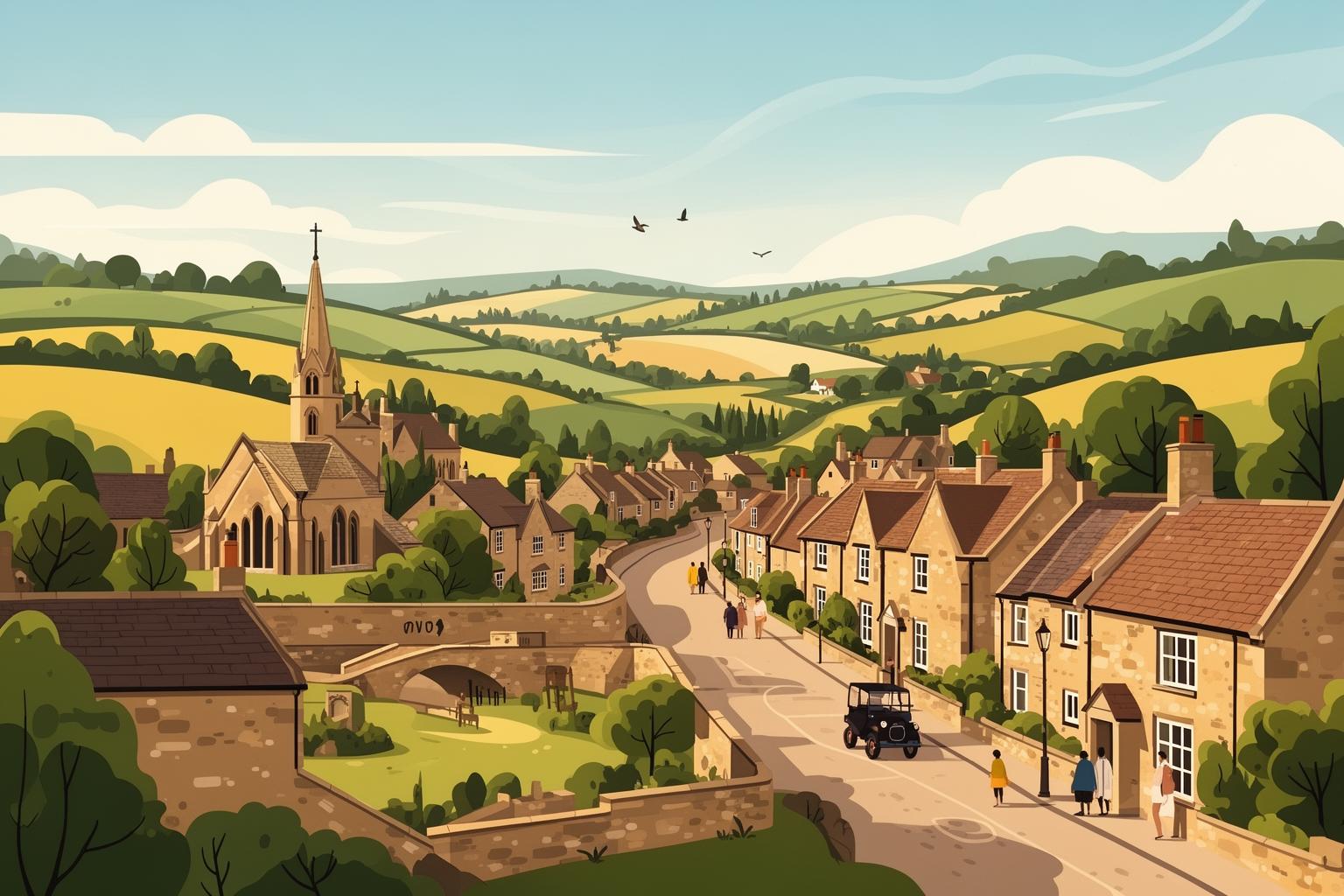
Your road trip should have a flexible framework—a series of iconic destinations you can connect at your own pace. The northern Cotswolds, home to some of the most famous and well-preserved villages, makes an ideal starting point.
Chipping Campden: The Jewel of the Wool Trade
Start in Chipping Campden. The term ‘Chipping’ comes from an Old English word meaning ‘market,’ and the town’s beautiful, gently curving High Street still exudes the prosperous commercial hub it once was. The architecture blends styles from different periods seamlessly, unified by that characteristic golden stone. The centerpiece is the Market Hall, an impressive 17th-century building with open arches designed to shelter merchants from the weather. Take a moment to stroll its length, running your hands over the cool, worn stone while imagining the bustling trade of centuries past. Chipping Campden also holds a strong connection to the Arts and Crafts movement. In the early 20th century, C.R. Ashbee relocated his Guild and School of Handicraft here from London, seeking a simpler, more authentic lifestyle. That craftsmanship legacy continues today in the town’s galleries and studios. For a deeper exploration of horticulture and design, the nearby Hidcote Manor Garden is a must-visit. It’s a masterpiece of outdoor ‘rooms,’ each with its own distinct character, offering a truly inspiring place to wander for a few hours.
Broadway: The Grand Promenade
A short, scenic drive from Chipping Campden brings you to Broadway. Where Chipping Campden feels elegant and refined, Broadway is grand and spacious. Its name perfectly captures its main feature: a wide, tree-lined street flanked by impressive stone buildings, many now housing high-end antique shops, art galleries, and delis. The village has a sophisticated, ‘show village’ atmosphere, yet remains undeniably beautiful. For me, the real highlight lies just beyond the village. A fantastic and invigorating hike leads you up the Cotswold Escarpment to Broadway Tower. This quirky folly, built in the late 18th century, sits at the second-highest point in the Cotswolds. On a clear day, the panoramic views are stunning, stretching across more than a dozen counties. It’s an ideal spot to gain perspective and appreciate the rolling landscape you’re exploring. The tower itself has a fascinating history, and a visit inside is well worth the effort—a perfect blend of man-made curiosity and natural beauty.
Stow-on-the-Wold: Where the Four Winds Meet
‘Stow-on-the-Wold, where the wind blows cold.’ This old rhyme reflects the town’s lofty position atop an 800-foot hill at the convergence of several ancient roads. It was once a vital market town, famous for its vast annual sheep fairs that saw tens of thousands of animals traded in the large market square. That square remains the town’s heart, surrounded by a charming collection of old inns, townhouses, and antique shops. Stow is a treasure for antique enthusiasts, with shops catering to every taste and budget. But its most famous feature, one that resonates with any fantasy lover, is the north door of St. Edward’s Church. Flanked by two ancient, twisted yew trees that have grown into the stonework, it appears as a portal to another world. It is widely believed to have inspired J.R.R. Tolkien’s Doors of Durin in The Lord of the Rings. Standing before it, you can easily see why. It’s a moment of pure, unexpected magic—a perfect fusion of nature, architecture, and myth.
The Slaughters: A Tale of Two Villages
Don’t be misled by the somewhat grim name, which comes from an Old English word meaning ‘muddy place’ or ‘slough.’ Today, Upper and Lower Slaughter are the epitome of Cotswold charm and peace. These two villages are linked by the crystal-clear River Eye, gently flowing through them. The best way to experience them is to park in Lower Slaughter and take the flat, one-mile walk along the river to its quieter neighbor, Upper Slaughter. Lower Slaughter is the more well-known of the two, with its picturesque watermill (now a museum and shop) and a series of lovely stone footbridges crossing the river. It’s impossibly charming. The walk to Upper Slaughter crosses peaceful meadows, far from cars and crowds. Upper Slaughter feels even more untouched, a cluster of beautiful cottages and a grand manor house gathered around the river, with no shops to break the spell. The round-trip walk offers a perfect hour-long immersion in pure, unspoiled Cotswold serenity. It’s a place to slow down, listen to the water, and simply be.
The Southern Trail: Fairytales and Film Sets
Heading south, the landscape becomes a bit more intimate, with valleys growing deeper. Here, you’ll encounter some of the most photographed and filmed villages—places that have become emblematic of English rural perfection.
Bibury: The Most Beautiful Village?
Once hailed by artist and designer William Morris as ‘the most beautiful village in England,’ Bibury has high expectations to meet. For the most part, it does. Its hallmark is Arlington Row, a line of 14th-century weavers’ cottages with steeply pitched roofs, now under the care of the National Trust. This is likely the image you’ve seen on countless postcards and calendars. Without question, it is one of the most iconic and architecturally significant rows of cottages in the country. To truly appreciate it, arrive early. By mid-morning, the narrow lane is often flooded with tour buses. At sunrise, however, you can have it all to yourself, with the gentle morning light glowing on the ancient stone—a breathtaking sight. Beyond the famous row, the rest of the village is a pleasure to wander, with the River Coln flowing through its center. The Bibury Trout Farm offers an enjoyable diversion, where you can watch fish dart in the clear waters and even purchase smoked trout from the shop. Bibury is a village worth visiting, but one you should explore thoughtfully to capture its true spirit.
Castle Combe: The Prettiest Village
If Bibury is considered the most beautiful, Castle Combe is often dubbed the prettiest. Tucked into a wooded valley, the village seems perfectly untouched by modern life—a strict preservation policy has prevented any new houses from being built since the 1600s. Strolling down the hill into the village feels like stepping onto a movie set, and it often has been, with appearances in films like Stardust and Steven Spielberg’s War Horse. The main street curves down to a stone bridge over the Bybrook River, framing one of the most iconic views in the Cotswolds. The village center, featuring a 14th-century Market Cross and the historic St. Andrew’s Church, offers a flawlessly preserved glimpse into English history. A practical tip: parking is very limited and located atop a steep hill just outside the village. Wear comfortable shoes for the walk down—and more importantly, back up. It’s a small trade-off for experiencing such an unspoiled treasure. Grab a pint at The Castle Inn, sit outside, and simply soak up the timeless atmosphere of a place that time has forgotten.
Lacock: A National Trust Treasure
Though technically just beyond the official Cotswolds AONB boundary, no film- and culture-focused visit to the area would be complete without stopping at Lacock. The entire village is owned by the National Trust, guaranteeing its immaculate preservation. It’s a living museum, yet also a genuine, working village. Its streets form a grid lined with a stunning array of medieval, Tudor, and Georgian buildings. But the jewel in Lacock’s crown is Lacock Abbey. Founded in the 13th century, it boasts a rich, varied history but is most famous for two reasons. First, it was home to William Henry Fox Talbot, who in 1835 invented the photographic negative, marking this as the birthplace of modern photography. Second, and perhaps more thrilling for many visitors, its magnificent cloisters and rooms served extensively as filming locations for Hogwarts School of Witchcraft and Wizardry in the Harry Potter movies. Walking through the Abbey’s vaulted corridors, you can almost hear echoes of Professor Snape’s potions classes or envision Harry discovering the Mirror of Erised. This creates a vivid, tangible link to a beloved fictional world, making a visit here an absolute must for any fan.
Beyond the Villages: Immersing Yourself in the Landscape
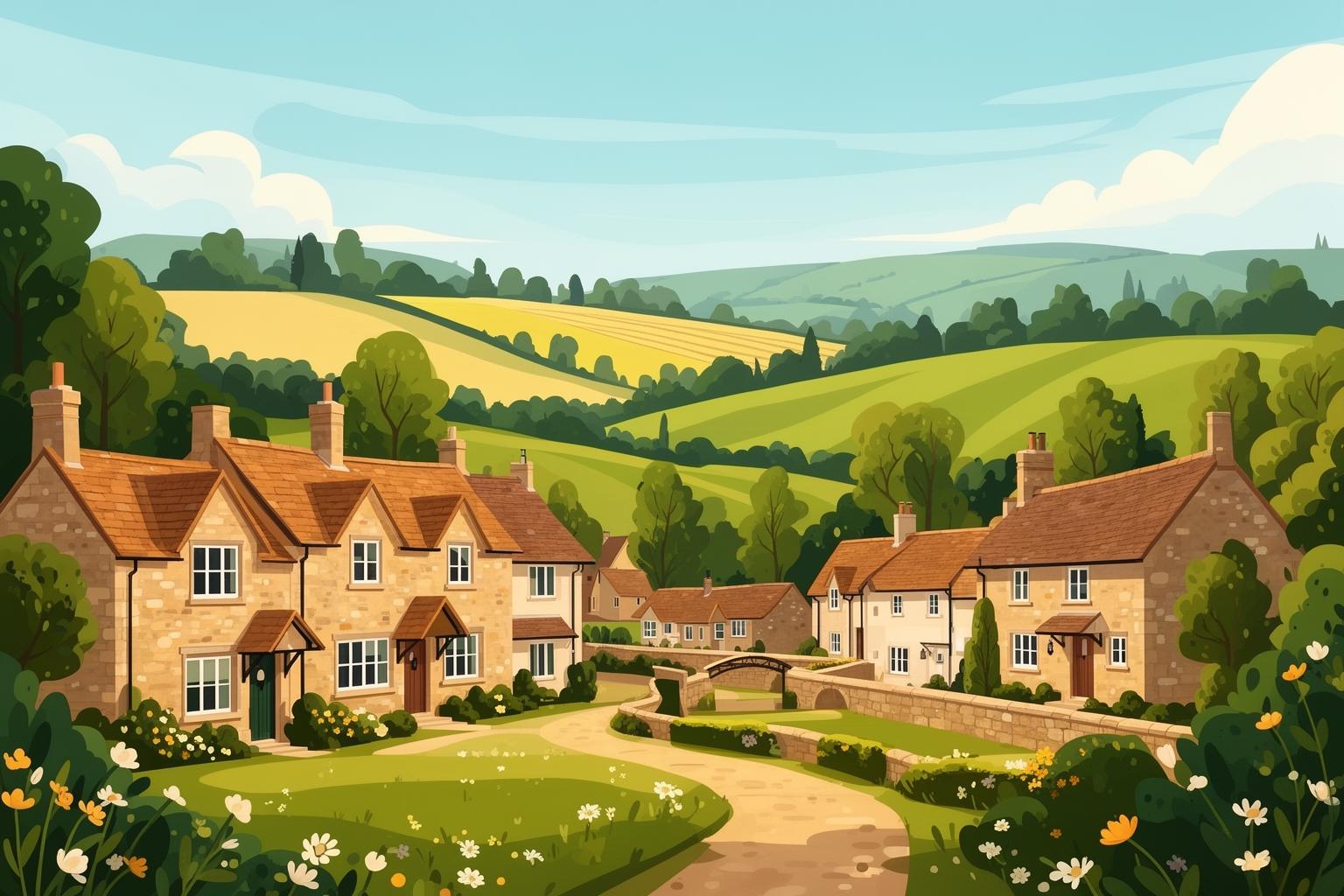
As stunning as the villages are, to truly experience the Cotswolds, you must leave the car behind and feel the earth beneath your feet. This landscape is made for walking.
Walking the Cotswold Way
The Cotswold Way is a 102-mile National Trail that follows the western edge of the escarpment, stretching from Chipping Campden in the north to the city of Bath in the south. You don’t have to walk the entire route to get a sense of its beauty. Many of the most scenic sections can be enjoyed as day hikes. A personal favorite is the circular walk from the village of Stanton, up to the escarpment for breathtaking views, and back down again. Another classic is the well-known trek from Broadway to the Tower. These paths lead you through ancient beech woodlands, across open pastures dotted with sheep, and past Neolithic burial mounds, connecting you to the deep history of the land. The trails are well marked, and the overwhelming sense of peace and accomplishment upon reaching a viewpoint is unforgettable. It’s on these trails, with the wind in your hair and the entire Severn Vale stretching below, that the true scale and beauty of the Cotswolds come alive.
Savoring the Local Flavors
A road trip through the Cotswolds is also a culinary adventure. The region is sprinkled with historic pubs, cozy tea rooms, and excellent restaurants that celebrate local produce. You simply cannot leave without enjoying a traditional cream tea: a pot of tea served with warm scones, clotted cream, and strawberry jam. The debate over whether to spread the cream or jam first is a lively but friendly tradition! For a heartier meal, visit a pub for a Sunday roast, a cherished British custom featuring roasted meat, potatoes, vegetables, and Yorkshire puddings. Look for pubs displaying a ‘CAMRA’ (Campaign for Real Ale) sticker, which indicates they serve well-kept, traditional local ales. Farmers’ markets, such as the one in Stroud, offer a wonderful way to sample local cheeses, chutneys, and baked goods, while also providing a glimpse into the vibrant modern community that sustains this region.
As your journey through this golden-hued dreamscape draws to a close, you’ll realize that the Cotswolds has left an unforgettable impression on you. It’s more than just a collection of charming villages. It’s a reminder to slow down, to appreciate craftsmanship, and to feel the deep connection between a landscape, its history, and its people. You came chasing fairy tales, but you depart having become part of the story yourself. The memories of quiet country lanes, warm scones by a crackling fire, and sunsets that set the very stones alight will stay with you— a gentle invitation to return to England’s enchanted heart.