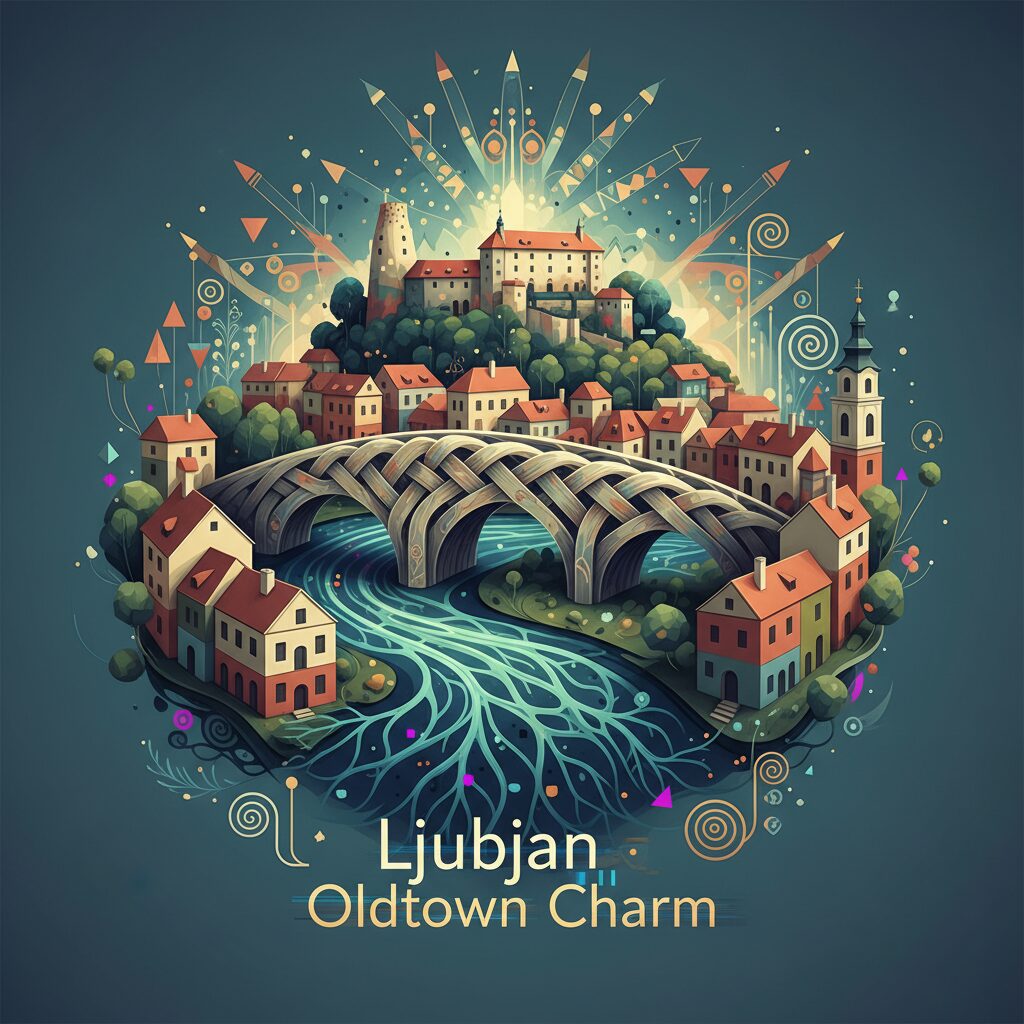
There are cities that shout, that demand your attention with towering monuments and bustling, chaotic energy. And then there are cities that whisper, that invite you to lean in closer, to discover their secrets at your own pace. Ljubljana, the capital of Slovenia, is a city of whispers. It’s a place where dragons sleep on bridges, where a river the color of jade lazily carves its way through a storybook Old Town, and where the creative spirit of a single architect shaped the very soul of the streets. This isn’t just a city; it’s a living poem, a masterpiece of urban design that prioritizes people over traffic, and nature over concrete. For a weekend, it offers not just an escape, but a complete immersion into a world that feels both timeless and vibrantly modern. It’s a city that breathes, and spending a weekend here is learning to breathe along with it, finding a rhythm that is at once relaxing and utterly enchanting. Ljubljana is Europe’s green heart, a place where culture and nature dance in perfect harmony, waiting for you to join in.
For a truly immersive weekend escape, consider how film and TV are reshaping global travel, inviting you to explore destinations that once only existed on screen.
The Rhythm of the River: Unfolding Ljubljana’s Old Town
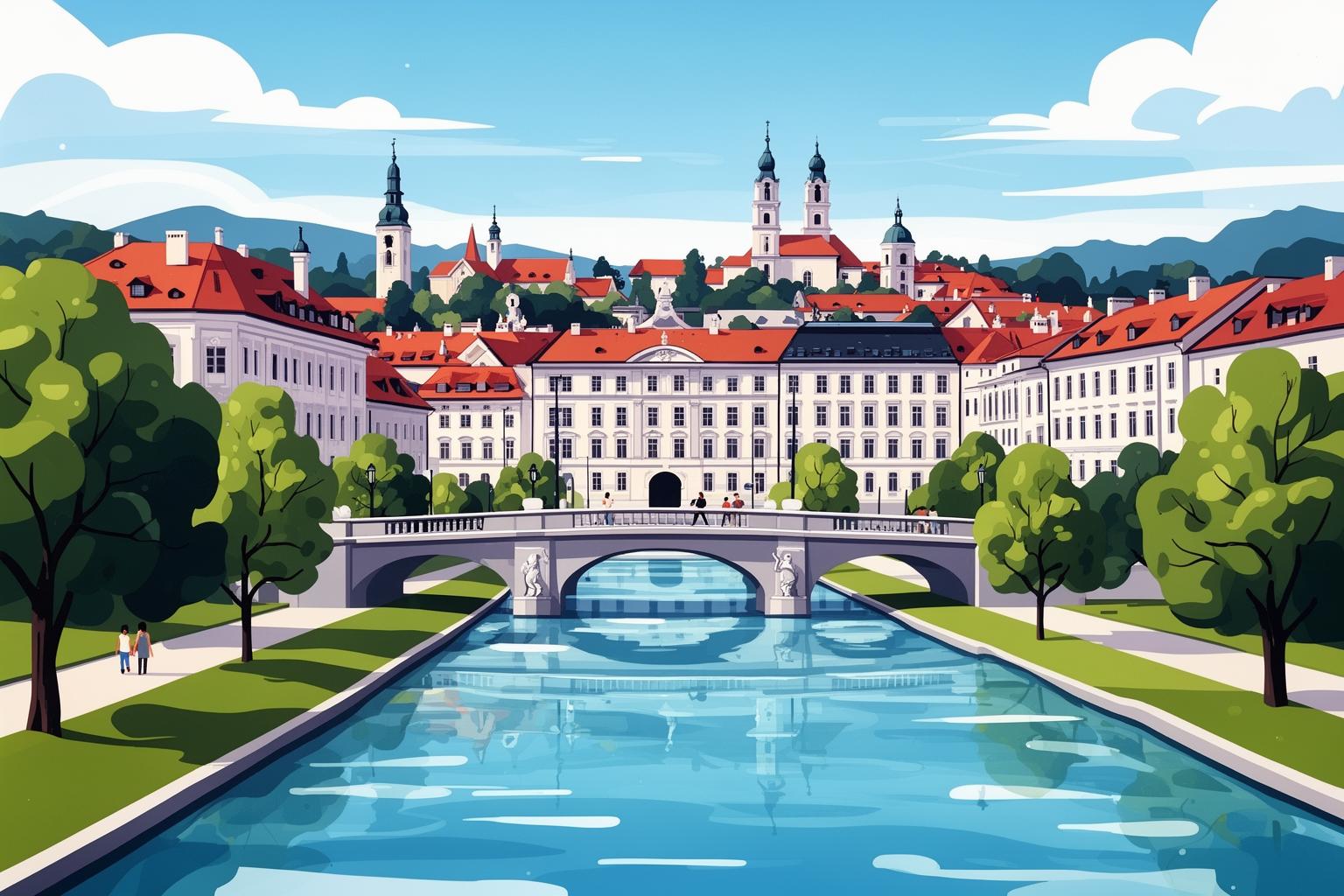
The lifeblood of Ljubljana is the Ljubljanica River. It doesn’t merely flow through the city; it serves as its central artery, main stage, and most stunning mirror. The entire Old Town appears to arrange itself along the river’s gentle bends, with willow trees dipping their branches into the water and cafes setting their tables right at the edge. Exploring the Old Town means following the river’s course, letting it lead you from one wonder to the next. The atmosphere here feels different—free from the roar of traffic, as the central area is largely pedestrianized and replaced by the murmur of conversations, the clinking of glasses, distant notes of a street musician’s accordion, and the soft chime of church bells. The vibe is one of deep, unhurried charm. You sense an immediate feeling of safety and welcome, inviting you to wander without a set destination, lose yourself in the narrow alleyways, and emerge repeatedly onto a sunlit, riverfront promenade.
A Tale of Three Bridges: The Tromostovje and its Neighbors
Ljubljana is a city of bridges, each with its distinct character and story, but none as iconic as the Triple Bridge, or Tromostovje. It’s not a single bridge but a trio of elegant white stone structures fanning out from Prešeren Square. This is the masterpiece of Jože Plečnik, the architectural visionary who shaped modern Ljubljana. Standing in the middle, you sense his genius. He took a single, functional stone bridge from 1842 and, rather than replacing it, flanked it with two pedestrian bridges in the 1930s. He enhanced them with stone balustrades and lamps, crafting a grand, theatrical gateway to the Old Town. It feels less like crossing and more like a piazza suspended over water—a place to pause, watch tour boats glide beneath, and appreciate how art can transform infrastructure into an experience.
A short, dramatic walk downstream places you face-to-face with the city’s guardians at the Dragon Bridge, or Zmajski Most. This bridge is pure Art Nouveau fantasy. Built in 1901, its four corners are anchored by formidable green copper dragons, their wings spread and teeth bared. They are magnificent, powerful symbols of Ljubljana, linked to the legend of Jason and the Argonauts, said to have founded the city after defeating a dragon. According to the legend, the dragons wag their tails when a virgin crosses the bridge. Whether or not you witness a wagging tail, the presence of these creatures feels palpable. They lend the city a mythical, fairy-tale quality, reminding you this is a place where legends seem within reach.
Between these two lies the Butchers’ Bridge, a modern, starkly designed footbridge that has become the city’s own Pont des Arts. Its glass walking panels and steel-wire railings are adorned with “love locks,” a tribute to countless romantic promises. But if you look closely at the bridge’s sculptures by artist Jakov Brdar, you’ll find slightly grotesque, intriguing figures from Greek and Christian mythology, creating a compelling contrast between modern romance and ancient tragedy. It is a bridge of stories, both personal and mythological, perfectly capturing the city’s ability to blend the old, the new, the beautiful, and the slightly strange.
Echoes in the Cobblestones: Prešeren Square and the Franciscan Church
All roads in Ljubljana seem to lead to Prešeren Square. This is the city’s heart, its main forum, and its most cherished meeting place. The square is a beautiful, open space paved with granite blocks, its energy shifting throughout the day. In the morning, it’s peaceful, with locals crossing on their way to work. By afternoon, it buzzes with tourists, students, and the sounds of street performers. Dominating the square is the striking Franciscan Church of the Annunciation. Its salmon-pink facade and twin bell towers are perhaps Ljubljana’s most recognizable image. The hue is unusual—a soft, warm tone that seems to change with the light, glowing at sunset. Inside awaits a world of Baroque splendor, a quiet, ornate sanctuary apart from the bustle outside.
At the square’s center stands a monument to its namesake: France Prešeren, Slovenia’s national poet. His bronze statue gazes across toward a smaller carving of his muse and unrequited love, Julija Primic, affixed to a nearby building’s wall. This subtle detail fills the square with a sense of romantic melancholy. Prešeren’s poetry is woven into Slovenian identity, and his presence here reminds you that this city honors its artists and stories. The square is more than just a beautiful plaza; it is a cultural landmark where history, art, and daily life meet in a vibrant, open-hearted embrace.
A Labyrinth of Delights: Strolling the Mestni and Stari Trg
From Prešeren Square, crossing the Triple Bridge plunges you into the most enchanting parts of the Old Town. The streets of Mestni Trg (Town Square) and Stari Trg (Old Square) curve gently at the foot of the castle hill. This is where Ljubljana’s true magic lies. The buildings display a harmonious blend of Baroque and Art Nouveau facades, painted in soft pastels. There are no grand boulevards here—just intimate, cobbled lanes inviting slow, aimless wandering. Look up to see intricate stucco, whimsical rooftop statues, and charming wooden shutters.
At street level, you find delightful independent boutiques, artisan workshops, cozy cafes, and inviting restaurants. The air carries scents of freshly baked bread, roasting coffee, and in winter, mulled wine. You can spend hours here—ducking into tiny galleries showcasing local painters, finding perfect handmade souvenirs, or simply claiming an outdoor table to watch the world go by. A highlight is the Robba Fountain, also called the Fountain of the Three Carniolan Rivers, an exquisite Baroque masterpiece before the Town Hall. Its allegorical white marble figures represent the Sava, Ljubljanica, and Krka rivers, making it a perfect centerpiece for a city so defined by its relationship with water.
Flavors of the City: The Central Market and Open Kitchen
Follow the river from the Dragon Bridge to reach the bustling Central Market, another of Plečnik’s inspired designs. The market is a feast for the senses, divided into several parts: an open-air section in Vodnik Square piled with colorful fruits and vegetables; a covered area below in Pogačar Square for meats, cheeses, and baked goods; and a beautiful classical colonnade along the river, also designed by Plečnik, housing stalls selling everything from cured meats and fresh fish to flowers and herbs. Here, you catch the city’s true pulse. Listen to friendly haggling between vendors and locals, sample a slice of rich Paški sir cheese, or pick up wild forest berries. It’s an authentic taste of Ljubljana life.
From spring to autumn Fridays, the market transforms. The Pogačar Square section becomes Odprta Kuhna, or the Open Kitchen, an absolute must-visit. Dozens of food stalls, run by Slovenia’s top chefs and restaurants, appear, serving a wide variety of dishes. You’ll find everything from traditional Slovenian fare to exotic international cuisine. The atmosphere is electric, filled with the aroma of smoky grills, sizzling pans, and the happy chatter of people sharing communal tables. It’s a celebration of food and community—the perfect way to experience Slovenia’s diverse culinary scene in one vibrant, delicious spot.
A Castle’s Gaze: The View from Ljubljana Castle
Overlooking the city from its wooded hill is Ljubljana Castle (Ljubljanski Grad). A fortress has stood here for more than 900 years, its walls steeped in history. Reaching the top is part of the experience. You can take a brisk but scenic walk up one of several shaded paths, or ride the sleek, modern glass funicular, offering stunning views as it ascends from near the Central Market. Inside the castle complex, you find a fascinating blend of old and new. The medieval structure has been beautifully restored with modern steel and glass elements, creating a dynamic space that houses museums, galleries, restaurants, and even a nightclub.
Explore the Penitentiary, learn Slovenian history in the permanent exhibition, or visit the charming Puppet Museum. But the true highlight is climbing the Viewing Tower. From its summit, Ljubljana unfolds beneath you like a map. You can trace the Ljubljanica River, spot the pink Franciscan Church and the green dome of the Cathedral, and admire the sea of terracotta roofs defining the Old Town. On a clear day, the view stretches to the snow-capped peaks of the Kamnik-Savinja Alps, a breathtaking panorama that situates this green city within its dramatic natural surroundings. It’s a perspective that connects all the dots of your journey, deepening your appreciation for the city’s beauty and its compact, human scale.
An Urban Oasis: Finding Serenity in Tivoli Park
Just a short stroll from the bustling core of the Old Town lies a vast green space that acts as Ljubljana’s communal backyard: Tivoli Park. Covering over five square kilometers, it’s more than simply a park; it’s a natural extension of the city’s cultural and social life. Stepping into Tivoli feels like passing through a gateway. The city’s noise fades away, replaced by the rustling of leaves, birdsong, and the cheerful laughter of children at play. Designed in the 19th century and later enhanced by Jože Plečnik, the park’s most iconic feature was created by him.
The Jakopič Promenade: An Outdoor Art Gallery
Plečnik’s grand vision is realized in the Jakopič Promenade, a broad central path that stretches from the city’s edge deep into the park’s heart. Lined with majestic chestnut trees and graceful street lamps, it exudes a sense of elegance and purpose. What truly sets this promenade apart is its dual role as a world-class open-air art gallery. Large-format photography exhibitions are displayed on panels along the walkway throughout the year. Walking down the promenade offers a delightful blend of nature and art. You can admire breathtaking images from National Geographic or compelling works by local artists, all while basking in the dappled sunlight filtering through the foliage. This brilliantly simple and accessible concept brings culture out of museums and into the daily lives of the city’s inhabitants. It perfectly reflects Ljubljana’s conviction that art and beauty should be an integral part of the urban landscape, freely available to everyone.
Beyond the Promenade: Exploring Tivoli’s Hidden Corners
While the promenade serves as the park’s main spine, the true delight of Tivoli lies in uncovering its diverse and peaceful corners. The park is a mosaic of formal gardens, wild woodlands, manicured lawns, and secret trails. You can wander for hours, continuously discovering new sights. At the promenade’s end stands the elegant Tivoli Castle, a 17th-century mansion that now hosts the International Centre of Graphic Arts—a must-see for printmaking and visual art enthusiasts. Nearby, the Cekin Mansion houses the Museum of Contemporary History of Slovenia, providing deeper insights into the country’s history.
For a quieter experience, visit the park’s beautiful greenhouse and rose garden, bursting with color and fragrance in spring and summer. Or find the small, tranquil pond where ducks glide lazily by. The park’s northern area merges naturally with Rožnik Hill, featuring a network of forest trails ideal for a gentle hike or trail run. You can climb to the summit for a fresh perspective on the city or visit the small church located there. Tivoli Park offers immense variety, catering to cultural enrichment as well as peaceful reflection. It’s where locals come to exercise, socialize, relax, and reconnect with nature without leaving the urban environment.
A Moment of Pause: Cafes and Contemplation
Within this green sanctuary, there are perfect spots to stop and simply be. One of the most charming is Čolnarna Tivoli, a delightful café situated right by the pond. Taking a seat on its terrace, ordering a coffee and a slice of traditional Slovenian cake like gibanica, and watching the light shimmer on the water is among Ljubljana’s most relaxing experiences. It feels worlds away from the city’s hustle. Scattered throughout the park are other small kiosks and cafés, each offering a welcome chance to rest, enjoy a refreshing drink, and soak up the serene atmosphere. Tivoli isn’t a place to rush through; it’s a place to linger, read a book on a bench, picnic on the grass, and truly appreciate why Ljubljana earned the title of European Green Capital.
The Plečnik Touch: An Architect’s Dream Realized
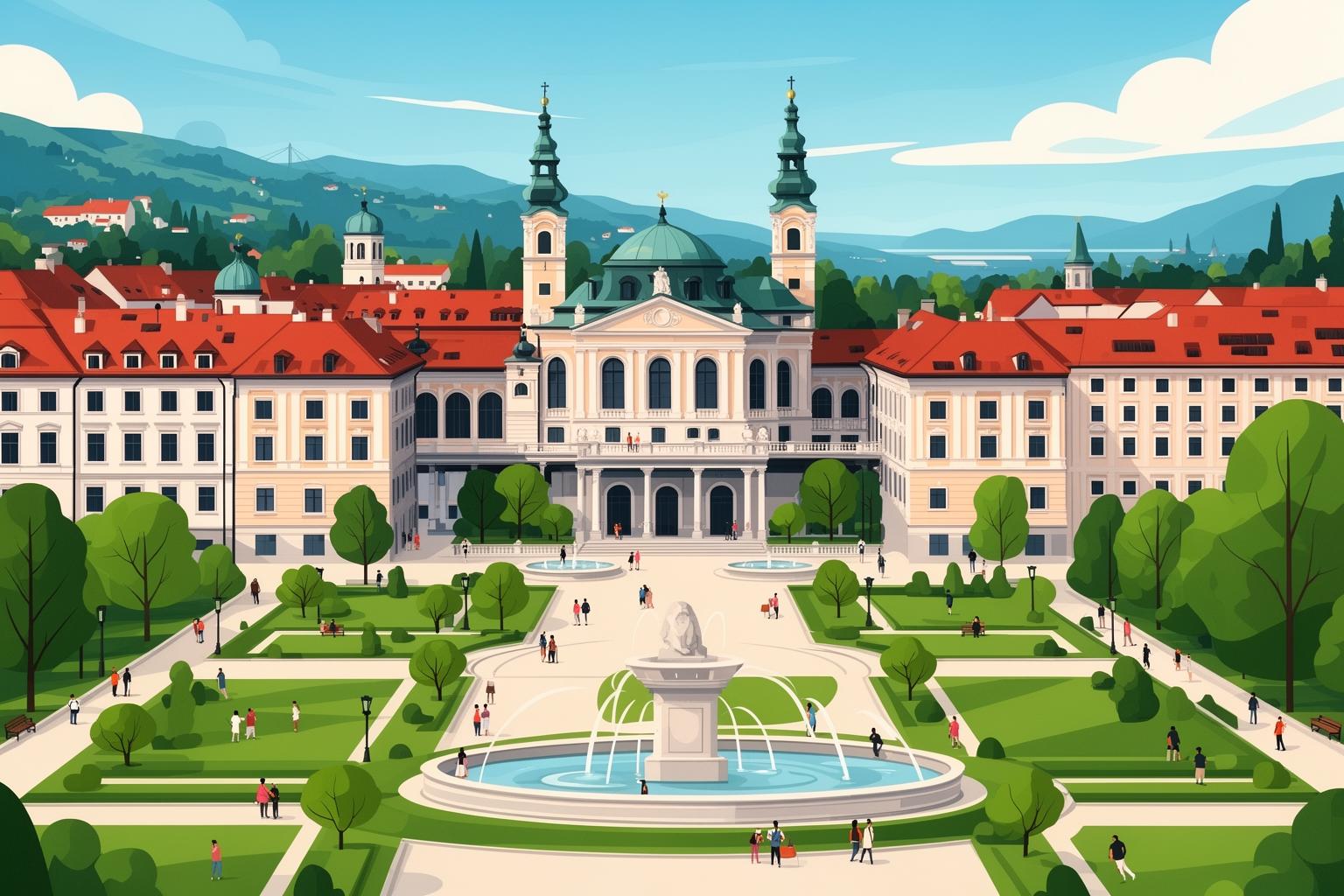
Truly understanding Ljubljana is impossible without recognizing the profound influence of one man: Jože Plečnik. After a successful career in Vienna and Prague, Plečnik returned to his hometown in the 1920s with a mission to transform Ljubljana from a provincial Austro-Hungarian town into a fitting capital for the Slovenian people. Rather than using grand, imposing monuments, he achieved this through a series of thoughtful, human-scaled interventions that honored the city’s existing fabric while giving it a distinctive classical-meets-modern identity. His work is pervasive, making a weekend in Ljubljana a continuous encounter with his genius.
Shaping a Capital: Plečnik’s Vision for Ljubljana
Plečnik’s philosophy centered on creating a city for its people. He believed in the power of public spaces—places where citizens could gather, interact, and foster a shared sense of identity. With an incredible attention to detail, he employed local materials and classical elements—columns, obelisks, pyramids—but reimagined them in entirely original ways. His Ljubljana embodies a dialogue between the grand and the intimate. He designed everything from monumental structures to lampposts and park benches. His urban planning linked the city’s Roman past (Emona) with its modern future, crafting a cohesive and beautiful urban landscape that feels both timeless and deeply personal. To stroll through Ljubljana is to walk through Plečnik’s mind, witnessing his vision for a humane and beautiful city realized.
Tracing His Footsteps: Key Plečnik Masterpieces
Beyond the Triple Bridge and the Central Market colonnade, Plečnik’s influence is evident throughout the city. A walk along the river reveals more of his creations. The Cobblers’ Bridge is a broad, colonnaded bridge designed to provide space for craftsmen to work, reflecting its historical purpose. His renovation of the riverbanks—with stepped embankments, balustrades, and carefully planted trees—transformed a functional waterway into a stunning urban promenade.
Among his most significant works is the National and University Library. Its facade is a masterpiece of texture and symbolism, composed of rugged, uneven brick and stone blocks meant to evoke the intellectual heritage within. The dark marble of the grand staircase, flanked by 32 massive columns, guides visitors from darkness into the light of the spectacular main reading room—a soaring, bright space that serves as a temple to knowledge. Even admired from the outside, the building makes a powerful statement. Plečnik’s vision extended to the city’s final resting place as well. The Žale Cemetery is not a somber site but a beautiful ‘Garden of All Saints,’ featuring a monumental arched entrance and a series of unique, chapel-like farewell structures, each designed with different spiritual and aesthetic sensibilities. It stands as a profound and moving example of his holistic approach to life, death, and civic design.
Practical Melodies: Composing Your Perfect Ljubljana Weekend
Ljubljana is an exceptionally accessible and enjoyable city to explore. Its compact layout and thoughtful planning make it ideal for a brief, refreshing getaway. With some careful planning, you can create a weekend itinerary perfectly aligned with your personal travel pace.
When the City Sings: The Best Time to Visit
Ljubljana is a destination for every season, each bringing its own distinct charm. Spring is magnificent as the city bursts into bloom and the riverside cafes, known as the breg, awaken with life. The weather is mild and perfect for strolling, giving the city a fresh and lively atmosphere. Summer is energetic and vibrant, filled with numerous festivals, open-air concerts, and the delightful Open Kitchen market every Friday. The long, warm days are ideal for relaxing with a drink by the river or enjoying all that Tivoli Park has to offer. Autumn dresses the city in stunning shades of gold and crimson. The crisp air makes exploring a joy, and the thinning crowds provide a more intimate experience. Winter holds a special kind of magic. The city’s festive lighting, created by local artists, is renowned for its artistry and beauty. Christmas markets fill the air with scents of cinnamon and cloves, while a light dusting of snow on the castle hill completes a fairy-tale scene.
Finding Your Tempo: Getting Around the Green Capital
Once you reach the city center, you can set aside your transport maps. Ljubljana’s Old Town is a pedestrian haven. The best way to discover it is on foot, allowing for spontaneous exploration of its charming side streets. The city strongly supports sustainable transportation options. The BicikeLJ bike-sharing system is excellent, with stations scattered throughout the city. For a small fee, you can hop on a bike and venture further, perhaps cycling along the river or through Tivoli Park. For those with mobility challenges or simply tired feet, Ljubljana offers a free service called Kavalir. These small, quiet electric vehicles, resembling oversized golf carts, navigate the pedestrian zone. You can easily hail one, and it will take you anywhere you need within the city center. This thoughtful service highlights the city’s dedication to accessibility and sustainability.
A Taste of Slovenia: Culinary Notes for the Curious Traveler
Slovenian cuisine is a delightful revelation, influenced by Italian, Austrian, Hungarian, and Balkan flavors, yet boasting its own distinct identity. Beyond the Open Kitchen market, be sure to explore local restaurants. For traditional tastes, seek out dishes such as Idrijski Žlikrofi (small dumplings often served with lamb sauce) or Kranjska klobasa (Carniolan sausage). On the sweeter side, no visit is complete without sampling Potica, a traditional nut roll, and Prekmurska gibanica, a rich layered cake with poppy seeds, walnuts, apples, and cottage cheese. Naturally, you must also try the renowned Bled Cream Cake, or kremšnita, available in many Ljubljana cafes. Slovenia also produces exceptional wines, so don’t hesitate to ask for a local Rebula (white) or Teran (red) recommendation. The craft beer scene is flourishing too, with numerous pubs serving excellent local brews. Food in Ljubljana is hearty, flavorful, and a vital part of the cultural experience.
As your weekend in Ljubljana comes to an end, you’ll realize that the gentle whispers you noticed on arrival have become a familiar and comforting melody. You leave not with just a checklist of sights, but with a feeling deeply absorbed. It’s the sensation of sunlight warming a pastel facade, the taste of fresh market cherries, the sound of the river flowing gracefully beneath Plečnik’s bridges, and the profound tranquility of a stroll through Tivoli’s green expanses. Ljubljana doesn’t merely reveal its beauty; it invites you to become part of it. It’s a city that reminds you of the simple, profound joys of walking, seeing, tasting, and listening. You depart with your own rhythm altered—slowed down and enriched by the gentle, unforgettable heartbeat of Slovenia’s emerald capital.