
There are films that entertain, and then there are films that transport. Rob Marshall’s 2005 masterpiece, Memoirs of a Geisha, did more than just tell a story; it painted a world. It pulled back the delicate silk curtain on the hidden, floating world of Kyoto’s geisha, a realm of artistry, grace, and whispered secrets known as the hanamachi. For audiences around the globe, the film was a breathtaking immersion into 1930s Japan, a visual feast of rustling kimonos, lantern-lit cobblestone alleys, and breathtaking natural beauty. It was a story of resilience, of a young girl named Chiyo who transforms into the legendary geisha Sayuri, navigating a life as exquisite as it was restrictive. While the narrative itself is a work of fiction, born from the pages of Arthur Golden’s novel, the world it depicted felt profoundly real. That’s because, in many ways, it was. The filmmakers masterfully blended meticulously crafted sets with real, tangible locations in Japan, primarily in the timeless city of Kyoto. To walk these streets today is to step directly into the frames of the film, to feel the echoes of Sayuri’s journey under your feet. This is not just a sightseeing tour; it is a pilgrimage. It’s a chance to connect with the cinematic magic and the deep, enduring culture that inspired it. This guide is your invitation to follow in Sayuri’s footsteps, to discover the very spots where her story unfolded, and to find that the enchanting world of Memoirs of a Geisha is waiting for you, just beyond the screen.
This cinematic pilgrimage is part of a rich tradition of exploring how films can transform our perception of real places, much like the journey through the landscapes of Waltz with Bashir.
The Heart of the Hanamachi: Gion and Shirakawa
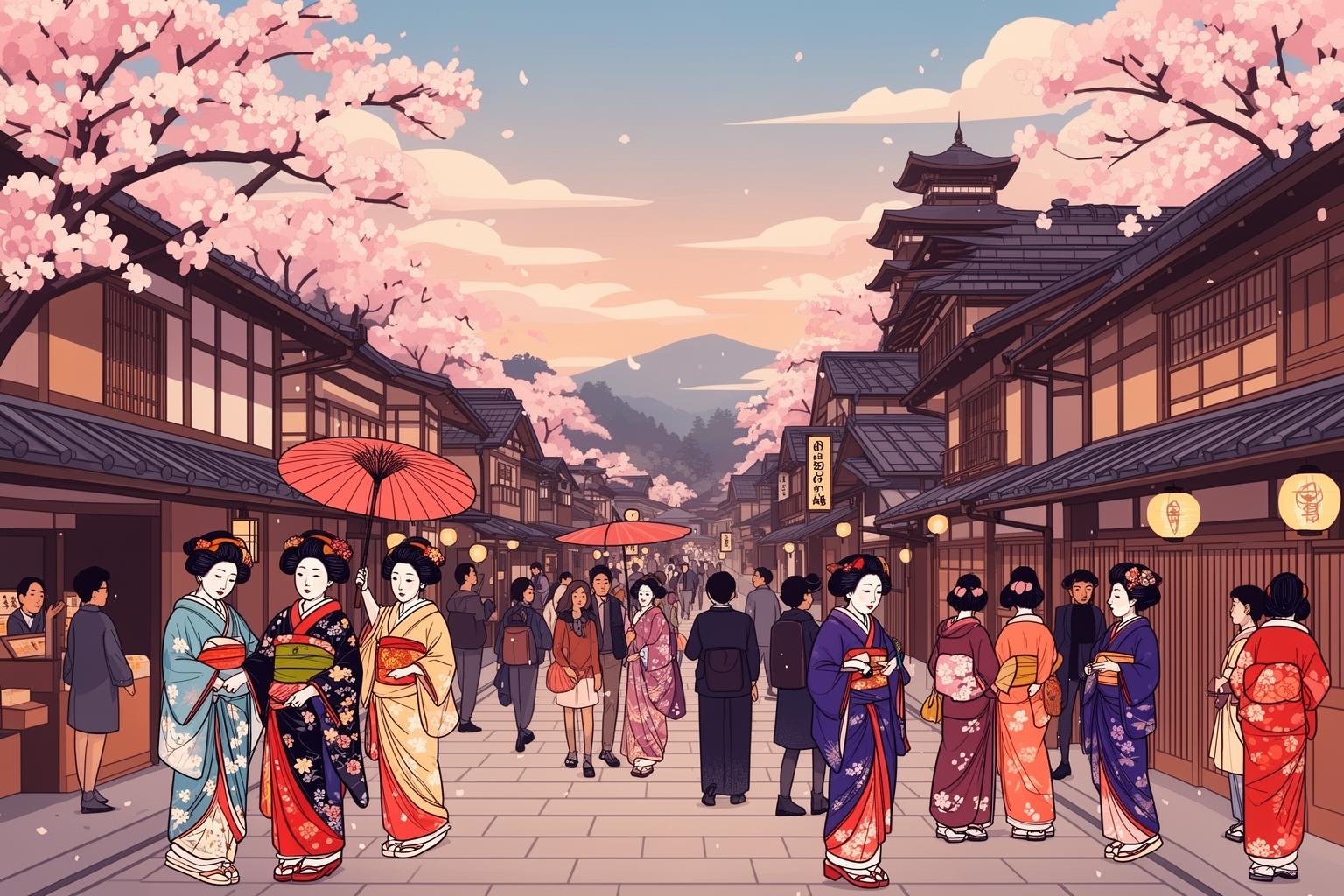
If there is a single place that embodies the entire spirit of Memoirs of a Geisha, it is Gion. This historic geisha district in Kyoto lies at the very heart of the karyukai (the flower and willow world). As you leave the bustling main avenues of modern Kyoto and step into Gion’s narrow lanes, the city’s rhythm softens. The air becomes quiet, broken only by the gentle click-clack of wooden geta sandals on stone and the subtle rustle of willow branches swaying in the breeze. It is here that Sayuri learned her craft, walked alongside Mameha, and competed with the formidable Hatsumomo. The district serves as a living museum, with its preserved wooden machiya townhouses featuring delicate lattice fronts and sliding paper screens, housing exclusive ochaya (teahouses), restaurants, and the okiya (geisha lodging houses) where the story’s characters lived and worked.
Shirakawa Lane: The Bridge of Encounters
The most visually striking and, arguably, the most beautiful part of Gion is the Shirakawa area. This small, stone-paved lane runs beside a crystal-clear canal, lined with weeping willows that dip their leaves into the water. It feels incredibly romantic, like a scene lifted directly from an ukiyo-e woodblock print. This setting forms the backdrop for one of the film’s most pivotal moments: where a young, despondent Chiyo sits crying on the steps by the canal, only to receive a moment of kindness from the benevolent Chairman. That simple gesture—the purchase of a sweet ice—sets her entire life on a new path. Standing on that very spot, watching the water flow, you can feel the weight of that fateful encounter.
At the heart of this area is the small, elegant Tatsumi Bridge (Tatsumi-bashi). In the film, Chiyo and later Sayuri cross this bridge countless times, symbolizing a passage from one stage of life to another. Standing on the bridge, you are immersed in the quintessential Gion atmosphere: dark wood, paper lanterns, gracefully curved willows, and the quiet dignity of traditional buildings. It’s a photographer’s paradise, but beyond that, it’s a place for quiet reflection. You can almost hear the whisper of silk and the faint strains of a shamisen drifting from a nearby teahouse.
Practical Tips for Visiting Shirakawa
To truly experience the magic of Shirakawa, timing is crucial. The lane is small and extremely popular. To enjoy its serene beauty without crowds, visit at dawn. As the morning light filters through the willow trees and illuminates the mist rising from the canal, the area becomes utterly still and profoundly peaceful. You’ll have the cobblestones almost to yourself, allowing for uninterrupted photos and a genuine sense of stepping back in time. Alternatively, an evening stroll offers a different kind of enchantment. The soft glow of paper lanterns reflects on the water’s surface, creating a dreamy, intimate atmosphere. This is when you might catch a fleeting glimpse of a geiko (the Kyoto term for geisha) or a maiko (an apprentice geisha) hurrying to an appointment, their exquisite kimono providing a flash of color in the twilight. It is a breathtaking sight, but it comes with an important responsibility. Remember that these women are professionals at work, not tourist attractions. Maintain a respectful distance, never block their path, and absolutely refrain from using flash photography. The quiet dignity of Gion depends on visitors’ respect. A polite nod is all you should offer. For your safety and comfort, especially if exploring at night, stick to the well-lit main paths of Shirakawa and the broader Hanamikoji Street. The area is very safe, but the narrow, maze-like alleys can be confusing after dark.
Hanamikoji Street: The Main Thoroughfare
While Shirakawa exudes intimate charm, Hanamikoji Street is Gion’s grand stage. This broader, longer street is lined with some of Japan’s most exclusive and historic teahouses and restaurants. Its name means “Flower Viewing Lane,” and for centuries, it has entertained the most powerful men in Japan. In the film, this street symbolizes the world Sayuri dreams of conquering. You can picture her elegantly walking down this path, a vision of silk and powdered grace, on her way to an engagement. The buildings here are magnificent examples of traditional architecture, their discreet entrances concealing worlds of unparalleled refinement. Look for the small red lanterns hanging outside and the nameplates bearing the crests of the establishments. During the day, Hanamikoji bustles with tourists and shoppers browsing specialty stores selling everything from exquisite hair ornaments (kanzashi) to green tea sweets. But as night falls, a hush descends over the street. Taxis arrive to drop off well-heeled clients, and the air thickens with anticipation. This is when true Gion comes alive. It’s a fantastic place for people-watching, but remember that the teahouses are not open to the general public; entry is by introduction only. You can, however, soak up the atmosphere by dining at one of the high-end restaurants along the street that welcome public reservations, offering a taste of Kyoto’s famed kaiseki multi-course cuisine.
The Thousand Gates of Fushimi Inari Shrine
Perhaps no other image from Memoirs of a Geisha is as instantly recognizable or visually striking as that of young Chiyo, desperate yet hopeful, running through an endless, hypnotic tunnel of vermilion torii gates. This unforgettable scene was filmed at Fushimi Inari Taisha, a Shinto shrine in southern Kyoto that has become one of Japan’s most iconic landmarks. Experiencing this path in person is just as powerful as it looks on screen—a true sensory overload in the most wonderful way.
A Cinematic Dash Through Vermilion Tunnels
The shrine is dedicated to Inari, the god of rice, sake, and prosperity. Thousands upon thousands of torii gates line the mountain paths behind the main shrine, donated by individuals and businesses seeking good fortune. Each gate bears the donor’s name and the date of donation, creating a sprawling, living record of faith and commerce. Stepping onto the main path, known as the Senbon Torii (Thousand Torii), you are instantly surrounded. The gates are so closely spaced that they form a surreal, covered walkway. Sunlight filters through the gaps, casting shifting patterns of light and shadow on the stone path. The air feels charged with energy. As you walk, the vermilion hue seems to pulse, offering a striking contrast to the lush green forest around you. The film captures the sensation of a frantic, almost dreamlike journey perfectly. For Chiyo, her run is a prayer—a desperate plea to the gods to alter her fate. Walking the path, you sense that same momentum and transition: moving through a portal, leaving one state of being behind and entering another. It’s a powerful metaphor for transformation, central to Sayuri’s story and a universal human experience.
Experiencing Fushimi Inari Beyond the Film
Many visitors don’t realize that the famous, densely packed gates at the trail’s start represent just that—the start. The path extends for a full 4 kilometers (about 2.5 miles) to the summit of Mount Inari, a hike taking roughly two to three hours. While the initial stretch is often crowded, the number of visitors decreases dramatically as you climb higher. I strongly encourage you to keep going. The ascent itself is a spiritual pilgrimage. Along the way, you’ll find dozens of smaller, atmospheric sub-shrines hidden in the woods, many decorated with statues of foxes (kitsune), believed to be Inari’s messengers. There are peaceful clearings with benches for rest, and small family-run tea houses offering refreshments and spectacular views of Kyoto city below. As you climb, the gates become more spaced out, allowing you to enjoy the serene forest setting. Reaching the summit is less about a grand view and more about the quiet satisfaction of completing the circuit. It’s a far more personal and profound experience than simply taking a photo at the entrance.
A Hiker’s Guide and Safety Notes
Visiting Fushimi Inari is essentially a light hike, so be prepared. The most important item to bring is a comfortable pair of shoes. Though the path is well-maintained, it includes numerous stone steps that can be tiring. Water is essential, especially during Japan’s humid summer, and you’ll appreciate it on the climb. While the shrine is open 24 hours and the path is lit at night, I recommend visiting during the day on your first trip to fully enjoy the scenery and finer details. An early morning start is best to avoid crowds and midday heat. For solo female travelers, the path is very safe during the day, thanks to a steady flow of hikers and pilgrims. If you explore at night for a different, more mysterious ambiance, stick to the main, well-lit loop and stay aware of your surroundings, as you would in any unfamiliar place after dark.
Arashiyama Bamboo Grove: A World of Green Serenity
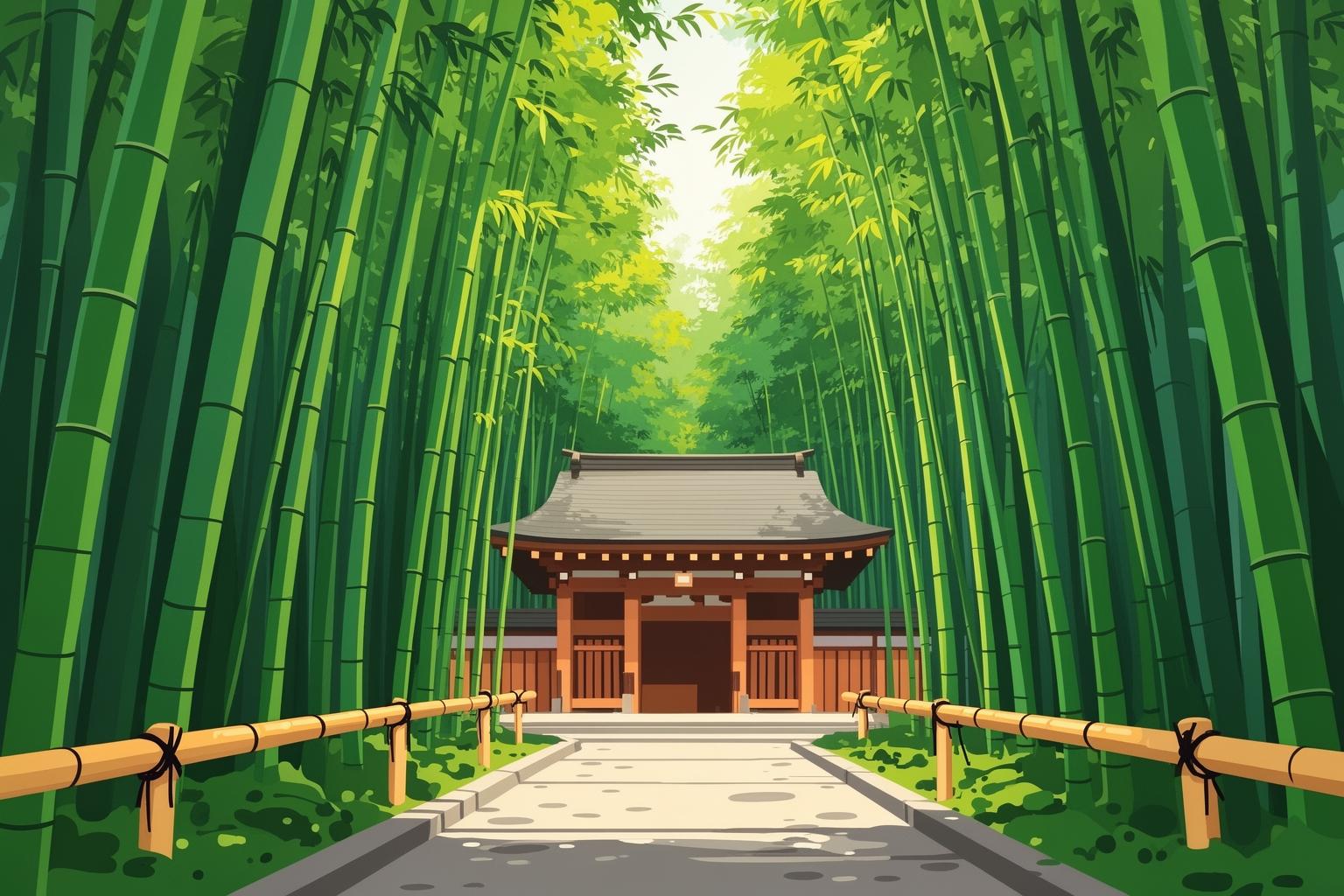
Following the vibrant energy of Gion’s culture and the striking vermilion gates of Fushimi Inari, the Arashiyama Bamboo Grove provides a moment of pure, soothing nature. This location, featured prominently in the film, offers a setting of quiet reflection and ethereal beauty. The scene where Sayuri glides through the towering bamboo forest perfectly captures her refined elegance as a geisha. Situated in Kyoto’s western Arashiyama district, the grove is renowned for its natural splendor and historical significance dating back to the Heian Period (794–1185), when nobles would visit to enjoy the scenic surroundings.
The Sound and Sight of the Bamboo Forest
Entering the Arashiyama Bamboo Grove is a deeply immersive experience. As you step onto the path, the outside world seems to disappear. You find yourself surrounded by thousands of thick green bamboo stalks stretching dozens of feet into the sky. Growing so closely together, they create a dense canopy through which soft, ethereal green light filters down to the path. This shifting light continuously transforms the atmosphere, adding to the grove’s almost living quality. Yet the most distinctive feature of the grove is its sound. When the wind blows, the bamboo stalks gently knock against one another, producing a dry, rustling creak while the leaves whisper far above. This unique and calming soundscape has earned recognition from the Ministry of the Environment as one of Japan’s “100 Soundscapes.” In the film, the setting provides a peaceful contrast to Sayuri’s dramatic life. It is a space of tranquility and contemplation. Standing quietly in the middle of the grove, closing your eyes and listening, you can understand why—it feels like a natural cathedral inviting silence and introspection.
Exploring the Wider Arashiyama District
Though the Bamboo Grove itself is a relatively brief walk, it serves as the gateway to many treasures in the Arashiyama district. Don’t make the mistake of visiting only the grove and then leaving. Just next to the grove’s exit is the entrance to the stunning Tenryu-ji Temple, a UNESCO World Heritage site. Its beautifully designed 14th-century landscape garden employs shakkei or “borrowed scenery,” incorporating the surrounding Arashiyama mountains into its landscape. It’s an exquisite example of garden art and an ideal spot for meditation after strolling through the bamboo. From there, you can wander down to Togetsukyo Bridge (“Moon Crossing Bridge”), which spans the Hozugawa River. The views from the bridge, framed by forested mountains, are captivating year-round but especially renowned during the cherry blossom season in spring and the vibrant autumn foliage. For a bit of adventure, consider a boat ride on the river or climb the hill to Iwatayama Monkey Park, where you can observe Japanese macaques in their natural habitat.
Best Times to Capture the Magic
Like many of Kyoto’s top attractions, the Arashiyama Bamboo Grove can become crowded by mid-morning, with the main path so congested that it’s hard to move freely or fully appreciate the serene environment. The key to experiencing the grove’s true magic is to arrive very early. If you come at sunrise, you may find yourself with the entire grove almost to yourself. The low, golden morning light streaming through the bamboo creates breathtaking scenes and long, dramatic shadows—a photographer’s paradise. Alternatively, visiting late in the afternoon, as crowds begin to dissipate, also offers a quieter experience. To explore the broader Arashiyama area, consider renting a bicycle near the train station. It’s an excellent way to cover more ground and discover quieter side streets and smaller temples off the main tourist routes.
Kiyomizu-dera Temple: A Stage with a View
Dramatically perched on the side of a mountain in Kyoto’s eastern hills, Kiyomizu-dera Temple stands as one of the city’s most iconic landmarks and a significant location in Memoirs of a Geisha. Its name, meaning “Pure Water Temple,” refers to the Otowa Waterfall that runs through its grounds. The temple is best known for its enormous wooden stage, an impressive architectural feat that extends from the main hall and provides sweeping views of the city below. In the film, this grand stage serves as the setting for Sayuri’s official debut as a geisha, marking a moment of triumph and public celebration.
The Stage of a Geisha’s Debut
The main hall and its famous stage were built without using a single nail, showcasing the extraordinary craftsmanship of traditional Japanese carpenters. The huge interlocking wooden beams form a structure that has endured for centuries, surviving earthquakes and typhoons. Standing on this stage feels like floating above the treetops, with the entire city of Kyoto spread out beneath you. You can spot Kyoto Tower, the downtown skyline, and the mountains that encircle the city. It’s a stunning vantage point. In the film, this stage is shown from below, looking up as Sayuri performs a dance in her splendid attire. This scene emphasizes the public nature of a geisha’s existence—she is a living work of art meant to be admired. The stage at Kiyomizu-dera has long been linked to bold acts. An old Japanese saying, “to jump off the stage of Kiyomizu,” means to take a leap of faith or make a decisive choice, much like Chiyo did when she committed to the demanding path of becoming a geisha.
More Than Just a Stage
Although the stage is the main attraction, the entire temple complex is extensive and filled with fascinating sights. Below the main hall is the Otowa Waterfall, where three separate streams flow into a pond. Visitors use long-handled ladles to catch and drink the water, each stream believed to grant a different wish: longevity, success in school or business, and a fortunate love life. However, it is considered greedy to drink from all three! Exploring further, you’ll find Jishu Shrine, a small but very popular shrine dedicated to the deity of love and matchmaking. In front of the shrine are two large stones about 18 meters apart; legend says that if you can walk from one stone to the other with your eyes closed, you’ll find true love. The journey to the temple is also memorable. The narrow, winding streets of Sannenzaka and Ninenzaka, leading up the hill, are beautifully preserved historic districts lined with traditional wooden buildings that house shops selling local crafts, pottery, sweets, and souvenirs, as well as cozy cafes and restaurants.
Navigating the Crowds and Finding Quiet Corners
Kiyomizu-dera is one of Kyoto’s most popular destinations, and the crowds can be overwhelming, especially on the main stage and along the approach roads. For a more enjoyable visit, try to come on a weekday morning right at opening time. The temple grounds are large, so even when busy, you can usually find quieter paths and smaller halls by venturing off the main routes. Be sure to explore the trails around the back of the complex for unique views of the stage and the pagoda. When walking on the Sannenzaka and Ninenzaka slopes, watch your step as the stone steps can be uneven. A local superstition warns that tripping on these slopes may bring bad luck, so tread carefully! These streets also offer great opportunities to sample local treats like yatsuhashi (a cinnamon-flavored sweet) and to discover beautiful, one-of-a-kind souvenirs.
Beyond Kyoto: The Californian Stand-ins
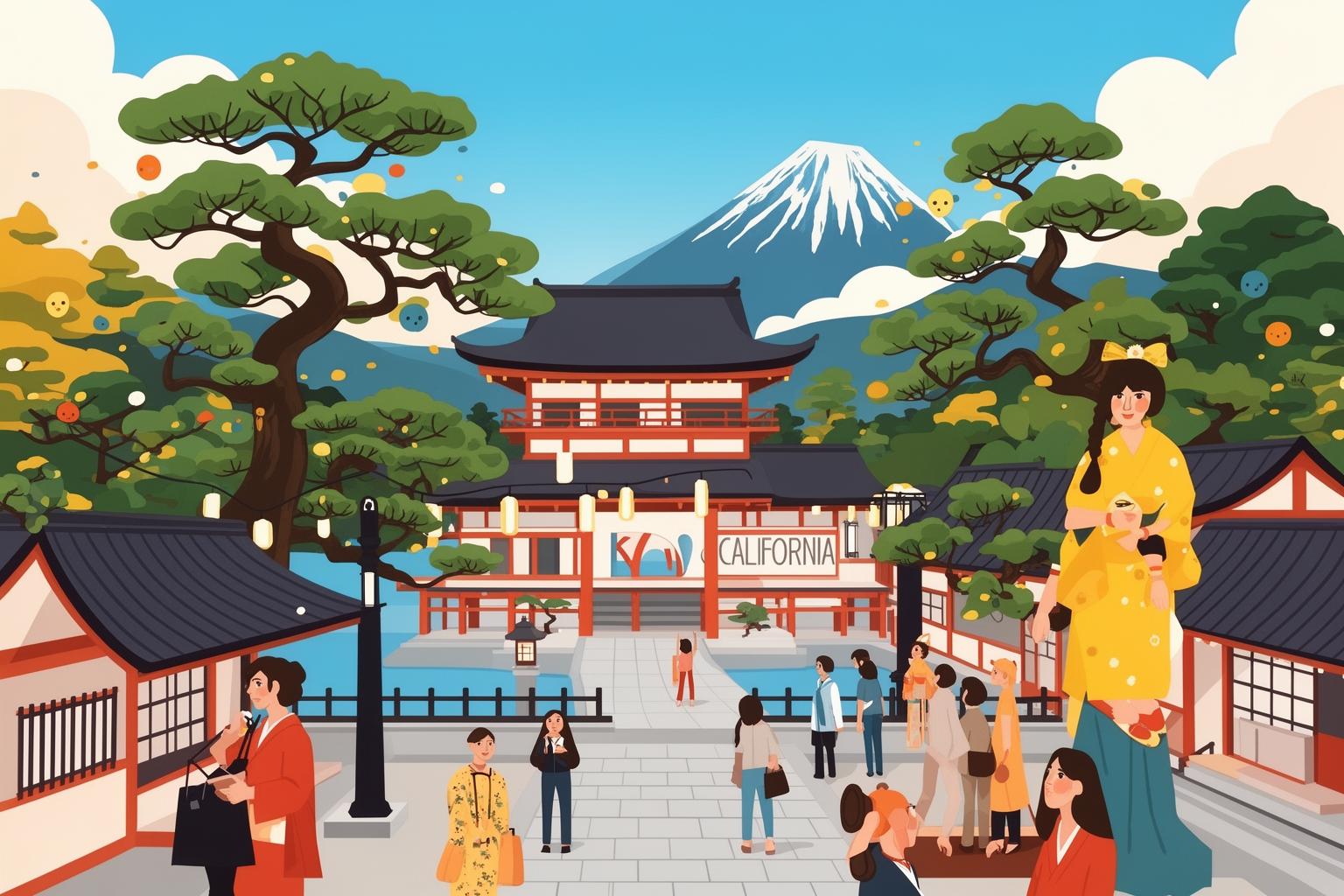
While Japan inspired the film’s aesthetic soul, an intriguing piece of movie trivia is that a substantial part of Memoirs of a Geisha was actually shot in the United States. To gain full control over lighting, weather, and the logistics of complex scenes, the filmmakers undertook the massive task of recreating a section of 1930s Kyoto in California.
The Hanamachi Set in California
The film’s main set—a full-scale, meticulously detailed recreation of the geisha district—was constructed on a vast ranch in Thousand Oaks, California. This set featured a river, bridges, cobblestone streets, and more than twenty traditional-style buildings. Many of the film’s most intimate and dramatic moments between Sayuri, Mameha, Hatsumomo, and the Chairman were filmed here. The production team went to great lengths to ensure accuracy, studying Gion’s architecture down to the finest details, from the lattice work style to the weathering on wooden facades. Although this may come as a surprise, this strategy allowed the filmmakers to shoot elaborate, choreographed night scenes and execute precise camera movements that would have been impossible on Gion’s narrow real streets, which include modern elements like power lines and signs. Knowing this does not lessen the charm of the real Kyoto locations; instead, it emphasizes the filmmakers’ dedication and makes visiting the actual Gion even more meaningful, as one can truly appreciate the authentic history and ambiance that no set, however perfect, can fully capture.
Other American Locations
Additional picturesque U.S. locations also contributed to the film’s beauty. The serene and carefully maintained Japanese Tea Garden in San Francisco’s Golden Gate Park served as the setting for some teahouse and garden scenes. Its arched drum bridge, pagodas, and peaceful koi ponds made an ideal stand-in for a private Japanese garden. Likewise, the Huntington Library, Art Museum, and Botanical Gardens in San Marino, California, with its own stunning Japanese garden featuring a moon bridge and traditional Japanese house, was used for several outdoor scenes. Though not located in Japan, these sites embody an aesthetic of thoughtfully cultivated beauty and tranquility, essential to the film’s visual style.
Dressing the Part: The Kimono Experience in Kyoto
After stepping into Sayuri’s world, it’s only natural to want to experience a bit of that elegance yourself. One of the most popular and enjoyable activities for visitors to Kyoto is renting a kimono for the day. This goes beyond simple dress-up; it offers a hands-on way to engage with Japanese culture and view the city’s historic streets from a fresh perspective. With my background in fashion, I especially admire the artistry and history embedded in these garments.
Living the Fantasy for a Day
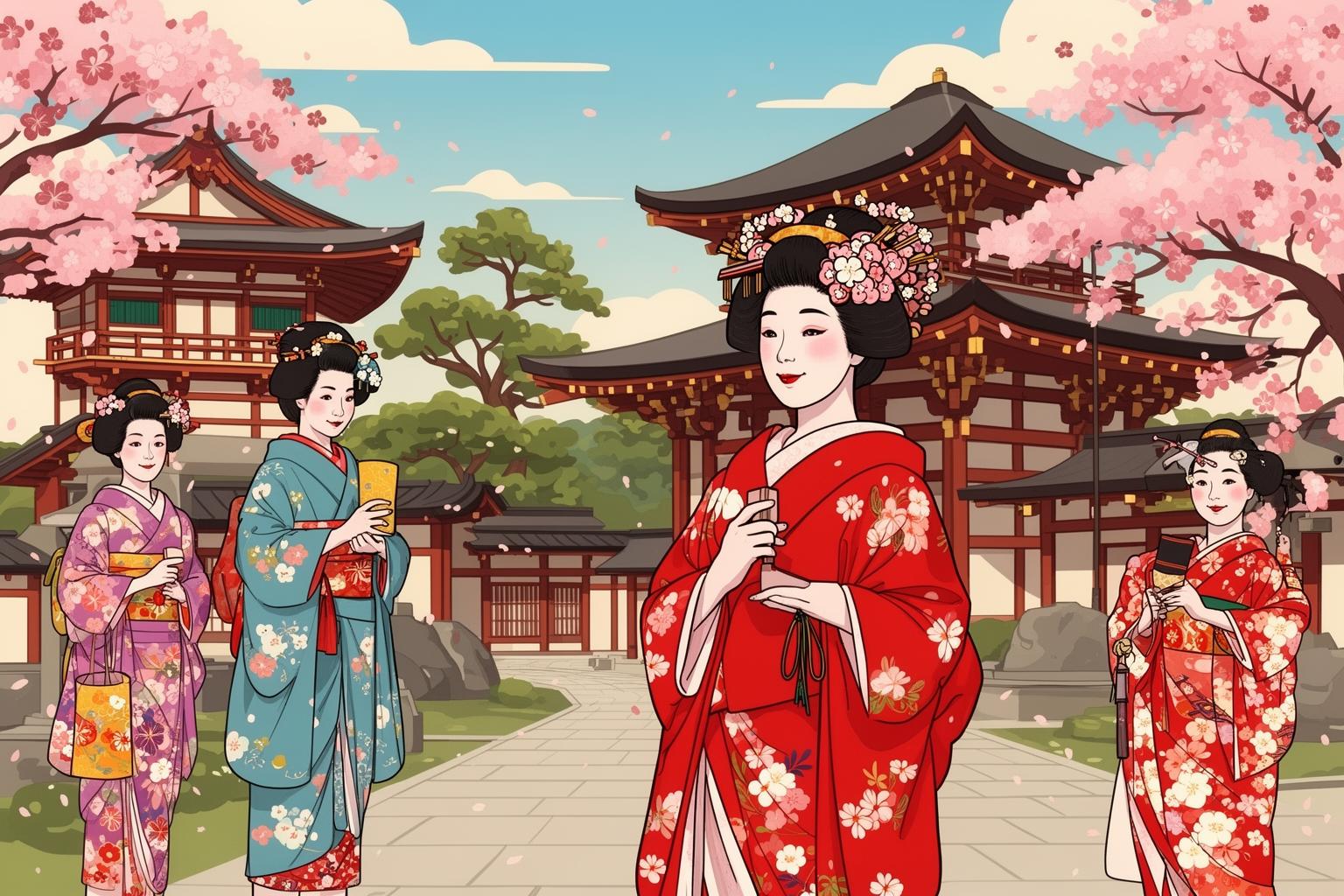
Numerous kimono rental shops are spread across the Gion and Kiyomizu-dera areas. The experience is a charming ritual in its own right. You’ll step into a shop filled with racks of kimonos in every color and pattern imaginable, from delicate florals to striking geometric prints. Staff will assist you in selecting a kimono, an obi (the wide sash), a small handbag, and matching zori sandals. Then, a skilled dresser will carefully wrap and tie the multiple layers of the kimono around you, a meticulous process that creates a stunning, graceful silhouette. Most shops also offer simple hairstyling and often add traditional kanzashi hair accessories to complete the look. Walking through Gion or the grounds of Kiyomizu-dera dressed in a kimono is a truly transformative experience. You’ll naturally adjust your posture and slow your steps. The historic scenery suddenly feels more vivid and personal. It’s a wonderful way to capture beautiful photographs and connect with the visual charm that made the film so enchanting.
A Note on Cultural Appreciation
When renting a kimono, it’s important to approach it with genuine cultural appreciation. This is an opportunity to admire and participate in a beautiful tradition. Be mindful of your movements; the kimono encourages graceful, smaller steps. Treat the garment and the locations you visit with respect. For many Japanese people, seeing foreign visitors embrace their traditional dress is a source of joy and pride. Wearing it with respect and elegance honors the culture. You’ll likely be asked for photos by other tourists; you can choose how to respond, but a polite smile is always appreciated.
Choosing a Reputable Rental Shop
With so many choices available, it’s wise to do some research before selecting a rental shop. Look for places with positive online reviews highlighting the quality of the kimonos, the friendliness of the staff, and clear pricing. Costs can vary depending on the complexity of the kimono you pick. Booking your rental online in advance is highly recommended, especially during peak seasons like spring or autumn, as the best shops fill up quickly. Also, choose a shop conveniently located near the area you plan to explore to minimize travel time while wearing the more restrictive outfit.
Crafting Your “Memoirs of a Geisha” Itinerary
To fully enjoy your cinematic pilgrimage, it’s helpful to plan your days so you can connect these locations in a logical and pleasurable way. Kyoto is best explored at a leisurely pace, allowing room for spontaneous discoveries. Here’s a suggested two-day itinerary that covers the main film locations.
A Two-Day Kyoto Immersion
Day 1: Eastern Hills and the Hanamachi
Begin your day as early as possible with a visit to Fushimi Inari Shrine. Arriving around 7 AM lets you experience the Senbon Torii with relatively few visitors, allowing for a quiet, contemplative walk along the paths. Allocate two to three hours here, hiking at least partway up the mountain. From Fushimi Inari, take a short train ride on the Keihan Line to Kiyomizu-Gojo Station. From there, enjoy a pleasant though uphill stroll to Kiyomizu-dera Temple. Explore the temple grounds and admire the stunning view from the stage. Afterwards, descend at a leisurely pace through the charming, shop-lined streets of Sannenzaka and Ninenzaka, ideal for lunch and unique souvenirs. As afternoon fades, continue your walk into the heart of Gion. End your day in the Shirakawa district, finding a spot by the canal as dusk falls and lanterns begin to glow. This golden hour is the most magical time in Gion, where you might catch a fleeting glimpse of a maiko on her way to an engagement—a perfect conclusion to a day immersed in the film’s atmosphere.
Day 2: Western Scenery of Arashiyama
Devote your second day to the scenic Arashiyama district. Again, starting early is essential. Take the JR Sagano Line to Saga-Arashiyama Station and head straight to the Bamboo Grove. Arriving at sunrise will reward you with a serene, unforgettable experience. After enjoying the bamboo grove, visit the nearby Tenryu-ji Temple and its world-renowned garden just as it opens. Spend the remainder of the day exploring what Arashiyama has to offer—cross the Togetsukyo Bridge, perhaps savor a traditional vegetarian Buddhist meal (shojin ryori) at one of the temple restaurants, or take a scenic boat ride. Arashiyama offers a relaxed, rural atmosphere compared to Kyoto’s eastern side, providing a beautiful contrast and showcasing the diverse landscapes featured in the film.
Beyond the Silver Screen: Discovering Your Own Kyoto Story
To journey through Kyoto following Sayuri’s footsteps is to view the city through a prism of romance, drama, and stunning beauty. The film acts as an ideal key, opening doors to a world that may seem distant and enigmatic. Crossing Tatsumi Bridge, tracing your fingers along the cool, vermilion lacquer of a torii gate at Fushimi Inari, or sensing the gentle sway of bamboo in Arashiyama links you to the story in an intimately personal way. You become more than just a spectator; you become part of the narrative’s landscape.
However, the true enchantment of Kyoto lies in its story being far deeper and richer than any single film can portray. Memoirs of a Geisha is a beautiful starting point, a thread to follow as you embark on your journey. Yet, I urge you to let that thread guide you to unexpected destinations. Lose yourself in the winding alleys of Gion, discover a tiny, centuries-old shrine nestled between modern buildings. Follow the sound of chanting to a temple you hadn’t intended to visit. Step into a small, family-run tea shop and share a simple conversation with the owner. The elegance and history depicted in the film are not merely cinematic fantasies; they embody the living, breathing soul of this remarkable city. Use the film as your compass, but then set the map aside and craft your own story amid Kyoto’s timeless, enchanting streets.