A forgotten town, swallowed by the sands of the Namib Desert, is finding a new lease on life thanks to one of the year’s biggest television hits. Kolmanskop, Namibia’s most famous ghost town, has been thrust into the international spotlight as a key filming location for Amazon Prime’s post-apocalyptic series, Fallout. With the show attracting over 65 million viewers in its first weeks, a new wave of tourism, known as ‘set-jetting,’ is poised to bring a significant economic boom to this remote corner of Southern Africa.
From Diamond Rush to Deserted Ruins: The Story of Kolmanskop
To understand the town’s current appeal, one must look back at its dramatic history. Founded in the early 1900s after the discovery of diamonds, Kolmanskop quickly transformed from an inhospitable patch of desert into a lavish, German-style village. It boasted a hospital with the first X-ray machine in the Southern Hemisphere, a grand ballroom, a theater, and luxurious homes.
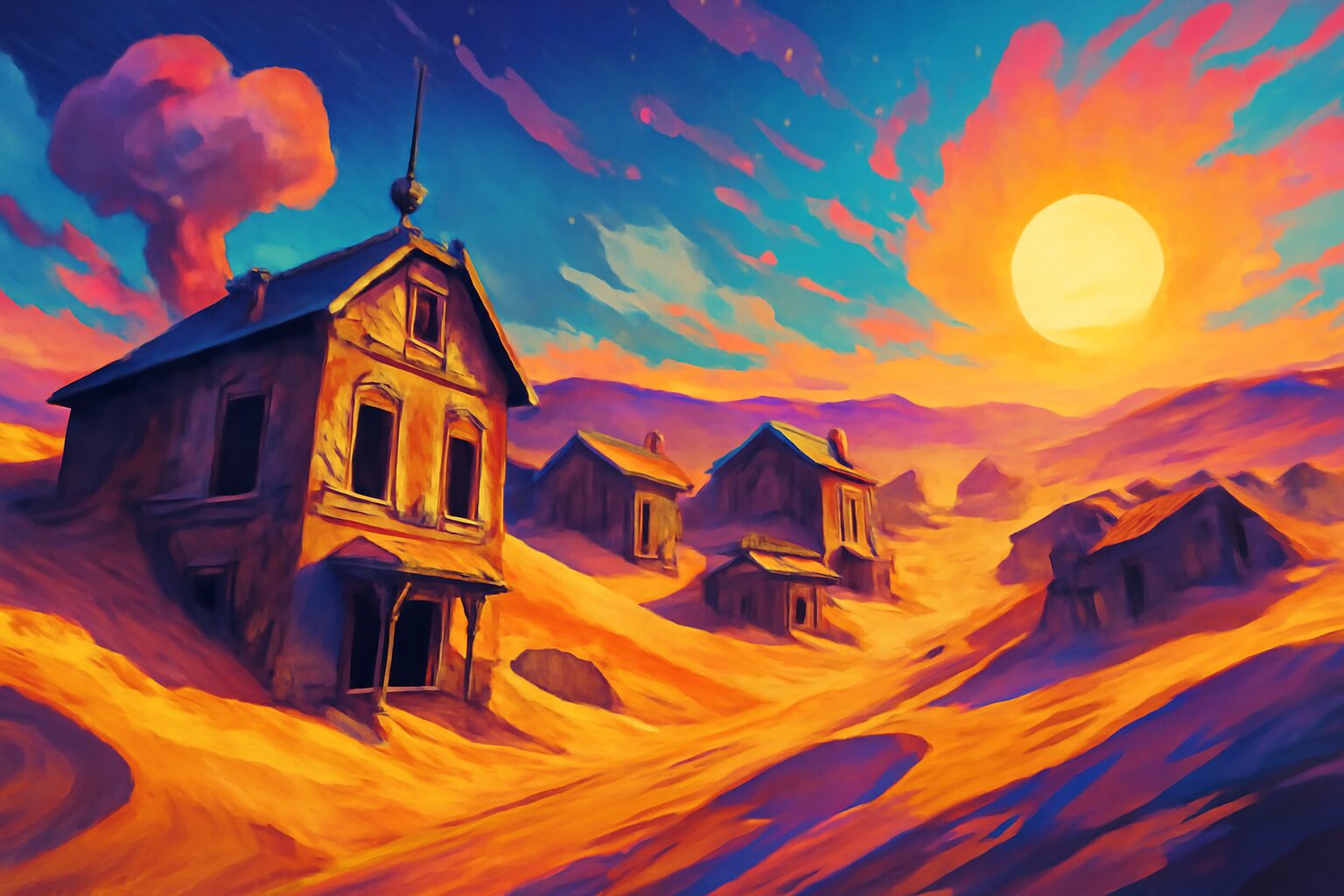
However, the town’s prosperity was as fleeting as a desert mirage. As diamond deposits dwindled after World War I and richer fields were found further south, residents began to leave. By the mid-1950s, Kolmanskop was completely abandoned to the elements. For decades, it has stood as a hauntingly beautiful relic, with the relentless sands of the Namib Desert slowly reclaiming its buildings, creating surreal scenes of sand-filled rooms and decaying colonial architecture.
The “Fallout” Effect: Set-Jetting Puts Namibia on the Map
The producers of Fallout found Kolmanskop’s eerie, sand-swept landscape to be the perfect real-world backdrop for their video game adaptation. The town’s appearance in the series has captivated millions, sparking a global curiosity that is translating directly into travel interest.
This phenomenon, dubbed “set-jetting,” where fans travel to visit the filming locations of their favorite movies and TV shows, is a powerful driver of tourism. We’ve seen its transformative power before:
- New Zealand: Forever linked with The Lord of the Rings, the country saw a massive and sustained increase in tourism.
- Croatia and Northern Ireland: These locations became major destinations for fans of Game of Thrones.
Now, Namibia is set to experience its own version of this pop-culture-fueled boom. The 65 million-strong audience of Fallout represents an enormous potential market of travelers eager to see the real-life “Wasteland” for themselves.
Future Projections: Opportunities and Challenges
The sudden global fame of Kolmanskop presents both a tremendous opportunity and a significant challenge for Namibia.
Economic Prospects
The expected influx of tourists will provide a much-needed boost to the local and national economy. This translates to:
- Increased revenue for tour operators, hotels, and local businesses in nearby towns like Lüderitz.
- Creation of new jobs in the hospitality and tourism sectors.
- An opportunity to promote Namibia’s other unique attractions, from the towering dunes of Sossusvlei to the wildlife of Etosha National Park.
The Need for Sustainable Tourism
However, this newfound attention comes with responsibility. Kolmanskop’s structures are fragile, preserved only by the dry desert climate. A surge in visitor numbers could accelerate their decay if not managed properly. Authorities and tour operators will need to collaborate to:
- Implement measures to protect the historic site from damage.
- Manage visitor flow to prevent overcrowding and preserve the town’s unique, desolate atmosphere.
- Ensure that the economic benefits are distributed equitably within the local communities.
The story of Kolmanskop is a powerful testament to how modern media can reshape the fortunes of a forgotten place. As fans of Fallout plan their pilgrimages, they are not just visiting a film set; they are stepping into a century-old story of boom, bust, and eerie survival, now with a new and exciting chapter about to be written.