
There’s a gentle quiet that hums at the heart of Japan, a rhythm that beats far from the neon pulse of its megacities. It’s a cadence found in the rustle of bamboo groves, the lazy drone of a cicada in the summer heat, and the distant chime of a school bell echoing across fields of green. This is the world of Non Non Biyori, an anime that feels less like a story and more like a memory you didn’t know you had. It’s a portrait of an idyllic, almost forgotten childhood in the rural village of Asahigaoka, a place so serene and heartwarming it feels like a dream. But what if I told you that you could step into that dream? That the sun-drenched paths, the creaking wooden schoolhouse, and the vast, open skies of Asahigaoka exist, waiting to be found. They are nestled in the rolling hills of Saitama Prefecture, a short journey from Tokyo but a world away in spirit. This is not just a guide to anime locations; it’s an invitation to a pilgrimage, a journey to reconnect with the quiet wonder that Renge, Hotaru, Natsumi, and Komari showed us. It’s a chance to point a camera, and your heart, at the real-life landscapes that breathe life into one of anime’s most tranquil masterpieces, and to find the sound of “Nyanpasu!” echoing in the wind.
If you’re drawn to this kind of journey, you might also be interested in a pilgrimage to the real-world locations of Shouwa Genroku Rakugo Shinjuu.
The Heartbeat of Asahigaoka: The Former Ogawa Elementary School Shimozato Branch
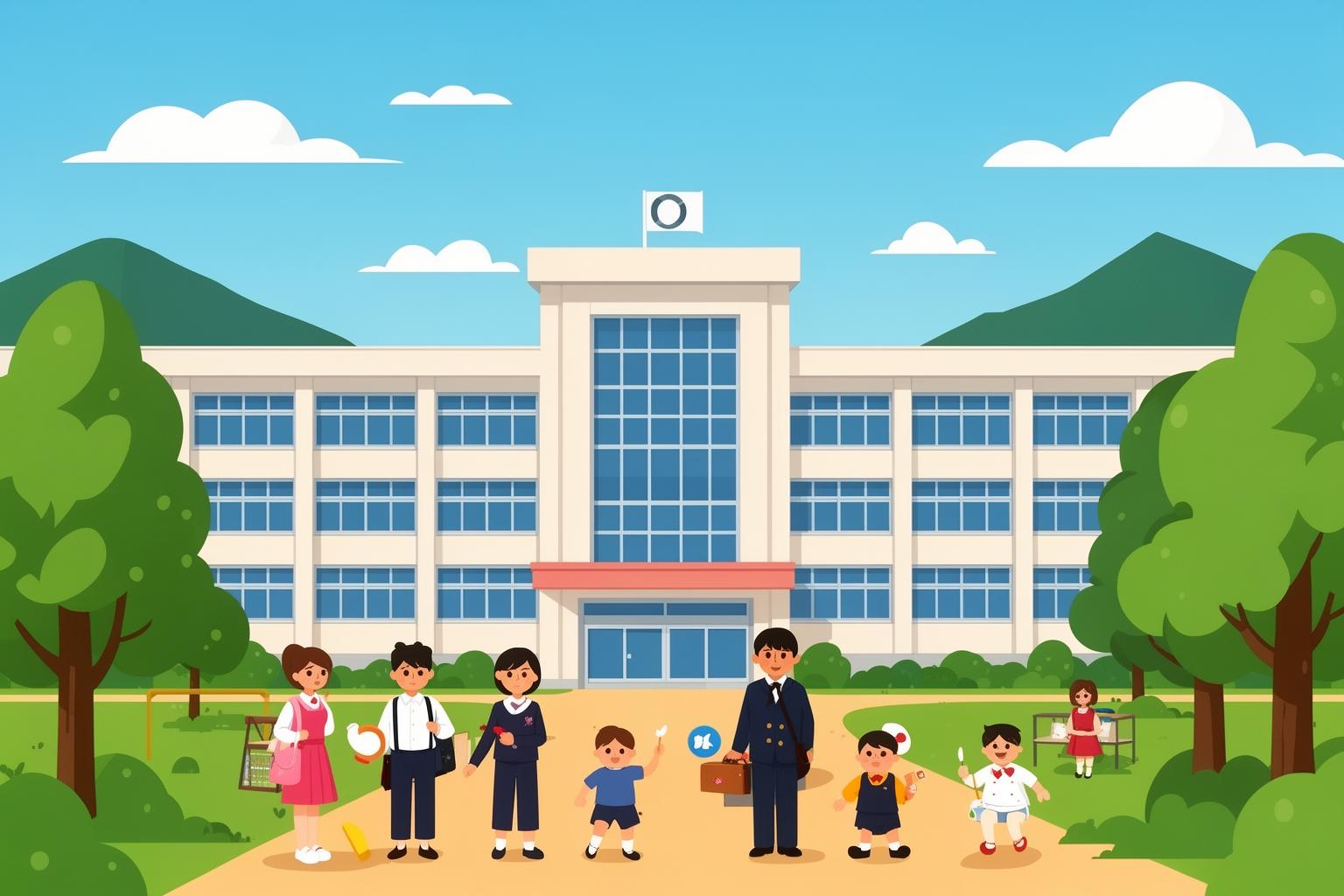
The journey opens with a profound sense of anticipation. As the train from Tokyo glides further into Saitama, the dense clusters of buildings give way to broader skies and patchwork fields. The destination is the heart of Non Non Biyori, the Asahigaoka Branch School, whose real-world inspiration is the carefully preserved Former Ogawa Elementary School Shimozato Branch. Reaching this spot is part of the journey itself. From Ogawamachi Station, a local bus meanders along country roads, each stop revealing a small enclave of rural life. The final stroll from the bus stop acts as a decompression chamber for the urban soul. The air shifts, growing sweeter with the scent of earth and greenery. Then, there it is. Nestled at the end of a quiet road, embraced by forested hills, the schoolhouse appears just as you imagined. It stands as a vision in weathered timber, a two-story building that is not an abandoned relic but a proud guardian of countless stories.
Through my lens, the building exemplifies rustic charm. The wooden siding, faded to a gentle, silvery brown from decades of sun and rain, seems to drink in the light. The large windows, framed simply in wood, gaze out like kind eyes over the small playground. Your eyes are immediately drawn to details etched into your memory by the anime: the roof’s slope, the placement of the entrance, and of course, the playground. While not an exact duplicate, the atmosphere is eerily familiar. You can almost hear Komari’s panicked cries, Natsumi’s boisterous laughter, and Renge’s curious observations. The worn tires half-buried in the ground and the simple swing set feel like relics of a shared childhood. Walking around the school grounds is a slow, intentional act. Every angle reveals a new composition, a fresh wave of nostalgia. The way the afternoon sun filters through the leaves of the surrounding trees, casting dappled shadows on the wooden walls, is poetry in motion. It is the show’s visual language brought to life.
On days when the school is open to visitors, stepping inside feels like stepping back in time. The sensory input is immediate and overwhelming in the most beautiful way. The air is cool and heavy with the unmistakable scents of old wood, chalk dust, and tatami mats. The wooden floors, polished smooth by generations of small feet, creak a welcome with every step. The sound resonates with history and intimacy. The main classroom, which served as the combined learning space for all four students, is the centerpiece. It is astonishingly faithful to its animated counterpart. The rows of mismatched wooden desks and chairs, the teacher’s lectern at the front, the worn green blackboard—it’s all there. Sunlight streams through the tall windows, illuminating dust motes dancing in the air, creating the same ethereal glow director Shinya Kawatsura so brilliantly captured on screen. Standing in this room, you are no longer just a visitor; you become part of the memory. You can vividly imagine Renge at her desk, meticulously drawing, or Hotaru, ever so mature, listening attentively to her one-and-only older sister and teacher, Kazuho. The feeling is one of deep peace, a quiet reverence for the simple act of learning and growing in a space that feels safe and nurturing.
Further exploration uncovers additional treasures. You’ll find the staff room, the music room with its silent organ, and hallways that seem to whisper tales of school festivals and rainy afternoons spent indoors. Each room is a time capsule filled with authentic Showa-era educational materials, student artwork, and artifacts that deepen the immersion. It is in these quiet corners, away from the main classroom, that the school’s true character shines through. This place stands as a testament to a fading system of community-based education in modern Japan. Once the vibrant heart of its local community, the school’s preservation continues to be a source of pride and a powerful beacon for those seeking the tangible roots of their favorite stories. Photographing here means more than just capturing a scene; it’s about preserving a feeling—the warmth, simplicity, and bittersweet nostalgia of a time and place that celebrate the beauty of everyday life.
Echoes on the Country Road: Finding Familiar Scenes
While the Shimozato schoolhouse remains the undeniable centerpiece of any Non Non Biyori pilgrimage, the spirit of Asahigaoka extends far beyond a single building. It thrives in the surrounding landscape—the winding roads, babbling brooks, and quiet clearings that formed the backdrop for the girls’ endless adventures. The pilgrimage stretches out into the countryside of Ogawa and the neighboring town of Ranzan, turning into a scavenger hunt for moments and moods rather than precise spots. It’s about discovering a bus stop that feels just right, a river path that could be the one, and letting your imagination fill in the blanks. This is where the real exploration begins: a slow, immersive discovery of the scenes that lie between the main landmarks.
The Candy Store and the Bus Stop
One of the series’ most iconic places, aside from the school, is the Dagashi-ya—the small candy store run by the quick-witted Kaede Kagayama. Finding the exact candy store is a fruitless endeavor, as the anime’s version blends elements from various rural shops and creative vision. Nonetheless, the journey itself is the true adventure. As you wander through the small villages around Ogawa, you’ll come across old shops and storefronts that capture the spirit of Kaede’s store. These are typically small, family-run establishments with weathered signs and a charmingly cluttered interior, selling everything from snacks to household necessities. Stepping inside feels like a genuine slice of rural Japanese life. The real reward isn’t locating a perfect replica, but experiencing the atmosphere these places convey—a sense of community, history, and leisurely commerce.
Equally tangible and evocative are the bus stops. In Non Non Biyori, bus stops are much more than mere transit points; they serve as stages for warm greetings, tearful farewells, quiet reflection, and playful chats. They symbolize the lifeline connecting Asahigaoka to the broader world. The countryside here is dotted with simple, unpretentious bus shelters, often little more than a bench and a small roof. Spotting one standing alone against a backdrop of rice paddies or thick trees instantly evokes scenes of Hotaru’s arrival or Hikage’s journeys to Tokyo. Standing at such a stop with no bus in sight, accompanied only by the rustling wind, is a poignant moment. It captures the essence of rural time, where waiting isn’t a nuisance but a tranquil pause. It’s an ideal place to sit, reflect, and capture an image that embodies the unique blend of solitude and contentment that defines much of the series’ emotional tone.
The Whispering River and the Winding Paths
The natural world might be the most vital character in Non Non Biyori. The series is a heartfelt homage to the Japanese concept of satoyama—the borderland where mountains and forests meet cultivated land. This landscape, a harmony between humanity and nature, is everywhere in the Ogawa region. The Tsukikawa River and numerous smaller streams weaving through the area are the lifeblood of this scenery. Their waters often run crystal clear, flowing over smooth stones and under low-hanging branches. A stroll along one of these riverbanks is a sensory delight; you hear the gentle murmur of the water, feel the cool air above its surface, and spot small fish darting in the shallows.
It’s easy to imagine the four friends spending a long summer afternoon here—splashing in the water to beat the heat, trying to catch fish with makeshift rods, or skipping stones across the surface. These rivers and the little bridges spanning them are perfect settings for discovery and adventure. They feel at once vast and intimate. Yet the true wonder lies in the countless unnamed paths—the noudo or farm roads—that crisscross the landscape. These narrow strips of asphalt or packed earth run between lush green rice paddies and carefully tended vegetable patches. Walking or cycling these paths places you right inside an episode of the anime. With the sky stretching wide overhead and the rustling rice stalks accompanying your every step, you feel the same sense of freedom and wonder that Renge experiences on her daily walks. From a photographer’s viewpoint, these paths are treasures, with leading lines guiding the eye toward distant mountains, crafting compositions that are both profound and simple. This is the Japan beyond postcards—a landscape stunningly beautiful yet deeply, comfortingly ordinary.
Capturing the Four Seasons of Non Non Biyori
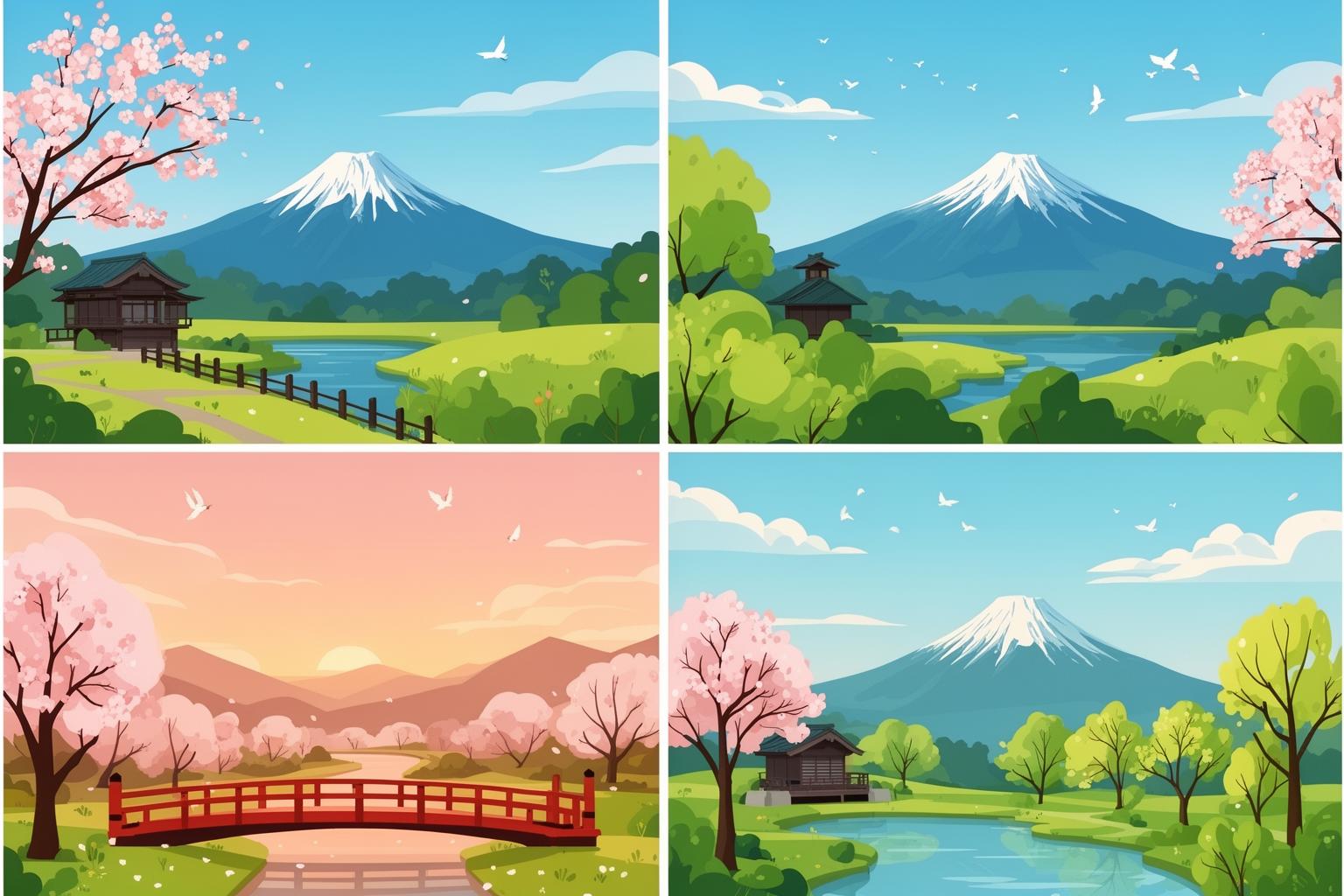
Non Non Biyori is a series that intimately grasps the passage of time, marking it not by a calendar but through the evolving landscape. Each season in Asahigaoka brings a distinct mood, a fresh palette of colors, and a new set of adventures. Visiting its real-world location offers an entirely different experience depending on the timing. As a photographer, this seasonal shift is a compelling reason to return repeatedly, capturing the full range of beauty that this part of Saitama presents. Every season offers a new perspective to see and appreciate the world that so deeply inspired the anime.
Spring’s Gentle Awakening
Spring in the Ogawa countryside unfolds like a watercolor painting coming to life. The landscape, quiet and dormant through winter, bursts into soft, vibrant hues. This season of new beginnings is famously marked by Renge’s entrance ceremony into first grade. The hallmark of a Japanese spring is, of course, the sakura, or cherry blossoms. Along riverbanks and scattered across the hillsides, these pale pink flowers form a dreamlike canopy, their petals drifting gently with each light breeze. It’s a scene of delicate, fleeting beauty. Beyond the sakura, fields of bright yellow canola flowers, or nanohana, stretch toward the horizon, creating a striking contrast against the deep blue sky. The air is fresh, filled with the scent of moist earth and blooming flora. The light is soft and gentle, ideal for capturing the tender, hopeful mood of the season. Visiting in spring feels like stepping into the earliest episodes, teeming with the promise of the year ahead.
The Deep Green of Summer
If any season defines the heart of Non Non Biyori, it is summer. The Japanese summer is an intense, immersive experience, one that the anime portrays flawlessly. In Ogawa, the world transforms into an overwhelmingly lush green. The rice paddies reach their peak vibrancy, their surfaces reflecting the sky like mirrors. The forests grow thick and mysterious, and the air thickens with humidity. The soundtrack of summer is the continuous, pulsating drone of cicadas (semi), a sound so constant it becomes a form of silence. Summer is a time of boundless energy and long, lazy afternoons—playing in the cool river, enjoying summer festivals with fireworks and yukatas, and watching fireflies dance at twilight. From a photographic view, summer presents dramatic contrasts: the deep greens of the foliage against brilliant white summer clouds, harsh midday sun casting sharp shadows, and the warm, golden light of late afternoon. It’s a demanding yet immensely rewarding season, requiring immersion in the heat and vibrant life of Asahigaoka.
Autumn’s Golden Hues
As summer’s intense heat fades, a gentle melancholy and stunning beauty settle over the landscape. Autumn is a season of harvest and transition. The vibrant green rice paddies turn into a rich, burnished gold, and the rhythmic harvest activities bring new life to the fields. The air grows crisp and clear, and the sky deepens to a richer blue. This is the season of koyo, the changing of the leaves. Surrounding forests blaze with fiery reds, oranges, and yellows. Persimmon trees bow under the weight of bright orange fruit, and the scent of fragrant olive (kinmokusei) fills the air. Autumn light is magical—warm, low, and golden, it bathes the countryside in a nostalgic glow. It perfectly captures the bittersweet feeling, the mono no aware, that permeates much of Japanese art. This is a time for quiet walks, reflecting on the year’s passage, and capturing the breathtaking final burst of color before winter’s rest.
Winter’s Quiet Blanket
Winter in Asahigaoka invites quiet reflection. Though heavy snow is not always guaranteed in this part of Saitama, even a light dusting or significant snowfall transforms the landscape into a minimalist masterpiece. The world is pared down, its colors reduced to the stark contrast of white snow, dark tree branches, and grey skies. Everything feels muffled and still. The silence is profound, broken only by the crunch of footsteps. This season brought us Renge’s imaginative snow creations, her “Sobakome-san.” It’s a time to appreciate the subtle beauty of skeletal tree forms and the stark geometry of fields beneath a white blanket. Winter visits are challenging—the days are short, and the air can be sharply cold—but they offer a unique reward: a chance to experience the deep, restorative peace of the countryside at rest. Sitting inside a warm, local noodle shop, gazing out at the serene snowy landscape, you come to understand the sense of community and coziness born from enduring the quietest season together.
The Pilgrim’s Field Guide: Practicalities and Etiquette
A journey to the heart of Non Non Biyori involves not only the logistics of travel but also the emotional journey. Exploring rural Japan can be a wonderfully rewarding adventure, but a little preparation is essential to ensure your pilgrimage is smooth, respectful, and fulfilling. This is not a theme park; it is a living community. Approaching your visit with the right mindset and knowledge will let you fully immerse yourself in the gentle rhythm of the area, making the experience even more meaningful.
The Journey from Tokyo: Accessing the Countryside
Your adventure starts in central Tokyo, at Ikebukuro Station. From there, the Tobu Tojo Line serves as your steel chariot to the countryside. The trip to Ogawamachi Station takes about 70 to 90 minutes, depending on whether you take an express or local train. This train ride is a key part of the journey, marking a gradual shift from the city’s verticality to the wide expanses of the Kanto Plain. Watch the scenery change outside your window as the urban density fades. Once you arrive at Ogawamachi, you have reached the main gateway to the region. From here, your options for exploration branch out.
Local buses operated by Kawagoe Motor Co. can take you near important sites such as the Former Shimozato Elementary School. However, keep in mind this is inaka (countryside). Buses run infrequently, sometimes offering only a few services daily. Timetables must be respected, not just glanced at. Missing a bus could mean waiting hours. Because of this, renting a car is by far the most flexible and highly recommended choice. Rental agencies are located near larger stations like Kawagoe or Kumagaya (a short train ride from Ogawamachi). Having a car allows you to explore at your own pace, chase the changing light, stop at intriguing detours, and visit dispersed locations without being confined to a strict schedule. For those who are adventurous and physically fit, renting a bicycle near the station is another excellent option, offering an intimate, slow-paced way to explore the local area.
Where to Rest Your Head
Lodging options directly within the main pilgrimage zones are limited. This is not a major tourist hotspot, which adds to its unique charm. Your best choice is to find accommodation in the town of Ogawamachi itself or in nearby, slightly larger cities such as Higashi-Matsuyama or Sakado, which are easily accessible by train. These towns offer a variety of standard Japanese business hotels that are clean, efficient, and dependable. For a more authentic experience, look for a traditional ryokan (Japanese inn) or minshuku (family-run guesthouse) in the broader region. Staying at one of these establishments provides not only a place to rest but also a chance to enjoy Japanese hospitality, savor local cuisine, and perhaps soak in an onsen (hot spring) after a day of walking. Booking ahead is advisable, especially during peak travel times like cherry blossom or autumn foliage seasons.
A Note on Respectful Pilgrimage
This is the most crucial section of your field guide. When visiting the places that inspired our beloved art, we are guests in someone else’s home. The fields, roads, and buildings of Ogawa and Ranzan belong to a community of residents who live and work there daily. It is our responsibility as pilgrims to treat their home with the utmost respect. This means following a few simple but essential guidelines. Never trespass on private property. The rice paddies and vegetable fields are the livelihood of local farmers; remain on designated roads and paths. Do not enter private homes or yards, no matter how much they resemble scenes from the anime. Keep your noise level low; the area’s tranquility is one of its greatest strengths, so speak quietly and avoid loud disruptions. Support the local economy by buying a drink from a vending machine, purchasing snacks from a neighborhood store, or dining at a family-run soba or udon shop. These small actions help sustain the community you have come to appreciate. Lastly, observe the cardinal rule of outdoor ethics: leave no trace. Take out everything you bring in, leaving the beautiful landscape just as you found it. Visiting with a quiet, respectful, and grateful spirit helps ensure these places remain special for both the residents and future pilgrims who follow in your footsteps.
Beyond the Frame: The Spirit of Satoyama
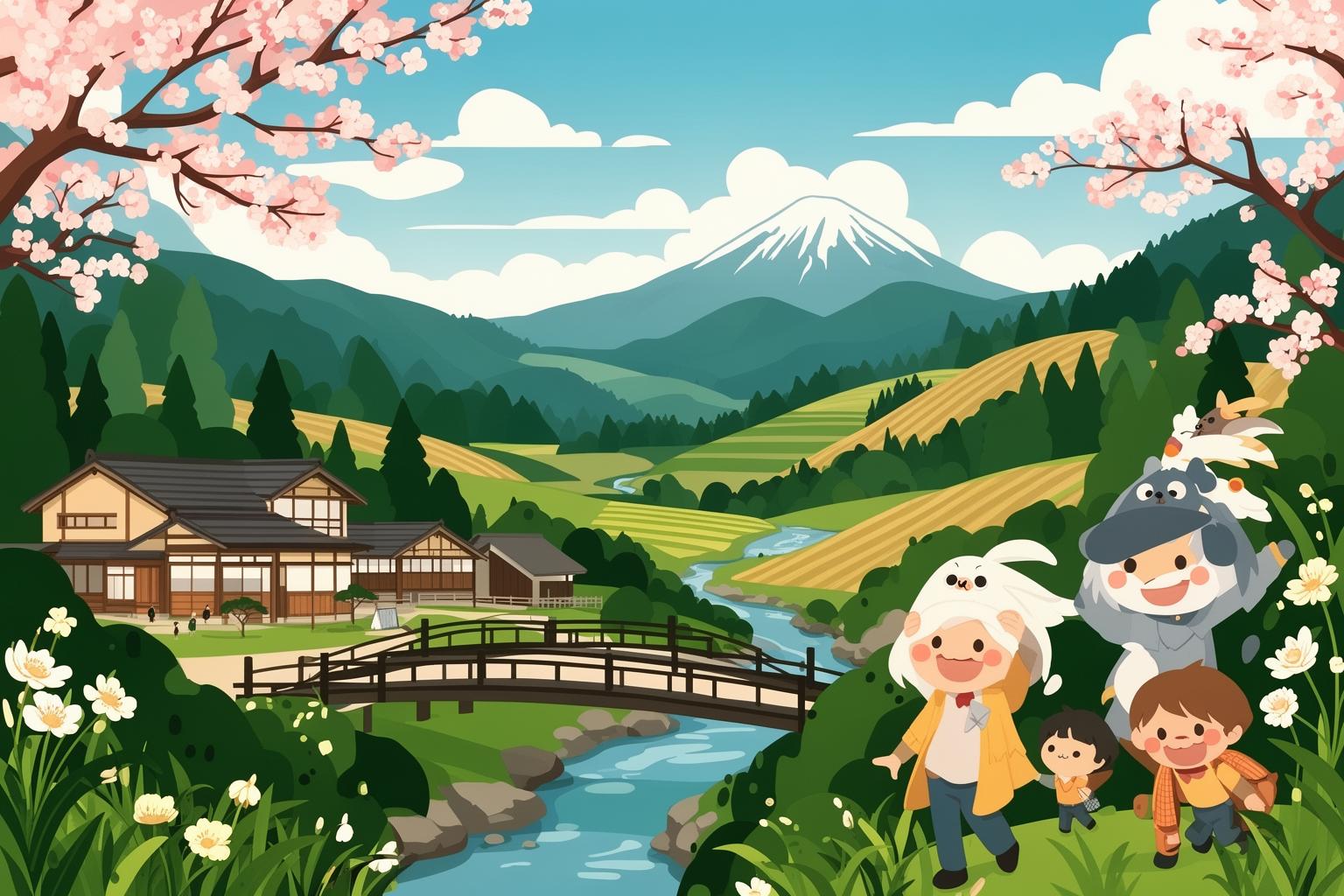
After the final photograph is taken and the train has carried you back toward the city lights, what remains of a pilgrimage to the world of Non Non Biyori? It is more than just a collection of images replicating scenes from the screen. It is a feeling—a profound and resonant understanding of the spirit that inspired the story initially. This journey is an immersion into the concept of satoyama, a distinctly Japanese ideal of a landscape where nature and human life coexist not in conflict, but in a delicate, symbiotic harmony. The terraced rice paddies climbing the hillsides, the managed woodlands supplying resources, and the small villages scattered across the valleys—this is the backdrop on which the anime painted its masterpiece.
Non Non Biyori serves as a gentle elegy for a way of life gradually fading in modern Japan. The closed schoolhouse, the infrequent bus service, and the small, aging population of Asahigaoka subtly acknowledge the very real challenge of rural depopulation. Yet the series never dwells in melancholy. Instead, it celebrates the incredible richness this life offers. It finds boundless wonder in the ordinary: the changing seasons, the taste of wild mountain vegetables, the excitement of a new friend arriving on the bus. Through the wide, curious eyes of Renge Miyauchi, it teaches us that the most profound discoveries often happen right in our own backyard. Visiting these places in person amplifies this lesson a thousandfold. You begin to notice the small details: a dragonfly hovering above a rice stalk, the intricate moss patterns on a stone wall, the kindness in a passing local’s nod.
To walk these paths is to understand that the magic of Asahigaoka is not fantasy. It is the heightened reality of a world where people are deeply connected to their environment and to one another. It is a world where time moves differently, measured by the cycles of planting and harvesting rather than the ticking of a clock. The pilgrimage is ultimately not about finding Asahigaoka; it’s about discovering the Asahigaoka within yourself. It is a reminder that peace and belonging can be found in simplicity, and that the most beautiful view is often the one just outside your window, if only you take the time to truly see it. While the camera captures light and color, the heart captures the feeling—the quiet, enduring, and deeply comforting spirit of the Japanese countryside. That is the true keepsake of this journey, a memory that, like the anime itself, you can return to again and again whenever you need a moment of peace. Until next time, Nyanpasu.