There’s a rhythm to Oaxaca, a pulse you feel the moment you step onto its sun-drenched colonial streets. It’s in the low, percussive chop of a machete hitting a pile of fresh cilantro. It’s in the high, sweet call of a vendor selling roasted corn under the shade of an Indian laurel tree. It’s in the deep, smoky aroma of chiles toasting on a comal, an ancient scent that winds its way through cobblestone alleys and sun-drenched plazas, a constant, delicious whisper of the city’s soul. This is Oaxaca de Juárez, the heart of Mexico’s most vibrant and complex culinary landscape, a place where food isn’t just sustenance; it’s scripture, it’s history, it’s a living, breathing art form passed down through generations of Zapotec and Mixtec hands. To plan a trip here is to plan a pilgrimage, not just to taste incredible dishes, but to understand the profound connection between land, people, and flavor. Forget everything you think you know about Mexican food. We’re about to embark on a journey that will recalibrate your palate and leave an indelible mark on your memory, a journey into the very heart of what makes Oaxacan cuisine a global treasure. This isn’t a checklist itinerary; it’s an immersion, a guide to eating your way through a city that lives and breathes its epicurean heritage.
For a different kind of cultural pilgrimage, consider the spiritual spectacle of Chiang Mai’s Yi Peng Lantern Festival.
The Heartbeat of Oaxacan Flavor: Exploring the Mercados
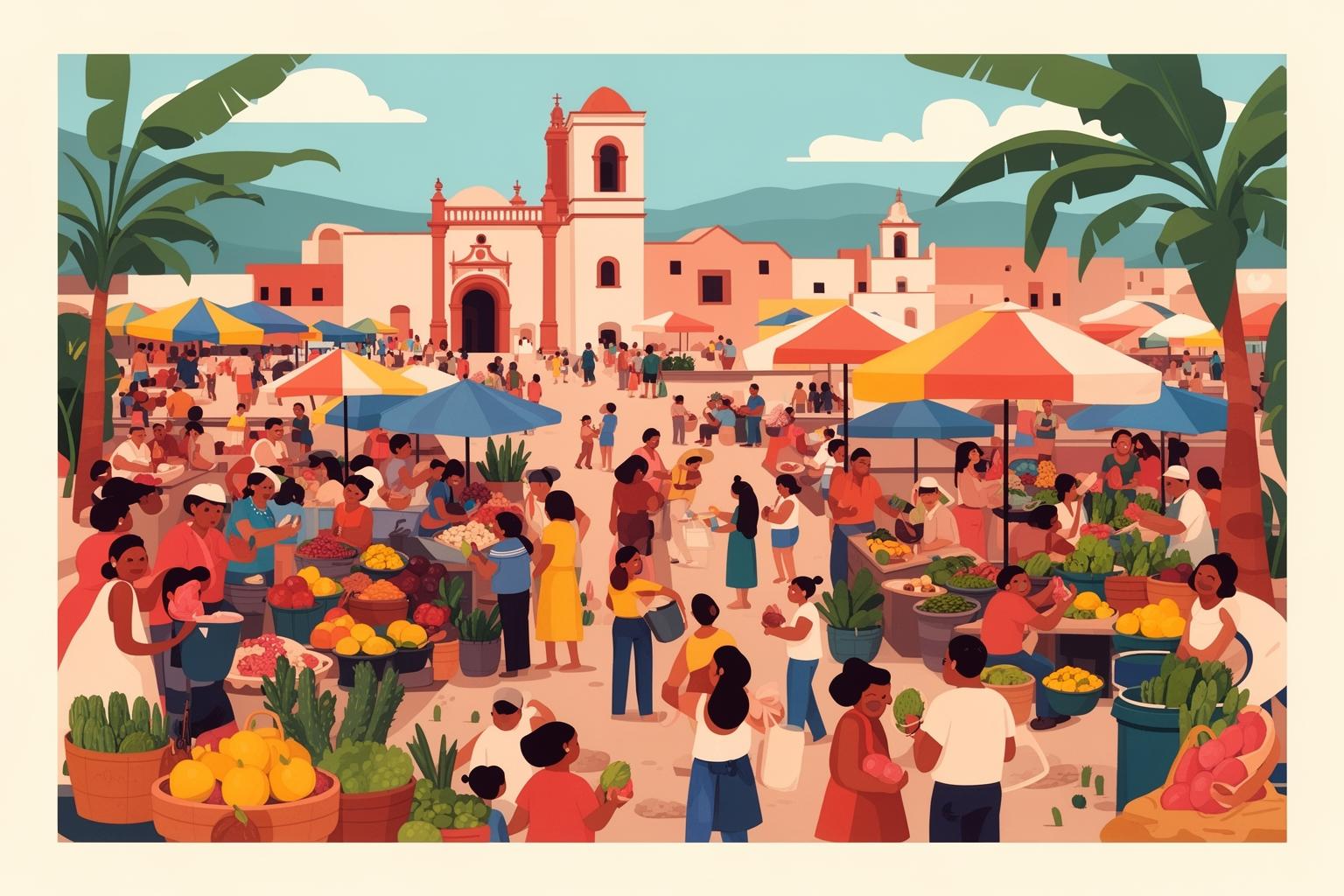
To truly grasp Oaxaca, your first and most crucial destination must be its markets. These are far more than simple grocery stores; they are the vibrant, chaotic, and absolutely magnificent heartbeats of Oaxacan life. Forget about quiet aisles and sterile packaging. An Oaxacan mercado is a full-sensory experience in the most delightful way. It’s where grandmothers haggle for the freshest chiles, where farmers showcase heirloom corn in a rainbow of hues, and where the city’s culinary secrets are openly exchanged amid the lively buzz of daily trade. Your journey starts here, within the colorful, sprawling labyrinths that serve as the true kitchens of the city.
Mercado Benito Juárez: A Symphony of Sights and Smells
Just a block south of the Zócalo, the city’s main square, sits Mercado Benito Juárez. Step inside one of its many entrances, and the outside world slips away, replaced by a realm of organized chaos. The air is dense with a fragrant mix—the earthy aroma of dried chiles, the sweet scent of tropical fruits like mamey and chicozapote, the sharp zest of fresh cheese, and the ever-present, slightly startling crunch of fried chapulines. Your gaze darts from one marvel to the next. You’ll see women, their faces richly lined with generational wisdom, seated behind heaps of these crispy grasshoppers, seasoned with garlic, lime, and chile. Don’t hesitate to ask for a sample. The flavor is surprisingly savory, a salty, citrusy crunch that is distinctly Oaxacan.
Venture further to the chile vendors. Their stalls are masterpieces, with burlap sacks brimming with numerous varieties, each carrying its own character. There’s the smoky, wrinkled ancho; the sleek, crimson guajillo; the fiery little chile de árbol; and the rare, prized chilhuacle, the cornerstone of the legendary mole negro. Deeper inside, you’ll find the cheese section, dominated by quesillo, or Oaxaca cheese. It’s not your typical block but a ball of creamy, brined string cheese, twisted like a celestial skein of yarn. Watch as a vendor skillfully unwinds a length for a customer—it’s a small, beautiful piece of culinary theater. And when the sensory flood overwhelms you, seek out an aguas frescas stand. These “fresh waters” are the perfect relief from the market’s heat. Skip the soda and try a ladle of horchata de arroz, creamy with a dusting of cinnamon, or the striking magenta jamaica, a tart and refreshing hibiscus drink.
Mercado 20 de Noviembre: The Temple of Smoke and Meat
Next to Benito Juárez, yet worlds apart in atmosphere, is Mercado 20 de Noviembre. While it carries a broad range of goods, it is renowned, even revered, for one particular, magnificent experience: the pasillo de humo, or “smoke alley.” You’ll catch its scent long before you see it. A plume of fragrant, meat-scented smoke billows from the building, a siren call for carnivores. Following it leads you to a long, narrow hall lined with charcoal grills and butcher stalls on both sides. The energy is electric, the air thick with sizzling smoke, the sound a roaring symphony of fire and food.
The ritual here is sacred and straightforward. First, you approach one of the butcher stalls. Brightly lit cases display trays of thinly sliced tasajo (beef), glistening cecina (pork marinated in adobo), and coils of chorizo. You indicate what you want and how much. The butcher weighs it, places it in a plastic bag, and then you move on to one of the grill masters. You hand over your selection, and it’s laid onto the searing hot grates. While cooking, you navigate the crowded aisle to another vendor selling accompaniments. You grab a basket piled high with enormous, crispy tlayudas, a plate of grilled spring onions and chiles de agua, and small bowls of guacamole and vibrant salsas. You find a spot at one of the long communal tables, order a drink, and wait. Soon, a basket lined with paper arrives, housing your perfectly grilled meats. This is a meal you assemble yourself, tearing off pieces of tlayuda, piling on meat and salsas, crafting the ideal bite. It is loud, messy, smoky, and one of the most purely joyful eating experiences you will ever enjoy.
Beyond the City Center: Exploring Neighborhood Markets
While the two central markets are essential, Oaxaca’s soul also thrives in its smaller neighborhood markets. A visit to Mercado de la Merced, for example, offers a quieter, local experience. Here, you’ll find some of the city’s best memelas, thick corn cakes toasted on a comal and slathered with asiento (pork lard), beans, and cheese. This is where locals do their everyday shopping, offering a more intimate look into the rhythm of Oaxacan life.
For a truly unforgettable adventure, plan to visit on a Sunday and take a colectivo to the Tlacolula market. This is one of the oldest and most continuously operating indigenous markets in the Americas. It’s a burst of commerce and culture, where Zapotec villagers from the surrounding valleys come together to sell their goods. The market stretches for blocks, a vibrant tapestry of produce, textiles, livestock, and food. The air resonates with bartering in Zapotec dialects. Here, you can sample barbacoa, lamb slow-cooked in underground pits until tender enough to fall off the bone, served with a steaming bowl of consomé. It’s a journey back in time and a powerful reminder of the deep roots from which all Oaxacan cuisine blossoms.
The Seven Moles and Beyond: A Deep Dive into Oaxacan Cuisine
If the markets are the heart of Oaxaca, then mole is its soul. This dish defines the region—a culinary masterpiece of immense complexity and deep cultural significance. To call mole merely a “sauce” is like describing a symphony as just a collection of notes. It is a celebration, a monument, and a labor of love that can include dozens of ingredients and take days to prepare. Oaxaca is famously known as “the land of the seven moles,” and discovering them is an essential part of any culinary journey.
Understanding Mole: Beyond Just a Sauce
At its essence, mole is a carefully crafted blend of chiles, nuts, seeds, spices, fruits, and occasionally vegetables. Each component is individually prepared—whether toasted, fried, or charred—to bring out its distinct flavor before being ground into a paste. This paste is then simmered for hours, often with broth, until it transforms into a rich, velvety, and extraordinarily complex sauce. It represents the pinnacle of Oaxacan cuisine, traditionally reserved for weddings, baptisms, and major holidays. Recipes are closely guarded family secrets, passed down from mother to daughter with subtle variations. Tasting mole is like tasting a family’s history.
A Journey Through the Seven Moles
Although countless variations exist, the seven distinct moles form the canon of Oaxacan cooking. Seeking them out is a flavorful treasure hunt that reveals the incredible diversity of the region’s palate.
Mole Negro
This is the undisputed king—the most famous and revered of all moles. Its appearance is a glossy, mysterious black, and its flavor is a universe in itself. Smoky, savory, spicy, and gently sweet, it balances seemingly contrasting ingredients harmoniously. The foundation is the rare chilhuacle negro chile, which imparts a deep, smoky flavor without overwhelming heat. Combined with multiple other chiles, nuts, spices such as cinnamon and clove, and a touch of Oaxacan chocolate, it gains depth and richness without overt sweetness. Served over turkey or chicken, a great mole negro is a life-changing culinary experience.
Mole Rojo
More familiar internationally, mole rojo boasts a vibrant brick-red hue. It is spicier and less sweet than mole negro, featuring a pronounced chile flavor usually from guajillo and ancho chiles. Its texture is slightly grainier due to nuts and seeds, and its bright, robust flavor is deeply satisfying. Often regarded as a more “everyday” celebratory mole, its complexity is equally impressive.
Mole Coloradito
Meaning “little red one,” coloradito is a brownish-red sauce noticeably sweeter than its counterparts. Its secret lies in ripe plantains and other fruits mashed into the paste, contributing subtle sweetness and a thick, luscious texture. It carries mild heat and a comforting sweet-and-savory profile, making it a favorite for many.
Mole Amarillo
Breaking from the dark, rich stereotype, mole amarillo is a lighter, brighter creation. More of a thick stew than a sauce, its sunny yellow color comes from chilcostle chiles. With no chocolate or fruit, its distinctive, herbaceous flavor comes from hierba santa, a fragrant leaf with hints of anise and sassafras. Often served with vegetables like green beans and potatoes alongside chicken or beef, it offers a hearty and refreshing meal.
Mole Verde
As vibrant in flavor as in color, mole verde celebrates fresh, green ingredients. Its base includes fresh tomatillos, cilantro, and jalapeños, thickened with toasted pumpkin seeds (pepitas) and masa (corn dough). The defining note comes from epazote, a pungent Mexican herb. The result is a bright, tangy, herbaceous sauce reminiscent of the garden. It cooks much faster than darker moles and showcases the versatility of the mole concept.
Chichilo
Perhaps the rarest and most complex mole, chichilo is a connoisseur’s dish. Its dark, ashen color results from toasted avocado leaves and the seeds and veins of chiles typically discarded in other moles. This technique imparts a unique, intensely smoky, and slightly bitter flavor profile that is challenging yet deeply rewarding. Finding a well-crafted chichilo is a badge of honor for any culinary traveler.
Manchamanteles
The name translates to “tablecloth stainer,” a playful nod to this brilliant red, fruit-laden mole. The sweetest of the seven, it is a delightful mixture of ancho chiles, tomatoes, and generous chunks of fresh pineapple and plantain. It perfectly balances savory and sweet, and its chunky texture sets it apart. Served over pork, it is a festive dish that truly lives up to its name.
Where to Experience Authentic Mole
Mole can be found throughout Oaxaca, from humble market stalls to the city’s most acclaimed restaurants. For an authentic taste, seek out establishments known for traditional preparations, such as Las Quince Letras. For a modern, refined take, a tasting menu at high-end venues like Casa Oaxaca or Criollo offers an unforgettable experience, allowing you to sample several moles in one sitting, each presented with artistic flair. Don’t hesitate to ask locals for their favorite spots—everyone has an opinion, and that’s part of the adventure.
The Trinity of Oaxacan Corn: Tlayudas, Memelas, and Tetelas

Corn, or maíz, is the sacred cornerstone of Mexican cuisine, and this is especially clear in Oaxaca. The region is a hub of maize biodiversity, where ancient heirloom varieties continue to be cultivated in the surrounding valleys. This deep respect for corn is reflected in a holy trinity of masa-based dishes that are as integral to the Oaxacan diet as mole and mezcal.
The Mighty Tlayuda: Oaxaca’s Take on Pizza
The tlayuda stands as an icon of Oaxacan street food. It starts with a massive corn tortilla, sometimes up to a foot in diameter, toasted on a comal or charcoal grill until it becomes sturdy and wonderfully crisp, yet still flexible. The base layer is a thin spread of asiento, the savory, unrefined pork lard that adds a rich foundation of flavor. Next comes a layer of puréed black beans, followed by a generous sprinkling of shredded quesillo, and finally, toppings such as shredded cabbage or lettuce, sliced avocado, and tomatoes. It can be served open-faced, like a pizza, or folded in half and grilled until the cheese melts perfectly and the outside develops a charred, smoky finish. Usually, a protein is added—tasajo, cecina, or chorizo being the classics. The best tlayudas are enjoyed at night, from street stalls that appear on city corners with their charcoal grills glowing in the dark. Sitting on a small plastic stool, tearing into a hot, crispy, smoky tlayuda while the city buzzes around you is a quintessential Oaxacan experience.
Memelas and Tetelas: Breakfast Favorites
While tlayudas dominate the night, memelas and tetelas reign supreme in the morning. You’ll find them freshly made in almost every market and on many street corners as the city awakens. A memela is a thick, oblong disc of fresh masa, with its edges pinched up to form a slight border. It’s toasted on a hot comal until cooked through, then topped with the classic trio of asiento, beans, and crumbled cheese (queso fresco). Simple, rustic, and deeply satisfying, it makes for the perfect Oaxacan breakfast. A tetela is its clever cousin—a triangular masa pocket stuffed with black beans and cheese, then toasted on the comal. It’s a self-contained, portable meal, ideal for eating on the go. Watching a skilled vendor deftly shape and cook these masa creations is captivating, a rhythmic dance of hands and heat perfected over centuries.
The Spirits of Oaxaca: Mezcal, Tejate, and Chocolate
Oaxaca’s liquid culture is as rich and intricate as its cuisine. From the sacred fire of mezcal to the ancient froth of tejate, the beverages of this region tell a story of land, magic, and tradition.
Unraveling the Mysteries of Mezcal
“Para todo mal, mezcal, y para todo bien, también.” (For every ill, mezcal, and for every good, as well.) This local saying perfectly embodies the spirit of Oaxaca’s most celebrated export. Though related to tequila, mezcal is a much more artisanal and diverse spirit. It can be crafted from over thirty varieties of agave (tequila uses only one), and its characteristic smoky flavor comes from a traditional process where the agave hearts, or piñas, are roasted in underground earthen pits. This ancient technique infuses the spirit with notes of smoke, earth, and fire.
To truly understand mezcal, one must leave the city and visit a palenque (a traditional distillery). Towns such as Santiago Matatlán, known as the “world capital of mezcal,” are home to numerous small, family-run distilleries. A tour guides you through the entire enchanting process: from the agave fields to the smoldering roasting pits, the massive stone wheel (the tahona) pulled by horse or donkey for crushing the roasted agave, the open-air wooden fermentation vats filled with wild yeast, and finally, the simple copper stills where it is distilled twice. The tasting afterward is revelatory. You’ll sample various expressions, from the common and versatile Espadín to wild, complex variants like Tobalá or the elusive Tepeztate. In Oaxaca City, evenings are best spent visiting mezcalerías, where expert bartenders lead you through tastings. The proper way to drink mezcal is slowly, “kissing” the spirit to savor its complex notes. It’s often served with orange slices and sal de gusano (salt blended with ground chile and toasted agave worms), which enhance the mezcal’s smoky, earthy character.
Tejate: The Drink of the Gods
Long before the Spanish arrived, the Zapotec people were enjoying tejate. This non-alcoholic, pre-Hispanic drink offers an authentic taste of ancient Oaxaca. It’s a complex and labor-intensive beverage made from a paste of toasted maize, fermented cacao beans, the pits of the mamey fruit (pixtle), and the delicate flor de cacao. This paste is mixed by hand with water in large green-glazed clay pots, a skillful process needed to achieve the right consistency. The result is a murky liquid topped with a thick, foamy, beige-colored head. Its flavor is difficult to describe: chalky, nutty, slightly floral, and not especially sweet. It is deeply refreshing and profoundly historical. You’ll find it sold exclusively by women in local markets, who ladle it into brightly painted gourds. Drinking tejate is a direct link to the region’s rich indigenous heritage.
Oaxacan Hot Chocolate: A Ritual in a Cup
Chocolate in Oaxaca is not just a sweet treat; it’s a revered tradition. Oaxacan hot chocolate is far from the powdered mix many are familiar with. It is traditionally made with water, rather than milk, using bitter, coarse-ground cacao nibs, often combined with sugar, cinnamon, and almonds. The mixture is heated and then frothed into a rich foam using a molinillo, a wooden whisk spun rapidly between the palms. The result is a drink that is rich and aromatic without being overly sweet, letting the complex flavor of the cacao stand out. Enjoying a cup of hot chocolate with a piece of pan de yema (egg yolk bread) for dipping is a classic Oaxacan breakfast ritual. You can visit chocolaterías like Mayordomo, where the aroma of roasting cacao fills the air and you can watch the massive grinding machines transform the beans into the paste for this traditional drink.
Crafting Your Culinary Itinerary: A Practical Guide
With so many amazing choices, planning your days in Oaxaca can feel overwhelming. The secret is to adopt a spirit of adventure and let your appetite lead the way. Balance planned meals at celebrated restaurants with spontaneous stops at street vendors and markets.
The Perfect Day of Eating in Oaxaca City
Here’s a guide for a day of complete culinary immersion. Begin your morning ritual at a café with a traditional Oaxacan breakfast of hot chocolate and pan de yema. Once energized, visit a neighborhood market like La Merced to watch a vendor preparing fresh memelas on a comal. The simple, earthy flavor of fresh masa is an ideal way to start the day. For your midday meal—which is Mexico’s main meal—get ready for a memorable experience. You might devote this time to exploring mole at a traditional restaurant or, for a more hands-on adventure, make your way to the smoky pasillo de humo in Mercado 20 de Noviembre for a self-crafted feast of grilled meats. In the late afternoon, as the sun sets, refresh yourself with a nieve, an Oaxacan sorbet. Be daring with the flavors—try leche quemada con tuna (burnt milk with prickly pear) or a mezcal-infused sorbet. For dinner, keep it light and local. This is the perfect moment to seek out the city’s best tlayuda stand. Find a bustling corner, pull up a stool, and savor this crispy, cheesy, smoky delight. To close the night, head to a cozy mezcalería. Settle in, chat with the bartender, and let them guide you through a tasting journey of the diverse world of agave spirits.
Venturing Beyond the City: Culinary Day Trips
Oaxaca’s surrounding valleys hold some of its finest culinary gems. A day trip is a must for any food lover. The Tlacolula Sunday market is an absolute must-visit. The scale, vibrancy, and variety of foods, especially the renowned barbacoa, create an unforgettable experience. For mezcal enthusiasts, traveling the “Mezcal Route” toward Santiago Matatlán is essential. Hire a driver for the day to visit several palenques, ranging from small, rustic family operations to larger, established producers. Witnessing the process firsthand will greatly deepen your appreciation for this spirit. You can also combine natural wonders with your culinary journey. A trip to Hierve el Agua’s stunning petrified waterfalls pairs beautifully with a stop in Teotitlán del Valle, a village famous for its Zapotec weavers and delectable local cuisine.
Don’t Miss a Cooking Class
Perhaps the most rewarding way to connect with Oaxacan cuisine is by learning to prepare it yourself. Enrolling in a cooking class is one of the best investments you can make on your trip. Many classes, like those offered by Seasons of My Heart or La Cocina Oaxaqueña, begin with a guided tour of a local market. Your instructor will teach you how to choose the best produce, identify various chiles, and negotiate with vendors. Then, you’ll move to a kitchen—often a charming local home—for a hands-on lesson preparing classic dishes like mole, salsas, and fresh tortillas. The best part, naturally, is sitting down afterward to enjoy the incredible multi-course meal you helped create. It’s an experience that demystifies the complex cuisine and leaves you with tangible skills and lasting memories.
First-Timer’s Field Notes for Oaxaca
Navigating a new city can present challenges, but Oaxaca is an exceptionally welcoming destination. A few practical tips will help ensure your culinary journey is smooth, safe, and even more enjoyable.
When to Visit
Oaxaca benefits from a pleasant, spring-like climate for much of the year. The ideal time to visit is during the dry season, from October to May. The autumn months are especially beautiful, with warm days and cool nights. Keep in mind the major festivals: Día de los Muertos (late October to early November) and Guelaguetza (July) offer unforgettable cultural experiences, but the city becomes very crowded, so you should book flights and accommodations well in advance—often months or even a year ahead.
Getting Around
Oaxaca’s historic center is compact and very walkable. Exploring its vibrant streets on foot is one of the city’s highlights. For farther destinations, taxis are abundant and affordable. For day trips to surrounding valleys, you can hire a private driver at a reasonable rate for maximum flexibility or take local colectivos (shared taxis running on fixed routes), which provide a more adventurous and economical choice.
A Note on Street Food
Don’t hesitate to enjoy the street food—it’s the heart of Oaxaca’s culinary culture. To stay safe, follow this golden rule: eat where the locals do. Look for stalls with long lines and quick turnover, which guarantees freshness. A busy vendor usually indicates a strong reputation for both flavor and hygiene. Feel free to point at dishes and ask questions; most vendors are eager to share details about their offerings.
Language and Etiquette
While English is understood in many tourist areas, learning a few basic Spanish phrases goes a long way and is warmly welcomed. Simple greetings like “Buenos días” and polite expressions such as “Por favor” and “Gracias” open doors. When visiting markets or indigenous communities, always be respectful when photographing. Ask permission before taking pictures of people or their goods—a simple “¿Puedo tomar una foto?” suffices.
Staying Hydrated and Healthy
Drink bottled water exclusively. Be cautious with raw vegetables and fruits you haven’t peeled yourself. When trying the local food, dive in but take it slow. Oaxacan cuisine can be rich and spicy; if you’re sensitive to heat, ask for dishes “no picante” (not spicy). And remember, mezcal is a strong spirit meant for savoring, not shots. Enjoy it slowly, and be sure to drink plenty of water alongside it.
The Lingering Taste of Oaxaca
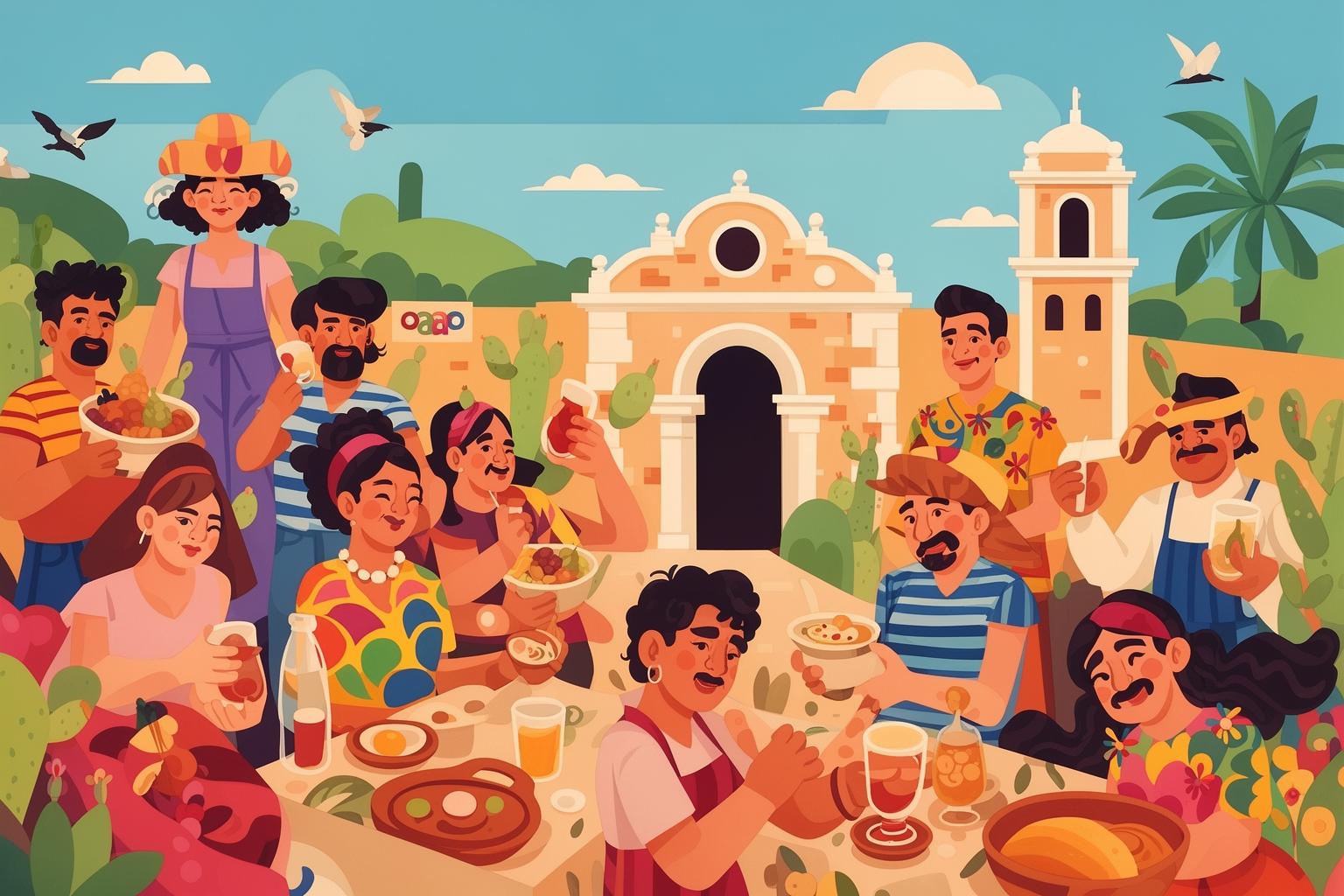
Leaving Oaxaca is challenging. You leave behind the vibrant colors, the warm smiles, and the ever-present, enticing aromas. Yet the taste—that lingers with you. It’s the ghostly smokiness of mezcal on your tongue, the memory of a perfectly crisp tlayuda crackling beneath your teeth, the richly deep, dark flavor of mole negro that seemed to encapsulate the entire history of a civilization in one bite. You come to Oaxaca to eat, but you depart having realized that here, food is a language. It serves as a means to preserve history, celebrate community, and express a profound love for the land and its gifts. A culinary journey through Oaxaca is more than a vacation; it’s an education and a revelation, a delicious reminder that the most unforgettable travel experiences are those you can still taste long after you’ve returned home.