The rugged highlands, ancient castles, and dramatic glens of Scotland have long captured the imagination of travelers. But in recent years, a new force has been drawing visitors in unprecedented numbers: the ‘Outlander’ effect. The hit television series, based on Diana Gabaldon’s historical fantasy novels, has transformed fictional drama into a tangible tourism boom, creating a powerful connection between the on-screen narrative and the real-life Scottish landscape.
A Phenomenon Fueled by Fiction
The impact of this phenomenon is not just anecdotal; it’s backed by significant data. According to VisitScotland, the national tourism organization, screen tourism—where visitors are inspired by locations seen in films and TV shows—now contributes an estimated £161.4 million in visitor spending to the Scottish economy. ‘Outlander’ is arguably the single largest driver of this trend.
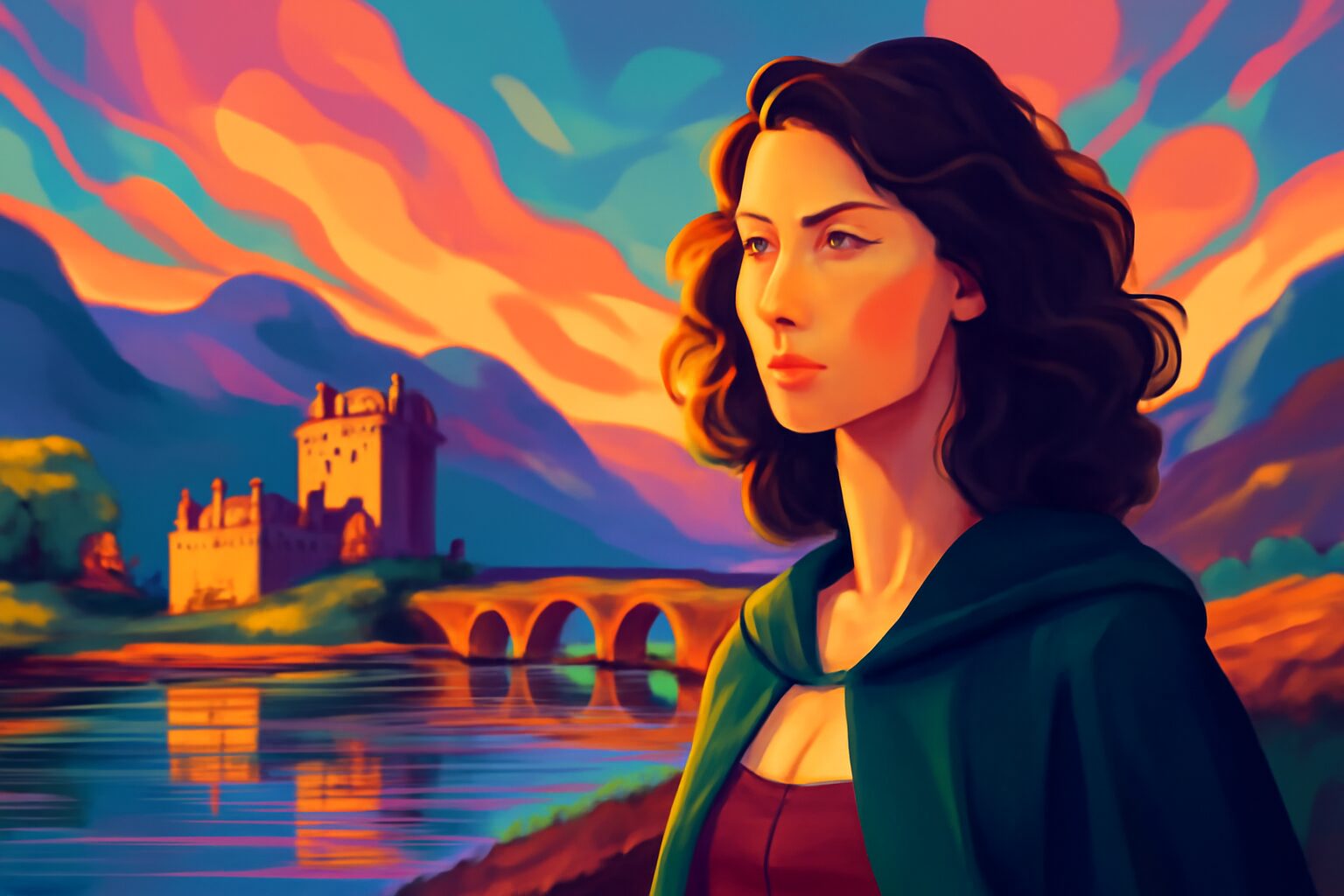
The series tells the story of Claire Randall, a World War II nurse who is transported back in time to 18th-century Scotland, where she becomes embroiled in the Jacobite rising. The show’s blend of romance, history, and breathtaking scenery has cultivated a passionate global fanbase eager to walk in the footsteps of their favorite characters. This has prompted a surge of international visitors, particularly from North America and Europe, who are planning entire itineraries around the show’s filming locations.
Tracing the Economic Footprint
This wave of interest has created a thriving cottage industry. Tour operators have capitalized on the demand by creating specialized ‘Outlander’ tours that guide fans through the real-life counterparts of fictional settings. These tours are dynamic, constantly being updated to include new locations as they are revealed in successive seasons, ensuring a sustained economic benefit for local communities.
The results are visible at individual sites:
- Doune Castle, which stands in for the fictional Castle Leoch, has seen its visitor numbers skyrocket. Before the show aired, it was a relatively quiet historic site. Post-‘Outlander’, it has become a must-see destination, with a dramatic increase in foot traffic.
- The village of Falkland in Fife, used as 1940s Inverness in the show, has enjoyed increased business for its local shops, pubs, and guesthouses.
- The historic Royal Burgh of Culross has been revitalized by its role as the village of Cranesmuir, drawing fans to its charming cobbled streets and preserved 17th-century buildings.
This influx of tourism supports not only the attractions themselves but also the wider ecosystem of hospitality, retail, and transportation across the country.
The Future of the ‘Outlander’ Legacy
As the main ‘Outlander’ series heads towards its final season, questions arise about the sustainability of this tourism boom. However, the future still looks bright. A prequel series, ‘Outlander: Blood of My Blood,’ is already in development, promising to introduce new generations of viewers to the allure of Scotland and keep the magic alive.
The enduring legacy of the ‘Outlander’ effect will likely be the deep, emotional connection it has forged between a global audience and Scotland’s heritage. The show has done more than just showcase pretty landscapes; it has woven them into a compelling human story, transforming passive viewers into active explorers.
While managing the increased visitor numbers to protect fragile historic sites presents a continuous challenge, the ‘Outlander’ effect stands as a powerful testament to the influence of storytelling. It has proven that a well-told tale can transcend the screen, inspiring people to not just watch a story, but to live a small part of it for themselves. For Scotland, that has meant welcoming a new legion of travelers, all searching for their own piece of history, romance, and adventure.