Written by Taro Kobayashi
The story of art is often the story of a place. For an anime as profoundly moving and artistically rich as Shouwa Genroku Rakugo Shinjuu, the stage isn’t just a wooden platform under a spotlight—it’s the city itself. Tokyo, in all its sprawling, chaotic, and beautiful glory, is the silent character that shapes the lives, loves, and tragedies of Yakumo, Sukeroku, Konatsu, and Yotaro. The series is a love letter to the art of rakugo, the traditional Japanese art of comedic storytelling, but it’s also a time capsule, capturing the electric, transformative decades of Japan’s Showa era. From the smoke-filled yose theaters of Shinjuku to the quiet, moss-covered graves of Yanaka, the world of these master storytellers is not a fantasy. It’s real. You can walk the same streets, breathe the same air, and feel the echoes of their passion and pain.
This journey isn’t just about spotting familiar backdrops from a favorite show. It’s a deeper dive, an urban pilgrimage into the very soul of the culture that birthed this incredible narrative. It’s about understanding how a city’s history, its resilience through war and reconstruction, and its relentless march toward the future all feed into the stories told on stage. We’ll trace the footsteps of the masters, from the dazzling neon glow of the entertainment districts to the serene, contemplative corners where they faced their inner demons. This is your guide to stepping through the screen and into the tangible, vibrant world of Shouwa Genroku Rakugo Shinjuu, a Tokyo where the past is never truly gone, it just waits for a storyteller to bring it back to life. Get ready to feel the rhythm of the city and hear the whispers of tales that still linger in its ancient alleyways and under the paper lanterns of its timeless theaters.
This urban pilgrimage is part of a growing trend of exploring the real-world locations that inspire anime, much like the archery pilgrimage to Nagano for Tsurune.
The Heart of the Performance: Shinjuku’s Enduring Stage
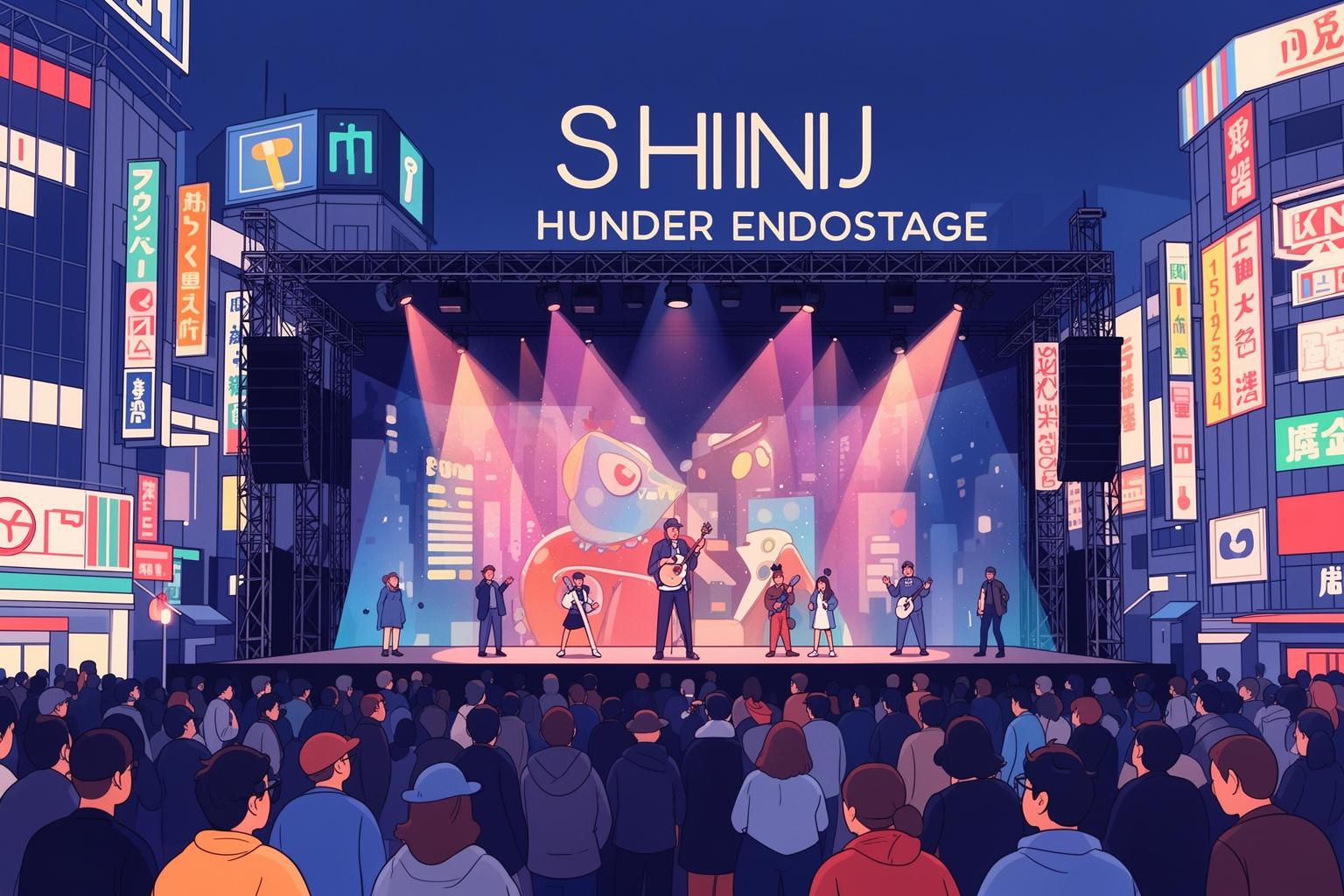
Shinjuku stands as the vibrant core of Shouwa Genroku Rakugo Shinjuu. It’s the place where the magic unfolds, where fates are shaped and shattered beneath the warm radiance of theater lights. This isn’t merely a backdrop; it’s the focal point of the rakugo world portrayed in the anime. Emerging from the maze-like Shinjuku Station, you are immediately engulfed by a flood of sounds, sights, and people, blending a sense of overwhelming modernity with deep historical roots. This duality captures the very essence of the show’s setting. Amid towering skyscrapers and enormous video screens, remnants of the Showa era endure, stubbornly resisting the passage of time. It is within these enclaves—these narrow alleys and timeless theaters—that the soul of the story resides.
Shinjuku Suehirotei: The Living Sanctuary of Rakugo
If there is one place that embodies the spirit of the series, it is Shinjuku Suehirotei. This storied yose theater serves as the clear inspiration for the one where Kikuhiko and Sukeroku refined their craft, competed fiercely, and devoted themselves entirely to their art. Established in 1897, Suehirotei acts as a living museum, a treasured relic of a bygone age. Approaching its traditional wooden frontage, festooned with colorful banners, paper lanterns, and handwritten posters announcing the day’s performers, feels like stepping back in time. The atmosphere hums with the energy of over a century of laughter and applause.
Entering the theater is an even deeper experience. Forget the plush, impersonal setting of a modern multiplex—Suehirotei is intimate, authentic, and proudly old-fashioned. The scent of aged wood, tatami mats, and a subtle hint of tea fills the air. Seating combines Western-style chairs at the back with traditional tatami box seats near the stage, where audiences sit on floor cushions called zabuton. This close proximity to the kōza, the storyteller’s platform, fosters a remarkable sense of connection. There are no microphones, no special effects; it’s simply one person, a fan, a hand towel, and the endless power of voice and imagination. This raw, unvarnished style perfectly captures what the anime so masterfully conveys.
To truly grasp this place, you must witness a performance. Understanding every Japanese word isn’t necessary to feel the rhythm of the story, the charisma of the performer, and the response of the audience. One can observe the storyteller’s subtle changes in posture, the fan flick transforming into a sword or sake bottle, and the voice shifting to portray multiple characters. The audience becomes part of the experience, their laughter rising and fading like waves. It’s a communal event, a shared escape and delight. Practically speaking, visiting is refreshingly simple. No advance booking is required; tickets are purchased at the door for the day’s program, which usually lasts for several hours. Visitors can come and go freely, and bringing their own food and drinks is allowed. This relaxed, inviting atmosphere is what has sustained yose theaters like Suehirotei. Sitting there amidst the gentle murmur of the crowd, it’s easy to envision a nervous yet precise young Kikuhiko or a confident, dazzling Sukeroku captivating the entire room.
Omoide Yokocho and Golden Gai: Alleys of Showa Nostalgia
Just a short walk from the bustling main streets of Shinjuku lie two areas that perfectly complement the world of Shouwa Genroku Rakugo Shinjuu: Omoide Yokocho and Golden Gai. These spots serve as natural extensions of the story, where performers and audiences alike would retreat after the curtain falls to relax, celebrate, or drown their sorrows. They are vibrant, living relics of the post-war Showa era, infused with a raw, nostalgic charm.
Omoide Yokocho—often translated as “Memory Lane,” though more famously known as “Piss Alley” from its colorful past—is a labyrinth of narrow paths lined with tiny yakitori stalls. Ducking under low-hanging lanterns and weaving through crowded walkways, you’re enveloped in the savory aroma of grilled meats and the lively chatter of patrons. Each stall offers just enough space for a few customers sitting shoulder-to-shoulder at worn wooden counters. This is the flavor and spirit of working-class Tokyo—a world apart from the refined arts, yet deeply intertwined with the everyday lives of rakugo’s audience. It’s easy to picture a young Sukeroku, ever the man of the people, laughing loudly here with a skewer in one hand and a cheap drink in the other.
Nearby lies Golden Gai, a different yet equally evocative slice of the past. This compact cluster of six narrow alleys houses over 200 tiny bars, each with its own distinctive and often quirky personality. The buildings are ramshackle two-story structures that miraculously survived the war’s firebombings and subsequent redevelopment booms. By day, the area feels quiet and almost forgotten; but as night falls, lanterns and neon signs ignite, transforming Golden Gai into an intimate bohemian retreat. Each bar is a world unto itself—some catering to film enthusiasts, others to literary circles, with many accommodating only a handful of patrons. This was the haunt of artists, writers, and actors during the Showa era. It’s the perfect setting for the intense, heartfelt conversations that shape the anime’s drama—a place where Kikuhiko might have sought solitude or engaged in a charged discussion with rivals over a glass of whiskey. Experiencing Golden Gai is essential to sensing the nocturnal, artistic heartbeat of the era that forged our characters.
Asakusa’s Echoes: Where Tradition Meets the Masses
If Shinjuku is the heart of the rakugo stage, then Asakusa is its roots. This eastern Tokyo district is the city’s historic downtown, its shitamachi. It’s a place rich with history, where the grand traditions of the Edo period merge with the lively spirit of popular entertainment. For the characters in Shouwa Genroku Rakugo Shinjuu, Asakusa would have been a constant presence, a reminder of the deep cultural foundation from which their art blossomed. Walking through Asakusa today remains a vibrant experience—a whirlwind of sacred rituals, bustling commerce, and a deeply ingrained love for performance that perfectly resonates with the anime’s spirit.
Sensō-ji Temple and Nakamise-dōri: A Pilgrimage Within a Pilgrimage
At the spiritual and geographic heart of Asakusa stands Sensō-ji, Tokyo’s oldest Buddhist temple. Your visit begins at the Kaminarimon, or ‘Thunder Gate,’ a grand, imposing structure guarded by fierce deities. Passing through it, you are immediately immersed in the lively flow of Nakamise-dōri, a long, paved street leading to the temple’s main hall. This bustling market is a sensory feast, lined with countless small shops offering everything from traditional sweets like age-manju (deep-fried cakes filled with red bean paste) to delicate hairpins, folding fans, and numerous souvenirs. The air carries the sweet aroma of roasting rice crackers and the murmur of visitors from around the globe. This blend of sacred and commercial is quintessentially Asakusa. For rakugo storytellers, this place would have been both a personal sanctuary and a source of professional insight. They might have come to pray for success before performances or simply strolled the busy street, drawing inspiration from the faces, voices, and gestures of the common people who formed the heart of their stories.
The temple’s main hall is a site of awe and reverence. Large crowds gather to pray, tossing coins into offertory boxes and bowing beneath clouds of purifying incense rising from a large cauldron in the courtyard. It’s a powerful scene that links modern Tokyo directly to its centuries-old past. For characters like Kikuhiko, who bore the weight of tradition, and Sukeroku, who thrived on popular energy, Sensō-ji would have held profound meaning. It symbolizes the enduring faith and spirit of the people—the very audience they aimed to enchant.
Asakusa Engei Hall and the Rokku District: The Ghosts of Entertainment Past
Just a short stroll from the temple grounds lies the Asakusa Engei Hall, another of Tokyo’s famed yose theaters. While Shinjuku Suehirotei is often regarded as the main inspiration for the anime’s theater, the Asakusa Engei Hall is equally significant in the world of rakugo. Situated in the Rokku district, once Tokyo’s leading entertainment center—the Japanese equivalent of Broadway or the West End—this area during the pre-war Showa era dazzled with cinemas, theaters, revues, and dance halls. It was the birthplace of much of Japanese popular culture, and its vibrant energy and fierce competition shaped the early careers of rakugo performers.
The story of Rokku also echoes one of the key themes in Shouwa Genroku Rakugo Shinjuu: the challenge traditional arts face against modern change. After the war, with television’s rise, the district’s glamour faded. Many grand theaters closed, replaced by pachinko parlors and discount stores. Yet, the Asakusa Engei Hall endures, a proud survivor and testament to the perseverance of live performance. Watching a show here offers a different vibe from Suehirotei—more grounded, perhaps a bit rowdier, but equally passionate, embodying the shitamachi spirit. The hall’s presence in a neighborhood shadowed by memories of its glamorous past is a poignant symbol of the dedication needed to sustain an art form—a struggle that defines Yakumo’s life. Exploring the nearby streets, you can still spot remnants of the old era—vintage movie posters, traditional eateries—and imagine the lively world first known to our story’s original masters.
Yanaka’s Quietude: Life, Death, and Memory

Following the vibrant energy of Shinjuku and Asakusa, our journey shifts toward a more introspective mood. We travel north to Yanaka, a district that seems like an entirely different city. Here, the story’s deeper and more somber themes of legacy, memory, and mortality take shape physically. Yanaka, along with its neighboring neighborhoods Nezu and Sendagi (collectively called Yanesen), largely avoided the destruction caused by the Great Kanto Earthquake and the WWII firebombings. Consequently, it preserves an atmosphere of old Tokyo that is both rare and profoundly moving. Life moves at a gentler pace here, the streets are quieter, and the presence of history feels tangible. This is where the story’s later chapters unfold—a place for reflecting on lives gone by and the stories that endure.
Yanaka Cemetery: A Haven of Tranquil Reflection
At the heart of this area, and central to the narrative of Shouwa Genroku Rakugo Shinjuu, lies the expansive and serene Yanaka Cemetery. In the anime, this location frequently appears as a critical place where characters reconnect with their past, grieve, and ponder their role within the lineage of their art. Visiting the real Yanaka Cemetery offers a deeply peaceful experience. Rather than being a grim reminder of death, it resembles a tranquil public park. Its wide avenues are shaded by towering cherry trees that burst into a stunning canopy of pink in spring, while the narrower paths weave through a forest of weathered tombstones, many centuries old and softly cloaked in moss.
The ambiance is one of quiet dignity. You’ll notice locals leisurely walking, artists capturing the scenery in sketches, and families tending respectfully to ancestral graves. The stillness of the air is broken only by the cawing of crows and the rustling of leaves. It is an ideal setting to contemplate the anime’s profound questions. As you stroll among the graves of renowned artists, scholars, and even the last Tokugawa shogun, you sense the heavy legacy that weighs on Kikuhiko. His dedication to preserving the art form—and ensuring that the masters before him are remembered—is palpable. This cemetery symbolizes not endings, but continuity. It is where the past is carefully preserved, kept alive in the memories of the living. Finding a quiet spot to simply be present here offers one of the most powerful ways to connect with the emotional essence of the series. Away from the crowd’s applause, the true meaning of a storyteller’s life resonates most clearly.
Yanesen’s Shitamachi Charm: Daily Life in Vivid Detail
The neighborhoods surrounding the cemetery—Yanesen—set the stage for the characters’ private lives. This is where the off-stage moments of the story would have taken place. Yanesen is a district of narrow, winding streets, small wooden houses, and numerous temples tucked into tranquil corners. Walking through these areas feels like entering a Showa-era drama set. There are no skyscrapers or flashing neon signs here. Instead, you find family-run shops passed down through generations, selling tofu, rice, and traditional crafts.
One highlight is Yanaka Ginza, a wonderfully preserved local shopping street or shotengai. It is a lively, welcoming place where residents carry out their everyday shopping. The air is rich with the inviting aromas of grilled fish, freshly baked bread, and menchi-katsu (deep-fried ground meat cutlets), a local favorite. It’s easy to picture the anime’s characters on this very street—perhaps Konatsu as a child purchasing a snack or Kikuhiko on a quiet afternoon errand. This street embodies the community and daily rhythms underlying the grand drama of the stage, reminding us that these legendary artists were also ordinary people living their lives one day at a time.
Exploring Yanesen is best done on foot, with no fixed destination. Allow yourself to wander through its maze of back alleys, where you’ll discover charming temples, artisan workshops, and traditional sweet shops. In these quiet moments of exploration, you can truly sense the texture of the world that shaped our characters. This is the Tokyo of the past, before the economic boom—a city of close-knit neighborhoods and simple joys. It offers a perfect counterpoint to the overwhelming scale of modern Tokyo and provides an essential key to understanding the world of Shouwa Genroku Rakugo Shinjuu.
The Curtain Call: Embracing the Spirit of Rakugo in Tokyo
Our journey through the world of Shouwa Genroku Rakugo Shinjuu comes full circle. We have traveled from the electric energy of the Shinjuku stage to the historical echoes of Asakusa and the quiet reflection of Yanaka. Walking these streets reveals how deeply this story is interwoven with the very fabric of Tokyo. This pilgrimage is more than a mere checklist of filming locations; it’s an immersion into the culture, history, and atmosphere that lend the anime its remarkable depth and authenticity. It’s about sensing the Showa era’s lingering presence in the warm glow of a paper lantern, hearing the ghost of Sukeroku’s laughter in a lively back-alley bar, and grasping Yakumo’s solitude in the profound stillness of a centuries-old cemetery.
The true magic of this experience lies in discovering that the spirit of the series remains vibrant. The yose theaters are not museums; they are living, breathing venues where rakugo continues to evolve night after night. The greatest tribute to the anime and the art it celebrates is to take a seat at Suehirotei or Asakusa Engei Hall. Release the need to understand every word. Instead, immerse yourself in the rhythm, the gestures, and the shared energy of the room. Let the storyteller carry you away. In that moment, you are not just an observer; you become part of the living tradition Yakumo fought so desperately to preserve.
Tokyo is a city of endless layers, where the hyper-modern and the deeply traditional coexist in a fascinating, sometimes jarring, dance. Shouwa Genroku Rakugo Shinjuu captures this dance with breathtaking artistry. Following in the footsteps of its characters offers a unique perspective to see this incredible city. You learn to look beyond the surface and uncover the stories hidden in its streets, theaters, and quiet corners. The curtain may have fallen on the anime, but on Tokyo’s stage, the story continues. And for those who seek it, the unforgettable tale of the Showa-era masters awaits rediscovery—not on a screen, but in the heart of the city itself.