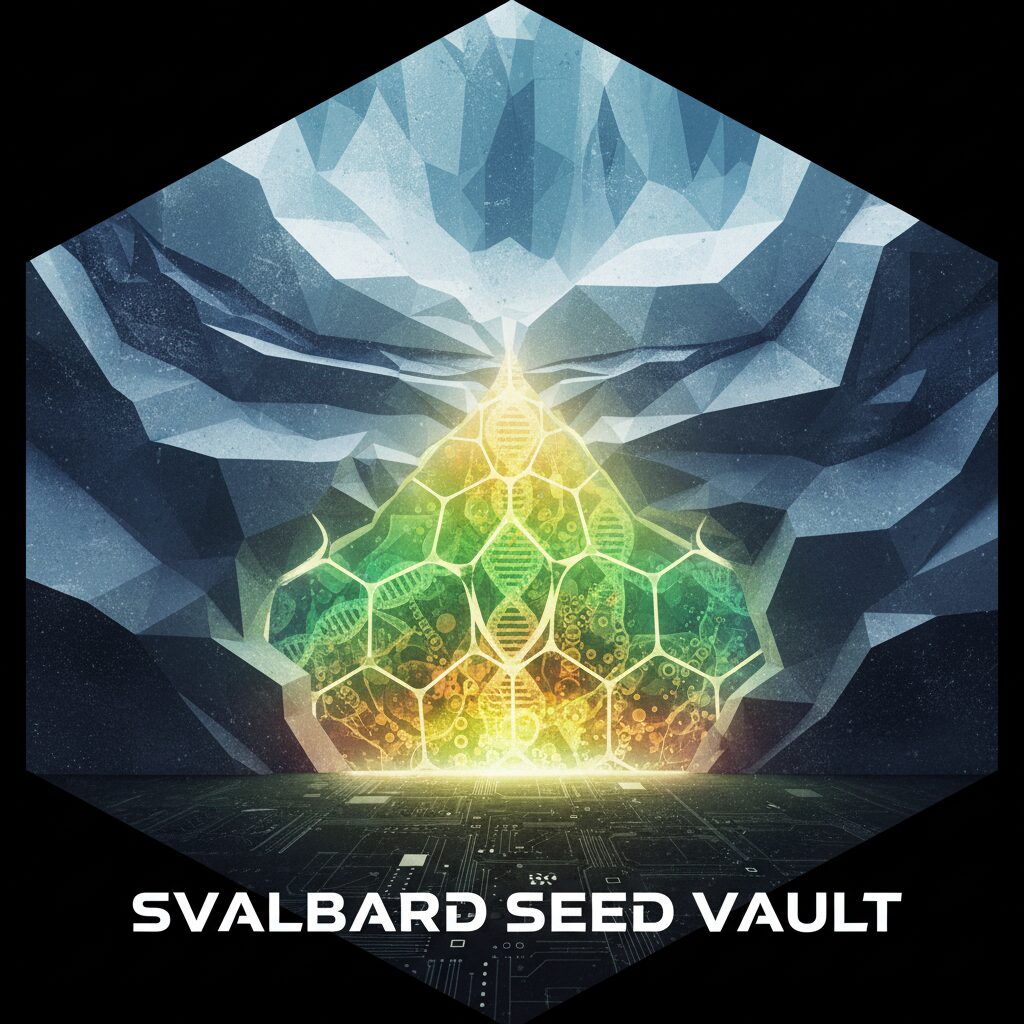
There are places on this Earth that feel less like destinations and more like ideas. They are anchors in the timeline of humanity, points of profound significance that whisper of our past and hum with the promise of our future. High above the Arctic Circle, nestled into the side of a frozen mountain on the remote Norwegian archipelago of Svalbard, lies one such place: the Svalbard Global Seed Vault. It’s not a castle, nor a cathedral in the traditional sense, but it is, without question, a modern sanctuary. This is humanity’s ultimate backup plan, a subterranean library of life designed to safeguard the world’s agricultural diversity from the cataclysms of tomorrow, be they natural disasters, war, or the slow creep of climate change. For many, it’s a symbol of hope, a testament to global cooperation, and a monument to foresight carved into the permafrost. A journey here is more than a trip; it’s a pilgrimage to the edge of the world to witness a promise being kept to generations not yet born. It’s a chance to stand before a door that protects the fundamental building blocks of our civilization and to feel, in the profound, biting cold, the warmth of a truly global endeavor. The air is thin, the silence is vast, and the weight of what lies behind that concrete facade is beautifully, breathtakingly immense.
While this journey is a unique pilgrimage to a sanctuary of biodiversity, you can also embark on a different kind of cultural pilgrimage by exploring the secrets of Broadway’s theater scene.
The Call of the High Arctic: Why Make the Journey?
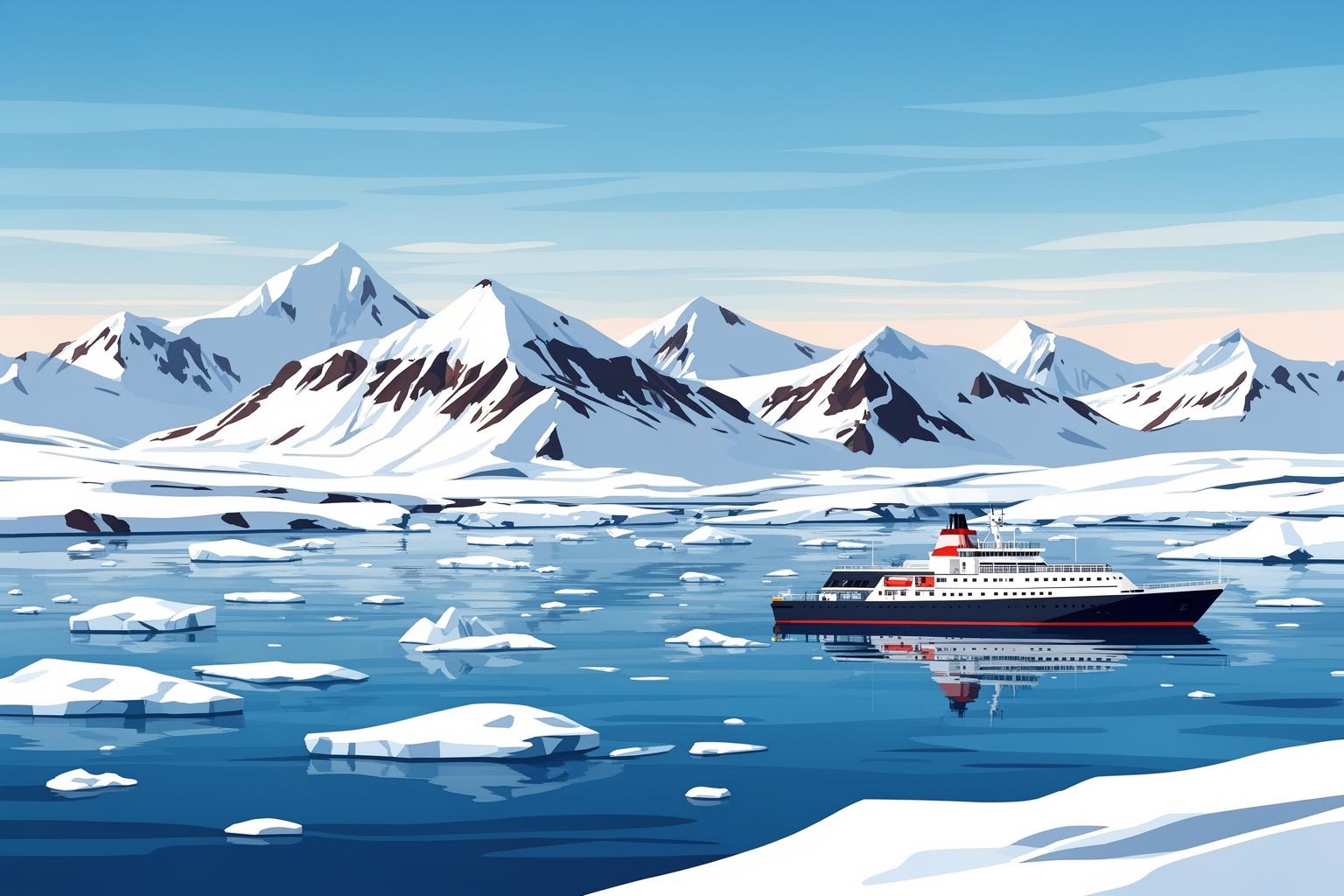
Why travel thousands of miles to the windswept island of Spitsbergen just to see a building you cannot enter? This question is understandable but misses the point of this unique pilgrimage. The appeal of the Svalbard Global Seed Vault lies not in a traditional tourist visit but in the power of its symbolism and the stark, otherworldly beauty of its setting. You don’t come here to go inside; you come here to be present. You come to bear witness.
A Beacon of Hope in a Frozen World
The Seed Vault is, above all, a powerful idea made real. It embodies an unprecedented act of global cooperation. Over one million seed samples, duplicates from gene banks worldwide, are stored in the vault’s frozen chambers. From the dry plains of Africa to the fertile valleys of Asia, the agricultural heritage of nearly every nation on Earth is preserved. Standing outside its entrance, you stand at a crossroads of international trust. In a divided age, the vault is a quiet, stoic reminder that humanity can—and does—unite to protect what is precious. It’s a message of peace, resilience, and shared commitment to the future, and feeling that message in the very air around you is a deeply moving experience.
The Allure of the Edge of the World
Beyond the vault itself, Svalbard is a place that captivates the soul. This is a land of dramatic extremes, shaped by the sun’s prolonged absence and equally prolonged return. The landscape is a masterpiece of minimalist grandeur: jagged peaks tear at the sky, immense glaciers forge slow, powerful paths to the sea, and the tundra spreads out in a palette of muted earth tones or brilliant, uninterrupted white. It’s a place that makes you feel small in the most profound way, recalibrating your perspective against the vast scale of geological time. Silence feels tangible here, interrupted only by the cry of an Arctic tern or the crunch of your boots on the snow. It’s a silence that invites introspection, offering a quiet space to reflect on the vault’s mission and your own place in the world.
The Journey North: Reaching the Arctic Capital
Your expedition to the Seed Vault starts with a journey to Longyearbyen, the world’s northernmost settlement of any considerable size and the administrative center of Svalbard. Reaching this destination is easier than you might expect, but it demands careful planning and an understanding that you’re traveling to a place where nature, rather than human schedules, ultimately governs.
Gateway to the Archipelago
The main way to reach Svalbard is by air. All commercial flights arrive at Svalbard Airport, Longyear (LYR), situated just a few kilometers from the town center. There are no direct international flights from outside Norway, so your trip will almost certainly include a connection in a major Norwegian city. The most common departure points are Oslo (OSL) and Tromsø (TOS), with Scandinavian Airlines (SAS) and Norwegian Air Shuttle providing regular services. It is essential to book these flights well ahead of time, especially if you plan to travel during the peak seasons of the midnight sun (summer) or the northern lights (winter), when seats fill quickly and prices can spike. The flight itself forms part of the adventure; as you leave the Norwegian mainland behind and cross the Barents Sea, the landscape below shifts dramatically. The first sight of Spitsbergen’s coastline—a jagged mix of white peaks and dark rock against the deep blue Arctic Ocean—is an unforgettable moment.
First Impressions of Longyearbyen
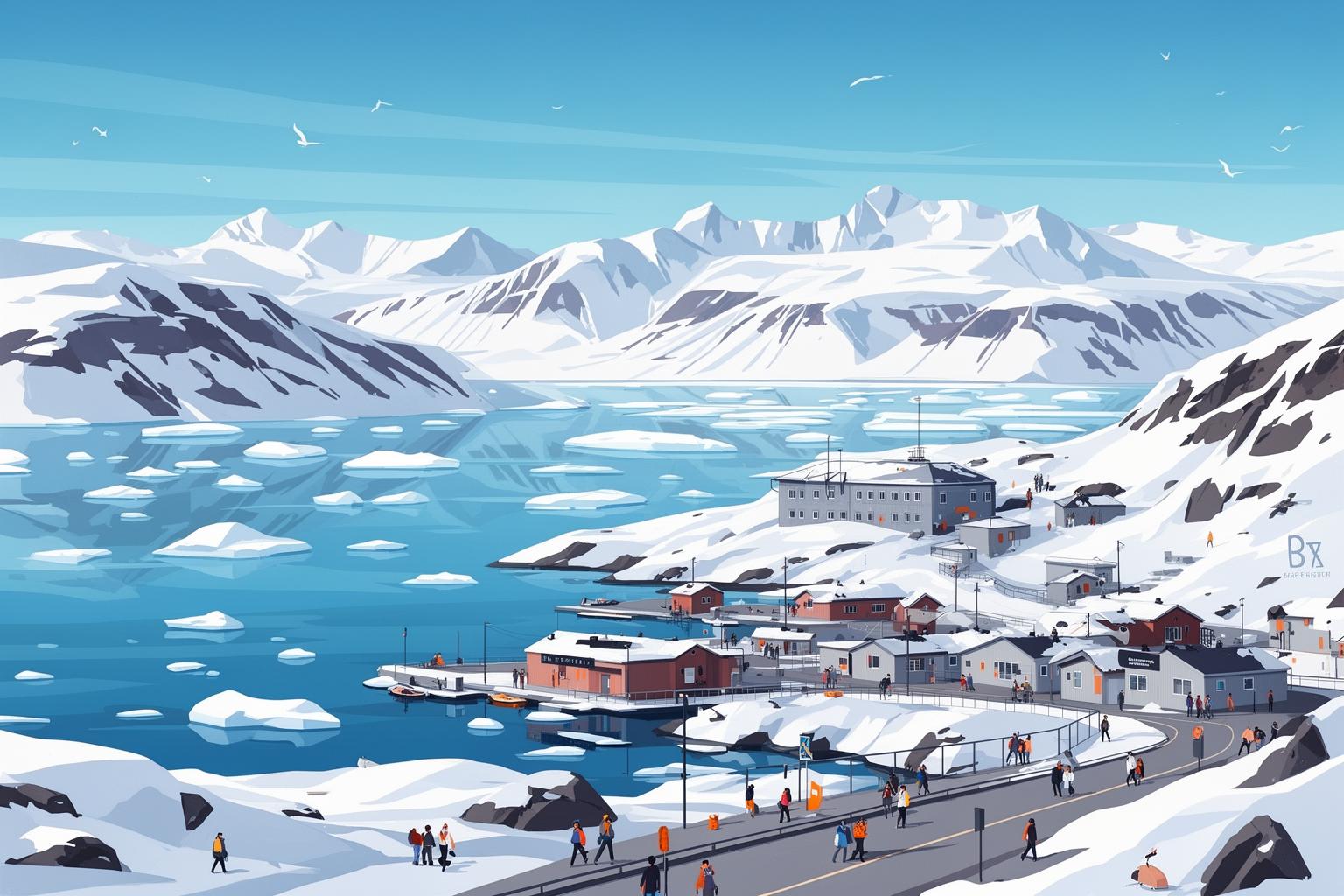
Arriving in Longyearbyen feels like entering another world. The town is a small, vibrant cluster of buildings nestled in a broad, U-shaped valley, surrounded by imposing flat-topped mountains. The infrastructure is modern and surprisingly well-developed for such a remote location, a legacy of its history as a coal mining town. You’ll find a supermarket, several hotels and guesthouses, excellent restaurants, and shops offering high-performance outdoor gear. An airport shuttle bus meets every arriving flight, taking you directly to your accommodation—a simple and efficient introduction. However, reminders of your extraordinary setting are everywhere. Snowmobiles often outnumber cars in winter, parked alongside them. Signs on the town’s outskirts warn of polar bears, a stark and immediate reminder that you are a visitor in a wild, untamed land. Leaving the settlement without an armed guide is prohibited, a rule that highlights the raw power of the environment you have just entered.
The Sentinel on the Hillside: Experiencing the Seed Vault
Let’s be clear from the beginning: the Svalbard Global Seed Vault is not open to the public. You cannot tour inside. Its purpose is preservation, not tourism, and maintaining its strict environmental controls is essential. The vault only opens a few times a year for scheduled seed deposits. However, not being able to enter does not lessen the impact of a visit. The pilgrimage is made to its doorstep.
The Approach and the Architecture
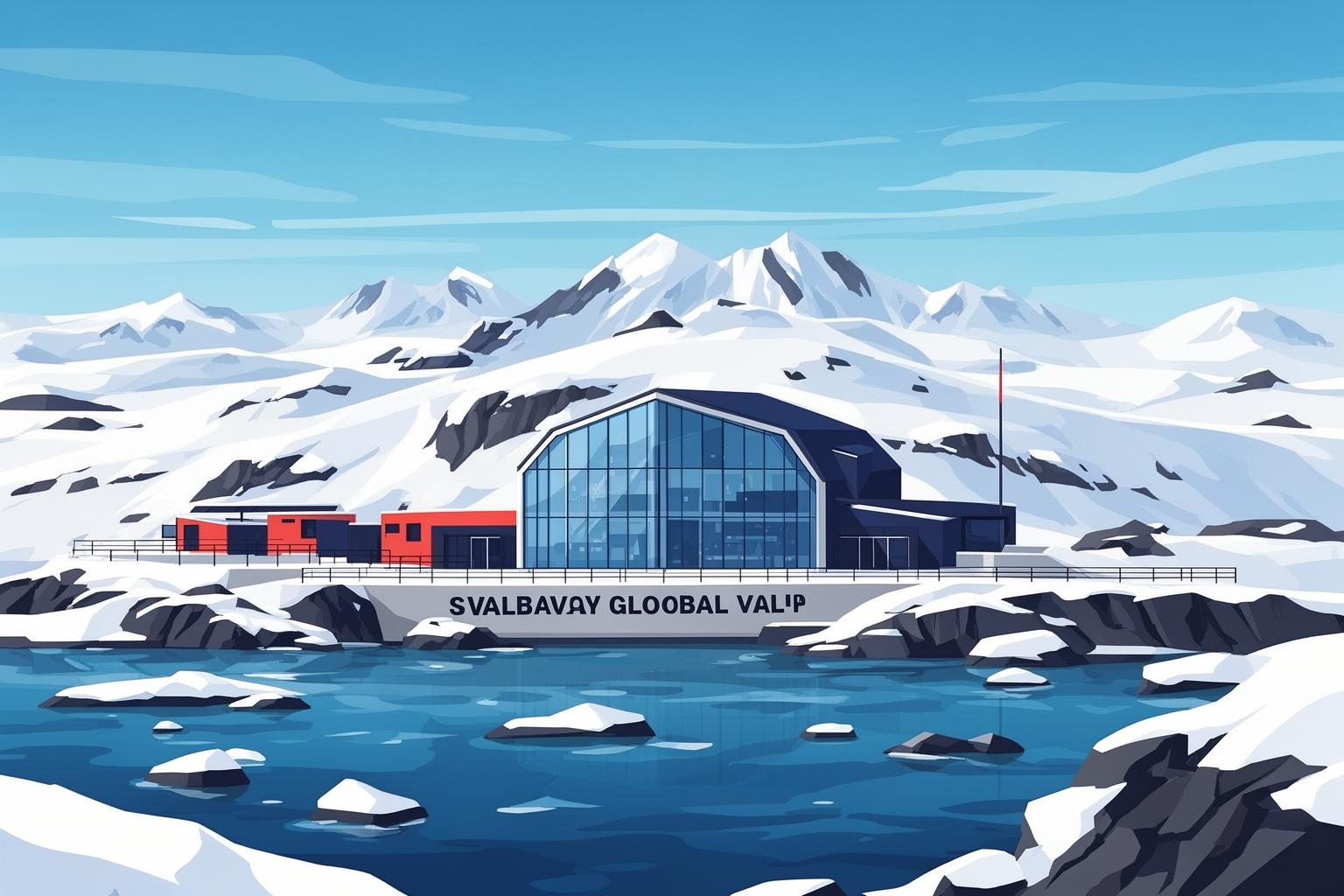
The vault is situated about a 10-15 minute drive from the center of Longyearbyen, along a winding road past the airport. You can reach it by taxi or as part of a guided tour. Many local tour operators include a stop at the vault in their sightseeing routes. As you draw near, the structure gradually comes into view. It is an unassuming concrete wedge driven deep into the side of Platåberget, the “plateau mountain.” The design is stark, functional, and perfectly adapted to its environment and purpose. There is no grandeur, only a sense of profound, immovable strength. The most striking element is the entrance. A narrow, towering concrete fin protrudes from the mountainside, featuring a stunning art installation called “Perpetual Repercussion” by Norwegian artist Dyveke Sanne. During the polar night and even in the twilight of summer, the piece glows with an ethereal turquoise and white light, created by a network of fiber optics. It serves as a beacon in the darkness, a sliver of luminous art against the immense, dark rock. It makes the vault visible for miles, a silent, glowing tribute to what lies within.
The Feeling at the Gate
Standing before the entrance is a reflective experience. The wind whips around you, carrying the chill of glaciers. You are surrounded by the vast, empty landscape of the Advent Valley. You can walk right up to the heavy steel doors. You can place a hand on the cold concrete. You stand at the threshold of humanity’s ultimate safety net. It’s a moment for contemplation. Think of the farmers who cultivated these seeds over millennia. Think of the scientists who carefully collected and preserved them. Think of the future generations who may one day rely on this frozen library. The vault is a silent storyteller, and here, at its entrance, you can hear its tale of foresight, fragility, and hope. This is the climax of the pilgrimage. Take your photos, but more importantly, take a moment to simply be present. Absorb the scale, the silence, and the profound significance of where you stand.
Life on the Archipelago: Embracing the Polar Wild
While the Seed Vault might spark your journey, it is the marvels of Svalbard that will truly fill your memories. This archipelago presents a wealth of experiences unique to the High Arctic, and your visit should focus on fully immersing yourself in this extraordinary environment. The activities on offer vary sharply with the seasons.
The Season of the Sun: Summer Adventures
From late April to late August, Svalbard is illuminated by 24-hour daylight, a phenomenon known as the Midnight Sun. This period bursts with energy, as wildlife is at its most active and the landscape, largely free of snow, reveals its rugged geological features.
Wildlife Watching
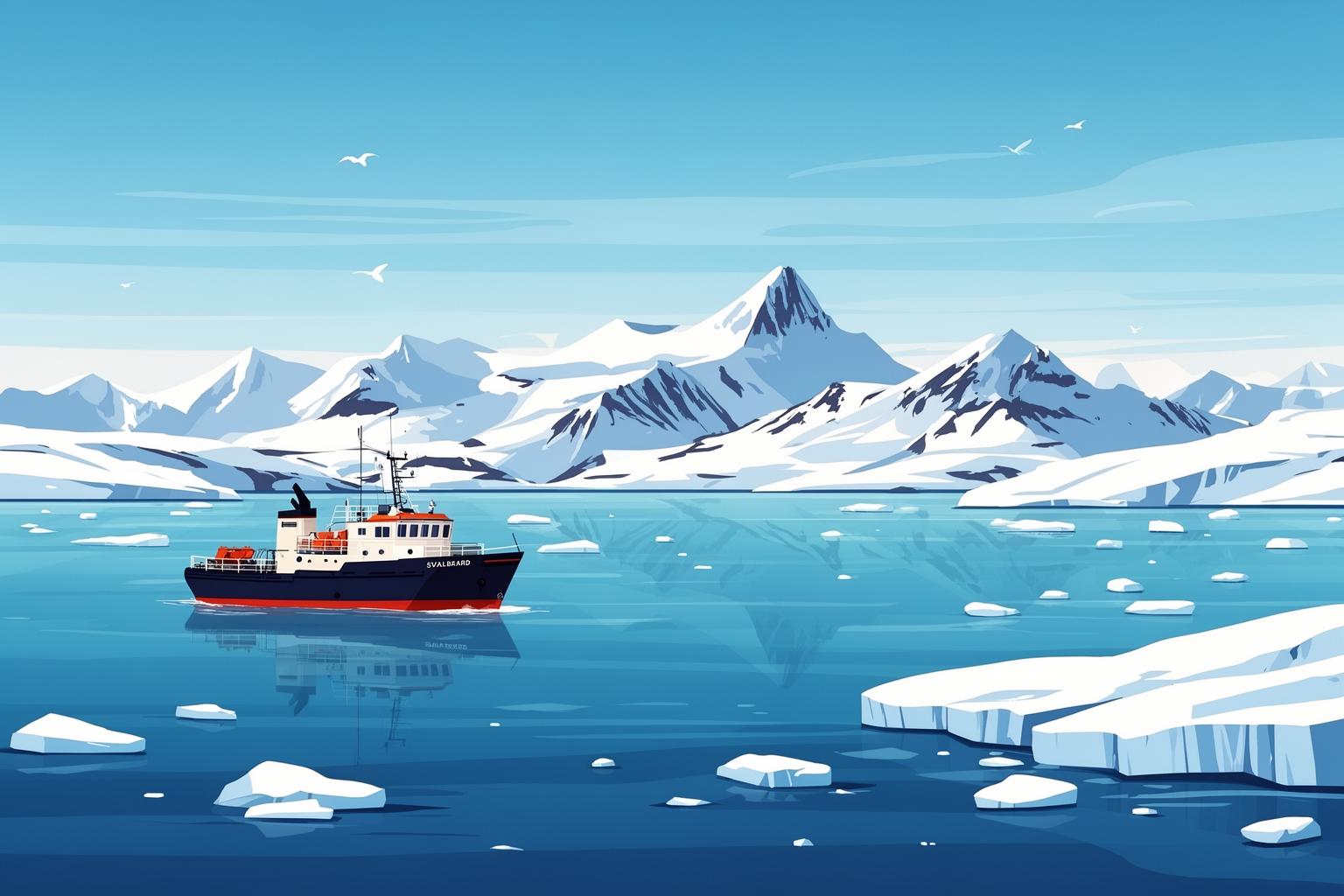
Summer is the ideal time for wildlife viewing. Boat trips along the coast of the Isfjord are essential. You can witness massive glaciers calving, sending enormous chunks of ice crashing into the sea with a thunderous roar. These excursions also offer opportunities to see seals resting on ice floes, walruses gathered on beaches, and a remarkable variety of seabirds, including puffins, guillemots, and kittiwakes nesting on dramatic cliff faces. You may even catch sight of the elusive Svalbard reindeer, a distinctive short-legged subspecies, or the cunning Arctic fox.
Hiking and Exploration
With the snow cleared from lower elevations, hiking becomes a favored activity. Guided hikes to nearby peaks like Trollsteinen or Sarkofagen provide breathtaking panoramic views of Longyearbyen and its surrounding fjords. Due to the polar bear risk, you must always hike with a certified, armed guide when venturing beyond the settlement—a vital safety regulation. These guides also offer valuable insights into the local flora, fauna, and history.
The Season of Darkness: The Magic of the Polar Night
From late October to mid-February, the sun remains below the horizon. This time, known as the Polar Night, is not total darkness but a profound, ethereal twilight. The landscape is cloaked in thick snow, painted in shades of blue, purple, and silver, lit by moonlight and stars. It is a period of quiet enchantment and unique Arctic adventures.
Chasing the Aurora Borealis
Svalbard is among the best places on Earth to see the Northern Lights. The long, dark nights create an ideal backdrop for the aurora to light up the sky. You can join specialized Northern Lights tours where guides take you away from the town’s light pollution to the best vantage points. Watching the sky unfold in shimmering curtains of green, pink, and violet light is an almost spiritual experience—a celestial display that leaves viewers speechless with wonder.
Adventures on Snow and Ice
Winter turns Svalbard into a snowy playground for numerous activities. Dog sledding is a quintessential Arctic experience. You’ll meet and harness a team of enthusiastic huskies and then glide quietly across frozen valleys, the only sounds being the dogs’ panting and the sled runners on snow. It’s a beautiful way to connect with the environment. For those seeking more thrills, snowmobiling is the main winter transport. Guided snowmobile tours can carry you deep into the wilderness, to the east coast where polar bears more frequently appear, or to stunning ice formations on glaciers. Another unforgettable winter experience is visiting a natural ice cave. Equipped with a helmet and headlamp, you’ll descend into the glacier’s heart to explore a surreal, blue-lit world of frozen tunnels and chambers carved by meltwater.
The Practical Blueprint for a Polar Pilgrimage
Planning a trip to Svalbard demands more careful attention than a typical vacation. The environment is extreme, and being well-prepared is crucial for both your safety and enjoyment.
When to Go: A Tale of Two Seasons
The time you choose to visit will fundamentally shape your experience. There is no single “best” time, only the time that best suits the experience you want.
- Summer (June – August): Opt for this season to experience the Midnight Sun, hiking, boat trips, and the most abundant wildlife. The weather is milder, with temperatures usually just above freezing. It’s the peak tourist season, so book everything well in advance.
- Winter (December – February): Visit during this season for the Polar Night, Northern Lights, dog sledding, snowmobiling, and ice caving. Temperatures can plunge to -20°C (-4°F) or lower, excluding wind chill. The darkness is deep and enchanting.
- Transitional Seasons (March – May & September – November): These times offer a mix of both worlds. In March and April, the sun returns, illuminating the snowy landscape—a great time for winter sports with extended daylight. In September and October, snow begins to fall and days grow shorter, providing early opportunities to see the aurora while still allowing for some hiking.
What to Pack: The Art of Layering
No matter the season, layering is key to staying comfortable in Svalbard. Your clothing should be flexible to adapt to changing conditions.
- Base Layer: Start with high-quality thermal underwear made from merino wool or a synthetic alternative. Avoid cotton, as it retains moisture and makes you cold.
- Mid Layer: This provides insulation. Ideal options include a fleece jacket or a lightweight down or synthetic puffy jacket. Depending on the temperature, you might wear one or two mid-layers.
- Outer Layer: A fully waterproof and windproof shell jacket and trousers are essential. This layer protects you from the elements and keeps your insulation dry.
- Extremities: Hands, feet, and head lose heat fastest. Bring warm, insulated, waterproof boots with thick wool socks. Insulated gloves or mittens (mittens tend to be warmer) and liner gloves for dexterity are necessary. A warm hat covering your ears, a balaclava, or a neck gaiter (buff) is vital for shielding your face from harsh wind.
- Other Essentials: Sunglasses are important, even in winter, to protect against snow glare. A good moisturizer and lip balm will protect your skin from dry, cold air. Also, carry your camera with extra batteries, as the cold drains them quickly.
Where to Stay and What to Know
Longyearbyen offers a variety of accommodations, from the upscale Funken Lodge to comfortable mid-range hotels like the Svalbard Hotel, as well as budget-friendly guesthouses. The town is small and lodging options are limited, so booking well months before your trip is strongly advised. The currency is the Norwegian Krone (NOK), and credit cards are widely accepted. English is spoken everywhere. Be sure to respect local customs and the delicate environment. Stay on marked trails, avoid disturbing wildlife, and never leave trash behind. Following the “leave no trace” principle is a way of life here.
A Deeper Context: Understanding Svalbard’s Soul
To fully appreciate your visit, it is helpful to understand the unique context of the archipelago. Svalbard is not a typical part of Norway. It is governed by the Svalbard Treaty of 1920, an extraordinary international agreement that grants Norway sovereignty while allowing citizens of all signatory nations (over 40 countries) the right to live and work there. This has fostered a uniquely international community in Longyearbyen, with residents from across the globe.
The archipelago’s history is deeply connected to whaling, trapping, and most notably, coal mining. You can still observe the remnants of this industrial past in the abandoned mining structures scattered across the hillsides around Longyearbyen. This history of resource extraction offers a fascinating contrast to Svalbard’s contemporary identity as a center for scientific research, especially in fields such as climate change, geology, and atmospheric physics. The Seed Vault epitomizes this new identity—a place dedicated not to exploiting the Earth, but to preserving it.
A Final Thought from the Top of the World
A trip to the Svalbard Global Seed Vault is an investment. It demands time, resources, and a spirit of adventure. Instead of souvenirs or theme-park excitement, it offers a profound sense of connection—to nature in its most raw and powerful form, to the global community, and to the long, winding narrative of human civilization. Standing in the Arctic wind, gazing at that glowing portal on the mountainside, you realize you’re not simply looking at a building. You’re witnessing a promise. A promise that even at the planet’s most remote corners, in the deepest cold, we are planting a garden for the future. And that is a sight worth traveling any distance to witness.