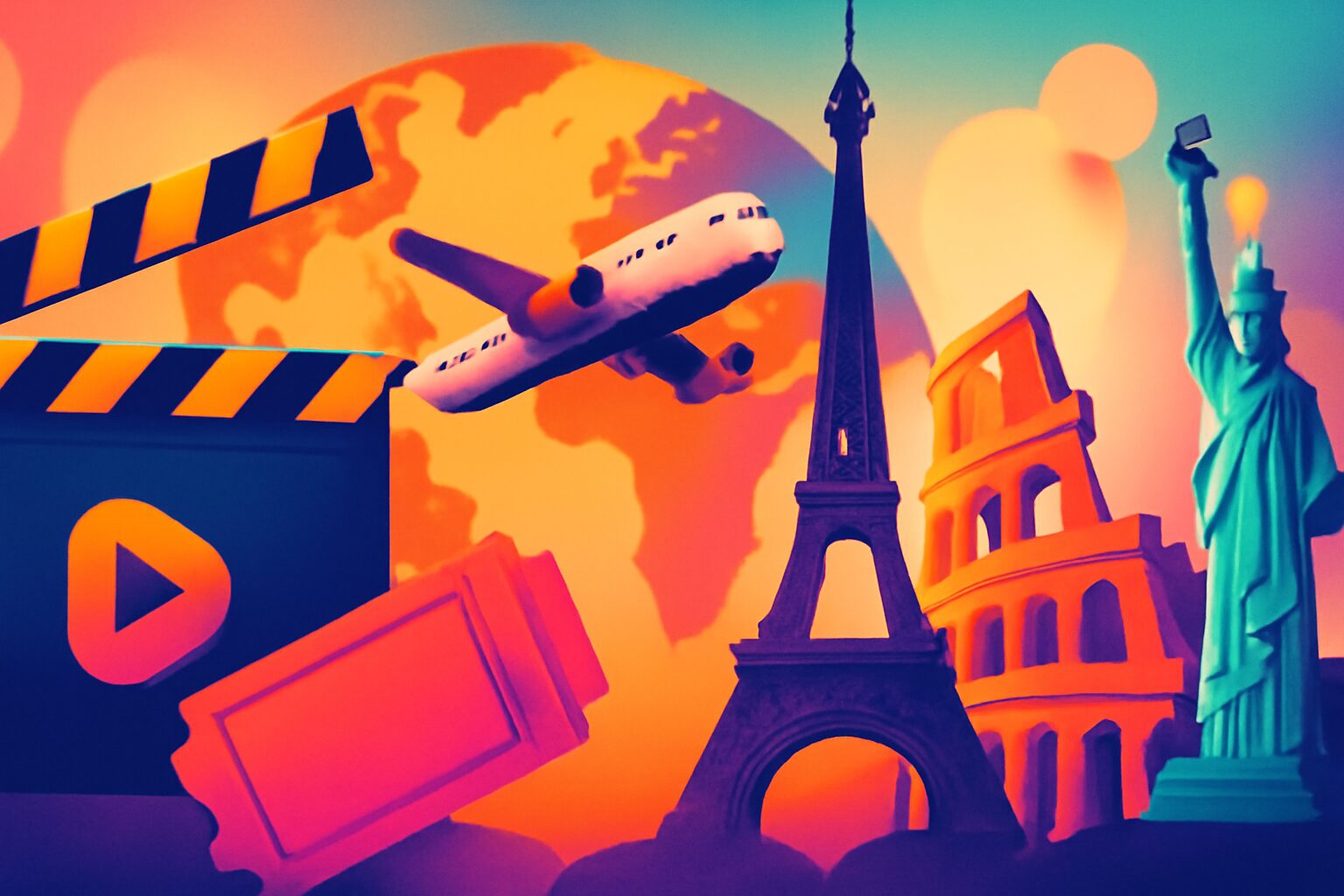
The Silver Screen’s Golden Touch on Tourism
The global travel industry is witnessing a remarkable surge, with a staggering $8 billion economic uplift directly linked to the magnetic pull of film and television locations. This phenomenon, dubbed ‘set-jetting’ or ‘screen tourism,’ is no longer a niche trend but a powerful force driving travelers to explore the real-world backdrops of their favorite fictional universes. From the historic streets of Europe to the dramatic landscapes of New Zealand, fans are turning their streaming watchlists into ambitious travel itineraries, eager to walk in the footsteps of their beloved characters.
Behind the Boom: Streaming, Social Media, and Iconic Locations
The rise of set-jetting can be attributed to several converging factors. The global proliferation of streaming services like Netflix, HBO, and Disney+ has made international content more accessible than ever, exposing a massive audience to captivating new destinations. This digital exposure is amplified by social media, where platforms like Instagram and TikTok become virtual mood boards, filled with stunning images of filming locations that inspire immediate travel envy.
This trend builds on a long history of iconic locations drawing crowds. New Zealand has long been synonymous with the epic landscapes of The Lord of the Rings, creating a tourism industry that has thrived for over two decades. More recently, the global sensation Game of Thrones transformed destinations like Dubrovnik, Croatia, and Northern Ireland into major tourist hotspots. Similarly, series like Emily in Paris have renewed interest in specific Parisian neighborhoods, while The White Lotus has caused searches for its featured luxury hotels in Sicily and Hawaii to skyrocket.
The Economic Ripple Effect
The $8 billion figure only scratches the surface of the economic impact. A 2023 report by American Express Travel highlighted the significance of this trend, revealing that 70% of Gen-Z and Millennial travelers have drawn travel inspiration from a movie or TV show.
This influx of tourists generates direct revenue for hotels, restaurants, tour operators, and local shops. Beyond these immediate benefits, it creates a powerful ripple effect. It boosts the profile of a destination on the global stage, attracting not only fans but also general travelers intrigued by the newfound buzz. This can lead to long-term investment in infrastructure and the creation of new jobs, providing a sustainable economic engine for the local community. For instance, organized tours of filming locations have become a lucrative business in many areas, offering everything from guided walks to elaborate reenactment experiences.
Navigating the Challenges of Sudden Fame
While the economic benefits are clear, the sudden popularity can be a double-edged sword, particularly for smaller towns and environmentally sensitive areas. The news summary rightly points out that some communities are grappling with the challenges of managing an overwhelming wave of visitors.
This can lead to ‘overtourism,’ straining local infrastructure like roads, public transport, and waste management. It can also drive up the cost of living for residents and risk damaging the very locations that attract tourists in the first place. Thailand’s Maya Bay, made famous by the film The Beach, was forced to close for several years to allow its fragile ecosystem to recover from uncontrolled tourism. Similarly, residents of Dubrovnik have voiced concerns about overcrowding and the preservation of their city’s cultural heritage. These cases serve as a crucial reminder that growth must be managed sustainably.
What’s Next for Screen-Inspired Travel?
The set-jetting trend shows no signs of slowing down. As streaming platforms continue to invest billions in original content set in visually stunning locations, we can expect a new wave of destinations to enter the spotlight.
Looking ahead, we may see a deeper integration between the entertainment and travel industries. This could include more official partnerships, creating immersive, studio-approved tours and experiences. Technology will also play a role; augmented reality (AR) apps could soon allow tourists to see CGI characters in real-world locations or watch scenes from a show while standing on the exact spot it was filmed.
For destinations, the key to long-term success will be a proactive and sustainable approach. This involves working with local communities, investing in infrastructure ahead of the crowds, and implementing strategies to protect natural and cultural assets. By balancing promotion with preservation, film and TV tourism can continue to be a powerful force for good, enriching both travelers and the communities they visit.