
Have you ever watched a show and felt an irresistible pull to walk its streets, to breathe its air, to see if the magic on screen translates to the real world? For fans of the brilliantly surreal and heartwarming anime ‘My Ordinary Life’ (Nichijou), that place is no fantasy. It’s a quiet, unassuming town tucked away in the mountains of Gunma Prefecture, a place called Shimonita. This isn’t just a filming location; it’s the very soul of the fictional city of Tokisadame, where the hilarious, chaotic, and profoundly ordinary lives of Yuuko, Mio, Mai, and Hakase unfold. It’s a journey into a world where everyday moments explode with absurdity, where the mundane becomes magnificent, and where the backdrop itself feels like a character, whispering stories from every street corner and riverbank. Prepare to wander off the beaten path, camera in hand, as we explore the real-life stage of one of anime’s most unique comedies, discovering a town that is just as charming as its animated counterpart.
Strolling through Shimonita’s quaint streets often sparks the same sense of discovery that drives the rise of Chicago film tourism in urban settings.
The Heartbeat of Tokisadame: Shimonita’s Unmistakable Charm
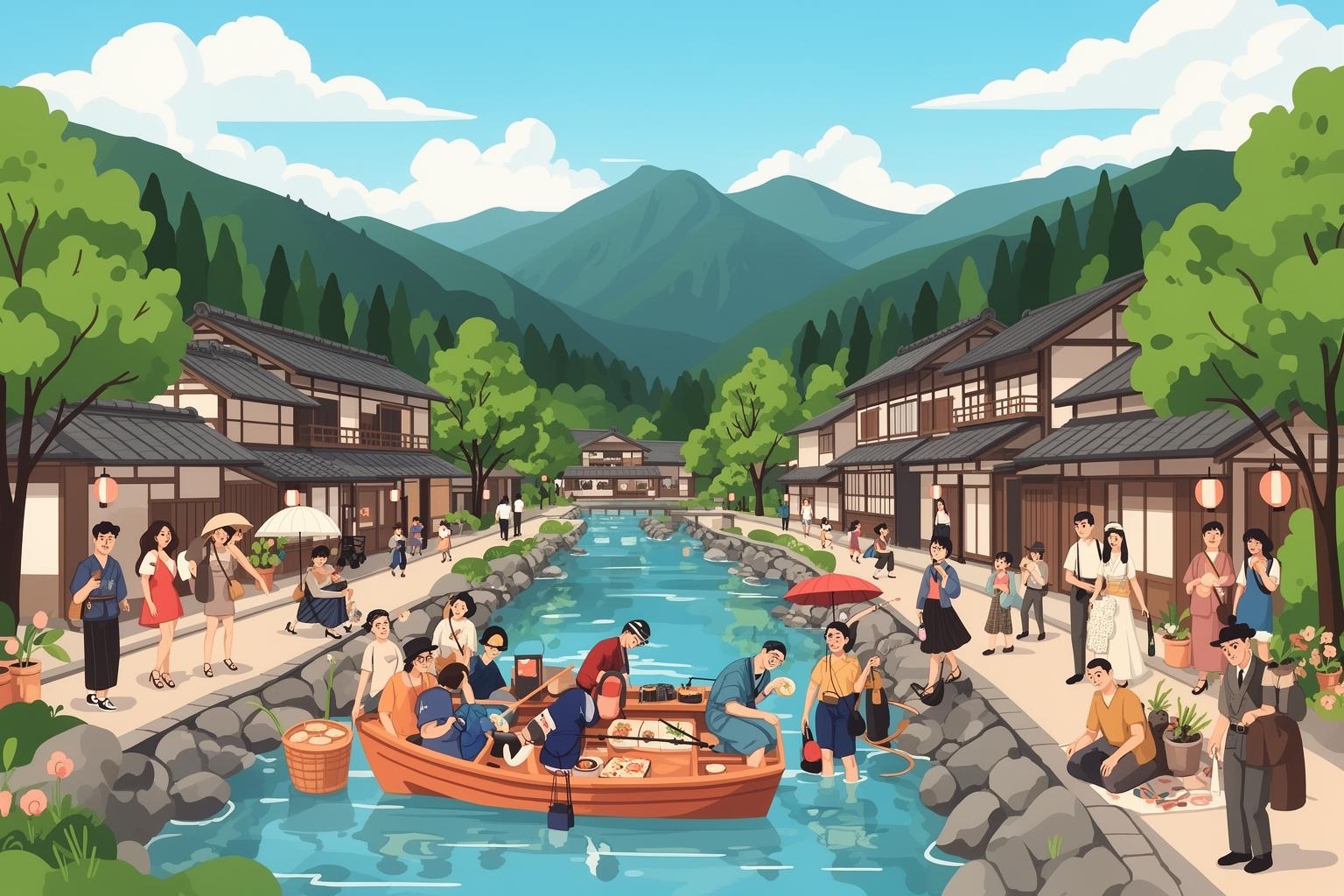
Arriving in Shimonita feels like stepping back in time. The air is crisp, infused with the scent of green mountains and aged wood. There’s a profound quietness here, sharply contrasting with the wild energy of ‘My Ordinary Life’. Yet, it’s precisely this quietness that makes the pilgrimage so special. It lets you glimpse the blank canvas on which the anime’s creators painted their vibrant world. As you stroll through the town, a strange and wonderful sense of déjà vu envelops you. That sleepy intersection where a daifuku might fall from the sky, the gentle river bend where two friends might have a ridiculously dramatic argument, the old-fashioned storefronts seemingly frozen in a bygone era—it’s all here. The town’s atmosphere exudes gentle nostalgia. It moves at its own pace, free from the rush of the modern world. This very tranquility anchors the anime’s wildest moments. The contrast between Shimonita’s peaceful, picturesque reality and Nichijou’s explosive comedy is part of its charm. You find yourself smiling, imagining Yuuko Aioi tripping over nothing on these sidewalks or Mio Naganohara’s secret manga sketches scattering in the mountain breeze. The town encourages you to slow down, notice the small details, and feel the gentle, steady rhythm of a life that, in its own beautiful way, is perfectly ordinary.
A Pilgrim’s Path: Key Locations from ‘My Ordinary Life’
For any fan embarking on the journey, the real joy comes from discovering those exact locations immortalized on screen. Shimonita and its surroundings form a treasure map of Nichijou moments waiting to be uncovered. Each spot feels like a new chapter, a fresh wave of memories from the show, offering a perfect chance to capture a piece of that world yourself. The hunt is part of the adventure, transforming a simple sightseeing trip into a deeply personal quest. You become an explorer, navigating the streets not just as a tourist, but as someone privy to a wonderful secret. It’s a game of matching animated frames to real-life scenes, and every successful find feels like a small, victorious achievement.
Isesaki Commercial High School: The Real Tokisadame High
Here’s an essential tip for any pilgrim: while Shimonita sets the town’s overall atmosphere, the iconic school building of Tokisadame High is actually located elsewhere. You’ll need to travel to Isesaki, also in Gunma, to visit the Isesaki Commercial High School. Once you see it, there’s no mistaking it. The distinctive window patterns, the grand entrance, and the expansive grounds make it unmistakably the school where our favorite characters spent their days. Standing in front of it feels surreal—you can almost hear the principal wrestling with a deer or see Nano the robot hiding the wind-up key on her back. However, it’s important to remember that this is an active school. Students and staff are living their daily lives here, so the best approach is to admire respectfully from a distance. Take photos from the public sidewalks outside the gates. Do not enter the property or disturb anyone. Capturing the school’s façade against a clear blue sky is the perfect tribute—a photo that instantly links your journey to the heart of the series. The visit may be brief, but seeing Tokisadame High in person is a central part of the Nichijou pilgrimage.
The Winding Riverbanks: Scenes of Everyday Adventure
Back in Shimonita, the Kabura River flows gently through town, providing a constant, calming backdrop just as in the anime. The wide, open riverbanks serve as the setting for many moments of reflection, humor, and friendship. This is where characters walk, talk, and experience their quirky escapades. Strolling along the concrete embankments, it’s easy to picture Yuuko and Mio heading home from school, their conversation carried by the breeze. The simple metal guardrails, grassy slopes descending to the water, and bridges linking both sides of town are all lovingly recreated in the show. A leisurely walk along the Kabura River is a must—it’s peaceful and photogenic, especially late in the afternoon when sunlight softens and shadows stretch long. In spring, cherry blossoms elevate the scene, creating a perfect anime-like dreamscape. In autumn, the warm hues of the surrounding trees create a nostalgic palette. It’s a place to simply be, listen to the flowing water, and feel deeply connected to the ‘ordinary’ part of ‘My Ordinary Life’.
Shimonita Station and the Joshin Dentetsu Line
Getting to Shimonita is a key part of the journey, particularly if you travel by the Joshin Dentetsu Line. This small, private railway forms the lifeline of the area, with its charming, slightly retro trains instantly recognizable to any fan. The train ride itself, rattling slowly through Gunma’s countryside past fields and farmhouses with mountains in the distance, sets the perfect mood. It feels like leaving the busy world behind and entering Tokisadame’s gentle rhythm. Shimonita Station is a quaint, inviting structure—small, quiet, and a portal to another era. The wooden benches, simple ticket gate, and unhurried atmosphere are all beautifully preserved. Stepping off the train onto the platform signals the true start of your Shimonita adventure. It’s the same station the characters would have used, and standing there, you can almost sense the show’s quirky cast waiting for their own train to arrive or depart on another absurd adventure.
The Familiar Shopping Arcades and Streets
Venturing away from the station into the heart of Shimonita, you’ll find the ‘shotengai,’ or local shopping arcades. Though quieter than in the past, these covered streets and the open-air roads branching off them perfectly capture the town’s landscape as seen in the anime. The shop architecture, with tiled awnings and sliding doors, faded old advertisements, and the intricate web of overhead power lines create a visual texture that is pure Nichijou. These are the streets where characters run errands, encounter stray cats and eccentric locals, and where their everyday dramas unfold. While you might not spot exact, one-to-one matches for every storefront, the overall ambiance rings true. It’s an ideal place for a photo walk. Lose yourself in the side streets, peer down alleyways, and look up at the unique rooftops. Every corner offers a fresh composition, a new angle echoing a scene from the show. It’s in these quiet explorations that you begin to truly appreciate the artists’ affection for this place.
Beyond the Anime: Discovering Shimonita’s Soul
While the anime pilgrimage is the primary attraction for many visitors, Shimonita provides unique rewards for the curious traveler. To fully appreciate the world of ‘My Ordinary Life,’ one must also value the town itself: a proud community with its own culture, history, and character. Exploring beyond the typical anime landmarks allows you to connect more deeply with the town, enriching your understanding of the setting and making your visit more memorable. This is where you transition from being a fan to a true traveler, engaging with the spirit of the place and discovering its charms beyond the animated world. The real Shimonita is filled with quiet wonders, from its local cuisine to the stunning natural surroundings that embrace the town, all waiting to be explored.
A Taste of Gunma: Konjac and Local Delights
Gunma Prefecture is well-known across Japan for its agricultural products, and Shimonita boasts its own local specialties. The town is especially famous for its konnyaku (konjac), a jelly-like food made from the corm of the konjac plant. You’ll find it in many varieties, from savory dishes like oden to sweet, jelly-like desserts. Sampling the local konnyaku is a delicious way to connect with the region’s culture. Seek out a local restaurant or a small shop offering konnyaku-based snacks. Another specialty of the town is the Shimonita negi, a type of thick, sweet green onion cherished for its flavor, particularly when grilled or used in hot pots. Enjoying a meal prepared with these local ingredients is more than just eating; it’s experiencing the authentic taste of the land that inspired Tokisadame. It adds a sensory dimension to your pilgrimage, allowing you to savor the very essence of the place you’ve journeyed to see.
The Majestic Myogi Mountains
No visit to Shimonita is complete without marveling at the mountains surrounding it. The Myogi mountain range, known for its dramatic, jagged peaks, is both a striking and awe-inspiring presence. These mountains serve as more than just a backdrop in ‘My Ordinary Life’; their distinctive silhouette is a key element of the show’s visual identity, often appearing in the background of school scenes or wide shots of the town. For photographers, these mountains are a dream come true. They shift in appearance throughout the day, from being cloaked in morning mist to standing out sharply against a radiant sunset. For those seeking adventure, the area offers hiking trails with breathtaking views of the town below. Even if you’re not a hiker, simply taking a moment to admire Mount Myogi from a viewpoint in town is a powerful experience. It connects you to Gunma’s natural landscape and serves as a reminder of the vast, beautiful world that lies just beyond the everyday scenes of the anime.
Your Guide to a Perfect Shimonita Pilgrimage
Planning a trip to a more rural part of Japan might seem challenging, but visiting Shimonita is surprisingly simple and immensely rewarding. With some preparation, you can make your journey smooth, respectful, and filled with the magic you’re hoping to experience. Think of it not as a complex itinerary, but as a straightforward, thoughtful way to explore a special destination. These practical tips will help you navigate your adventure with ease, allowing you to focus on soaking in the atmosphere and capturing those perfect moments where fiction and reality meet.
Getting There: The Journey to a Fictional World
Getting to Shimonita is part of its charm. The most common way from Tokyo is to take a Joetsu or Hokuriku Shinkansen (bullet train) to Takasaki Station. The journey is quick and comfortable, taking you from the bustling city into the lush greenery of Gunma. At Takasaki, transfer to the Joshin Dentetsu Line—this is where the pilgrimage truly starts. This local train travels at a leisurely pace, stopping at quaint, small stations along the route. Your final stop is Shimonita Station. For a side trip to Isesaki to visit the school, you’ll need to take a different local line, the JR Ryomo Line, also departing from Takasaki. It’s best to schedule your school visit either en route to or from Shimonita to maximize your time. Be sure to check train schedules ahead of time, as local lines run less frequently than those in major cities. Embrace the slower tempo—it’s the ideal transition into the world of Nichijou.
When to Visit: Capturing the Seasons of Nichijou
Shimonita’s charm shines throughout the year, with each season offering a unique ambiance that might resonate with your favorite anime scenes. Spring, from late March to April, is picturesque. Cherry blossoms along the Kabura River and throughout the town bloom in full, creating the classic Japanese school-life setting. The mild weather is perfect for leisurely walks. Summer brings lush, vibrant greens to the mountains and fields, reflecting the bright, energetic tone of the show’s liveliest episodes. Autumn, from October to November, is breathtaking. The mountains burst into fiery reds, oranges, and yellows, providing a nostalgic, stunning backdrop for your photos. Winter is quiet and stark. Though colder, a light snow covering can transform the town into a peaceful, monochrome landscape, offering a wholly different yet equally beautiful view. Ultimately, there is no bad time to visit—choose the season that speaks most to you.
A Traveler’s Etiquette
When visiting Shimonita, remember you are entering a real community. It is not a theme park; it is a town where people live, work, and attend school. Being a thoughtful and respectful visitor is essential. Keep your voice low, especially in residential areas and near the school. Do not trespass on private property, including school grounds. Carry out your trash or use designated bins. When taking photos, be mindful of your surroundings and avoid capturing local residents without their consent. Supporting local businesses—whether buying a drink from a vending machine, a snack from a shop, or dining at a small restaurant—is a great way to give back to the community that has contributed so much to the world of anime. A bit of kindness and consideration goes a long way in helping Shimonita stay welcoming to future visitors.
The Lingering Magic of the Ordinary
Leaving Shimonita, you take with you more than just photographs and memories—you carry a feeling. It’s the quiet joy of witnessing a fictional world come alive, the tranquility of a town that lives in harmony with nature, and the gentle reminder that profound beauty and humor exist in the most ordinary days. The pilgrimage isn’t merely about ticking off locations from a list; it’s about immersing yourself in the atmosphere that inspired such a uniquely quirky and heartfelt story. You stroll the same streets as Yuuko and Mio, gaze at the same mountains they saw from their classroom window, and for a while, their world becomes your own. Shimonita teaches you to look more closely, to discover the surreal in the simple, and to cherish the quiet moments that shape a life. The magic of ‘My Ordinary Life’ lies not only in its explosive gags but also in its deep affection for the everyday—a feeling palpable in every corner of this special Gunma town. May you uncover your own extraordinary moments in this wonderfully ordinary place.