In the year 2000, a cinematic shockwave rippled out from Japan, a story so visceral, so unflinching, it carved its name into the annals of cult cinema forever. That film was Kinji Fukasaku’s Battle Royale. The premise was terrifyingly simple: a class of ninth-graders, abandoned on a remote island, given weapons, and forced to fight to the death until only one survivor remains. It was a brutal satire, a gut-punch commentary on a society in flux, and a masterpiece of tension that would inspire a generation of survival-themed media. But for all its nightmarish fiction, the island—the arena for this desperate game—is a very real place. It’s an island of staggering beauty, a subtropical paradise floating in the Pacific, a place where the cries of the film’s characters have been replaced by the roar of the ocean and the whisper of the wind through dense, green canopies. This is Hachijojima, a volcanic jewel administered by Tokyo, yet a world away from the capital’s neon glow. To visit Hachijojima as a fan of Battle Royale is to embark on a unique pilgrimage, a journey into the heart of a paradox. You walk through landscapes of breathtaking tranquility while your mind’s eye sees the frantic, bloody scenes that unfolded there. It’s a place where cinematic horror and natural splendor are locked in an eternal, fascinating dance. This guide is your map, your mission briefing, for stepping into the arena and discovering the hauntingly beautiful soul of the island that brought one of cinema’s most savage stories to life.
If you’re drawn to such journeys that explore the intersection of place and narrative, you might also appreciate a literary pilgrimage through the world of Junichiro Tanizaki.
Welcome to the Arena: The Dual Identity of Hachijojima
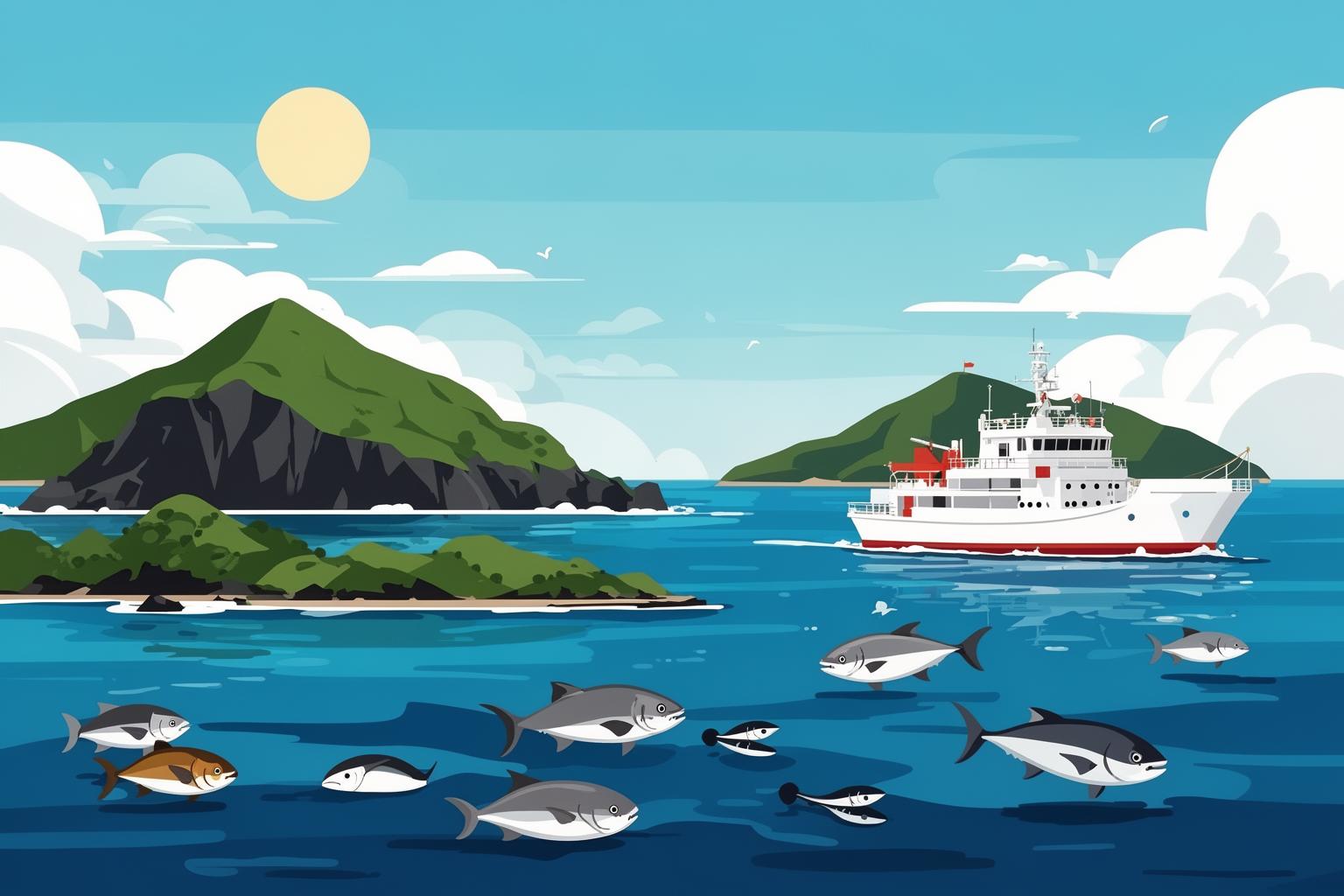
Your journey to Hachijojima begins long before you set foot on its volcanic land. It starts with the choice to cross the sea and leave the mainland behind. Most travelers take the overnight ferry from Takeshiba Pier in Tokyo, a slow, rhythmic voyage that offers a perfect transition. As the city’s countless lights fade into the dark expanse of the Pacific, a sense of isolation gradually takes hold. It’s a gentle, meditative echo of the harrowing journey Class 3-B endured. You drift off to sleep to the hum of the ship’s engines and awaken to a new world. The air feels different—thick with salt and the scent of damp earth. Alternatively, you can take a quick 55-minute flight from Haneda Airport that feels almost like teleportation. One moment you’re in the world’s biggest metropolis, and the next you’re descending toward a gourd-shaped island dominated by two majestic volcanoes. Either way, your arrival is a statement: you are no longer in the Japan you know. You are on island time. You have entered the arena.
The Island’s First Greeting
Stepping onto Hachijojima, the first thing that captures your attention is the green. It’s an intense, almost overwhelming shade of green that clings to every surface, from the volcanic slopes to the cracks in the pavement. This is a subtropical island, lush and vibrant, filled with ferns as tall as small trees and flowers you’ve never seen before. The island is defined by its two peaks: the younger, perfectly conical Hachijo-Fuji in the northwest, and the older, more rugged and densely forested Mihara-yama in the southeast. They tower over everything, silent sentinels, the natural walls of the cinematic prison. The atmosphere is one of profound peace—an immediate, stark contrast to the film’s relentless violence. The locals are warm and welcoming, their lives tuned to the rhythms of tides and seasons. It’s a place where you can feel your heartbeat slow, making the purpose of your visit—to seek out sites of fictionalized carnage—all the more surreal. This very contrast is the magic of the Hachijojima pilgrimage. It’s not just about visiting a movie set; it’s about experiencing the deep emotional dissonance between the place as it truly is and the story it told.
A Land Shaped by Fire and Sea
Hachijojima’s dramatic landscape is born from its volcanic origins. The coastline isn’t lined with gentle sandy beaches, but with jagged black cliffs and vast lava plateaus. The Nanbara Senjojiki, a huge plain of solidified black lava on the western coast, feels otherworldly. This is where the earth once bled fire, and the rock formations stand as a testament to that raw power. The waves of the Pacific crash against these shores with a force that feels primal and untamed. It’s easy to understand why Fukasaku chose this island. It’s beautiful, yes, but the beauty is harsh and unyielding. The surrounding ocean isn’t just water; it’s a barrier, a churning, inescapable moat. The cliffs aren’t just scenery; they are dead ends. The very geology of Hachijojima shouts isolation and finality, creating a natural, breathtakingly cinematic backdrop for a story about being trapped with nowhere left to run.
Tracing the Scenes: A Pilgrim’s Guide to the Killing Fields
With the island’s atmosphere etched into your senses, the quest for the specific locations can commence. It’s a treasure hunt through paradise, where every discovery unlocks a vivid memory from the film. Renting a car or scooter is highly recommended, as it offers the freedom to explore the island’s winding roads at your own pace, to stop whenever a stunning view catches your eye, and to truly experience navigating the game map yourself.
The Schoolhouse of Dread: The Hachijo Royal Hotel Ruins
Arguably the most iconic and sought-after location in Battle Royale is the school where the students first learn about their grim fate. This was never a school, but the infamous Hachijo Royal Hotel. Perched on a hill with sweeping sea views, this once-luxurious resort now stands as a decaying monument to a past era, its brutalist architecture perfectly representing an oppressive government facility. Today, the hotel lies in ruins, officially closed to the public and fenced off for safety. You must not attempt to enter the crumbling structure. However, you can view its imposing, ghostly facade from the road. Even from afar, its presence is chilling. You’ll see the curved balconies and vast concrete frame gradually being reclaimed by nature. Here, a bemused Beat Takeshi, as teacher Kitano, explained the game’s rules. This is where students were handed their survival packs, one by one, before being sent into the wilderness. The silence now enveloping the ruins is deafening. The wind whistles through broken windows, a mournful sound carrying echoes of the film’s opening moments of panic and disbelief. Without question, this is the most potent and haunting site on the island for any fan.
The Lighthouse of False Hope
One of the film’s most unforgettable and tragic subplots unfolds at a lighthouse, where a group of girls, led by the gentle Yukie Utsumi, try to create a sanctuary of hope and cooperation. Their story ends in a devastating spiral of paranoia and violence, embodying the game’s cruelty. This lighthouse exists in reality—it’s the Hachijojima Lighthouse, also called Sueyoshi Lighthouse, located at the island’s easternmost tip. The drive there takes you through quiet villages and up winding roads. The lighthouse itself is a pristine white structure, standing proudly atop dramatic cliffs. The panoramic view from here is breathtaking. You see the endless blue Pacific Ocean, with waves crashing into the rocks below. It’s a place of immense beauty and calm. Standing there, feeling the sea breeze, it’s difficult to reconcile the peaceful scene with the gut-wrenching betrayal filmed here. It’s a location for quiet reflection, to gaze out at the horizon and contemplate the film’s themes of trust and despair. The contrast between this serene spot and its cinematic history may be stronger than anywhere else on the island.
The Forests and Fields of Pursuit
Much of Battle Royale blurs into a frenzy of movement—characters running, hiding, and hunting through dense, unforgiving wilderness. The entire island served as the backdrop for these scenes. These landscapes are found throughout Hachijojima. The Hachijo Botanical Park offers insight into the island’s unique flora, with towering bird-of-paradise flowers and giant ferns. Walking its trails, you sense the disorienting, claustrophobic nature of the island’s interior—any turn could hide a friend or foe. Driving along the island’s mountain roads, you pass through thick forests where the canopy blocks sunlight, creating an atmosphere of shadow and suspicion. These are not specific, signposted locations but rather an immersive experience. Every dense woodland patch or overgrown trail feels like it could be the site of a scene. You almost hear the snap of a twig, the frantic breath of someone hiding just out of sight. Here, the pilgrimage becomes truly immersive—you’re not merely visiting a location; you’re stepping inside the game’s environment itself.
Coastlines of Confrontation and Escape
The island’s dramatic black-rock coastlines prominently feature in the film, often as settings for final confrontations or desperate moments of reflection. The previously mentioned Nanbara Senjojiki lava plateau is a must-see. Its vast, cracked black rock surface stretches out to the sea, presenting an otherworldly landscape. Here, you can deeply feel the sense of entrapment. The sharp, unforgiving rocks underfoot and the impassable ocean ahead create a powerful impression of confinement. Another key coastal spot is near the fishing port of Yaene, where the final scenes of survivors Shuya and Noriko escaping by boat were filmed. Standing by the water and looking back at the island, you sense the immense relief and trauma they must have borne. Throughout the film, the ocean symbolizes their imprisonment, but here it finally becomes their path to freedom. These coastal locations express the raw, elemental forces of nature—the harsh volcanic rock and the mighty sea—that mirror the intense emotions of the characters: despair, defiance, and the relentless will to survive.
Surviving Hachijojima: Life Beyond the Game
A pilgrimage for Battle Royale is a primary reason to visit, but the island has so much more to offer. To truly grasp the essence of Hachijojima, you must experience it not just as a film location, but as a vibrant, living community rich in culture and abundant natural beauty. Engaging with this aspect of the island provides a necessary and welcome balance to the dark themes of your cinematic journey.
The Soul of the Island: Culture and Cuisine
Hachijojima boasts a unique cultural identity. For centuries, it served as an island of exile, a place where political prisoners from the mainland were sent. This history has cultivated a spirit of resilience and self-reliance. You can witness this in its traditional crafts, such as the vivid yellow silk called Kihachijo, a textile so prized it was once offered as tribute to the shogunate. You can hear it in the powerful rhythms of Hachijo-daiko, a drumming style where two performers strike a single drum from opposite sides. But to truly savor the island’s soul, you must dive into its cuisine. Be bold and sample kusaya, a salt-brined, sun-dried fish known for its intensely pungent aroma but cherished for its rich, savory taste. It’s an acquired flavor but a genuine Hachijojima experience. A more approachable local favorite is shima-zushi, fresh fish slices marinated in a sweet soy sauce and paired with a dab of hot karashi mustard instead of wasabi. Additionally, Ashitaba, a nutritious green leaf unique to the Izu Islands, appears in everything from soba noodles to tempura. Dining on Hachijojima is a flavorful adventure that connects you deeply with the island’s heritage.
Soothing the Scars: The Island’s Onsen
After a long day exploring film locations and hiking through forests, there’s no better way to relax than by soaking in one of the island’s natural hot springs, or onsen. Here, you can metaphorically wash away the cinematic grit and simply unwind. Hachijojima offers several remarkable onsen, each with its own charm. Miharashi-no-Yu is perhaps the best known, featuring a stunning outdoor bath with an expansive, unobstructed view of the Pacific Ocean. Soaking in its warm, therapeutic waters while watching the sunset is a nearly spiritual experience. For a more rustic option, there’s Uramigataki Onsen, a free, mixed-gender outdoor bath beside a waterfall, where bathing suits are required. It feels like a secret tucked away deep in the jungle. These onsen are the island’s gifts of healing and calm, a reminder that despite the fictional violence it has hosted, Hachijojima remains fundamentally a place of natural peace and restoration.
Conquering the Peaks: A Different Kind of Survival
To fully appreciate the island’s scale and geography, you need to gain some elevation. Hiking the island’s two volcanoes presents a different kind of challenge and a profound reward. Hachijo-Fuji, the taller at 854 meters, is a relatively straightforward climb up a long stairway. The real treasure is at the summit: you can trek the entire circumference of the caldera, a surreal ‘ohachi-meguri’ walk around the crater’s rim. On a clear day, the 360-degree views are breathtaking. The entire island spreads out below like a map, with the ocean stretching endlessly in every direction. It’s a perspective that truly emphasizes the isolation of the setting. The other peak, Mihara-yama, offers a different experience. It’s a more demanding hike through ancient, moss-covered forests that feel primeval. Reaching the summit feels like a real accomplishment, a personal triumph. These hikes connect you to the island’s physical reality and its endurance demands. It’s a hopeful take on survival, ending not in conflict but in awe-inspiring vistas and a deep respect for nature’s power.
Mission Briefing: Planning Your Trip to the Island
Proper preparation is essential for a successful pilgrimage. Although Hachijojima is part of Tokyo, its remote location means you can’t simply arrive expecting the same conveniences as on the mainland. A bit of planning makes a significant difference.
Timing Your Visit: Seasons in the Arena
Hachijojima is accessible year-round, with each season providing a unique experience. Spring (March-May) is arguably the best time, featuring pleasant temperatures, blooming flowers, and less rain. Summer (June-August) is hot and humid, ideal for swimming and diving, but it’s also peak season and brings the risk of typhoons that may disrupt ferry and flight schedules. Autumn (September-November) is another great option, offering clear skies, comfortable hiking temperatures, and fewer crowds. Winter (December-February) is milder than mainland Japan but can be windy and rainy. It’s the quietest time of year, perfect for onsen-hopping and enjoying the island’s peaceful solitude.
Island Logistics: Getting Around and Staying Over
As noted, renting a vehicle is the best way to explore the island. Several rental agencies near the port and airport offer cars and scooters. It’s advisable to book early, especially in peak season. Although the island has a bus service, it runs infrequently and may not reach all the remote spots you want to visit. Accommodation options range from traditional Japanese guesthouses called minshuku, where you can enjoy home-cooked meals and local hospitality, to larger hotels with more amenities. Again, early booking is important, as Hachijojima is a popular destination for Japanese tourists, and places fill up quickly.
What to Pack for the Game
Packing for Hachijojima requires some foresight. Weather conditions can change quickly, so layering is key. A waterproof jacket is a must in any season. Bring sturdy, comfortable shoes suitable for walking on uneven terrain, especially if you plan to hike or explore the lava fields. Don’t forget a swimsuit for the onsen and the ocean. While credit cards are accepted at larger businesses, many smaller shops and restaurants only take cash, so bring enough yen. Finally, for the ultimate experience, download a copy of Battle Royale to your tablet or laptop. Watching the film from your hotel room on the very island where it was shot offers a uniquely meta and unforgettable experience, blending fiction and reality in the most thrilling way.
The Last Survivor: Leaving Hachijojima
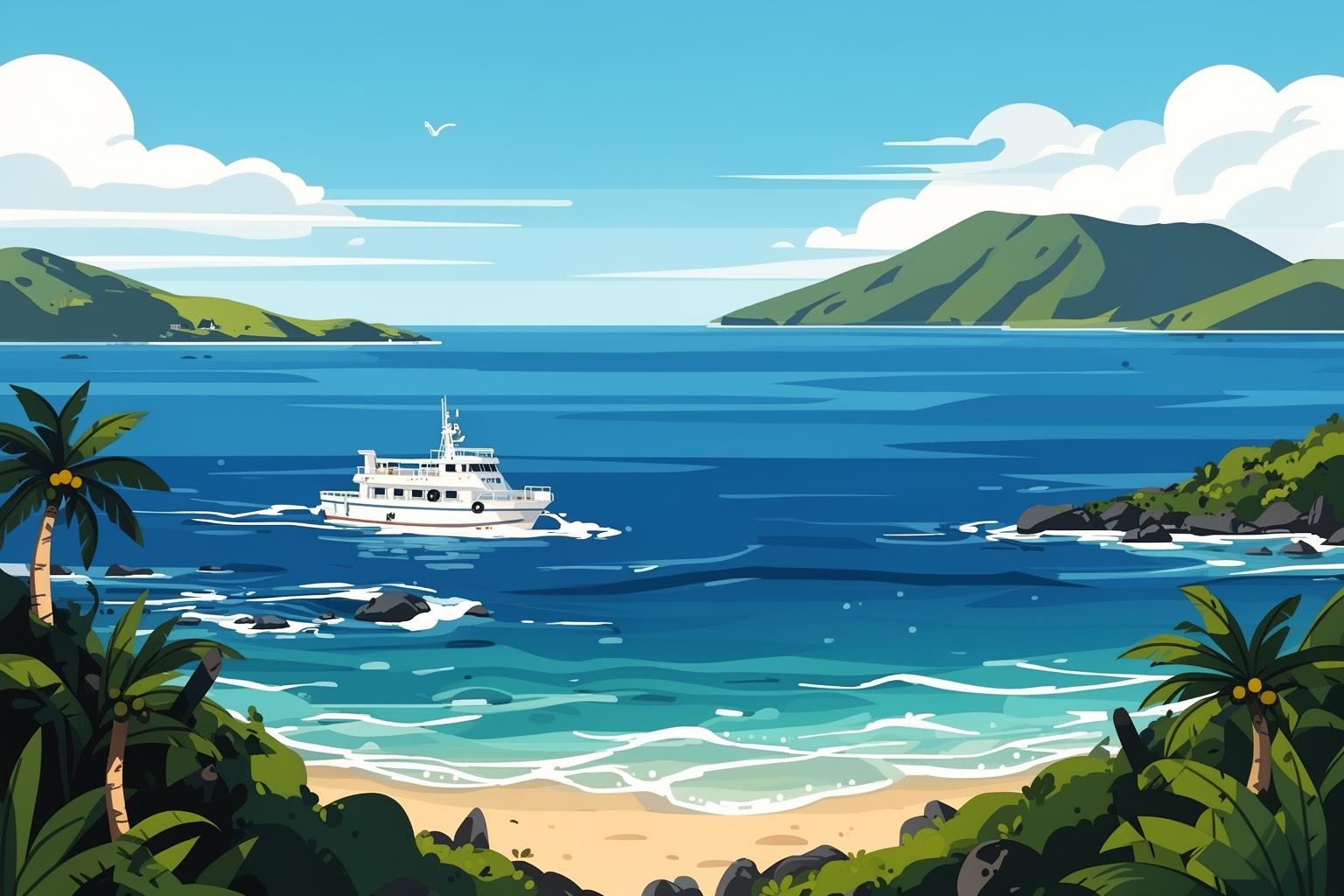
Leaving Hachijojima feels unlike any other departure. As the ferry drifts away from the port and the island’s twin peaks shrink on the horizon, a peculiar mix of emotions settles in. You came seeking the ghost of a brutal story, finding it in the shell of a decaying hotel and the sweeping silhouette of a solitary lighthouse. Yet, you discovered so much more—a vibrant community, a rich culture, and a natural world of striking, rugged beauty that lingers with you. Hachijojima is not a place of death but one brimming with life and resilience. The true survivor of Battle Royale is the island itself, having shed its cinematic identity to remain what it has always been: a wild, beautiful, and utterly unique corner of the world. The pilgrimage is complete not when every location is checked off, but when you truly see the island for what it is—a paradise that, for a fleeting moment, hosted a perfect nightmare. And you, as a visitor, leave as a survivor of a different kind, carrying the island’s profound, paradoxical spirit with you long after you’ve returned to the mainland.