
Tokyo doesn’t just feed you; it consumes you. It’s a city that hums with a billion different frequencies, a symphony of neon signs, rumbling trains, and the quiet shuffle of a million parallel lives. But beneath that grand orchestra, there’s a more intimate rhythm, a beat that pulses from its kitchens, its markets, its tiny six-seater bars. It’s the sizzle of oil hitting a hot pan, the rhythmic chop of a knife, the communal slurp of noodles, the silent nod of a chef who has just handed you a piece of their soul on a ceramic plate. For the first-time visitor, this culinary landscape can feel as vast and impenetrable as the metropolis itself. Where do you even begin when every street corner promises a revelation, and every alleyway hides a legend? You begin with a plan. Not a rigid, soul-crushing schedule, but a culinary compass, a 72-hour pilgrimage designed to give you a true, deep taste of what makes Tokyo the undisputed heavyweight champion of the food world. This isn’t just about ticking off a checklist of famous dishes; it’s about understanding the culture that created them. It’s a journey through time, from the raucous, salt-of-the-earth markets to the hushed temples of modern gastronomy. So, grab your chopsticks, pack your appetite, and prepare to dive headfirst into the delicious, bewildering, and utterly unforgettable heart of Tokyo.
To truly experience the city’s electric energy beyond its food, be sure to explore the iconic Shibuya Scramble Crossing.
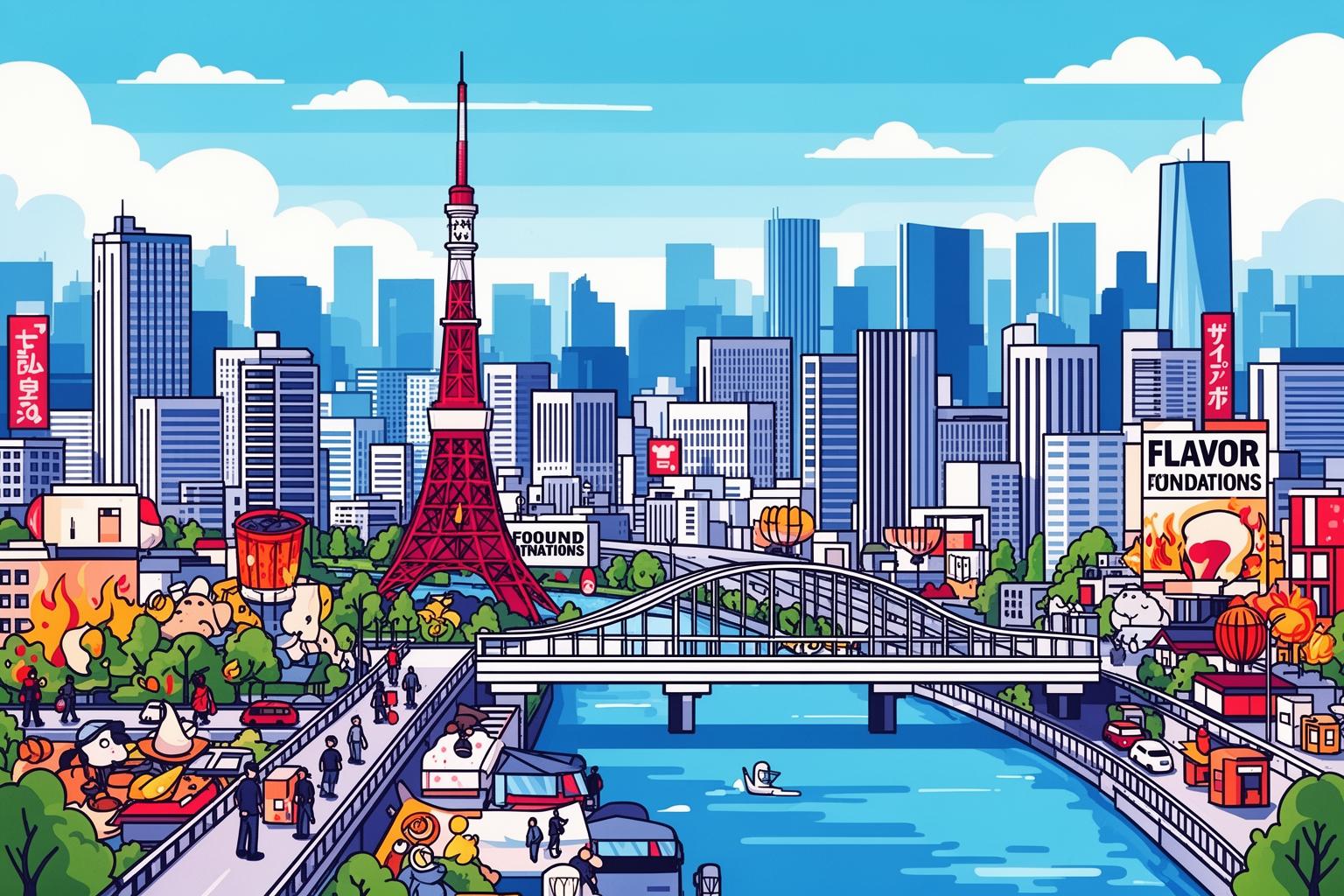
Day 1: Foundations of Flavor – Tradition Meets Electric Dreams
Morning: Tsukiji Outer Market – A Symphony of the Sea
Our adventure begins at the place where Tokyo’s culinary soul has thrived for generations. Although the famed inner wholesale market has relocated to a modern facility in Toyosu, its spirit and untamed energy still linger among the cobblestones of the Tsukiji Outer Market. Forget a gentle start to your day; stepping here feels like entering a living, breathing organism. The air is filled with the briny scent of the ocean, the smoky aroma of grilled scallops, and the sweet-savory fragrance of dashi broth simmering in huge vats. It’s a symphony of sounds—vendors calling out in guttural, rhythmic tones; the clatter of carts maneuvering through narrow lanes; the lively chatter of locals and tourists alike, all united in pursuit of the freshest flavors imaginable.
The Atmosphere of Abundance
This is no sanitized tourist spot; it’s a working market, a place of beautiful, organized chaos. You’ll weave through a maze of stalls, each a small world devoted to a specialized culinary craft. One vendor sells a dozen varieties of kombu seaweed, another displays perfectly crafted tamagoyaki (sweet rolled omelets), their vivid yellow logs gleaming in the morning light. Fishmongers expertly carve down massive tuna with surgeon-like precision. Barrels of glistening ikura (salmon roe) sit beside trays of uni (sea urchin), their bright orange colors signaling exceptional freshness. The energy is contagious. This is a place that invites you to engage all your senses—to see, listen, smell, and, most importantly, taste.
The Essential Tsukiji Experience
To truly savor Tsukiji, you must embrace the art of grazing. This isn’t a setting for a sit-down meal but a progressive feast enjoyed on foot. Begin with a skewer of tamagoyaki—warm, slightly sweet, and custardy—a gentle introduction. Then, follow your nose to a stall grilling giant scallops in their shells, topped with butter and soy sauce. Receiving that bubbling, fragrant shell from the vendor is pure bliss. For many, the highlight is the sushi. Scattered throughout the market are tiny, standing-room-only sushi counters serving some of the best sushi you’ll ever taste, with no airs. Point to your favorites—the melt-in-your-mouth fatty tuna (otoro), the fresh, firm sea bream (tai), or the sweet, creamy botan shrimp (botan ebi). The rice is expertly seasoned, the fish unbelievably fresh, and the experience refreshingly straightforward and delicious.
Practical Tips for the First-Timer
Navigating Tsukiji takes a bit of planning. While the old inner market required an early pre-dawn start, the Outer Market awakens somewhat later. Aim to arrive between 8:00 and 9:00 AM to avoid the heaviest tourist crowds while catching vendors at full speed. Wear comfortable shoes since you’ll be standing and walking extensively. And most importantly, bring cash—many traditional vendors accept yen only. Having small bills at hand will speed up transactions. Stay alert; the lanes are narrow and crowded, with market workers swiftly moving carts and dollies. Be polite, stay aware, and soak in the atmosphere. This is more than a meal—it’s an essential Tokyo experience.
Afternoon: Ginza’s Refined Palate & a Kissaten Escape
With the ocean’s salt still lingering on our lips, we shift from the raw, kinetic energy of Tsukiji to the polished, elegant core of the city: Ginza. The transition is striking in the most delightful way. The cramped, chaotic alleys of Tsukiji open up to broad boulevards lined with architectural masterpieces that house the world’s most luxurious brands. Ginza is a realm of flawless tailoring, quiet art galleries, and understated, refined opulence. Beneath this glittering veneer lies a culinary world just as profound as Tsukiji’s, but expressed with a different form of artistry.
The Subterranean Wonderland of Depachika
Our destination is not a restaurant but the basement of one of Ginza’s grand department stores, such as Mitsukoshi or Matsuya. Welcome to the depachika—a food hall unlike any other. Calling it a food hall hardly does it justice; this is a subterranean museum of gastronomy. Every counter is a carefully curated showcase of culinary perfection. Rows of bento boxes resemble miniature works of art, each element placed with geometric precision. Pastry cases present cakes and tarts so exquisite they resemble jewels. There are stalls dedicated solely to pickles, others to premium teas, and some to impeccably marbled wagyu beef. The gentle murmur of shoppers blends with the tempting offerings of free samples—from tiny cubes of castella cake to sips of artisanal soy sauce. It’s a dazzling, nearly overwhelming celebration of Japan’s dedication to quality and presentation.
A Moment of Quiet Contemplation in a Kissaten
After the sensory feast of the depachika, it’s time for a quiet pause. Hidden in Ginza’s side streets are timeless relics: the kissaten. These aren’t modern minimalist cafes but time capsules from the Showa Period (1926–1989), featuring dark wood paneling, velvet chairs, and the soft hiss of siphon coffee makers. Iconic spots like Café de l’Ambre have brewed coffee with reverence for decades, treating it almost like fine wine. The atmosphere is hushed, library-like. It’s a place for quiet conversation, reading, or silent observation. Order a siphon coffee and watch its theatrical preparation. For a nostalgic treat, try a melon cream soda—a bright green soda topped with a scoop of vanilla ice cream and a maraschino cherry. This sweet escape evokes childhood memories for many Japanese and offers a charming respite from the city’s relentless modern bustle. Many kissaten feel like settings from classic films or novels—a sanctuary for writers and artists seeking calm.
Navigating Ginza’s Gourmet Landscape
Ginza can be daunting, but the depachika provides an accessible introduction to high-end cuisine without the need for a full, pricey meal. It’s also the ideal spot to pick up exquisite souvenirs, from elegantly packaged sweets to rare sakes. As for the kissaten, note that many still permit smoking, which some find charmingly old-fashioned while others may consider a drawback. These are places to slow down; service is deliberate, preparation meticulous, and prices reflect the experience. Coffee might cost more than usual, but you pay for the ambiance and history as much as the drink itself. It’s a cultural pause amid a hectic day.
Evening: Shinjuku’s Culinary Maze – Omoide Yokocho & Golden Gai
As dusk falls, we dive into the pulsing core of Tokyo’s nightlife: Shinjuku. The station is a sprawling metropolis in itself, flowing into a world of soaring skyscrapers, giant video screens, and bustling crowds. This is the Tokyo seen in films like Blade Runner and Lost in Translation—a future forged from the past. Our destination is a tiny fragment of that history, a place that has resisted the tide of modernization: Omoide Yokocho.
The Smoky Alleys of Omoide Yokocho
Literally “Memory Lane,” but colloquially known as “Piss Alley” due to its rustic post-war roots, Omoide Yokocho is a maze of ultra-narrow alleys packed with tiny yakitori stalls. The moment you enter, you’re enveloped in a smoky haze from countless grills. Red paper lanterns cast a warm, intimate glow. Each stall is a small stage where the master griller fans charcoal flames, expertly turning skewers of chicken, vegetables, and other delicacies. Patrons sit shoulder-to-shoulder on tiny stools, sipping beer and sake, their faces lit by the firelight. The vibe is loud, lively, and extremely welcoming. It’s the complete opposite of Ginza’s refined calm—here, Tokyo lets loose.
The Art of the Skewer and the Soul of Golden Gai
Yakitori takes center stage here. The menu offers an exploration of the whole chicken—from familiar thigh (momo) and breast (mune) to adventurous cuts like heart (hatsu) and gizzard (sunagimo). Don’t miss the tsukune, savory chicken meatballs often served with a raw egg yolk for dipping. Each skewer is charcoal-grilled for an irresistible smoky flavor. Ordering is easy: point, smile, and request a drink. This is food for sharing with friends and plenty of beer. After you’ve enjoyed the smoky skewers, a short walk takes you to another Shinjuku gem: Golden Gai. This cluster of six narrow alleys houses over 200 tiny bars, some seating only five or six guests. Each bar boasts a unique theme and personality—from punk rock dive bars to cozy literary nooks. This area has a rich legacy as a haunt for writers, artists, and filmmakers. Having a drink here feels like being granted a secret.
A Guide to Shinjuku’s Back Alleys
Both Omoide Yokocho and Golden Gai have their own unspoken rules. In Omoide Yokocho, most spots accept cash only. Seating is tight, so prepare to get close with your neighbors—it’s part of the charm. In Golden Gai, many bars charge a cover fee (often displayed outside), ensuring patrons settle in for a drink rather than just visiting briefly. Some bars guard their regular clientele closely and might be less welcoming to tourists, but many gladly welcome newcomers. The key is respect, quiet appreciation, and embracing the unique vibe. This isn’t a place for loud groups; it’s for intimate conversation and soaking up a piece of living history.
Day 2: Subculture & Soul Food – The Taste of Tokyo’s Neighborhoods
Morning: Shimokitazawa’s Bohemian Bites
After a day immersed in the classic and the chaotic, we change pace and head to Shimokitazawa, the epicenter of Tokyo’s indie culture. This neighborhood marches to its own beat. There are no towering skyscrapers or grand avenues here. Instead, you’ll discover a charming maze of narrow streets dotted with vintage clothing shops, independent record stores, tiny theaters, and a vibrant creative energy. The fashion is eclectic, the pace is unhurried, and the vibe is effortlessly cool. It’s a sanctuary for artists, musicians, and anyone seeking a side of Tokyo that celebrates individuality over conformity. The food scene here reflects this spirit perfectly: inventive, comforting, and deeply satisfying.
The Atmosphere of a Creative Enclave
Strolling through Shimokitazawa feels like uncovering a treasure trove. The streets are pedestrian-friendly, inviting you to wander aimlessly and stumble upon hidden gems. Street art decorates the walls, music flows from basement record shops, and every corner hosts a tiny, specialized boutique. The energy is youthful, but calm. It’s a place for leisurely browsing and people-watching. The community is close-knit, and that independent spirit extends to its restaurants and cafes. These are not chains; they are passion projects run by people who truly love what they do.
The Unlikely Hero: Soup Curry
Though Tokyo boasts countless iconic dishes, Shimokitazawa has gained fame for a specialty brought from Japan’s northern island, Hokkaido: soup curry. Forget what you think about curry. This isn’t the thick, stew-like roux you might expect. Soup curry is a light, spicy, and intricately layered broth, brimming with a blend of herbs and spices. Served in a large bowl with a fall-off-the-bone chicken leg and a colorful assortment of perfectly cooked, often deep-fried, vegetables such as broccoli, eggplant, lotus root, and pumpkin. It comes with a separate plate of rice for dipping. The experience is eye-opening. Each spoonful offers a journey of flavors, and pairing it with tender chicken, vibrant vegetables, and fluffy rice is pure comfort. It’s the perfect soul food for a neighborhood all about soul.
Practical Tips for a Shimokita Stroll
Shimokitazawa wakes up late. Avoid planning an early morning visit; most shops and restaurants open around 11:00 AM or noon. The area is somewhat of a labyrinth, so it’s best to ditch the map and simply get lost. The best discoveries come from following alleys that catch your eye. Soup curry spots tend to be popular, so you may face a line during peak lunch hours, but it’s always worth waiting. Many places allow you to customize your spice level and rice portion to suit your preference. Embrace Shimokita’s laid-back tempo; it’s a refreshing change from the fast pace of central Tokyo.
Afternoon: Nakano Broadway’s Otaku Treats
From Shimokitazawa’s effortlessly cool streets, we venture into the core of a different passion: otaku culture. While Akihabara is the more famous “Electric Town,” for many fervent fans of anime, manga, and vintage toys, Nakano Broadway is the true mecca. From the outside, it appears to be just another aging shopping mall. But once inside, taking the escalators up, you enter an alternate dimension: a four-story labyrinth bursting with hundreds of tiny shops, each a shrine to a specific niche of pop culture. It’s dazzling, overwhelming, and utterly fascinating.
The Atmosphere of a Collector’s Dream
Nakano Broadway delivers sensory overload in the best way. Narrow corridors, shops packed floor to ceiling with merchandise, and an air buzzing with the thrill of discovery. Walls display rare manga, glass cases showcase vintage Godzilla figures, and entire shops are dedicated to animation art cells from classic anime. It’s less about the latest releases and more a celebration of history. It’s a museum where all exhibits are for sale, and collectors whisper reverently as they unearth lost treasures. Even non-collectors find the passion on display captivating.
The Eight-Layered Ice Cream Challenge
In a place so devoted to fantasy and nostalgia, it’s fitting that its signature food experience is a whimsical, extravagant treat. Nestled in the basement is Daily Chiko, the home of the legendary eight-layer soft-serve ice cream cone. For a modest price, you get a towering creation featuring eight flavors, including classics like vanilla and chocolate alongside unique Japanese varieties such as matcha, ramune (a fizzy lemon-lime soda), and sweet potato. It’s a ridiculous, gravity-defying delight that is both a tasty challenge and an essential photo opportunity. The goal is to finish it before it melts into a colorful puddle — a race against time that’s part of the fun. It perfectly captures Nakano Broadway’s playful spirit.
A Guide to Geeking Out
Nakano Broadway can be disorienting. The best approach is to pick a floor and dive in. Floors two and three are packed with otaku-focused shops. Don’t hesitate to enter tiny stores; owners are often deeply knowledgeable and passionate. The basement, where Daily Chiko is located, also hosts small local eateries and grocery stores, offering a grounded contrast to the fantasy above. While the ice cream is the headline, it’s also a great place to grab a quick, affordable bite and rest your feet. Nakano Broadway connects you to the passionate subcultures that are a vital part of modern Japan.
Evening: Ebisu’s Izakaya Culture
As night falls, we seek out one of Tokyo’s most quintessential dining experiences: the izakaya. And there’s no better place than Ebisu. This neighborhood exudes a sophisticated, mature vibe. It’s less hectic than Shinjuku and less trendy than Shibuya, offering a perfect balance of vibrant energy and relaxed charm. Popular with Tokyoites unwinding after work, its streets are lined with a remarkable density of fantastic restaurants and bars. Here, we fully immerse ourselves in the culture of the Japanese gastropub.
The Lively Hum of the Izakaya
An izakaya is more than just a spot to eat or drink; it’s the social hub, the neighborhood’s living room. The atmosphere is warm, convivial, and always alive with chatter and laughter. Some izakayas are rustic and traditional, featuring tatami mat seating and dark wood interiors, while others are modern and sleek, boasting concrete walls and creative lighting. They all share a common goal: to create a cozy space for people to gather, share food, and enjoy drinks. Dining here is communal and relaxed, with no pressure to order a full meal. The idea is to sample a variety of small plates throughout the evening, letting food and conversation flow naturally.
A Universe of Small Plates
The izakaya menu is vast and varied, a best-of Japanese comfort food collection. You start with a small complimentary appetizer called otoshi, which also serves as a table charge. Then the adventure begins: order crisp, golden karaage (Japanese fried chicken), delicate agedashi tofu in savory dashi broth, and bright green, perfectly salted edamame. Try grilled fish, assorted sashimi, or dashimaki tamago, a savory Japanese omelet. Dishes arrive as they’re ready, creating a steady stream of new flavors to explore. It’s an ideal way to sample a breadth of Japanese cuisine in one sitting. Each dish pairs wonderfully with drinks—whether a frosty beer, warm sake, or a refreshing highball.
How to Izakaya Like a Local
The izakaya experience might feel intimidating at first, but a few tips make it easy. Don’t hesitate to try a place that looks appealing, even if the menu is only in Japanese. Many have pictures, or you can simply point at what others are eating. It’s customary to order a drink first before food. Pace yourself by ordering a few dishes at a time instead of everything at once, allowing you to manage your appetite and enjoy fresh dishes from the kitchen. When ready to pay, cross your index fingers to form an ‘X,’ the universal Japanese signal for “check, please.” An izakaya dinner in Ebisu is more than a meal; it’s a direct connection to Tokyo’s social fabric, a chance to eat, drink, and be merry like a local.
Day 3: Sweet Endings & Savory Secrets
Morning: Yanaka Ginza’s Nostalgic Flavors
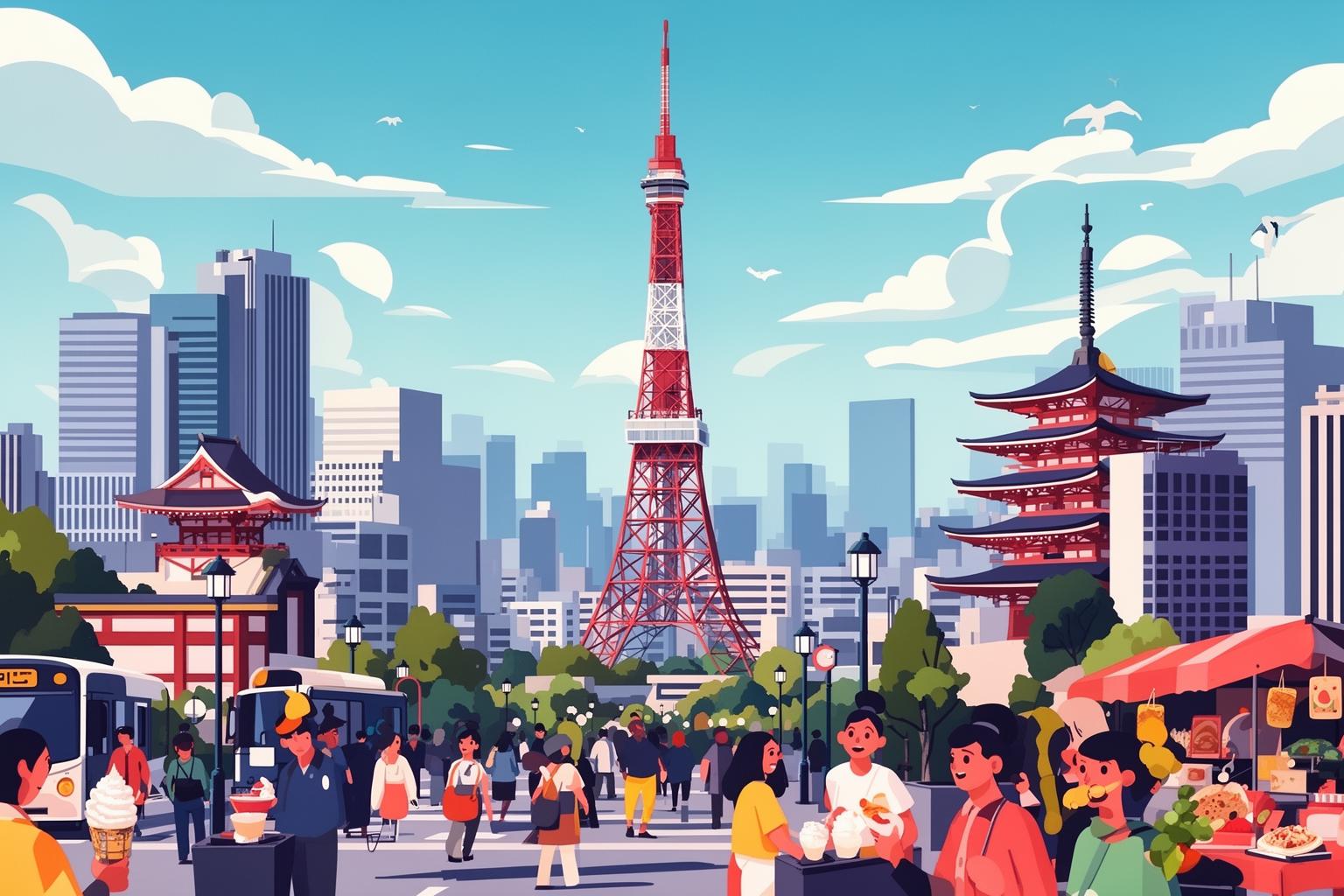
On our final day, we step back in time by visiting Yanaka, a district in eastern Tokyo that miraculously escaped the air raids of World War II, preserving a pre-war charm that is increasingly rare in this ultra-modern city. Our destination is Yanaka Ginza, a traditional shotengai or local shopping street. This isn’t your typical tourist spot; it’s the lively heart of a neighborhood where locals shop for groceries, chat with shopkeepers, and carry on with their daily routines. It offers a precious glimpse into a slower, more intimate side of Tokyo.
The Atmosphere of Old Tokyo
Strolling along the 170-meter stretch of Yanaka Ginza feels like entering a film set. The street is dotted with small, family-run shops selling everything from tofu and tea to clothing and kitchenware. The architecture charmingly blends old wooden buildings with Showa-era facades. The pace is leisurely—elderly residents pull shopping carts, local cats (a beloved feature of the neighborhood) bask in the sun, and friendly calls from shopkeepers create a warm, inviting soundtrack. There is an unmistakable sense of community here, a feeling of history and continuity that stands in striking contrast to the gleaming steel and glass of downtown Tokyo. It’s a place that feels deeply and genuinely Japanese.
The Joy of Tabe-aruki (Eating While Walking)
Yanaka Ginza is ideal for enjoying one of Japan’s great culinary traditions: tabe-aruki, or eating while walking. The street is a treasure trove of affordable, delicious, and unpretentious snacks. Begin with a menchi-katsu, a deep-fried patty of minced meat that’s crispy on the outside and succulent and flavorful inside. Served piping hot in wax paper, it offers a perfect savory morsel. Further along, you’ll discover shops selling sweet potato treats, ranging from roasted sweet potatoes to refined cakes and confections. Don’t miss freshly made senbei (rice crackers), often grilled over charcoal, brushed with soy sauce, and wrapped in seaweed. It’s a progressive tasting of small bites, each offering authentic flavors of traditional Japanese home cooking.
Practical Tips for a Nostalgic Morning
For the best experience, visit Yanaka Ginza in the late morning, when all shops are open and locals fill the street. The famous “Yuyake Dandan” steps at one end showcase a classic, picturesque view—especially at sunset (yuyake). As with many traditional areas, cash is preferred, so come prepared. While tabe-aruki is common here, walking and eating is sometimes considered impolite in more formal parts of Japan. In this relaxed shotengai, it’s fine, but it’s courteous to step aside near the shop where you bought your food to finish it before moving on. Yanaka Ginza is a heartwarming reminder that despite Tokyo’s relentless push toward the future, its past remains very much alive.
Afternoon: The Ramen Quest of Tokyo Station
From Yanaka’s gentle nostalgia, we dive back into the vibrant chaos of modern Tokyo at Tokyo Station. This grand red-brick building is a landmark itself, but beneath lies a sprawling underground maze of shops, restaurants, and corridors. Hidden within this labyrinth is a pilgrimage site for noodle lovers worldwide: Tokyo Ramen Street. More than just a collection of eateries, it’s a carefully curated lineup of some of the best ramen shops across Japan, all conveniently gathered in one place. The air is thick with the rich aroma of pork bone broth, and the joyful sounds of slurping fill the space.
The Temple of Noodles
The mood on Ramen Street is one of delicious focus and purpose. This is not a place for a leisurely meal; it’s a high-efficiency, high-turnover environment devoted to the craft of the perfect bowl of noodles. Each of the eight shops specializes in its own style—from Kyushu’s rich, cloudy tonkotsu to Hokkaido’s clear, salty shio ramen. Long queues form outside the most popular spots, filled with office workers on lunch breaks, travelers grabbing a quick bite, and passionate ramen enthusiasts. The energy is electric, a shared excitement and anticipation that you’re about to enjoy something truly special.
The Ritual of the Ramen Vending Machine
Your experience starts even before seating. Each shop has a vending machine at its entrance, covered with buttons displaying pictures and descriptions of ramen bowls and toppings. Here, you place your order and pay by inserting cash, selecting your meal, and receiving a ticket. This system maximizes efficiency by enabling the kitchen to begin preparation immediately. After securing your ticket, you join the queue. When a seat opens, staff guide you to the counter, take your ticket, and within minutes a steaming, aromatic bowl of ramen is served. It’s a smooth, streamlined process focused entirely on delivering excellence. For first-timers, Rokurinsha is a must-try, renowned for its tsukemen—dipping noodles served with thick, chewy noodles and a separate bowl of intensely flavored broth. It’s a transformative ramen experience.
A Guide to Conquering Ramen Street
Expect to wait, especially for the top shops, where lines of 20–30 minutes are common. It’s wise to walk the street first and see what appeals most. Have cash ready for the vending machines. Once seated, the etiquette is to eat promptly and leave; these aren’t places for lingering or chatting. Don’t hesitate to slurp your noodles; in Japan, it’s both acceptable and encouraged, as it cools the noodles and enhances flavor. Visiting Tokyo Ramen Street offers an essential crash course in the richness and variety of Japan’s most beloved comfort food.
Evening: A Final Toast in a Hidden Bar
For our last evening in Tokyo, we skip a large meal and seek a different kind of indulgence—a final experience that captures the artistry, precision, and quiet hospitality of Japan: the perfect cocktail. Scattered throughout the city, often tucked away on upper floors of unassuming buildings in areas like Ginza or Shinjuku, are some of the world’s finest cocktail bars. These aren’t loud, crowded venues but intimate, serene spaces devoted to the craft of mixology at its highest level.
The Altar of Mixology
Finding one of these bars is part of the experience. They may have no sign, just a small, discreet plaque by an elevator. Upon entering, you step into another world. The lighting is dim, soft jazz plays, and the mood is one of quiet reverence. The centerpiece is a gleaming polished wood bar, behind which stands the bartender, clad in a crisp white jacket. They aren’t merely drink-makers but master craftsmen. You watch, mesmerized, as they carve perfect spheres of ice from clear blocks, measure ingredients like a scientist, stir or shake with rhythmic precision, and present the drink as a work of art. The experience is a performance—a silent meditation on the beauty of perfected craft.
The Japanese Cocktail Philosophy
The cocktails often highlight distinct Japanese ingredients, such as the citrusy aroma of yuzu, the bitter elegance of matcha, or the complex smoky notes of Japanese whisky. The focus is on balance, clarity of flavor, and allowing the quality of ingredients to shine. You’ll find no overly sweet or complicated concoctions here—just exquisitely executed classics. You might savor a gin and tonic with hand-carved ice, premium tonic water, and a carefully chosen garnish that redefines the drink. Tell the bartender your flavor preferences, and they will craft a bespoke creation. This is the pinnacle of omotenashi, Japanese hospitality—a deeply personal and unforgettable experience.
Tips for a Spirited Finale
These upscale cocktail bars observe a certain etiquette. It’s best to visit in small groups of two or three. Speak softly, as photos are often discouraged. Expect a table charge, and note that cocktails can be expensive—you’re paying for an unparalleled experience. Dress a bit smarter than you would for a casual bar. This is not a place to party but one to savor, appreciate, and reflect on the incredible journey of the past 72 hours. It is the perfect, elegant closing note to our culinary symphony.
Beyond the Plate: The Lingering Taste of Tokyo
Seventy-two hours. It feels like such a short time in a city so immense, and in many ways, it is. We’ve barely begun to explore Tokyo’s vast culinary depths. Yet, in these three whirlwind days, we have journeyed through time and space. We savored the raw, briny history of the sea at Tsukiji, experienced the refined artistry of Ginza, and embraced the smoky, nostalgic soul of Shinjuku’s backstreets. We found solace in Shimokitazawa’s bohemian curry, indulged our inner child with Nakano’s towering ice cream, and joined the lively chorus of an Ebisu izakaya. We stepped back in time in Yanaka and plunged into the future of flavor on Ramen Street, ending in a moment of quiet perfection at a hidden bar. Each meal was more than just food; it was a story, a key unlocking a different facet of this extraordinary city’s character. You leave Tokyo not just satisfied, but transformed. The flavors remain on your palate, but the experiences—the sights, the sounds, the moments of connection—remain in your soul. This journey was only an appetizer. The main course, the endless feast that is Tokyo, awaits your return.