There’s a certain magic to a train ticket that holds a universe of possibilities. In Japan, that magic is tangible, a slim, elegant card known as the Japan Rail Pass. For the traveler with a thirst for discovery, it’s not just a pass; it’s a key. A key to unlocking the sprawling, multifaceted soul of Tokyo and the constellation of worlds that orbit it. This isn’t just about getting from point A to B. It’s about the journey itself—the rhythmic click-clack of the tracks, the blur of landscapes shifting from dense urban grids to serene coastal temples, the sheer elegance of a system that runs with the precision of a Swiss watch. With this pass in your pocket, you are a master of your own narrative, free to chase the neon glow of anime meccas, wander through the quiet reverence of ancient shrines, and stand where legendary artists and writers drew their inspiration. It transforms travel from a series of transactions into a seamless, flowing experience, a grand pilgrimage through the heart of modern and traditional Japan.
Tokyo is a city that never stops moving, a living organism of light, sound, and energy. It can feel intimidating, a labyrinth of subway lines and crisscrossing train tracks. But the Japan Rail Pass simplifies this beautiful chaos. It anchors you to the JR network, a reliable web that connects the city’s most iconic neighborhoods and stretches far into the surrounding prefectures. Imagine starting your day beneath the soaring glass canopies of Tokyo Station, hopping on the emerald green loop of the Yamanote Line to witness the fashion-forward tribes of Harajuku, then diving into the electric wonderland of Akihabara. The next day, you could be breathing in the salty air of Kamakura, gazing at a giant bronze Buddha, or finding your own moment of zen in a Hakone onsen with Mount Fuji peeking over the horizon. This guide is your companion on that journey. It’s for the art lover, the anime pilgrim, the history buff, and the curious wanderer. It’s about using one powerful tool to weave together a tapestry of experiences that are uniquely yours, turning a trip into an unforgettable story. Let the adventure begin.
To fully experience the energy of Tokyo, consider starting your journey at the iconic Shibuya Scramble Crossing.
The Heart of the Journey: Understanding and Activating Your JR Pass
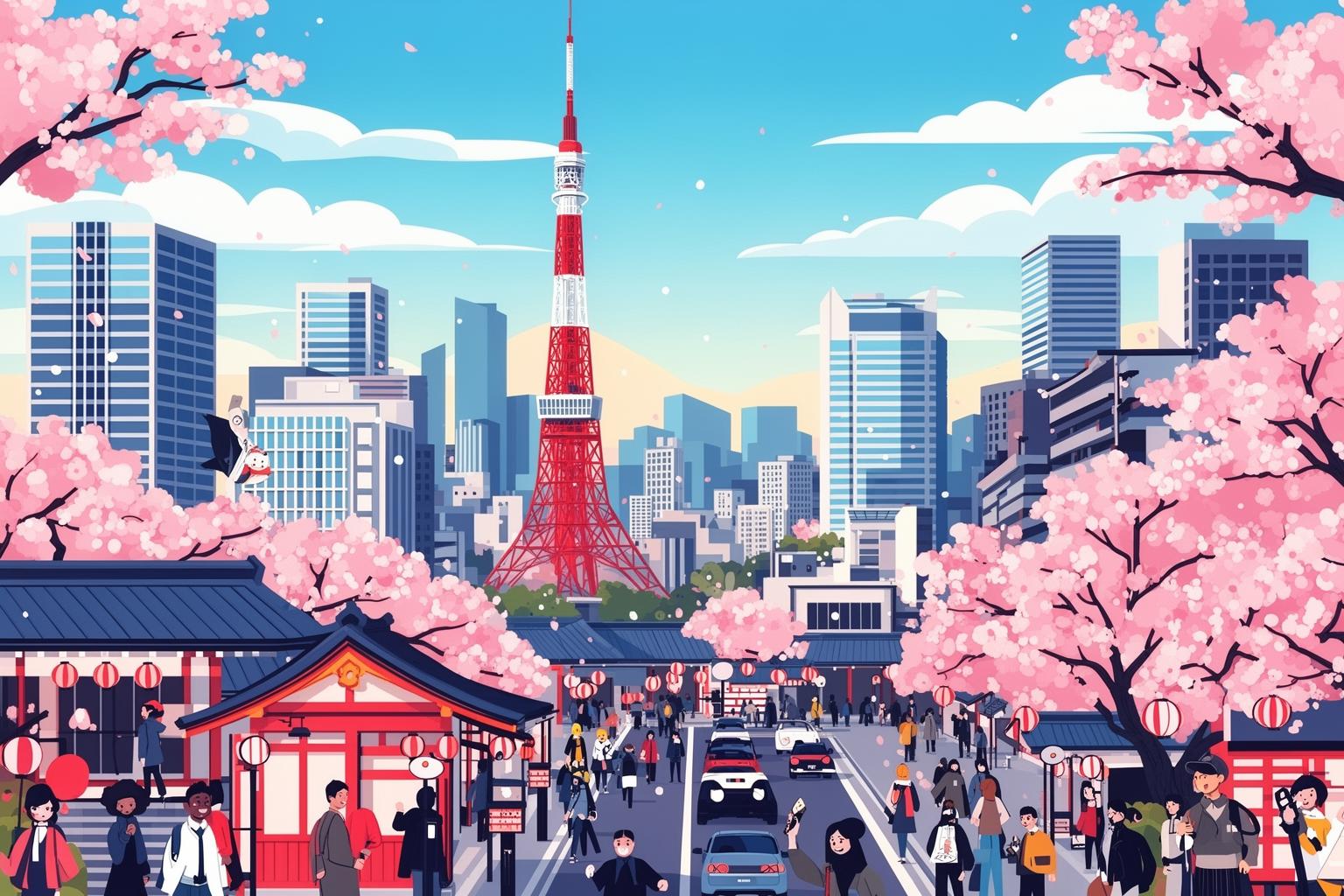
Before boarding your first train, you need to activate your pass. The Japan Rail Pass is a special offer for temporary visitors, a golden ticket that must be purchased outside Japan prior to arrival. You will receive an Exchange Order, the essential document required to exchange for the actual pass. This step marks your initial experience with Japan’s system of refined efficiency and typically occurs at a major JR station or international airport.
Your First Stop: The JR Exchange Office
Upon arriving at Narita (NRT) or Haneda (HND), follow the clear signs for “Railways” or “JR East Travel Service Center.” These offices cater specifically to foreign travelers and are staffed by multilingual professionals who ensure a smooth and hassle-free process. Present your passport—they need to verify the “Temporary Visitor” stamp—and your Exchange Order. You’ll then select a start date for your pass, an important choice. The pass is valid for 7, 14, or 21 consecutive days from the activation date. If you plan to spend your first few days exploring a neighborhood in Tokyo on foot or by subway, you might want to start your pass a few days after arriving to get the most value for longer day trips. This strategic decision pays off later.
Once your information is confirmed, you’ll receive the Japan Rail Pass itself. It’s a beautifully crafted piece of cardstock, reflecting Japanese attention to design even in utilitarian items. Keep it safe; it’s your ticket to adventure. The staff are also invaluable—don’t hesitate to ask for help with your first seat reservations, especially if you intend to take a Shinkansen or the Narita Express into the city. As a solo traveler, I always find this initial meeting reassuring. It is a warm, official welcome that sets the tone for the entire journey.
The Price of Freedom
A note on value: the Japan Rail Pass has recently seen a significant price increase, prompting many to question its worth. The answer is complex. If your trip is limited to central Tokyo, the pass may not be cost-effective. However, if you use it for its intended purpose—to explore beyond Tokyo, using the city as a base for journeys throughout the Kanto region and beyond—its value is clear. A single round trip on the Shinkansen to places like Kyoto or Osaka almost covers the cost of a 7-day pass. For this guide, focusing on Tokyo and surrounds, a series of ambitious day trips to destinations such as Nikko, Hakone, and Kamakura make the pass a powerful tool for both convenience and savings. It frees you from the hassle of buying individual tickets, encouraging spontaneity. See a train on the platform heading somewhere interesting? With the JR Pass, you can just hop on.
Riding the Green Loop: The Yamanote Line as Your Tokyo Compass
Think of the JR Yamanote Line as Tokyo’s circulatory system. This vibrant green loop line is your most essential tool for navigating the city’s key hubs. Stretching 34.5 kilometers, it links a series of iconic districts, each boasting its own unique personality and subcultures. Riding the Yamanote is a cultural experience in itself. You’ll witness stoic salarymen, high-fashion students, cosplayers, and tourists all sharing impeccably clean and quiet train cars. Mastering this single line is the key to unlocking the very essence of Tokyo.
Tokyo Station: The Grand Gateway
Your journey often begins at the monumental Tokyo Station. More than just a transit hub, it’s a destination in itself. The station features two distinct sides. The Marunouchi side to the west is a historical treasure—a red-brick facade meticulously restored to its original 1914 splendor. It exudes European grandeur and contrasts sharply with the gleaming skyscrapers of the Marunouchi business district. Stepping out here feels like stepping back into a refined, elegant past.
By contrast, the Yaesu side to the east serves as a gateway to modern Japan. Underground lies a maze of shops and restaurants, including the famous Tokyo Character Street—a must-see for anime and manga fans. Lined with official stores for everything from Pokémon and Studio Ghibli to Hello Kitty and Shonen Jump characters, it offers a vibrant, concentrated dose of Japanese pop culture, ideal for picking up exclusive merchandise as you begin your adventure. A short, pleasant walk from Tokyo Station leads to the outer grounds of the Imperial Palace, the serene heart of the city and a powerful reminder of Japan’s rich history.
Akihabara: The Electric Town Dream
Just two stops north on the Yamanote Line is Akihabara, a district famous among fans of Japanese pop culture. Stepping out of the station, you’re immediately immersed in a world of sound and color. Buildings are plastered with massive anime posters, J-pop music blasts from storefronts, and crowds flow through multi-story arcades and electronics shops. Akihabara is the spiritual home of otaku culture, embracing this identity with pride.
For anime and manga pilgrims, this is sacred ground. Visit the Animate flagship store, a towering edifice dedicated to the latest industry releases. Explore Mandarake’s sprawling floors, a treasure trove of second-hand manga, vintage toys, and rare collectibles—digging through its shelves is a pure joy of discovery. Retro gamers will find Super Potato indispensable—a nostalgic paradise filled with consoles and games from decades past, its entrance welcoming you with a cheerful 8-bit soundtrack. Don’t miss the gachapon hall, where hundreds of capsule toy machines offer a seemingly endless variety of quirky, collectible trinkets. The randomness and delight encapsulate quintessential Japanese charm. The atmosphere here is one of passionate fandom—a place where niche interests are openly celebrated. It’s vibrant, chaotic, and utterly unforgettable.
Ueno: A Breath of Cultural Air
Continuing along the loop, you’ll reach Ueno, a district offering a striking change of pace. Ueno is Tokyo’s cultural heart, anchored by the expansive and stunning Ueno Park. The park is a destination, especially during cherry blossom season when its paths transform into tunnels of pale pink petals. Yet its true gems are the world-class museums housed within.
Here, the Tokyo National Museum holds the largest collection of Japanese art and artifacts in the world. Spend an afternoon exploring its halls, tracing the nation’s entire artistic and cultural history. Nearby, the Tokyo Metropolitan Art Museum features a dynamic variety of exhibitions, while the National Museum of Nature and Science provides a fascinating glimpse into the natural world. Ueno offers a necessary balance to the high-energy consumerism of other districts, a haven for quiet reflection and deep appreciation. After immersing yourself in culture, take a walk down Ameya Yokocho, a lively market street running alongside the train tracks. This chaotic, vibrant area is a relic of post-war black markets, now filled with vendors selling everything from fresh fish and spices to affordable clothing and street food. The contrast between the peaceful park and the bustling market captures the essence of Ueno.
Shibuya: The Iconic Crossroads of Modernity
No visit to Tokyo is complete without experiencing Shibuya’s electric energy. Upon leaving the station, you’re greeted by the legendary statue of Hachiko, the loyal dog who waited faithfully for his owner—an enduring symbol of devotion amid the city’s urban chaos. Then, you see it: the Shibuya Scramble Crossing. One of the world’s most famous intersections, it’s a mesmerizing dance of humanity with thousands crossing simultaneously from all directions. To fully appreciate its scale, head to the second floor of the Starbucks in the Tsutaya building for a bird’s-eye view. It serves as a powerful metaphor for Tokyo itself—organized yet harmonious chaos.
Shibuya is the epicenter of youth culture and fashion. Its streets act as a living runway, showcasing the latest trends. Explore the iconic Shibuya 109 building, a vertical mall dedicated to cutting-edge Japanese women’s fashion. Dive into the massive Tower Records flagship store, a tribute to Japan’s enduring love of physical media. For a modern perspective, visit Shibuya Sky, an observation deck atop the Shibuya Scramble Square skyscraper. The 360-degree open-air city views are breathtaking, especially at sunset as the city begins to sparkle. Anime fans recognize Shibuya as a vibrant backdrop in series like Jujutsu Kaisen and Tokyo Revengers. Walking these streets, you sense the energy that fuels these stories—a feeling of drama and possibility unfolding at every turn.
Harajuku and Meiji Jingu: Where Trend and Tradition Collide
Just one stop from Shibuya is Harajuku, a name synonymous with quirky and expressive street style. The experience starts on Takeshita Street, a narrow pedestrian lane densely packed with people. This is the heart of kawaii (cute) culture, offering shops filled with colorful, whimsical clothing, character-themed goods, and famously photogenic street treats like giant rainbow cotton candy and indulgent crepes. The energy here is infectious, a pure celebration of self-expression.
Yet Harajuku also shows a more sophisticated side. Parallel to Takeshita Street lies Omotesando, often called Tokyo’s Champs-Élysées. This broad, tree-lined avenue hosts high-fashion flagship stores, striking modern architecture, and elegant cafes. It’s a place for a more polished, stylish stroll, showcasing world-renowned architectural designs.
The most profound contrast in Harajuku lies just beyond the station entrance. Passing through a towering wooden torii gate, you leave behind the city’s noise and color and enter the serene, forested grounds of Meiji Jingu. This Shinto shrine honors the deified spirits of Emperor Meiji and Empress Shoken. Walking along the wide gravel path beneath a dense canopy of trees is a meditative experience. The air cools, the city’s sounds fade, and you arrive at the shrine complex, a beautiful example of minimalist, elegant Shinto architecture. It’s a powerful reminder that even in one of the world’s most futuristic cities, deep-rooted tradition and natural tranquility are only steps away.
Shinjuku: The City Within a City
Shinjuku Station, the world’s busiest train station, is a vast labyrinth that can daunt first-time visitors. But mastering it is a rite of passage with great rewards. Shinjuku isn’t a single neighborhood; it’s a collection of distinct realms.
To the west lies the skyscraper district, home to the Tokyo Metropolitan Government Building. Take an elevator to the free observation decks on the 45th floor for some of the best panoramic city views—on clear days, you might even spot Mount Fuji. This side of Shinjuku is orderly, modern, and corporate.
To the east, the vibe shifts sharply. Here you find Kabukicho, Tokyo’s largest entertainment and red-light district. It’s an intense, exhilarating riot of neon lights, sounds, and people, crowned by the iconic giant Godzilla head looming over the Toho Cinema building.
For a more intimate setting, explore Golden Gai’s narrow alleys, a cluster of tiny, atmospheric bars each seating just a few patrons. It preserves a slice of mid-century Showa-era Tokyo. Nearby, Omoide Yokocho (“Memory Lane”) offers a similar nostalgic mood with smoky izakayas grilling yakitori beneath the train tracks.
Yet Shinjuku also provides a peaceful refuge. Shinjuku Gyoen National Garden is among Tokyo’s most beautiful and spacious parks, featuring three distinct garden styles—English Landscape, French Formal, and Japanese Traditional—offering a perfect escape from urban bustle. Anime fans will recognize its greenhouse and gazebos as the main setting of Makoto Shinkai’s visually stunning film, The Garden of Words. Shinjuku’s ability to encompass such contrasting experiences—tranquil nature, nostalgic alleys, and futuristic cityscapes—is what makes it a truly captivating destination.
Beyond the Loop: Exploring with the Chuo-Sobu Line
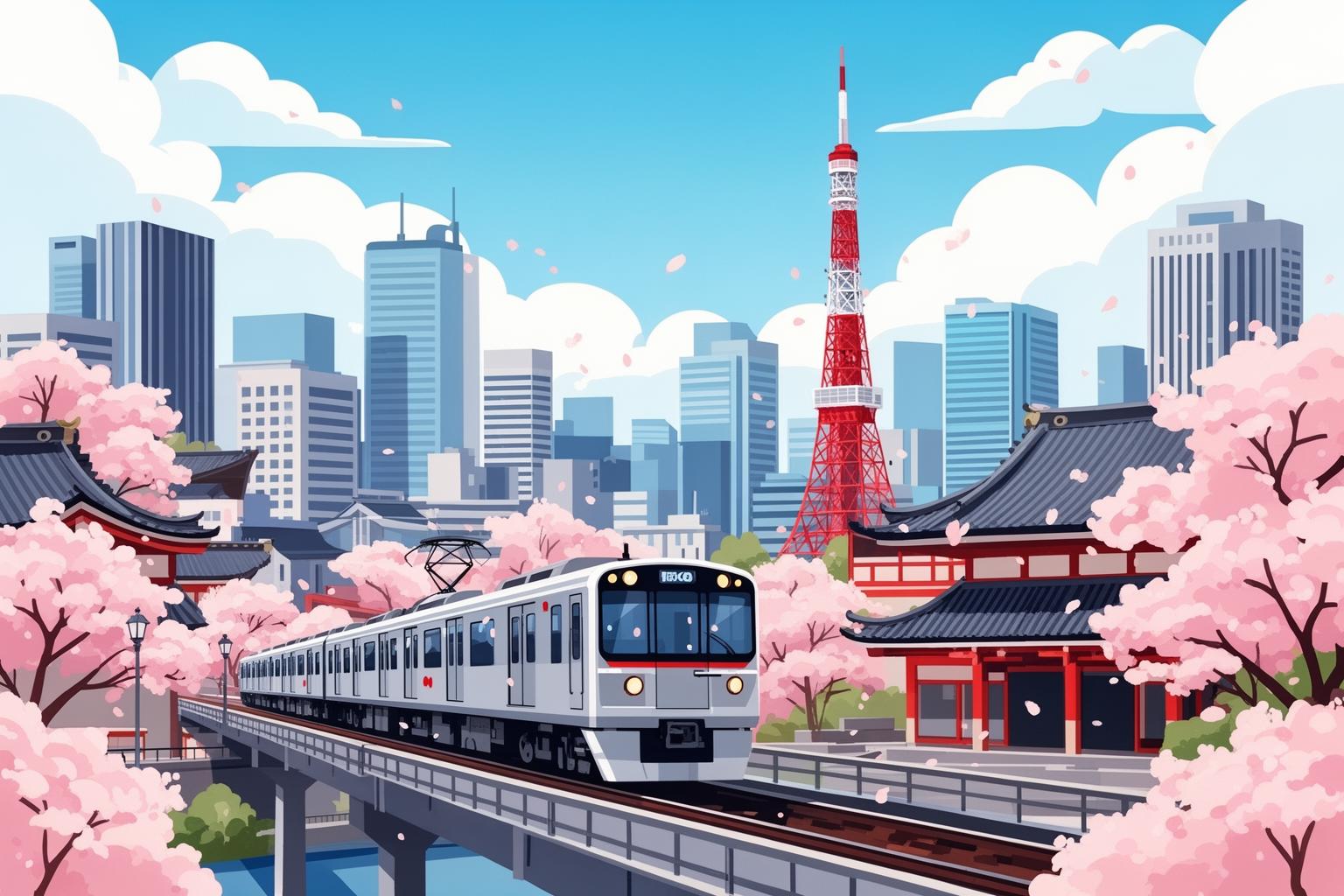
The Yamanote Line is your starting point, but the JR Pass unlocks so much more. The Chuo-Sobu Line, a bright yellow train slicing through the Yamanote loop, is your gateway to some of Tokyo’s most cherished and character-rich western suburbs, each a destination worth visiting on its own.
Kichijoji and the Ghibli Dream
Take the Chuo Line westward to Kichijoji, a neighborhood often ranked as one of Tokyo’s most desirable places to live. It exudes a relaxed, bohemian atmosphere, blending stylish department stores, quirky independent shops, and cozy cafes. For many, the main draw is Inokashira Park, a beautiful green oasis centered around a large pond where you can rent swan-shaped paddle boats. It’s an ideal spot for a leisurely afternoon.
For art and anime enthusiasts, however, the real gem of Kichijoji is the Ghibli Museum in Mitaka, located at the park’s edge. This isn’t just a museum; it’s an immersive experience into the whimsical and imaginative world of Hayao Miyazaki and Studio Ghibli. The building itself is a masterpiece, designed by Miyazaki, featuring winding staircases, hidden details, and a rooftop garden guarded by a giant robot from Castle in the Sky. Inside, visitors can view original animation cells, learn about the film creation process, and watch an exclusive short film only shown at the museum. Tickets are notoriously hard to get, requiring advance online booking and selling out within minutes. But for fans of Ghibli’s enchanting storytelling, the effort is more than worthwhile. It’s a place of pure joy and inspiration.
Nakano Broadway: A Labyrinth of Subculture
Just a few stops back toward central Tokyo on the Chuo Line lies Nakano, a district that offers a different, perhaps more intense, taste of otaku culture than Akihabara. The highlight here is Nakano Broadway, a seemingly ordinary shopping mall from the outside. Yet, once you reach its upper floors, you enter an entirely different world. Nakano Broadway is a dense, maze-like collection of small shops dedicated to every imaginable niche of pop culture, often dubbed the “otaku’s attic.”
Here, the emphasis is less on the latest releases and more on collectibles, vintage items, and rare finds. You’ll discover shops specializing in everything from 1970s kaiju toys and idol memorabilia to cel art from classic anime and obscure manga. Mandarake has a strong presence here, with more than a dozen storefronts, each focused on a specific category like cosplay, doujinshi (fan-made comics), or horror manga. Exploring Nakano Broadway feels like a treasure hunt—you never know what you might discover around the next corner. The vibe is less about flashy ads and more about the quiet, passionate dedication to fandom. It offers a deeper, more focused dive into the subcultures thriving in Japan.
The True Power of the Pass: Day Trips into New Worlds
While the JR Pass is an excellent resource for getting around Tokyo, its true strength lies in its capacity to transport you far beyond the city, unveiling a wide array of nearby destinations. These day trips allow you to fully enjoy the freedom and value of your pass, turning your Tokyo base into a gateway for exploring the broader Kanto region.
Kamakura and Enoshima: Coastal Tranquility and Sacred Landmarks
Just an hour south of Tokyo on the JR Yokosuka Line is Kamakura, a coastal city rich in history and natural charm. Once Japan’s capital during the 12th and 13th centuries, it boasts numerous remarkable temples and shrines. The journey is part of the allure, as the urban sprawl gradually gives way to green hills and ocean vistas.
Start your visit at the iconic Kotoku-in Temple, home to the Great Buddha (Daibutsu). This enormous bronze Amida Buddha statue sits serenely outdoors, a commanding yet peaceful figure that has endured earthquakes and typhoons for centuries. Next, explore Hasedera Temple, renowned for its stunning eleven-headed statue of Kannon, the goddess of mercy, and its lovely gardens offering sweeping coastal views.
Kamakura’s most significant Shinto shrine, Tsurugaoka Hachimangu, is accessible via a grand walkway from the town center. After taking in these sacred sites, stroll down Komachi-dori, a lively street lined with shops selling local crafts, tasty snacks, and purple sweet potato ice cream. The vibe is that of a quaint, laid-back resort town.
From Kamakura, many visitors continue to the nearby island of Enoshima. Although the JR Pass covers the journey to Kamakura, a separate ticket is needed for the charming Enoden Line, a nostalgic train that clatters along the coast with spectacular ocean views. This line is a pilgrimage site for fans of the classic basketball anime Slam Dunk, who gather at a famous railway crossing near Kamakurakokomae Station to reenact a scene from the show’s opening credits. Enoshima, a hilly island full of shrines, gardens, caves, and the Enoshima Sea Candle lighthouse-observatory, offers stunning views of Mount Fuji on clear days. A day spent between Kamakura and Enoshima blends history, spirituality, and seaside relaxation perfectly.
Hakone: Art, Nature, and Majestic Views of Fuji
Hakone is a picturesque mountain resort town nestled within Fuji-Hakone-Izu National Park, famed for its hot springs (onsen), museums, and breathtaking Mount Fuji vistas. To reach Hakone with the JR Pass, take the Tokaido Shinkansen—the bullet train—for your first thrilling ride to Odawara Station. The swift journey is an impressive experience itself. From Odawara, you’ll usually switch to local transport; the Hakone Free Pass is highly recommended for convenient access to buses, ropeways, and boats throughout the region.
Many enjoy Hakone as a “loop” tour, which circles the region’s main attractions. A highlight is the Hakone Open-Air Museum, an extraordinary outdoor sculpture park exhibiting works by artists such as Picasso, Rodin, and Henry Moore, all set amid the surrounding mountains—a remarkable fusion of art and nature. Next, ride the Hakone Ropeway across the volcanic Owakudani valley, dotted with steaming sulfur vents and bubbling hot springs. The distinct sulfur aroma fills the air, and you can sample the local specialty—black eggs boiled in the springs, reputed to grant seven extra years of life.
The ropeway descends to Lake Ashi’s shore, a caldera lake where you can enjoy a cruise aboard a kitschy pirate ship. On clear days, the views are postcard-perfect: deep blue waters, a red torii gate by the shore, and Mount Fuji’s iconic snow-capped peak rising majestically in the distance. Anime fans will appreciate Hakone’s connection to Neon Genesis Evangelion, as parts of Hakone-Yumoto stand in for the futuristic Tokyo-3. With its natural beauty and restorative ambiance, Hakone offers a refreshing escape from city life.
Nikko: The Realm of Gods and Shoguns
For a spiritual and artistic journey, consider a day trip to Nikko, a UNESCO World Heritage site nestled in Tochigi Prefecture’s mountains. The trip combines the Shinkansen to Utsunomiya with a transfer to the local JR Nikko Line. The ride feels like a pilgrimage as the train ascends into lush, dense forests.
Nikko’s centerpiece is Toshogu Shrine, the ornate mausoleum of Tokugawa Ieyasu, founder of the shogunate that ruled Japan for over 250 years. Unlike understated minimalist shrines, Toshogu dazzles with color, intricate wood carvings, and gold leaf—a stunning testament to power and reverence. Here, you’ll find the famed three wise monkeys carving embodying “see no evil, hear no evil, speak no evil.”
Beyond Toshogu, the sacred area includes Futarasan Shrine and Rinnoji Temple, linked by peaceful paths beneath towering cedars. The atmosphere is ancient and hallowed. Don’t miss the iconic vermilion Shinkyo Bridge gracefully arching over the Daiya River, celebrated as one of Japan’s most beautiful bridges. Those with extra time can use the JR Pass to reach partway before boarding a local bus that climbs higher into the mountains to Kegon Falls and serene Lake Chuzenji. A day in Nikko immerses you in a rich blend of Shinto and Buddhist spirituality, samurai history, and stunning nature.
Yokohama: The Chic Port City
Less than 30 minutes from Tokyo on various JR lines, Yokohama offers a distinctly different urban experience. As Japan’s second-largest city, it feels more spacious, relaxed, and international than Tokyo, thanks to its long history as a key foreign trade port. The waterfront district Minato Mirai 21 features striking modern architecture, including the Landmark Tower, set amid broad promenades, green spaces, and refreshing sea breezes.
Dive into Yokohama’s bustling Chinatown, one of the world’s largest and most vibrant. It’s a sensory feast, packed with winding streets filled with the sights and smells of delectable street foods—from steamed buns to sesame balls. For a creative twist, visit the CupNoodles Museum, a surprisingly fun interactive space celebrating instant ramen’s history, where you can design your own custom cup. The Shin-Yokohama Ramen Museum is another culinary highlight, featuring diverse regional ramen styles within a charming 1950s-themed streetscape.
For a taste of traditional elegance, explore Sankeien Garden, a large, beautiful Japanese garden showcasing historic buildings relocated from around Japan. For literary and anime enthusiasts, Yokohama is the primary setting for Bungo Stray Dogs; wandering its port areas and historic quarters, you can sense the gritty, cosmopolitan atmosphere that inspired the series. Yokohama makes an ideal easy day trip, offering a refreshing change of pace and a glimpse of a different side of Japanese urban life.
Pro Tips for Your JR Pass Adventure
Maximizing the benefits of your Japan Rail Pass involves more than just knowing your destinations. It requires grasping the system’s subtleties and traveling with confidence and ease. Here are some tips to help make your journey even smoother.
The Shinkansen Experience
Riding the Shinkansen, or bullet train, is a quintessential Japanese experience. Even for a brief day trip, the sensation of near-silent, perfectly smooth acceleration is exhilarating. Enhance the experience by buying an “ekiben” (station bento box) before boarding. These beautifully crafted meals are a form of culinary art, featuring local specialties from the region. Enjoying your bento as the Japanese countryside flies by at 300 km/h is a cherished travel memory. Keep in mind that you need to reserve a seat on most Shinkansen trains, which you can do free of charge at any JR ticket office (Midorino-madoguchi) or at designated ticket machines. For extra peace of mind, especially during peak travel seasons, try to book your main long-distance trips a day or two in advance.
Navigating the Maze
Major stations like Shinjuku, Tokyo, and Shibuya can feel like cities unto themselves. Don’t worry. The signage is excellent and almost always available in English. Follow the color-coded lines and platform numbers. Apps such as Google Maps or Japan Transit Planner are invaluable for checking train schedules and platform details in real-time. A useful tip is to look at the large overhead signs, which clearly indicate the line, direction, and key upcoming stops. Also, be mindful of which exit to take. Large stations may have dozens of exits, and choosing the right one can save you a ten-minute walk.
Etiquette and Safety Tips
Japanese trains are renowned for being quiet and orderly. Speaking loudly on your phone is a significant faux pas. Keep conversations at a low volume. Eating is generally acceptable on long-distance trains like the Shinkansen but is discouraged on shorter commuter trains such as the Yamanote Line. When boarding, queue politely in the designated lines on the platform.
From a solo traveler’s viewpoint, Japan is extremely safe. That said, as in any large city, remain aware of your surroundings. Keep your bag zipped and close to you in crowded places. During rush hour, trains can become very crowded. If you feel uncomfortable, look for women-only cars available on many lines during peak morning and evening hours. Knowing the time of your last train home is also essential, as services usually end around midnight. Planning ahead ensures you won’t be left stranded.
Your Story Awaits
The Japan Rail Pass is far more than just a ticket. It represents a promise of adventure and a means of empowerment, giving you access to the vast and intricate network of Japan’s railways. It invites you to be more than a mere tourist; it inspires you to become an explorer. To trace the footsteps of ancient pilgrims to the mountains of Nikko, to immerse yourself in the electric energy of otaku culture in Akihabara, to find a moment of tranquility before a giant Buddha in Kamakura. Each train journey is a thread with which you weave your own unique story into the remarkable tapestry of Tokyo and its surroundings. So, get your pass, reserve your first seat, and step onto the platform—your story awaits at the next station.