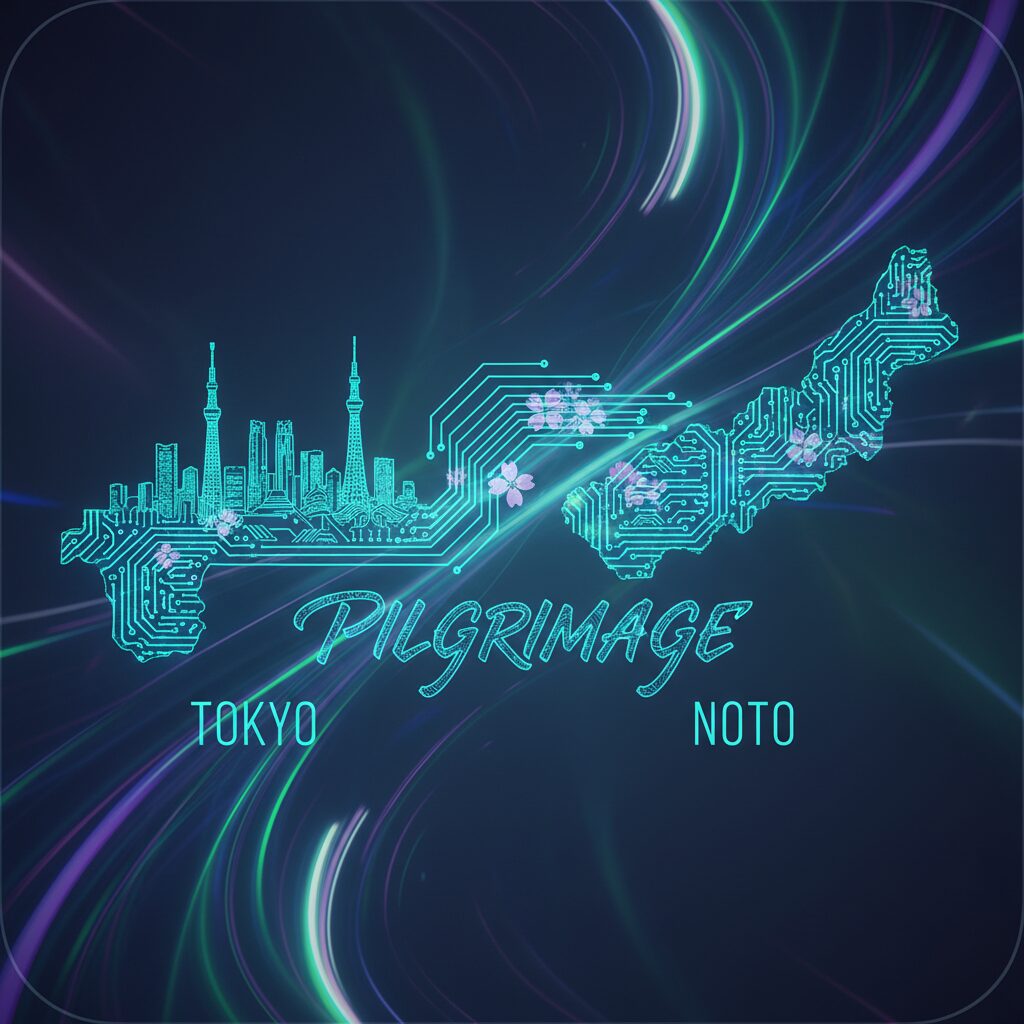
There’s a certain kind of story that feels like a warm hug, a gentle reassurance that everything, in the end, is going to be alright. “Skip and Loafer” is that story. It’s a beautifully crafted tale about Mitsumi Iwakura, a brilliant and endearingly awkward teenager who leaves her quiet seaside hometown in Ishikawa Prefecture to attend a prestigious high school in the sprawling, electric metropolis of Tokyo. Her journey isn’t just about acing exams; it’s about navigating the bewildering maze of high school friendships, confronting self-doubt, and finding her footing in a world that moves at a dizzying pace. The anime captures the soaring highs and clumsy lows of adolescence with such sincerity that you can’t help but root for Mitsumi and her wonderfully diverse group of friends.
What makes “Skip and Loafer” resonate so deeply is its profound sense of place. The stark, beautiful contrast between Mitsumi’s two worlds—the serene, windswept coast of the Noto Peninsula and the chaotic, vibrant streets of Tokyo—is a character in itself. This is where the magic of a seichi junrei, or anime pilgrimage, comes alive. It’s an invitation to step out of your world and into the frames of the anime, to walk the same pavements, feel the same city buzz, and breathe the same salty air as the characters you’ve grown to love. This journey is more than just sightseeing; it’s about understanding Mitsumi’s story on a physical, tangible level. It’s about feeling the overwhelming scale of Shinjuku Station just as she did, and later, finding a moment of peace by the sea that shaped her entire being. This guide is your map to that experience, a detailed exploration of the real-life locations that form the heartwarming backdrop to one of the most charming anime of recent years. Get ready to trace the steps of a girl chasing her dreams, from the heart of the world’s biggest city to the quiet shores of her beloved home.
The Electric Heart of Tokyo: Mitsumi’s New World
Tokyo is more than just a city; it’s an entire universe. For Mitsumi, coming from a small town where everyone knows her name, arriving in Tokyo must have felt like landing on a different planet. The anime skillfully uses real, recognizable Tokyo landmarks to anchor her experience, transforming the sprawling city into a tangible playground full of new challenges and discoveries. Following her journey here isn’t merely about identifying anime backdrops; it’s about sensing the heartbeat of a city that gradually becomes her second home. It’s a realm of towering skyscrapers, bustling train lines, and quiet refuges where friendships blossom over boba tea and after-school escapades. This is where Mitsumi—and we as viewers—learn that even within a metropolis of millions, you can claim your own small, cherished corner.
Shinjuku Station: The Maze of Dreams
Our journey begins, just as Mitsumi’s Tokyo life did, amid the stunning, chaotic swirl of Shinjuku Station. The series premiere perfectly encapsulates the sensory overload of this place. The ceaseless flow of people, the chorus of train announcements, the intricate network of exits—it’s a rite of passage for anyone new to Tokyo. For Mitsumi, it’s her first significant challenge, a moment of panic and confusion that leads to her fateful encounter with Sousuke Shima.
Standing inside the real Shinjuku Station, you instantly grasp her anxiety. It is the world’s busiest railway station, a vast complex that feels more like an autonomous city than a transit hub. To experience it as a pilgrim rather than a lost tourist, focus on the South Exit. This is the area prominently featured in the anime, where Mitsumi appears wide-eyed and disoriented before meeting Shima. The iconic sight of the towering NTT Docomo Yoyogi Building, with its distinctive clock tower, stands just as it does in the show. Pause near the ticket gates and watch the human flow—it’s a breathtaking spectacle of organized chaos. You’ll see salarymen power-walking to meetings, students in uniform chatting excitedly, and travelers dragging luggage from all over the world.
To truly appreciate its scale, visit on a weekday morning. The rush hour is an intense, unforgettable Tokyo experience. For a gentler pilgrimage, choose late morning or early afternoon when there’s more room to breathe and to capture the anime’s exact angles without being swept away by the crowd. Don’t forget to look up—the architecture, digital billboards, and sheer verticality create the perfect visual metaphor for the mountain Mitsumi has chosen to climb.
The Panorama: Tokyo Metropolitan Government Building
After navigating the labyrinth below, it’s time to view the city from above. A short, pleasant walk from Shinjuku Station’s west exit brings you to the Tokyo Metropolitan Government Building, an architectural marvel that features prominently in one of the anime’s most breathtaking scenes. Mitsumi and her friends visit the observation deck, and as they gaze out across the endless cityscape, their world seems to expand. What once appeared intimidating at street level reveals itself as a dazzling tapestry of lights and possibilities from this vantage point.
This is one of Tokyo’s finest free attractions and a must-visit for any fan. The building boasts two towers—North and South—each with an observatory on the 45th floor, soaring 202 meters above ground. The experience is truly stunning. On a clear day, the view stretches for miles, a concrete ocean dotted with landmarks like Tokyo Skytree and Tokyo Tower. On exceptionally crisp winter days, you might even catch a silhouette of majestic Mount Fuji on the western horizon.
The daytime view is incredible for spotting landmarks and appreciating the immense urban sprawl. But the nighttime scene is pure magic. As the sun sets, the city transforms into a galaxy of sparkling lights, with rivers of glowing car headlights winding through concrete canyons. This is the view the characters share, a moment that solidifies their growing friendships against an epic backdrop. Arriving just before sunset allows you to witness this stunning transformation. With a small café and gift shop at the top, it’s the perfect spot to relax and soak in the panorama. It’s a moment of peaceful reflection high above the city’s relentless energy—a place to dream big, just like Mitsumi.
Kichijoji’s Warm Charm: A Breath of Fresh Air
While Shinjuku embodies Tokyo’s overwhelming scale, Kichijoji reveals its cozier, more livable side. This neighborhood, just a short train ride west on the JR Chuo Line, is where Shima and Mitsumi share their memorable “date” at the zoo. It feels more relaxed, more intimate—a place where the characters begin to open up away from school pressures. Kichijoji often ranks as one of Tokyo’s most desirable neighborhoods, and after a visit, it’s easy to see why.
At its heart lies Inokashira Park, a sprawling green oasis of tranquility. You can rent a swan boat on the central pond, stroll beneath ancient tree canopies, and visit a small shrine dedicated to Benzaiten, the goddess of love and fortune. The park is especially beautiful during cherry blossom season in spring and when the leaves blaze red and orange in autumn. The Inokashira Park Zoo, featured in the anime, is a charming, family-friendly zoo emphasizing native Japanese species. Walking its paths, you can easily spot the areas where Mitsumi and Shima observed animals, their conversation flowing more smoothly than in the classroom.
But Kichijoji is more than its park. The streets branching out from the station are a delightful mix of department stores, quirky independent boutiques, and countless restaurants and cafés. The Sun Road and Daiyagai shopping arcades offer a classic Japanese shopping experience, sheltered from the weather and humming with local life. It stands worlds apart from the corporate gloss of Shinjuku. Kichijoji invites leisurely exploration—it’s a neighborhood that encourages slowing down, browsing, and sitting in a café to people-watch. It reflects a different side of Tokyo life: more grounded, community-focused, and the perfect setting for the characters to nurture genuine connections.
Everyday Life in Nerima: Finding Home in the Suburbs
While famous landmarks thrill, the true heart of “Skip and Loafer” lies in daily life: walking to school, chatting at the train station, quiet evenings in a suburban apartment. The anime’s main daily setting is based on residential areas along the Seibu Shinjuku Line, especially near stations like Iguno and Kami-Shakujii in Nerima Ward. This is where Mitsumi attends high school and lives with her aunt, Nao-chan.
This part of the journey is less about pinpointing a single exact location and more about immersing yourself in suburban Tokyo’s atmosphere. This is the real, unpolished, deeply comfortable Tokyo where millions dwell. Ride the bright yellow Seibu Shinjuku Line train, the same line Mitsumi and her friends use daily. Get off at one of the local stations and simply wander. You’ll find quiet streets lined with modest houses and small apartments, tiny well-kept gardens, and local shotengai shopping streets featuring tofu sellers, bakeries, and family-run noodle shops.
The high school that inspired Tsubame Nishi High School is a composite of several schools, but the surrounding area perfectly captures the feel of this neighborhood. You’ll find pedestrian bridges, narrow side streets, and railroad crossings that feature prominently in their commutes. This is the Tokyo of gentle routines: the sound of train crossing bells, students cycling home, and the aroma of dinner cooking in the evening. It’s in these quiet, unassuming places that the story’s most heartfelt and relatable moments occur. Walking these streets, you can almost hear the cheerful chatter of Mitsumi, Mika, Yuzuki, and Makoto as they head home after another day navigating school, friendships, and their hopes for the future.
The Whispering Coast of Noto: Mitsumi’s Roots in Ishikawa
To truly understand Mitsumi Iwakura, you need to leave behind the concrete canyons of Tokyo and journey to the place that shaped her: the Noto Peninsula in Ishikawa Prefecture. This rugged and beautiful stretch of land, reaching into the Sea of Japan, feels worlds apart from the capital. It’s a place of dramatic coastlines, terraced rice paddies, and quaint fishing villages where time seems to move with the tides. This is Mitsumi’s home—the wellspring of her steadfast optimism, strong community ties, and occasional endearing social awkwardness. The anime lovingly portrays this region, and visiting it offers a deep connection to the heart of the story.
A Gentle Note for Travelers: The Noto Peninsula was severely impacted by a major earthquake on January 1, 2024. Recovery and rebuilding efforts are ongoing. While tourism plays a crucial role in supporting the local economy, travelers are urged to visit with sensitivity and care. Before planning your trip, please check the latest official updates from Ishikawa Prefecture and local tourism authorities regarding road conditions, accommodation availability, and the status of specific sites. Some areas may still be closed or under repair. Visiting here is an opportunity to support a resilient community, but it requires respect and thoughtful preparation.
Suzu City: The Heart of the Countryside
Mitsumi’s hometown, Iwakura, is fictional, but its spirit and scenery are drawn directly from Suzu, a city at the very tip of the Noto Peninsula. This far-flung, remote area possesses a wild, untamed charm. The contrast with Tokyo is striking from the moment you arrive. The air is fresh and salty, and silence is broken not by sirens or trains, but by seabirds’ calls and the rustling of wind through bamboo groves.
The landscape is a patchwork of lush green mountains descending to the deep blue sea. Small, close-knit communities nestle in coves and harbors along the shore. Traveling by car or local bus along the coast reveals numerous scenes lifted straight from the anime’s beautifully detailed backgrounds: fishing boats bobbing in harbors, distinctive black-tiled roofs of traditional homes, and terraced rice fields like the famous Shiroyone Senmaida cascading down to the ocean. This is not just scenery; it is the environment that molded Mitsumi’s character. Her resilience mirrors the coastal cliffs, her warmth reflects the close community, and her straightforward nature is as clear as the calm sea. Exploring Suzu gives you a sense of this connection between person and place.
The Iconic Bus Stop and Winding Coastal Road
One of the most poignant and visually memorable settings early in “Skip and Loafer” is the small, solitary bus stop where Mitsumi waits to begin her journey to Tokyo. It symbolizes both departure and connection, bridging her small world and the vast one ahead. While there isn’t a single exact bus stop, the coastal road from Suzu to Noto Town features numerous shelters evoking the same feeling.
This area is widely believed to be near Ushitsu in Noto Town, just south of Suzu. Renting a car is the best way to explore it, allowing you to stop safely and take in the views. The road winds along the coastline, offering breathtaking vistas at every turn. Find a quiet spot, stand by the roadside, and gaze out at the sea. Imagine Mitsumi there, full of nerves and excitement, saying goodbye to her friends and family. You can sense the mix of nostalgia and hope, the bittersweet feeling of leaving home to pursue a dream. It’s a powerful, reflective moment. This spot is ideal for photography—not merely to recreate a scene, but to capture the essence of Mitsumi’s origins: the vast, beautiful, and slightly solitary landscape that gave her the strength to face the world.
The Model for Iwakura High School’s Branch School
Even in rural areas, school holds center stage in a teenager’s life. The small branch school Mitsumi attended before moving to Tokyo is a key part of her story. The real-life model for this charming school building is the former Ootani Junior High School, located in a quiet area of Suzu City. The school has since closed—a common fate in rural Japan as populations age and decline—adding a nostalgic poignancy to the site.
Though entry isn’t allowed, you can view the building from outside. Its classic mid-century architecture will be instantly familiar to fans of the show. It’s a simple, functional, and well-loved structure that speaks volumes about the community it served. Seeing it in person, it’s easy to imagine a young Mitsumi as the top student, full of hope for her small town, studying hard and dreaming big. It’s a quiet, respectful pilgrimage site—no gift shops or tourists, just a silent building holding the fictional memories of a beloved character. It’s a reminder of where her journey began, the foundation of her remarkable ambition and dedication.
Nanao City: The Gateway to Noto
While Suzu embodies the deep countryside, Nanao City serves as the peninsula’s main hub. It’s a larger, livelier town Mitsumi and her family likely visited for major shopping, transportation, and events. Located on the peninsula’s calmer inner coast, Nanao is an excellent base for exploring the region.
Nanao Station is the primary rail link for the area, with an atmosphere reminiscent of the somewhat larger local stations Mitsumi would have used. The city features a vibrant port and morning market where you can enjoy the incredible bounty of the local sea. It’s a perfect spot to savor fresh seafood and get a sense of the ocean-based local economy.
Nearby is one of Japan’s most renowned hot spring resorts, Wakura Onsen. This town, with luxurious ryokan lining the bay, offers a chance to experience Japanese hospitality at its finest. Though not directly featured in the anime, it’s an essential part of the Noto experience and a perfect way to unwind after a day of exploration. Visiting Nanao enriches your understanding of Mitsumi’s world. It’s the “big town” of her childhood—a place bustling with excitement and possibilities before she set her sights on the metropolis of Tokyo.
A Traveler’s Guide to the Skip and Loafer Experience
Embarking on a pilgrimage that stretches from the heart of urban Japan to the tip of a rural peninsula requires some planning, but the reward is an incredibly rich and diverse travel experience. You’ll witness both ends of modern Japan and gain a deeper appreciation for the world that shaped Mitsumi and her friends. This journey is one of contrasts, and a bit of preparation will help you navigate it smoothly and make the most of your adventure.
Planning Your Dual Pilgrimage
The key to this journey lies in understanding the logistics of traveling between Tokyo and Ishikawa. The most efficient and comfortable way is via the Hokuriku Shinkansen (bullet train). From Tokyo Station, you can board a direct train to Kanazawa, the capital of Ishikawa Prefecture. The ride is enjoyable, whisking you through the Japanese Alps in about 2.5 to 3 hours.
Once in Kanazawa—a beautiful and historic city worthy of exploration—you’ll need to switch to local transport to reach the Noto Peninsula. Renting a car offers the most flexibility, allowing you to explore winding coastal roads, stop at scenic viewpoints, and visit the more remote spots featured in the anime at your own pace. Driving in rural Japan is generally relaxed, and although some roads can be narrow, they are well-maintained.
Alternatively, you can use a combination of local trains and buses. From Kanazawa, take a train to Nanao Station. Local bus lines then run up the peninsula towards Suzu, though these services can be infrequent. This option demands careful schedule planning but provides a more local, slower-paced experience, much like Mitsumi’s own travels.
A suggested itinerary is to spend 3-4 days in Tokyo exploring the Shinjuku, Kichijoji, and Nerima locations. Then, catch an early morning Shinkansen to Kanazawa. Dedicate at least 2-3 days to the Noto Peninsula, possibly staying overnight in Nanao or Wakura Onsen to allow ample time without rushing. This dual-location trip truly offers the best of both worlds.
Capturing the Vibe: Photography and Etiquette
This pilgrimage is a photographer’s dream, offering a stunning array of subjects from neon-lit cityscapes to serene seascapes. To capture the spirit of Skip and Loafer, consider the emotional tone of each location. In Shinjuku, use wide-angle shots to express the scale and overwhelming energy of the city. Try capturing motion blur of the crowds to convey the constant dynamism. In Kichijoji’s Inokashira Park, focus on the play of light and shadow through the trees or the quiet moments people spend enjoying nature.
In Noto, the photographic style should shift completely. Embrace the vast, open spaces. Use landscape photography to highlight the relationship between land and sea. A photo of a solitary bus stop set against the ocean can be deeply evocative. Pay attention to small details: the texture of an old wooden building, fishermen’s colorful floats, the way the light catches the water at sunset. These are the images that bring to life Mitsumi’s hometown.
As with any seichi junrei, respectful etiquette is essential. Remember, these are not film sets but real places where people live and work. When photographing residential areas or schools, be discreet and avoid including residents without their consent. Never trespass on private property. Schools are especially sensitive; take photos from public streets and never enter the grounds. Be quiet and considerate in residential neighborhoods, especially in early morning or evening. The goal is to be a respectful visitor, an appreciative fan celebrating the real world that inspired a beautiful story—leaving it as peaceful as you found it.
This journey following in the footsteps of Mitsumi Iwakura is more than just travel; it’s a narrative experience. It tells of two Japans: one of relentless progress and another of deep, quiet roots. Walking the crowded crosswalks of Shinjuku, you feel the electric thrill of ambition and the challenge of a new beginning. Standing on the windswept coast of Noto, you sense the pull of home and the comfort of a place that understands you completely.
Traveling between these two worlds is to grasp the beautiful balance at the core of Mitsumi’s character and, in many ways, at the heart of modern Japan itself. It’s a pilgrimage that will fill your camera with stunning images and your heart with the same warmth and gentle optimism as the anime. It’s an adventure that reminds us no matter how far we travel or how big our dreams are, the places that shape us remain a part of our story. So go ahead, take that first step, and see where the journey leads you.