There are cities that serve as mere backdrops for cinema, interchangeable canvases upon which stories are painted. And then there are cities that are characters in their own right, their stone and steel, their history and heartache, woven so deeply into the fabric of a film that the narrative would collapse without them. Philadelphia, in Jonathan Demme’s seminal 1993 masterpiece, Philadelphia, is unequivocally the latter. It is more than a setting; it is a silent, sprawling protagonist, a city whose very name—the City of Brotherly Love—becomes a profound and aching question mark hanging over a story of prejudice, justice, and humanity. To walk these streets today, tracing the steps of Andrew Beckett and Joe Miller, is not just a tour of filming locations. It is a pilgrimage into the heart of a landmark film, a journey that collapses the decades and connects us to a pivotal moment in cultural history, all while immersing us in the vibrant, complex soul of one of America’s most historic metropolises. The film’s raw, unflinching honesty found a home here, amidst the colonial brick and soaring skyscrapers, and its echoes can still be felt in the wind that sweeps down the Benjamin Franklin Parkway and in the hallowed halls where its drama unfolded.
This is a journey for the cinephile, the historian, and the traveler alike. It’s a chance to stand in the shadow of imposing legal institutions and feel the weight of Andrew Beckett’s fight, to find solace in the quiet green of a public square, and to understand how a city’s architecture can mirror the power dynamics of a society. Before we delve into the specific locations that gave the film its unforgettable texture, let’s orient ourselves in this remarkable city, a place where the fight for America’s soul began and where, two centuries later, a cinematic fight for one man’s soul resonated around the world.
This cinematic pilgrimage through Philadelphia is part of a broader tradition of exploring how films are inextricably linked to their locations, much like the journey through Tarantino’s Los Angeles.
The Halls of Power and Prejudice: City Hall and the Courts
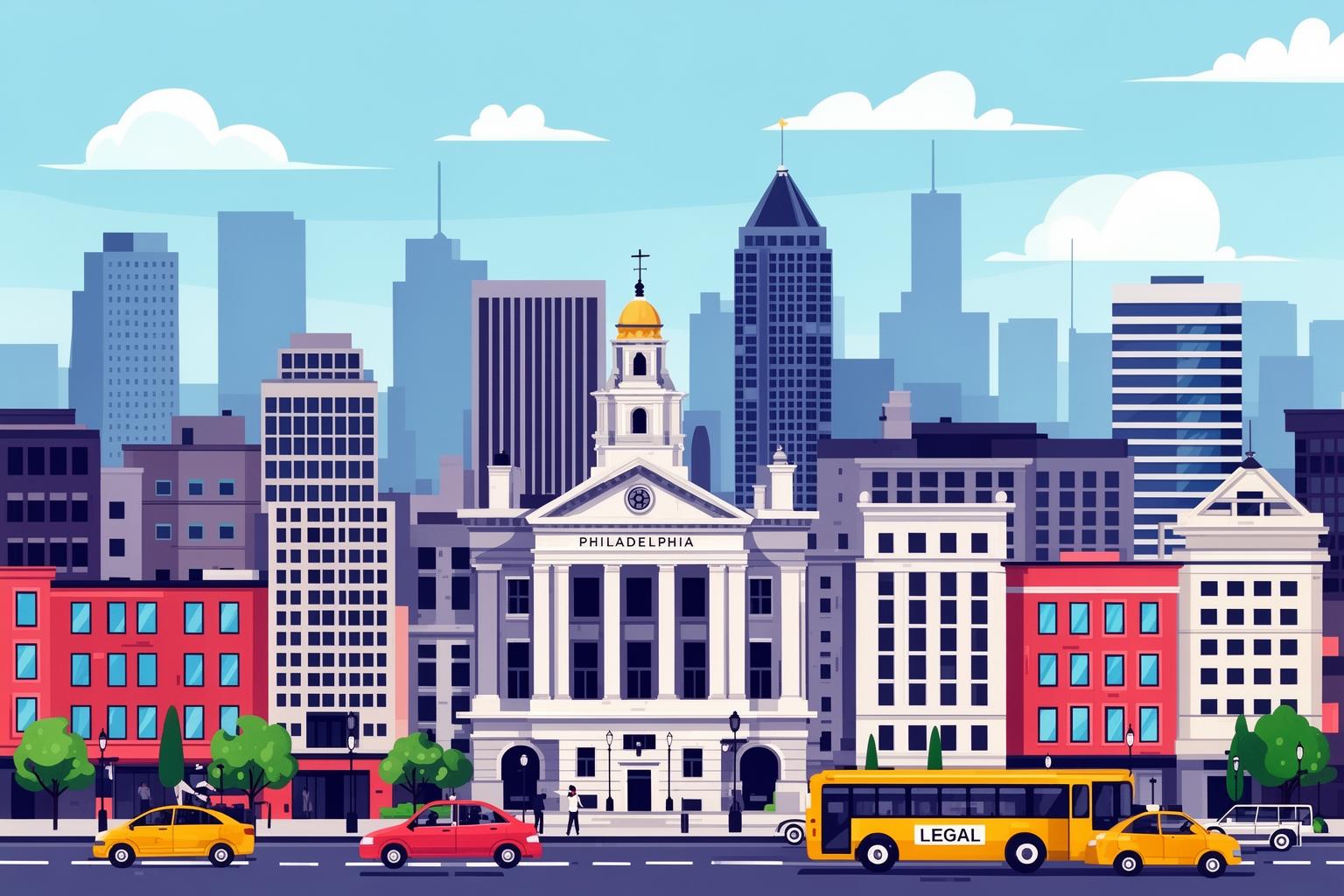
At the geographical and symbolic center of Philadelphia stands City Hall, a grand, monolithic Second Empire giant that is less a mere building and more a powerful statement of civic pride. In Philadelphia, it serves as the grand stage where the film’s central conflict unfolds. Its ornate, formidable facade and maze-like interiors perfectly represent the legal system Andrew Beckett must navigate—a system that is both majestic and intimidating, offering justice while sheltering the very prejudices that threaten him. The building rises prominently in the film’s skyline, a constant reminder of the institutional forces at work. For visitors standing in the heart of Dilworth Park and looking up at the tower topped with the statue of William Penn, the city’s founder, the experience is profoundly humbling. The immense scale and intricate detail are overwhelming. You can almost hear the echoes of the film’s intense courtroom scenes, which were filmed in the historic courtrooms of the Philadelphia County Court of Common Pleas within this very edifice.
Inside the Crucible: The Courtroom Scenes
Although access to the exact courtrooms used for filming may be limited due to ongoing legal matters, the essence of those scenes permeates the entire building. City Hall’s interiors transport you back in time, with marble floors, grand staircases, and soaring arches. The filmmakers expertly used these spaces to dwarf Andrew, highlighting his isolation against the vast, impersonal machinery of the law. Visitors can take guided tours that often include access to some ceremonial rooms, offering a richer appreciation of the building’s architecture and history. Feel the cool, polished wood of the railings, observe how light streams through towering windows, and imagine the tension of the trial. This is where Joe Miller’s transformation from a hesitant, homophobic lawyer into a fervent advocate for justice takes shape. The building itself stands as a silent witness to his growth and Andrew’s quiet, dignified struggle for his reputation and life.
A Practical Note for Visitors
Philadelphia’s City Hall is a working government building, so it’s important to be respectful during your visit. Most main public areas are generally open on weekdays. The tower tour, which offers breathtaking views of the city, comes highly recommended and provides stunning perspectives, allowing you to see the city sprawling below just as the film’s opening montage does. From atop this monument, you can trace the grid of streets that Bruce Springsteen’s haunting anthem evokes, gaining a deeper appreciation of the city as a living, breathing organism. The palpable weight of history here connects you directly to the profound gravity of the film’s narrative. It is the perfect starting point for your pilgrimage, grounding you in the legal and emotional core of the story.
A Sanctuary of Knowledge: The Fisher Fine Arts Library
One of the most pivotal and visually striking scenes in Philadelphia unfolds not in a courtroom or corporate office, but within a library. When a visibly ailing Andrew Beckett, shunned by the legal community, desperately looks for a lawyer willing to take his case, he seeks refuge in the sanctuary of a law library. It is here that he first approaches Joe Miller, who initially reacts with fear and prejudice. The setting for this powerful encounter is the Fisher Fine Arts Library at the University of Pennsylvania, an architectural marvel designed by the visionary Frank Furness. The building itself becomes a character. Its soaring, cathedral-like reading room, featuring intricate terracotta detailing, a vast skylight, and towering cast-iron stacks, is both breathtaking and deeply atmospheric. It feels like a sacred space, a temple of knowledge and reason. Demme selected this location perfectly, creating a sharp contrast between the library’s enlightened, intellectual environment and the ignorant prejudice driving the film’s conflict. The scene, quiet and whispered, marks an explosive turning point. The camera glides through the space, capturing both the grandeur and intimacy of the moment as Andrew follows Joe, his quiet plea lingering amid the silent tombs of legal precedent.
Experiencing Furness’s Vision
Today, the Fisher Fine Arts Library remains a functioning part of the University of Pennsylvania and is open to the public, though it’s best to check visitor policies beforehand. Entering the main reading room is an unforgettable experience. The air is thick with the scent of old paper and the quiet hum of scholarly pursuit. Find a quiet corner and simply soak in the atmosphere. Look up at the magnificent vaulted ceiling and the detailed brickwork. This is not merely a filming location; it is one of the most significant architectural landmarks in the United States. Being in this space allows you to feel the intellectual spirit of the city and understand why it was the perfect place for Andrew’s search for legal representation to begin. It embodies the ideals of justice and knowledge he is fighting for, even as individuals within that system fail him. When visiting, be respectful of the students and faculty—it is a place of study, and its quiet, reverent atmosphere is essential to its character. Take your time, wander through the stacks if allowed, and let the sheer beauty and history of the space wash over you. It offers a moment of peace and reflection amid a journey often charged with emotion.
The Sound of Aria: The Spectrum and the Opera Scene
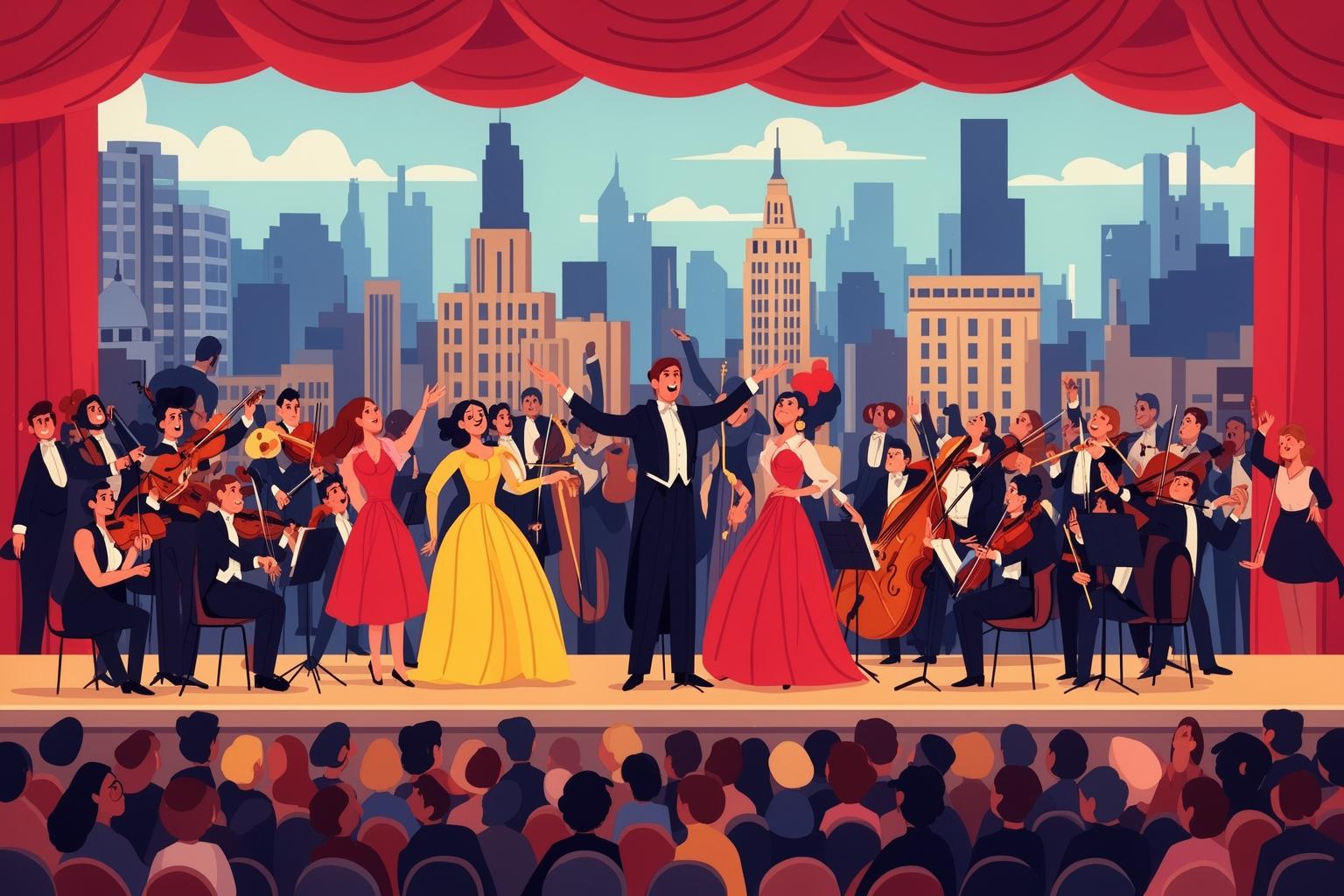
Perhaps the most transcendent and heartbreaking scene in Philadelphia is when Andrew, weak and feverish, shares his love for opera with Joe. As the mournful, soaring voice of Maria Callas singing “La Mamma Morta” fills his apartment, Andrew translates the aria’s tale of love, loss, and divine justice. The camera slowly zooms in on Tom Hanks’ face, illuminated by red light, his eyes expressing a universe of pain, ecstasy, and defiance. In that moment, the film rises above the courtroom drama to become a profound reflection on life, art, and the search for beauty amid suffering. Andrew explains the music comes from the opera Andrea Chénier, a story he saw performed at the Spectrum. This detail anchors this moment of sublime artistry to a real, tangible Philadelphia landmark. For decades, the Spectrum was the city’s premier indoor arena, home to the beloved 76ers and Flyers, and host to legendary concerts. It was a cathedral of popular culture, a space of communal experience, from championship wins to rock anthems.
A Ghost of Memory: The South Philadelphia Sports Complex
The Spectrum was demolished in 2011, but its legacy and location remain central to the city’s identity. Situated in the South Philadelphia Sports Complex, visiting the area today still evokes a powerful feeling. Standing on the ground where the Spectrum once stood, now near the modern Wells Fargo Center and Lincoln Financial Field, you can sense the energy of the city’s passionate fan base. Although entry to the arena is no longer possible, you can visit its ghost. The site serves as a reminder of time’s passage and the impermanence of the physical world, a theme that resonates deeply within the film’s narrative. The scene’s power was never about the building itself, but about the memory of the experience inside—the shared human connection of witnessing a performance. By referencing the Spectrum, the film grounds its most ethereal moment in the everyday reality of the city. For a pilgrim, visiting the Sports Complex offers a moment to reflect on memory and legacy. Perhaps listening to the aria on headphones while gazing at the new stadiums links the film’s emotional climax with the enduring spirit of this iconic Philadelphia place.
The City’s Green Heart: Rittenhouse Square
Not all of Philadelphia’s locations are marked by institutional grandeur or legal conflict. Some, such as Rittenhouse Square, provide a glimpse into Andrew Beckett’s personal, everyday life before his diagnosis upended everything. This elegant, tree-lined public square is one of the city’s most cherished green spaces, serving as a social hub surrounded by upscale apartments, stylish boutiques, and fine dining. In the film, it symbolizes a world of comfort, success, and normalcy— the life Andrew is unjustly being forced to leave behind. We see fragments of his life here, woven into the city’s vibrant fabric. Rittenhouse Square acts as a powerful backdrop, visually reminding us of what is at stake. Its manicured lawns, classical statues, and lively atmosphere stand in stark contrast to the sterile hospitals and courtrooms that soon dominate his existence. The square is like the city’s living room, a space where people from every walk of life come together. It embodies the ‘brotherly love’ the city’s name promises, making the prejudice Andrew endures feel all the more painful. It’s a place of community, from which he is being systematically excluded.
Finding Respite and Reflection
Visiting Rittenhouse Square is a must for anyone traveling to Philadelphia, offering a vital emotional respite during this particular pilgrimage. The ambiance is both refined and relaxed. Find a bench, watch dog walkers and artists, and listen to the city’s gentle hum. The square is meticulously maintained, with seasonal flower displays that brighten the space. It feels like a world apart from the solemnity of City Hall, yet it is just a short walk away. This proximity is significant. In Philadelphia, spaces of power and leisure are closely linked, just as the personal and political are intertwined in Andrew Beckett’s story. For first-time visitors, Rittenhouse Square is an ideal spot to sense the city’s contemporary rhythm. Grab a coffee from a nearby café and spend an hour simply observing. It is in these quiet moments of reflection that you can truly appreciate the city’s texture as Demme captured it—a city that is simultaneously historic and modern, grand and intimate.
The Fabric of the City: The Opening Montage and the Streets

Jonathan Demme’s direction and Bruce Springsteen’s Oscar-winning song, “Streets of Philadelphia,” are inseparably intertwined. The film’s opening montage stands as a masterpiece of visual storytelling, offering a gritty, poetic, and deeply human depiction of the city. As Springsteen’s haunting lyrics and melancholic synth beat play, the camera glides through the streets, capturing a mosaic of everyday life. We see children playing in a fountain, the bustling Italian Market, the iconic silhouette of the Benjamin Franklin Bridge, working-class neighborhoods, and the gleaming towers of Center City. These are not traditional tourist landmarks; rather, they are snapshots of the true, unvarnished Philadelphia. The montage establishes the city as a place of contrasts—wealth and poverty, joy and struggle, community and isolation. It presents the city not as a postcard, but as a living, breathing entity, full of the very people whose prejudices and compassion will shape Andrew Beckett’s fate. This sequence makes clear that Andrew’s story is not isolated; it is a Philadelphia story, born from the very streets we see before us.
Walking in Springsteen’s Footsteps
To fully complete the Philadelphia pilgrimage, you simply need to walk. Recreating the exact route of the opening montage is less important than capturing its essence. Begin in South Philly, perhaps at the vibrant, bustling Italian Market on 9th Street. This is one of America’s oldest and largest outdoor markets, a sensory overload of sights, sounds, and smells that feels untouched by time. It is the heart of a thriving immigrant community and symbolizes the city’s deep working-class roots. From there, wander north through various neighborhoods. Cross the South Street bridge for a stunning view of the skyline. Stroll through the charming, narrow streets of Queen Village and Society Hill, with their historic brick townhouses. Eventually, make your way to the Delaware River waterfront and gaze upon the majestic Benjamin Franklin Bridge. Walking this path allows you to see the city as Demme did: a collage of diverse neighborhoods, each with its own distinct character. It is on these streets that you sense the soul of the film—the melancholy, resilience, and profound humanity that Springsteen’s song so perfectly captures. This experience isn’t about finding a specific location; it’s about feeling the rhythm of the city, the very pulse that runs beneath the entire film.
A Tale of Two Law Firms: Contrasting Worlds
The film skillfully employs architecture to depict the class and power dynamics central to its narrative. There is the world of Wyant & Wheeler, the prestigious, white-shoe law firm employing Andrew Beckett, and the world of Joe Miller, the scrappy personal injury lawyer. Wyant & Wheeler occupies a gleaming, anonymous skyscraper in the heart of Center City, likely one of the towers at Liberty Place or the BNY Mellon Center. Its offices sit high above the street, offering panoramic views that distance its partners from the chaotic reality below. The sleek, cold interiors of glass and steel reflect a corporate culture that is impersonal and ruthless. It is a realm of power, privilege, and conformity—one that harshly rejects Andrew when he no longer fits its mold.
In sharp contrast stands Joe Miller’s office: a small, street-level practice, the type often advertised on late-night television. Though its exact location isn’t specified, it symbolizes the opposite of Wyant & Wheeler’s ivory tower. It’s grounded, accessible, and connected to the everyday struggles of ordinary people. When Andrew first visits, the office feels chaotic and unpretentious. This visual contrast is crucial, establishing Joe as an outsider who, like Andrew, exists beyond the exclusive corporate elite. His journey involves not only confronting his homophobia but also bridging this class divide and acknowledging their shared humanity. While the fictional offices aren’t open to visitors, you can experience this contrast simply by walking through Center City. Stand beneath the immense glass towers of the business district, then stroll a few blocks into the smaller-scale neighborhoods, and you will sense the architectural shift that powerfully emphasizes the film’s social commentary.
A Final Reflection: The Enduring Legacy in the City of Brotherly Love
To journey through Philadelphia following in the footsteps of Andrew Beckett is to engage with both a city and a film that boldly confronted a difficult truth. Jonathan Demme’s film was groundbreaking, bringing the AIDS crisis into mainstream awareness with grace, dignity, and justified anger. The city itself, with its deep-rooted history as a birthplace of liberty and justice, served as the perfect, albeit painfully ironic, backdrop for this contemporary civil rights drama. More than thirty years later, the film’s impact remains strong, and its locations continue to hold significant meaning. Visiting these sites is a deeply moving experience—an opportunity to stand where cinematic history was created, to feel the emotional weight of the story in the very atmosphere, and to connect with Philadelphia on a more profound level. From the impressive grandeur of City Hall to the quiet, thoughtful refuge of the Furness Library, from the lively bustle of Rittenhouse Square to the haunting memory of the Spectrum, each place reveals a part of the narrative. The ultimate lesson from this journey is the recognition that the struggle for justice, compassion, and understanding—the central themes of Philadelphia—is embedded in the very streets of this historic American city. It is a walk worth taking, a story worth remembering, and a city worth exploring.