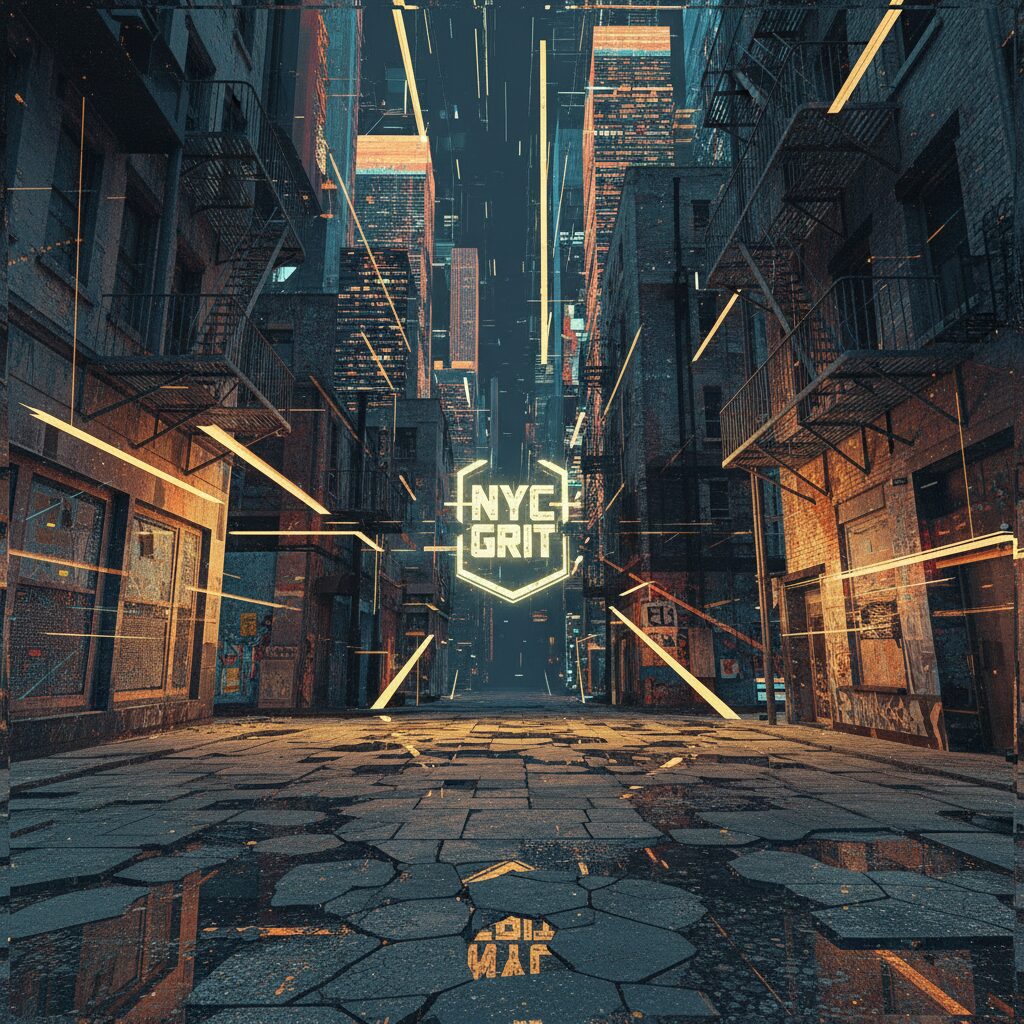
The hiss of steam from a manhole cover, a sudden downpour slicking the asphalt into a fractured mirror of neon signs, the lonely wail of a distant siren—these are the sensory fragments of Martin Scorsese’s New York. Long before the city was polished into the global capital of finance and tourism we know today, it was a different beast altogether. It was a city on the brink, a sprawling, chaotic, and often dangerous organism teeming with a raw, electric energy. In 1976, Scorsese took his cameras into the belly of this beast and created Taxi Driver, a film that wasn’t just set in New York but was about New York. It presented a vision of urban decay and psychological collapse so potent that it has been seared into our collective consciousness. The city itself becomes the film’s most formidable character, a concrete inferno that forges and ultimately consumes its anti-hero, Travis Bickle. To walk the streets of New York today is to walk through a city transformed, yet the ghost of Travis’s world lingers in the architecture, in the shadows between skyscrapers, and in the relentless rhythm of the metropolis. This is not just a tour of filming locations; it is a pilgrimage into the heart of a bygone era, a journey to understand the city that created one of cinema’s most iconic and unsettling figures. It’s an exploration of the spaces where loneliness, violence, and a desperate search for connection played out against a backdrop of urban squalor and forgotten promises. Come, let’s hail a cab and ride through the night, following the ghost of a man who just wanted the rain to wash all the scum off the streets.
This cinematic pilgrimage into urban alienation finds a powerful modern counterpart in the haunting Seoul landscapes explored in our guide to Lee Chang-dong’s ‘Burning’.
The Neon Inferno: Times Square and the Soul of the City
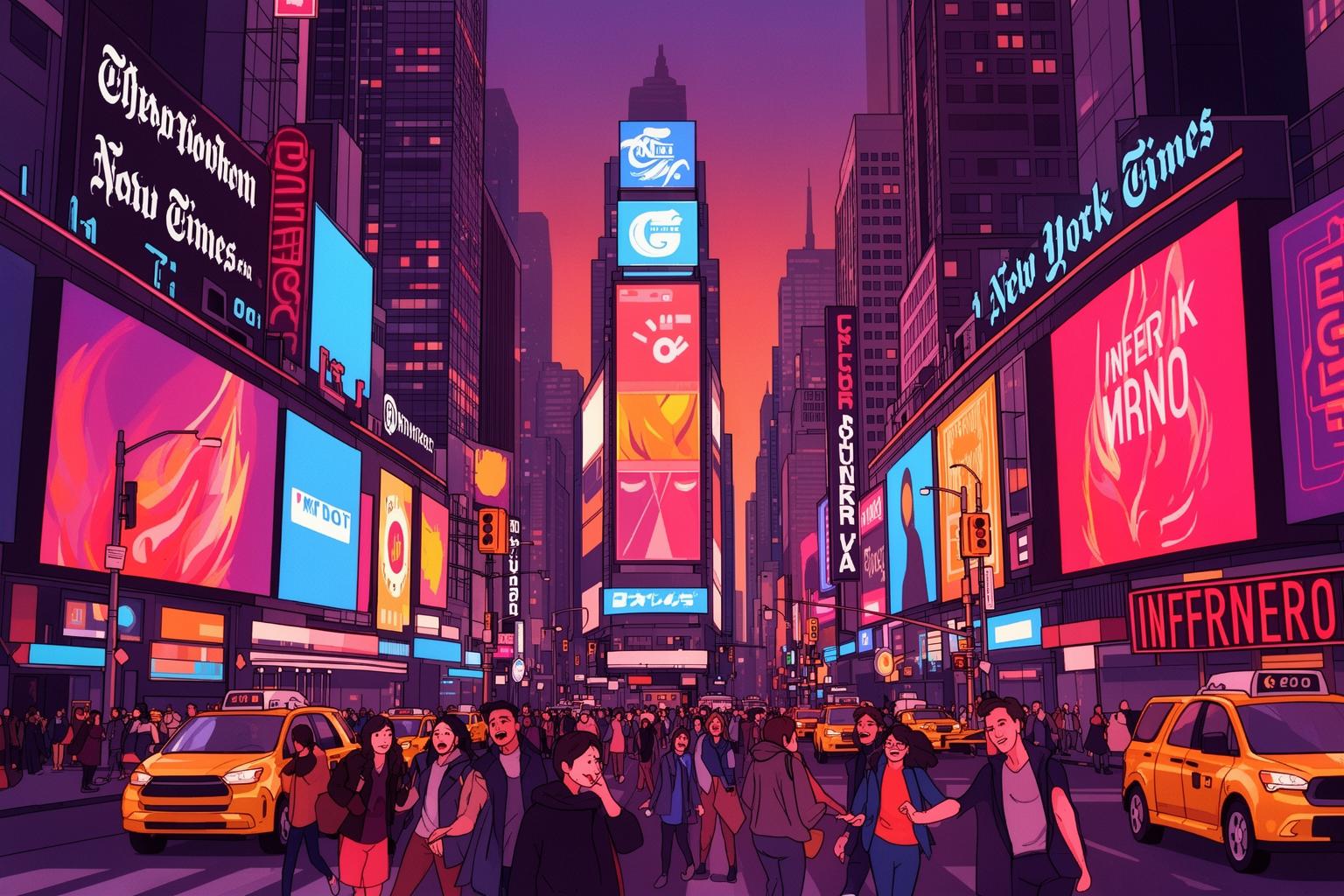
No place is more emblematic of the grime and moral ambiguity of Taxi Driver than Times Square in the 1970s. As Travis Bickle navigates its streets in his Checker cab, the camera captures more than just a location; it captures an atmosphere, a reflection of societal decay. The neon lights, which now promote Broadway shows and international brands, once flickered over a much seedier environment. They illuminated the marquees of porn theaters, the entrances to shabby peep shows, and the faces of the lost souls who roamed this nighttime world. This was the core of Travis’s revulsion—the living, breathing manifestation of the filth he felt driven to cleanse.
Then: A Carnival of Vice
Scorsese’s camera lingers on the gritty details of this world. We see Travis driving past theaters with explicit names. The camera sweeps over crowds—a chaotic, unpredictable human tide flowing beneath the lurid glow of the signs. The very air seems thick with desperation and cheap thrills. This was no tourist hotspot; it was the city’s dark, pulsating heart, a place where everything was for sale and nothing felt permanent. The film’s soundscape in these scenes is a masterful blend of urban noise—a cacophony of car horns, overlapping voices, street corner preachers, and Bernard Herrmann’s haunting, jazz-tinged score. For Travis, this was the symbol of everything rotten in the world, a place that both repelled and fascinated him. It was a landscape of temptation and sin, and his taxi became a yellow confessional booth moving through its circles of hell.
Now: A Sanitized Spectacle
Visiting Times Square today delivers a jarring sense of temporal dissonance. The transformation is breathtaking. The sleazy theaters have given way to flagship stores, family-friendly eateries, and enormous digital billboards that flood the area with an impossibly bright, clean light. The sense of danger and unpredictability has all but vanished, replaced by a carefully managed, commercialized energy. The Elmo and Spider-Man characters competing for tourist photos have replaced the hustlers and pimps of Travis’s time.
Still, a pilgrimage here is not without reward. The trick is to see beyond the overwhelming present and sense the ghosts of the past. Stand in the middle of the pedestrian plaza on a rainy evening. Watch the reflections of the giant screens ripple across the wet pavement. Though the content has changed, the sensory overload endures. You can still feel the unstoppable energy of the world’s crossroads. Picture the old marquees, steam rising from the grates, yellow cabs lined up as far as the eye can see. The physical landscape remains. The buildings that once housed dens of iniquity still stand, their facades now polished and repurposed. The best way to connect with the film’s spirit is to come late at night, after the bulk of the tourists have gone. The crowds thin, and a different kind of energy surfaces. In these quieter, more contemplative moments, you can almost hear the echo of Travis Bickle’s narration—his solitary reflections on a city that never sleeps.
Practical Pilgrimage
Getting there is easy, with nearly every subway line converging at Times Square. The key is to savor the experience. Don’t rush. Find a spot on the iconic red steps of the TKTS booth and simply watch. Observe the flow of people, the cascade of lights. Reflect on how Scorsese used this very flow to highlight Travis’s profound isolation in a sea of humanity. Though the specific theaters from the film have long since vanished, the block of 42nd Street between 7th and 8th Avenues was the heart of this gritty world. Walk this block and imagine it as it was—darker, grittier, vibrating with a different, more dangerous kind of electricity.
The Political Facade: Columbus Circle and the Palantine Campaign
If Times Square embodies the city’s blatant decay, Columbus Circle represents its deceptive hope. This is the world of Senator Charles Palantine, the presidential candidate whose polished image and promise of a brighter future sharply contrast with the harsh reality Travis endures each night. The Palantine campaign headquarters, housed in a building at Columbus Circle, is a bubble of sterile optimism suspended above the chaos of the streets below. It is here that Travis first encounters Betsy, an ethereal figure in white who seems to personify the purity he longs for. The setting itself holds significance. Columbus Circle is a grand, formal plaza at the southwest edge of Central Park, characterized by monuments, manicured lawns, and imposing corporate buildings—a stark departure from the grime of 42nd Street.
The Rally and the Unraveling
The most crucial scene filmed here is the Palantine rally. As the candidate delivers a speech full of hollow platitudes to an enthusiastic crowd, Travis stands on the outskirts, his appearance now transformed. With his head shaved into a mohawk, he is no longer just an onlooker; he becomes a specter of violence, a ticking time bomb ready to explode within this carefully crafted illusion of political order. Scorsese skillfully uses the location to heighten tension. The open space of the circle, packed with supporters waving signs, should evoke hope, but through Travis’s perspective, it turns into a hunting ground. The statue of Christopher Columbus looms behind, a silent, stony witness to the disintegration of a man and the potential collapse of the civic order he embodies.
Scorsese highlights the gap between political rhetoric and the city’s reality. While Palantine talks about change, Travis sees only persistent, unsolvable problems. His planned assassination is a twisted, desperate attempt to leave a mark, to do something that forces people to recognize the world as he perceives it. The public, open nature of Columbus Circle makes his intended act of violence all the more chilling. He aims to shatter the illusion of safety and order in one of the city’s most prominent public spaces.
Columbus Circle Today: A Hub of Commerce and Culture
Like Times Square, Columbus Circle has experienced major transformations. It is now dominated by the gleaming glass towers of the Deutsche Bank Center (formerly the Time Warner Center), a luxury shopping mall, and upscale restaurants. It remains a major transportation hub and the gateway to Central Park. A visit today reveals a space constantly in motion—a whirlwind of traffic, tourists, and locals. The grand monument to Columbus still stands at its center, a point of historical debate but an essential landmark for any Taxi Driver enthusiast.
To connect with the film, find a spot near the fountain facing the park’s entrance. This is roughly where the rally was held. Picture the crowd, the makeshift stage, the political banners. Observe the surrounding buildings, the architecture of power and influence. It is in this contrast—the formal, ordered space and the memory of the chaotic violence Travis intended—that the film’s thematic power lies. One can sense the tension between the city’s aspirations and its darker undercurrents. Afterwards, a stroll into Central Park offers a stark juxtaposition. The park’s pastoral calm is just steps away from the site of Travis’s near-breakdown, highlighting New York City’s schizophrenic nature.
Visitor’s Notes
The area is easily accessible via the A, B, C, D, and 1 trains to 59th Street-Columbus Circle. The best time to experience the location is on a weekday, when the mix of business, tourism, and local life is at its liveliest. Consider visiting in the late afternoon, as the setting sun casts long shadows from the skyscrapers, creating a dramatic, cinematic atmosphere that helps you appreciate the scale of the buildings framing this significant cinematic space.
A Glimmer of Hope, A Dash of Despair: The East Village and Betsy’s World
Travis Bickle’s life revolves around nocturnal wanderings through the city’s underbelly, but his brief and ill-fated courtship with Betsy provides a fleeting glimpse into another New York—the realm of the educated, cultured, and politically engaged. This world is centered around the East Village and Gramercy Park, neighborhoods that, in the 1970s, blended old-world charm, bohemian artistry, and a gritty edge that has since mostly vanished due to gentrification. These scenes offer a vital contrast, underscoring just how alienated Travis is from the mainstream society he so desperately wishes to join.
The Fateful First Date
After noticing Betsy at the Palantine headquarters, Travis persuades her to go for coffee. Their date takes place at the Belmore Cafeteria, once located at 28th Street and Park Avenue South. In the film, it is a brightly lit, bustling spot—a classic New York coffee shop where people from various walks of life intersect. For Travis, it represents an opportunity to appear normal and participate in the courtship rituals he has only ever observed from afar. The conversation is awkward and stilted, perfectly capturing two people from completely different worlds trying to find common ground. The venue itself, with its clean, well-lit interior, feels like a safe haven compared to the dark, rain-soaked streets Travis navigates in his taxi. Though the original Belmore Cafeteria no longer exists, replaced by a modern restaurant, the street corner remains. Standing there, one can imagine the challenge Travis faces—stepping out of his yellow cab and into a world of normalcy he fundamentally fails to understand.
The Disastrous Second Date
The tragic turning point in their relationship, and a key moment in Travis’s downfall, occurs during the notorious movie date. In a catastrophic misjudgment, Travis takes Betsy, the sophisticated political volunteer, to a pornographic theater on 42nd Street. To him, this seems normal—his world, the entertainment he knows. For Betsy, however, it is a shocking and repellent breach of social norms. The scene is painfully uncomfortable and solidifies Travis’s place as an outsider. He cannot grasp her reaction because he lacks the social framework to understand why it is inappropriate. This choice of setting is a collision of his two worlds; he drags the grime of Times Square into his attempt at forming a pure, clean connection, with disastrous results. This scene isn’t just about a bad date; it illustrates the unbridgeable gulf between Travis’s perception of reality and the world Betsy inhabits.
Exploring the Neighborhoods Today
While the cafeteria itself is gone, the surrounding neighborhoods of Gramercy Park and the East Village still offer a sense of a different New York. Walking south from 28th Street and Park Avenue South, the architecture shifts as the streets grow quieter, more residential, lined with elegant brownstones and leafy trees. This is the New York where Betsy would feel at home—more established and refined. Moving further east into the heart of the East Village, remnants of the old bohemian spirit persist, now blended with trendy boutiques and upscale cafes. In the 1970s, this area was a center of counterculture, art, and music, though it carried a rough edge. Today, that edge has softened, but the street layouts, low-rise tenement buildings, and community gardens maintain a distinctive character. A visitor can spend an afternoon wandering these streets, reflecting on the two New Yorks of Taxi Driver: the city Travis sees from his cab—threatening, corrupt, and isolated—and the city where people like Betsy live—a place of opportunity, social connection, and intellectual engagement. The tragedy of Travis Bickle lies in his ability to glimpse this other world, yet having no clue how to enter it.
The Heart of the Scum: The Lower East Side and the Final Confrontation
All of Travis Bickle’s rage, loneliness, and misguided messianic zeal culminate in the film’s terrifying, blood-drenched climax. His mission evolves from political assassination to a personal crusade: the “rescue” of Iris, the child prostitute portrayed by Jodie Foster. This pursuit brings him to a tenement building in the East Village, the setting for one of the most visceral and unforgettable sequences in American cinema. The building is more than just a backdrop; it acts as an active participant in the violence—a claustrophobic, filthy maze symbolizing the deepest depths of the urban hell Travis has been traversing.
The Building on East 13th Street
The exterior scenes of the building where Iris lives with her pimp, Sport, were shot at 226 East 13th Street, between Second and Third Avenues. In the film, the building appears menacing and dilapidated. The street is dark, and the entrance to the building feels like a gateway to another realm. Travis arrives, a self-appointed angel of vengeance, and what ensues is a ballet of brutal violence. He moves through the tight hallways, climbs the rickety stairs, guns blazing. Scorsese’s camera work here is iconic. The famed overhead tracking shot, slowly panning across the aftermath of the carnage—the blood, bodies, and spent shell casings—transforms the scene from a simple shootout into a grim tableau of urban horror. The apartment building takes on a role of its own: its narrow corridors restrict the action, its peeling paint and grimy walls mirror the moral decay inside, and its very structure feels like a trap from which no one can emerge unscathed.
The Lower East Side: Then and Now
In the mid-1970s, this section of the city, covering the East Village and the Lower East Side, was a far cry from the trendy, desirable neighborhood it is today. It was an area defined by poverty, crumbling housing, and a palpable sense of danger—a place where lost souls like Iris could easily slip through the cracks. The filmmakers required little set dressing to evoke the atmosphere of decay; it was simply the reality of the neighborhood at that time. Choosing this location was perfect for the film’s climax, as it embodied the ultimate concentration of the “scum” Travis sought to eliminate.
Visiting 226 East 13th Street today is a surreal experience. The street is now clean, safe, and lined with trees. The building itself has been renovated, its facade scrubbed clean, offering little outward sign of its infamous cinematic history. It now stands as just another apartment building within a highly sought-after neighborhood. Yet, knowing what was filmed here changes your perspective. Stand across the street and look up at the windows. Imagine the night’s events unfolding behind those walls. The contrast between the film’s brutal fiction and the location’s peaceful reality is striking. It’s a powerful reminder of how much New York has transformed. However, the architecture—the fire escapes, brickwork, and scale of the building—remains intact, providing a physical blueprint upon which the film’s nightmarish vision can be superimposed.
A Respectful Visit
It is important for any pilgrim to remember that this is a residential building. People live here. Be quiet, be respectful, and do not trespass. The purpose of a visit is not intrusion but observation and reflection. The power of this location lies in its transformation. It stands as a reminder that the city is always changing, constantly erasing and rewriting its own history. The ghosts of Taxi Driver linger here, but they are buried beneath layers of gentrification and the passage of time. Exploring the surrounding blocks can deepen this experience. Seek out older tenement buildings that have not been as thoroughly renovated. In their weathered facades and aging fire escapes, you can still glimpse a visual echo of the New York that Scorsese captured so unflinchingly.
The Lonely Cab: Travis’s Daily Grind and the City as a Cage
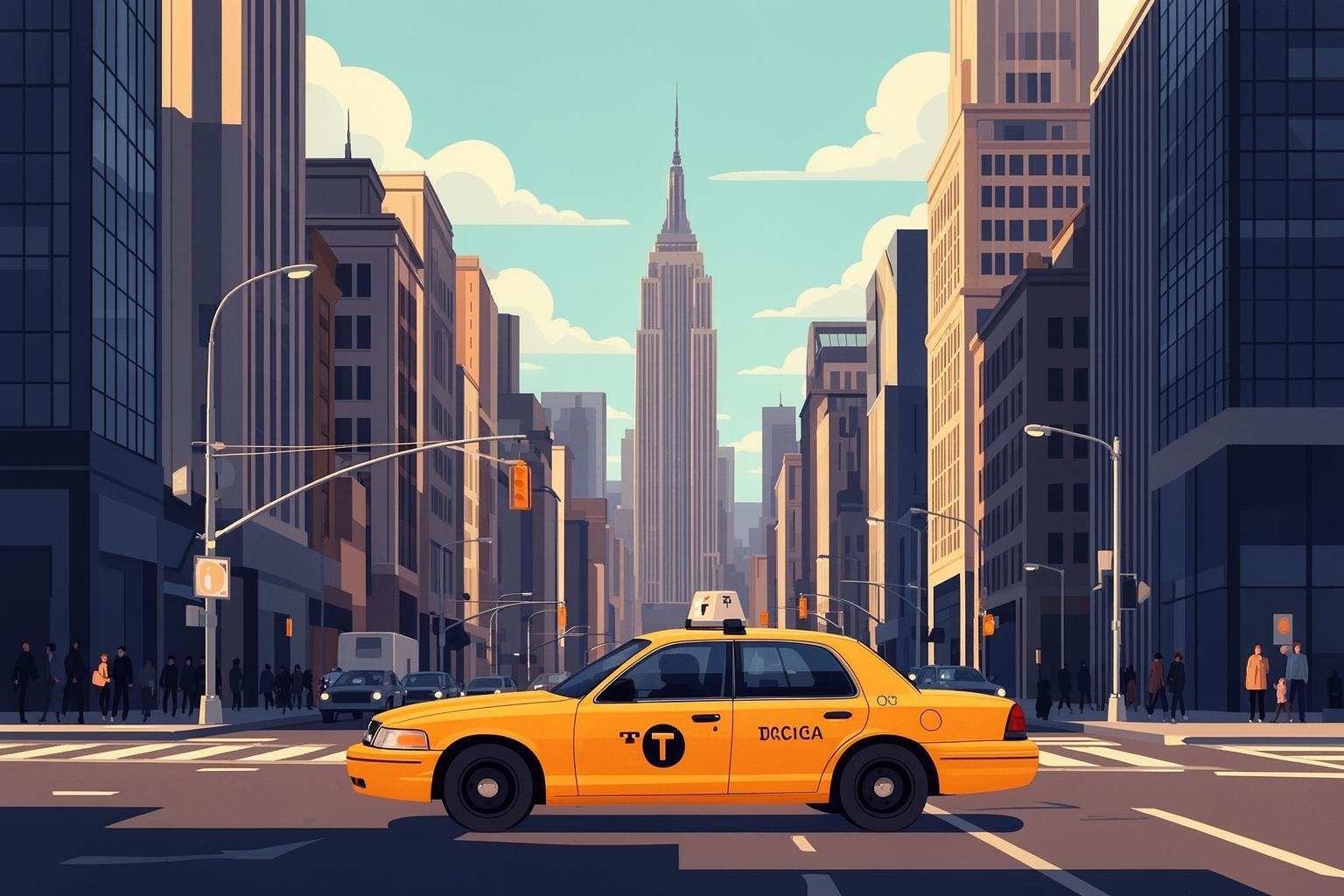
While the explosive scenes at key locations serve as the narrative anchors of Taxi Driver, much of the film’s power lies in its portrayal of the moments in between—the long, solitary hours Travis spends in his taxi. His cab acts as both a sanctuary and a prison, a yellow bubble that moves through the city while keeping him fundamentally isolated from it. These driving sequences, accompanied by Bernard Herrmann’s melancholic saxophone score, house the film’s soul. They transform New York’s streets into a flowing, abstract river of light and shadow, embodying a landscape of alienation.
A Tour Through the Windshield
Scorsese presents the city through Travis’s eyes. We see blurred neon signs, steam rising from manholes, and streetlights refracted through a rain-spattered windshield. The camera often takes on a dreamlike, almost voyeuristic quality. Fleeting vignettes of city life emerge: lovers embracing, arguments erupting on street corners, shadowy figures lurking in doorways. For Travis, these are not signs of a vibrant community, but evidence of a sick, fractured world. He is the ultimate passive observer, cataloging the city’s sins from behind the wheel. The locations in these montages are not always specific landmarks, but rather a composite of quintessential New York streets. He crosses bridges, weaves through the chaotic traffic of Midtown, and ventures into the darker, less-traveled corners of the five boroughs. The repetition of these scenes—night after night, the same lonely drive—underscores the cyclical nature of his despair.
The Garage: A Haven for the Night Crawlers
Travis’s nights both start and end at the taxi garage. Though the exact filming location is debated among film enthusiasts, it represents the gritty, industrial garages that once lined Manhattan’s West Side near the Hudson River. In the film, the garage serves as a gathering spot for the other cab drivers—a kind of purgatory where they exchange cynical stories and drink black coffee before heading out into the urban wilderness. It’s a masculine world, filled with rough language and a pervasive weariness. Travis belongs to this world, yet he remains apart from it. He listens to fellow drivers like Wizard, but their worldly advice offers no real comfort. These garage scenes are critical because they reveal that even among his peers, Travis is an outsider, unable to forge genuine connections.
Chasing the Ghost of the Yellow Cab
Today, the iconic Checker cabs from Travis’s era have vanished, replaced by a fleet of modern, uniform vehicles. The experience of hailing a cab in New York has also changed with the rise of ride-sharing apps. However, the fundamental experience of seeing the city from the backseat of a car remains intensely powerful. To connect with this aspect of the film, a late-night taxi ride is essential. Ask the driver to take you through Midtown, down to the Lower East Side, and back along the West Side Highway. Turn off your phone, look out the window, and simply watch the city unfold. Notice how the light touches the buildings, the faces of the people you pass, the overwhelming scale of it all. This is the closest you can come to experiencing Travis’s perspective. It’s a way to feel the city’s nighttime rhythm, to grasp how it can be both beautiful and menacing, and how, in its vastness, it can make a person feel utterly and completely alone.
Echoes in the Concrete: The Enduring Legacy of Travis Bickle’s New York
To embark on a pilgrimage to the sites featured in Taxi Driver is to partake in a form of urban archaeology. You are not merely visiting locations; you are seeking the spirit of a city that, in many respects, no longer exists. The gritty, dangerous, and bankrupt New York of the 1970s has been overwritten by decades of prosperity, gentrification, and civic reinvention. The grime that Travis Bickle so despised has not been cleansed by actual rain but by a metaphorical downpour—a surge of investment, tourism, and redevelopment.
So, can you still find Travis Bickle’s New York today? The answer is both no and yes. No, you won’t find 42nd Street lined with porn theaters or the dilapidated tenements of the Lower East Side in their former state of decay. The physical traces have mostly disappeared. But yes, the emotional landscape that the film explored—the deep sense of urban loneliness, the alienation experienced amidst millions, the sensation of being an invisible onlooker in a city of spectacles—that remains timeless. That feeling endures. It surfaces during a late-night subway ride in an almost empty car, when standing on a street corner in an unfamiliar neighborhood, watching people pass by, each absorbed in their own world, or in quiet moments gazing out of a taxi window at the endless sprawl of concrete and light.
Martin Scorsese’s film is more than a character study; it serves as a document of a particular time and place. It captured New York at its lowest point and, in doing so, created an image of the city that has grown iconic and influential. It has shaped how generations of residents and visitors alike perceive the Big Apple. It is the dark fairy tale lurking beneath the city’s shiny, tourist-friendly exterior.
A journey through these locations is a journey through layers of history. At Columbus Circle, you stand where political ambition meets individual desperation. In Times Square, you stand where raw vice once gave way to rampant commercialism. On East 13th Street, you stand where cinematic violence was played out in a place of real poverty, now a symbol of urban wealth. This pilgrimage isn’t about finding spots that look exactly as they did in 1976. It is about grasping the distance between then and now. It’s about sensing the echoes of the past in the present, acknowledging that every street and building in a city like New York has its own story. By walking these streets, you are not merely following in Travis Bickle’s footsteps; you are bearing witness to the relentless, beautiful, and often brutal story of New York City itself.