
There are films that entertain, films that shock, and then there are films that seep into your very soul, leaving an indelible mark on how you see the world. Zhang Yimou’s 1994 masterpiece, “To Live” (活着, Huózhe), is unequivocally one of the latter. It is an epic, heart-wrenching chronicle of one family’s journey through the turbulent tides of 20th-century Chinese history. We follow Xu Fugui, played with devastating brilliance by Ge You, from his days as a reckless gambler in the 1940s to his quiet endurance as an elderly man in the post-Mao era. His life, intertwined with that of his steadfast wife Jiazhen (the luminous Gong Li), becomes a testament to the resilience of the human spirit in the face of unimaginable hardship. The film is a quiet roar, a profound meditation on fate, family, and the simple, desperate act of surviving. To watch it is to be fundamentally changed. But what if you could do more than just watch? What if you could walk through the very streets that Fugui and Jiazhen walked, feel the same sun on your face, and touch the ancient walls that bore silent witness to their cinematic story? This is the promise of a pilgrimage to the filming locations of “To Live.” This journey takes us to two distinct, yet spiritually connected, corners of China: the desolate, cinematic grandeur of Zhenbei Fort West Film Studio in Ningxia, and the perfectly preserved, living museum of Pingyao Ancient City in Shanxi. These places are not mere backdrops; they are characters in their own right, imbuing the film with a palpable sense of history and raw, earthen truth. They are where the fictional struggle of the Xu family was brought to life, and where the echoes of China’s own tumultuous past can still be felt. This guide is your invitation to step through the screen, to trace the footsteps of Fugui and Jiazhen, and to discover the enduring soul of a nation captured on film.
This cinematic pilgrimage to the heart of China’s history mirrors the profound journey one can take through the filming locations of The King’s Speech, where another nation’s story was brought to life on screen.
The Soul of Fugui’s World: Zhenbei Fort West Film Studio
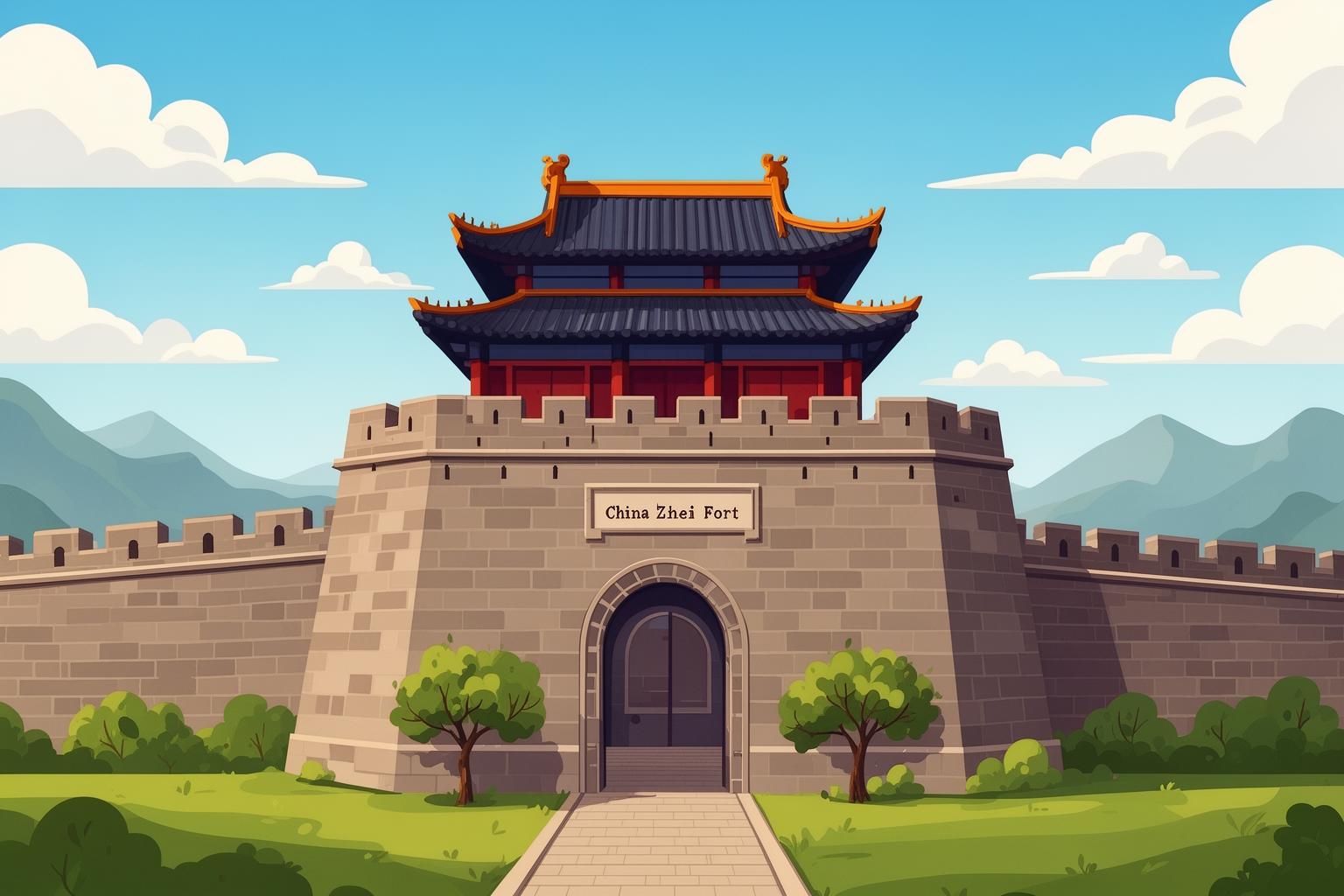
Our first destination is a place forged by conflict and reimagined through cinema—a sprawling complex of ochre-hued earth rising from the stark plains of the Ningxia Hui Autonomous Region. This is Zhenbei Fort West Film Studio (镇北堡西部影城), often called “The Hollywood of the West.” Here, the boundary between history and cinematic fantasy melts into a captivating mirage beneath the vast, relentless sky. Many of the most iconic and heart-wrenching scenes of “To Live” were filmed here, capturing the essence of rural life and the brutal, sweeping changes that shaped Fugui’s existence. The studio’s raw, unpolished aesthetic provided the perfect backdrop for Zhang Yimou to paint his vivid portrait of struggle and survival.
A Citadel of Cinema in the Gobi Desert
The history of Zhenbei Fort is as dramatic as the films it now hosts. Originally a genuine military garrison during the Ming and Qing dynasties, it was a frontier outpost built to defend against nomadic tribes from the north. The two main sections of the studio—the Ming Castle and the Qing Castle—are the authentic remnants of these fortifications, with massive rammed-earth walls bearing the weight of centuries. In the 1980s, renowned Chinese author Zhang Xianliang recognized the cinematic potential of this desolate, historic site. He saw that its raw, dramatic landscapes and preserved architecture could tell powerful stories of China’s past. Consequently, it was transformed into one of the nation’s most important outdoor film studios. Before “To Live,” it had already gained fame as the location for Zhang Yimou’s breakout film “Red Sorghum,” and later became iconic as the setting for Stephen Chow’s fantasy-comedy classic “A Chinese Odyssey.” Yet for fans of “To Live,” Zhenbei Fort holds a deeper reverence. It stands as the physical embodiment of Fugui’s world during the most transformative and difficult chapters of his life.
Walking in Fugui’s Footsteps
Stepping into Zhenbei Fort feels like entering the very frames of the film. The dusty, windswept streets are instantly recognizable—you can almost picture Fugui, carrying his shadow puppet theater on his back, trudging along these paths. One of the most poignant areas is the recreated village square, where the community gathered, political slogans adorned the walls, and the collective fervor of the Great Leap Forward was staged. Here you’ll find the communal smelting furnaces—the crude backyard steel-making operations portrayed with tragic irony in the film. Surrounded by props and meticulously weathered facades, the film’s story becomes tangibly present. You can easily locate the spots where exhausted villagers labored through the night or where Fugui performed shadow plays to lift spirits. The marketplace set is another vital location, where you can imagine Jiazhen quietly selling hot water, her calm determination contrasting sharply with the chaotic crowd. The “To Live” set designers skilfully enhanced the fort’s existing structures to craft a convincing portrait of a rural Chinese town in the throes of immense political and social upheaval. As you wander, notice the small details: weathered wooden doors, stone-paved courtyards, and the simple, austere interiors of recreated homes. Every element was carefully selected to deepen the film’s realism, and seeing them firsthand creates a profound, visceral connection to the story.
The Texture of Time
The atmosphere at Zhenbei Fort is truly distinctive. It is a space of profound silence and expansive openness. The wind whispers through empty alleyways, carrying the fine yellow dust of the Gobi Desert. The sun beats down fiercely, casting sharp, deep shadows. This harsh, unforgiving environment perfectly mirrors the severity of the lives depicted in “To Live.” A palpable sense of history permeates the place, but it’s a layered history. The ancient reality of the military fort sits atop the cinematic realities of countless films, resulting in a dreamlike experience where you’re never sure if the wall you touch belongs to the Ming dynasty or is a movie prop. This ambiguity adds to the magic, inviting reflection on storytelling itself—how history is remembered, retold, and reimagined on screen. The vast surrounding landscape, with the Helan Mountains in the distance, constantly reminds visitors of nature’s indifference to human drama, a central theme in the film. Fugui’s personal tragedies unfold against this immense, immutable backdrop, making his simple act of living all the more heroic.
A Filmmaker’s Playground
What makes Zhenbei Fort especially engaging for visitors is its interactive nature. Unlike many film sets that are closed off or dismantled, this studio encourages you to explore freely. You are invited to open doors, peek into recreated homes, and touch the props. One popular activity is renting period costumes—for a small fee, you can dress as a character from your favorite film, perhaps in the modest blue cotton of a villager from Fugui’s era or the elaborate robes of a dynastic warrior. This simple act of dressing up can be unexpectedly powerful, shifting you from passive observer to active participant in the cinematic world. Visitors often re-enact scenes, pose for photos in iconic spots, and laugh as they immerse themselves in the fantasy. The studio also hosts demonstrations of traditional crafts and performances, including occasional shadow puppetry, which creates a poignant connection to Fugui’s own art form. Exploring the studio is a journey of discovery: around every corner lies a new alley, a hidden courtyard, or a familiar facade that sparks memories from the film. It is a place that celebrates the art of filmmaking while honoring the layered history on which it rests.
Practical Pilgrim’s Guide to Zhenbei Fort
A trip to a destination as remote and distinctive as Zhenbei Fort calls for some preparation to ensure a smooth and fulfilling experience. Think of it as getting ready for a journey into another era. The travel itself is part of the pilgrimage, moving you from the modern hustle of the city into the stark, cinematic scenery of northwest China. Here’s what you need to know for a seamless and memorable visit.
Getting to the Desert Citadel
Yinchuan, the capital of Ningxia, serves as the gateway to Zhenbei Fort. Yinchuan is a pleasant, modern city with its own airport (Yinchuan Hedong International Airport, INC) and a high-speed train station, making travel from major cities like Beijing, Shanghai, and Xi’an convenient. From Yinchuan, the film studio lies about 35 kilometers (22 miles) to the west. You have several options for this final stretch. The most convenient choice is hiring a private car or taking a taxi, which offers flexibility with your schedule and is surprisingly affordable, especially for small groups. You may negotiate a round-trip fare with the driver, who can wait for you at the studio. A more economical option is to take one of the tourist buses (游览车) departing from designated stations in Yinchuan, such as the Beimen Tourist Bus Station. These buses are comfortable, operate regularly during peak season, and the roughly hour-long drive offers scenic views as you leave the city behind, approaching the vast plains beneath the Helan Mountains. Seeing the earthen forts rise from the flat landscape is a striking introduction to the world ahead.
Exploring the Studio City
Zhenbei Fort is expansive, so plan to spend at least half a day—or more—exploring thoroughly. The studio is divided into three main parts: the Ming Castle, the Qing Castle, and a street area called “Old Yinchuan Street.” One ticket grants entry to all sections. The Ming Castle is the older, more rugged fort with a raw, primal atmosphere, while the Qing Castle is somewhat more polished, featuring many of the best-known sets, including the iconic gate from “A Chinese Odyssey.” Both castles were used in the film “To Live” to portray various aspects of village life. Picking up a map at the entrance is recommended, but the true enjoyment comes from wandering the intricate alleyways. Wear comfortable walking shoes, as you’ll be on your feet for hours, navigating uneven dirt paths and stone steps. The ground can be dusty, so avoid your best clothes. A suggested itinerary is to start at the Ming Castle, immersing yourself in its older, atmospheric environment, then move to the Qing Castle to view the more elaborate sets, and finally stroll through Old Yinchuan Street, which recreates the city’s historic look and offers plenty of places to rest and grab a snack.
Optimal Times to Visit
The timing of your visit greatly influences your experience. Ningxia’s climate is extreme—summers (June to August) are scorching, with temperatures often exceeding 35°C (95°F), making prolonged exploration of the sun-exposed sets difficult. Winters (December to February) are bitterly cold and windy. Thus, the ideal visiting periods are spring (April to May) and autumn (September to October), when the weather is mild and pleasant with clear skies perfect for photography. The golden hour near sunset is particularly enchanting, casting long shadows and bathing the earthen walls in warm, golden light, enhancing the cinematic and otherworldly vibe of the studio. If possible, plan your visit on a weekday to avoid weekend and holiday crowds. A quieter trip allows deeper immersion in the unique atmosphere and a stronger sense of the films made here.
Taste Local Flavors and Stay Nourished
Exploring Zhenbei Fort’s vast grounds will likely build your appetite. Within the studio, especially around Old Yinchuan Street, numerous food stalls and small eateries offer local snacks and dishes. This is an excellent chance to try Ningxia’s distinctive cuisine, renowned for its lamb and mutton specialties. Be sure to sample dishes like hand-pulled lamb noodles (羊肉搓面, yángròu cuōmiàn) or lamb skewers (羊肉串, yángròu chuàn). Another local favorite is roujiamo, a type of flatbread filled with spiced meat. For a refreshing pause, seek out stalls selling locally grown wolfberries (goji berries), for which Ningxia is famous, or enjoy a cup of traditional eight-treasure tea (八宝茶, bābǎochá), a sweet and fragrant beverage. Most importantly, stay well-hydrated—the desert climate is very dry, so carry a water bottle and refill it when possible. Drinking plenty of water is vital, particularly on warm days.
The Enduring Walls of History: Pingyao Ancient City

From the constructed cinematic reality of Zhenbei Fort, our journey leads us southeast to Shanxi province, to a place where history is not merely a backdrop but a living, breathing presence. This is Pingyao Ancient City (平遥古城), a UNESCO World Heritage Site and one of the best-preserved walled cities in all of China. While Zhenbei Fort provided the raw, rural setting for Fugui’s life, Pingyao served as the ideal location for the film’s earlier scenes, representing the bustling, prosperous town of his youth before the revolution, as well as the quiet, enclosed courtyards that witnessed his family’s dramatic fall from grace and their ensuing struggles. Strolling through Pingyao is like stepping back in time—not just to the 1940s of the film, but deep into the heart of Ming and Qing dynasty China.
A Living Relic of Imperial China
Pingyao’s importance goes far beyond its role in “To Live.” In the 19th century, it was the financial hub of China. The city housed the Rishengchang Draft Bank, the nation’s first bank, which pioneered a remittance system that revolutionized trade. The immense wealth generated here remains evident in the grand courtyard homes, ornate temples, and the formidable city wall that encircles everything. The wall itself, built in the 14th century, is a marvel of engineering, stretching more than six kilometers and punctuated by 72 watchtowers. What makes Pingyao special, and why Zhang Yimou selected it, is its extraordinary preservation. Unlike many other Chinese cities that were modernized, Pingyao’s historic core remains largely intact. The street layout, architecture, and overall atmosphere offer an authentic glimpse into a bygone era. For “To Live,” this meant the crew didn’t need to construct a large set to recreate a pre-communist city; they simply filmed within the genuine location. This authenticity imparts a powerful sense of place and time to the film’s opening sequences.
Tracing Jiazhen’s Path Through Stone-Paved Alleys
As you wander through Pingyao’s main streets and narrow alleys, scenes from “To Live” come vividly to mind. South Street (南大街), the city’s main thoroughfare, is where you can envision the vibrant street life shown in the film—the vendors, rickshaws, and the palpable energy of a thriving commercial center. This was the world Fugui lost to his gambling addiction. The film extensively used the city’s numerous courtyard residences (四合院, sìhéyuàn). These traditional homes, with inward-facing rooms arranged around a central courtyard, are the core of Pingyao’s architecture and social life. It is within one of these courtyards that the intimate family scenes of Fugui’s household unfold. You can almost hear Jiazhen’s gentle voice or the laughter of their children, Youqing and Fengxia, resonating off the gray brick walls. Though the specific courtyard used as the Xu family home is not officially marked, visiting any of the well-preserved residences open to the public, such as a former wealthy merchant’s home, provides a strong sense of the setting. You can observe the intricate wood carvings, paper-covered lattice windows, and stone details that defined their world. The quiet, enclosed nature of these courtyards fosters intimacy and seclusion, making them the perfect stage for the family’s personal dramas to develop, sheltered from, yet always impacted by, the turbulent history unfolding beyond their walls.
The Echoes of a Bygone Era
Pingyao’s atmosphere is enchanting, especially in the early morning and late evening when the day-trippers have departed. At dawn, a soft mist often drifts over the curved tile roofs, and the only sounds are the sweeping of brooms and the distant ringing of bicycle bells. It is a moment of deep tranquility. In the evening, the city transforms; red lanterns are lit, casting a warm, magical glow over the stone-paved streets. The air fills with inviting aromas from courtyard restaurants—the sharp, savory scent of Shanxi vinegar, the sizzle of stir-fries, and the comforting fragrance of steamed buns. This sensory experience transports you, making you feel less like a tourist and more like a time traveler. The absence of modern vehicles inside the walls (except for service vehicles and electric tourist carts) preserves this historical illusion. The feeling is one of authenticity and living history. Unlike a museum, Pingyao is not a static exhibit. People still reside and work within these ancient walls, their daily lives unfolding against a backdrop of centuries-old architecture. This living quality is what makes the city so captivating: it feels real, tangible, and deeply connected to the human stories—in both reality and fiction—that it has sheltered.
Beyond the Film Set
While searching for “To Live” filming locations is a wonderful way to guide your visit, Pingyao offers a rich array of other historical treasures that deepen your understanding of the world Fugui and Jiazhen inhabited. A must-do is walking or cycling along the ancient city wall’s top, which offers stunning panoramic views of the entire city—a sea of gray-tile roofs stretching before you. This perspective conveys the city’s scale and its self-contained, protected nature. Be sure to visit the Rishengchang Draft Bank, the birthplace of modern Chinese banking. The museum within tells the fascinating story of how this small-town institution created a financial network spanning the nation. Understanding this commercial and financial history contrasts sharply with the poverty and hardship that would sweep across the country later, as depicted in the film. Other important sites include the County Government Office (县衙, xiànyá), a well-preserved local administrative center, and the Temple of the City God (城隍庙, chénghuángmiào), a beautiful complex blending Taoist and Buddhist elements. Exploring these locations provides a deeper appreciation of the complex social, economic, and spiritual fabric of a world violently torn apart by the events portrayed in “To Live.”
A Traveler’s Companion to Pingyao
Visiting a living historical treasure like Pingyao offers an immersive experience. To fully enjoy your journey through this walled city, a bit of practical knowledge can be very helpful. From navigating the high-speed rail system to selecting the ideal courtyard hotel, these tips will assist you in settling in and truly appreciating the unique rhythm and charm of this ancient place. Proper planning will enable you to move beyond mere sightseeing and genuinely connect with the spirit of the city.
Journey to the Heart of Shanxi
Pingyao is exceptionally well-connected, thanks to China’s vast high-speed rail network. The easiest way to get there is by train to Pingyao Gucheng Station (平遥古城站), situated a few kilometers outside the ancient city walls. High-speed trains run frequently from major cities like Beijing (about 4 hours), Xi’an (around 3 hours), and the provincial capital, Taiyuan (approximately 40 minutes). Upon arrival at the station, you’ll find plenty of taxis and electric buggies ready to take you to one of the gates of the ancient city. It’s wise to have your hotel’s name and address written in Chinese characters to show the driver. Once you pass through the city gates, the modern world fades away. Cars are prohibited inside, so the last part of your journey to the hotel will likely be by a small electric cart arranged by your accommodation or hailed on the street. This transition is part of the experience—the noise of traffic diminishes, replaced by the soft hum of the electric cart and the lively chatter of people on the streets.
Where to Stay and Wander
To truly soak in the atmosphere of Pingyao, staying within the ancient city walls is essential. The city is dotted with charming guesthouses and hotels converted from historic courtyard residences. Staying in one of these traditional inns (客栈, kèzhàn) is an experience on its own. You’ll sleep in rooms furnished with classic wooden furniture, such as a canopy bed, and awaken to the peaceful quiet of a private courtyard. These hotels range from budget-friendly to more upscale boutique options, but all offer a unique sense of place that a modern hotel outside the walls cannot match. Once settled, the best way to explore Pingyao is on foot. The city is compact and easily walkable. Simply wandering without a strict itinerary can be the most rewarding way to uncover hidden temples, quiet alleys, and local life. For longer distances or when your feet need a rest, you can rent a bicycle or hire one of the many electric carts for a guided tour of the main sights. A combo ticket is available that grants access to all major attractions within the city, including the wall, the bank, and various temples and museums. This is the most economical way to see the highlights.
The Tastes of Shanxi
Shanxi province’s cuisine is distinct and delicious, and Pingyao is an excellent place to sample it. The region is especially famous for two things: its aged vinegar (老陈醋, lǎo chéncù) and its incredible variety of noodles (面食, miànshí). Shanxi vinegar is dark, complex, and aromatic, often used as a dipping sauce or ingredient in many local dishes. Don’t be surprised to see locals adding a generous splash to nearly everything! The noodle culture here is legendary. You must try dao xiao mian (刀削面), or knife-cut noodles, where a chef shaves dough ribbons directly from a large block into boiling water. The noodles that result are chewy and irregular—perfect for soaking up rich broths and sauces. Other local specialties include Pingyao beef (平遥牛肉), a slow-cooked, spiced beef that is tender and flavorful, and kaolaolao (栲栳栳), steamed oat noodles rolled into tubes and served with various toppings. Dining in Pingyao is often a cozy experience, with many of the best restaurants located within the atmospheric courtyards of old homes. It’s a culinary journey that adds a rich layer to your travel experience.
Planning Your Time
To truly appreciate Pingyao, plan to spend at least two full days and two nights here. This gives you enough time to see the main attractions without rushing and to experience the city’s magical atmosphere in both the morning and evening. A good itinerary would dedicate the first day to the city’s “main axis”: walk the city wall, explore the Rishengchang Draft Bank, the County Government Office, and the bustling South Street. On the second day, dive deeper by wandering off the main streets into quieter residential alleys, seeking out architectural styles reminiscent of “To Live,” and perhaps visiting some less-crowded temples. If you have a third day, consider a short trip beyond the city walls to visit Shuanglin Temple, famous for its stunning collection of ancient painted clay sculptures, or the Wang Family Courtyard, a vast and intricate residential complex offering insight into the opulent lifestyle of Shanxi’s historical elite. This pace balances structured sightseeing with spontaneous discovery—the perfect way to experience a city as rich as Pingyao.
The Deeper Resonance: Why This Pilgrimage Matters

A journey to the filming locations of “To Live” is more than mere cinematic tourism; it is an exploration of the profound themes that have cemented the film as a timeless masterpiece. By traversing these landscapes, you engage with the story on both a physical and emotional level that viewing it on screen cannot replicate. This pilgrimage bridges the divide between fiction and reality, art and history, offering a richer understanding of both the film and the nation it depicts.
More Than Just a Movie Set
The central theme of “To Live” is resilience—a tale of ordinary people’s remarkable capacity to endure immense suffering, find moments of joy amid tragedy, and simply persist. Visiting Zhenbei Fort and Pingyao brings this theme vividly to life. The stark, windswept plains of Ningxia and the enduring stone walls of Pingyao stand as tangible testaments to survival. These places have withstood the ravages of time, war, and political upheaval. Standing in the dusty square where Fugui’s son, Youqing, met his tragic fate, or wandering through a quiet Pingyao courtyard where the family sought warmth and comfort, you feel the gravity of their story. The physical surroundings cease to be mere scenery; they become active participants in the narrative, their textures and atmosphere deepening the film’s emotional resonance. This journey lets you experience the grit of the yellow earth and the coolness of ancient stone—textures that symbolize the perseverance of the Chinese people, as embodied by Fugui and Jiazhen.
Zhang Yimou’s Vision of China
Zhang Yimou, one of China’s most revered directors, is known for his striking visuals and profound engagement with Chinese history and culture. He shares a deep connection with the landscapes of his homeland, especially the rugged, earthy tones of the northwest. The Loess Plateau, with its distinctive yellow soil, recurs throughout his work as a symbol of both the cradle of Chinese civilization and the tremendous hardships endured by its people. Zhenbei Fort and Pingyao are prime examples of the settings he employs to tell his stories. These sites are not conventionally beautiful; rather, they possess a raw, powerful authenticity. Visiting these locations offers insight into his directorial vision. You understand why he selected these specific places to frame his narrative. The vast, empty expanses of Ningxia underscore the characters’ isolation and vulnerability, while the enclosed, labyrinthine alleys of Pingyao mirror the complex and often inescapable web of family and social obligations. This pilgrimage becomes a lesson in cinematic language, revealing how a director uses place to communicate meaning and evoke emotion.
A Journey into the Heart of Modern Chinese History
For many outside China, the historical events portrayed in “To Live”—the Chinese Civil War, the founding of the People’s Republic, the Great Leap Forward, and the Cultural Revolution—may seem abstract or distant. Visiting these filming sites provides a tangible and accessible gateway into this complex and often painful history. The recreated communal furnace at Zhenbei Fort is more than a prop; it embodies the misguided zeal and devastating consequences of the Great Leap Forward. The tranquil, traditional courtyards of Pingyao quietly contrast with the radical and chaotic changes soon to sweep the country during the Cultural Revolution. Being physically present in these spaces invites reflection on the real human stories behind sweeping historical narratives. The film’s intimate focus on one family becomes a universal lens through which to grasp the impact of these events. Thus, the journey transcends a simple film tour, transforming into a powerful, immersive history lesson that fosters empathy and a deeper appreciation of the profound changes shaping modern China.
Essential Tips for the ‘To Live’ Trailblazer
Embarking on this unique pilgrimage calls for a mix of practical preparation and an open, inquisitive mindset. As an experienced planner, I know that a few essential tips can be the difference between a good trip and an unforgettable one. These suggestions aim to ensure your journey is comfortable, respectful, and deeply fulfilling, allowing you to fully appreciate the cinematic and historical marvels around you.
Packing and Preparation
Your packing list should prioritize comfort and practicality. Above all, comfortable walking shoes are essential. You will be spending many hours on your feet, navigating everything from dusty desert trails at Zhenbei Fort to ancient stone-paved streets in Pingyao. Given Ningxia’s desert climate, sun protection is crucial. Bring a wide-brimmed hat, sunglasses, and high-SPF sunscreen. The air is very dry, so lip balm and moisturizer are also smart additions. Dress in layers; even on warm days, evenings can cool down, and the wind may pick up unexpectedly. Lightweight, breathable fabrics work best. The same approach applies in Pingyao. Consider packing a slightly dressier outfit for evenings, as dining in historic courtyard restaurants can be a delightful experience. A good camera is, of course, vital for capturing the stunning cinematic landscapes. Lastly, bring any personal medications you require along with a small first-aid kit. Although pharmacies are available, having your essentials on hand is always wise.
Cultural Etiquette and Communication
Traveling in China offers a deeply immersive cultural experience. Making an effort to understand and respect local customs will be greatly appreciated. Learning a few basic Mandarin phrases can open doors and foster friendly interactions — greetings like “Nǐ hǎo” (你好, hello) and expressions of gratitude such as “Xièxiè” (谢谢, thank you) go a long way. In rural areas or among older generations, English may be less common. A translation app on your smartphone can be an invaluable communication tool. When visiting temples or historical sites, dress modestly and behave respectfully. Generally, Chinese people are welcoming and curious about foreign visitors, especially those who show genuine interest in their culture and history. Don’t hesitate to smile and engage with locals. When dining, be adventurous and try local specialties. Tipping is uncommon in China. Above all, a positive and patient attitude is your greatest asset; travel may involve unexpected delays or challenges, and approaching them with good humor will make your journey far more enjoyable.
Managing Your Budget
One of the benefits of traveling to these regions of China is their relative affordability compared to major coastal cities like Shanghai or Beijing. Your main expenses will include transportation, accommodation, entrance fees, and food. It’s advisable to book high-speed train tickets in advance, especially during peak travel seasons, to secure the best prices and guarantee availability. Both Yinchuan and Pingyao offer a wide range of accommodations, from budget-friendly guesthouses to more comfortable hotels, allowing you to choose based on your budget. Entrance fees to Zhenbei Fort and the combo ticket for Pingyao are fixed, helping you plan accordingly. Food is generally very affordable, especially when eating at local, family-run restaurants. While cash remains useful for smaller purchases, mobile payments through apps like Alipay or WeChat Pay dominate in China. It’s worth setting one of these up before your trip for convenience. Overall, a well-organized trip to these remarkable locations can provide tremendous value, delivering a rich and meaningful travel experience without overspending.
This journey is more than a trip; it is a dialogue with a film, a conversation with history, and a reflection on the enduring strength of the human spirit. Walking the dusty roads of Zhenbei Fort lets you sense the vastness and hardship that shaped Fugui’s life. Strolling the lantern-lit alleys of Pingyao immerses you in the fragile, beautiful world he lost. This pilgrimage doesn’t just show you where To Live was filmed; it helps you understand why it was made, and why its message of simple, profound survival continues to resonate so deeply worldwide. So, watch the film once more, let its story settle within you, and then, when you’re ready, step beyond the screen. The world of Fugui and Jiazhen awaits, ready to share its quiet, powerful truths with those willing to undertake the journey.