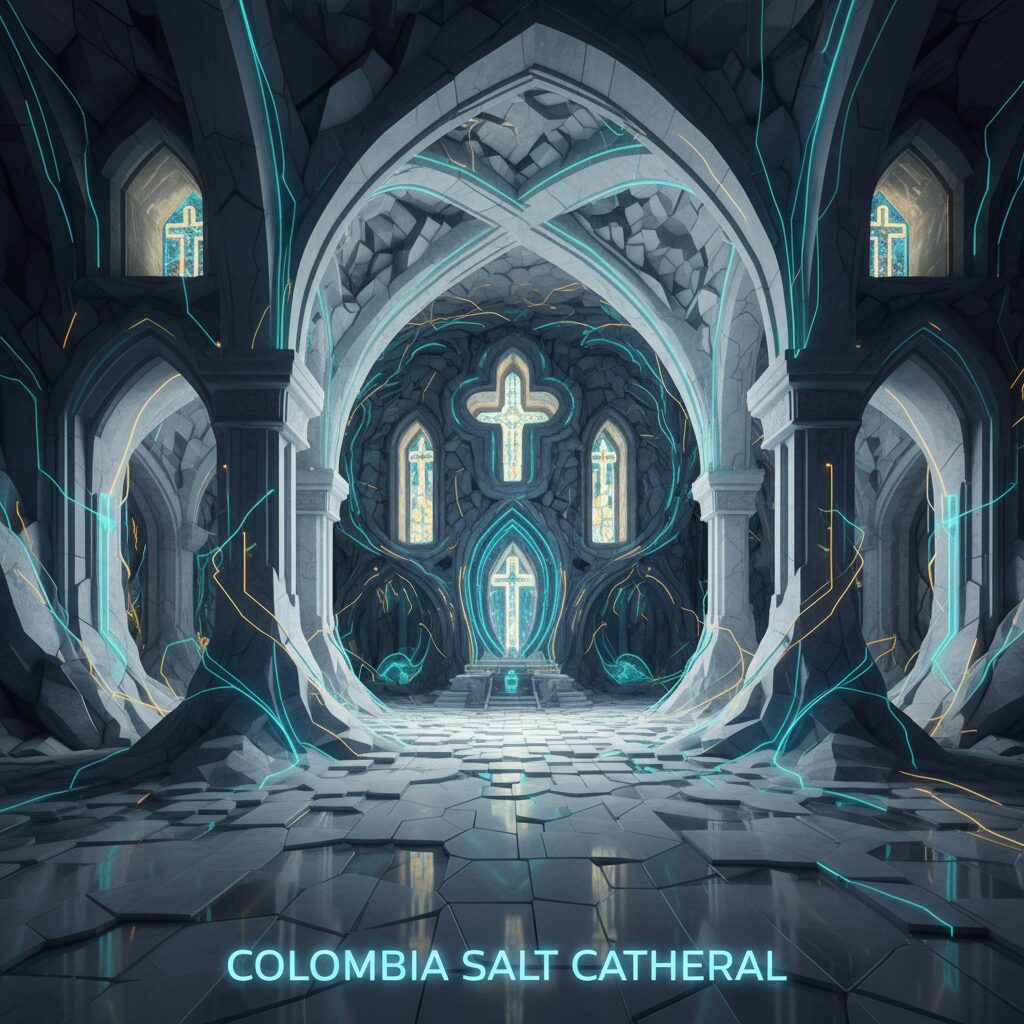
A whisper on the streets of Bogotá, a rumor carried on the cool Andean air, speaks of a sanctuary not built towards the heavens, but carved deep within the earth. It tells of a cathedral sculpted from salt, a place where faith and geology intertwine in a breathtaking subterranean spectacle. This is the Salt Cathedral of Zipaquirá, a modern marvel of architecture and a testament to human devotion, nestled 200 meters underground in the heart of a functioning salt mine. It’s more than a church; it’s an immersive art installation, a journey through darkness into astonishing light, a pilgrimage that begins not with an ascent, but with a profound and humbling descent. For the traveler seeking not just sights but sensations, Zipaquirá offers an experience that resonates deep within the soul, a memory etched not in stone, but in crystalline salt. This is a day trip from the bustling capital that feels like a voyage to another world, a place where the planet’s ancient heart beats in rhythm with the whispered prayers of miners and pilgrims alike. It is a journey into the earth’s quiet, sacred core, a story waiting to be discovered just beneath the surface.
For those seeking other profound journeys of faith and discovery, consider a different kind of pilgrimage to Svalbard.
The Passage from City to Sanctuary
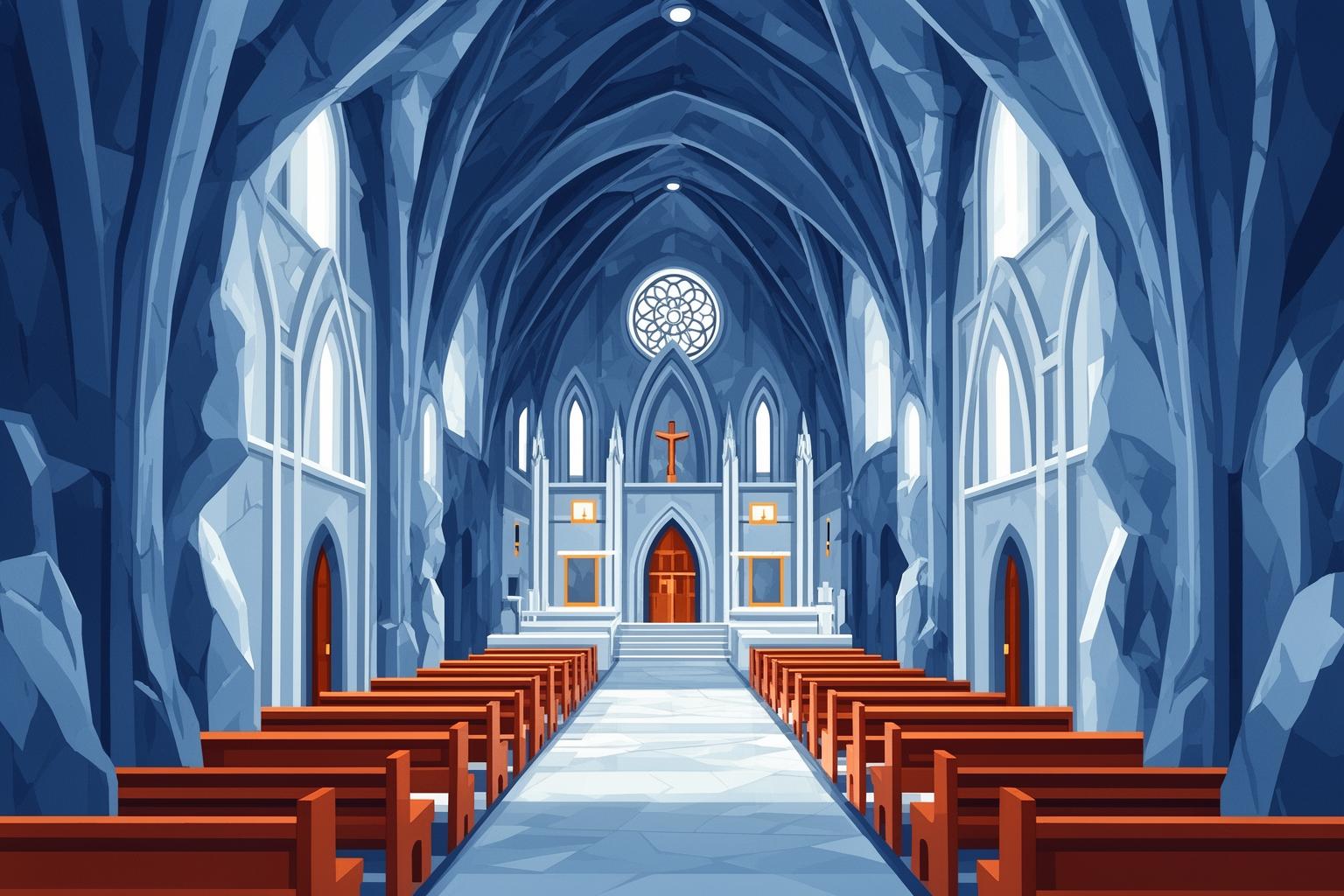
The day begins amid the vibrant chaos of Bogotá, a city of nearly eight million people spread across a high-altitude plateau. The air is thin and crisp, infused with the aroma of arepas and strong tinto coffee. But the true destination lies beyond the city’s expanse, in the Cundinamarca department, a region of green hills and colonial towns. The journey to Zipaquirá is part of the pilgrimage, a gradual shedding of the urban layers. You have options, each with its own pace. There’s the Turistren de la Sabana, a vintage steam train that chugs through the countryside on weekends. It’s a romantic, leisurely choice, complete with live music and the nostalgic hiss of steam, turning the journey into a celebration. The train cars, with their polished wood and brass fittings, feel like a portal to another era, slowing time as the cityscape gives way to sprawling farms and eucalyptus groves. It’s a beautiful, unhurried unfolding of the landscape.
Alternatively, for a more authentic, everyday Colombian experience, there is the bus. The trip begins at the Portal Norte station of the TransMilenio system, Bogotá’s network of red buses. Here, the city’s rhythm is tangible. You find the inter-municipal buses marked ‘Zipa,’ and for a modest fare, you’re on your way. This is travel intertwined with local life. School children, vendors, families—everyone shares the ride. The bus winds out of the city, offering fleeting glimpses into different neighborhoods, each with its own character, before climbing into the verdant hills. The scenery is a soothing balm, a patchwork of greens that calms the mind and prepares you for the stillness waiting below ground. This route offers flexibility, letting you travel on your own schedule, linger longer in the town’s embrace, or return to the city whenever you wish.
Whichever path you take, anticipation grows with every kilometer. You’re not just heading to a place; you’re moving toward a concept, a monumental idea made tangible. The landscape shifts, the air changes, and the world outside the window seems to hold its breath, readying itself for the great secret it guards beneath its soil.
First Impressions: The Colonial Grace of Zipaquirá
Arriving in Zipaquirá feels like stepping into another era. The town, whose name means ‘Land of the Zipa’ in the indigenous Muisca language, has a history deeply rooted in salt long before the Spanish came. Salt was the currency, the ‘white gold’ of the Muisca people. This heritage of wealth and significance is evident in the town’s flawlessly preserved colonial architecture. The bus lets you off a short walk from the central square, Plaza de los Comuneros, where the true charm of Zipaquirá unfolds.
The plaza is a remarkable example of colonial design—spacious and open, bordered by whitewashed buildings with terracotta roofs and ornate wooden balconies painted in rich greens and blues. At its center stands the grand Zipaquirá Cathedral, distinct from the underground one, its neoclassical facade gazing peacefully over the lively square. The mood is one of tranquil energy. Locals converse on park benches, children chase pigeons, and the gentle pace of small-town life plays out beneath the vast Colombian sky. The air here feels purer, lighter than Bogotá’s, carrying the scent of blooming flowers and roasting coffee from nearby cafés.
Strolling along the cobblestone streets radiating from the plaza is a sensory pleasure. The centuries-old walls are thick, their textures telling stories of the past. Doorways open onto lush private courtyards filled with ferns and flowering plants. Small artisan shops offer intricate crafts and, naturally, souvenirs carved from salt rock. Finding a cozy café for a cup of local coffee is essential. Colombian coffee culture runs deep, and here, in the quiet setting of a colonial-era building, savoring a rich, aromatic brew becomes a ritual of arrival—a moment to pause, settle in, and let the spirit of the place take hold before the main event: the descent.
From the town, you head up a gentle hill toward Parque de la Sal. This beautifully landscaped park marks the entrance to the salt mine complex. The walk itself is delightful, with panoramic views of the town and the surrounding valley. There’s a sense of transition here, moving from the bright, open world of the colonial town to the gateway of the hidden subterranean domain. The mine’s entrance is modest—a dark tunnel carved into the hillside, hinting little at the vastness inside.
The Descent into Earth’s Hallowed Heart

Entering the salt mine marks a profound sensory transition. The bright Andean sunlight vanishes instantly, replaced by a cool, dim, and echoing darkness. The temperature drops noticeably, offering a welcome relief from the high-altitude sun. The air shifts as well, becoming thick with the pure, mineral scent of salt and damp earth—a primal aroma that speaks to deep time and geological pressure. Your eyes take a moment to adjust, and as they do, the path ahead reveals itself, illuminated by a soft, ethereal glow. This marks the beginning of the journey into the Salt Cathedral.
The initial tunnel is wide and cavernous, its walls and ceiling roughly hewn and sparkling with countless salt crystals that catch the faint light like a galaxy of tiny stars. The ground slopes gently downward, drawing you deeper into the mountain. The sound of your footsteps, and those of fellow pilgrims, echoes softly, creating a shared sense of purpose amid the vast silence. It is not an oppressive quiet but a reverent one, encouraging introspection.
The Stations of the Cross: A Subterranean Pilgrimage
The first major section of the cathedral is the Via Crucis, or the Stations of the Cross. Unlike a traditional church, where you would find paintings or small sculptures, here the fourteen stations are represented by monumental abstract sculptures carved directly into the salt rock. Each station occupies its own small cavern or niche alongside the main tunnel, inviting you to pause and reflect. The design is minimalist yet profoundly evocative. A massive, simple cross, hewn from the rock and lit from below by colored lights, symbolizes each moment of Christ’s final journey.
There is no figurative art—only the stark, powerful symbolism of the cross and the altar-like blocks of salt before it. Lighting plays a vital role in the artistic vision. Deep blue, regal purple, and soft gold hues wash over the salt walls, transforming the raw, industrial space into a sequence of sacred grottos. The effect is mesmerizing. The blue light seems to cool the air further, evoking solemnity and sorrow, while the purples suggest royalty and suffering. The journey through the Via Crucis is a masterclass in atmospheric design. Each cavern feels like a unique emotional space. As you move from one station to the next, descending deeper into the mine, the weight of the mountain above presses down, and the narrative of the pilgrimage unfolds not only visually but spatially. It is a slow, meditative walk, the path itself becoming a form of prayer.
Symbolism in Stone and Light
The brilliance of the design lies in its abstraction. By avoiding literal depictions, the artists and architects encourage a more personal, internal interpretation. For example, at the fifth station, where Simon helps Jesus carry the cross, you might see two crosses leaning against each other—a simple yet powerful symbol of shared burden. At the twelfth station, the crucifixion, the main cross stands within a cavern that feels vaster and more dramatic than the others, its lighting more intense. You are not simply observing a story; you are moving through it. The rough texture of the salt rock, visible under the colored lights, constantly reminds you of the setting. This is a sacred space born from hard labor—a sanctuary built by miners who knew both danger and faith intimately. The air itself feels charged with this duality. The faint taste of salt on your lips forms a tangible connection to the very substance of this holy place.
The Sanctuary Unveiled
After the final station of the cross, the tunnel opens dramatically into a breathtaking space. You find yourself on a balcony, akin to a choir loft, overlooking the heart of the Salt Cathedral: the three main naves. The scale is staggering, far exceeding anything you could have imagined from outside. Below stretches a colossal, cavernous space depicting the birth, life, and death of Jesus. The central nave is dominated by the largest underground cross in the world, a monumental high-relief sculpture. It is not fully attached to the wall but appears to float within the vast chamber, its shape outlined by the void behind it. The lighting here is majestic—a heavenly blue that fills the immense space, making the ceiling, some 22 meters high, seem to vanish into an infinite, starry sky.
The Great Naves of Salt
Descending a final flight of stairs brings you to the floor of the central nave, where the cathedral’s full, awe-inspiring scale is deeply felt. The space is vast enough to hold thousands, yet it retains a profound sense of intimacy and peace. The air is still and cool. Sounds from the outside world vanish, replaced by a deep, resonant silence, broken only by occasional whispers or the soft echo of distant footsteps. The side naves contain smaller chapels and incredible sculptures, including a stunning salt-carved rendition of Michelangelo’s La Pietà, its forms gently softened and ethereal from the crystalline medium. Another alcove features a representation of the creation of man, inspired by the Sistine Chapel, with figures emerging organically from the salt wall.
The main altar in the central nave is a simple, massive block of salt, serving as a powerful focal point in the immense chamber. The entire environment is an architectural symphony of negative and positive space. The cathedral was not constructed by adding materials, but by removing them. Every column, archway, and altar is carved from the original salt deposit. The architects and miners shaped this sacred space from the very bones of the earth. This subtractive approach gives the cathedral a unique, organic feel. It does not seem imposed upon the landscape; rather, it feels discovered within it, a holy secret waiting to be unveiled.
The Water Mirror: A Reflection of Infinity
One of the most enchanting and surprising features of the lower levels is the Water Mirror. In a quiet, dimly lit cavern, a thin layer of super-saturated salt water has been carefully poured onto the floor. In the absolute stillness of the underground air, the water’s surface is perfectly calm, creating a flawless mirror. It reflects the salt-crystal-encrusted ceiling above so perfectly that the shallow pool appears to be a deep, bottomless chasm—an optical illusion both disorienting and magical. Gazing into it feels like peering into the cosmos or into the planet’s geological soul. It is a moment of pure poetry, a tranquil space for reflection in both the literal and figurative sense. It captures the essence of the Salt Cathedral: a place where natural phenomena and human artistry converge to create something truly transcendent, a space that plays with perception and invites deeper contemplation of the universe and our place within it.
Echoes of History: The Miners’ Faith

The story of the Salt Cathedral is deeply intertwined with that of the miners of Zipaquirá. For centuries, these men have ventured into the darkness to extract the region’s “white gold.” The work was, and remains, dangerous. Facing constant threats—from collapses, gas pockets, and equipment failures—the miners developed a profound and practical faith. Long before the grand cathedral existed, they carved a small, personal sanctuary within the mine tunnels. Here, they would pray for protection before each shift, placing images of the Virgin Mary and other saints in small niches. This act of devotion was the foundation from which the modern cathedral emerged.
The first, smaller Salt Cathedral opened in the 1950s but was closed in the 1990s due to structural issues. The Colombian government and the miners’ community then undertook a monumental project to create the new cathedral, the one visitors see today, which opened in 1995. It was designed by architect Roswell Garavito Pearl and carved by miners, many descendants of generations of salt workers. This legacy is evident in every chamber. This is not a cathedral built for a distant deity by outside artisans; it is a sacred space created from within, by the very people whose lives and livelihoods were connected to the mountain. The authenticity and raw sincerity of their faith are carved into the salt. It is a monument to labor, a tribute to resilience, and a powerful symbol of how spirituality can thrive in the most unlikely and challenging environments. The cathedral remains a functioning church, with services held every Sunday—a living continuation of the miners’ tradition of prayer deep underground.
The Art of the Underground
From an artistic and design standpoint, the Salt Cathedral stands as a masterpiece of environmental art. It recognizes and harnesses its unique medium—salt—and its distinctive setting—a dark, subterranean world—to achieve its powerful effects. The aesthetic presents a captivating mix of the raw and the refined. The texture of the walls, with their rough surfaces and crystalline veins, constantly reminds visitors of the natural, geological origins of the space. Yet, the clean lines of the carved crosses, the meticulously engineered lighting, and the carefully planned spatial progression of the Via Crucis reveal a highly sophisticated design sensibility.
The use of light is especially brilliant. In a world devoid of natural light, the artists had complete mastery over the visual experience. They employed light not merely to illuminate, but to sculpt, define space, evoke emotion, and guide the visitor’s journey. The shift from the warm, golden light of the initial tunnels to the solemn blues and purples of the Stations of the Cross, and finally to the majestic, heavenly glow of the main naves, creates a carefully orchestrated emotional progression. The colors are deliberate, drawing on centuries of religious iconography yet applied in a modern, minimalist fashion. This is a space that appeals not only to pilgrims but also to lovers of contemporary art, architecture, and installation design. It challenges conventional notions of what a sacred space can be, demonstrating that reverence can be found not only in soaring Gothic arches but also in the quiet, solid, earthbound heart of a mountain.
Practical Guidance for the Modern Pilgrim

Visiting a place as unique as this requires some prior planning. Being well-prepared allows you to fully immerse yourself in the experience without stressing over minor details. With a few essential pieces of information, your journey, visit, and exploration of the surrounding area can be smooth and enjoyable.
Navigating Your Journey
Tickets for the Salt Cathedral can be bought at the entrance within Parque de la Sal. The standard admission fee includes an audio guide, available in several languages and highly recommended. This guide offers valuable insight into the history, symbolism, and construction of each part of the cathedral, letting you explore at your own pace and linger where you feel most connected. For those seeking a more interactive experience, guided tours in Spanish and English are offered at scheduled times. These tours are led by locals, often with a deep connection to the mine, who share personal stories and perspectives beyond what the audio guide provides.
The full cathedral tour takes about two hours, but allowing extra time is advisable. You might want to sit quietly in the main nave’s pews to absorb the profound silence or spend additional moments at the Water Mirror. The complex also features a 3D film about salt mining history, a small museum, and a commercial area further inside with artisan shops and even an underground coffee shop. Set aside at least half a day to fully appreciate both Parque de la Sal and the cathedral.
What to Wear in the Depths
Inside the mine, temperatures remain consistently cool at around 14°C (57°F) throughout the year, a noticeable contrast to the typically warm and sunny conditions above ground. Dressing in layers is essential. A light jacket, sweater, or fleece is strongly recommended. Even if the day in Zipaquirá feels warm, you’ll appreciate the extra layer once you’re deep underground. Comfortable, sturdy walking shoes are a must since the mine’s floor can be uneven and damp in sections. You’ll be on your feet for several hours, so comfort is crucial to fully enjoy the walk. For style, aim for practical chic: dark jeans or comfortable pants, a cozy knit, a versatile jacket, and perhaps a scarf that adds warmth and a touch of color. Given the dim environment, wearing something with texture or subtle brightness will create a beautiful contrast against the subterranean setting.
A Note on Safety
For female travelers, safety is always paramount. The journey from Bogotá to Zipaquirá is generally safe, especially when using the Turistren or the direct inter-municipal buses departing from Portal Norte. As with any public transportation, keep your belongings secure and stay aware of your surroundings. Zipaquirá itself is friendly and feels safe to explore, particularly in the tourist areas around the central plaza and the path leading to the salt park. Inside the cathedral, the setting is controlled and secure. The tunnels are spacious, well-lit, and monitored. Still, some areas’ darkness can be disorienting, so stick to marked paths and watch your step. Altitude is also a consideration. Both Bogotá and Zipaquirá are situated at about 2,600 meters above sea level. It’s important to stay well-hydrated and take your time, especially during the uphill walk to the park. Pay attention to how you feel and avoid overexertion. If you’re arriving from sea level, acclimatizing in Bogotá for a day or two before visiting is a wise choice.
Beyond the Cathedral: The Charms of Zipaquirá
While the Salt Cathedral undoubtedly steals the spotlight, the town of Zipaquirá is well worth exploring on its own. After emerging from the cool darkness of the mine and adjusting to the bright sunlight, spending the afternoon wandering through the town perfectly completes the day. The Plaza de los Comuneros serves as the vibrant heart of Zipaquirá. Be sure to enter the surface-level cathedral that dominates the square; its interior is stunning and provides a fascinating contrast to the underground cathedral you just visited. The surrounding streets are a photographer’s paradise, boasting colorful colonial facades, flower-adorned balconies, and heavy, intricately carved wooden doors.
A Taste of Cundinamarca
Discovering the town also involves sampling its culinary delights. This region is celebrated for its hearty, traditional Colombian fare. Locate a local restaurant near the main square to enjoy an authentic almuerzo (lunch). The must-try dish here is Ajiaco, a rich, comforting chicken and potato soup that is a specialty of the Bogotá savanna. It’s usually served with corn on the cob, capers, and a dollop of cream, accompanied by sides of avocado and rice. This meal is the perfect way to warm up after the coolness of the mine. Another local favorite is fritanga, a platter featuring various grilled and fried meats and sausages, often served with potatoes and arepas. Complement your meal with a refreshing local beer or a fresh fruit juice like lulo or mora. Enjoying a leisurely lunch while watching everyday life in Zipaquirá unfold is as much a part of the experience as visiting the cathedral. It connects you with the place and its people, rounding out a day of underground marvels with the simple, gratifying pleasures of the sunlit world.
A Final Ascent into Light

Leaving Zipaquirá as the afternoon light begins to fade, there is a feeling of having completed a genuine pilgrimage. The journey back to Bogotá offers a moment for reflection. The experience of the Salt Cathedral remains, more a sensation than a collection of images. It’s the memory of profound silence, the scent of ancient minerals, and the awe-inspiring scale of human faith and ingenuity. You descend into the earth expecting darkness, yet discover a world of breathtaking, brilliantly crafted light. You come to see a church, but find a work of art, a piece of history, a geological marvel, and a deeply spiritual space all combined.
The Salt Cathedral of Zipaquirá serves as a reminder that sacred places can be found in the most unexpected locations—not only atop mountains, but deep beneath them. It stands as a testament to the human desire to create beauty and meaning, to find light amidst darkness. It’s a journey that leads you to the physical and spiritual core of Colombia, leaving you with a sense of wonder that lingers long after returning to the lively streets of the city. It is a place that must truly be experienced to be understood, a memory eternally etched, like its magnificent crosses, into the crystalline salt of the earth.