
There are places on this earth that feel like they belong to a different time, a different story. Places where the wind whispers secrets and the very stones under your feet seem to hold the echoes of passionate, tumultuous lives. Haworth, a small village clinging to a steep hillside in West Yorkshire, is one such place. This isn’t just a dot on a map; it’s a portal. It’s the soul-home of the Brontë sisters, and most fiercely, of Emily, the enigmatic author of one of the wildest, most haunting novels ever written, Wuthering Heights. To walk here is to walk inside her imagination, to feel the raw, untamed landscape that fueled her genius. This is not a journey for the faint of heart; it is a pilgrimage for those who love literature that is as wild and windswept as the moors themselves. It’s a chance to understand how a place can shape a person so profoundly that the two become inseparable, forever entwined in a story of love, loss, and rebellion. Before we climb the cobbled streets and venture into the heather, let’s get our bearings in this land of literary giants.
Much like this literary pilgrimage, exploring other landscapes that have shaped great works can be a transformative experience, such as a journey to the Earth’s alien heart in the Danakil Depression.
The Cradle of Genius: Thornton’s Quiet Beginnings
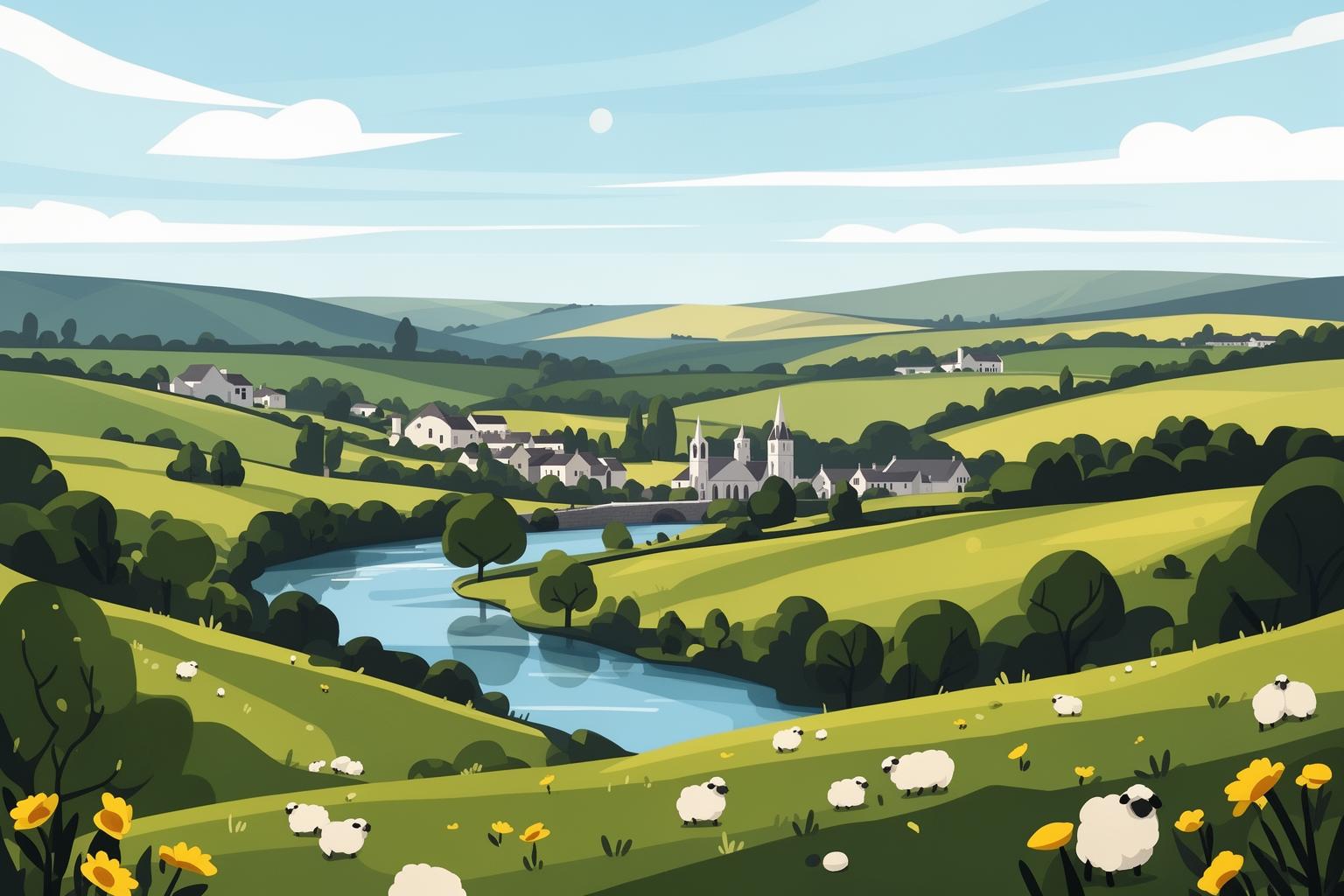
Every epic tale begins somewhere, a quiet moment of anticipation before the main story unfolds. For the Brontë family, that place was not Haworth but the nearby village of Thornton. Often overlooked in their biography, skipping this chapter means missing the prologue to one of literature’s most dramatic stories. Thornton may lack the wild, brooding romance of Haworth, but it holds something equally valuable: a sense of genuine, untouched history. It is here, in this unassuming West Yorkshire village, that the Brontë siblings—including the formidable creative force Emily Jane Brontë—were born.
The Birthplace on Market Street
Walking down Market Street in Thornton, you might easily overlook it. Number 74 is a modest, attractive stone terrace, much like its neighbors. There’s a commemorative plaque, of course, but the building itself does not proclaim its importance. And that is its charm. It feels authentic, grounded. This was not a grand estate but a simple home for a clergyman’s growing family. Standing across the street, you can picture Maria and Patrick Brontë, full of hope and dreams, welcoming their children into the world within these walls. Charlotte, Branwell, Emily, and Anne all took their first breaths here. It’s a powerful thought. Before the fame, the tragedy, and the immortal words, there was simply this house, a family, and the ordinary sounds of village life. Today, the building houses a charming café called ‘Emily’s,’ a fitting tribute. You can sit with a cup of tea and a slice of cake, gazing out of the very windows a young Emily might have looked through as she saw the world for the first time.
Stepping into a Quieter History
What truly stands out about Thornton is its tranquility. While Haworth buzzes with literary tourists, Thornton provides a more reflective experience. You can walk its streets without crowds, letting your imagination fill in the details of the past. Visit the ruins of the Old Bell Chapel, just a short walk from the birthplace, where Patrick Brontë preached. The stone font where the Brontë children were baptized has been moved to the newer St. James’s Church, another important stop. Touching the cold stone font offers a tangible link to their beginnings. It’s a moment of profound stillness, a silent communion with history. Visiting Thornton before Haworth sets the scene perfectly. It gives you insight into the family’s journey—their move from this relatively more populated village to the isolated, wilder world of Haworth—a move that would forever shape their destinies and their art. It’s the calm before the magnificent literary storm.
Haworth: A Village Carved from Stone and Stories
Leaving Thornton behind to journey to Haworth feels like a dramatic turning point in the story. The landscape grows more rugged, the hills steeper. And then you catch sight of it: Haworth, cascading down a hillside, a cluster of dark gritstone houses with slate roofs that both absorb and reflect the moody Yorkshire light. The village isn’t merely a backdrop to the Brontë tale; it stands as a central character, as vital and intricate as any of Emily’s creations. Its very foundation is steeped in their spirit.
The Cobbled Main Street
At the heart of Haworth lies its Main Street, a sharply steep, cobbled path that winds upward to the church and parsonage at the summit. The climb is a challenge, but every step delights the senses. The sound of your footsteps on ancient stones, worn smooth through centuries of passage, sets a rhythm that links you to the past. The buildings lean toward each other, their stone facades darkened by time and weather. Shop windows brim with curiosities—antique books, locally crafted goods, and, of course, endless Brontë memorabilia. On a crisp autumn day, the faint, nostalgic scent of coal smoke lingers in the air, instantly transporting you to the 19th century. It feels less like a modern village and more like a perfectly preserved film set—except this one is breathtakingly real. History seems to seep from the mortar, giving a tangible sense of all the lives once lived within these walls. It’s a place that invites you to slow down, look closer, and breathe in its singular, time-stamped atmosphere.
Local Flavors and Hidden Corners
To truly savor Haworth, immerse yourself in its local culture. Step into one of the cozy pubs for a pint of local ale. The Black Bull, prominently situated on Main Street, is essential. This was the favored haunt of Branwell Brontë, the brilliant but tragic brother. You can settle into a snug corner, surrounded by dark wood and etched glass, and imagine him sketching, writing, and spinning stories for the locals. It’s a place dense with ghosts and tales. For a different kind of comfort, find a traditional tearoom. Enjoying a pot of Yorkshire tea alongside a scone piled high with clotted cream and jam feels like a sacred ritual here—a perfect way to recharge after the steep climb. Don’t limit yourself to the main street, though. Explore the narrow side alleys, known as ‘ginnels,’ to discover hidden courtyards and unexpected views over the valley below. These quieter corners, away from the crowds, are where Haworth’s true charm shines, where the past feels nearest.
Planning Your Haworth Visit
Haworth’s atmosphere shifts dramatically with the seasons. Summer offers lush green landscapes and the famous purple heather blooming on the moors but also brings the largest crowds. For a more intimate experience, consider visiting in spring or autumn. The air is crisp, the light golden, and the village quieter, allowing for a deeper connection. Winter may be the most Brontë-esque season of all. A light dusting of snow on rooftops and moors, the warm glow of pub fires, and the stark, serene silence of the landscape can make you feel as if you’ve stepped directly into the pages of Wuthering Heights. The journey to Haworth is part of the charm. The most romantic way is to take a train to the nearby town of Keighley, then board the Keighley & Worth Valley Railway—a heritage steam train that chugs through stunning countryside. The rhythmic clatter of the train and wisps of steam drifting past the window set the perfect tone for your arrival in this timeless village.
The Heart of the Matter: The Brontë Parsonage Museum

At the very top of Haworth’s steep Main Street, beyond the ancient church and its weathered graveyard, stands a solid, modest Georgian house. This is the Brontë Parsonage. It is neither a palace nor a grand manor, but a home. Yet within its unpretentious stone walls, some of the most powerful and revolutionary literature in the English language was born. Crossing its threshold, you can feel the atmosphere change. The noise of the modern world fades, replaced by a respectful hush. This is the sanctum, the very core of the Brontë world, holding an emotional power that is hard to articulate but impossible to forget.
Crossing the Threshold
The moment you enter, you are immersed in their world. The museum is lovingly and thoughtfully curated, preserving the house as it was when the family lived here. The rooms are surprisingly small, which makes the vastness of their imaginations feel even greater. You can sense the intensity of the lives lived within these tight spaces. The low ceilings, narrow hallways, the way the gray Yorkshire light filters through the mullioned windows—all create an atmosphere of intense intimacy and creative energy. You are not merely viewing exhibits behind glass; you stand in the very rooms where Charlotte, Emily, and Anne paced, dreamed, and wrote.
The Dining Room Table: The Factory of Genius
Among all the rooms, the dining room holds a unique magic. At its center rests a simple, polished mahogany table—their creative hub. After their father, Patrick, had gone to bed, the three sisters would gather around this very table, their footsteps a soft, rhythmic sound in the quiet house. Here they shared their work, reading chapters aloud, discussing plots, and inspiring one another. It was at this table that Jane Eyre, Agnes Grey, and the fierce, untamed Wuthering Heights were refined into masterpieces. Standing before it, you can almost hear the rustle of paper and the hushed, excited whispers. You can feel the incredible bond of these three brilliant women, creating revolutionary art in secret, their shared world a fortress against the confines of 19th-century society. Without exaggeration, it is one of the most significant pieces of furniture in literary history.
Emily’s World Within Walls
The museum provides glimpses into Emily’s fiercely private nature. While her room has been recreated, it is the personal artifacts that truly resonate. You can see her paint box, a testament to her lesser-known yet considerable artistic talent. You can examine the ‘little books,’ tiny hand-stitched volumes filled with minuscule writing—a secret world of poems and stories created with her sister Anne. These objects reveal her reclusive nature but also her boundless inner life. Though she rarely left Haworth, her mind wandered freely through realms of deep passion and metaphysical inquiry. The most poignant relic is the black-painted sofa in the dining room. It was here, denying the severity of her illness and refusing medical aid, that Emily Brontë succumbed to tuberculosis at just thirty years old. The sofa stands as a stark, heartbreaking symbol of her unyielding spirit and the tragic brevity of her life.
A Pilgrim’s Practical Guide
A visit to the Parsonage warrants unhurried attention. Plan to spend at least a couple of hours here. Booking your tickets online in advance—especially during peak season—is highly recommended to secure your preferred time. The museum uses a timed entry system to manage visitor flow and maintain the house’s intimate atmosphere. Don’t rush through the rooms. Pause in each one to truly absorb the ambiance. Read the informational cards, rich with details and anecdotes. After touring the house, spend some time in the garden and the adjoining graveyard. The weathered, leaning gravestones, many bearing names familiar to the Brontës, serve as a poignant reminder of the harsh realities of 19th-century life and death. The Parsonage is more than a museum; it’s an experience that resonates long after you have left.
The Wild Heartbeat: Exploring the Moors of Wuthering Heights
To truly understand Emily Brontë, you must be familiar with the moors. Merely visiting the Parsonage and the village reveals only half the story. The wild, vast, and often harsh landscape beginning just beyond the Parsonage’s back door served as her church, playground, and muse. It is the living, breathing soul of Wuthering Heights. The moors are more than just a backdrop in the novel; they are a character in their own right—an elemental force that shapes the fates of Catherine and Heathcliff, mirroring their passionate and untamable spirits. To step onto these moors is to feel the raw energy Emily poured into her writing. It is an essential, exhilarating, and deeply moving part of any Brontë pilgrimage.
The Call of the Heather and Wind
As soon as you leave the village and set foot on the trails, the atmosphere shifts. The air becomes sharper and fresher. Sounds of civilization give way to the cry of a curlew and the ever-present rush of the wind. The landscape unfolds into a broad panorama of rolling hills, dramatic skies, and a palette of muted greens, browns, and in late summer, a striking expanse of royal purple heather. This place feels ancient and elemental—beautiful, yes, but harsh and unforgiving. The weather can change suddenly, with sunny skies turning to driving rain and disorienting mist. Proper preparation is essential. Sturdy, waterproof boots are a must as the paths may be uneven and boggy. Dress in layers since the wind can cut sharply even on mild days, and always carry a waterproof jacket. A map and compass or a reliable GPS are indispensable. The moors are magnificent but demand respect.
The Path to Brontë Falls and Bridge
One classic and rewarding route is the walk to the Brontë Waterfall and Brontë Bridge. The trail leads you from Haworth down into a sheltered valley, offering a sensory experience. You’ll climb over stone stiles, follow paths bordered by resilient bracken, and hear the gentle bleating of sheep grazing by the hills. After about two miles, the sound of rushing water grows louder. The Brontë Waterfall is not a thunderous cascade but a series of small, picturesque falls tumbling over dark gritstone. It is a serene and secluded spot where the sisters often picnicked and dreamed. A little further on lies the Brontë Bridge, a simple, elegant stone slab crossing the beck. It is said Emily and her sisters spent hours here, and it’s easy to see why. It’s the perfect place for quiet reflection—to sit on sun-warmed stone, listen to babbling water, and feel deeply connected to the natural world that inspired them.
The Ultimate Pilgrimage: Top Withens
For the truly dedicated, the ultimate destination is the trek to Top Withens. This is a more challenging round trip of several miles, taking you high onto the exposed moorland. The rewards are immense. The journey holds as much significance as the endpoint. As you ascend, views expand spectacularly—stretching for miles across rugged terrain. The ruined farmhouse of Top Withens sits in a magnificently desolate, windswept spot. It’s important to note this is not the literal Wuthering Heights from the novel; the Brontë Society has placed a plaque to clarify. However, it’s widely accepted that this wild, isolated ruin inspired the setting of the Earnshaw family home. Standing there, with wind whipping your hair and the vast sky all around, is a deeply powerful experience. You feel the full force of nature, the solitude, and the bleak romance. In that moment, you grasp where Heathcliff’s tormented soul was formed, sensing the very essence of Emily’s novel. This place seeps under your skin and into your bones.
Seasons on the Moors
The nature of the moors continually evolves. In spring, the landscape is sprinkled with the white fluff of cotton grass, and the air is filled with the calls of nesting lapwings and skylarks. It is a season of renewal and tentative beauty. Summer showcases the glory of the heather, transforming the moors into a vibrant purple sea under the sun. This season presents the moors at their most inviting and romantic. Autumn ignites the landscape with hues of ochre, rust, and gold as the bracken dies back. The late afternoon light in autumn is especially magical. Yet winter perhaps offers the most genuinely Gothic experience. Colors fade to stark blacks, whites, and grays, with snow blanketing hill shapes and silence reigning profoundly. Walking the moors in winter reveals their raw, skeletal beauty—a landscape of sublime desolation perfectly echoing the darker themes of Emily Brontë’s work.
Sacred Ground: The Haworth Parish Church and Brontë Memorial Chapel
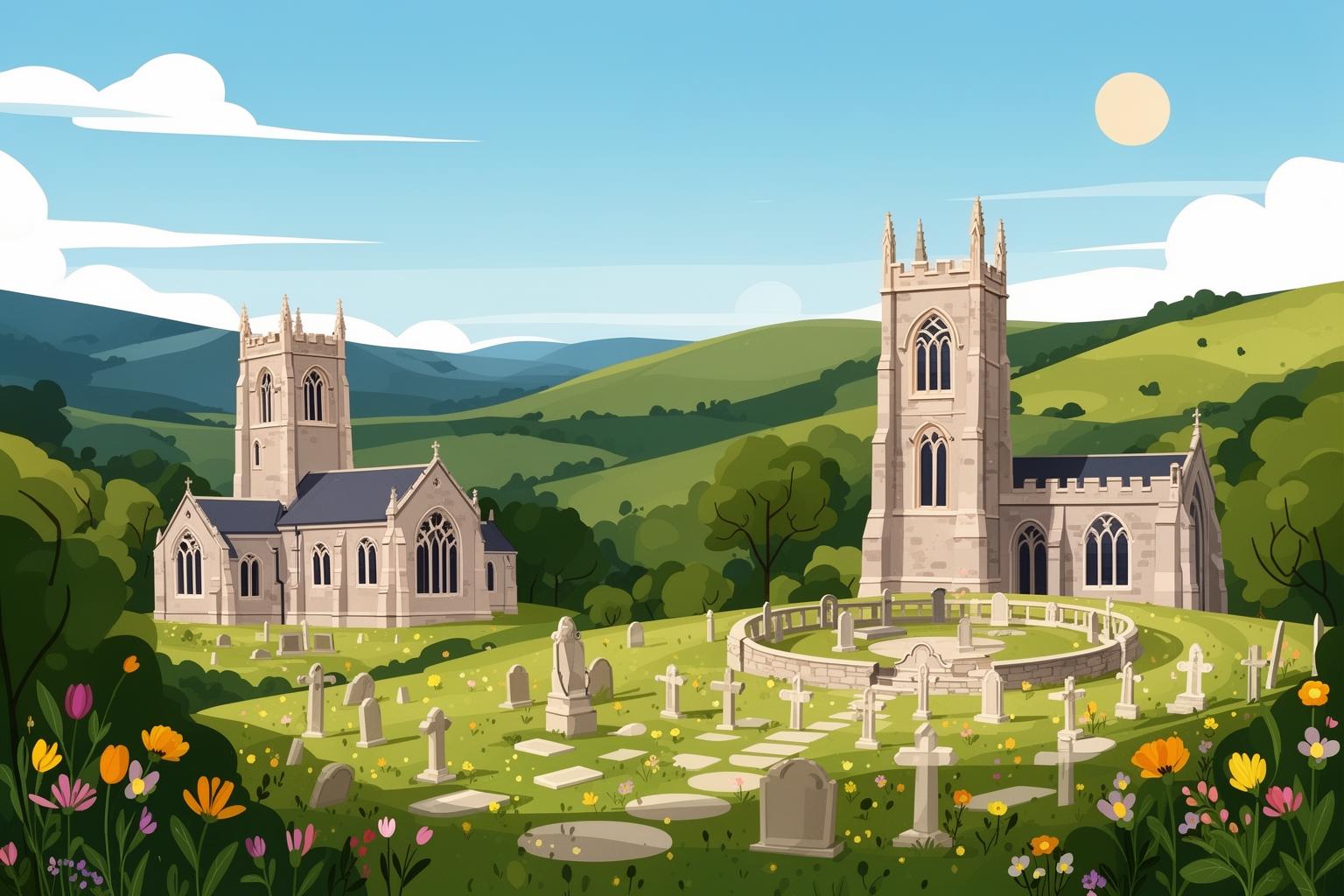
Situated between the Parsonage and the top of Main Street stands the Church of St. Michael and All Angels. Its tall, Gothic Revival tower serves as a landmark visible for miles around, a constant presence in the village skyline. This was the Brontë family’s church, where their father, the Reverend Patrick Brontë, served as curate for over forty years. It functioned as a place of worship, a center for the community, and ultimately, their final resting place. Visiting here is a solemn and essential part of understanding the family’s life, and their enduring relationship with faith and mortality.
A Place of Life and Loss
The existing church building is not the exact one the Brontës would have known; it was largely rebuilt in the late 19th century. However, the tower remains original, and the whole site is steeped in their history. Standing in the churchyard, one can imagine Patrick walking from the Parsonage to deliver his Sunday sermon. You might picture the sisters, clad in their simple, dark attire, taking their places in the family pew. The Brontë Memorial Chapel, located within the church, was established in 1964. It offers a quiet, peaceful space dedicated to their memory. Here, the original plaque that once marked the family vault is displayed alongside a commemorative window that bathes the chapel in soft, colored light. It is a place for quiet reflection, honoring the family’s immense contribution to literature and their deep connection to this community.
The Family Vault
The most poignant feature is a simple stone slab on the floor near a pillar, inscribed with “THE BRONTË FAMILY VAULT.” Beneath this stone lie the remains of Emily, Branwell, Charlotte, and their parents, Patrick and Maria. (Anne, who died in Scarborough, is the only member not buried here.) Standing over this spot is a profoundly moving experience. After witnessing the vitality of their lives in the Parsonage and sensing the wild energy of their spirits on the moors, this humble stone marker serves as a stark reminder of the tragedies the family endured. So much genius, so much passion, extinguished far too soon. It puts their literary achievements into perspective, making them seem even more extraordinary. They wrote with fervor and urgency, perhaps because they were so intimately familiar with the fragility of life. This sacred ground marks the end of their earthly story but also stands as a powerful testament to the immortality of their words.
A Gentle Farewell to a Fierce Spirit
Leaving Haworth feels like waking from a vivid dream. As you descend the cobbled hill, the modern world gradually begins to return, yet something has changed. You carry the place within you: the sting of the wind on your cheeks, the scent of the heather, the touch of the cool, dark rooms in the Parsonage. You have walked in the footsteps of giants and breathed the air that filled their lungs and sparked their imaginations.
A journey into Emily Brontë’s Yorkshire is far more than just a literary tour. It is an exploration of the profound, mystical bond between a person and a place. You come to realize that Wuthering Heights could never have been written anywhere else. The novel is not merely set on the moors; it is of the moors. Emily Brontë did not simply observe this landscape; she absorbed it, and it became the very essence of her soul, the wild, passionate, and untamable force behind her immortal story.
You leave with more than just photographs and souvenirs; you carry a deeper appreciation for a spirit that defied convention, expectation, and even the walls of her own home. You depart with the echo of the moorland wind in your ears, a whisper that, if you listen closely enough, sounds very much like freedom. And that is the lasting, fierce magic of Emily Brontë.