There’s a quiet tragedy unfolding across the globe, a theft so gradual most of us never notice it’s happening. It’s the slow, creeping erasure of the night sky. We’ve traded the celestial fire of a billion suns for the hazy, orange glow of our own making. For generations, humanity lived under a blanket of stars so thick it felt like you could reach out and touch the Milky Way. Our myths, our science, our sense of wonder—it was all born from looking up into that profound, infinite darkness. Today, for a vast majority of the world’s population, the true night sky is a memory, or perhaps not even that; a story told in books and films. But it is not lost. Not yet. There are still sanctuaries on this planet, sacred pockets of darkness where the cosmos reveals itself in its full, staggering glory. This is the world of dark sky tourism, a pilgrimage not to a man-made cathedral, but to the grandest temple of them all: the universe itself. It’s about more than just seeing stars; it’s about feeling a connection to something ancient and immense, a feeling of being small yet profoundly significant. It’s about reclaiming a piece of our shared human heritage. In these protected places, the world falls away, the noise of modern life is replaced by the whisper of the wind, and the only light that matters is the pale, ancient light of distant galaxies traveling for eons to meet your eyes. This guide is your map back to that wonder, a journey to the darkest corners of the world where the night is still alive.
For a different kind of pilgrimage that also explores profound human themes, consider a journey in the footsteps of Albert Camus.
The Southern Cross Beckons: Aoraki Mackenzie, New Zealand
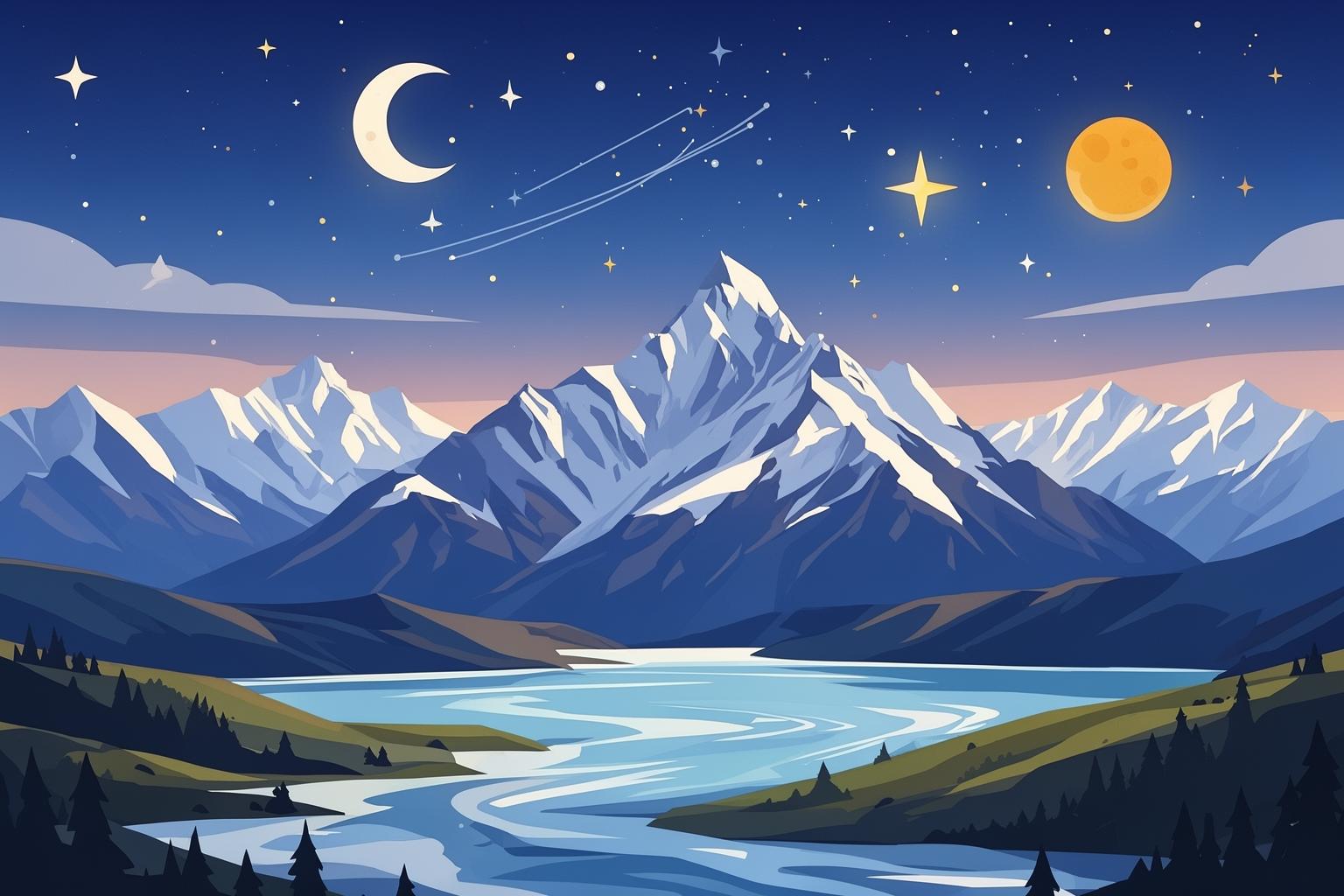
Deep within the heart of New Zealand’s South Island, where the Southern Alps reach toward the sky, lies a place of stunning beauty and profound darkness. The Aoraki Mackenzie International Dark Sky Reserve is an immense stretch of protected land, a gold-tier sanctuary that feels like the edge of the world. This is more than just a park; it is a declaration, a pledge by an entire community to protect the sanctity of the night. Standing here after sunset means witnessing a spectacle beyond words. The air, crisp and pure from the alpine heights, contains no haze or pollution. The sky doesn’t simply darken; it becomes a deep, velvety black, creating the perfect backdrop for the celestial masterpiece that unfolds. The Milky Way here is not a faint, ethereal blur — it is a brilliant, textured river of light, so densely packed with stars it resembles spilled diamonds. You can see the Magellanic Clouds, two satellite galaxies of our own, hanging like ghostly smudges, visible only from the Southern Hemisphere. This is a sky that feels alive, breathing, and overwhelmingly close.
A Landscape Painted by Starlight
The magic of Mackenzie lies in the union of the terrestrial and the celestial. By day, the landscape is defined by the impossible turquoise hues of glacial-fed lakes, such as Tekapo and Pukaki, their surreal color caused by finely ground rock flour suspended in the water. Towering above it all is Aoraki/Mount Cook, the country’s highest peak, a jagged spire of rock and ice piercing the clouds. But when night falls, this already epic scenery transforms. The snow-capped peaks become silvered silhouettes against a star-studded tapestry. The calm lake waters turn into perfect mirrors, reflecting the cosmos and creating a breathtaking illusion of floating through space. The atmosphere is one of deep tranquility and awe. You find yourself whispering not out of necessity, but because the vastness of the view demands a quiet reverence. Occasional distant bird calls or the gentle lapping of water break the silence. It’s a profoundly meditative experience, a chance to disconnect from everything and be truly present beneath the vast, silent watch of the universe.
The Heart of the Reserve: Tekapo and Aoraki
The reserve’s two main gateways are the small lakeside town of Lake Tekapo and the Aoraki/Mount Cook Village, nestled deeper within the national park. Tekapo is renowned for the impossibly picturesque Church of the Good Shepherd, a tiny stone chapel perched on the lake’s edge. While it draws many photographers by day, at night it becomes something transcendent: a modest human creation set against infinity. Several stargazing tours operate out of Tekapo, including visits to the Mount John Observatory, a world-class research facility perched atop a nearby mountain. Here, with powerful telescopes and expert guides, you can travel from the craters of our Moon to the faint glow of galaxies millions of light-years away. Aoraki/Mount Cook Village offers a more rugged, immersive experience. Located at the foot of the great mountain, you are enveloped by wilderness. On a clear, moonless night, simply stepping outside your accommodation grants a front-row seat to the celestial show. The stark alpine environment amplifies the brilliance of the sky, making you feel like an explorer on a distant world.
Practical Magic: Planning Your Kiwi Star Quest
The Aoraki Mackenzie region is most easily reached by car, a scenic drive from either Christchurch (around three hours) or Queenstown (around three hours). This journey is part of the experience, winding through rolling hills and entering dramatic high country. While the reserve can be visited year-round, each season offers a different experience. Winter (June to August) brings the clearest, crispest skies and snow-dusted landscapes, but be prepared for freezing temperatures. The core of the Milky Way is at its most spectacular in these months. Summer (December to February) offers warmer, more comfortable nights ideal for lying back on a blanket and gazing upwards. Whatever the season, it is essential to time your visit with the new moon. A full moon, though beautiful, acts like a floodlight, washing out faint stars and the delicate structure of the Milky Way. Check a lunar calendar and plan your trip around the new moon for the darkest skies possible. A vital tip is to bring layers. Even in summer, the alpine air can become bitterly cold after sunset. Warm jackets, hats, gloves, and sturdy shoes are indispensable. And be sure to carry a red-light torch. White light ruins night vision and can take up to 30 minutes to recover, while red light preserves it, allowing you to see without sacrificing the celestial view for yourself or others.
When to Go and What to See
While winter presents the most brilliant Milky Way, autumn and spring offer a chance to witness the Aurora Australis, the Southern Lights. This elusive, shimmering curtain of green and pink light is more active near the equinoxes in March and September. Though never guaranteed, the possibility adds an extra layer of magic to any visit. Throughout the year, you will be treated to constellations and deep-sky objects invisible from the Northern Hemisphere. Learning to identify the Southern Cross (Crux), the pointers (Alpha and Beta Centauri), and the bright star Canopus connects you to a celestial map that has guided southern travelers for centuries. First-time visitors are highly encouraged to book guided tours. The guides are not only astronomers but passionate storytellers, blending cosmic science with rich Māori mythology, where the stars form the great waka (canoe) of the hero Tamarereti.
The Cosmic Desert: Atacama, Chile
There is a place on Earth so dry, so high, and so clear that it is regarded as the planet’s premier window to the universe: the Atacama Desert in northern Chile. It is much more than a dark sky destination; it is the global capital of astronomy, housing an extraordinary array of the world’s most powerful telescopes. The reason is straightforward: the conditions are unmatched. Positioned on a high-altitude plateau, west of the Andes and east of the Chilean Coast Range, the Atacama lies within a double rain shadow. Some areas of the desert have never recorded a single drop of rain in history. This extreme dryness means there is almost no water vapor in the atmosphere to blur or distort the light from distant stars. Combine that with the high elevation, which places you above much of the thickest atmosphere, and you have the perfect formula for skies of nearly supernatural clarity. The experience of the Atacama night is profoundly different—not only do you see more stars, but the quality of the view is extraordinary. Stars do not twinkle here; they shine with a steady, piercing intensity. The air is so calm and clear that the cosmos appears crisp, in high-definition.
Where Earth Meets the Milky Way
The Atacama landscape is as alien and captivating as the sky above it. By day, you explore rust-colored canyons, vast salt flats extending to the horizon, and geysers steaming into the chilly morning air. It feels more like Mars than Earth—a geologist’s dream of volcanic rock, mineral deposits, and wind-carved formations. This otherworldly terrain sets the stage for the nightly spectacle. As the sun sets over the Cordillera de la Sal, it paints the sky with fiery hues of orange and purple that seem to linger endlessly in the dry air. Then, as the last light fades, the show begins. The sheer density of stars is breathtaking. The Milky Way carves a brilliant, jagged path across the sky so bright that on a moonless night, it can cast a faint shadow. The silence is absolute and profound—full of the weight of the vast space above you. Lying on your back on the cool, dusty desert floor, you can almost hear the hum of the universe. It is a humbling, soul-stirring experience that redefines your sense of place and time.
San Pedro and the Valley of the Moon
The main base for visitors is the charming, rustic oasis town of San Pedro de Atacama. With its dusty adobe streets and relaxed atmosphere, it serves as a hub for adventurers and stargazers worldwide. From here, you can venture into the surrounding landscapes. One of the most iconic sites is the Valle de la Luna (Valley of the Moon). True to its name, this area is a labyrinth of sand dunes and strange rock formations shaped by millennia of wind and rare water. At dusk, watching the light shift across these formations is a ritual. But the real magic unfolds after dark, when the jagged peaks are silhouetted against a star-filled sky. Many local tours offer stargazing excursions into the desert, taking you far from San Pedro’s minimal lights to private viewing spots. These tours often include powerful amateur telescopes and guides skilled at navigating the cosmos, pointing out distant nebulae, globular clusters, and even other galaxies like Andromeda, visible to the naked eye as a faint, fuzzy patch.
Journey to the Driest Place on Earth
Reaching San Pedro de Atacama usually involves flying into nearby Calama, followed by a 90-minute bus or shuttle ride across the desert. San Pedro sits at about 2,400 meters (7,900 feet), so it’s important to take it easy on your first day to acclimate. Drink plenty of water and coca tea, a local remedy for altitude sickness. The best time for stargazing is from April to September, Southern Hemisphere autumn and winter, when the clearest skies prevail and the Milky Way’s galactic core is high in the sky for much of the night. Nights are cold, often dropping below freezing, so thermal layers, a warm hat, and gloves are essential. Days can be surprisingly warm with intense sun exposure, making sun protection critical—sunscreen, a wide-brimmed hat, and sunglasses are a must. The severe dryness also takes its toll, so lip balm and moisturizer are indispensable. Timing your trip around the new moon is crucial to experience the full, mind-blowing spectacle. Spending a week in the Atacama centered on the new moon is a dream come true for serious stargazers.
Guided Tours and Observatory Visits
While you can certainly enjoy the night sky independently, guided tours are invaluable in the Atacama. Local guides possess deep knowledge of both the celestial map and indigenous Likanantay cosmology, offering a richer, more nuanced understanding of what you see. They can reveal how ancient cultures used dark patches within the Milky Way to form constellations of animals like the llama and serpent. For those wanting a deeper experience, visiting one of the major observatories is a must, though it requires advance booking. The ALMA Observatory (Atacama Large Millimeter/submillimeter Array) is among the most ambitious astronomical projects on Earth. While you cannot look through their research telescopes, public weekend tours of their support facilities provide a fascinating insight into the cutting-edge science conducted in this unique location. These tours must be reserved months ahead due to high demand. It’s a chance to connect the raw, primal beauty of the night sky with humanity’s relentless quest to understand it.
Under an African Sky: NamibRand, Namibia
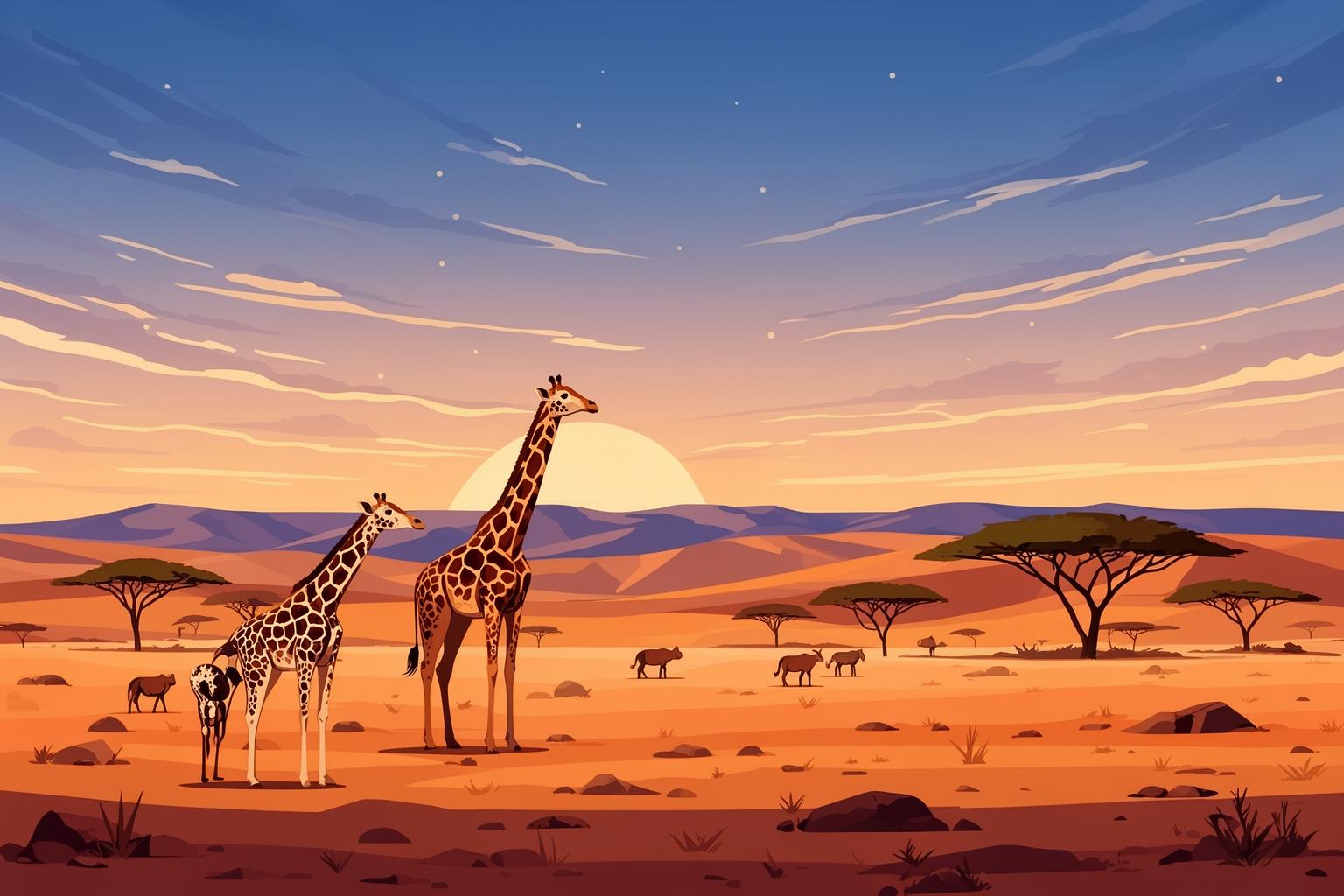
Imagine a place where the earth is brushed with apricot and ochre hues, where ancient, fossilized dunes stand guard over expansive, empty plains, and where the night sky is so immaculate it has been officially designated as one of the darkest on Earth. This is the NamibRand Nature Reserve in southern Namibia, Africa’s first International Dark Sky Reserve. Covering more than 200,000 hectares, NamibRand is a private reserve devoted to conservation and the protection of its stunning natural environment, both day and night. The experience here is one of luxurious seclusion and profound connection. The air is exceptionally clean and dry, and with virtually no light pollution, the sky takes on a three-dimensional depth. You don’t simply see the stars; you feel surrounded by them. The Milky Way stretches luminously, almost tangibly, from horizon to horizon. The silence of the Namib Desert is a presence itself, a deep, resonant quiet that heightens every whisper of the wind and sharpens your senses, making the celestial spectacle above all the more vivid and immediate.
The Sound of Celestial Silence
The atmosphere in NamibRand offers sublime solitude. This is not a place one accidentally finds; it’s a destination sought for its remoteness and pristine beauty. The lodges scattered within the reserve are few and far between, designed to minimize environmental impact and maximize the sensation of being alone in a vast, ancient wilderness. By day, the landscape is a study in color and shapes. Nearby lie the iconic red dunes of Sossusvlei, and the reserve itself hosts an unexpected variety of desert-adapted wildlife, including oryx, springbok, and zebra. Guided nature drives uncover the subtle secrets of this harsh but beautiful ecosystem. Yet as the sun dips below the horizon, the true reason for visiting NamibRand becomes apparent. The sky darkens astonishingly fast, and the stars appear not gradually, but in a sudden, collective burst of light. The experience feels primal, connecting you to our earliest ancestors who gazed upon this very sky from African plains in awe and wonder. It is a place to reflect on your place in the universe, dwarfed by the desert’s vastness and the cosmos’ immensity.
Dunes, Diamonds, and the Divine
The landscape is dominated by the Namib, the world’s oldest desert. Its dunes, among the tallest on Earth, are tinted deep red by iron oxide in the sand. At night, these immense sand formations become soft, dark silhouettes against a star-speckled sky, creating an almost surreal scene. One of the most unique experiences is climbing a dune like the renowned “Big Daddy” or Dune 45 at sunset and remaining as darkness falls. Watching the celestial river rise over the sea of sand is an unforgettable memory. NamibRand’s guides are experts at “reading” the night sky. They can point out not only the familiar constellations but also the fainter, more elusive deep-sky objects. Using a powerful lodge telescope, you may gaze upon the ethereal Tarantula Nebula or the jewel-box brilliance of the Omega Centauri globular cluster—stellar nurseries and ancient star cities, respectively. They bring the sky to life by sharing stories and scientific insights that transform the view from a beautiful picture into a dynamic, evolving universe.
Navigating the Namibian Night
Reaching NamibRand requires effort, which adds to its allure. Located in southern Namibia, the most common way to arrive is via a chartered bush plane flight from Windhoek, the capital—a journey that itself provides a spectacular introduction to the desert’s vast emptiness. Alternatively, a long but scenic drive in a sturdy 4×4 vehicle offers a chance to appreciate the country’s immense scale. The prime stargazing season runs through the dry winter months, from May to September, ensuring cool, comfortable nights and minimal cloud cover. As with other prime stargazing spots, planning visits around the new moon is crucial. Lodges in NamibRand are designed with stargazing in mind; some boast “star beds,” allowing guests to sleep on open-air decks beneath a canopy of stars. It is an incredibly intimate and immersive way to experience the night. Pack for extremes: light clothing, a hat, and sunscreen for hot days, and multiple warm layers including a windproof jacket for the surprisingly cold desert nights. The intense aridity means staying hydrated is essential for your comfort.
Celestial Safaris and Desert Lodges
What distinguishes NamibRand is the concept of the “celestial safari,” an extension of a traditional daytime wildlife safari that focuses instead on the heavens. Many lodges feature on-site observatories staffed by resident astronomers. An evening at a lodge like Sossusvlei Desert Lodge, equipped with a state-of-the-art observatory, begins with a gourmet dinner followed by a journey through the cosmos. The astronomer guides guests through the southern constellations with a high-powered telescope and laser pointer, explaining the lifecycles of stars, the vast distances involved, and the mind-bending concepts of space-time. It is both educational and deeply moving. Even without a formal tour, simply sitting on your private veranda, wrapped in a blanket with a warm drink, watching the moon rise over the dunes is pure magic. Shooting stars streak across the sky with surprising frequency. At NamibRand, the universe feels less like a distant abstraction and more like an immediate, surrounding reality.
Whispers of the Ancients: Kerry, Ireland
On Europe’s far western edge, where Ireland’s rugged coastline meets the vast Atlantic Ocean, there is a place where myth, history, and the cosmos come together. The Kerry International Dark Sky Reserve, situated on the Iveragh Peninsula, stands in stark contrast to the arid deserts of Chile or Namibia. Here, lush green hills, dramatic sea cliffs, and ancient stone circles are all under a sky as dark as that seen by the Celtic druids and early Christian monks who once lived here. It is the Northern Hemisphere’s only gold-tier reserve within a populated community, reflecting the strong local dedication to preserving their nocturnal heritage. Stargazing in Kerry offers a uniquely atmospheric experience: the air often carries the scent of salt and peat, and the rhythmic sound of Atlantic waves serves as a soundtrack. It feels timeless and elemental—a place where the veil between worlds is thin, and the stories told by the stars feel deeply tied to the earth beneath you.
Where Mythology Meets the Cosmos
The Iveragh Peninsula is rich with folklore. It is a land of ring forts, ogham stones, and myths about heroes and fairy folk. This cultural heritage adds a special layer to the stargazing experience. When you gaze at the constellation Orion the Hunter, it’s easy to picture him as Fionn mac Cumhaill, the legendary Irish warrior, striding across the sky. The stars here are more than points of light; they are characters in a story told for thousands of years. In Kerry, there is no sense of isolation—only a profound connection to history. Standing in the ancient Loher Stone Fort by night, you can feel the past surrounding you. You look up at the same sky that the fort’s builders once sought for guidance, omens, and understanding their place in the universe. It’s a potent reminder that although technologies and societies change, the sky remains a constant, unifying force.
The Iveragh Peninsula’s Rugged Charm
At the heart of the reserve lies a breathtaking area that includes the famous Ring of Kerry scenic drive. By day, visitors are drawn to the dramatic coastline, charming villages like Cahersiveen, Waterville, and Portmagee, and the stunning views of the Skellig Islands, a UNESCO World Heritage site. But the true spectacle begins after dark. The Kerry Dark Sky Reserve features several designated viewing points, easily accessible from main roads. Locations such as Kerry Cliffs, Ballinskelligs Beach, and the Geokaun Mountain and Fogher Cliffs on Valentia Island provide panoramic views of the ocean and sky. The darkness here is profound, with only 3,000 miles of open Atlantic to the west, meaning no light pollution from that direction. On clear nights, the Milky Way arches magnificently over the water, and the sheer number of stars is breathtaking to anyone accustomed to urban or suburban skies. You can even spot the Andromeda Galaxy with the naked eye, a testament to the clarity and darkness of this place.
An Emerald Isle Starry Night
The best way to reach the Kerry Dark Sky Reserve is by car, offering flexibility to explore winding coastal roads and discover prime viewing spots. Nearby, Kerry Airport serves the region, while Shannon and Cork airports are also good options. The weather here is famously changeable, posing the main challenge for stargazers. Clouds are frequent, so planning a trip lasting several days improves your chances of a clear night. The prime visiting season is generally from September to March, during the longer, often clearer nights of autumn and winter. This period is ideal for viewing brilliant winter constellations like Orion, Taurus, and the Pleiades cluster. Preparing for a night of stargazing in Kerry means dressing for damp, cold conditions: waterproof and windproof outer layers, warm base layers, gloves, a hat, and waterproof boots are essential. A thermos of hot tea or coffee is a welcome companion on chilly evenings. Local guides known as Dark Sky Ambassadors offer tours and workshops, sharing not only astronomical insight but also local legends and history, enriching the experience.
Tips for a Celtic Sky-Watcher
First-time visitors should embrace the unpredictability of the weather. If clouds obscure the sky, explore cozy pubs, enjoy traditional music, and immerse yourself in local culture. When a clear night finally arrives, it feels like a precious gift. Use a reliable weather app for detailed cloud cover forecasts and have a star-charting app in red-light mode on your phone to help identify celestial objects. But don’t focus too much on your screen—allow your eyes at least 20 minutes to fully adjust to the darkness. Find a comfortable spot, perhaps on a beach or quiet viewpoint, and simply lie back to watch the universe unfold. Listen to the ocean, feel the cool Atlantic breeze, and let the immense beauty of Kerry’s night sky wash over you. This is a place that rewards patience and connects you not only to the cosmos but also to the deep, resonant spirit of Ireland itself.
The Heavenly Village: Achi, Japan
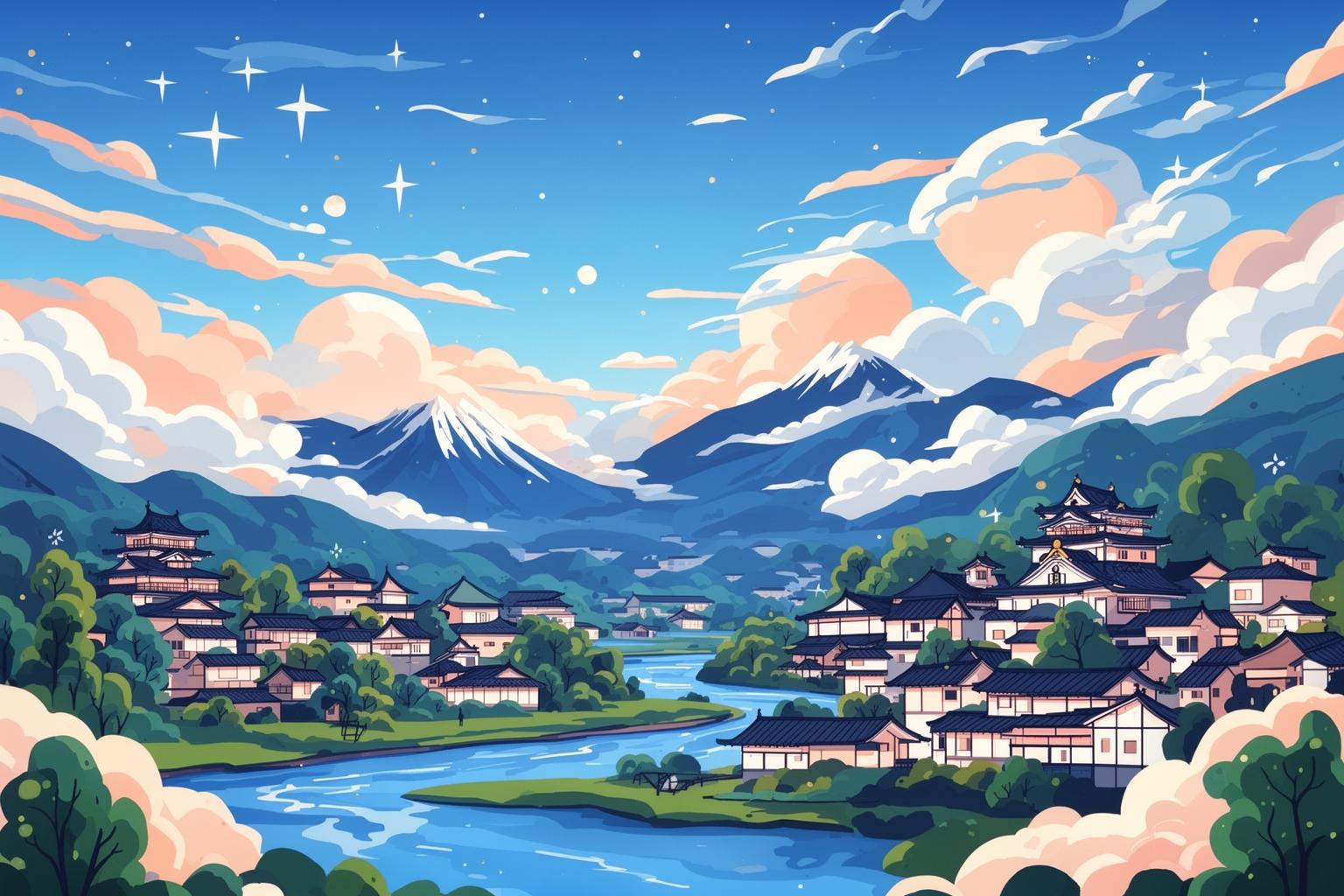
Nestled high in the mountains of Nagano Prefecture, far from the neon lights of Tokyo and Osaka, is a small village that has earned an extraordinary reputation. Achi Village has been named by the Japanese Ministry of the Environment as the site of the “best stargazing in Japan.” This is not a vast desert or an ancient reserve, but a community that has embraced its natural darkness and turned it into a unique and magical experience, combining pristine skies with the celebrated Japanese art of hospitality, or omotenashi. The sky above Achi is truly breathtaking. Protected by the towering Japanese Alps, the village is shielded from the light pollution of major urban centers. On clear nights, the stars shine with stunning brilliance. The air is fresh and crisp, and the Milky Way appears as a vivid, awe-inspiring spectacle. What makes Achi truly special is how this natural beauty is showcased. It’s an organized, accessible, and deeply moving experience designed to inspire wonder in everyone, from veteran astronomers to families witnessing the true night sky for the first time.
Japan’s Celestial Paradise
The atmosphere in Achi is one of serene reverence. By day, it is a quiet mountain village surrounded by lush forests and hot spring resorts. But as dusk approaches, anticipation grows. The entire community is attuned to the night sky. Streetlights are carefully designed to minimize upward glare, and local businesses encourage guests to switch off unnecessary lights. The highlight is the “Heaven’s Sonohara Night Tour,” an experience renowned throughout Japan. Visitors board a gondola at the mountain’s base and ascend 1,400 meters to a ski resort at the summit. As you rise above the valley floor, the last traces of artificial light fade, and the sky opens wide before you. At the top, you are enveloped in near-total darkness. All lights are extinguished for a set time, and as your eyes adjust, the universe ignites above. The collective gasp from the crowd reflects the power of the moment. It’s a shared experience of awe, enhanced by narration and gentle music that deepen its emotional resonance.
Omotenashi Under the Stars
The Achi experience exemplifies Japanese hospitality. Every detail is carefully thought out. In winter, guests receive warm mats to lie on in the snow; in summer, comfortable reclining chairs are provided. Cafes serve warm drinks and star-themed souvenirs are available. Guides are passionate and knowledgeable, using powerful laser pointers to trace constellations and share stories from both Western and Japanese star mythology. They might highlight Subaru, the Japanese name for the Pleiades cluster, which also inspired the well-known car brand. The experience is designed to be comfortable, engaging, and inspiring. Beyond the main gondola tour, other stargazing options are offered. Many local ryokan (traditional inns) have their own stargazing programs or provide telescopes for guests. Soaking in an outdoor onsen (hot spring) while gazing at the Milky Way is pure bliss—a perfect blend of Japanese tradition and natural wonder.
A Journey to the Japanese Alps
Achi Village lies in a relatively remote part of Nagano. The easiest way to reach it from major cities like Tokyo or Nagoya is by a combination of train and bus, or by car. The journey itself offers a beautiful transition from urban sprawl to tranquil mountain scenery. The drive along winding alpine roads is especially scenic. The best seasons for stargazing in Achi are spring and autumn, when the weather is mild and skies are often clear. Summer can be humid with more clouds, while winter offers exceptionally crisp views but requires serious preparation for snow and cold temperatures. The gondola tour runs for most of the year, with brief breaks between seasons, so checking the official schedule before planning your visit is essential. Booking tickets in advance is strongly recommended, especially for weekends and holidays, as the tour is highly popular. For the darkest skies, plan your trip around the new moon. For a truly extraordinary experience, try to coincide your visit with major meteor showers like the Perseids in August or the Geminids in December, when dozens of shooting stars streak across the sky each hour.
The Gondola to the Heavens
For first-time visitors, the gondola tour is the quintessential Achi experience. Arrive early to enjoy the sunset from the base station. Dress warmer than you expect; temperatures at the summit are significantly colder than in the village below, even during summer. A windproof jacket, hat, and gloves are advisable year-round. Once at the top, find a spot away from the main platform to let your eyes fully adjust to the darkness. Resist using your phone, as its white light can spoil the experience for you and others. Instead, simply lie back and gaze upward. Let the vastness of the sky sink in. The Achi experience is a powerful reminder that you don’t need to be an expert astronomer to be moved by the night sky. It’s a carefully crafted journey designed to rekindle a sense of wonder often lost in our brightly lit modern world.
Rocky Mountain Majesty: Jasper, Canada
Spanning over 11,000 square kilometers of untouched wilderness within the Canadian Rockies, Jasper National Park is much more than stunning mountain scenery; it stands as one of the world’s largest and most accessible dark sky preserves. As a Canadian, Jasper holds a deep significance for me. It is a landscape of raw, untamed power where glacier-carved valleys, turquoise lakes, and diverse wildlife paint a portrait of North America as it once was. Its designation as a Dark Sky Preserve reflects a dedicated commitment to protecting the night sky, enforcing strict controls on artificial lighting to reduce light pollution. The outcome is a night sky of astonishing depth and clarity, set against some of the most dramatic mountain silhouettes on Earth. Stargazing in Jasper is not merely an activity; it is a full immersion into true wilderness, evoking a sense of being a small part of a vast, wild, and beautiful ecosystem stretching from the forest floor to the farthest reaches of the galaxy.
A Wilderness of Stars
The vastness of Jasper is the first thing that captivates you. The park is immense, and once you leave the quaint townsite of Jasper, you are embraced by untamed wilderness. The air is pure and thin, filled with the scent of pine and moist earth. By day, grizzly bears, elk, and moose can be observed; by night, the universe reveals itself. Darkness reigns supreme in the park’s remote areas. On a moonless night, the Milky Way shines so brightly it lights up the landscape, casting a gentle, silvery glow on snow-capped peaks and the calm waters of its lakes. The profound silence is broken only by the call of a loon drifting across the water or the distant howl of a wolf. It is a humbling and deeply grounding experience. You can feel the presence of the ancient, powerful mountains surrounding you, standing watch as the celestial spectacle unfolds above. It’s a place that makes you feel simultaneously small and intensely alive, connected to the raw, elemental forces of nature.
From Glaciers to Galaxies
Jasper boasts numerous incredible spots for stargazing. Medicine Lake, which mysteriously drains and refills with the seasons, offers expansive open skies. The shores of Pyramid Lake, with the iconic Pyramid Mountain mirrored in its waters, provide a perfect frame for the cosmos. Maligne Canyon, a deep and narrow gorge, gives a unique perspective with stars framed by towering rock walls. One of the most memorable experiences is riding the Jasper SkyTram up Whistlers Mountain. Although regular service ends by evening, special stargazing events are often held at the upper terminal, offering an unparalleled view above the valley. Another iconic location is the Columbia Icefield, where standing on the ancient ice of the Athabasca Glacier allows you to gaze at a sky that feels impossibly near and clear. The combination of glacial ice beneath your feet and galaxies overhead offers a uniquely Canadian Rockies experience.
Your Canadian Dark Sky Itinerary
Jasper is reachable by car via the scenic Icefields Parkway from Banff National Park to the south or via the Yellowhead Highway from Edmonton to the east. The town of Jasper serves as a comfortable base with ample accommodation and dining options. Though the park is a year-round destination, the prime stargazing months are autumn and winter. From September through May, the nights are long and dark, and the colder, less turbulent air results in sharper star views. This period also provides the best opportunity to witness the magical Aurora Borealis, or Northern Lights. Jasper’s northern latitude makes it an excellent location for observing this phenomenon; on active nights, curtains of green and purple light shimmer and flow across the sky above jagged peaks. Prepare for the cold—winter nights in Jasper can be bitterly cold, dropping well below -20°C (-4°F). Extreme cold-weather gear is essential, including thermal base layers, an insulated mid-layer, a heavy parka, insulated pants, a warm hat (a balaclava is even better), and insulated boots and gloves.
The Jasper Dark Sky Festival
For a truly immersive encounter, plan your trip around the Jasper Dark Sky Festival, held every October. This renowned event gathers astronomers, astronauts, scientists, and stargazing enthusiasts in a celebration of the night sky. The festival features a broad range of activities, from keynote talks and astrophotography workshops to telescope sessions hosted by the Royal Astronomical Society of Canada and symphony concerts under the stars. It’s an excellent chance to learn from experts and share your passion with fellow dark sky admirers. If you can’t attend the festival, the Jasper Planetarium offers year-round experiences, including domed theatre presentations and guided telescope tours, bringing you close to celestial wonders. A useful tip for visitors is to grab a park map and drive out to one of the designated roadside pullouts along the Icefields Parkway after dark. Turn off your car, step outside, and let your eyes adjust. The reward is a breathtaking view that will remain with you forever—a powerful reminder of the wild beauty that still thrives in the world.
The Inferno of Light: Death Valley, USA
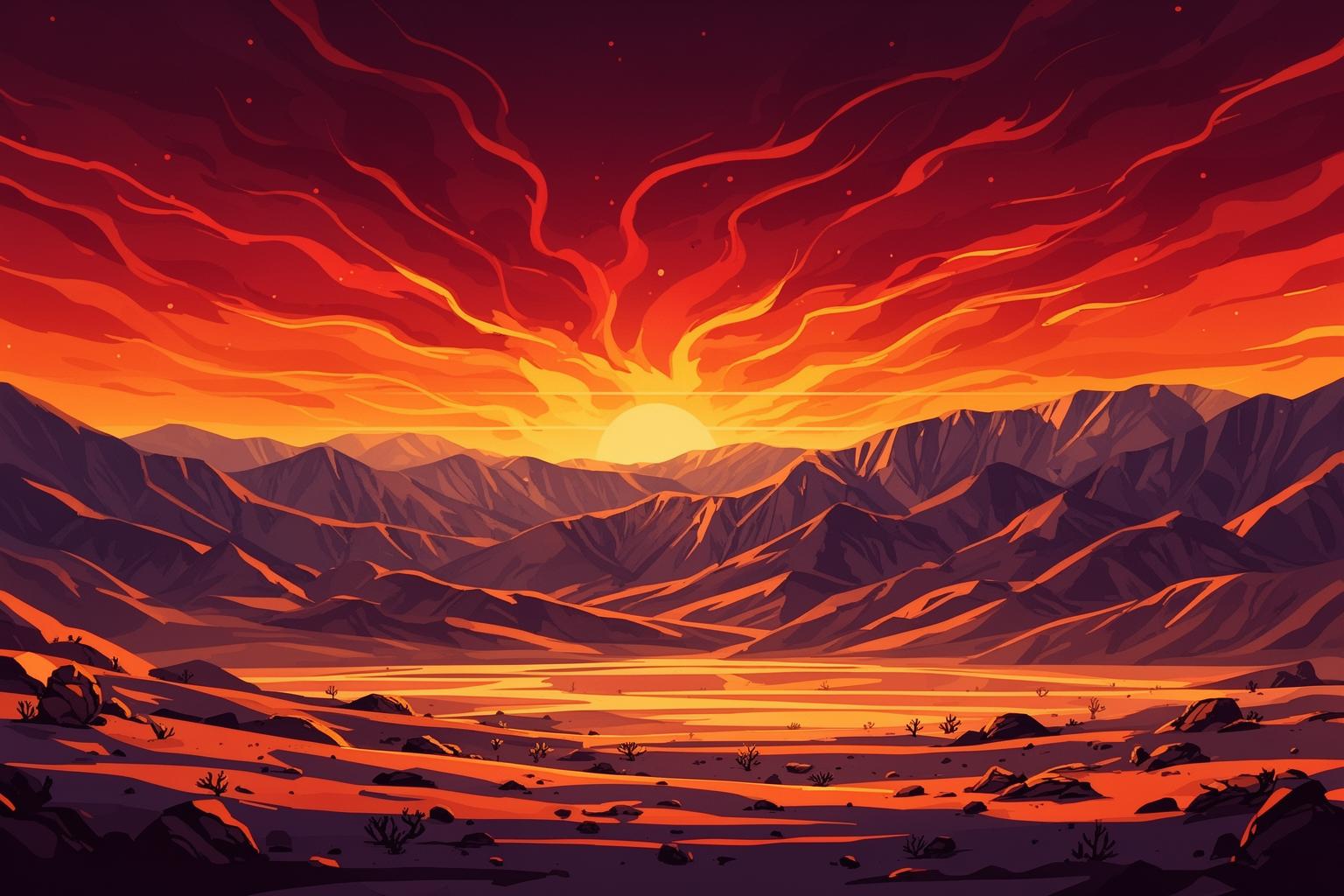
At the heart of the Mojave Desert lies a place defined by extremes. Death Valley National Park is the hottest, driest, and lowest spot in North America. It is a land of stark, harsh beauty, where sun-scorched salt flats, towering sand dunes, and rugged, multicolored canyons create a landscape both daunting and captivating. Yet, this realm of intense heat is also a haven of profound darkness. As a Gold Tier International Dark Sky Park, Death Valley boasts some of the most pristine and protected night skies in the United States. The very conditions that make it so inhospitable during the day—dryness, clear air, and isolation from major cities—transform it into a stargazer’s paradise after dark. Standing in Death Valley once the sun has set means witnessing a sky so vast and dark it feels as if the roof of the world has been removed. The silence is complete, the air still, and the universe unfolds overhead with breathtaking clarity and grandeur.
Extreme Beauty in the Darkest Park
The nighttime atmosphere in Death Valley is surreal and tranquil. The day’s oppressive heat yields to a pleasantly cool desert breeze. Harsh landscapes soften into mysterious forms silhouetted against the dark sky. It feels as though you’ve stepped onto another planet. The vast emptiness of the valleys and the towering mountains create a natural amphitheater for the celestial display. Once your eyes adjust fully to the darkness, you can see the zodiacal light—a faint, ethereal pyramid-shaped glow caused by sunlight scattering off solar system dust—a phenomenon visible only in the darkest skies. The Milky Way is not merely visible; it is a bright, textured band stretching horizon to horizon, so luminous it seems you could navigate by its glow alone. This place strips away all distractions, leaving just the raw elements: the earth beneath and the cosmos above.
Badwater Basin and Mesquite Flat Sand Dunes
Death Valley offers iconic locations that transform into enchanting stargazing sites after dark. Badwater Basin, situated 282 feet below sea level, is a vast salt flat where, under starlight, the intricate geometric patterns of salt crystals appear to glow, creating an otherworldly scene. Lying back on the cool salt, surrounded by endless emptiness, brings a profound sense of solitude and wonder. Another prime spot is the Mesquite Flat Sand Dunes near Stovepipe Wells. At night, the dunes become a stage of shifting light and shadow. Climbing to a dune’s peak and resting on the still-warm sand with a full 360-degree sky view is unforgettable. The dunes’ smooth, flowing shapes provide an ideal foreground for astrophotography, contrasting organic earth forms with the sharp pinpoints of stars. Additional excellent vantage points include Zabriskie Point, with sweeping views of the golden badlands, and Ubehebe Crater, a vast volcanic crater in a remote corner of the park.
Surviving and Thriving Under the Stars
Death Valley demands respect and careful preparation. Located in a remote region spanning California and Nevada, it is several hours’ drive from Las Vegas or Los Angeles. A reliable vehicle is a must, and carrying ample water—at least one gallon per person per day—is essential. The optimal time for stargazing visits ranges from late autumn to spring (October to April), when daytime temperatures are bearable and nights are cool and comfortable. Summers are brutally hot, with daytime highs routinely over 120°F (49°C), posing serious risks except for the most experienced and well-prepared visitors. Even in cooler months, nights can be chilly, so layered clothing is recommended. The park’s vastness means advance planning for sunset and stargazing spots is crucial. Fuel up your vehicle ahead of time, as gas stations are scarce. Furnace Creek and Stovepipe Wells areas provide lodging, food, and fuel, but it’s wise to book accommodations early, especially during peak winter and spring seasons.
Seasonal Considerations and Safety
Death Valley park rangers frequently host astronomy events, particularly during winter and new moon weekends. Check the official park website for schedules of ranger-led night sky programs and star parties. These gatherings offer excellent opportunities to learn constellations and use powerful telescopes provided by the park and local astronomy groups. Newcomers should remain cautious of desert wildlife. While rattlesnakes and scorpions generally avoid humans, it’s prudent to use a red-light torch to monitor your steps and avoid putting hands in unseen places. Most importantly, embrace the darkness. Find a safe spot to pull off the road, switch off all lights, and step into the night. The longer you stay, the more emerges—your eyes will adjust to reveal dimmer and dimmer objects until the sky becomes a dense, shimmering field of light. In the extreme environment of Death Valley, you discover a beauty that is equally extreme and unforgettable.
The Stargazer’s Toolkit: Preparing for the Night
Setting out for a dark sky destination is an investment in awe, but a bit of preparation can elevate a good experience into an extraordinary one. Beyond selecting the ideal location and timing, having the right mindset and a handful of essential gear can greatly deepen your connection with the universe. It’s not about owning the priciest equipment; it’s about having the appropriate tools to help you observe, comprehend, and cherish the spectacle above. The most crucial tool, however, is free: patience. The night sky reveals its mysteries gradually, inviting you to slow down, remain still, and simply gaze upward. In a world of constant movement and instant gratification, this quiet act of observation becomes a profound meditation in itself.
Seeing in the Dark: Gear and Gadgets
While the naked eye is an incredible instrument, a bit of optical assistance can unveil new wonders. The best single investment for a beginner stargazer is a quality pair of binoculars. They are portable, simple to use, and provide a wide field of view perfect for exploring the Milky Way. A basic pair of 7×50 or 10×50 binoculars captures much more light than your eyes, revealing countless stars previously invisible. You’ll be able to glimpse the faint fuzz of the Andromeda Galaxy, the sparkling clusters of the Pleiades, and even Jupiter’s four largest moons. For steadier viewing, consider attaching a tripod adapter to your binoculars. A comfortable chair is another essential item. A reclining camp chair or a thick blanket will protect your neck from strain and let you relax, soaking in the view for hours. Dress in layers—always more than you think you’ll need—since your body cools quickly when sitting still, and being cold is the fastest way to cut short a stargazing session.
Binoculars vs. Telescopes
Telescopes are fantastic tools capable of showing Saturn’s rings or the spiral arms of a distant galaxy, but they come with a steeper learning curve. For beginners, setting up and aligning a telescope in the dark can be frustrating. That’s why binoculars are often recommended as a first step. They teach you how to navigate the sky and locate objects—skills essential before moving on to a telescope. If you’re ready for a telescope, a Dobsonian-mounted reflector is often regarded as the best value for beginners. They are straightforward, stable, and offer a large aperture (light-gathering capacity) for the price. But before purchasing anything, think about joining a local astronomy club or going to a public star party. You’ll have the opportunity to look through various types of telescopes and receive advice from experienced observers.
The Power of a Red Light
This is a fundamental rule of stargazing etiquette and effectiveness. Human eyes need about 20-30 minutes to become fully “dark-adapted,” allowing pupils to dilate and a chemical called rhodopsin to accumulate, which is vital for detecting faint light. Even one flash of white light from a phone screen or a regular flashlight can instantly ruin this adaptation, forcing you to start over. Red light, however, doesn’t affect night vision in the same way. A simple headlamp with a red-light mode is an indispensable piece of equipment. It lets you read star charts, adjust gear, or navigate without overwhelming yourself or fellow stargazers. Many stargazing apps also include a red-light mode for this very reason. Protecting your night vision is key to unlocking the night sky’s most subtle and beautiful details.
The Art of Night Sky Photography
Capturing the night sky’s beauty is both challenging and deeply rewarding. Modern digital cameras have made astrophotography more accessible than ever. To begin, you’ll need a camera that allows manual control of settings (a DSLR or mirrorless camera is ideal), a wide-angle lens with a fast aperture (f/2.8 or lower is excellent), and a sturdy tripod. The tripod is essential since you will be using long exposures, and any camera shake will blur your images. The basic principle is to let in as much light as possible without causing star trails from Earth’s rotation. A good starting point for wide-angle shots of the Milky Way is an ISO of 3200-6400, the aperture opened fully (e.g., f/2.8), and a shutter speed between 15 and 25 seconds. Experimentation is crucial. Use a remote shutter release or your camera’s self-timer to minimize shake when pressing the shutter. Focusing can be tricky in the dark; switch to manual focus, aim at the brightest star, use live view to zoom in, and adjust the focus ring until the star appears as a sharp pinprick. Don’t be discouraged if your initial shots aren’t perfect—astrophotography is a process of trial and error, but capturing your own cosmic image is truly magical.
Capturing the Cosmos
Beyond single shots, you can explore advanced techniques like star trails. This involves taking dozens or hundreds of consecutive long-exposure photos and then “stacking” them with software to illustrate the stars’ apparent movement across the sky. Another popular method is time-lapse photography, which shows the majestic rise and set of the Milky Way. Remember, the best astrophotos often include a striking foreground feature—a mountain, tree, or old building—to provide scale and context. This links the heavens to Earth, telling a more compelling story. Ultimately, while photography is a wonderful way to preserve memories, don’t forget to also put the camera down. Spend time simply looking and absorbing the view with your own eyes. No photo can fully capture the feeling of standing beneath a truly dark sky.
The Enduring Call of the Cosmos

Ultimately, a journey to a dark sky sanctuary is more than just a vacation. It is a return. It is a pilgrimage to a shared cathedral, a place that has inspired poets, guided explorers, and sparked the curiosity of scientists for millennia. Standing in the profound silence of the desert or mountains, illuminated by the ancient light of distant stars, brings about a fundamental shift in perspective. The worries and deadlines of daily life shrink to their rightful, insignificant size in the face of such vastness. We are reminded that we belong to something far grander and more mysterious than we can fully grasp. This experience is not a luxury; it is an essential part of our human heritage, increasingly rare and precious. These dark sky places are more than tourist destinations; they are libraries of cosmic history and laboratories for future discoveries. They are also refuges for nocturnal wildlife and crucial ecosystems that rely on the natural rhythm of day and night. Protecting them is about more than preserving a beautiful view; it means safeguarding a fundamental part of our planet’s health and our spiritual well-being. So, the next time you can, step away from the lights. Find a dark place, let your eyes adjust, and look up. Allow the silence and starlight to wash over you. This journey costs little more than time and patience, but its rewards—a sense of wonder, a connection, and a renewed perspective—are boundless.