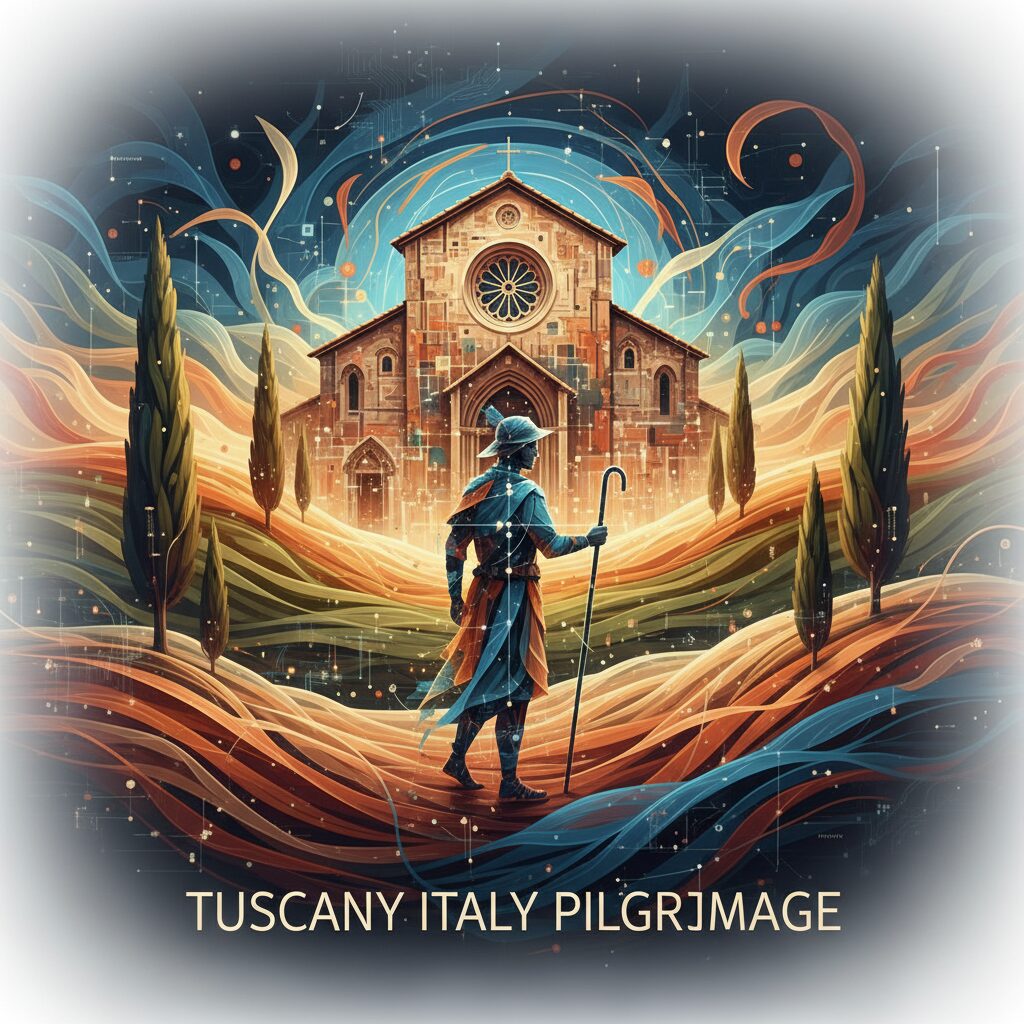
There are films that entertain, and then there are films that change you. They plant a seed, a quiet, persistent whisper of a different kind of life, a different way of being. For countless souls around the globe, Diane Lane’s radiant portrayal of Frances Mayes in “Under the Tuscan Sun” was exactly that—a cinematic siren call to a life drenched in golden light, messy renovations, and the profound joy of starting over. The film isn’t just a story; it’s an invitation. It’s a promise that somewhere, nestled among rolling hills blanketed in sunflowers and cypress trees, a place exists where a broken heart can be mended not just with time, but with community, with purpose, and with an obscene amount of delicious pasta. This journey isn’t just about visiting a movie set; it’s about stepping into a feeling, a daydream made tangible. It’s a pilgrimage to Cortona, the sun-drenched town in Tuscany that became a character in its own right, and to the other cinematic corners of Italy that framed Frances’s beautiful, chaotic, and ultimately triumphant transformation.
This is not a checklist of locations to be ticked off. It is a guide to immersing yourself in the very essence of the film’s spirit. It’s about finding your own Bramasole, not necessarily in a crumbling villa, but in the courage to buy a ticket, to say yes to the unexpected, and to discover that the life you go to Italy to find is the one that was waiting inside you all along. We’ll wander the same steep, cobblestoned streets, feel the warmth of the ancient stones under our palms, and maybe, just maybe, catch a glimpse of that elusive ladybug that signals a wish is about to come true. This is your personal invitation to step through the screen and find your own slice of the Tuscan sun, to live out the romance, not with a dashing Italian, but with life itself.
If you’re inspired to embark on a different kind of cinematic pilgrimage, consider exploring the vibrant urban landscape of Japan with our guide to experiencing Tokyo on a budget.
Cortona: The Soul of the Story
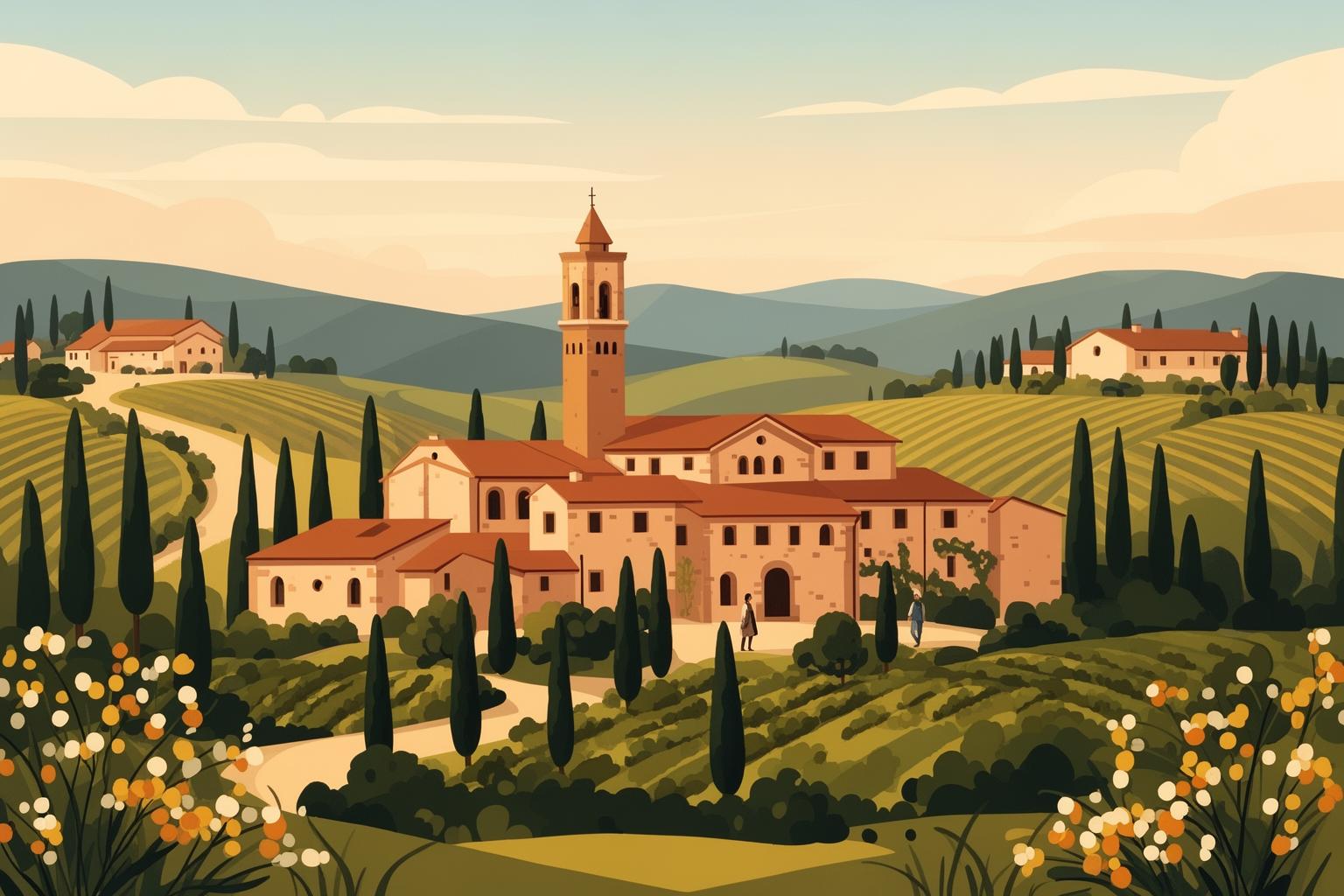
Cortona serves not just as the backdrop of the film but as its very heartbeat. Perched majestically on a hillside, its ancient Etruscan walls enclose a maze of medieval streets spiraling upward, each turn unveiling a stunning view of the Val di Chiana below. Arriving in Cortona feels like stepping into a different world, one where time flows at the unhurried pace of a dripping olive press. The air here is distinct—thinner, purer, carrying the scents of woodsmoke, blooming jasmine, and fresh-baked bread. This is the town that welcomed Frances, offering her a community in her loneliest moments, and it is where any genuine pilgrimage begins.
The Search for Villa Bramasole
The name—Villa Bramasole—means “to yearn for the sun,” perfectly capturing the poetic essence of the film’s theme. It acts as the catalyst, the beautiful, crumbling property Frances impulsively buys, setting her journey of renewal into motion. For visitors to Cortona, finding this villa often becomes the primary quest—yet here reality and cinematic illusion delightfully diverge.
The Film’s Villa: Villa Laura
The villa featured as ‘Bramasole’ on screen is actually Villa Laura, situated just outside Cortona’s walls. This is where Frances’s discovery unfolds, with frescoed walls and wildly overgrown gardens. For years, it remained a private residence, admired mainly from afar. In a wonderful twist reminiscent of a movie sequel, Villa Laura has now been beautifully restored and is offered as a luxury rental. Staying there offers the ultimate immersion: cooking in the famed kitchen, dining beneath Tuscan stars, and living the dream in its most literal form. Even if you’re not a guest, passing by by car or on foot provides a tangible connection to Frances’s spontaneous, life-changing choice. You can see the grand gates, the iconic facade, and imagine the boisterous Polish construction crew reviving it with their lively energy and quirky plumbing skills.
The Real Bramasole: The Mayes Residence
Then there is the actual Villa Bramasole, the home purchased and restored by author Frances Mayes—the true inspiration behind the book that launched it all. This villa, also just outside Cortona, is a beautiful apricot-colored house with classic green shutters. It remains a private residence, and the Mayes family rightly requests privacy. Nevertheless, its spirit fills the town. Walking the path past it is a quiet tribute to the genuine story of courage and healing. Seeing it, even from the roadside, feels like a nod to the source—a subtle acknowledgment of the real woman whose voyage of self-discovery touched millions. The contrast between the two villas is fascinating: one, a stunning cinematic stand-in chosen for its visual appeal; the other, the authentic heart of the original memoir. Together, they embody the story’s dual soul: the Hollywood dream and the heartfelt reality.
Life in the Piazza: The Heartbeat of Cortona
If the villa is the soul, the piazza represents the town’s heartbeat. Cortona boasts two main squares prominently featured in the film, each exuding its own unique character. Spending time in these spaces offers insight into the rhythm of Italian life that so enchanted Frances.
Piazza della Repubblica
This is the quintessential Tuscan hilltown square, dominated by the striking medieval Palazzo Comunale with its iconic clock tower and grand staircase. The triangular piazza is Cortona’s public heart. It is here that Frances, fresh off the bus with her “Gay and Away” tour group, first glimpses the town destined to change her life. One can almost hear the tour guide recounting its history. Though the fountain shown in the film was a prop, its spirit lives on. The square is lined with cafes to enjoy a cappuccino in the morning or an Aperol spritz at dusk while watching life unfold. This is a meeting place where locals exchange greetings and children chase pigeons. The weekly market, filmed elsewhere for cinematic reasons, often spills into this area, filling the air with the vibrant colors, sounds, and smells of fresh produce and handmade crafts. Sitting on the Palazzo Comunale steps allows you to feel centuries of history, becoming part of a narrative far older than any movie.
Piazza Signorelli
Next to Piazza della Repubblica lies Piazza Signorelli, larger and more rectangular, with a stately, cultural air. Framed by the impressive Teatro Signorelli and the Museo dell’Accademia Etrusca, this square hosts one of the film’s most joyous and iconic scenes: the flag-throwing ceremony. Standing in the center, you can imagine the booming drums, swirling medieval costumes, and the breathtaking skill of the performers launching flags into the bright blue sky. The elegant neoclassical theater is where Frances watches Katherine’s Fellini-esque antics. Still a working theater, lucky visitors might catch a live performance, adding depth and life to their pilgrimage. This piazza feels more formal—a stage for celebration and history, perfect for the film’s grandest moments.
Wandering the Vicoli: Getting Lost is the Point
Beyond the famous squares and villas, the true enchantment of Cortona lies in its vicoli—the narrow, steep, endlessly charming alleyways where the film’s atmosphere truly comes alive. Frances’s wanderings through these lanes are captured in many scenes, reflecting her gradual embrace of the town’s fabric. To follow her footsteps, one must set the map aside and simply walk.
Let your feet lead you up steep slopes and down hidden staircases. The stone walls, smoothed by centuries of contact, feel cool under your touch. You’ll pass arched doorways revealing private courtyards brimming with potted geraniums. Sunlight filters through narrow shafts, highlighting the textures of brick and stone. The ambient sounds are intimate—the clinking of cutlery from an open kitchen, distant church bells, soft Italian conversations from tucked-away trattorias. In these quiet moments of aimless wandering, Frances’s transformation is most palpable. She arrived a tourist, an outsider looking in, but through these daily strolls and small discoveries, she wove herself into the community. You may discover the small church where Pawel, the Polish worker, prayed or stumble upon a tiny artisan shop selling hand-painted ceramics. Every corner holds a story, every detail invites savoring. This is the essence of la passeggiata—the evening stroll—but in Cortona, it feels like a spiritual ritual, a way to connect with the ancient soul of the town.
Beyond Cortona: The Grandeur of Italy
While Cortona anchors the film, Frances’s path of healing and self-discovery leads her to several of Italy’s other stunning locations. These detours are more than just a shift in scenery; they mark significant emotional milestones in her journey, from the exhilarating surge of new love to the deep happiness of witnessing a friend’s joy.
Positano: A Vibrant Dream of Romance
When Frances embarks on a whirlwind romance with the strikingly handsome Marcello, the film shifts from the rustic, earthy tones of Tuscany to the bright, sun-washed pastels of the Amalfi Coast. Positano is more than a setting; it’s a vivid fantasy realized. The town appears to defy gravity, with colorful houses cascading down a sheer cliff to meet the sparkling turquoise Tyrrhenian Sea. It’s undeniably one of the most beautiful places on earth and the perfect backdrop for a love affair that feels almost too magical to be real.
The drive itself, along the iconic Amalfi Drive, is an essential part of the experience. The narrow, winding road, carved into the cliffs, offers breathtaking views at every bend. It’s the same route Frances and Marcello take in his classic red Alfa Romeo, a scene that perfectly captures the thrill and risk of their blossoming relationship. Once in Positano, the mood is pure glamour and romance. The main beach, Spiaggia Grande, is where they share intimate moments against the iconic backdrop of the town rising behind them. You can rent a lounge chair and umbrella, feel the warm pebbles beneath your feet, and watch elegantly dressed beachgoers pass by. The narrow pedestrian lanes form a vertical maze of luxury boutiques, art galleries, and cafes draped in bougainvillea. Here, the film captures the intoxicating, dreamlike experience of falling in love in Italy. The sensory richness—the scent of lemon groves, the flavor of fresh seafood, the dazzling sunlight on the water—reflects the intensity of Frances’s feelings for Marcello. Positano within the film symbolizes a break from her measured, planned life. It’s a surrender to passion and living in the moment. Although the romance eventually proves to be an illusion, Positano’s beauty remains genuine and lasting, reminding us that even brief moments of joy and connection are vital to healing.
Montepulciano: A Scene for Celebration
Later, as Frances embraces her new life, the film takes us to another splendid Tuscan hill town: Montepulciano. This locale provides the setting for the wedding of the young Polish worker Pawel and his beloved Chiara. The scene serves as a pivotal moment, illustrating Frances’s full integration into her adopted community and her role as a kindly matriarch. Montepulciano, famous for its stately Renaissance palaces and renowned Vino Nobile wine, conveys grandeur and enduring tradition.
The wedding takes place in the magnificent Piazza Grande, the town’s highest point and main square. This piazza, even more imposing than those in Cortona, is enclosed by impressive buildings including the Palazzo Comunale (bearing a strong resemblance to Florence’s Palazzo Vecchio) and the unfinished yet strikingly stark facade of the Cattedrale di Santa Maria Assunta. Standing here, you are immediately struck by its scale and architectural unity. It feels like a grand outdoor stage, and that is exactly how it’s employed in the film. The joy and community spirit at the wedding feast, with its long tables and abundant wine, fills this historic space. It visually represents the new family Frances has nurtured. Visiting Montepulciano presents a different side of Tuscany. It feels more aristocratic and refined than the rustic charm of Cortona. You can explore the underground cellars where the renowned wine is aged, sample the Vino Nobile in historic enotecas, and stroll along Il Corso, the main street winding through the town. Montepulciano’s inclusion in the film’s narrative marks a shift from personal recovery to collective celebration—a testament that Frances’s life now extends beyond her own renewal to fostering love and connection for others.
Rome: The Journey’s Beginning and End
Rome frames Frances’s story. It is where her old life symbolically concludes and where her new one is beautifully confirmed. In the beginning, we see her as a tourist, wandering through the ruins of the Roman Forum, a landscape of faded grandeur that parallels her own feelings of devastation after her divorce. Rome is overwhelming and chaotic, a place where she feels anonymous and lost. It’s the point of departure—setting her on a journey that will unexpectedly lead her to Cortona.
At the film’s conclusion, Frances returns to Rome, but as a transformed person. She is no longer a lost tourist, but a confident resident of Italy, visiting the city to meet her new love, an American writer. This final scene, often believed to be filmed at the Trevi Fountain, captures the magic and serendipity that now define her life. Rome here is no longer a symbol of ruin but one of lasting promise and fresh beginnings. A pilgrimage inspired by the film could start or end in Rome, allowing you to witness this contrast. Walk through the Forum and Colosseum, feeling the weight of history. Then wander to a lively piazza like Piazza Navona with its Bernini fountains, and simply sit, watch, and absorb the city’s vibrant energy. The film uses Rome sparingly but powerfully, as a symbol of the broader Italian backdrop against which Frances’s personal story unfolds. It’s the gateway to and from her Tuscan life—the link to the wider world she ultimately reconnects with on her own terms.
Living the Tuscan Dream: More Than Just a Location
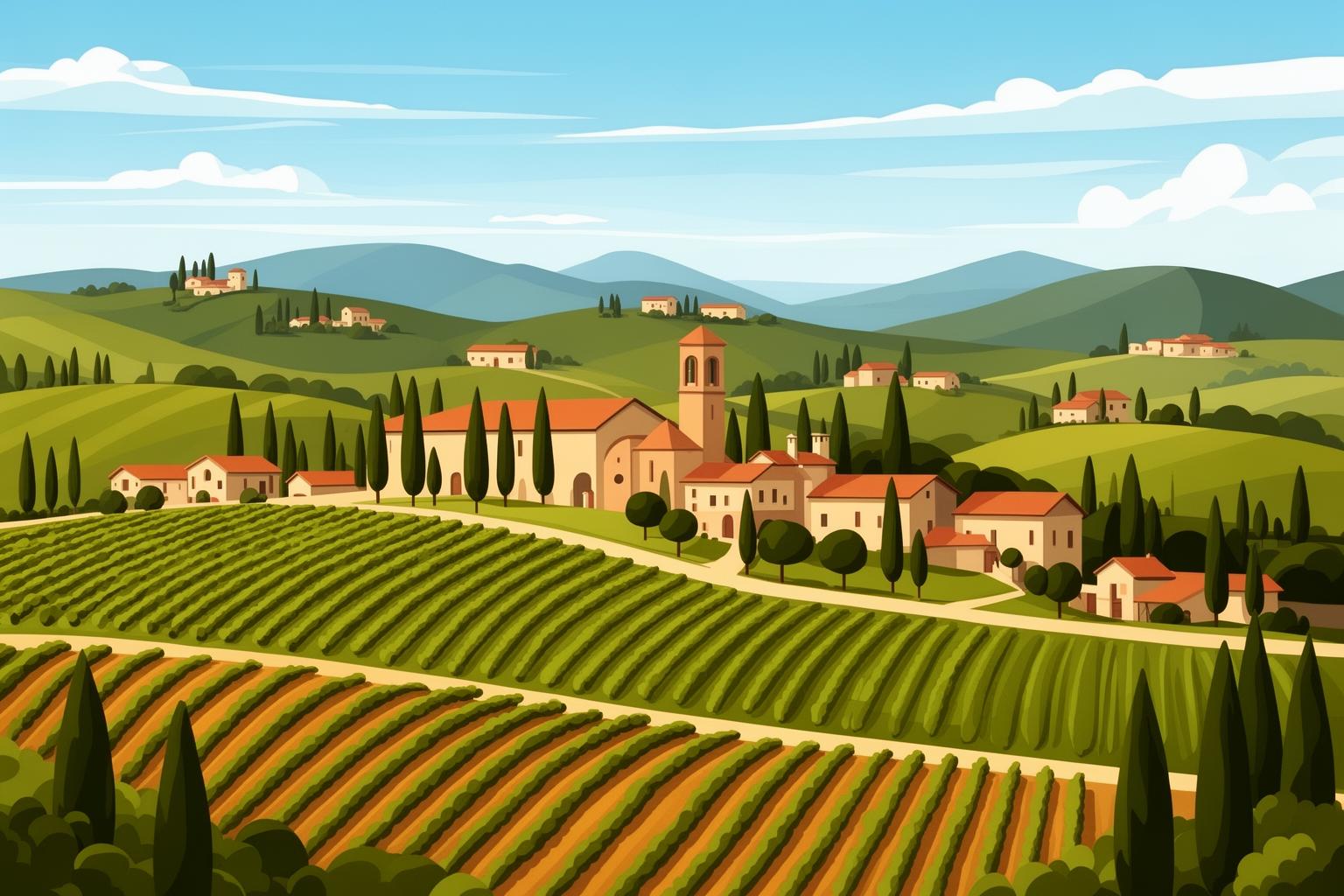
To genuinely embark on an “Under the Tuscan Sun” pilgrimage means understanding that the film’s enchantment stems not only from its stunning settings but also from its celebration of a distinctive way of life. It embraces the philosophy that so profoundly transforms Frances—immersing oneself in the culture, cuisine, and people with the same open-hearted curiosity she showed.
The Sacred Ritual of Food
Food plays a pivotal role in the film. It serves as the medium through which community is forged, comfort is offered, and joy is conveyed. From the artichokes shared with her realtor to the lavish feasts prepared in her newly renovated kitchen, food is never merely nourishment; it is a language of love. To live the film, one must dive into Tuscany’s culinary essence.
Begin at the local market. Discover the Cortona market and immerse yourself in the sensory richness: the vibrant heaps of ripe tomatoes, the sharp scent of aged pecorino cheese, and the lively exchanges between vendors and locals. Purchase unfamiliar ingredients and seek advice on cooking them. This was Frances’s approach—learning by engaging with those who grew and sold the food. Then, take a cooking class. Many agriturismos and culinary schools around Cortona offer lessons revealing the secrets of Tuscan cuisine. Master making pasta from scratch, perfect a simple yet exquisite tomato sauce, and understand the holy trinity of Tuscan cooking: olive oil, garlic, and seasonal produce. Sharing a meal is Italy’s ultimate communal act. Seek out small, family-run trattorias where the handwritten menu changes daily. Converse with the staff, ask for recommendations, and savor every bite. This is how Frances formed her new family—around a table, sharing food, wine, and stories. The film reminds us that a kitchen is the heart of a home, and a shared meal can heal almost anything.
The Art of Renovation and Rebirth
The renovation of Villa Bramasole serves as the film’s central metaphor. Frances transforms a dilapidated, neglected villa into a place of beauty, warmth, and life through patience, hard work, and some help from friends. In doing so, she renovates her own life. This theme of rebirth and reverence for the old is deeply rooted in the Italian spirit.
This is evident throughout Tuscany—in the loving restoration of ancient farmhouses, the preservation of medieval towns, and the passing down of traditions across generations. Even if you’re not renovating a villa, you can tap into this essence. Visit local artisan workshops: Cortona and its surroundings abound with craftspeople specializing in ceramics, leather, and woodwork. Observe their skill and dedication as they create beauty by hand. Visit the Etruscan Museum in Cortona to connect with the region’s ancient origins. Appreciating the layers of history beneath the surface offers profound perspective, reminding you that, like Cortona’s old stones, life is about endurance, weathering storms, and finding beauty in imperfection. The film’s message is clear: it’s never too late to start anew—to tear down walls, let in more light, and build something beautiful from what was once broken.
Practical Advice for the Pilgrim
Setting out on this journey calls for some planning to fully immerse yourself in the experience.
Getting to Cortona
Most travelers reach Cortona by flying into a major Italian airport such as Florence (FLR) or Rome (FCO). From there, trains run to Camucia-Cortona or Terontola-Cortona, both situated in the valley below the town. A short bus or taxi ride from the station takes you up the winding road to the town center. Renting a car is highly recommended if you want to explore the broader Tuscan countryside, visit villas, and take day trips to places like Montepulciano. Driving along the cypress-lined roads is an iconic part of the experience itself.
When to Visit
Tuscany offers beauty year-round, with each season presenting a unique experience. Spring (April-May) brings wildflowers and mild temperatures, ideal for walking. Summer (June-August) is the high season, full of sunshine, outdoor festivals, and bustling crowds—this is when sunflower fields bloom spectacularly. Autumn (September-October) marks the harvest season, perfect for food and wine lovers with grape harvesting, olive picking, and truffle festivals. The light turns golden and the air grows crisp. Winter is quieter and more reflective, providing a chance to experience the town like a local, with fewer tourists and the cozy scent of fireplaces.
Where to Stay
To truly embrace the experience, consider lodging in an agriturismo—a working farm offering guest accommodations—to get a taste of rural Tuscan life. Alternatively, renting an apartment within Cortona’s ancient walls lets you live the town’s daily rhythm, shop at local stores, and greet neighbors. Of course, many charming hotels and B&Bs are available to suit every budget.
Embrace Serendipity
The most vital advice is to embody the film’s core lesson: remain open to the unexpected. Avoid over-planning your trip. Leave whole afternoons free for aimless wandering. Sit in a piazza for hours without any agenda but observation. Strike up conversations with shopkeepers. Get delightfully lost. Accept spontaneous invitations. Frances’s life changed because she impulsively got off a bus. Your most memorable moments may not be those you plan but those that find you when you allow a little magic, a little serendipity. This is the true spirit of traveling under the Tuscan sun.
Finding Your Own Bramasole
Ultimately, a pilgrimage to the sites of “Under the Tuscan Sun” is about much more than simply visiting where a movie was filmed. It is an emotional and spiritual journey. It involves seeking the emotions the film stirs: hope, resilience, and the deep beauty of everyday life. You may not purchase a villa or fall for a charming Italian, but you can discover your own version of Bramasole. It might be found in the bravery to travel alone, the joy of sharing a meal with newfound friends, or in the quiet, profound moment of watching the sunset over the rolling hills of the Val di Chiana, a glass of local wine in hand.
The lasting appeal of this story lies in its universal message: that it is possible to rebuild a life more beautiful and true than the one lost. Cortona and its cinematic companions are not just destinations; they symbolize that possibility. They remind us to yearn for the sun, to open the shutters, and to let light flood in. So go. Walk the ancient stones, listen to the melody of the Italian language, savor the richness of the land, and let the warmth of the Tuscan sun heal the parts of you that need mending. The perfect life may not exist, but as Frances Mayes wrote, and as the film so beautifully illustrates, a life full of perfect moments certainly does. Many of those moments are waiting for you here, in the heart of Italy.