
There are stories that feel like a faded photograph, a half-remembered song from a summer long past. Studio Ghibli’s 1993 television film, Ocean Waves, is one such story. Unlike the fantastical worlds of Spirited Away or My Neighbor Totoro, this film is grounded in a startlingly real, achingly nostalgic vision of high school life in Japan. It’s a subtle masterpiece of unspoken feelings, long-distance phone calls, and the humid, sun-drenched days of youth. The story follows Taku Morisaki and his complex, frustrating, and captivating relationship with the enigmatic transfer student from Tokyo, Rikako Muto. Their world is not one of magic, but of concrete schoolyards, rumbling trains, and the shimmering sea. And that world, so beautifully rendered, is real. It exists, waiting to be explored, primarily in two distinct locations: the bright, coastal city of Kochi on the island of Shikoku, and the trendy, sophisticated Tokyo suburb of Kichijoji. To walk these streets is to step directly into the animation cels, to feel the sea breeze Taku felt and see the city lights that dazzled Rikako. It’s a pilgrimage not just for an anime fan, but for anyone who has ever looked back on their own coming-of-age with a mix of fondness and melancholy. This journey is about finding the soul of a place that shaped a quiet, unforgettable story.
This kind of cinematic pilgrimage, where the real world breathes life into a fictional story, is also beautifully explored in our guide to the San Francisco of The Conversation.
The Heart of the Story: Embracing the Sunlight in Kochi
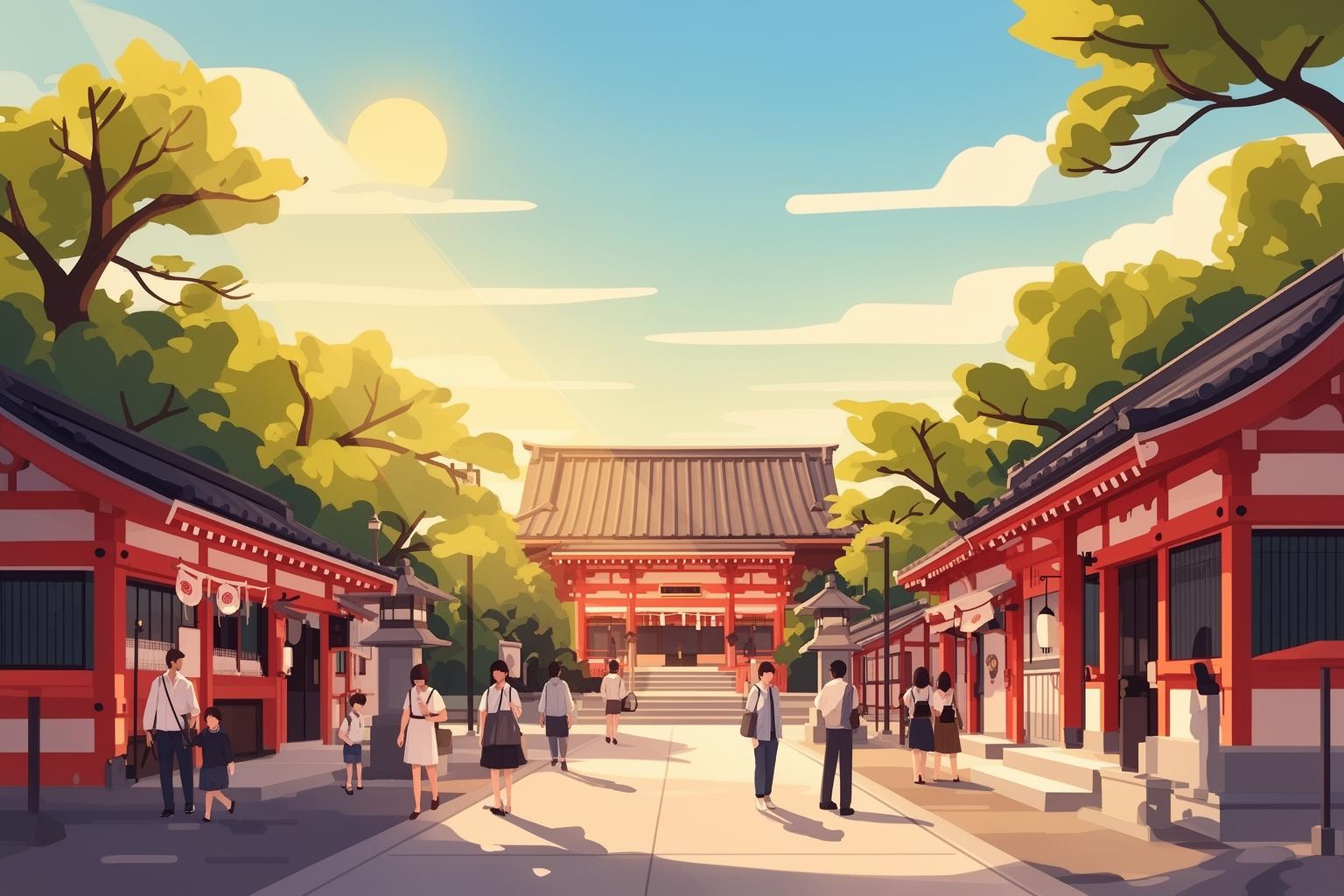
Kochi is the essence of Ocean Waves. It serves as the setting for most of the film, characterized by its radiant sunshine, proximity to the vast Pacific Ocean, and a relaxed, almost rustic charm that starkly contrasts Rikako’s Tokyo background. The city itself becomes a character—its humid air, the cicadas’ summer chorus, and the distinctive Tosa dialect spoken by the characters all combine to create an atmosphere that is simultaneously idyllic and, for Rikako, profoundly isolating. Visiting Kochi means embracing this duality: feeling the warmth that nurtured Taku and Yutaka’s friendship, while also sensing the provincial quietness that Rikako found stifling.
Echoes of Youth at Otemae High School
Every coming-of-age story needs a grounding point, and in Ocean Waves, that anchor is the high school. The film’s school was modeled on the real Kochi Otemae High School, a historic institution proudly standing in the city’s heart. Though entry into the school buildings is restricted, the exterior and surrounding neighborhood are instantly recognizable. The classic, somewhat imposing architecture, the wide school gates, and the sports fields where students’ voices echo in the afternoon remain vividly present. Standing outside, you can almost picture Taku and his best friend Yutaka Matsuno chatting on their way home or catch a glimpse of Rikako, aloof and elegant, walking alone.
To fully immerse yourself in the atmosphere, I suggest walking the route from the school toward the city center. The streets are lined with a blend of older shops and modern structures, perfectly reflecting a regional Japanese city. This was Taku’s daily world—a place of routine, familiarity, and the slow-paced life that he took for granted before Rikako’s arrival disrupted everything. The atmosphere is peaceful, almost drowsy, especially on a weekday afternoon during classes. The quietness allows you to project the film’s story onto the real world. You can imagine the inner thoughts, unspoken glances, and subtle dramas unfolding along these very real, ordinary streets. It’s a powerful reminder that the most profound stories often occur in the most mundane settings.
The View from Mount Godai: A Shared Horizon
One of the most touching scenes in Ocean Waves happens not in the bustling city but high above it, on Mount Godai. Here, Taku and Rikako share one of their rare moments of quiet, unguarded connection as they gaze over the city and the sea. This spot is a must-visit for any fan. Getting there can be part of the adventure; the My-Yu sightseeing bus, which conveniently links major tourist spots, is the easiest option. The ride up the mountainside builds anticipation.
At the summit, the view is stunning. The entire city of Kochi spreads out below, cradled by mountains and bordered by the sparkling Pacific Ocean. You can see the cityscape, the winding rivers, and the distant harbor. This is the very panorama the characters shared. Standing at the observatory, you gain both literal and emotional perspective. It’s a place for reflection, which explains why it was chosen for a scene where characters contemplate their lives and futures. This space feels apart from the petty dramas of high school, where greater thoughts and emotions surface.
While on Mount Godai, be sure to visit Chikurin-ji Temple, one of the 88 temples on the Shikoku Pilgrimage. Its beautiful five-story pagoda and serene gardens offer a taste of traditional Japanese culture and tranquility. The contrast between the ancient temple and the modern city view perfectly captures the unique blend of old and new that defines much of Japan. For travelers, this spot offers a dual reward: a key anime location and an important cultural site.
Kochi Castle: A Silent Witness to a Tense Encounter
Rising above the city, Kochi Castle is the region’s most iconic landmark and a significant setting in the film. It is the place where Rikako, feeling betrayed and misunderstood, slaps Taku across the face. This raw, emotional moment is etched into the memory of every viewer, and standing in the very spot where it unfolded is a surreal experience. One of only twelve original castles remaining in Japan, Kochi Castle exudes a sense of history and permanence. Its wooden structure has endured centuries, silently witnessing stories both grand and deeply personal.
To fully appreciate the experience, enter the castle grounds and climb to the top of the main keep. The ascent, up steep wooden stairs, feels like a journey back through time. From the top floor, you’re rewarded with a breathtaking panoramic view of Kochi, distinct from the one at Mount Godai. You stand in the city’s heart, overlooking the streets and buildings familiar to the characters. After soaking in the view, locate the exact area on the castle grounds depicted in the film. The stone walls and wide-open plaza are remarkably well preserved. The air here carries the memory of that scene—you can almost hear the sharp slap, feel the shock, and sense the humid evening air. It’s a testament to the film’s power that a fictional event can breathe specific emotional resonance into a real historical setting. I recommend visiting late in the afternoon when the setting sun casts long shadows and softens the light, echoing the film’s melancholic and beautiful cinematography.
Harimayabashi Bridge and the Rhythm of Daily Life
Though not the site of a major plot moment, the area around Harimayabashi Bridge symbolizes the daily life depicted in Ocean Waves. The bridge itself is a famous Kochi landmark, celebrated in a local folk song about a forbidden love story. The bright red, lacquered bridge today is a reconstruction and somewhat touristy. However, the surrounding area is what truly matters. This is the commercial heart of Kochi. The Obiyamachi and Harimayabashi shopping arcades, covered pedestrian streets known as shotengai, buzz with activity. This is where the characters would have shopped, met friends, and passed time after school.
Walking through these arcades immerses you in local life. You’ll find everything from fashion boutiques and bookstores to traditional sweet shops and cafes. It’s a wonderful place to people-watch and feel the city’s rhythm. The sounds of shop announcements, shoppers chatting, and the scent of freshly baked goods create a sensory experience that grounds the anime world in tangible reality. This environment felt normal to Taku but perhaps provincial and dull to Rikako. For visitors, it offers a charming, lively slice of Japanese urban life—a great spot to grab a coffee and simply watch the world go by.
A Tale of Two Cities: The Tokyo Interlude in Kichijoji
The story of Ocean Waves is one of contrasts, and this is most evident in the transition from Kochi to Tokyo. After finishing high school, Taku moves to the capital for university, and the film’s aesthetic shifts along with him. The bright, open skies of Kochi give way to the dense, sophisticated urban landscape of Kichijoji. This trendy, sought-after suburb in West Tokyo marks a new chapter for Taku—one of independence, maturity, and an unexpected encounter that brings his past rushing back. Kichijoji feels like an entirely different world from Kochi, offering a glimpse into the life Taku is building for himself and the world Rikako always felt connected to.
Stepping into a Different World: Kichijoji Station
Your introduction to the Tokyo segment of the film begins, as it does for Taku, at Kichijoji Station. The moment you step off the train, the change in atmosphere is striking. While Kochi is relaxed and sunny, Kichijoji is a vibrant, bustling center of activity. The station is a key hub for the JR Chuo Line and the Keio Inokashira Line, constantly teeming with commuters, students, and shoppers. In the film, Taku appears slightly overwhelmed when he first spots Rikako across the platform, and it’s easy to see why. The crowd density, the steady stream of trains, and the stylish fashion of passersby create a world far removed from the quiet platforms of Kochi.
Although the station featured in the film has been renovated, its essential character remains intact. It serves as the gateway to one of Tokyo’s most beloved neighborhoods. The area around the station is a labyrinth of shopping streets, department stores, and narrow alleys packed with restaurants and bars. It embodies the freedom and anonymity of city life that Taku is just beginning to explore. For a first-time visitor, simply standing outside the station and taking it all in is a memorable experience. It’s the ideal starting point to understand the new world Taku has entered—a world brimming with possibilities and the chance to unexpectedly encounter someone from your past.
The Serenity of Inokashira Park: A Moment of Peace
Just a short walk from the hustle and bustle of Kichijoji Station lies its tranquil heart: Inokashira Park. This beautiful, expansive park is a cherished refuge for Tokyo residents and plays an important role in the film’s final act, serving as the setting for Taku’s university campus. The park is renowned for its large central pond, where visitors can rent swan boats, and its lush greenery, which changes spectacularly with the seasons. In spring, it’s one of Tokyo’s top spots for cherry blossom viewing, and in autumn, the vibrant hues of maple and ginkgo trees are stunning.
Strolling along the paths around the pond, you can easily find the locations that evoke the film’s university backdrop. Benches overlooking the water, small bridges, and the Benzaiten Shrine on an island in the pond all contribute to an atmosphere of calm and creativity. This is where Taku has his pivotal, post-reunion conversation with a friend, gaining clarity on his feelings for Rikako. The park feels like a place for reflection, the perfect setting for such a crucial moment of self-discovery. For anime enthusiasts, there’s an added layer of enchantment: the Ghibli Museum is located at the park’s southern end. Although tickets are famously difficult to obtain, simply passing by the whimsical building adds to the pilgrimage experience. Inokashira Park is an ideal spot to spend a leisurely afternoon, contemplating the film’s themes of time, distance, and the often slow, confusing journey of the heart.
Navigating the Labyrinth: The Streets of Kichijoji
Beyond the park, the streets of Kichijoji are a destination in themselves. The neighborhood consistently ranks as one of Tokyo’s most desirable places to live, and it’s easy to see why. It strikes a perfect balance between upscale commercialism and a quirky, independent spirit. As you move away from the station, you’ll discover a network of charming streets filled with trendy clothing boutiques, vintage shops, artisanal coffee houses, and unique 雑貨 (zakka, or miscellaneous goods) stores. This is the kind of environment Rikako would have felt at home in.
One of the most atmospheric areas to explore is Harmonica Yokocho, a compact maze of tiny, lantern-lit alleys just next to the station’s north exit. By day, it’s a collection of small shops and food stalls; by night, it transforms into a smoky, lively hotspot of minuscule bars and eateries, each seating just a few patrons. It feels like a relic from a bygone era, a striking contrast to the modern department stores just steps away. Wandering these streets, you can imagine Taku as a university student discovering his new city—finding a favorite ramen shop, or meeting friends at an izakaya. This neighborhood encourages exploration and discovery, a place where every corner holds something new and intriguing. It forms the texture of Taku’s new life, the rich and complex urban environment that serves as the backdrop for the story’s conclusion.
A Traveler’s Guide to the Ocean Waves Journey
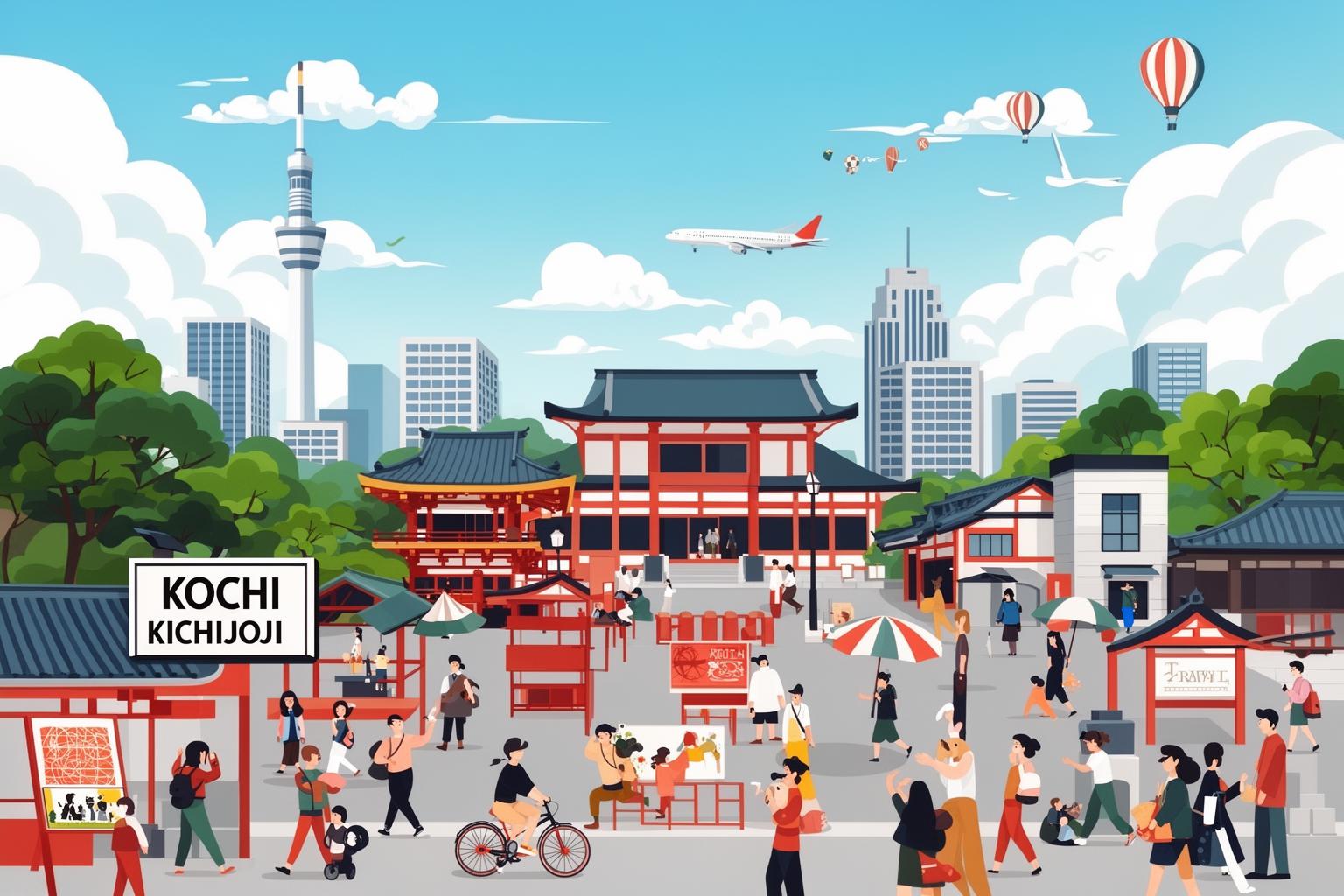
Embarking on a pilgrimage across two distinct regions of Japan requires some planning, but the journey itself forms part of the experience. This mirrors the film’s narrative—the transition between regional and metropolitan areas, the familiar and the new. Here is some practical advice to help make your trip smooth and immersive.
From Tokyo to Kochi: Bridging the Distance
The distance between Kichijoji and Kochi is considerable, with several travel options available. The fastest and most efficient is by plane. Flying from Tokyo’s Haneda Airport (HND) to Kochi Ryoma Airport (KCZ) takes about an hour and a half, which is the method Rikako uses in the film. From Kochi Airport, a convenient limousine bus will take you to the city center in approximately 30–40 minutes.
For travelers with more time or a Japan Rail Pass, the train journey offers a scenic adventure. This involves taking the Shinkansen (bullet train) from Tokyo to Okayama, then transferring to the JR Dosan Line Limited Express train, which winds through Shikoku’s beautiful mountains before reaching Kochi. The entire trip lasts around six to seven hours. Although longer, this route provides views of Japan’s shifting landscapes—from Tokyo’s urban sprawl to the lush greenery at the country’s heart—deepening your appreciation of the geographical and cultural distance between the film’s main settings.
Getting Around in Kochi: Trams, Buses, and Bicycles
Kochi is a delightfully compact city that’s easy to explore. Its center is walkable, but for longer trips, the city’s charming and efficient public transportation system is convenient. The most iconic way to get around is via the historic streetcars called the Toden. These trams cross the main areas of the city and offer a nostalgic way to travel.
To visit key pilgrimage spots like Mount Godai and Katsurahama Beach, the My-Yu Bus is essential. A one-day pass provides unlimited rides and discounts at many tourist sites, making it both practical and cost-effective.
To truly experience local life, I highly recommend renting a bicycle. Kochi’s terrain is mostly flat, and cycling along riverbanks or through quiet residential streets is a pleasure. It lets you explore at your own pace, uncover hidden corners, and fully absorb the city’s relaxed vibe. You can almost picture yourself as Taku, pedaling home from school on a warm afternoon.
The Flavors of Tosa: What to Eat in Kochi
No visit to Kochi is complete without savoring its exceptional local cuisine, known as Tosa-ryori. The region is renowned for its offerings from both sea and mountains. The undisputed star of Kochi’s cuisine is katsuo no tataki, or seared bonito. The fish is lightly seared over a blazing straw fire, creating a smoky, savory exterior while leaving the inside rare and fresh. It’s usually served with sliced garlic, green onions, and a citrus-based ponzu sauce. The best place to try this is at Hirome Market, a lively and unpretentious food hall where locals and tourists gather to eat, drink, and socialize. The vibrant, communal atmosphere is part of the experience.
Other local specialties to try include sawachi ryori, large platters of assorted fresh sashimi, sushi, and regional delicacies meant for sharing, as well as dishes featuring yuzu, a fragrant citrus fruit grown abundantly in the prefecture. Sampling the local cuisine is more than just nourishment; it’s a way to understand the culture and natural gifts of the region that shaped the characters of Ocean Waves.
Capturing the Feeling: A Photographer’s and Fashion Lover’s Perspective
As a traveler deeply attuned to aesthetics, a pilgrimage is as much about capturing the essence of a place as it is about visiting its landmarks. Ocean Waves possesses a unique visual style—soft, nostalgic, and rich with the beautiful, everyday details of life. Recreating this feeling in your travels and photography helps deepen your connection to the story.
The Aesthetic of Nostalgia: Framing Your Shots
The film’s charm comes from its subtle observation. To mirror this, focus on the details. Instead of a wide shot of Kochi Castle, photograph how the afternoon light filters through the tree leaves on the castle grounds. Capture old-fashioned signs in the shopping arcades, the sky’s reflection in a street puddle, or a solitary bicycle resting against a wall. The film’s color palette is gentle, with a warm, golden glow in Kochi and cooler, muted tones in Tokyo. Aim to shoot during the “golden hours” of early morning or late afternoon to replicate this natural, soft light.
In Kichijoji, highlight the contrast between the peaceful nature of Inokashira Park and the lively energy of the nearby streets. Document the movement of crowds, neon signs at dusk, and quiet moments people steal on park benches. The aim is not merely to record the places but to convey the mood—the loneliness, hope, and quiet beauty—that suffuses the film.
Dressing the Part: A Subtle Nod to 90s Style
Working in apparel, I can’t help but notice the fashion in the film. It perfectly captures early 90s style—high-waisted jeans, oversized shirts, simple tennis shoes, and Rikako’s elegant, minimalist dresses. While dressing in full costume is not necessary, subtly incorporating elements of this style into your travel wardrobe can be a fun way to connect with the film’s era. Consider comfortable wide-leg trousers, a classic white tee, a simple linen button-down, or a breezy sundress. The look is effortless, comfortable for walking, and complements the nostalgic, relaxed vibe of the pilgrimage. It’s about channeling the era’s spirit—simple, unpretentious, and timelessly cool.
Safety and Comfort for the Solo Traveler
As a woman who often travels alone, I prioritize safety and awareness. Japan is remarkably safe, but it’s always smart to be prepared. In a laid-back city like Kochi, the biggest concerns are navigation and comfort. Locals are very friendly and helpful, but having a map app on your phone is always wise.
In the busier environment of Kichijoji and Tokyo overall, stay mindful of your belongings in crowded stations and trains, just as in any large city. Pickpocketing is rare but better to be cautious. The train system can feel overwhelming at first, so allow extra time to find your platform. Japan’s public spaces are generally very safe for women, even at night, but as always, trust your instincts. The key is to carry yourself confidently, stay aware of your surroundings, and relax to enjoy the remarkable sense of safety and order that makes traveling here such a pleasure.
Beyond the Screen: The Enduring Charm of Ocean Waves
Completing a pilgrimage for Ocean Waves offers a uniquely reflective experience. Since the film itself is a memory piece, a story told through flashbacks, visiting the locations feels like retracing someone else’s memories. Standing on the platform at Kichijoji Station, you don’t just see a train station; you sense Taku’s surprise and confusion. Looking out from Mount Godai, you don’t simply see a city; you feel the weight of unspoken words hanging in the humid air between two teenagers.
This journey serves as a powerful exploration of how places shape who we are. It’s about understanding how the bright, open landscape of Kochi could forge a personality like Taku’s—loyal, grounded, and a bit stubborn. It’s about recognizing the sophisticated, fast-paced world of Tokyo and grasping Rikako’s ambition and desperate need to escape the quiet life she was confined to. The pilgrimage bridges the divide between fiction and reality, uncovering the true spirit of a story that has touched so many. It reminds us that the landscapes of our youth become the landscapes of our memories, and sometimes, you must travel far to finally comprehend the feelings that were right beside you all along.