
There’s a rhythm to the world that you can only hear from the window of a train. It’s a steady, percussive heartbeat that whispers tales of the land it crosses. And nowhere is this pulse more profound, more epic, than on the Trans-Siberian Railway. This isn’t just a train journey; it’s a rolling odyssey, a pilgrimage across a continent that has been the muse for poets, the canvas for painters, and the silent, stoic character in countless novels and films. It’s a thread of steel stitching together the vast, complex tapestry of Russia, a journey that peels back the layers of time with every click-clack of the wheels on the track. For the first-time traveler, it can seem daunting, a monumental undertaking whispered about in tones of awe. But to embark upon it is to step into a living story, to trace the very lines that inspired the likes of Anton Chekhov, to feel the landscapes that echoed in Shostakovich’s symphonies, and to move through the cinematic vastness that has captivated directors for a century. This is more than a trip; it’s an immersion into the soul of a land, a slow, deliberate meditation that measures distance not in miles, but in sunrises, shared cups of tea, and the stories exchanged with strangers who become, for a fleeting week, your family. Let this guide be your overture, the first few notes of a symphony you are about to conduct from your window seat, on a journey toward the edge of the world.
If you’re drawn to journeys that feel like a spiritual quest, you might also find inspiration in a pilgrim’s path through Kyoto’s sacred temples and gardens.
The Three Great Steel Ballads: Choosing Your Route
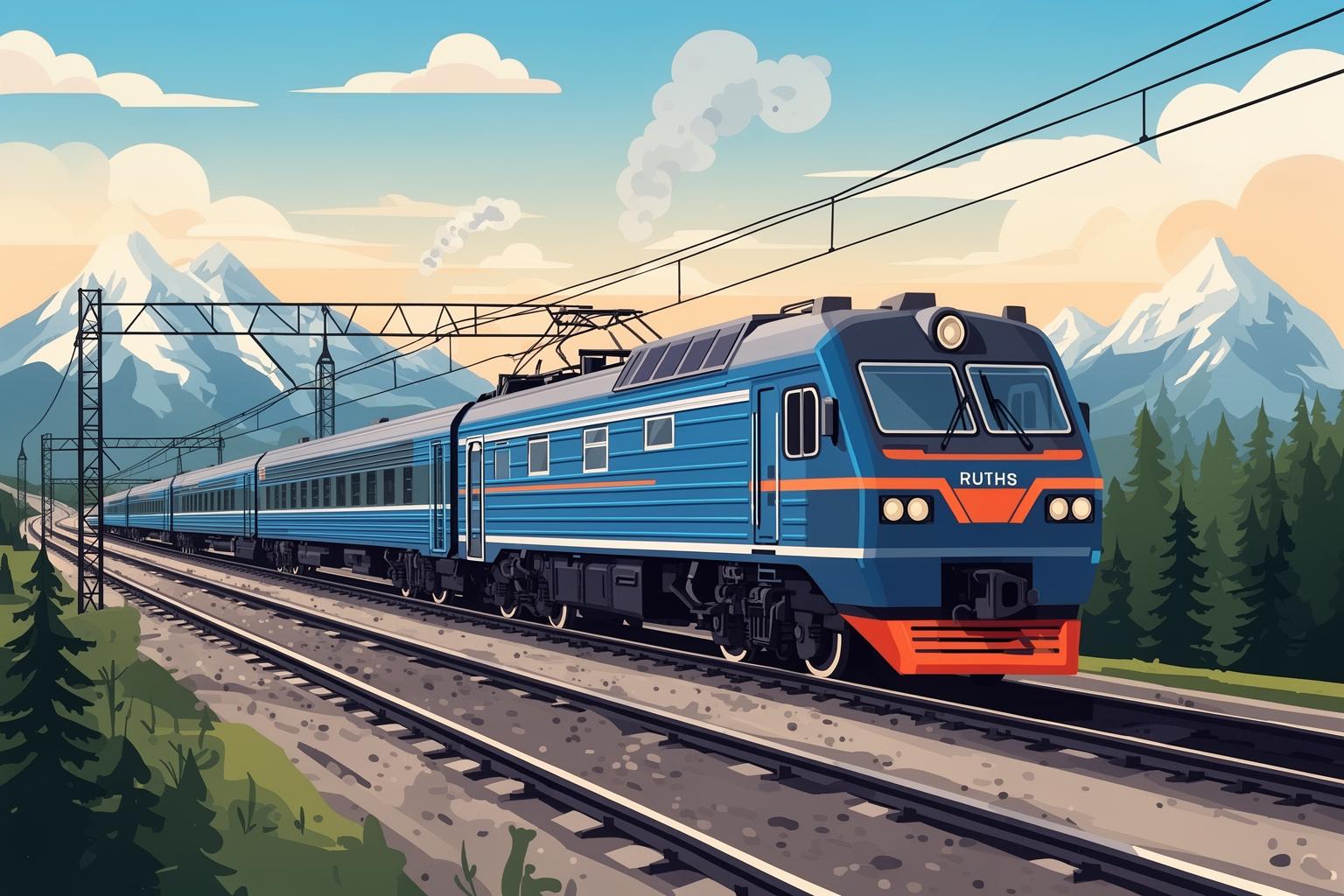
The name “Trans-Siberian” is often used as a catch-all, a single title for a grand journey. Yet, in truth, it is an epic poem composed of three distinct cantos, each with its own rhythm, character, and destination. Your first significant choice is to decide which ballad you wish to experience. Think of them not merely as routes, but as different narrative paths through the heart of Eurasia.
The Trans-Siberian Proper: A Russian Epic
This is the classic, the original odyssey. A journey spanning 9,289 kilometers from the imperial splendor of Moscow to the Pacific port of Vladivostok. This is an entirely Russian tale. For seven days, you are immersed in the soul of Russia, a slow, hypnotic dive into its vastness. You’ll witness the landscape transform from the dense forests west of the Urals to the endless, stirring birch groves of the Siberian taiga, and finally to the rolling hills that meet the Sea of Japan. This route is for the purist, for the traveler eager to grasp the immense scale of this single nation, to feel its history pressing in from every side. It is the route that murmurs tales of exiles and pioneers, of Tsarist ambition and Soviet power. It concludes not with a border crossing, but with the scent of saltwater, a profound feeling of arrival at the continent’s edge.
The Trans-Mongolian: A Tale of Three Worlds
Perhaps the most popular and culturally vibrant of the routes, the Trans-Mongolian branches off from the main line at the city of Ulan-Ude in Siberia. From there, it heads south, plunging into the dramatic, soul-stirring expanse of the Mongolian steppe before reaching its climax in the magnificent chaos of Beijing, China. This journey is a study in contrasts. You start with the Slavic soul of Russia, shift to the nomadic heart of Mongolia, and end in the ancient yet hyper-modern civilization of China. The scenery plays a central role, shifting from Siberian forests to rolling green grasslands dotted with the white gers of Mongolian nomads, and then to the dusty plains of the Gobi Desert. It’s a shorter journey by train time but arguably the richest in cultural diversity. If you’re drawn to striking changes in landscape and culture, this is your song.
The Trans-Manchurian: A Path Through History
Following the classic route deeper into Siberia, the Trans-Manchurian diverges from the main line after Chita. It then carves its way through the historic and often overlooked region of Manchuria in northeastern China, before arriving in Beijing. This route excludes Mongolia entirely. It’s a journey steeped in the complex history of the early 20th century, tracing a path laid by Russians through Chinese lands. While perhaps less visually dramatic than the Trans-Mongolian, it provides a unique glimpse into a region shaped by the clash of empires. You’ll travel through industrial Chinese cities and landscapes that feel a world apart from typical tourist routes, offering a different, more industrial and historical flavor to your transcontinental crossing. It is the road less traveled, a quieter melody for the historian and the seeker of uncharted paths.
Life Aboard the Iron Horse: The Rolling Microcosm
The Trans-Siberian journey is less about the destinations and more about the experience itself. The train serves not just as transport but as your home, restaurant, sanctuary, and window onto a world unfolding at a steady, unhurried pace. Grasping the ecosystem within your carriage is essential to unlocking the true magic of the trip.
Finding Your Place: Classes of Travel
Your ticket will assign you to one of three distinct social settings, each offering a uniquely different experience. Choosing thoughtfully involves more than budget considerations; it’s about deciding what kind of story you wish to be part of.
Platzkart (Third Class): The Communal Heart
This is the vibrant core of Russian train travel. Platzkart is an open-plan carriage with 54 bunks arranged in groups of four alongside the corridor. There are no doors or private compartments here. Privacy is a forgotten notion; life is shared openly. You’ll witness families laying out feasts, hear students strumming guitars, and watch elderly men engage in endless card games. It can be noisy and chaotic, but it’s undeniably authentic. Here, you meet Russia. You’ll be offered food, drawn into conversations through gestures and smiles, and become part of a temporary, moving village. For budget solo travelers or those seeking genuine, raw human connection, Platzkart is an unforgettable, immersive experience. It might not always be comfortable, but it’s always real.
Kupe (Second Class): The Private Story
This is the most popular choice among international travelers. A Kupe compartment includes four bunks (two upper, two lower) behind a door that locks from the inside. It’s your private bubble—a small room shared with three others. This offers a perfect mix of privacy and social interaction. You can close the door to lose yourself in a book, or share stories and snacks with your cabin-mates, who might be a Russian family heading to their dacha, a fellow adventurer from abroad, or a soldier on leave. Friendships blossom in the quiet intimacy of a Kupe compartment. It’s a space for deeper conversations, sharing a bottle of vodka as the birch trees blur by, and creating a small, temporary family on the rails.
SV / Lyux (First Class): The Quiet Reflection
SV, or Spalny Vagon, is the premium travel class. These compartments contain just two beds, offering the highest degree of privacy and comfort. Some premier trains even provide Lyux carriages with private bathrooms and showers. This option suits those who seek solitude and quiet contemplation. It’s a place to write, think, and watch the continent glide by in serene comfort. While you miss out on the communal energy of the lower classes, you gain a peaceful personal sanctuary. It’s the journey as moving meditation—a chance to have Siberia all to yourself, perfectly framed by your private window.
The Rhythm of the Rails: Daily Rituals
Life on the train soon settles into a comfortable, hypnotic rhythm, shaped by a few key elements.
The Samovar: The Warm Heart of the Carriage
At each carriage’s end, you’ll find the samovar—a large metal urn supplying a constant flow of boiling water. This is the train’s lifeblood, fueling endless cups of tea and coffee, rehydrating instant noodles and soups, and serving as the carriage’s social hub. Filling your cup becomes a ritual, a chance to stretch your legs and exchange a nod with neighbors. Bringing your own mug, along with your preferred tea or coffee supplies, is a handy tip for making your compartment feel like home.
The Provodnitsa/Provodnik: The Carriage’s Guardian
Each carriage is overseen by a provodnitsa (female) or provodnik (male). They are the stern but often kind-hearted custodians of your rolling home. They check tickets, distribute bedding, keep the carriage clean, and ensure the samovar stays hot. They are figures of authority and your first point of contact for any concerns. A respectful greeting and a smile go a long way. Though they may seem stern initially, they run a tight ship, and their diligence ensures the journey remains comfortable and safe. Watching them work offers a lesson in efficiency and quiet pride.
The Long Stops: Fresh Air Breaks
Every few hours, the train halts at a station for 15 to 45 minutes—the exact length posted in the carriage timetable. These stops provide a chance to escape the confines of the train, breathe in crisp Siberian air, and stretch your legs on the platform. This is also the time to purchase supplies from platform vendors known as babushkas. They offer a delightful variety of local homemade foods: pastries (pirozhki), boiled potatoes, pickles, and near Lake Baikal, the famed smoked omul fish. Buying from them is not only delicious but also a direct connection to the local culture and economy. Just be sure to heed the train’s horn and be ready to board swiftly!
The Grand Overture: Moscow’s Imperial Beginning
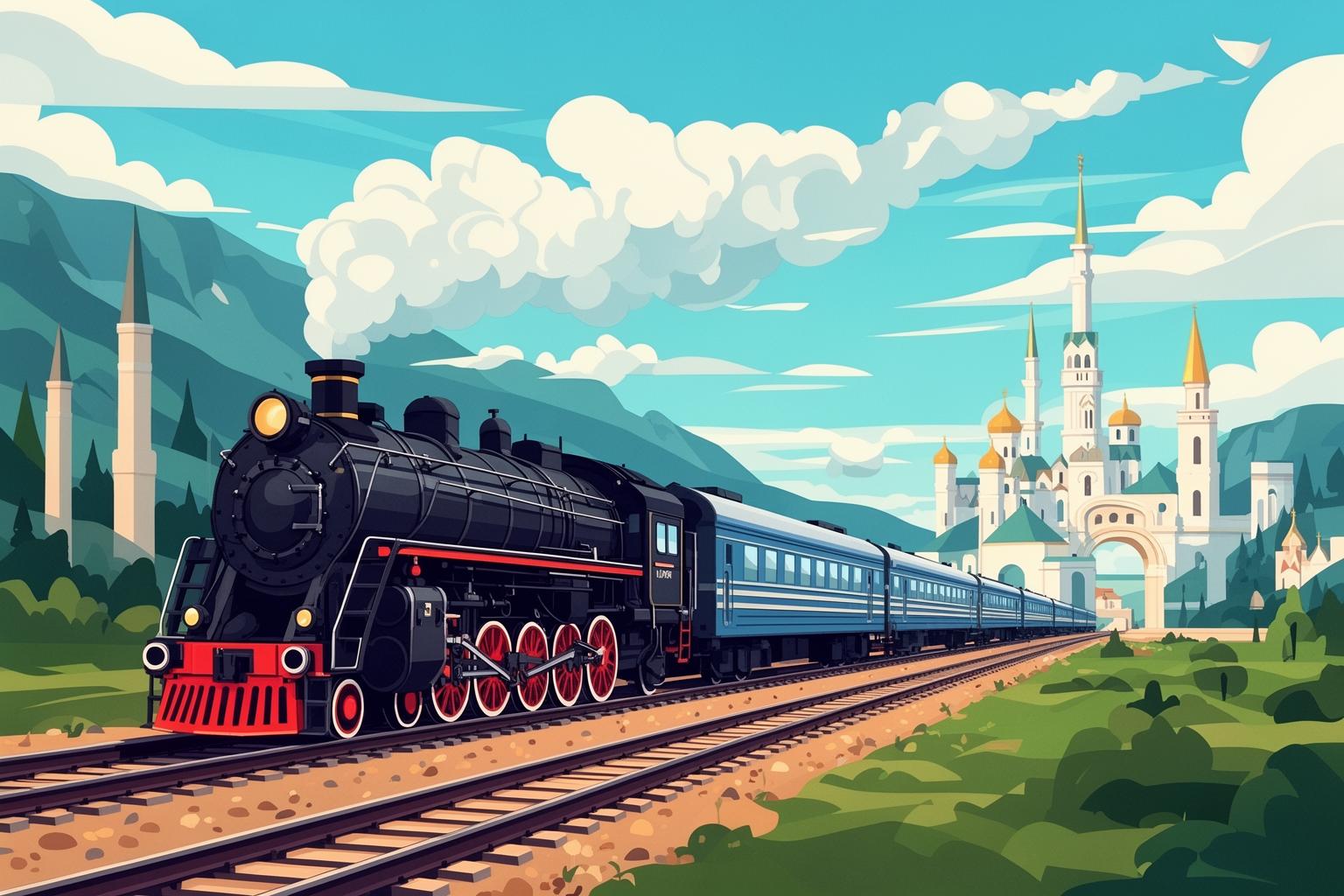
Your journey does not start when the train jerks forward; it begins amidst the vast, historic grandeur of Moscow. This is a city that proudly displays its power and history, a place of fairy-tale cathedrals alongside monumental Soviet skyscrapers. Before settling into the steady rhythm of the rails, you must let yourself be carried away by Moscow’s strong current. Standing in the broad expanse of Red Square is a truly moving experience. On one side, the whimsical, candy-colored onion domes of St. Basil’s Cathedral rise like a vision from a dream. On another, the formidable, impenetrable red brick walls of the Kremlin protect centuries of Russian history. And there stands the solemn, polished granite of Lenin’s Mausoleum. It’s a place where the spirits of Tsars, Commissars, and revolutionaries feel tangibly near.
Yet Moscow’s artistic spirit reaches far beyond its famed square. Lose yourself in the Tretyakov Gallery, a treasure chest of Russian art that narrates the nation’s story through the works of its masters, from medieval icons to the dramatic realism of Ilya Repin. Or explore the Pushkin Museum of Fine Arts, home to a world-class collection of European masterpieces. For a taste of literary Moscow, stroll down Arbat Street, once a haven for poets and artists, now a lively avenue, but still echoing with its bohemian past. Discover the apartment where the great poet Alexander Pushkin lived, or visit the Bulgakov Museum, dedicated to the author of the surreal masterpiece The Master and Margarita. Before boarding your train at Yaroslavsky Station—a stunning Art Nouveau gateway to the East—pause to appreciate that you are departing from a city that has been the heart of so much art and literature shaping our understanding of this vast country.
Across the Urals: The Threshold of Siberia
As your train heads eastward from Moscow, the landscape unfolds as a gentle, rolling mosaic of forests and fields, punctuated by quaint wooden villages, or dachas. The first significant milestone on your journey is crossing the Ural Mountains. There is no dramatic, cinematic mountain pass; the Urals are ancient and weathered, more a series of gentle hills than towering peaks. Yet, the crossing holds deep symbolism. You are leaving Europe and entering Asia. A simple obelisk marks the spot, and the train slows, almost as if recognizing the importance of the passage.
The first major city on the Asian side is Yekaterinburg, a place forever marked by a dark and tragic chapter. It was here, in the basement of a merchant’s house in 1918, that Tsar Nicholas II and his family, the last of the Romanovs, were executed. Today, the magnificent Church on the Blood stands on this site, a powerful and solemn memorial. Visiting here is a poignant encounter with a pivotal moment in Russian history, an event that has been romanticized and dramatized in numerous books and films, most famously the animated feature Anastasia. However, Yekaterinburg is more than its tragic history. It is a vibrant, modern city, boasting a growing arts scene and an intriguing mix of pre-revolutionary architecture and Soviet constructivist buildings. It serves as a strong reminder that Siberia is not a wasteland but a region of dynamic, resilient cities.
The Heart of Siberia: Taiga, Steppe, and the Sacred Sea
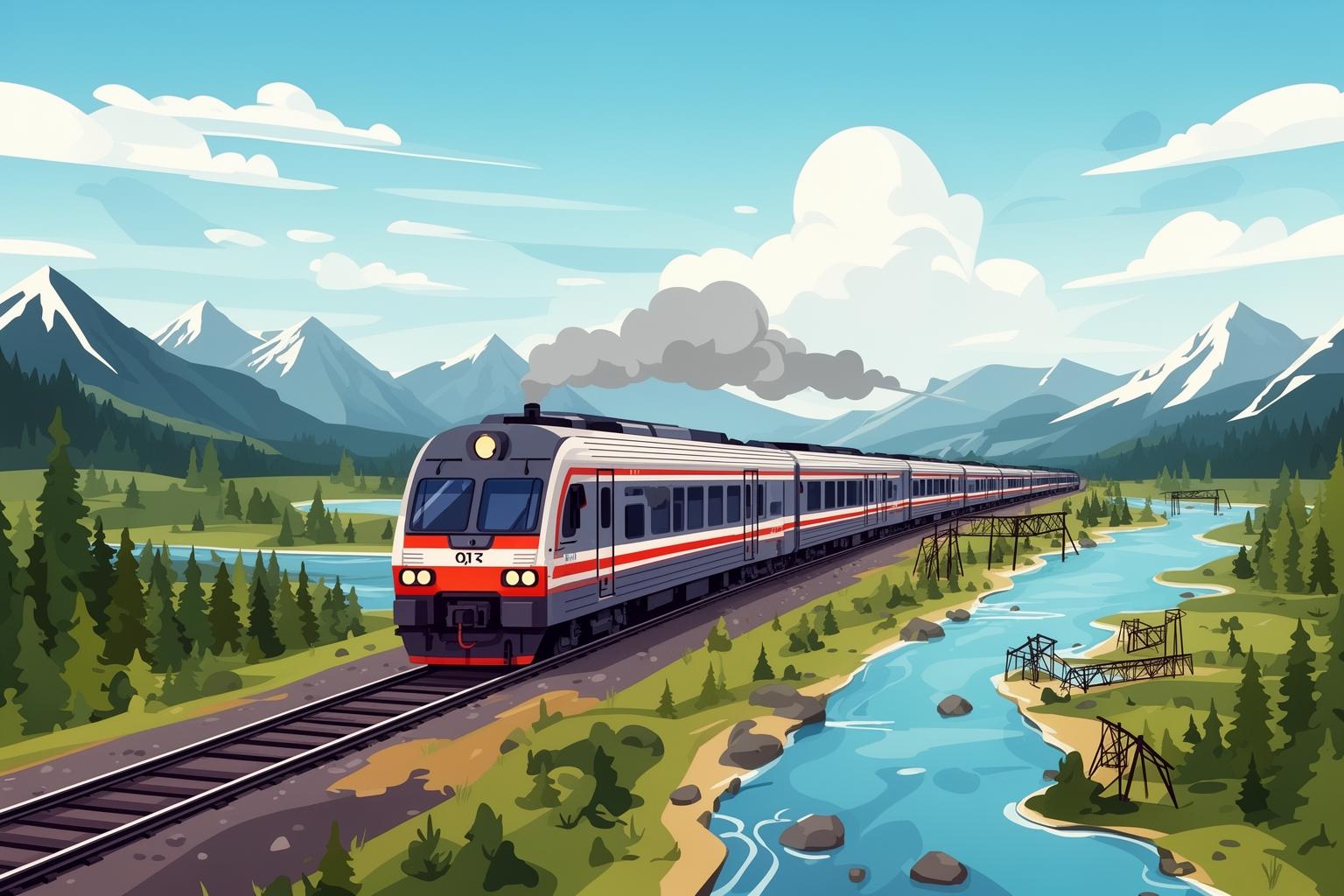
Crossing the Urals, you enter the heart of Siberia. The first impression is its vastness—the sky feels larger, the horizon farther away. For days, your window will frame the taiga, the endless boreal forest of birch, pine, and larch. The silver birch trunks pass by in a mesmerizing rhythm, especially stunning when illuminated by the soft, golden light of long summer evenings or sharply set against the pure white winter snow. At first, the landscape may seem monotonous, but as you settle into the journey’s pace, its subtle beauty and profound, meditative power begin to reveal themselves. This is the terrain that forged the Siberian spirit: tough, enduring, and deeply rooted in nature. Along the way, you’ll travel through key industrial centers like Novosibirsk, Siberia’s largest city, a symbol of Soviet ambition that rests on the banks of the mighty Ob River.
Yet, the real gem of Siberia, the place that stirs every traveler’s heart, is Lake Baikal. Known as the “Sacred Sea” or the “Pearl of Siberia,” Baikal is a natural marvel of immense scale. It is the oldest and deepest lake on Earth, holding about twenty percent of the world’s unfrozen fresh water. Its waters are so transparent that stones shimmer forty meters below the surface. The train journey here is among the route’s highlights, as the tracks wind along Baikal’s southern shore for hours, offering breathtaking, uninterrupted views of its vast, glimmering expanse.
Most travelers break their trip in Irkutsk, often called the “Paris of Siberia.” This charming city features ornate traditional wooden houses with intricately carved window frames, relics of its prosperous trading past. Irkutsk also has a strong connection to the Decembrists, aristocratic revolutionaries exiled here by the Tsar in the 19th century. They infused culture, education, and progressive ideals into this remote region, a legacy still evident in the city’s museums and refined atmosphere. From Irkutsk, it’s a short trip to Listvyanka, a small town on Baikal’s shore. Here, you can hike along the lakeside, visit the Baikal Limnological Museum to discover the lake’s unique flora and fauna (including the charming freshwater nerpa seal), and most importantly, taste the delicious smoked omul, a fish found only in Lake Baikal and often sold by shore vendors. In winter, Baikal becomes a magical kingdom of ice. Its surface freezes into a meter-thick sheet of turquoise, crystalline ice so clear you can see the deep, dark abyss below. It’s a humbling, awe-inspiring spectacle—a true encounter with nature’s raw, untamed power.
The Shifting Scenery: From Buryatia to the Pacific
As the train continues eastward from Lake Baikal, the cultural landscape gradually changes. You enter the Republic of Buryatia, a region with a unique identity. The people here are ethnically and culturally closer to their Mongolian neighbors than to European Russians. This is evident in the faces around you, the cuisine, and the region’s spiritual life. The capital, Ulan-Ude, is a captivating stop. The city represents a vibrant fusion of Russian and Buryat cultures. Buddhist temples, or datsans, dot the surrounding area, with their colorful prayer flags fluttering in the Siberian breeze. Ivolginsky Datsan, the heart of Buddhism in Russia, lies a short distance from the city and offers a profound insight into a different spiritual realm. At the center of Ulan-Ude’s main square stands one of the most quirky and memorable monuments in all of Russia: a colossal, eight-meter-tall bronze head of Vladimir Lenin, a surreal and imposing remnant of Soviet-era art.
From Ulan-Ude, the main Trans-Siberian line continues its long, winding trek toward the Pacific. The terrain grows more rugged, with mountains and winding rivers. This last leg can feel like a journey to the edge of the world. After seven days and over nine thousand kilometers, the train finally arrives at its terminus: Vladivostok. This is no sleepy, quaint endpoint. Vladivostok is a dynamic, hilly port city, often compared to San Francisco. Its character is shaped by its closeness to the ocean and Asia. There is a tangible energy here, a feeling of being at a cultural crossroads. Grand tsarist-era buildings stand alongside modern suspension bridges that soar over the Golden Horn Bay. The influence of nearby China, Korea, and Japan is evident in the city’s cuisine and its people. For decades, it was a closed military city, forbidden to foreigners, which only adds to its mystique. Standing on a hill overlooking the harbor, feeling the salty wind on your face and gazing out at the endless Pacific Ocean, you are filled with a profound sense of achievement. You have crossed an entire continent. You have traveled through the heart of a vast nation and reached its final, breathtaking frontier.
Practical Preparations for Your Epic Journey
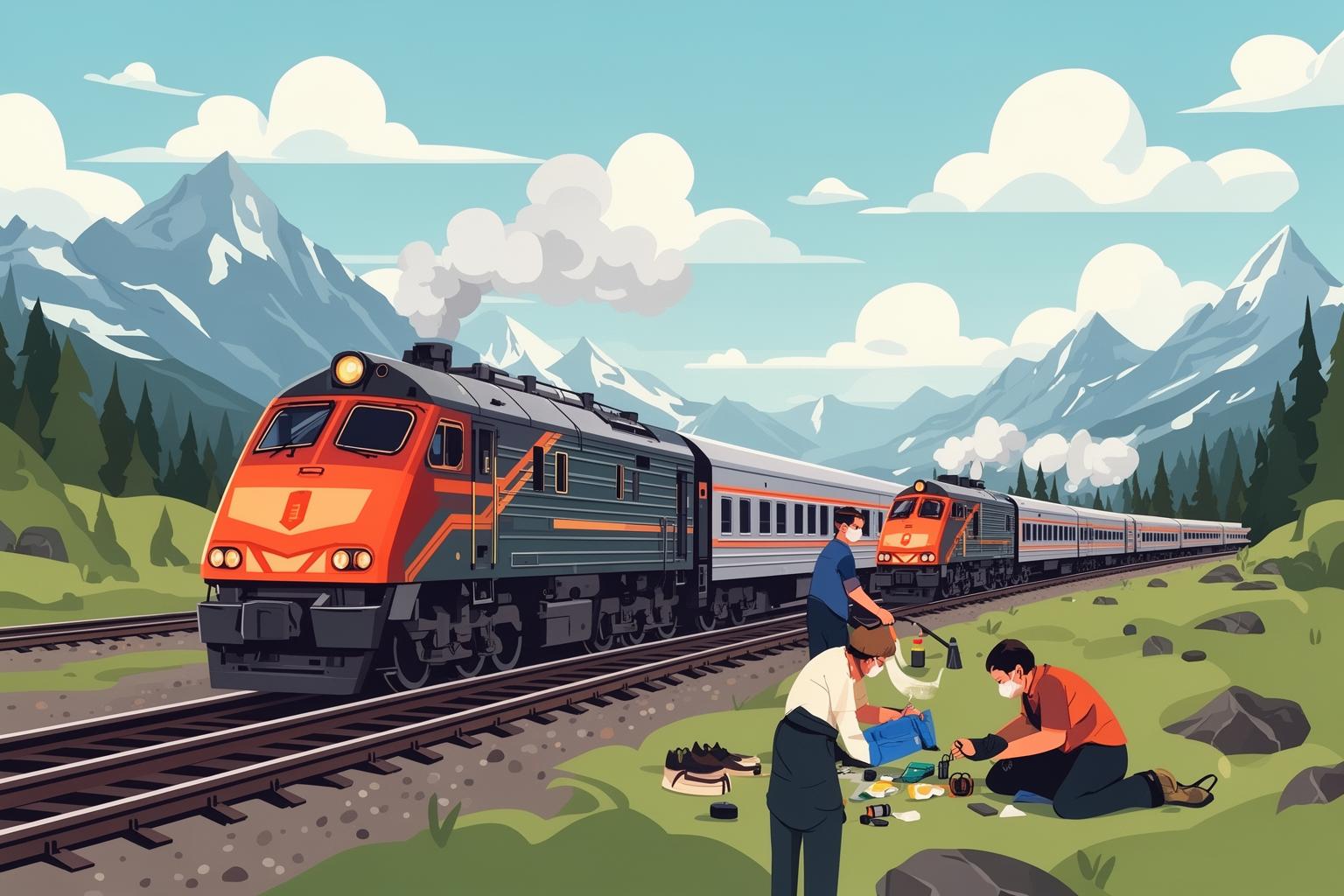
While the Trans-Siberian journey is romantic and poetic, it demands practical and careful planning to ensure everything goes smoothly. Taking care of these details in advance allows you to fully embrace the magic of the rails.
Visas: The Necessary Documentation
Traveling on any of the three main routes usually requires multiple visas. Citizens of most Western countries need visas for Russia, Mongolia, and China, which must be obtained beforehand from the embassies or consulates in your home country. The process can be lengthy and requires specific documents, such as invitation letters (often provided by hotels or tour agencies) and a detailed itinerary. Don’t underestimate the time needed—begin your visa applications at least two to three months before your departure to avoid last-minute stress. Each visa has distinct requirements, so be sure to research them thoroughly based on your nationality.
Tickets: Securing Your Spot
There are various options for booking your tickets, each with advantages and drawbacks. You can book directly through the official Russian Railways website (RZD), which is the cheapest option but sometimes difficult to navigate. Alternatively, you can use a reputable third-party agency. These agencies charge a commission but provide English-language support, simplify the booking process, assist with multi-country itineraries, and advise on stopovers. For a long and complex trip, especially if it’s your first time, the peace of mind an agency offers can be worth the extra cost. It’s highly advisable to book well in advance, particularly if traveling during peak summer or if you want a specific berth (lower bunks are much preferred over upper ones).
Packing for Life on the Move
Packing for the Trans-Siberian means prioritizing comfort, convenience, and a bit of self-reliance. Think of it as prepping for a week-long camping trip, only your tent is rolling along the rails.
The Essentials
Comfortable clothing is key—layers, sweatpants, and cozy sweaters. You’ll be sitting and sleeping a lot. Slippers or flip-flops are a must for wearing inside the carriage. Bring a travel towel and basic toiletries; although bathrooms are available, showers are usually not (except in some first-class carriages on premium routes). Wet wipes will become indispensable. A universal sink plug is a handy traveler’s trick since the sinks’ plugs don’t always work. A portable power bank is essential for charging your devices, as outlets can be limited and in high demand. Earplugs and an eye mask are crucial for a good night’s sleep, especially in the open-plan Platzkart.
The Comforts
For a truly enjoyable trip, pack things that nurture both body and soul. A good book—maybe a Russian classic like Tolstoy’s Anna Karenina or Pasternak’s Doctor Zhivago—is an ideal companion for the long hours. A journal and pen are perfect for recording fleeting thoughts and breathtaking scenery. A deck of cards or a small travel game can be a great way to connect with fellow travelers. For food, bring instant noodles, oatmeal, soups, snacks, and most importantly, a generous supply of your favorite tea or instant coffee to enjoy with the ubiquitous samovar. While there is a dining car, it can be pricey, and having your own provisions gives you freedom and saves money.
A Gentle Closing: The Journey Within
The final whistle sounds in Vladivostok, the rhythmic pulse of the train fading into memory, yet the journey is far from finished. The Trans-Siberian Railway does more than carry you across a physical terrain; it transforms your inner landscape. It imparts a different sense of time, measured not by the frantic ticking of a clock but by the slow passage of the sun across the expansive Siberian sky. It teaches you patience as you gaze out the window for hours at a seemingly unchanging forest of birch trees, only to realize that each tree is, in fact, unique. It reveals the beauty of shared humanity when a stranger, despite a lack of common language, offers you a piece of their bread and a warm smile. You board the train as a tourist but disembark as a storyteller, your mind filled with the faces of your cabin-mates, the taste of smoked fish on a windy platform, and the profound, humbling silence of the steppe. The end of the line is never truly the end; it is simply the point where the story becomes yours—a melody that will resonate within you long after you have returned home.