
There exists a certain alchemy in the films of Studio Ghibli, a magical transformation of the mundane into the magnificent. It’s a quality that transcends animation, seeping into the very fabric of our perception and inviting us to see the world with newfound wonder. Isao Takahata, the film’s producer, and the late Yoshifumi Kondō, in his sole and brilliant directorial work, captured this essence perfectly in the 1995 masterpiece, Whisper of the Heart. The film is a gentle, heartfelt story about adolescent dreams, first love, and the arduous, uncertain path of creative self-discovery. Its protagonist, Shizuku Tsukishima, isn’t a princess in a faraway kingdom or a warrior battling ancient gods; she is a junior high school student living in a concrete-and-green suburb of Tokyo, a landscape that feels startlingly, profoundly real. And that is because, in large part, it is. The world that Shizuku inhabits, with its soaring hills, winding staircases, and quiet, sun-dappled streets, is directly inspired by the town of Seiseki-Sakuragaoka, nestled within the Tama Hills of West Tokyo. To walk its streets is to step inside the celluloid frames of the film, to follow the very footsteps of Shizuku on her journey from aimless bookworm to aspiring writer. This is not merely a tour of filming locations; it is an pilgrimage into the heart of the story, a tangible exploration of the idea that magic isn’t found in enchanted forests, but in the everyday world, if only you know where—and how—to look. It’s a journey that reveals the soul of a place that so deeply inspired one of animation’s most beloved tales of youthful yearning and artistic awakening. For any admirer of Ghibli’s craft, or for anyone who has ever felt the pull of an untold story within them, a visit to Seiseki-Sakuragaoka is an experience that resonates long after you’ve boarded the train back to the city’s bustling core.
This journey through Seiseki-Sakuragaoka is a form of literary pilgrimage that connects the physical landscape to the story it inspired.
The First Step: Arrival at Seiseki-Sakuragaoka Station
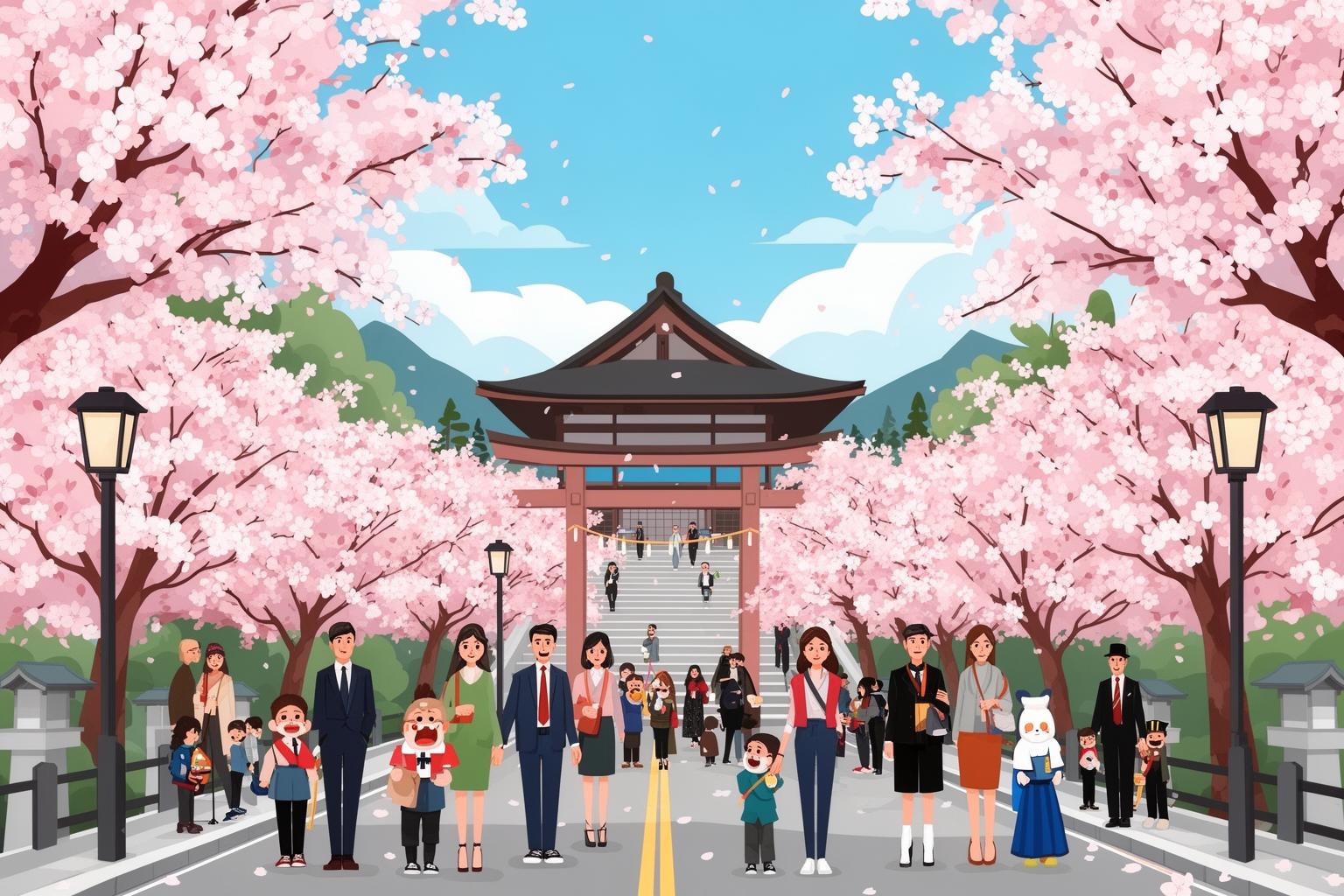
Your pilgrimage begins, as do Shizuku’s many journeys, at Seiseki-Sakuragaoka Station. Situated on the Keio Line, it’s a comfortable forty-minute ride from the bustling heart of Shinjuku. As the train departs central Tokyo, the scenery subtly shifts—the dense cluster of skyscrapers gives way to shorter buildings, broader skies, and patches of greenery. This gradual change sets the perfect tone for what lies ahead. Stepping off the train onto the platform, you’re immediately enveloped by a strong sense of déjà vu. The station, with its clean, practical, and slightly dated Showa-era design, is recreated with meticulous detail in the film. You can almost hear the familiar strains of “Country Roads” as you observe students in uniform and commuters heading home—a scene lifted directly from the animated frames.
The station itself acts as the vibrant core of the town, a hub of commerce and community life. The surrounding neighborhood, with its department stores, cafes, and chain restaurants, exemplifies the commercial center of a typical Japanese satellite city. This modern face of Seiseki-Sakuragaoka is only the beginning. Your real destination lies beyond this commercial area, up the hills that rise sharply behind the station. Before starting your climb, it’s worth pausing to get your bearings. Many fans, both Japanese and international, undertake this same journey, and the local community has warmly embraced this connection. Near the station’s west exit, you might find a small information kiosk or a local shop selling hand-drawn maps of key locations from Whisper of the Heart. Obtaining one of these maps feels like receiving a secret treasure chart, a guide to unveiling the town’s hidden charm. It stands as a testament to the film’s lasting legacy and the town’s pride in its cinematic role.
The Ascent into Shizuku’s World: The Iroha-zaka Slope
Leaving the station behind, the journey toward the film’s most iconic scenery begins. The change is sudden. Within minutes, the noise of the commercial district quiets, replaced by the soft murmur of a tranquil residential neighborhood. The real adventure starts at the base of the Iroha-zaka, a steep, winding road that curves its way up the hillside. This is the same slope that Shizuku vigorously pedals up on her bicycle, chasing the mysterious cat, Moon. For the visitor on foot, the climb is both challenging and rewarding. As you ascend, the modern town below recedes, and panoramic views broaden with every turn.
The climb is a multi-sensory experience. The air becomes cooler and fresher. The sounds shift from urban hustle to the rustling leaves, the chirping of hidden birds, and in summer, the persistent, nostalgic chorus of cicadas. This is the soundscape of Ghibli. The road is bordered by retaining walls, patches of lush greenery, and modest yet impeccably kept homes typical of suburban Tokyo. It is in these small details that the film’s spirit resides: a potted plant on a balcony, a neatly parked bicycle, the glimpse of a garden through a fence. These are everyday life elements that Kondō and his team transformed into art. The physical effort of the climb reflects Shizuku’s own struggles. It serves as a metaphor for the uphill battle of creativity—the breathless exertion, moments of uncertainty, and the promise of a rewarding view at the summit. For first-time visitors, wearing comfortable shoes is more than a recommendation; it is essential. This journey is meant to be savored slowly, allowing you to soak in the atmosphere and notice the subtle details that make this place so unique. Take your time, pause to catch your breath, and look back at the sprawling city below. You are rising above the ordinary, both literally and figuratively.
A Deeper Context: Tama New Town and the Dream of Suburban Life
To truly appreciate the landscape of Seiseki-Sakuragaoka, it is important to understand its historical context as part of Tama New Town. In the post-war decades, Tokyo underwent a massive population boom. To manage this growth, the government launched one of the largest urban planning projects in Japanese history. Tama New Town, initiated in the 1960s, was conceived as a self-contained city in the hills of western Tokyo, designed to offer residents a higher quality of life with more green space, less congestion, and modern amenities. The result is a unique blend of planned urbanism and encroaching nature. The concrete apartment blocks, or danchi, prominently featured in the film are iconic of this period. They symbolize a dream of comfortable, modern family life that defined Japan’s era of rapid economic expansion. Whisper of the Heart, released in 1995, captures this landscape in its maturity. The concrete has weathered, the planted trees have grown into lush forests, and the planned community has developed a distinct, lived-in atmosphere. Shizuku’s world is shaped by this history. Her family lives in a small but cozy danchi apartment, a setting that inspires her longing for a world of her own—a story she can write herself into being. The hills she explores are not wild, untamed nature, but a carefully crafted landscape where parks, shrines, and residential areas coexist. This historical layer adds profound depth to this pilgrimage. You are not merely walking through a film set; you are traversing a piece of Japan’s modern social history, a landscape that tells a story of ambition, community, and the quest for a place to call home.
The Heart of the Quest: The Rotary and the Phantom Antique Shop
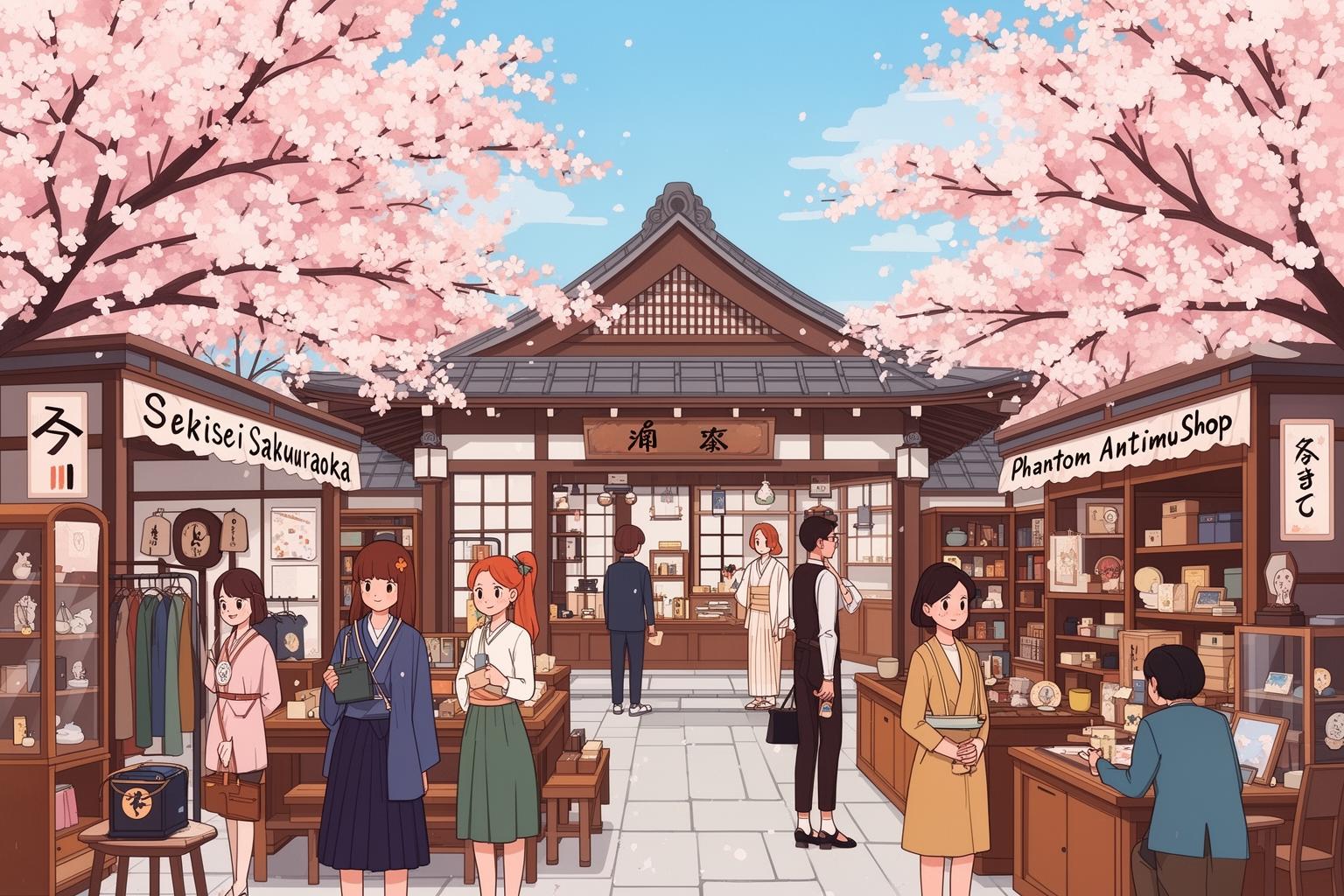
After the winding climb up the Iroha-zaka, you reach a spot that every fan of the film will instantly recognize: the hilltop rotary. This small, circular intersection serves as the emotional and geographical heart of the pilgrimage. In the film, this is where the Chikyuya, the magical antique shop run by Shiro Nishi, is located—where Shizuku finds the enchanting statue of the Baron and connects with Seiji Amasawa. It is important to clarify that the Chikyuya does not actually exist. It was a delightful creation of the filmmakers’ imagination. Nevertheless, the absence of the shop does not lessen the magic of this place; rather, it enhances it. Standing in the middle of the rotary, gazing out over the panoramic view of the Tama Hills, you are invited to imagine freely, just as Shizuku did. The spot where the shop once was is now home to a charming local pastry shop, which has become an unofficial rest stop for pilgrims. Inside, you might find a guestbook filled with messages and drawings from fans around the world, a testament to the film’s global appeal.
The atmosphere at the rotary is one of peaceful achievement. The air is calm, and the view is stunning. You can see the layers of the city stretching to the horizon—a mosaic of buildings, green spaces, and distant mountains. It feels like a place suspended between earth and sky, the perfect backdrop for a shop that deals in stories and dreams. The locals, aware of their neighborhood’s fame, have placed small cat figurines and subtle references to the film throughout the area, creating a scavenger hunt for attentive visitors. This is a touching example of a community embracing the art it helped inspire. This location offers more than just a photo opportunity. It is a place for contemplation. It is here that Shizuku’s world expands beyond the library and her small apartment. It is here that she realizes the world is full of treasures, both grand and humble, waiting to be uncovered. The spirit of the Chikyuya endures, not in a physical shop, but in the sense of wonder the place itself inspires.
Sacred Whispers: The Konpira Shrine
Just a short walk from the rotary, hidden behind a curtain of trees, lies another important spot: the Konpira Shrine. To get there, you must climb a steep set of moss-covered stone steps, a journey that feels like entering a more secluded, sacred realm. This is the shrine where Shizuku meets her friend Yuko for a heartfelt conversation, sharing her worries about her writing and her growing feelings for Seiji. The actual shrine perfectly embodies the intimate and secretive atmosphere shown in the film. It is small, quiet, and modest. The air is rich with the scent of damp earth and aged wood. Towering trees form a thick canopy overhead, filtering sunlight and casting dappled shadows on the ground. This is a place to speak softly, a refuge from the outside world.
In Japan, shrines are woven into everyday life. They serve not only as places of worship but also as community centers and peaceful retreats. The Konpira Shrine illustrates this beautifully. It feels ancient and deeply connected to the land, standing in sharp contrast to the modern planned community around it. This contrast is part of what makes the setting of Whisper of the Heart so captivating. It is a world where the old and new, the sacred and the mundane, coexist. For visitors, the shrine offers a moment of calm reflection. You can sit on the same bench where Shizuku and Yuko sat, gazing out at the neighborhood below. It is a space to contemplate your own dreams and hopes, the very themes at the heart of the film. Keep in mind that this is an active place of worship. Be respectful, preserve the quiet atmosphere, and cherish the privilege of experiencing this tranquil spot.
A City of Books: The Library Connection

Shizuku is, above all else, a passionate lover of books. Her journey begins when she discovers that the name “Seiji Amasawa” consistently appears ahead of hers on the checkout cards of every library book she borrows. The library serves as her refuge and the spark for her adventure. Fans often try to pinpoint the exact library featured in the film, but the reality is somewhat more complex. The library where Shizuku works alongside her father and the one she frequently visits are composites, inspired by several libraries in the Tama area. The primary inspiration is widely believed to be the Tama City Library, although its appearance has evolved over time. This slight ambiguity makes the library search an enjoyable part of the pilgrimage, inviting you to explore the local civic spaces and view the community through Shizuku’s perspective. Visiting a Japanese public library offers a unique experience: they are quiet, orderly, and deeply cherished public spaces. You’ll find students studying, elderly residents reading newspapers, and parents sharing books with their children—a living portrait of the community portrayed in the film. While you might not encounter the exact staircase or reading room from the animation, you will undoubtedly sense the essence of the place: a love of stories, a hunger for knowledge, and a peaceful space where dreams can take root. This element of the pilgrimage highlights a central theme of the film: inspiration is rarely found in one specific, ideal place, but rather in a mosaic pieced together from the world around us.
The Promise of Dawn: The View from the Hilltop
The emotional climax of both the film and the pilgrimage occurs on a hill overlooking the town. It is here, in the cold, pre-dawn light, that Seiji Amasawa brings Shizuku to share his “special place.” As the sun rises, casting the sky in shades of orange and pink and lighting up the sprawling city below, Seiji makes a heartfelt, though somewhat impulsive, promise of a future together. This scene stands as one of the most romantic and hopeful moments in the Ghibli canon, and discovering the location where it was set is a truly special experience. The spot is thought to be a small park or lookout near the rotary, offering a spectacular viewpoint. Experiencing it as the characters did would require an early start, but the view is magnificent at any time of day. From this vantage point, you can trace the path you have followed: the station nestled in the valley, the winding Iroha-zaka, and the rooftops of houses and apartment buildings. On a clear day, the distant skyscrapers of Shinjuku and the faint outline of Mount Fuji can also be seen. This view encapsulates the entire story. It symbolizes both the world Shizuku knows and the vast, unknown future that lies ahead for her and Seiji. It is a place of grand perspectives and intimate promises. Standing there, feeling the wind and gazing at the horizon, it is impossible not to feel a surge of optimism—a belief in the power of dreams and the promise of a new day. It is the perfect, poignant culmination of a journey into the heart of the story.
Practical Advice for the Aspiring Pilgrim

A trip to Seiseki-Sakuragaoka can easily be done as a half-day or full-day excursion from central Tokyo. The Keio Line offers direct access from Shinjuku Station; taking an express or semi-express train ensures the quickest journey. Most of the pilgrimage is completed on foot and involves considerable uphill walking, so wearing comfortable, sturdy shoes is essential. The route is enjoyable throughout the year, but it is especially beautiful in spring when cherry blossoms are in full bloom, and in autumn when the leaves change color. Summers can be hot and humid, so bringing water is advisable, while winter provides crisp, clear days with a better chance of spotting Mount Fuji in the distance.
Above all, it is important to remember that Seiseki-Sakuragaoka is not a theme park but a residential community where people live and work. Its charm comes from its authenticity. Be a respectful visitor: keep your voice low, avoid trespassing on private property, and do not leave any litter behind. Local residents are generally welcoming to fans of the film, and preserving that goodwill is essential. The pilgrimage offers a quiet, personal experience—a chance to walk and reflect. By being a considerate guest, you help maintain the peaceful atmosphere that makes this place so special for everyone.
The Resonance of a Place
Leaving Seiseki-Sakuragaoka, descending the hills, and boarding the train back to the city’s clamor, you carry more than just photographs and memories. You hold a deeper understanding of Whisper of the Heart and a renewed appreciation for Studio Ghibli’s artistry. The film’s strength lies in its profound insight that extraordinary stories can unfold in the most ordinary places. A quiet suburban town transforms into a landscape of adventure, a steep hill becomes a path of self-discovery, and a simple view serves as the backdrop for a life-changing promise. A pilgrimage to Seiseki-Sakuragaoka does more than show you where the movie was made; it teaches you to see the world as its creators did, to find the potential for magic in your own neighborhood, and to truly listen for the whisper of the heart calling you toward your own story. The journey is a beautiful reminder that sometimes, the most profound adventures don’t require a ticket to a fantasy world, just a willingness to walk and see where the road leads.