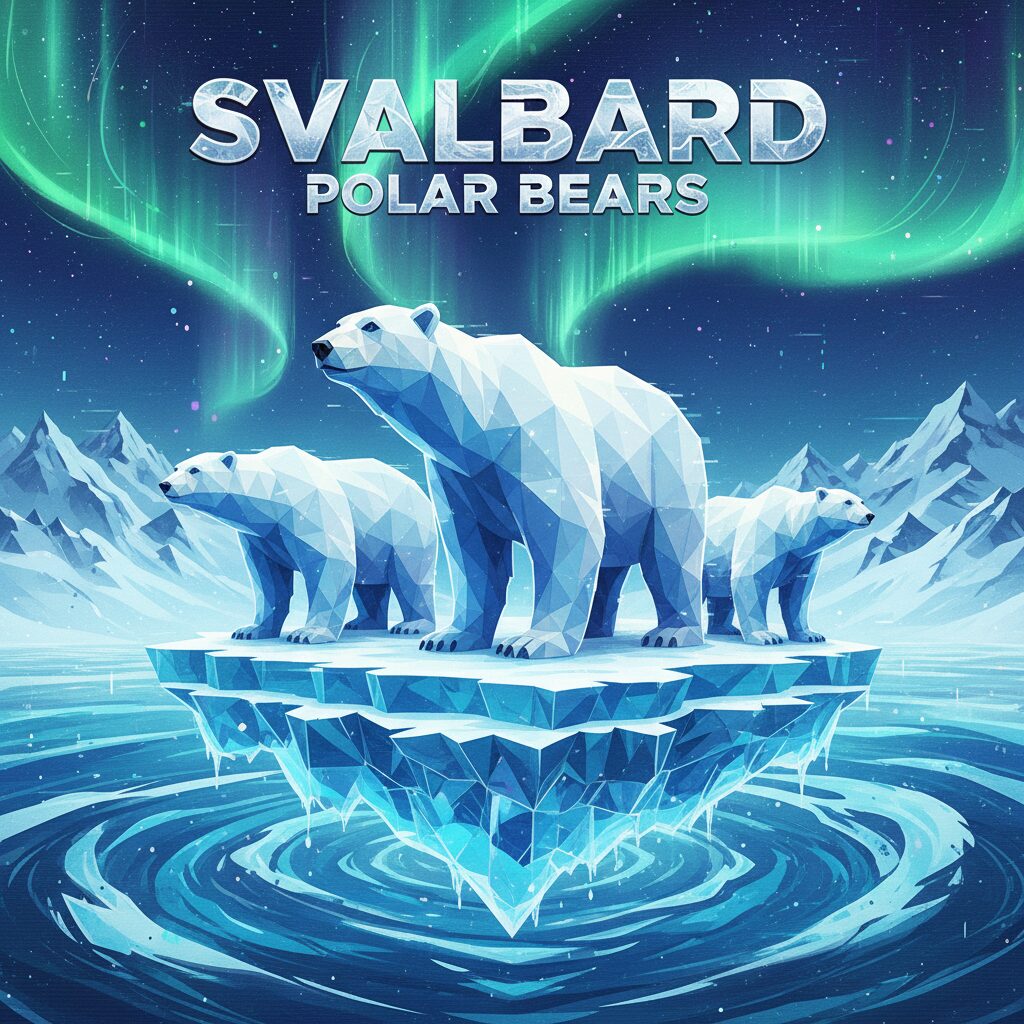
There’s a silence that lives at the top of the world, a profound quiet that’s more than just the absence of noise. It’s a presence, a weight in the air that hums with the ancient rhythm of ice and stone. This is the sound of Svalbard, an archipelago adrift in the high Arctic Ocean, a place poised halfway between the northern coast of Norway and the geographic North Pole. To journey here is to answer a primal call, to seek out one of the planet’s last great wildernesses. It is a pilgrimage not to a man-made temple, but to a cathedral of nature’s own making, a realm where glaciers spill into the sea and mountains pierce a sky that can hold the sun for months on end. And at the heart of this pilgrimage is the profound, humbling desire to witness its monarch: Ursus maritimus, the polar bear. But this is not a kingdom you can simply enter; it is a world you must be invited into, with respect, with knowledge, and with a deep understanding of the responsibility that comes with being a guest in the home of the ice bear. It’s a journey that redefines your sense of scale, your connection to the planet, and the delicate balance that governs all life in this mesmerizing, frozen frontier.
This profound sense of pilgrimage to a natural cathedral is echoed in other journeys of discovery, such as the literary pilgrimage through Alice Walker’s American South.
The Soul of the Arctic: Understanding Svalbard’s Allure
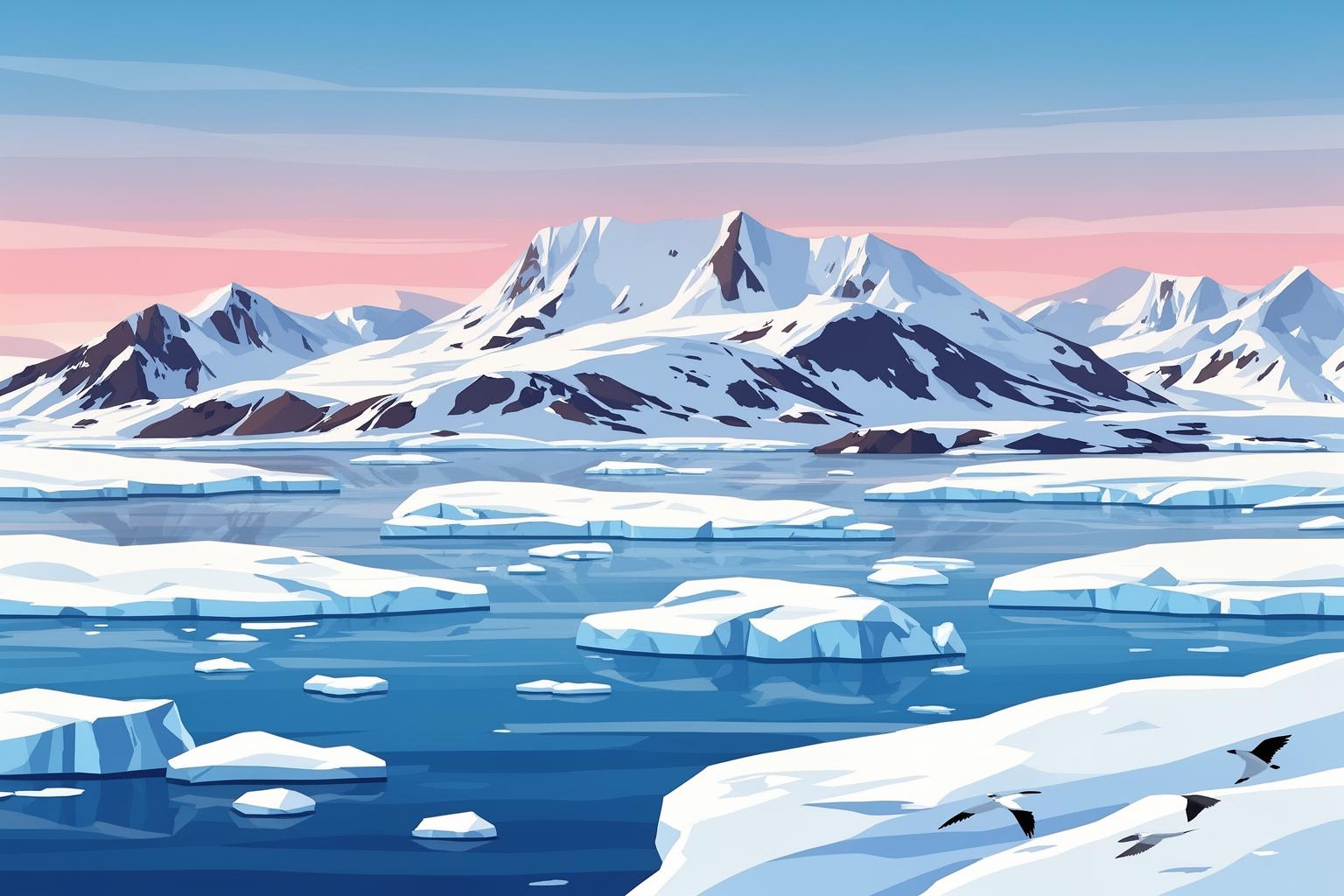
Before you ever notice a track in the snow or a distant cream-colored shape against the ice, Svalbard begins to work its magic on you. The allure of this place penetrates deep into your bones, carried on winds that have traveled over hundreds of miles of unbroken ice. It’s a sensation of magnificent isolation, of truly standing at the edge of the map. The air itself feels different—crisp, clean, and so cold it feels sharp in your lungs, constantly reminding you of your latitude. The landscape is a masterpiece of monochrome and muted blues, a world sculpted by ice and time. Mountains, jagged and stark, rise straight from the sea, their slopes marked with the scars of ancient glaciers. These are not the rolling, tree-covered hills of milder climates; they are raw, geological expressions of power, their bare rock faces recounting stories that span millennia.
The sense of scale here is nearly impossible to grasp. You can cruise for hours along the face of a glacier like Monaco or Lilliehöök, a towering wall of iridescent blue ice that groans and shifts with a life of its own. When a section calves, breaking off and crashing into the fjord below, the sound is a thunderous roar echoing across the water—a visceral demonstration of nature’s immense force. You feel incredibly small, a tiny speck in a vast, indifferent wilderness. This feeling isn’t frightening; it’s grounding. It strips away the noise of modern life and leaves you with a profound sense of clarity and awe. It’s in this space that creativity takes root, where the sheer grandeur of the environment inspires reverence. It’s no surprise that artists, writers, and thinkers have long been drawn to the polar regions, seeking the stark purity and perspective found only in a place so untamed.
Then there is the light. The light in Svalbard acts as a character in its own right, its patterns dictating the rhythm of life. During summer, from late April to late August, the sun never sets. This is the season of the Midnight Sun, a surreal and energizing phenomenon where the world is bathed in a perpetual golden-hour glow. The sun circles the sky, dipping toward the horizon before rising again, casting long, dramatic shadows across the ice floes even at two in the morning. It disrupts your internal clock but fuels a craving to keep exploring, to absorb every moment of the endless day. Conversely, the Polar Night, from late October to mid-February, plunges the archipelago into continuous darkness, the sun never rising above the horizon. This is a more introspective, mystical time, when the landscape is lit only by the moon, the stars, and the ethereal, dancing curtains of the Aurora Borealis. Between these extremes are the twilight seasons, where the sun skims the horizon, painting the snow and sky in stunning shades of pink, orange, and deep violet—a photographer’s dream and a soul-stirring spectacle.
The Monarchs of the Pack Ice: The Reality of Sighting Polar Bears
Let’s speak frankly about why most people venture north: the polar bear. The image of the great white bear walking across the sea ice is an emblem of the Arctic, symbolizing wildness and resilience. Svalbard is among the best places in the world to observe them in their natural environment, with an estimated population of around 3,000 bears in the Barents Sea region, outnumbering the archipelago’s human inhabitants. Yet, it is essential to approach this endeavor with the right mindset. This is neither a safari park nor a zoo. There are no guarantees.
A polar bear sighting is a moment of pure serendipity, a gift from the Arctic. It demands patience, sharp eyes, and a good measure of luck. Your guides will spend hours on the ship’s bridge, scanning the horizon with high-powered binoculars, searching for that distinctive yellowish shape against the white landscape. When you hear the captain’s voice over the intercom—a calm but urgent announcement of a sighting—it’s an excitement that’s hard to put into words. Rushing to the deck, you may see it: a lone male patrolling the edge of an ice floe, his strong, rolling stride full of purpose. Or perhaps a mother with cubs, cautiously making her way across the broken ice. To witness them here, in their element, is to understand them in a way no documentary can capture. You observe their intelligence as they test the ice, their strength as they swim effortlessly through freezing waters, and their perfect adaptation to one of the planet’s harshest environments.
It’s also a moment that calls for a reassessment of our relationship with wildlife. These are apex predators at the top of the food chain, magnificent and formidable creatures that demand complete respect. They are not cuddly mascots. Their survival is a constant battle, dependent on sea ice, which they need as a platform to hunt their main prey, seals. The vulnerability of this existence becomes painfully obvious when you visit Svalbard. The visible retreat of glaciers and scientific evidence of shrinking sea ice are not abstract ideas here; they’re a tangible reality threatening the future of this species. Seeing a polar bear, then, is not merely a tourist experience; it’s a powerful call to action, a reminder of what is at stake and the urgent need for global conservation efforts. This awareness lends the sighting a poignancy and depth that lingers long after you’ve returned home.
The Ethical Compass: Planning Your Responsible Expedition
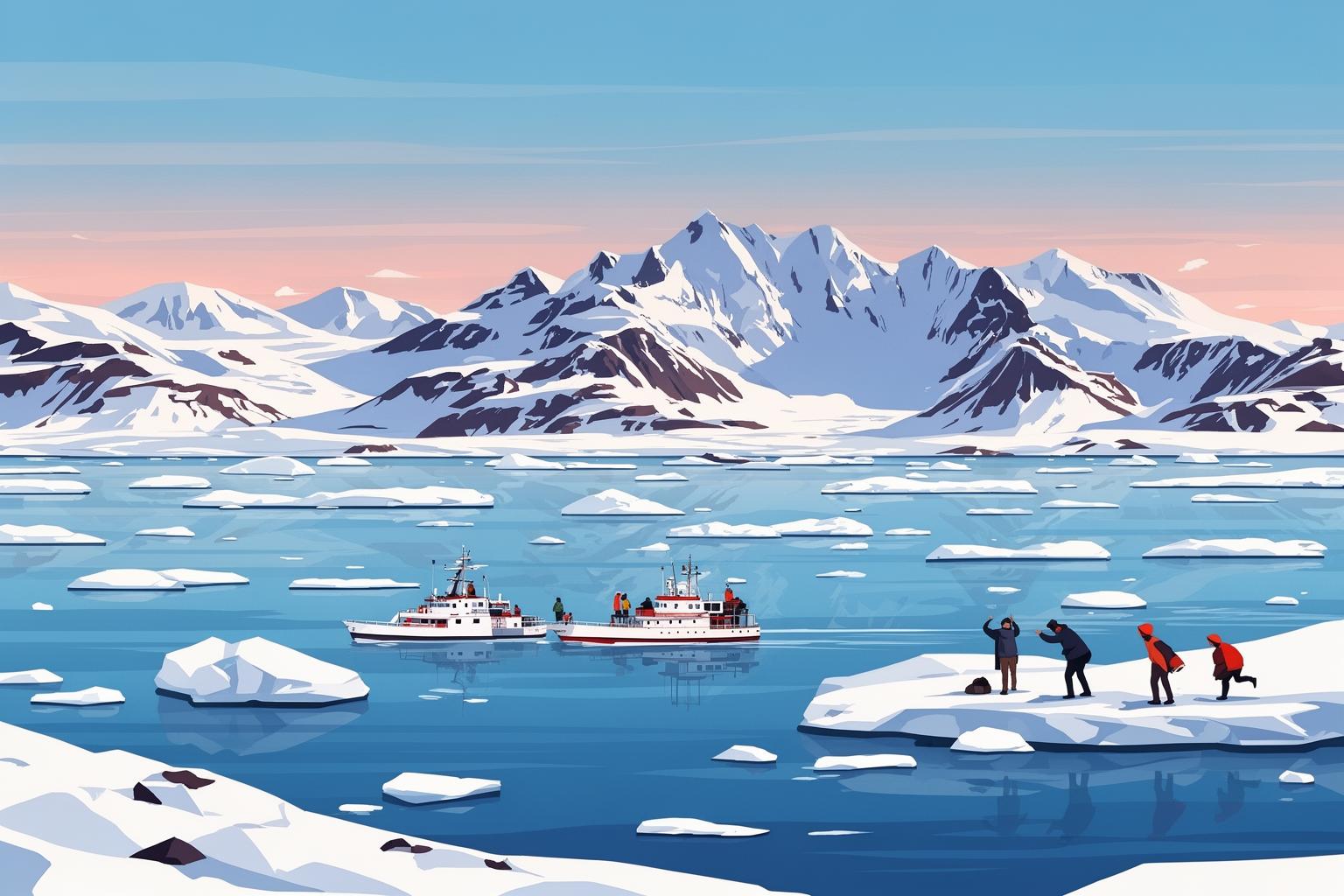
A journey to witness the kings and queens of the Arctic carries a profound ethical responsibility. The decisions you make as a traveler directly affect this delicate ecosystem and its inhabitants. The aim is always to observe without disturbing and to experience without exploiting. Planning your trip with this principle as your guiding light is the most crucial step you can take.
Choosing Your Vessel: The Heart of the Journey
Most polar bear sightings in Svalbard occur during summer from expedition cruise ships, as bears are commonly found on the drifting pack ice to the north and east of Spitsbergen’s main island. The type of vessel you select will greatly influence your experience.
Smaller expedition ships, typically carrying fewer than 150 passengers, offer a more intimate and flexible journey. They can navigate narrow fjords and coves inaccessible to larger ships, potentially providing unique wildlife encounters. With fewer passengers, Zodiac cruises or shore landings are faster and more efficient, maximizing exploration time. The onboard atmosphere tends to be more communal, with easy access to the expedition team for questions and casual chats.
Larger vessels, while accommodating more passengers, often provide greater stability and comfort, which can be beneficial in the sometimes rough Arctic Ocean waters. Many are purpose-built for polar exploration with higher ice-class ratings (such as PC6 or lower), enabling deeper penetration into consolidated pack ice—an advantage for spotting bears later in the season. They usually offer additional amenities like lecture halls, libraries, and science centers, enhancing the educational aspect of your voyage.
No matter the size, the key factor is that the vessel is designed for expedition travel rather than luxury cruising. This means it carries a fleet of Zodiacs for off-ship excursions, has an open-bridge policy allowing passengers to join officers and guides in navigation and wildlife searching, and emphasizes education and enrichment over passive entertainment.
Vetting the Operator: Your Pledge to the Arctic
Choosing your tour operator is even more critical than the vessel itself. A responsible operator is your partner in making sure your visit positively impacts the region. The gold standard is membership in AECO (the Association of Arctic Expedition Cruise Operators), which enforces strict guidelines ensuring tourism is conducted safely and with respect for the environment, local cultures, and historic sites. AECO members commit to best practices, and their guides undergo thorough training and certification.
When evaluating operators, examine their sustainability policies carefully. How do they handle waste and emissions? Do they support local communities or conservation efforts? Are they involved in citizen science projects? A truly ethical operator will be transparent about these practices and eager to share them. Don’t hesitate to ask direct questions before booking, such as their guide-to-passenger ratio, the expedition team’s experience, and their specific wildlife interaction protocols.
A crucial element in the ethical equation is the expedition guide, who is much more than a tour leader—they are interpreters of the Arctic environment. Usually experts in marine biology, geology, ornithology, or history, they’re also highly trained in polar bear safety and first aid. An excellent guide not only spots wildlife but provides deep insights into animal behavior, ecological roles, and conservation challenges. They enforce rules to ensure all passengers maintain respectful distances and proper conduct. Their expertise and passion elevate a simple trip into a poignant educational experience.
The Golden Rule of Observation: Leave No Trace, Take Only Memories
Once in Svalbard, ethical wildlife viewing principles become paramount. The core philosophy is clear: your presence must not alter an animal’s natural behavior. Guides enforce strict minimum distances. For polar bears, the ship maintains a slow pace and keeps a significant distance, often several hundred meters or more, allowing you to observe through binoculars and telephoto lenses without causing distress. The aim is to watch bears behaving naturally—hunting, resting, or traveling—as if you were not there.
This approach applies to all wildlife. Walrus haul-outs are approached quietly by Zodiac with engines turned off at a safe distance. Nesting bird cliffs are observed from the water, never from above, to avoid startling birds into abandoning eggs or chicks. When making rare shore landings in bear territory, guides establish secure perimeters that must be respected at all times. You will never be taken on foot to actively track or chase polar bears, as this is both dangerously irresponsible and ethically wrong.
Photography should capture memories, not dictate your behavior. Animal welfare always takes precedence over the perfect shot. This prohibits drone use, which is banned for tourists in Svalbard due to the stress they cause wildlife. Patience and proper equipment, such as a long lens, are essential instead of trying to get too close. The most meaningful encounters are often the quiet ones, where you put the camera aside and simply appreciate the privilege of sharing a moment with such magnificent creatures in the wild.
When to Heed the Call of the North: Timing Your Svalbard Adventure
Svalbard is a land of striking seasonal changes, and the time of year you decide to visit will entirely shape your experience. Each season brings its own distinct charm, but for a trip centered on polar bears and thorough exploration by sea, one season stands out above the others.
The Realm of the Midnight Sun (June – August)
This is the peak season for expedition cruising and offers the greatest likelihood of spotting polar bears. As the days extend into 24-hour daylight, sea ice that traps the fjords throughout winter begins to break up and recede northward. This vital event allows the archipelago to be explored by ship. The continuous daylight is a major benefit, enabling wildlife viewing and exploration at any time. Spotting a polar bear at 1 AM under a sun low on the horizon creates an unforgettable Arctic memory.
During this time, ships often circumnavigate Spitsbergen, the largest island, showcasing the remarkable variety of Svalbard’s landscapes. You’ll journey from the lush, vibrant tundra on the west coast to the stark polar desert of the east and the dense pack ice to the north. Polar bears follow the retreating ice edge, their main hunting ground. Your expedition concentrates on navigating these ice-filled waters where bears frequently patrol for seals. Beyond bears, the summer season bursts with life. Vast seabird colonies, such as Brünnich’s guillemots and little auks, crowd the cliffs of Hinlopen Strait. You’ll see enormous walruses resting on beaches, their tusks shining in the sun. Reindeer graze on the surprisingly rich tundra, and you might even catch sight of the elusive Arctic fox. Zodiac cruises bring you close to glacier fronts and through fields of sculpted icebergs. Shore landings offer hikes across tundra dotted with tiny, hardy Arctic flowers.
The Edge of Winter (March – May)
This late winter and early spring period finds Svalbard still blanketed in white. The landscape is covered by a thick layer of snow, and the fjords remain frozen solid. This time is unsuitable for expedition cruising but is ideal for land-based adventures from Longyearbyen. It’s a season for exhilarating pursuits such as dog sledding across vast, silent valleys and snowmobiling over glaciers and frozen seas. The light during this period is enchanting as the sun returns after the long Polar Night, casting long shadows and bathing the snowy scenery in soft, pastel tones. Exploring ice caves, with their glittering, cathedral-like blue ice chambers, is another unique highlight of this season.
Although polar bear sightings are possible, they are less frequent and occur under different circumstances. Bears may be seen from a distance on frozen fjord ice, but the main focus of these trips is on the snow-covered environment and winter activities. Travel is limited to areas accessible by snowmobile, covering a far smaller range than a ship could explore. This season provides a spectacular and distinct Arctic experience, emphasizing the frozen world’s beauty, but for those aiming primarily to see polar bears on the pack ice, summer remains the better option.
The Polar Night & The Twilight Return (October – February)
This period is marked by darkness. From late October, the sun dips below the horizon and doesn’t return until mid-February. Although this may seem daunting, it possesses a unique and profound allure. Longyearbyen takes on a warm, intimate atmosphere, lit by streetlights and the glow from cozy café windows. The main attraction during the Polar Night is the opportunity to witness the Northern Lights. With no light pollution and clear, cold skies, the aurora can be breathtaking, swirling in vibrant ribbons of green, pink, and purple across the sky. It is a deeply moving, almost spiritual experience. However, this is not a season for wildlife viewing. Most migratory birds have left, and while polar bears remain active, the darkness makes locating them nearly impossible and expeditions unsafe. This season is suited to those seeking solitude, cosmic wonder, and a deep connection with the high Arctic’s rhythms, rather than a wildlife-focused journey.
Gateway to the Ice: Navigating Longyearbyen
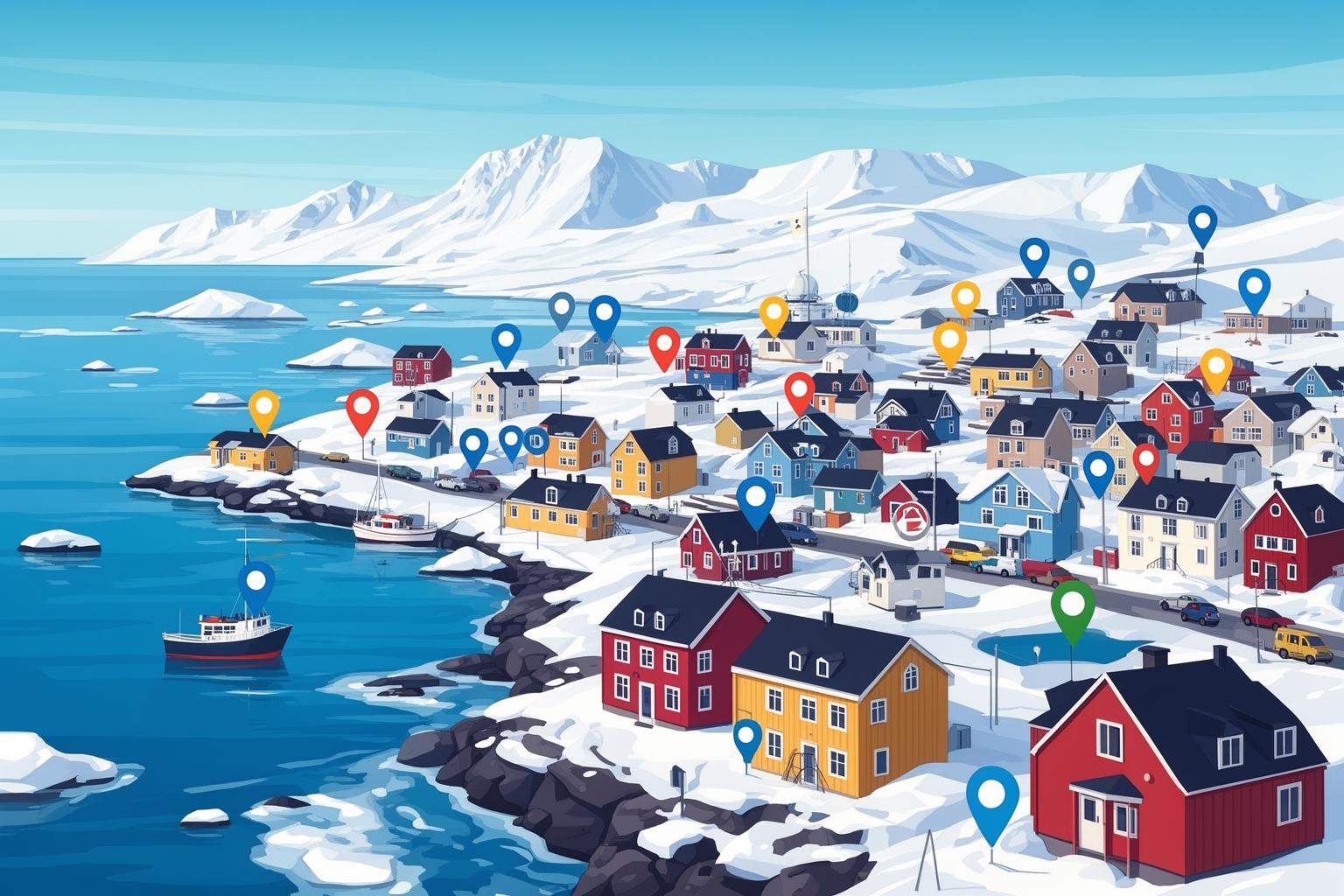
Your Arctic journey will almost certainly start and finish in Longyearbyen, the world’s northernmost settlement of any notable size. More than just a practical outpost, this small town on Spitsbergen island is an intriguing and quirky destination in itself, providing an ideal introduction to Svalbard’s culture and history.
Arrival and Acclimatization
Reaching Longyearbyen is surprisingly easy, with regular commercial flights from Oslo and Tromsø, Norway. Stepping off the plane at Svalbard Airport marks your first genuine experience of the high Arctic. Though modest, the airport offers an extraordinary view from the tarmac—a vast valley framed by flat-topped mountains. The town lies a short bus ride away, a splash of vivid color set against the stark surroundings. Immediately, you’ll notice practical aspects of Arctic living: miles of elevated pipes carrying heated water and utilities above the permafrost, rows of snowmobiles parked outside homes (far outnumbering cars), and numerous signs at the town’s edge featuring a polar bear—an unmistakable warning against venturing out unarmed.
It’s smart to plan to arrive at least one full day before your expedition starts. This buffer guards against possible flight delays and allows time to acclimate, secure any last-minute gear, and explore the town. This pre-expedition day offers a chance to shift your mindset from the pace of travel to the slower, more deliberate rhythm of the Arctic.
Life on the 78th Parallel North
Longyearbyen embodies the spirit of a frontier town, inhabited by a resilient and international community of scientists, coal miners, students, and tourism professionals from around the globe. There’s a strong sense of community and shared adventure here. A distinctive local custom you’ll quickly notice is removing shoes upon entering most hotels, museums, restaurants, and some shops. This tradition dates back to coal mining days, when it helped keep black dust from being tracked indoors, and it endures today as both a charming and practical habit.
Despite its small size, Longyearbyen boasts a surprisingly solid infrastructure. Accommodation options range from the comfortable Radisson Blu Polar Hotel and Funken Lodge to cozy guesthouses like Mary-Ann’s Polarrigg, creatively repurposed from former miners’ barracks. The food scene also delights. You can sample refined Arctic-inspired dishes at Huset, a historic restaurant on town’s edge, or enjoy a hearty burger and local beer at the lively Kroa pub. Given the presence of polar bears, safety is paramount: it is absolutely forbidden and extremely hazardous to leave the settlement limits without a qualified guide armed with a high-powered rifle and flare gun. The town itself is considered safe, but wilderness begins as soon as the buildings end.
Beyond the Expedition: What to Do in Town
Spending a day or two in Longyearbyen provides a fantastic opportunity to explore the human story of the Arctic. The Svalbard Museum is a definite must-see. This world-class museum offers a thorough overview of 400 years of Svalbard’s history—from the early whalers and trappers who endured extreme hardship to the geopolitical struggles of the mining era and the rise of modern scientific research. It offers invaluable context to the wilderness you are about to enter.
For fans of the heroic age of polar exploration, the North Pole Expedition Museum presents a captivating look at the daring and often ill-fated attempts to reach the pole by airship and aircraft, many launched from Svalbard. Art lovers will enjoy Galleri Svalbard, which features a permanent collection of historical maps and books alongside works by Norwegian artist Kåre Tveter, renowned for his evocative Arctic light paintings.
One of the most famous landmarks, though only visible from afar, is the Svalbard Global Seed Vault. Carved into a mountainside and marked by a concrete wedge shimmering with a fiber-optic art installation, this facility is designed to safeguard the world’s agricultural biodiversity. While you cannot enter, standing by the roadside and reflecting on its mission—a last-resort backup for humanity’s food supply—is a powerful and thought-provoking experience that highlights Svalbard’s global significance.
Gearing Up for the Arctic: Packing for Comfort and Safety
There’s a Scandinavian saying: “There’s no such thing as bad weather, only bad clothing.” In Svalbard, this goes beyond a simple folk saying; it’s a fundamental reality. The right gear isn’t about fashion—it’s about your ability to safely and comfortably enjoy your time on deck, in a Zodiac, or during a shore landing. Being cold and wet can ruin even the most spectacular wildlife encounters. Thoughtful packing is one of the most crucial parts of your preparation.
The Layering System: Your Defense Against the Elements
Layering is the key principle for dressing in the Arctic. It enables you to adjust to varying conditions, whether it’s a cold, windy day on deck or the warmth inside the ship. This system has three main components.
First, the base layer, which is worn directly against your skin. Its purpose is to wick moisture away from your body to keep you dry. Cotton should be avoided as it absorbs sweat and holds it against your skin, making you cold. The best choices are merino wool or high-quality synthetic fabrics such as polypropylene. Merino wool stands out because it’s breathable, moisture-wicking, and naturally odor-resistant. Bring at least two sets of long underwear tops and bottoms.
Next is the mid-layer that provides insulation by trapping body heat. Popular and effective options include fleece jackets or pullovers, or a lightweight insulated jacket (either down or synthetic). A fleece vest can also be a versatile addition. You may wear one or more mid-layers depending on the temperature. Combining a medium-weight fleece (like a Polartec 200) with a puffy jacket offers excellent adaptability.
Lastly, the outer layer, or shell, protects you from the elements. This layer must be fully waterproof and windproof. Look for high-quality jackets and pants made from materials like Gore-Tex or similar proprietary membranes. Important jacket features include a well-designed, adjustable hood that can be cinched tightly, waterproof zippers, and adjustable cuffs. Shell pants should be easy to put on over your other layers and boots.
Extremities and Essentials
Protecting your extremities—your head, hands, and feet—is as vital as layering your core.
For your feet, insulated and waterproof boots are essential. Many expedition companies provide knee-high rubber boots (often called Muck boots or Wellingtons) for wet landings, which is a major advantage. Check with your operator. Besides these, you’ll need a comfortable, waterproof pair of boots for walking around the ship’s deck. Footwear is incomplete without the right socks; pack several pairs of thick, warm socks made from merino wool or wool blends. Always bring more than you think you’ll need.
For your hands, layering works best as well. Start with a pair of thin liner gloves (merino or synthetic) that allow you to operate your camera without exposing your skin. Over these, wear warm, insulated, and waterproof mittens. Mittens are generally warmer than gloves because they let your fingers share heat.
For your head, a warm winter hat (beanie or toque) that fully covers your ears is essential. A balaclava or neck gaiter (like a Buff) is also invaluable. It can be pulled over your face to shield your nose and cheeks from windburn during Zodiac cruises, which can feel surprisingly cold even on sunny days.
Gear for the Voyage
Beyond clothing, a few essential pieces of gear will greatly enhance your trip. A high-quality pair of binoculars is arguably the most important item to bring. Much of the wildlife is observed at a distance, and good optics bring the experience to life. An 8×42 or 10×42 model is an excellent all-around choice. Photographers will find a telephoto lens indispensable for wildlife shots; something in the 100-400mm range or longer is ideal. Don’t forget extra batteries, as cold temperatures drain them quickly, and a waterproof bag to protect your gear in the Zodiac.
For life aboard the ship, pack casual, comfortable clothes and a pair of slippers or indoor shoes for walking inside. It’s wise to bring seasickness medication, even if you rarely get motion sick; better to have it and not need it. A good book is perfect for downtime, and a reusable water bottle is important for staying hydrated. Lastly, don’t forget sun protection. The 24-hour sun combined with intense glare off water and ice can cause serious sunburn. Pack high-SPF sunscreen and a quality pair of polarized sunglasses.
A Final Word from the Top of the World
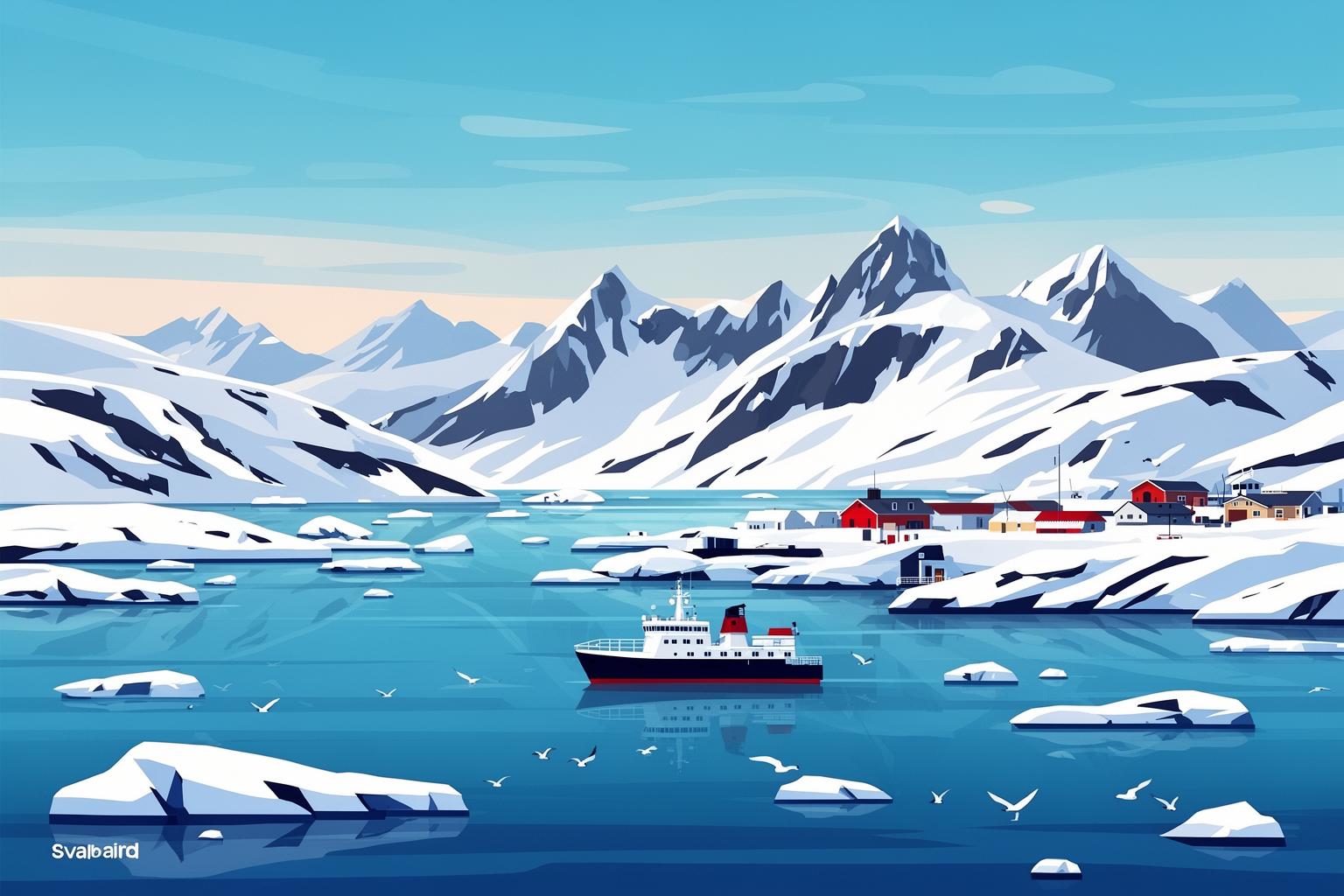
A journey to Svalbard is more than just a vacation. It’s an immersion, a recalibration of your place in the world. You arrive as a visitor, a spectator, but you leave as a witness—witnessing the raw, unfiltered power of nature, the immense scale of a glacier, and the profound silence of a frozen sea. If you are fortunate, you witness the quiet dignity of a polar bear moving through its ancestral home, a sight that connects you intimately to the heartbeat of the wild planet.
This experience leaves an indelible mark on your soul. It’s a feeling difficult to shake, a new awareness of the fragility that exists alongside such immense power. You come to realize that this kingdom of ice and snow is not a permanent, unchanging place. It is a dynamic, living system under threat. The pilgrimage to see the polar bear ultimately becomes a pilgrimage to understand our own impact. We travel to the top of the world not just to see what is there, but to be reminded of what is at risk. You return home not only with photographs and memories, but with a story to tell and a renewed sense of responsibility to protect these sacred wild places for generations yet to come.