There’s a certain magic that hums in the air of Kyoto, a city where ancient temples stand shoulder to shoulder with modern life, where every cobblestone alley seems to whisper a story. It’s a place that feels both timeless and vibrantly alive, a perfect setting for a tale about homecoming, tradition, and the delicate art of connection. This is the world of Deaimon, an anime that captures the soul of Kyoto not through grand battles or fantastical journeys, but through the gentle, meticulous craft of Japanese sweets, or wagashi. The story follows Nagomu Irino, a man who returns to his family’s sweet shop, Ryokushō, after a decade away, only to find himself becoming a father figure to the young girl, Itsuka Yukihira, who has been named the shop’s heir. Their journey is a heartwarming exploration of what it means to find family and a place to belong, all set against the stunning, culturally rich backdrop of Japan’s former imperial capital. For fans of the series, and for anyone who dreams of experiencing the authentic heart of Japan, the settings of Deaimon are not just drawings on a screen; they are real, tangible places you can visit. This guide is your invitation to step into the world of Nagomu and Itsuka, to walk the same paths, breathe the same air, and taste the same flavors that inspired this beautiful story. It’s a pilgrimage not just for an anime fan, but for the soul, a journey into the sweet, enduring spirit of Kyoto.
If you’re inspired to embark on more journeys that trace the settings of beloved stories, consider planning a literary pilgrimage to explore other worlds born from the pages of great authors.
The Heart of Deaimon: In Search of Ryokushō
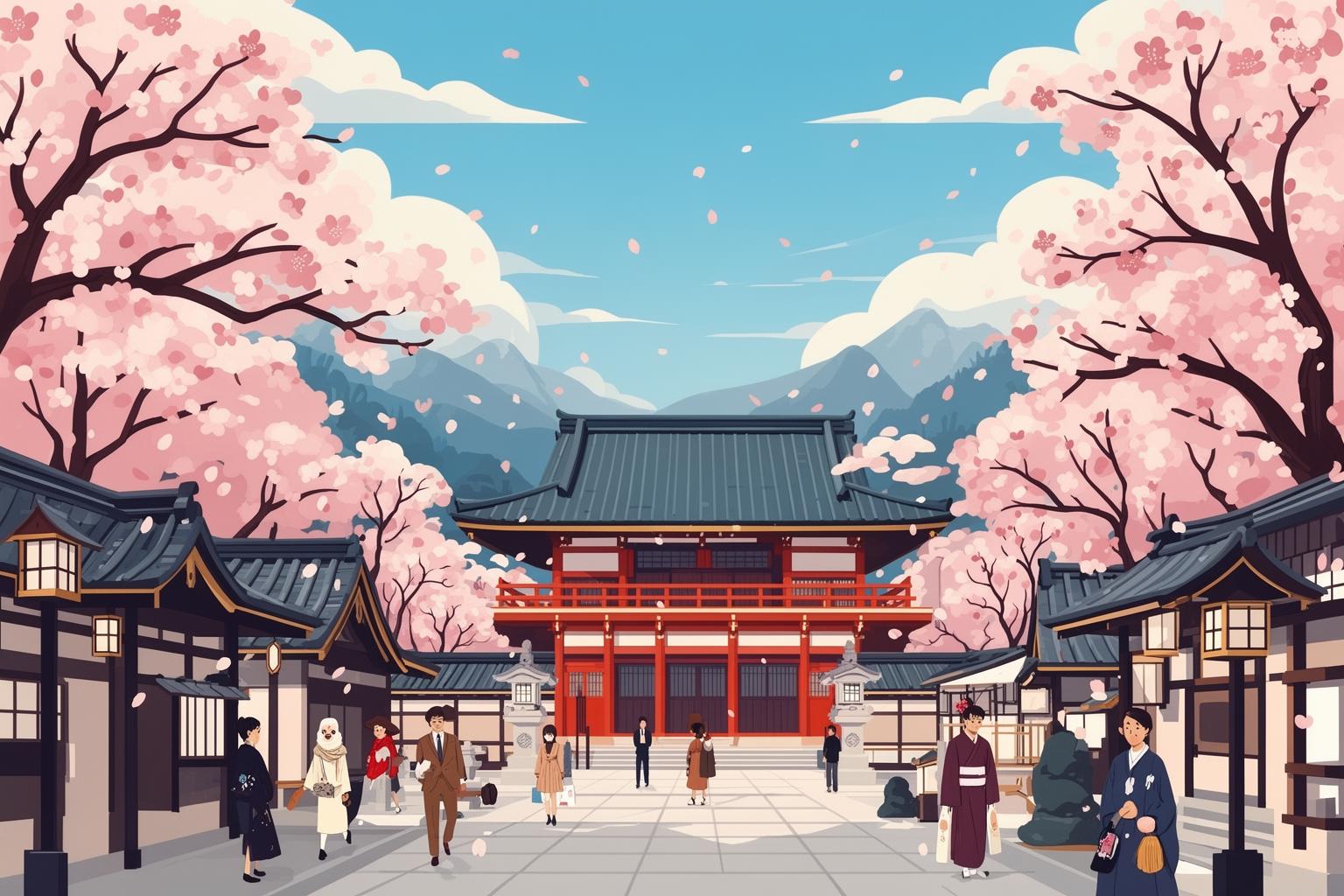
The central setting of Deaimon is undoubtedly the family wagashi shop, Ryokushō. It stands as more than just a building; it serves as a living character within the story, embodying history, craftsmanship, and family ties. While you won’t find Ryokushō marked on any Kyoto map, its essence and appearance are inspired by a real and delicious corner of the city. To discover it, you must head north, away from the bustling tourist areas of Gion and Higashiyama, to a quieter, more local atmosphere deeply intertwined with over a thousand years of history. Our destination is the area around Imamiya Shrine, a place that encapsulates the warm, traditional aesthetic of Nagomu’s home.
Imamiya Shrine and Its Renowned Aburi-Mochi Shops
Stepping off the bus and walking toward Imamiya Shrine’s eastern gate feels like stepping back in time. The air turns still, filled with the scent of aged wood and moist earth from the towering camphor and cedar trees that create a thick canopy overhead. Founded in 994 during the Heian era’s devastating plagues, the shrine was established as a place to pray for health and protect against disease. This history imparts a tangible sense of peace and safeguarding to the grounds. It is a spacious, sprawling complex, far less crowded than its more famous counterparts, inviting quiet reflection as you stroll along gravel paths, past small sub-shrines and bright vermilion buildings.
Yet the true inspiration for Ryokushō lies just outside the shrine gates. Here, two legendary teahouses—Ichimonjiya Wasuke and Kazaridokoro Kazariya—face each other in a friendly, centuries-old rivalry. These serve as the living models for Deaimon’s cherished sweet shop. The resemblance is striking. The low, dark-timbered buildings, the open tatami platforms where guests sit on red-felt cushions, the soft smoke rising from charcoal grills—it’s as though a scene from the anime has materialized right before your eyes.
A Taste of Tradition: Aburi-Mochi
Both shops specialize in one delicacy: aburi-mochi. Unlike the intricate, seasonal sweets crafted at Ryokushō, these are rustic and ancient treats. Small, thumb-sized pieces of pounded mochi rice are skewered onto bamboo sticks, dusted with kinako (roasted soybean flour), and grilled over glowing charcoal until toasted and aromatic. Just before serving, they’re dipped into a rich, sweet, and slightly savory white miso glaze. The experience is a sensory delight. You watch the staff, often elderly women with years of skill, expertly turning the skewers over the hot embers. You hear the gentle sizzle of the grilling mochi. You smell the irresistible fragrance of toasted rice, sweet kinako, and caramelizing miso. And finally, you taste it. The mochi is tender and chewy inside with a slightly crisp, smoky outside, and the glaze provides a perfect harmony of sweet and savory. It’s a simple, comforting, and deeply satisfying treat.
The Two Rivals: Ichiwa and Kazariya
Choosing between the two shops adds to the enjoyment. Ichimonjiya Wasuke, commonly called Ichiwa, proudly claims to be Japan’s oldest confectionery, dating back to the year 1000. Its atmosphere feels profoundly ancient, with dark, weathered wood and a solemn air. Across the way, Kazariya offers a slightly lighter, though equally historic, ambiance. Both serve the same delicious aburi-mochi, and honestly, you can’t go wrong with either. My personal suggestion? Try both. Each offers a subtly different experience, a unique perspective on the same beautiful tradition. Sitting on the tatami platform, sipping hot tea and savoring a plate of aburi-mochi while watching pilgrims come and go from Imamiya Shrine, you come to appreciate the deep sense of place and continuity that Deaimon so masterfully conveys. This is the feeling of home—of tradition handed down not as a burden but as a comforting, delicious gift.
Nagomu’s Kyoto: Strolling Through Familiar Scenes
While Ryokushō remains the heart of the story, the narrative of Deaimon also meanders through many other iconic and subtle locations across Kyoto. Following Nagomu and Itsuka’s journey lets you view the city through their perspective, uncovering places of profound spiritual importance, tranquil natural beauty, and nostalgic communal warmth. This is a Kyoto that exists beyond the postcards—a vibrant, living backdrop for the characters’ everyday lives.
A Sacred Current: Kamigamo Shrine and the Kamo River
Kyoto’s spiritual landscape is shaped by its two Kamo Shrines, Shimogamo and Kamigamo, among the oldest and most significant in Japan. Kamigamo Shrine, formally called Kamo Wake-ikazuchi Jinja, is a UNESCO World Heritage site that exudes vastness and power. Passing through its towering torii gate and walking along the long, wide white gravel path instills a sense of calm and reverence. The shrine is renowned for its two perfect sand cones, the tatezuna, believed to symbolize a nearby mountain where the deity descended. A clear, shallow stream, the Nara-no-Ogawa, runs through the grounds, offering purification and serene beauty. In Deaimon, this grand historic setting reflects the deep cultural and spiritual roots of Kyoto, intricately tied to the craft of wagashi. Visiting here provides insight into the traditions the Irino family strives to preserve. It’s a place for quiet contemplation, a reminder of the powerful currents of history flowing through the city.
Further south, this sacred current merges with the city’s main artery: the Kamo River, or Kamogawa. The river is the social heart of Kyoto. Its banks are alive with city life—from students practicing instruments to families enjoying picnics and elderly couples taking evening walks. A particularly notable spot familiar to anime fans is the Kamogawa Delta near Demachiyanagi Station, where the Kamo and Takano rivers converge. This triangular stretch of land, featuring charming stepping stones shaped like turtles, is a beloved local gathering place and a classic setting for numerous anime and manga set in Kyoto. It’s easy to picture Nagomu and Itsuka pausing here or Nagomu sharing a heartfelt conversation with a friend, with the gentle river sounds in the background. Walking along the Kamogawa at any time is one of Kyoto’s simplest yet most profound pleasures, where the city’s monumental history blends with its casual, everyday life.
A Dip into Tradition: The Funaoka Onsen Experience
Deaimon also emphasizes the communal, everyday traditions that unite a neighborhood, exemplified perfectly by the local public bathhouse, or sento. The series features a magnificent sento modeled directly on a real and truly spectacular place: Funaoka Onsen. Despite its name, it’s a sento, not a natural hot spring, but while it lacks geothermal heat, it more than compensates with historical and artistic grandeur. Founded in 1923, Funaoka Onsen is a designated Tangible Cultural Property, and stepping inside feels like entering a time capsule from the Taishō and early Shōwa periods.
The changing room alone is a masterpiece. The high ceiling boasts a large carving of a Tengu, a long-nosed goblin from Japanese folklore, and the wooden lockers feature intricate bas-relief carvings illustrating scenes from Japanese and Chinese history. The walls are adorned with colorful Majolica tiles, a popular decorative style of the era. The bathing area is even more impressive, offering various baths at different temperatures, an electric bath (for the brave!), and an open-air bath (rotenburo) set in a small garden. Visiting Funaoka Onsen is an immersive cultural experience. Though it may seem daunting for first-timers, the routine is straightforward: you pay at the front desk, enter the gender-separated changing room, store your belongings in a locker, and carry only a small towel into the bathing area. The cardinal rule is to wash thoroughly at the shower stations before entering any baths. It is a place of relaxation and quiet community, where locals of all ages bathe side by side. This authentic experience perfectly captures the nostalgic, neighborhood spirit so often portrayed in Deaimon.
The Taste of Kyoto: More Than Just a Backdrop
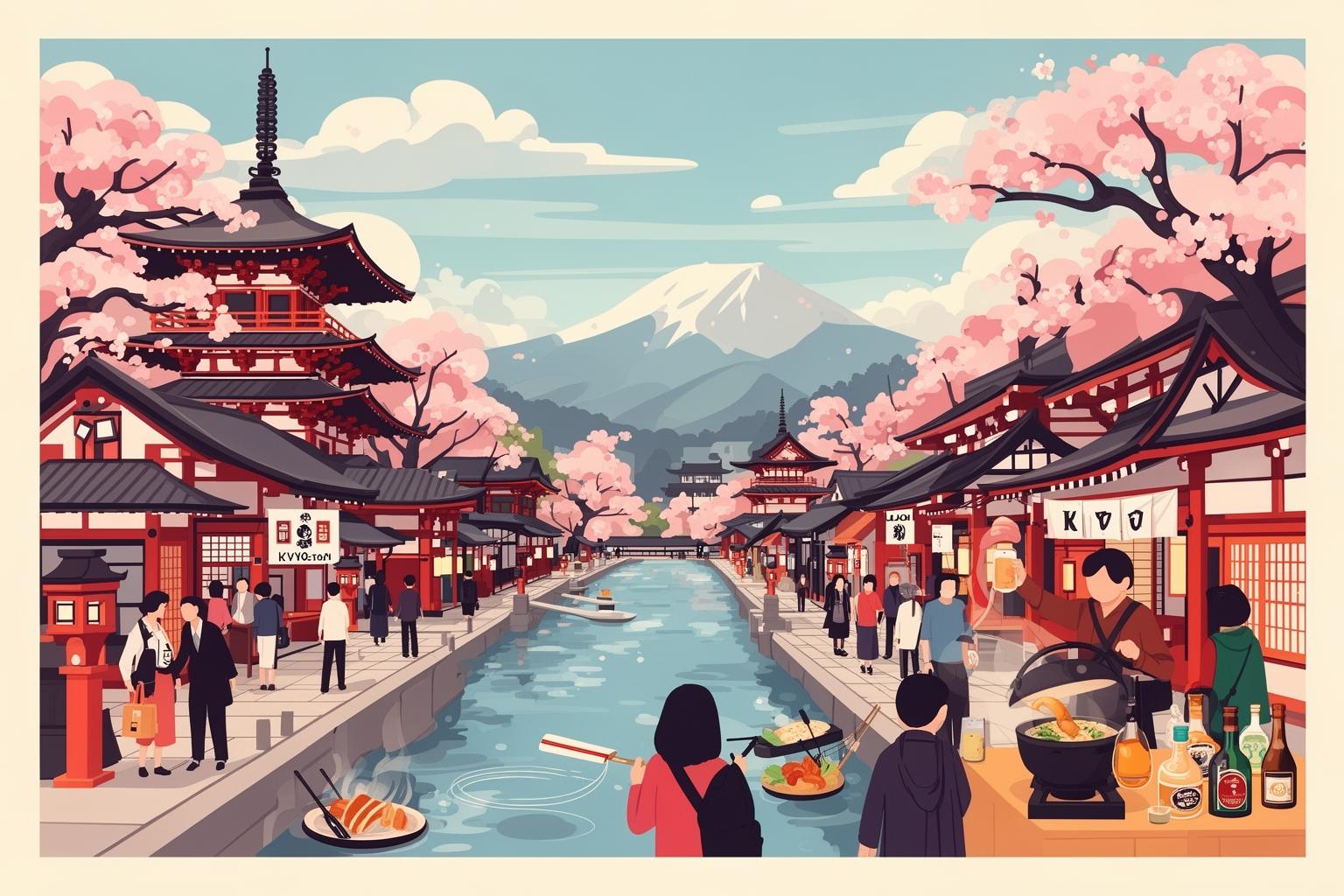
To truly grasp Deaimon, one must recognize that wagashi are not just story props; they serve as the language through which characters convey their emotions, celebrate seasonal changes, and connect with their heritage. Kyoto, as the undisputed capital of wagashi, invites you to embark on a culinary pilgrimage that is integral to the Deaimon experience. The anime skillfully portrays these sweets as an art form, intimately linked to nature, poetry, and the five senses.
The Essence of Japanese Sweets
In Kyoto, wagashi culture reaches its pinnacle. Each confection is a miniature masterpiece, meant to be savored visually first. The colors mirror the seasons: pale pinks for spring cherry blossoms, vibrant greens for early summer, rich oranges and browns for autumn, and pristine whites for winter snow. The sweets often bear poetic names that reference famous poems or natural landscapes. Taste and texture are crucial, emphasizing subtle sweetness from ingredients like anko (sweet red bean paste), rice flour, and premium sugar. Deaimon beautifully captures the meticulous process of crafting these sweets, from preparing the bean paste to hand-shaping each piece with care. This devotion to craftsmanship breathes soul into every wagashi. It is a tangible expression of omotenashi, the Japanese spirit of wholehearted hospitality.
Embarking on Your Own Wagashi Journey
Beyond the aburi-mochi of Imamiya Shrine, Kyoto offers a vast array of wagashi to discover. A perfect starting point is the Demachiyanagi area near Kamogawa Delta. Here you’ll find Demachi Futaba, a beloved local shop known for its mame-mochi, a soft rice cake filled with anko and studded with whole black soybeans, delivering a delightful balance of sweet and salty flavors. It’s the kind of everyday treat characters in Deaimon might casually enjoy.
For a more refined experience, visit the Gion district, where shops like Kagizen Yoshifusa provide a tranquil café setting to savor exquisite wagashi paired with precisely whisked matcha. Their signature offering is kuzukiri, translucent arrowroot noodles served chilled with a brown sugar syrup for dipping—an elegant and refreshing delight, especially in warmer months. Exploring these shops reveals the remarkable diversity within the world of wagashi.
To deepen your appreciation even more, consider joining a wagashi-making workshop. Several venues in Kyoto offer classes for foreign visitors, where you can learn from a master how to shape delicate nerikiri dough into beautiful seasonal motifs such as flowers or leaves. Though challenging, this hands-on experience is immensely rewarding. As you attempt to mold the soft paste yourself, you develop a profound respect for the skill and years of training behind every flawless piece displayed in shop windows. It creates a direct, tactile connection to the traditions that Nagomu strives to relearn and that Itsuka embodies so effortlessly.
Practical Pilgrim’s Guide: Navigating Deaimon’s Kyoto
Kyoto is a city that rewards exploration, though navigating it can sometimes be a bit challenging. While its layout follows a grid pattern, the most notable attractions are spread out. With a little planning, you can move around the city smoothly and comfortably, allowing you to fully immerse yourself in the atmosphere of Deaimon‘s world.
Getting Around
Kyoto has an excellent public transportation system, but it relies more on buses than an extensive subway network. To reach northern spots like Imamiya Shrine and Kamigamo Shrine, the bus is your best option. A Kyoto City Bus One-Day Pass offers great value, providing unlimited rides for a fixed price and saving you the trouble of searching for change each time you board. These passes are available at major bus terminals, subway stations, and some convenience stores. For other areas, the subway and local train lines are very efficient. One of the most enjoyable ways to explore the flatter parts of the city, especially along the Kamo River, is by bicycle. Numerous rental shops near major stations make cycling a convenient way to travel at your own pace and discover hidden alleys and small neighborhood shrines you might otherwise overlook.
When to Visit
Kyoto is renowned for its beauty throughout the year, with each season offering a distinct experience reflected in the seasonal wagashi featured in Deaimon. Spring, from late March to early April, showcases the iconic cherry blossoms, covering the city in delicate pink and white hues. This is peak tourist season, so expect large crowds and book accommodations well in advance. Autumn, from mid-to-late November, is equally breathtaking as the maple leaves shift to fiery reds, oranges, and golds. The crisp and pleasant weather is perfect for extended walks. Summer can be hot and humid but brings lush greenery and lively festivals, complemented by refreshing, jelly-like wagashi. Winter is the quietest season: cold, yet the stark beauty of temple gardens dusted with snow is unforgettable. It’s also the ideal time to enjoy the warmth of a teahouse or a public bath like Funaoka Onsen without the crowds.
A Traveler’s Etiquette
Kyoto is a city that treasures tradition, tranquility, and respect. A few simple gestures can greatly show your appreciation for the local culture. When visiting shrines and temples, keep your voice low. At shrine entrances, you’ll often find a purification fountain called a chozuya. Proper etiquette involves taking the ladle with your right hand, pouring water over your left hand, switching hands to rinse your right, then pouring a little water into your cupped left hand to rinse your mouth (don’t drink directly from the ladle and discreetly spit the water onto the ground), and finally tipping the ladle so the remaining water runs down the handle to cleanse it for the next visitor. When praying at the main hall, a simple bow is a respectful gesture. In general, pay attention to signs that prohibit photography, especially inside buildings or of sacred objects. These small acts of courtesy help maintain the peaceful atmosphere that makes these sites special for everyone.
The Enduring Spirit of Deaimon
A journey through the real-life locations of Deaimon is more than a simple anime pilgrimage. It is a deep immersion into the heart of Kyoto’s culture. It means discovering that the warmth and charm of the Ryokushō sweet shop are not just fiction; they are inspired by the genuine, living history of places like Ichimonjiya Wasuke and Kazariya, shops that have been crafting the same simple, delicious treat for centuries. It involves feeling the spiritual presence of Kamigamo Shrine and the gentle, life-affirming flow of the Kamo River. It’s about enjoying the simple, communal happiness of a neighborhood bathhouse and savoring the artistry and seasonality of wagashi—a craft that narrates the calendar’s story through sugar and bean paste. The themes that resonate in Deaimon—the significance of family, the struggle to find one’s place in the world, the quiet beauty of preserving tradition, and the bittersweet passage of time—are more than just elements of the story. They embody the very soul of Kyoto itself. As you stroll these streets and taste these flavors, you realize you are not merely witnessing a setting. You are encountering the source of the story’s profound and gentle spirit. Your pilgrimage may conclude, but the sweet essence of Kyoto, much like the lingering taste of a perfectly crafted wagashi, will stay with you long after you have returned home.