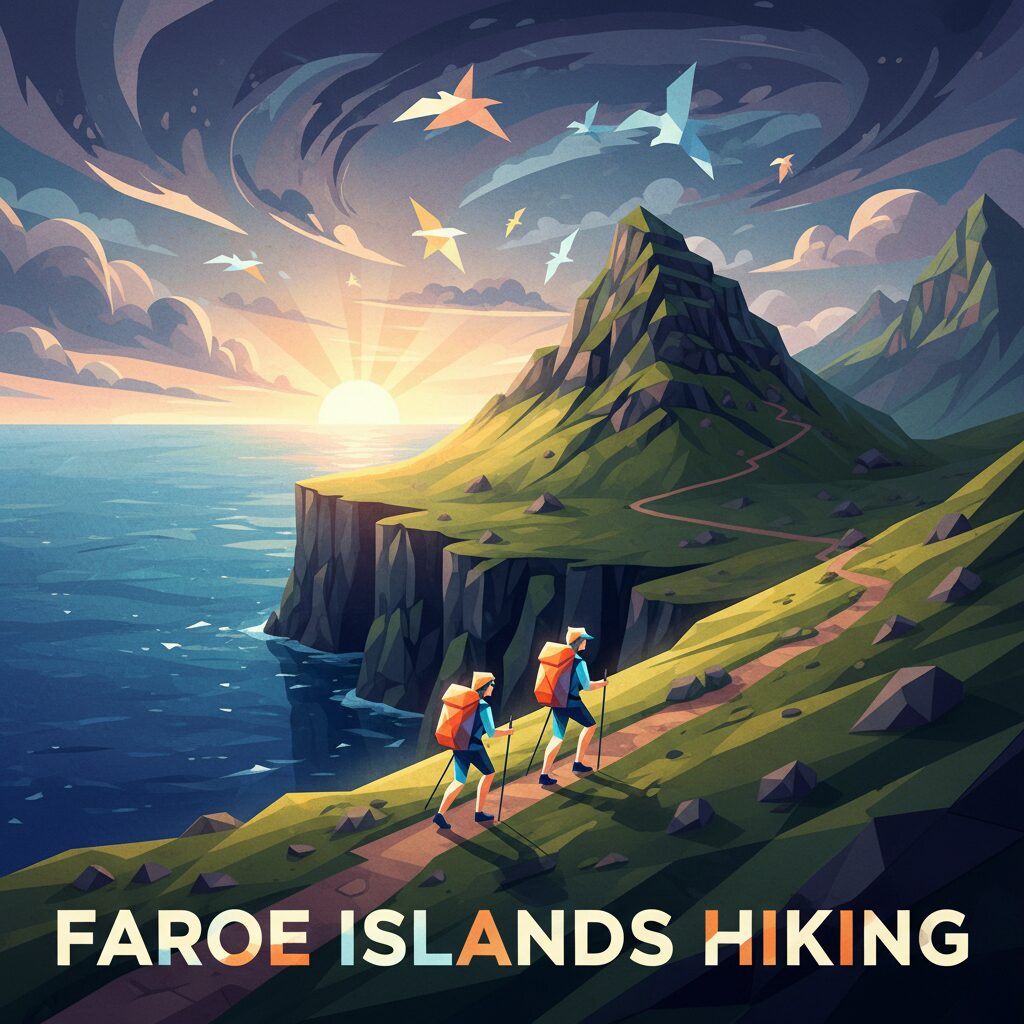
Imagine a place whispered on the winds of the North Atlantic, a secret archipelago lying halfway between the ice of Iceland and the coast of Norway. Imagine emerald-green mountains plunging dramatically into a churning, sapphire sea, where waterfalls are blown upwards by the gales and tiny villages with turf-covered roofs huddle in quiet fjords. This is not a fantasy realm dreamed up for a blockbuster film, though it has certainly starred in them. This is the Faroe Islands, an autonomous territory of Denmark that feels like a world unto itself. For the hiker, the photographer, the artist, and the soul-searcher, these eighteen volcanic islands are more than a destination; they are a pilgrimage. They are a sacred site carved not by human hands but by the raw, untamed power of nature itself. To walk these ancient paths is to connect with something primordial, to feel the pulse of the planet under your feet, and to understand the profound beauty of solitude. The air here is so clean it feels like the first breath you’ve ever taken, and the silence is so deep it’s broken only by the cry of seabirds and the bleating of the ever-present sheep, who outnumber the human population nearly two to one. This is a journey to the edge of the map, a place that redefines your sense of scale and leaves an indelible mark on your spirit. Welcome to the Faroe Islands, a hiker’s true north.
For those seeking a different kind of sacred journey, consider a literary pilgrimage through the world of Peter Carey.
The Call of the Unspoiled North: Why the Faroes?
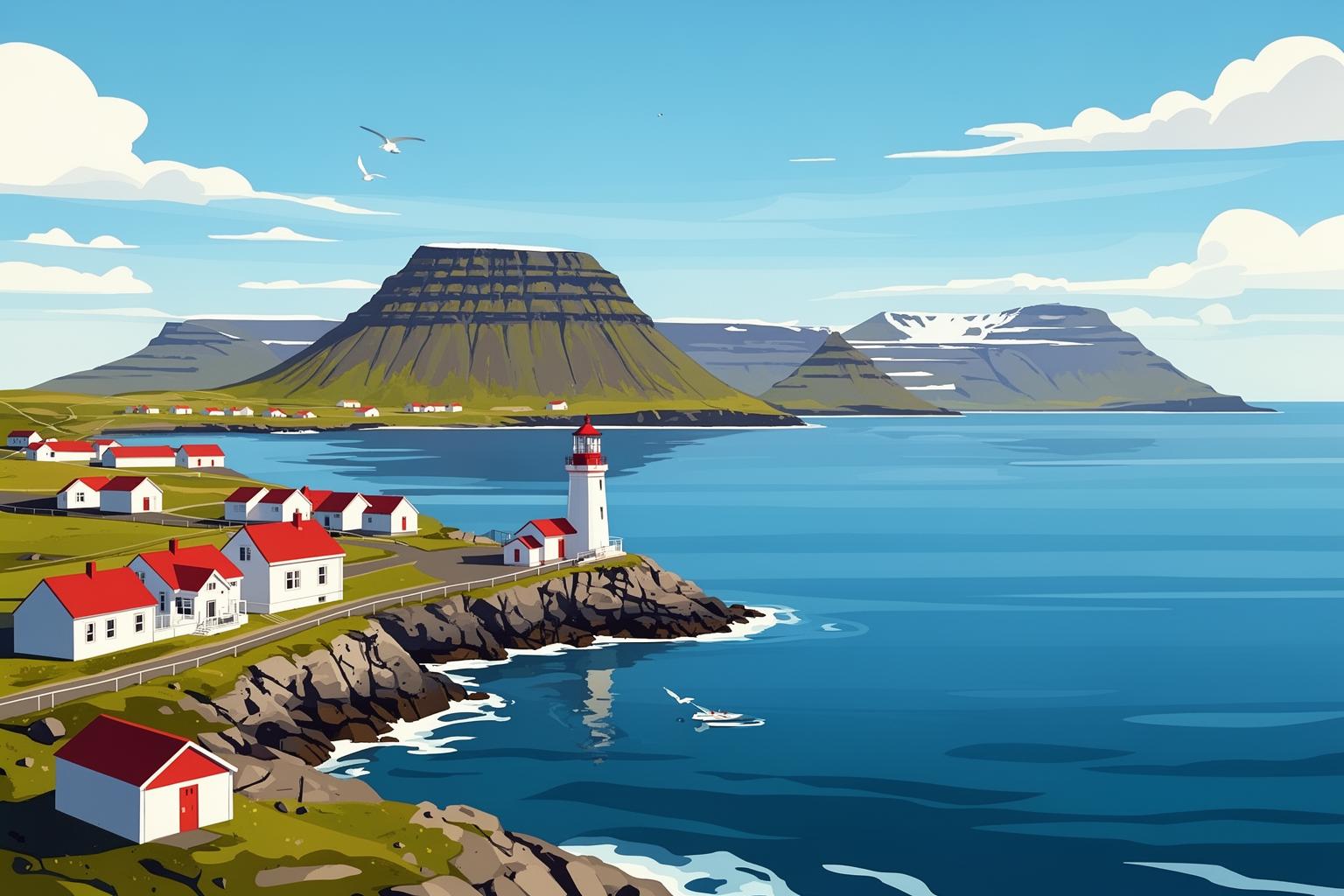
The appeal of the Faroe Islands isn’t found in vast cities or sunlit beaches. Its charm is elemental. It’s the sensation of standing on a thousand-foot cliff with the wind whipping through your hair, watching thousands of puffins dive into the waves below. It’s the awe-inspiring experience of driving through a sub-sea tunnel, emerging on an island so sparsely inhabited that you feel like an explorer discovering new land. Visitors come here seeking refuge from the noise of the modern world. They come for the drama of the landscape, a geological wonder where every bend in the road reveals a more breathtaking view than the last. The weather itself plays a central role in the Faroese story—a moody, unpredictable force that can shift from brilliant sunshine to thick, mysterious fog and back again within minutes. This constant change creates a dynamic light that has fascinated painters and photographers for centuries. For hikers, this means an environment that is both challenging and deeply rewarding. The trails here are not just paths; they are ancient sheep tracks, routes walked by Vikings and villagers for over a thousand years. Walking them feels like time travel, a connection to the resilience and spirit of the Faroese people who have carved a life out of this rugged paradise. The sense of achievement after cresting a windswept ridge to be greeted by a panoramic view of fjords and distant islands is a feeling that lingers forever. It’s a place that demands your full attention, rewarding you with a profound sense of peace and a renewed appreciation for the wild beauty of our planet.
Gearing Up for the Elements: A Practical Primer
Setting off on a hiking expedition in the Faroe Islands demands careful preparation. The islands’ untamed beauty is matched by equally unpredictable weather. The local saying, ‘If you don’t like the weather, wait five minutes,’ holds true. Proper planning and the right gear are essential not just for comfort but for safety. However, don’t let this deter you. Preparing for the Faroes is part of the experience—a sign of respect for the environment you are about to enter. It’s about embracing the challenge and arriving ready to engage with the islands on their own terms.
When to Go: The Dance of Seasons
The timing of your visit to the Faroe Islands will greatly influence your experience. Each season paints the landscape with a distinct palette and rhythm.
Summer’s Lingering Light (June – August)
This is the peak season for good reason. The days stretch long, with the sun barely setting, creating a magical, extended twilight ideal for long hikes. The islands are at their greenest, an almost fluorescent vibrancy pulsing with life. This period is also puffin season; from May through August, hundreds of thousands of these charming birds nest on coastal cliffs, especially on Mykines. The weather tends to be more stable—though ‘stable’ is relative—with chances for sunny spells despite needing waterproof gear. The trade-off is increased crowds, and you’ll need to book accommodation and car rentals well in advance.
The Dramatic Hues of the Shoulder Seasons (May & September)
For many experienced visitors, May and September hit the sweet spot. The crowds thin out, the weather remains fairly pleasant, and daylight hours are still reasonable. May awakens the landscape with blooming wildflowers and the arrival of puffins. September offers a different charm as vibrant greens fade into rustic golds and browns, while the low sun casts dramatic, warm light over the mountains. The weather becomes more unpredictable, which appeals to photographers who enjoy moody skies and shifting fog that add mystery to the scenery. It’s a time for quiet reflection and a deeper connection with the wild terrain.
The Fierce Beauty of Winter (October – April)
Winter in the Faroe Islands is not for the faint-hearted but rewards the truly adventurous with a unique, powerful experience. Days are short, winds fierce, and many trails become hazardous or impassable due to snow, ice, and mud. Yet, the stark, minimalist landscape is stunning, and you’ll have much of the islands to yourself. On clear, cold nights, you might witness the breathtaking Northern Lights. It’s also a period to enjoy the cozy Faroese culture, relax in a warm café in Tórshavn, and feel the raw, untamed might of the North Atlantic.
What to Pack: The Art of Layering
When packing for the Faroe Islands, think layers. The ability to quickly add or remove clothing is crucial for comfort amid shifting weather. Consider your clothing a system designed to shield you from wind, rain, and changing temperatures.
The Foundation: Footwear
Your most essential gear is a pair of waterproof, sturdy hiking boots with good ankle support that are already broken in. The terrain is often wet, muddy, and uneven, so proper footing is critical. Combine your boots with quality wool hiking socks—wool insulates even when damp and helps prevent blisters.
The Holy Trinity: Base, Mid, and Outer Layers
Your clothing system comprises three main layers. The base layer, worn close to the skin, should be moisture-wicking like merino wool or synthetic blends; avoid cotton as it traps moisture and chills you. The mid-layer provides insulation—fleece jackets or lightweight down/synthetic puffies work well. Depending on temperature, wear one or both. The outer layer is your protective shield against the elements: a high-quality, waterproof, and windproof jacket with a hood is essential, along with waterproof pants to keep you dry during sudden showers or while resting on damp ground.
Essential Accessories and Gear
Other vital items include a warm hat and gloves, necessary even in summer due to the cold winds at altitude. Carry a reusable water bottle and energy-rich snacks like nuts and bars to stay hydrated and fueled. For navigation, although many trails are marked, fog can descend rapidly, cutting visibility. A GPS device or reliable navigation app with downloaded offline maps is crucial for safety. Also pack a small first-aid kit, sunscreen, and sunglasses. Trekking poles are highly recommended for extra stability on steep or muddy terrain.
Getting Around: Navigating the Archipelago
The Faroe Islands boast a surprisingly modern and efficient infrastructure, making island exploration relatively straightforward.
The Freedom of a Rental Car
Renting a car is the most popular and flexible way to explore the Faroes, allowing you to travel at your own pace, chase favorable weather, and reach most trailheads. The main islands—Streymoy, Eysturoy, Vágar, and the Northern Isles—are linked by an excellent network of roads, bridges, and advanced sub-sea tunnels. Driving here is a pleasure, with scenic routes winding through dramatic valleys and along breathtaking coastlines. Be sure to book your rental well ahead, especially for summer visits, as availability is limited.
Island Hopping by Ferry and Helicopter
For islands not accessible by road, such as puffin-rich Mykines or the rugged Kalsoy, you’ll rely on the public ferry system operated by Strandfaraskip Landsins. These ferries serve as vital lifelines for local communities and offer scenic journeys in their own right. For remote destinations like Mykines, booking tickets weeks or months in advance is necessary due to high demand. Additionally, the Faroes have a government-subsidized helicopter service as part of public transit, which provides affordable and unforgettable views from above. A popular approach is to take the helicopter to an island like Mykines and return by ferry.
The Iconic Trails: Where Earth Meets Sky
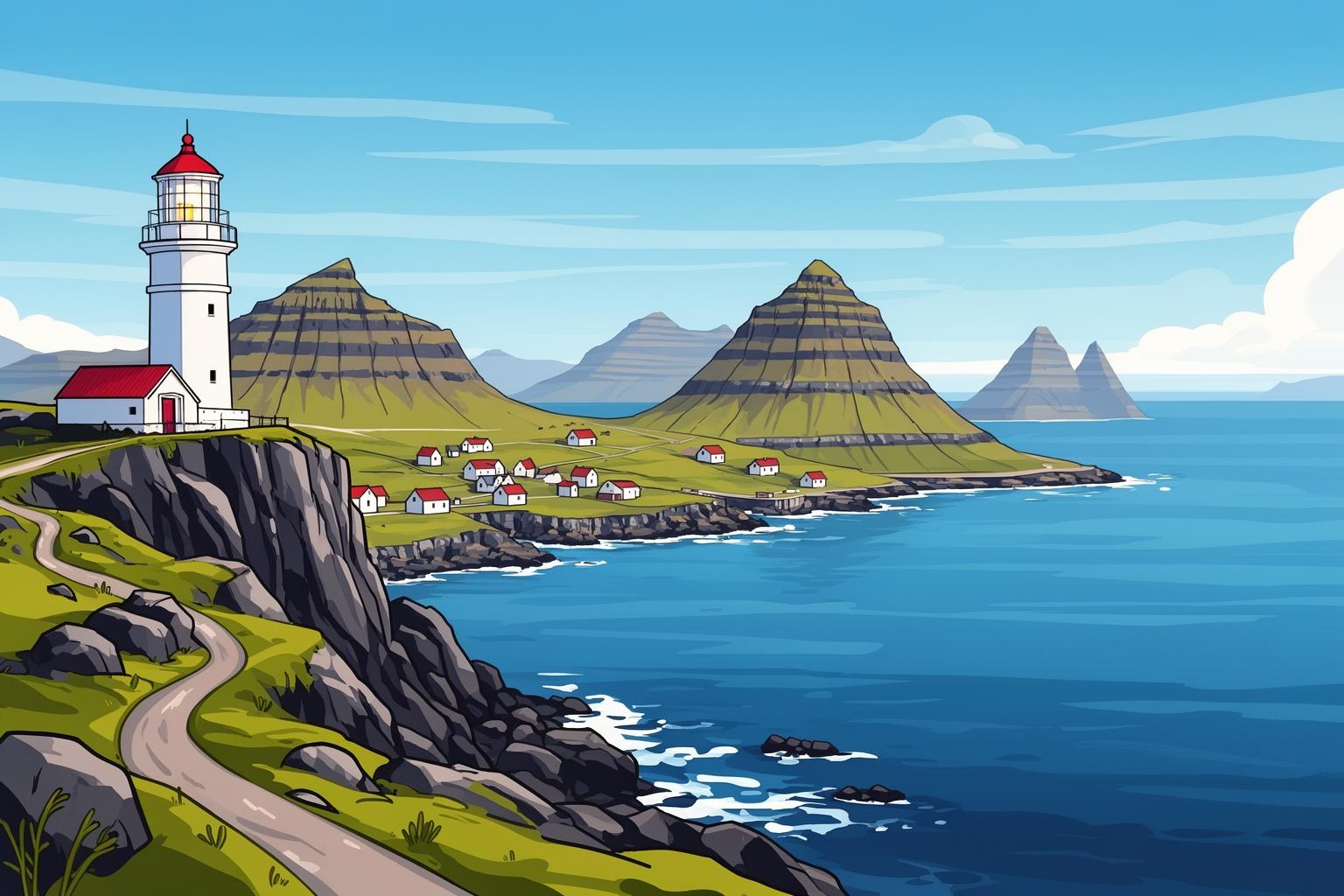
The Faroe Islands are a woven network of trails, each presenting a distinct view of this breathtaking landscape. From gentle seaside strolls to demanding mountain climbs, there is a route suited to every hiker’s ability. These hikes are more than just walks; they are immersive journeys that link you to the islands’ history, geology, and spirit.
Sørvágsvatn: The Lake Above the Ocean
Perhaps the most iconic and photographed spot in the Faroe Islands, the hike to Trælanípan, or ‘Slave Cliff,’ is an absolute must. Situated on the island of Vágar near the airport, this trail leads to an astonishing optical illusion. From a precise viewpoint, the lake of Sørvágsvatn appears to hover high above the ocean below. The path itself is fairly easy, mostly flat, and takes about an hour each way. As you near the coastline, the trail gently ascends and the spectacle unfolds. You walk along the lake’s edge until you reach towering cliffs that plunge hundreds of feet into the Atlantic. The wind is a constant force here, powerful enough to lean into. Looking back towards the lake, the illusion comes into perfect focus. On your right is the Bøsdalafossur waterfall, where the lake’s overflow cascades directly into the sea. The feeling is pure awe and wonder, a reminder of nature’s power to create scenes that defy reason. A modest hiking fee is now required to access the trail, helping with the upkeep and preservation of this fragile yet popular area.
Kallur Lighthouse: A Beacon on the World’s Edge
For those craving raw, untamed drama, the hike to Kallur Lighthouse on Kalsoy’s northern island is an unforgettable pilgrimage. The journey starts with a ferry ride from Klaksvík, watching the island’s imposing cliffs emerge as you approach. From the tiny, charming village of Trøllanes, a steep but clear path ascends the green mountainside. The hike is demanding, with the climb raising your heart rate, but every step is worthwhile. Reaching the summit, you are greeted by one of the most stunning views in the North Atlantic. The small, white lighthouse sits precariously on a narrow promontory, flanked by massive cliffs plunging into the sea. To the north, the sea stacks of Risin and Kellingin (The Giant and the Witch) loom in the distance. A narrow grassy ridge, not suitable for those with a fear of heights, extends beyond the lighthouse to a point made famous as James Bond’s final resting place in ‘No Time to Die.’ Standing there, with roaring winds and crashing waves below, you genuinely feel at the edge of the world. It is a place of immense power and breathtaking beauty. Safety is crucial here; the drops are sheer, and the weather can shift suddenly. Stay on the path and respect nature’s force.
Mykines: The Puffin Sanctuary
A visit to Mykines feels like stepping into a nature documentary. This westernmost island is a Ramsar site, a wetland of international importance, serving as the seasonal home to an incredible number of seabirds. The adventure begins with either a scenic ferry ride or an exhilarating helicopter flight. Upon arrival in the island’s sole village—a quaint cluster of turf-roofed houses—you begin the hike. A fee and a guide are now mandatory for the main trail to protect the fragile puffin burrows and landscape. The path leads you up and over a hill, immersing you in the puffins’ world. Tens of thousands nest in grassy burrows, showing little fear of humans. They waddle, take flight, and return with beaks full of sand eels, often just feet away. The trail continues across a bridge over a deep gorge to the islet of Mykineshólmur, home to a lighthouse and a large gannet colony. The air buzzes with the sound and movement of birds, creating a chaotic, joyful, overwhelming sensory experience that connects you directly to the wild heart of the North Atlantic. It is an encounter with nature at its most abundant and pure.
Viðareiði to Villingadalsfjall: Scaling the Northern Heights
For the seasoned and determined hiker, climbing Villingadalsfjall from the village of Viðareiði offers one of the Faroe Islands’ most rewarding challenges. This strenuous climb reaches the summit of the archipelago’s third-highest peak, located on the northernmost island of Viðoy. The trail is steep and taxing, demanding good fitness and navigation skills, especially since fog can envelope the upper sections. The ascent is relentless, but the vistas that unfold with altitude are simply breathtaking. From the summit on a clear day, you are treated to an unrivaled 360-degree panorama of the Northern Isles—Fugloy, Svínoy, Borðoy, and Kunoy—spread out like an enormous map. You can also spot Cape Enniberg, one of the world’s highest sea cliffs. The sense of achievement at the peak, paired with the immense scale and beauty of the view, is nearly spiritual. This hike commands respect but rewards effort a thousandfold.
Saksun to Tjørnuvík: The Old Corpse Path
This hike is a journey through history, following an ancient route that once connected the isolated villages of Saksun and Tjørnuvík. Known as the ‘Corpse Path,’ it was used before Tjørnuvík had its own church and cemetery, requiring the deceased to be carried over the mountain pass to be buried in Saksun. The trail starts in the impossibly picturesque village of Saksun, with its iconic turf-roofed church and serene tidal lagoon. The path ascends steadily, marked by cairns, into a high mountain pass. The atmosphere is thick with history and legend; you can almost sense the footsteps of generations who traveled this route before you. As you descend, the view opens to Tjørnuvík, a village nestled in a dramatic bay with a black sand beach known for its surf. In the distance, the legendary sea stacks Risin and Kellingin are visible. The hike offers a profound sense of the isolation and resilience that have shaped Faroese life for centuries. It is a beautiful, reflective walk linking two of the islands’ most stunning villages.
Beyond the Trails: The Faroese Soul
To truly grasp the essence of the Faroe Islands, you need to look beyond the dramatic landscapes and engage with the culture and people shaped by this unique environment. The Faroese spirit is found in the peaceful villages, age-old traditions, and the genuine hospitality of its inhabitants. This culture is deeply connected to the sea, the sheep, and the stories handed down through generations.
The Turf-Roofed Villages: Harmonizing with Nature
The iconic image of the Faroe Islands features small, colorful houses topped with living turf roofs. These are more than decorative—they represent an ancient, practical building method that offers superb insulation against the harsh weather. Strolling through villages like Gjógv, with its natural harbor nestled in a gorge, or Bøur, offering stunning views of the sea stack Tindhólmur and the island of Mykines, reveals communities living in complete harmony with their surroundings. These villages are tranquil places where life’s pace follows the seasons and the sea’s rhythms. They serve as living museums of Faroese culture and architecture, providing insight into a simpler, more connected lifestyle.
Faroese Culture: Stories and Wool
Enduring long, dark winters, the Faroese developed a rich indoor culture focused on storytelling and handicrafts. The ancient ‘kvæði’ tradition—epic ballads recounting heroic tales and history—helped preserve their language and heritage for centuries. This passion for storytelling thrives today within a vibrant contemporary music scene. Sheep are another cultural cornerstone, having supplied meat and wool for generations. Faroese wool is prized for its unique qualities, rich in natural lanolin that makes it water-resistant. Visiting a local wool shop to admire the intricate designs of a traditional Faroese sweater, or ‘skipstroyggja,’ is a cultural experience in itself. These sweaters are more than souvenirs; they symbolize national identity and showcase the Faroese people’s ingenuity.
Tórshavn: The Cozy Capital
Though the wild landscapes define the Faroes’ magic, the capital city Tórshavn is a delightful and vital part of any visit. It is among the smallest and coziest capitals worldwide. The city’s heart is the old town, Reyn, with its narrow, winding streets and black-tarred wooden houses accented by red window frames and turf roofs. Nearby is Tinganes, a rocky peninsula that has hosted the Faroese parliament, or ‘Løgting,’ since the Viking Age, making it one of the oldest parliamentary sites globally. Tórshavn boasts a wonderful cafe culture, excellent restaurants highlighting the best of New Nordic Faroese cuisine, and charming shops featuring local crafts and designs. It serves as an inviting base for a few days, a warm and welcoming hub from which to begin your hiking explorations.
Hiking with Respect: The Shepherd’s Land
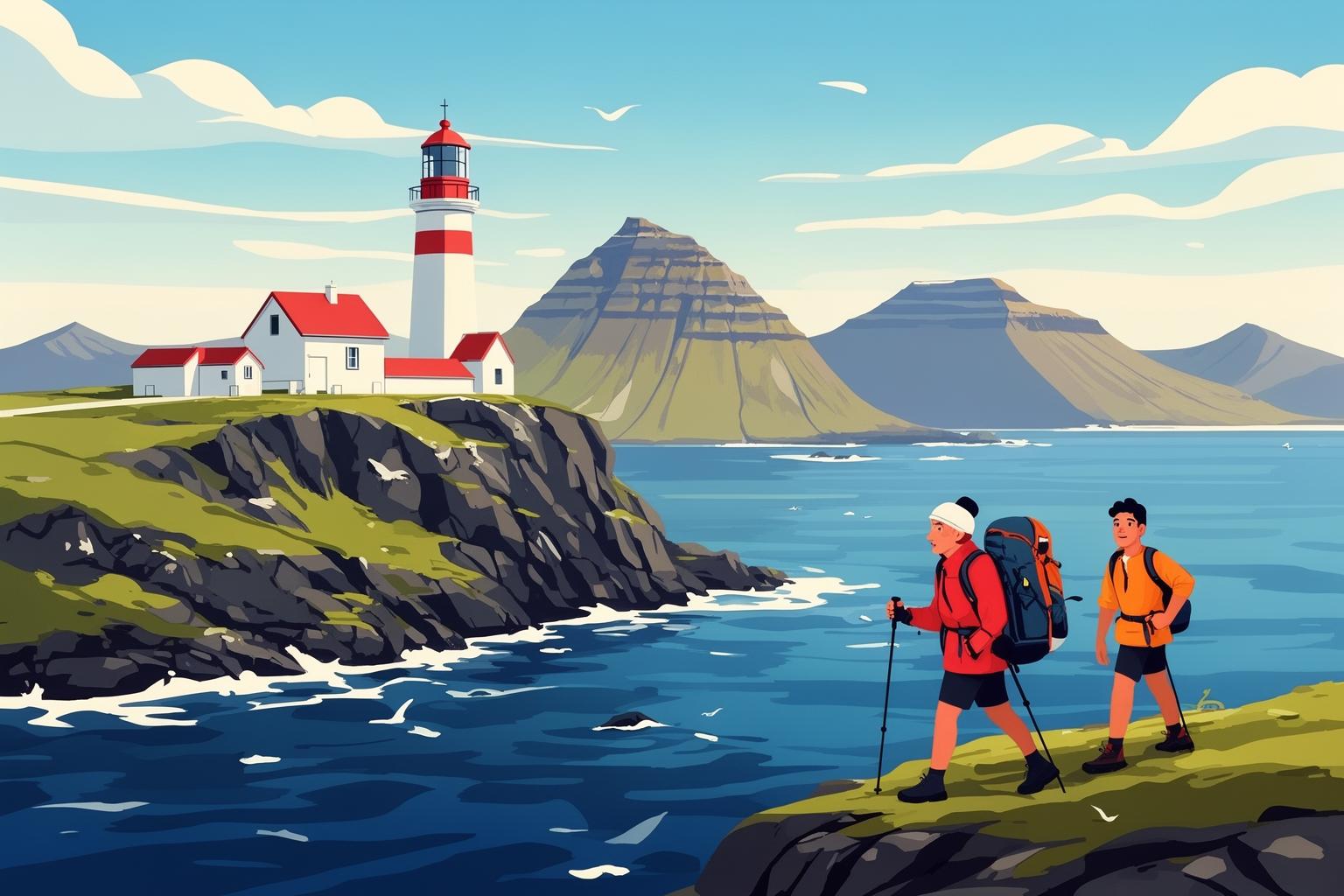
The Faroe Islands are not a national park. The land is privately owned, mainly by sheep farmers who have cared for these mountains for generations. As visitors, we are guests in their home and on their land. It is our duty to travel with respect, mindfulness, and a commitment to preserving this unique and fragile environment for the future.
The Fragile Environment
The Faroese ecosystem is sensitive. The thin topsoil is easily eroded, especially on steep slopes. It is essential to stay on the marked paths and cairn routes at all times. Making your own shortcuts can cause lasting harm to the landscape. The islands also serve as a crucial breeding ground for numerous seabirds. Never approach nesting birds or disturb their colonies. Maintain a respectful distance and use a zoom lens for photos. Lastly, follow the ‘Leave No Trace’ principles. Carry out everything you bring in, including all food scraps. Leave the landscape exactly as you found it.
Understanding the Cairn System
For centuries, stone piles called cairns have marked the ancient walking paths between villages. These are not random rock piles; they represent an important part of cultural heritage and serve as a practical navigation system. Follow them but never alter them. Do not build your own cairns, as this can confuse other hikers and detract from the natural beauty of the landscape. Honor the work of the generations who created and maintained these markers.
Hiking Fees and Guides
In recent years, due to a significant rise in tourism, landowners have introduced hiking fees for some of the most popular trails, such as Sørvágsvatn and Mykines. This is not a tourist trap. These fees are essential for maintaining paths, installing safety features, and conserving the fragile environment under increased foot traffic. Please pay these fees willingly; consider it a small contribution to preserving the beauty you have come to enjoy. For more challenging or unmarked trails, or to gain a deeper understanding of the local culture and nature, consider hiring a local guide. Their knowledge of the terrain, weather, and local stories will greatly enhance your experience.
A Final Glimpse from the Cliff’s Edge
Returning from the Faroe Islands feels like waking from a vivid dream. The immense cliffs, the surreal green of the valleys, and the fierce power of the wind and waves linger with you long after you’ve gone. Hiking here is more than just exercise; it’s a dialogue with the landscape. It makes you feel small and insignificant before nature’s grandeur, yet deeply connected to it at the same time. The Faroes challenge you physically and nourish you spiritually. They strip away the non-essential, leaving you with clarity and awe. This place reminds you that there are still wild corners of the world where the ancient rhythms of the earth remain palpable. So, come with an open heart, sturdy boots, and a profound respect for the land and its people. Come ready to walk, to wonder, and to be transformed. The view from the cliff’s edge awaits.