
There are places that exist as much in memory and feeling as they do in geography. They are landscapes of the heart, etched into our minds by stories that feel more lived than watched. Kamakura, as seen through the gentle, sun-drenched lens of director Hirokazu Kore-eda in his masterpiece Our Little Sister (Umimachi Diary), is one such place. It’s more than a setting; it is a silent, breathing character, a vessel for the quiet dramas of family, loss, and the slow, beautiful process of healing. The film follows three adult sisters living in their ancestral home who, upon their estranged father’s death, invite their teenage half-sister, Suzu, to live with them. Their lives, once separate, begin to weave together, tied by the invisible threads of shared blood and the simple, profound rituals of daily life in this ancient coastal town. To walk the streets of Kamakura is to step directly into their world, to feel the salty breeze that tousles their hair, to hear the rhythmic clang of the Enoden train that carries them through their days, and to taste the flavors that bind their new family together. This is not just a tour of filming locations; it is a pilgrimage to the heart of a story that reminds us of the quiet power of belonging, the bittersweet taste of plum wine made from a generations-old tree, and the enduring comfort of a home by the sea. It’s an invitation to find your own corner of the Koda sisters’ world, to feel the warmth of their story settle over you like the Kamakura sun.
If you’re drawn to this kind of cinematic pilgrimage, you might also enjoy a journey through the Japan of Ryunosuke Akutagawa.
The Arrival: Echoes at Gokurakuji Station
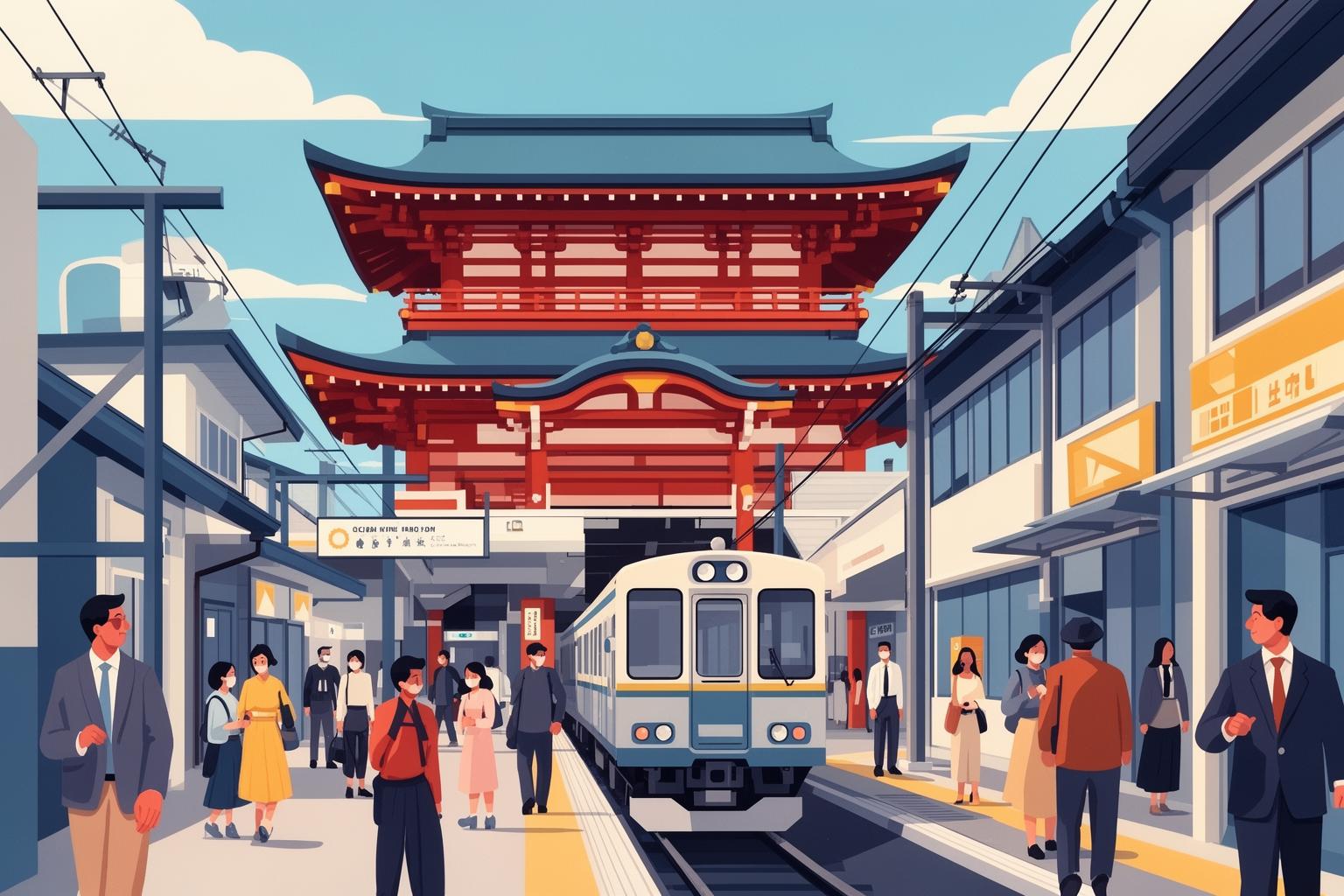
Every journey in Our Little Sister starts and concludes with the gentle rhythm of a train. Yet one station, more than any other, acts as the gateway to the film’s heart: Gokurakuji Station. Here, alongside the Koda sisters, we first encounter Suzu Asano. It is where she steps off the train—a quiet girl burdened by a complex past—and into the tentative embrace of an unforeseen future. Visiting Gokurakuji feels like stepping back in time, not only into the movie but also into a bygone era of Japan. The station is a small, carefully preserved wooden building, radiating a nostalgic charm that stands apart from Tokyo’s neon glow. The moment you step off the green-and-cream Enoden train, the atmosphere shifts. It grows softer, quieter, filled with the scent of sea salt and blossoming flowers from the nearby temple gardens.
The details are captured exactly as Kore-eda envisioned. The iconic red mailbox stands guard by the entrance, a burst of bright color against the weathered wood. The station’s gracefully curved roof offers a sense of shelter, a refuge from the outside world. Inside, the warm light, the worn wooden benches, and the soft click of the ticket gate create an atmosphere of deep calm. It’s easy to imagine the four sisters meeting on this very platform, their initial awkwardness fading with each passing season. You can almost hear the summer cicadas buzzing in the trees, the very sound that scores Suzu’s first summer in her new home. Standing here, you realize this station is more than a simple transit point; it’s a threshold. For Suzu, it marks the divide between a life of obligation and one of chosen family. For the visitor, it draws the line between watching the film and stepping into its gentle world.
Just outside the station lies the small red bridge and the tunnel from which the Enoden train emerges—a shot repeatedly used in the film to signify departures and returns. There’s a palpable sense of cinematic magic here. It feels staged, yet utterly genuine. To fully soak in the atmosphere, find a quiet spot and wait for the next train. Watch it rumble through the tunnel, its lights slicing through the darkness, and listen as the warning bells ring out. This sound resonates throughout the film, a steady, comforting heartbeat that links every character and location. This unassuming station anchors the story’s geography, where four separate paths converge to form a river flowing toward the sea.
The Soul of Home: In Search of the Koda House
At the very heart of Our Little Sister lies a house. Not merely a structure, but a living, breathing entity that holds the memories of generations. It’s a traditional Japanese home with sliding shoji screens, tatami mat rooms, and a sprawling, slightly untamed garden. Most importantly, it boasts a magnificent plum tree that, for over fifty years, has supplied the fruit for the family’s annual tradition of making umeshu, or plum wine. This house is where the sisters navigate their relationships, share meals, and gradually, carefully, build a new family. It’s the sanctuary where Suzu learns to laugh freely, and where the older sisters confront the ghosts of their own childhoods.
For any visitor, the first impulse is to find this house. However, it is essential to understand and respect that the home used for filming is a privately owned residence, its location deliberately kept discreet to protect the privacy of its owners. The true pilgrimage, then, is not about locating a specific address. It’s about seeking the spirit of the Koda house, which permeates the entire neighborhood of Gokurakuji and the surrounding hills. To discover it, you must wander. Stroll the narrow, winding lanes that snake away from the station, off the main roads. Here, you’ll encounter the world that Kore-eda so perfectly captured. It’s a quiet residential area where traditional homes with tiled roofs and beautiful gardens sit peacefully alongside more modern buildings. You’ll notice personal shrines tucked into corners, persimmon trees heavy with fruit in autumn, and laundry fluttering in the sea breeze.
It is through these quiet wanderings that you sense the essence of the film. You can imagine the sisters walking these very streets on their way to the station, their conversations drifting softly on the breeze. You can almost see the light filtering through the leaves, casting the same dappled patterns on the pavement that dance across the screen. The real magic lies in observing the details: weathered wooden fences, meticulously tended bonsai, the distant sound of the Enoden train’s whistle. These elements combine to evoke a place deeply rooted in time and tradition, where life moves at a human pace. The Koda house symbolizes a connection to the past and a vessel for the future. The annual ritual of making plum wine is the film’s most powerful symbol. It’s a task passed down from their grandmother, a tangible link to the family they once knew and the one they are creating. While you cannot enter the house or see the exact plum tree, you can embrace the spirit of this tradition. The act of making something together, of honoring the seasons, is a cornerstone of life in Kamakura and across much of East Asia. It serves as a reminder that a home is not simply the walls that enclose it, but the love and shared experiences that fill it. So, walk these lanes not with a map, but with an open heart, and you will find the soul of the Koda residence everywhere you look.
The Shore of Contemplation: Shichirigahama Beach

The sea is a constant presence in Our Little Sister, its vast expanse serving as a backdrop for moments of quiet intimacy and deep reflection. The long, sweeping curve of Shichirigahama Beach provides the setting for many of the film’s most memorable and emotionally impactful scenes. It’s here that Sachi and Suzu share a heartfelt conversation about their father, the waves erasing their words as soon as they are spoken. It’s also where Suzu and her friend Futa ride a bicycle along the shore, capturing a perfect image of youthful freedom against the shimmering sea. Essentially, it embodies the film’s emotional landscape brought to life.
Visiting Shichirigahama feels like stepping into a vast, open-air set. The salty breeze whips through your hair, the Pacific’s roar is a steady, meditative hum, and the coastline’s immense scale is breathtaking. On a clear day, the view is stunning: to the west, the unmistakable outline of Enoshima Island rests on the horizon, with the majestic, snow-capped Mount Fuji standing beyond it like a guardian. This scene is quintessentially Japanese, deeply rooted in the nation’s art and culture, making the in-person experience both familiar and awe-inspiring. This is the view the sisters see every day; it forms the backdrop to their joys and sorrows, silently witnessing their lives.
As you walk along the beach, the atmosphere changes with the time of day. In the morning, the light is sharp and clear, illuminating the surfers scattered across the waves—an ideal time for a brisk walk to absorb the ocean’s energy. By afternoon, the sun warms the sand, inviting you to relax and watch the world pass by, perhaps with a drink from one of the stylish cafes lining the coastal road. Yet the most magical moment, the one that truly captures the film’s nostalgic and bittersweet mood, is sunset. As the sun sinks below the horizon, it colors the sky in fiery tones of orange, pink, and purple, casting long shadows on the sand and silhouetting Fuji and Enoshima. This golden hour, beloved by Kore-eda, offers ethereal beauty and quiet reflection. Standing on the shore at this moment allows the weight of the day—and perhaps life itself—to lift slightly. It’s a time for thought, feeling, and presence. The beach is a place of release. In the film, it’s where unspoken tensions ease, new bonds form, and the characters can simply breathe. For visitors, it provides the same comfort. Shichirigahama is more than just a beautiful beach; it’s a space to engage with the film’s deeper themes of impermanence, beauty, and the healing power of nature.
A Taste of Togetherness: The Culinary Pilgrimage
In Hirokazu Kore-eda’s world, food is never merely nourishment; it serves as a language of love, a vessel for memory, and the very bond that unites a family. Our Little Sister is a feast for the senses, with many of its most unforgettable scenes centered around preparing and sharing meals. A visit to Kamakura wouldn’t be complete without savoring the flavors that define the Koda sisters’ lives. Eating the same dishes in the same places is a powerful way to connect with the story on a truly visceral level.
The Quintessential Shirasu-don
One of the film’s most iconic culinary moments is when the sisters bring Suzu to a seaside diner to try shirasu-don, a rice bowl topped with generous heaps of tiny, delicate whitebait. Shirasu are a local specialty of the Shonan coast, and within the film, this meal symbolizes Suzu’s initiation into the tastes of her new home. It’s a simple, honest dish that evokes the ocean and the community that lives alongside it. You can find shirasu-don in many restaurants throughout Kamakura, Koshigoe, and Enoshima. For the most authentic experience, look for a small, family-run eatery with a view of the sea. There are two main varieties: kamaage shirasu (boiled) and nama shirasu (raw), the latter a true delicacy available only when fresh. The flavor is subtle, slightly salty, and incredibly fresh—the essence of the Kamakura coast. Enjoying a bowl of shirasu-don while gazing at the ocean perfectly recreates one of the film’s most heartwarming scenes of inclusion and acceptance.
The Elixir of Time: Umeshu
The film’s most significant culinary element is umeshu, or plum wine, made each year from the fruit of the old plum tree in their garden. This ritual serves as the film’s central metaphor. The tree was planted by their grandmother, and the recipe has been handed down through generations. Making umeshu connects the sisters to their past, grounds them in the present season, and preserves a taste of summer for the year ahead. When Suzu takes part for the first time, she is not simply washing plums; she is being woven into the family tree. Although visitors can’t brew their own batch from the Koda’s tree, the spirit of this tradition is easily found. Many local shops in Kamakura offer artisanal umeshu, often made with plums from the region. Purchasing a bottle to take home is like carrying a piece of the film’s soul with you. Some traditional cafes and restaurants also serve homemade plum wine or plum juice (ume juice). As you sip it, you can appreciate its complex flavor—sweet, sour, and richly aromatic—and reflect on the passage of time and the traditions that give life meaning.
The Comfort of a Neighborhood Diner
The fictional “Sea Cat Diner” (Umineko Shokudo) is a vital setting, a comforting third space where the sisters and their friends can relax, share gossip, and enjoy simple, delicious food. It’s managed by a woman who acts as a surrogate mother to the community. Although the diner itself is a set, its spirit lives on in the countless small shokudo (eateries) and kissaten (old-style cafes) hidden in Kamakura’s backstreets. One actual location that captures this atmosphere—and was used in filming—is Cafe Sakano-shita. This charming, traditional house-turned-cafe serves pancakes and coffee in a cozy, welcoming environment straight out of the movie. To complete your culinary pilgrimage, find a spot that feels worn-in and cherished, where locals chat at the counter. Order something simple, like curry rice or aji-furai (deep-fried horse mackerel), another local specialty. In these humble establishments, you’ll discover the true flavor of Kamakura and the comforting sense of community that nourishes the Koda sisters as much as any meal.
The Green Ribbon: Riding the Enoden Line
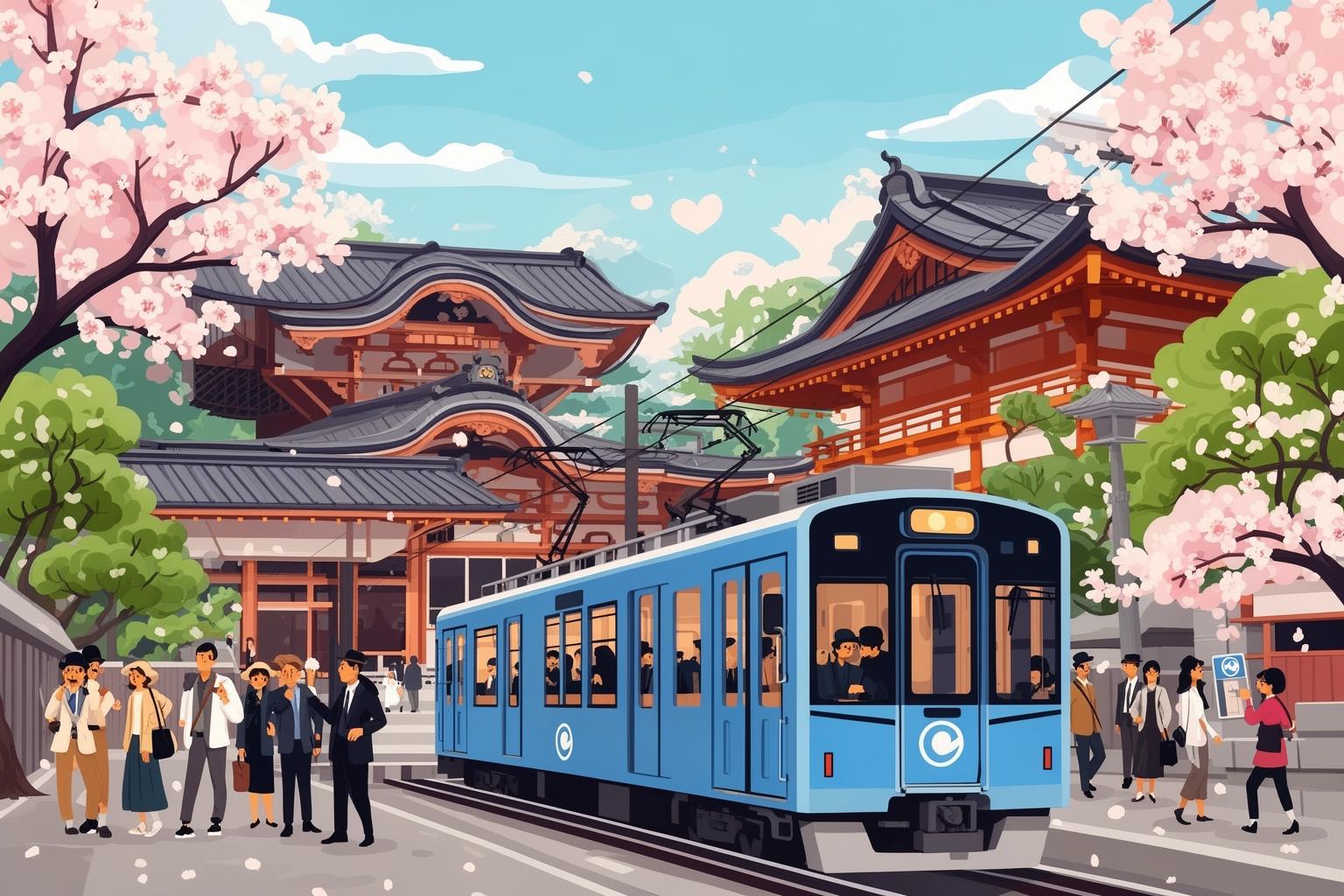
A single green-and-cream ribbon ties all of Kamakura together, serving as the lifeline that connects the scattered scenes of Our Little Sister into one cohesive story: the Enoshima Electric Railway, fondly called the Enoden. This quaint, somewhat creaky train line is more than just a means of transport; it acts as a character itself, its familiar clanging and gentle rocking a steady and comforting presence in the sisters’ lives. It carries them to work, school, funerals, and the beach, while its windows frame their world, offering fleeting glimpses of the sea, lush hydrangea bushes, and the everyday fabric of life in this coastal town.
To truly see Kamakura the way the sisters do, you must take a ride on the Enoden. The journey itself becomes the destination. Departing from Kamakura Station, the train embarks on its winding 34-minute route to Fujisawa. Initially, it passes through the historic city center, but soon veers into narrow passages sandwiched tightly between private homes. At times, it feels like you could almost touch laundry hanging from balconies or flowers blooming in gardens. This intimate, almost intrusive closeness is one of the Enoden’s unique charms, giving a vivid sense of being part of the local community and highlighting the film’s theme of lives lived in close connection.
The most striking and beautiful segment is the stretch between Hase and Koshigoe, where the tracks run alongside the coastline. One moment you’re surrounded by a residential neighborhood, the next, the view opens to a sweeping panorama of the Pacific Ocean and Shichirigahama Beach. This is the daily spectacle the sisters witness on their commute—a view so stunning it never grows dull. You can almost feel the sea breeze through the glass. To fully soak in the experience, it’s highly recommended to buy a “Noriorikun,” a one-day pass that lets you hop on and off at any station. Start at Kamakura, alight at Hase to visit the Great Buddha, then resume to Gokurakuji to enter Suzu’s arrival scene. Continue on to Shichirigahama or Inamuragasaki for a beach stroll, and perhaps ride all the way to Enoshima to explore the island. Each station has its own character, from Hase’s bustling tourist vibe to Kugenuma’s tranquil residential calm. The Enoden isn’t a fast or efficient subway; it’s a slow, scenic journey that encourages you to embrace its gentle, unhurried rhythm. It teaches you to cherish small moments, fleeting views, and the simple pleasure of traveling through a beautiful landscape—a lesson central to Our Little Sister.
The Deeper Atmosphere: Seasons and Serenity
While Our Little Sister centers on a few key locations, the film is deeply immersed in the broader atmosphere of Kamakura—a city where history, spirituality, and nature are seamlessly intertwined. Kore-eda skillfully captures the city’s distinctive sense of tranquility, a feeling rooted in its past as Japan’s first feudal capital and its current status as a peaceful refuge nestled between green hills and the blue sea. To truly appreciate the film’s world, one must look beyond the specific places and embrace this richer context.
The Passage of the Seasons
The film’s narrative unfolds with the changing seasons, each bringing its own traditions, colors, and emotional nuance. Suzu arrives in spring, amid the burst of cherry blossoms, symbolizing a fresh start. Her initial months pass in the lush, vibrant greenery of the rainy season and early summer, a period of growth and discovery, culminating in the plum wine harvest. Autumn introduces a more reflective mood, while winter brings a sense of quiet closeness. Experiencing Kamakura is greatly enriched by an awareness of the seasons. In spring, the city is painted with the delicate pinks of sakura. Early summer spotlights the hydrangeas, especially at temples like Meigetsu-in and Hasedera, where they bloom in stunning blues and purples. Autumn sets the forested hills ablaze with fiery maple leaves. Winter offers crisp, clear air, fewer visitors, and the best opportunity to see a snow-capped Mount Fuji from the coast. Each season provides a unique perspective on the sisters’ world, adding temporal depth to your journey.
A Tapestry of Temples and Shrines
Though not central to the story, Kamakura’s spiritual landscape remains a steady, quiet presence in the film. The city houses hundreds of temples and shrines, whose silent, dignified presence enhances its peaceful ambiance. One can imagine the sisters paying their respects at a local shrine on New Year’s Day or finding a moment of calm in a secluded temple garden. While renowned sites like the Great Buddha at Kotoku-in or the grand Tsurugaoka Hachimangu are worth visiting, the film’s spirit perhaps resides more fully in the smaller, less frequented temples. Seek out places like Jochiji Temple, with its moss-covered steps and serene bamboo grove, or Ankokuron-ji, tucked away in the eastern hills. As you walk through these sacred spaces, you sense the weight of centuries. The scent of incense, the toll of a temple bell, the sight of a meticulously raked zen garden—all these elements evoke a feeling of timelessness and continuity that the Koda house itself symbolizes. It’s a reminder that the sisters’ story, while intimate, is woven into a vast, enduring history.
A Practical Guide for the Gentle Pilgrim
Embarking on a journey to the Kamakura featured in Our Little Sister is a fulfilling experience, and having some practical knowledge can help make it as smooth and immersive as possible. The aim is to move at the film’s pace: slow, observant, and thoughtful.
Getting There and Getting Around
Kamakura makes for an easy day trip from Tokyo. The most direct options are the JR Yokosuka Line from Tokyo Station or the JR Shonan-Shinjuku Line from Shinjuku or Shibuya Station, each taking about an hour. Upon arriving at Kamakura Station, your main companion for the day will be the Enoden train. As mentioned, the “Noriorikun” one-day pass is invaluable, providing unlimited rides between Kamakura and Fujisawa, allowing you to explore freely. Alternatively, Kamakura is a wonderful place to walk. The area between Hase, Gokurakuji, and Inamuragasaki offers a beautiful, relatively flat route where you can discover hidden lanes and charming shops. Rental bicycles are also available near the main station, offering a great way to cover more ground while enjoying the open air, just as Suzu and Futa did.
A Suggested Itinerary for the Heart
Rather than a rigid schedule, think of your day as a story. Start at Kita-Kamakura Station (one stop before Kamakura on the JR line) and stroll through some of the Zen temples there, such as Engaku-ji, to set a contemplative mood. Then head to Kamakura Station and board the Enoden. Your first key stop should be Gokurakuji Station. Take time to absorb its atmosphere before wandering the nearby neighborhood. From there, you can walk toward the coast to Inamuragasaki Cape Park for a stunning sea view, or continue on the train to Shichirigahama. Find a seaside restaurant for a lunch of fresh shirasu-don. In the afternoon, explore Hase, perhaps visiting Hasedera temple for its beautiful gardens and vistas. As evening falls, return to the beach at Shichirigahama or Koshigoe to watch the sunset. Conclude your day by finding a cozy local izakaya or café for a final meal, reflecting on the places and emotions you’ve encountered.
Advice for a Respectful Journey
It is important to remember that the film’s locations are not a theme park; they are part of a living, breathing community. Gokurakuji and the surrounding areas are quiet residential neighborhoods. Please be respectful of this. Keep your voice low, avoid trespassing on private property in search of the film’s house, and do not take photos of residents or their homes without permission. The charm of Kamakura lies in its peaceful, everyday reality. By being a considerate and respectful visitor, you honor both the community and the gentle, humanistic spirit of Kore-eda’s film.
Finding Your Own Place
To explore Kamakura with Our Little Sister as your companion is more than just ticking off sites on a checklist. It invites you to view the world through a different perspective—one that discovers profound beauty in the ordinary, deep significance in simple rituals, and quiet elegance in the bonds between people. You come to Kamakura searching for the world of Sachi, Yoshino, Chika, and Suzu, and you find it in the salt-tinged breeze, the warmth of sunlight on an aged wooden bench, and the steady, comforting rhythm of the Enoden train.
Yet, the true enchantment of this journey is that you discover something beyond this. You find a space to reflect on your own story, your family, and your sense of home. The film’s gentle power lies in its universality. We all relate to the complexities of sibling relationships, the sorrow of loss, and the joy of finding where we belong. Standing on Shichirigahama beach at sunset, you might find yourself thinking not only of the sisters but also of your own life’s path. Kamakura ultimately offers its visitors what it gave Suzu: a place to be accepted, a place to heal, and a place to start a new chapter. You may arrive as a fan of a film but leave as a guardian of its spirit, carrying with you a little piece of the sea and its whispers.