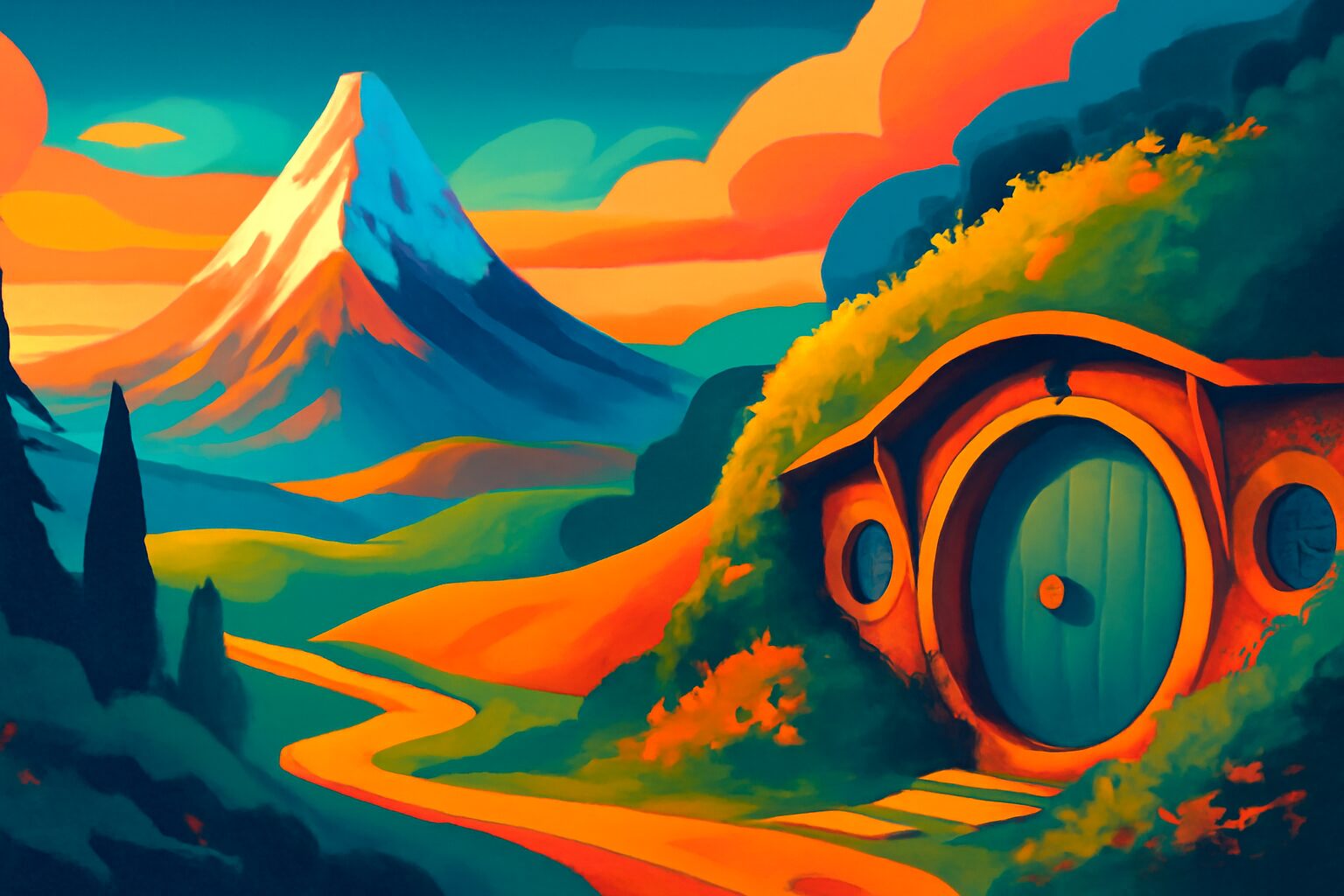
A new academic study has reaffirmed what many travelers have felt for over two decades: the magic of Middle-earth is a powerful and lasting force for New Zealand’s tourism industry. The research analyzes the profound and sustained impact of Peter Jackson’s ‘The Lord of the Rings’ film trilogy, detailing how it successfully rebranded the nation as the real-world embodiment of J.R.R. Tolkien’s fantasy realm.
This analysis goes beyond mere box office numbers, exploring the cultural and economic symbiosis created between a cinematic masterpiece and a travel destination.
The ‘Middle-earth’ Effect: A Cultural Rebranding
The study highlights how the films did more than just use New Zealand’s dramatic landscapes as a backdrop; they transformed them into a central character. The soaring peaks of the Southern Alps became the Misty Mountains, and the rolling hills of the Waikato region were immortalized as The Shire.
This cinematic portrayal forged an inseparable link in the global consciousness between the fantasy of Middle-earth and the reality of New Zealand. The research argues that this was a masterful act of cultural branding, offering travelers not just a vacation, but a chance to step into a beloved story. This emotional connection is a key driver for the sustained interest, long after the credits rolled on the final film.
By the Numbers: A Fantasy-Fueled Economy
The economic impact detailed by tourism data over the years is staggering, illustrating the tangible results of this phenomenon.
- Surge in Arrivals: In the years following the first film’s release in 2001, New Zealand saw a significant increase in international visitors. Annual tourist arrivals grew by 40%, from 1.7 million in 2000 to 2.4 million in 2006.
- Direct Motivation: Even today, the films remain a major draw. Pre-pandemic surveys consistently showed that a significant percentage of international visitors cited ‘The Lord of the Rings’ or ‘The Hobbit’ trilogies as a factor in their decision to visit New Zealand.
- Iconic Destinations: The Hobbiton Movie Set, once a temporary film set on a family farm, has become a world-renowned permanent attraction. Before 2020, it welcomed over 650,000 visitors annually, demonstrating the powerful appeal of a single, iconic location.
This data proves that film tourism, when nurtured correctly, can become a cornerstone of a country’s national economy.
Background: A Calculated Strategy
This success was not accidental. It was the result of a coordinated effort between the film’s production and New Zealand’s national tourism bodies. Tourism New Zealand launched clever marketing campaigns, such as “100% Pure Middle-earth,” which explicitly merged the country’s existing “100% Pure New Zealand” brand with the cinematic universe.
This strategic alliance ensured that every breathtaking shot of Fiordland or the volcanic plateau of Tongariro National Park (the land of Mordor) served as a multi-million-dollar advertisement for the country, reaching a global audience far beyond the reach of traditional tourism campaigns.
The Future of Film Tourism: Challenges and Opportunities
While the legacy is secure, the future landscape of film tourism in New Zealand faces new developments.
The Post-‘Rings of Power’ Era
Amazon’s ‘The Lord of the Rings: The Rings of Power’ series filmed its first season in New Zealand, briefly reviving the “Home of Middle-earth” moniker. However, the production’s move to the UK for subsequent seasons presents a new dynamic. This could either dilute New Zealand’s brand or, conversely, solidify its status as the ‘classic’ and ‘authentic’ Middle-earth, forever tied to Peter Jackson’s original, celebrated vision.
Lessons for Global Destinations
The New Zealand model serves as a global blueprint for film tourism. It teaches that success lies not just in attracting productions, but in building a lasting narrative that integrates filming locations into the national identity. It’s a lesson in leveraging storytelling to create deep and enduring connections with potential travelers.
The Sustainability Question
The immense popularity of certain locations also raises important questions about sustainability. Areas of outstanding natural beauty, like Tongariro National Park—a dual World Heritage site—require careful management to balance tourist access with environmental and cultural preservation. The future of film tourism will depend on finding this balance, ensuring that the magic that draws people to these locations is preserved for generations to come.
In conclusion, the new study confirms that the bond between ‘The Lord of the Rings’ and New Zealand is a powerful example of how fiction can reshape the identity and fortunes of a real-world place. It’s a legacy written not just on film, but across the mountains, valleys, and vibrant tourism industry of Aotearoa.