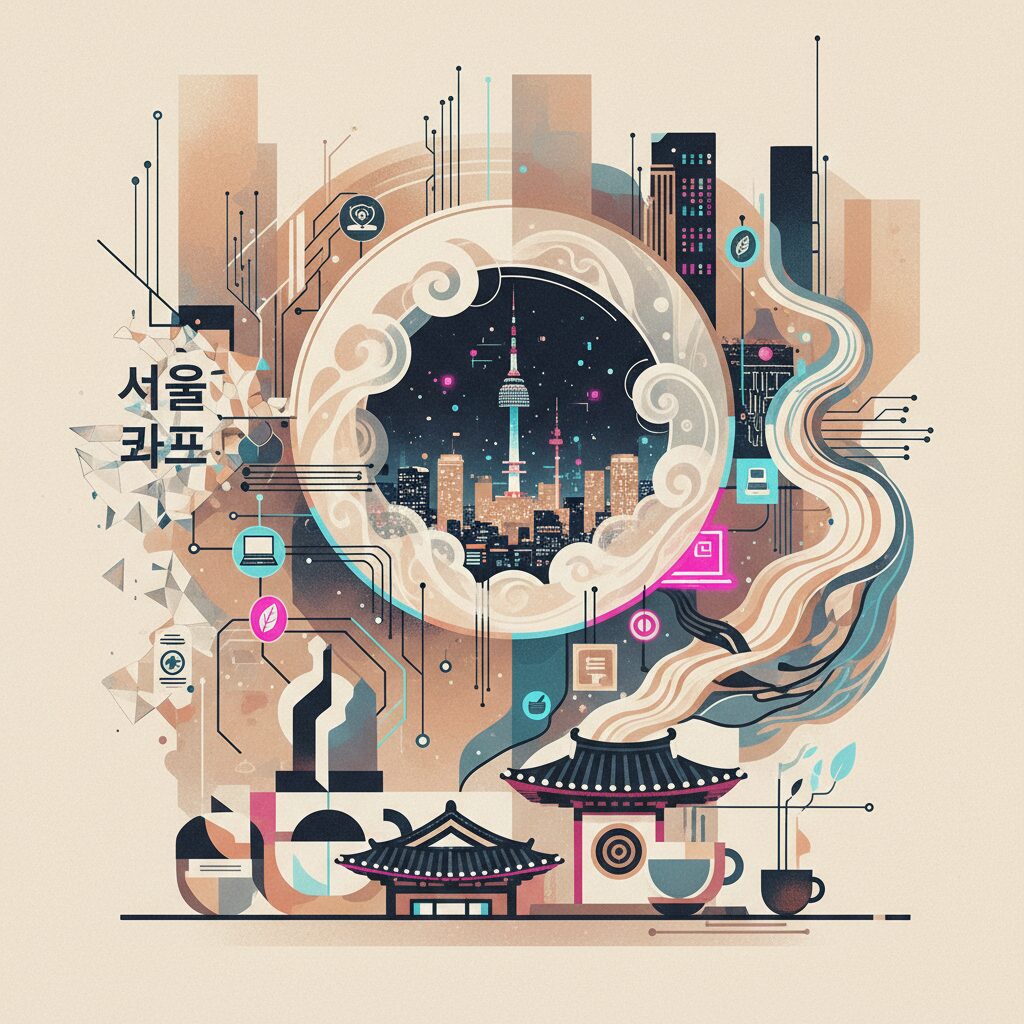
The air in Seoul hums with a unique frequency, a vibrant thrum of energy that pulses through its sprawling subway lines, echoes in its neon-drenched nights, and settles, most profoundly, in its coffee shops. To call them mere coffee shops, however, is to miss the point entirely. In this city, a cafe is not just a place to grab an espresso; it’s a destination, a gallery, a fantasy, a sanctuary. It’s a meticulously crafted universe contained within four walls, where the simple act of drinking coffee transcends into a full-sensory pilgrimage. This is a city with tens of thousands of cafes, each one a testament to an unrelenting drive for creativity and a deep cultural need for a “third space” away from the pressures of home and work. For the traveler, the artist, the dreamer, exploring Seoul’s cafe culture is like stepping through a series of looking glasses, each one revealing a different facet of the city’s soul. From a whimsical cafe where you become a character in a black-and-white comic book to a sprawling, post-industrial ruin reborn as a temple to artisan bread and single-origin beans, the journey is an endless adventure in taste, sight, and spirit. Prepare to dive deep into a world where every cup tells a story and every corner is a canvas. This guide is your map to that world, a curated exploration of the neighborhoods, flavors, and feelings that define Seoul’s unparalleled caffeine symphony.
Once you’ve explored these cafes, you’ll find that navigating the city’s sprawling subway lines is the perfect way to discover even more hidden gems.
The Soul of the Scene: Why Seoul Cafes Are More Than Just Coffee
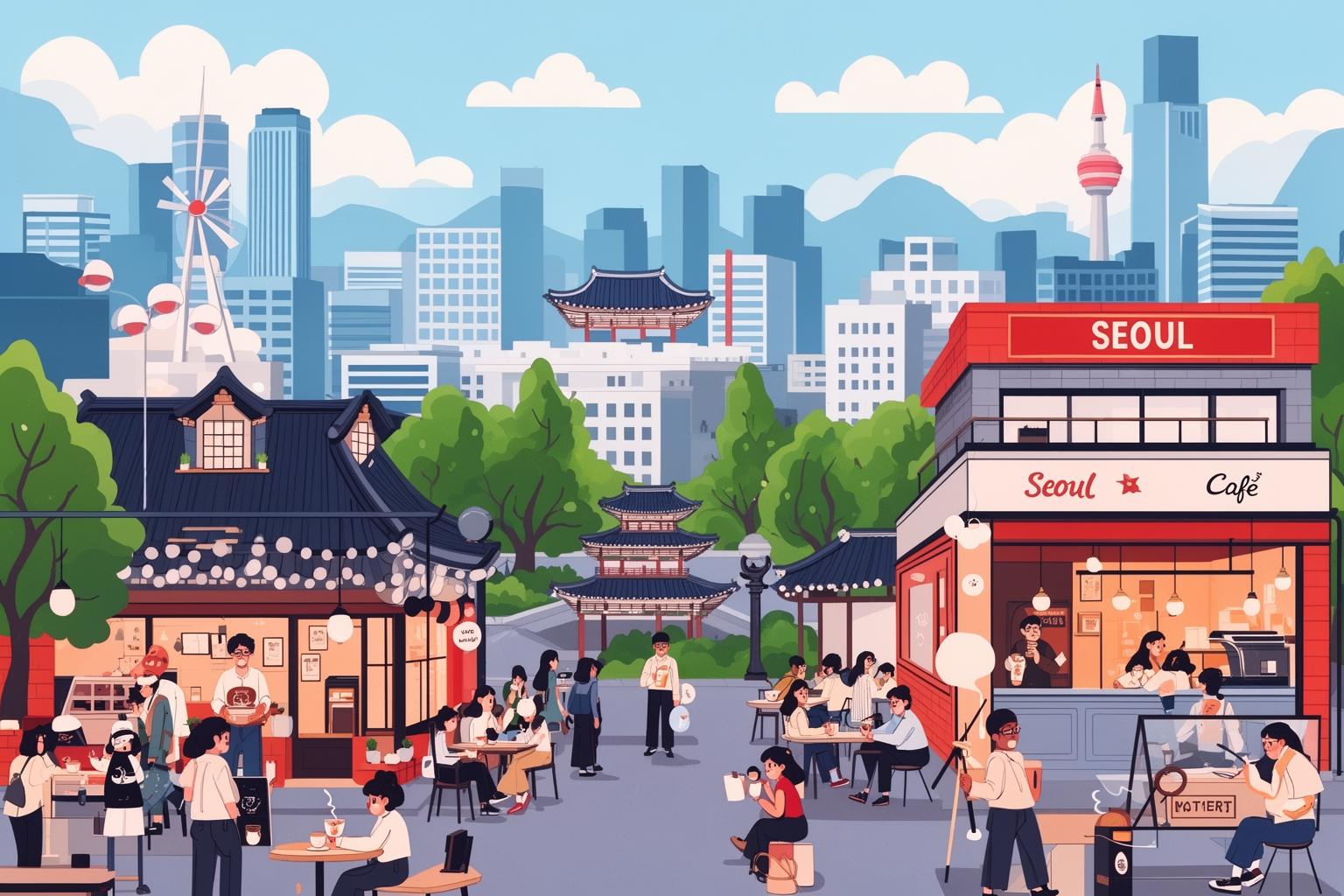
To truly grasp the magnetic appeal of Seoul’s cafes, one must look beyond their dazzling aesthetics. This phenomenon is intricately woven into the fabric of modern Korean life, reflecting social, cultural, and architectural influences. It is a culture born from a collective desire for personal space, moments of curated beauty, and a canvas to express one’s identity. The surge in cafes is not merely a passing trend but a deeply rooted cultural movement that has transformed the city’s social landscape. For many young Seoul residents living in small apartments with family, cafes become vital extensions of their personal realms. They serve as libraries for students preparing for exams, boardrooms for freelance creatives, intimate settings for first dates with the perfect ambient charm, and quiet retreats for solo visitors seeking calm. This notion of the “third space”—a setting between home and work—is elevated to an art form in Seoul. Each cafe owner functions not just as a barista but as a curator and world-builder, crafting environments that evoke specific moods, distinct fantasies, and temporary escapes from the ordinary.
A Canvas for Unbridled Creativity
While the term “Instagrammable” is often applied to Seoul’s cafes, it only scratches the surface. The visual appeal is not a mere afterthought but central to their concept. Interior designers, artists, and visionaries invest immense creativity into these spaces, transforming them into immersive experiences. You might find yourself in a setting reminiscent of a European art gallery, complete with plaster busts and velvet drapes, or a minimalist sanctuary where stark white walls and carefully placed objects cultivate a Zen-like calm. Some cafes transport visitors to past eras with vintage furniture and nostalgic props that feel like a film set. Others transcend reality, creating dreamlike spaces through optical illusions, vibrant color schemes, and interactive features. This ongoing innovation ensures the scene is ever-changing—a cafe that is the city’s focus one month might be overshadowed by a bolder concept the next. This fluidity makes cafe-hopping in Seoul an exhilarating discovery process, where the reward is not just great coffee but a truly unique and memorable experience.
The Third Space, Perfected
The cultural importance of cafes in Seoul cannot be overstated. In a city renowned for its intense work ethic and high-pressure academic environment, cafes offer essential venues for relaxation and social connection. They act as the unofficial community centers of the modern era. Friends linger for hours over a single drink, couples share elaborate desserts, and individuals immerse themselves in laptops or books, finding a cocoon of productive solitude. This purpose shapes their design. Seating is frequently arranged to provide privacy, featuring comfortable chairs, ample table space, and accessible power outlets. The ambiance is finely tuned, with playlists complementing each cafe’s theme and lighting designed to be both functional and flattering. The business model focuses equally on offering time and space as on serving food and beverages. The unspoken social contract is that, for the price of a coffee, you temporarily rent a carefully curated environment. This mutual understanding sustains the cafe culture, making these venues indispensable hubs of daily life.
A Mirror to Pop Culture Trends
Seoul’s cafes also respond dynamically to the cultural zeitgeist, serving as living extensions of the Hallyu, or Korean Wave. A hit K-drama might spotlight a particular cafe, turning it overnight into a pilgrimage destination for fans worldwide, eager to occupy the same seats as their favorite stars. K-pop idols frequently visit or even own cafes, transforming them into revered spaces for their fan communities. Trends in fashion, art, and webtoons are swiftly mirrored in new cafe concepts. For instance, the famed Greem Cafe brought the 2D world of Korean comics to life, sparking global enthusiasm. This close relationship with entertainment and media allows visitors to Seoul’s cafes to tap into contemporary Korean culture’s pulse. Rather than just observing trends, visitors immerse themselves in them—whether through themed lattes or room designs—making the experience feel immediate, relevant, and deeply intertwined with the creative spirit that defines Seoul.
The Grand Tour: Navigating Seoul’s Key Cafe Districts
Seoul is far from a uniform city; it’s a mosaic of distinct neighborhoods, each with its own personality, history, and pace. This diversity shines through in its cafes. Embarking on a cafe tour here means journeying through these varied realms, each presenting a unique flavor and ambiance. From the vibrant, rebellious spirit of Hongdae to the sleek, industrial revival of Seongsu, the city’s coffee scene is as diverse as its neighborhoods. Appreciating the character of each district is essential to crafting your ideal caffeine adventure. You might begin your morning in a serene, traditional teahouse nestled within a hanok village and conclude your day in a modern, minimalist roastery in a busy business area. This geographical and thematic richness makes Seoul one of the world’s most thrilling cities for cafe enthusiasts. Let’s delve into the key districts that form the vibrant core of this culture.
Hongdae & Yeonnam-dong: The Youthful Pulse
The vicinity around Hongik University, widely known as Hongdae, is Seoul’s undisputed hub of youth culture. It’s a neighborhood teeming with raw, artistic energy driven by students, street performers, indie musicians, and creative souls. The cafes here mirror this spirit: bold, experimental, and often delightfully unconventional. This is where you’ll discover the most adventurous themed cafes, ones that stretch the limits of imagination. As you move from Hongdae’s bustling main streets into the neighboring Yeonnam-dong, the vibe softens. The energy settles into a more laid-back, bohemian atmosphere. Yeonnam-dong is a charming maze of quiet residential lanes, where lovely independent cafes hide like treasures. Many occupy refurbished multi-story homes, offering cozy corners, sunny rooftop terraces, and a more personal experience. Exploring Hongdae and Yeonnam-dong is an immersion into the creative, vibrant core of young Seoul.
Cafe Spotlight: Greem Cafe (The 2D Cafe)
Entering Greem Cafe is a disorienting yet enchanting experience. The moment you step inside, the three-dimensional world dissolves, and you find yourself within the black-and-white panels of a living webtoon. Every surface—walls, floors, furniture, even mugs—is painted white with bold black lines that flatten perspective and fool the eye. The illusion is so convincing that it takes a moment for your brain to adjust. You’re no longer just a visitor; you become a character drawn into a story. Seated at a two-dimensional table, you watch other visitors, in their colorful reality, stand out like vibrant splashes of color against the monochrome setting. It’s a surreal, playful, and brilliantly executed concept embodying Hongdae’s creative essence. While the novelty is the main attraction, the drinks and desserts complement the experience well, often featuring colorful touches that enhance the comic-book effect. Visiting here is less about coffee and more about the unforgettable experience of stepping into a piece of art.
Cafe Spotlight: Yeonnam-dong 223-14 (K-Drama Famous)
For Korean drama fans, some cafes become iconic destinations, and the one at this modest address in Yeonnam-dong is among them. It gained fame through its prominent role in the hit drama “W – Two Worlds,” turning it into a pilgrimage site for Hallyu devotees. Its distinct, charmingly decorated interior, often featuring whimsical and vintage props, was a key filming location. Visiting feels like stepping onto the drama set. You can order a coffee and sit at the very table where crucial scenes unfolded, reliving the moments firsthand. The cafe preserves the cozy, slightly eclectic ambiance that made it so appealing onscreen. It offers a tangible link to a beloved story, blurring the boundaries between fiction and reality. Even if you’re not a drama fan, its location amid Yeonnam-dong’s peaceful alleys makes it a delightful spot to uncover, showcasing the neighborhood’s hidden charms and close ties to Korea’s vibrant pop culture.
Seongsu-dong: The Industrial Spirit Reborn
Not long ago, Seongsu-dong was a tough industrial zone filled with shoe factories, printing presses, and vast warehouses. Now, it has been transformed into the “Brooklyn of Seoul,” a center for art, fashion, and arguably the city’s most serious coffee scene. This transformation focused on preservation rather than replacement. Instead of demolishing old factories, creative minds breathed new life into them, converting these expansive, raw spaces into stunning cafes, galleries, and concept shops. The style is post-industrial chic: exposed brick, rusted steel beams, and soaring ceilings are embraced rather than concealed. The cafes here are often large, offering a rare sense of spaciousness in Seoul’s dense urban fabric. Here you’ll find some of the most respected artisan roasters, both local and abroad, drawn by the area’s creative energy and roomy venues. A day in Seongsu-dong immerses you in a world where industrial heritage meets modern cool.
Cafe Spotlight: Cafe Onion Seongsu
Cafe Onion embodies the quintessential Seongsu experience. It occupies the ruins of a 1970s metal factory, where the designers have skillfully preserved the building’s decaying industrial essence. You enter through a courtyard of rough concrete and step into a space where crumbling walls, exposed pipes, and floors bearing marks from decades of heavy machinery serve as the main decor. There’s a tangible sense of history here, a ghostly trace of the building’s former purpose. Yet against this raw backdrop is an incredibly beautiful and refined selection of offerings. The central counter overflows with artisanal pastries, from signature Pandoro to savory focaccias, all baked in-house. The scent of fresh bread and brewing coffee fills the expansive space. Visitors find seats on simple concrete benches, in cozy alcoves carved from old rooms, or on a large rooftop with views of the neighborhood. Cafe Onion is a poignant celebration of beauty in imperfection and the art of renewal. It engages all the senses and tells a compelling story of its place.
Cafe Spotlight: Daelim Changgo Gallery CO:LUMN
Daelim Changgo blurs the boundary between cafe, gallery, and event space. Housed in a former rice mill, this enormous venue stands as a monument to Seongsu’s artistic rebirth. Upon entering, you’re greeted by towering sculptures and art installations that rotate regularly, ensuring each visit brings something fresh. The vast space is breathtaking, with sunlight flooding in through huge windows and illuminating the original wooden rafters overhead. The cafe area seamlessly melds into the gallery, letting you enjoy high-quality coffee or gourmet meals surrounded by contemporary art. It’s a place designed for lingering and exploration. You can roam through various sections, uncovering new works tucked into corners before settling at a large communal table. Daelim Changgo is more than a cafe; it’s a cultural landmark embodying Seongsu-dong’s sophisticated, art-centric identity.
Ikseon-dong: Whispers of a Hanok Village
Nestled in the heart of old Seoul, Ikseon-dong is a beguiling paradox. It’s one of the city’s oldest neighborhoods, a compact network of narrow alleys lined with traditional Korean houses, or hanoks. For many years, it was a quiet, forgotten residential area. Recently, however, a new wave of entrepreneurs and artists has rediscovered its appeal, transforming these century-old hanoks into a lively collection of unique cafes, eateries, and shops. Ikseon-dong’s magic lies in how it preserves original structures. Rather than replacing old with new, renovations harmonize with traditional architecture. Many cafes showcase original wooden beams and tiled roofs, often adding modern glass ceilings over central courtyards to create luminous atriums. Strolling through Ikseon-dong feels like stepping back in time, yet each doorway opens onto a fresh, contemporary world. The vibe is intimate, romantic, and endlessly intriguing.
Cafe Spotlight: Cheongsudang
Walking into Cheongsudang is like stepping into a fantasy film or a Studio Ghibli scene. The entrance is a narrow stone path winding through a dense miniature bamboo grove, with lanterns casting a soft, otherworldly glow and the gentle murmur of a small stream. It immediately separates you from the city’s hustle, setting a mood of peaceful reflection. The cafe itself is a beautifully restored hanok, with dark wood, traditional paper windows, and floor-level seating on plush cushions. The real stars are the desserts. Cheongsudang is renowned for its stone-cast soufflé cheesecakes, shaped like moss-covered stepping stones and served in traditional wooden boxes. Every detail, from the carefully crafted drinks to the nature-inspired presentation, is designed to create a cohesive and meditative experience. It’s a place deeply connected to nature and tradition, offering a moment of pure, enchanting escape.
Cafe Spotlight: Cafe Highwaist
Cafe Highwaist provides a charming contrast within Ikseon-dong’s traditional setting. Although the exterior is a classic hanok, stepping inside transports you to a whimsical, vintage European cottage. The interior feels like a cozy, cluttered storybook home, filled with antique furniture, lace curtains, quirky illustrations, and mismatched floral china. The atmosphere is warm, welcoming, and delightfully cute. The cafe is famous for its imaginative baked goods, especially scones decorated as puppies and teddy bears. The attention to detail is remarkable — from the artfully presented cakes to vintage posters adorning the walls. Cafe Highwaist celebrates playful nostalgia and sweetness, perfectly illustrating how Ikseon-dong’s cafes use traditional hanok structures as canvases for wholly new and imaginative worlds within.
Beyond the Beans: Decoding the Seoul Cafe Menu
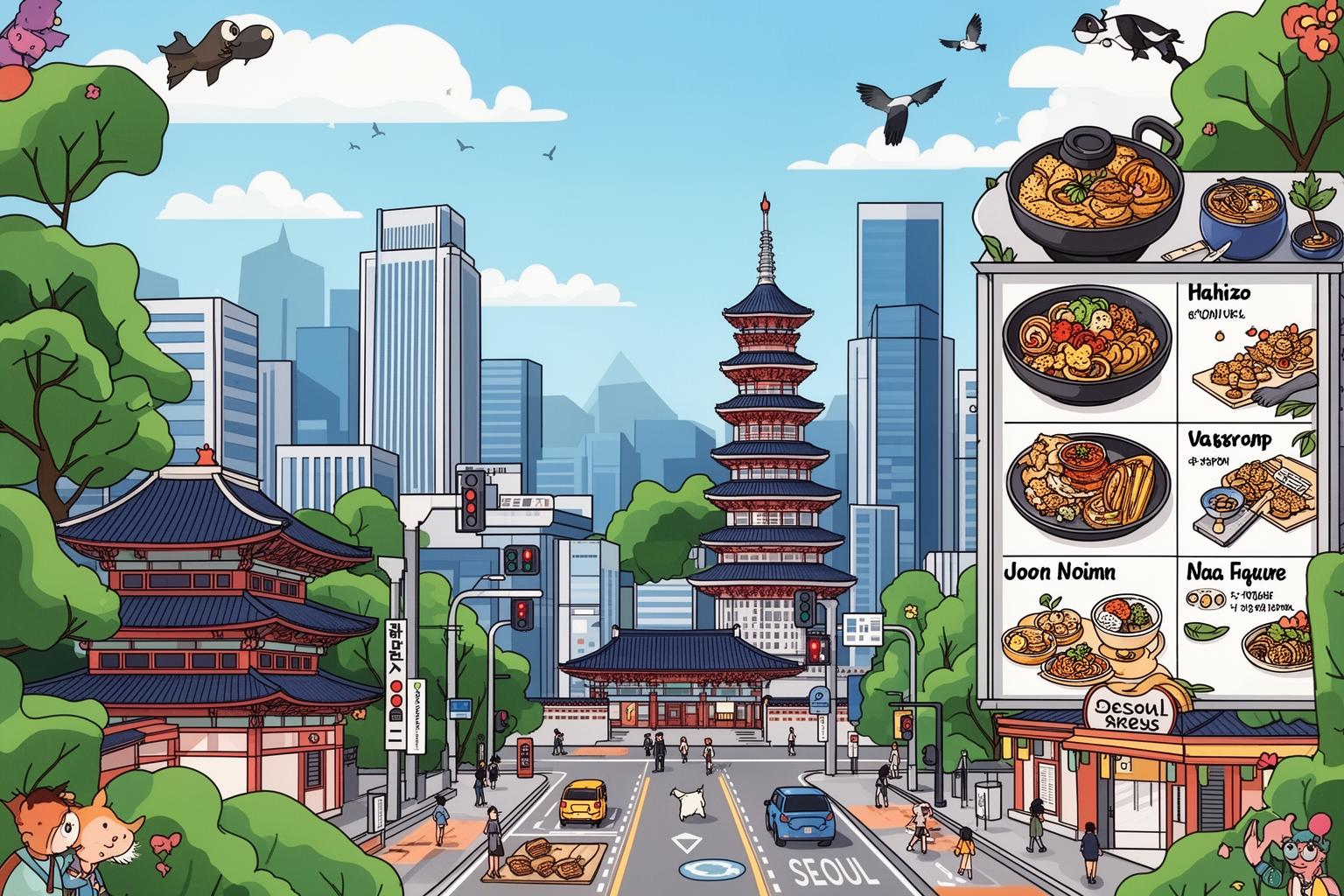
The creativity of Seoul’s cafes goes well beyond their interior design; it is equally apparent in their menus. While perfectly made classic lattes or Americanos are available, the true excitement lies in the innovative and visually striking creations that define the scene. In Seoul, a drink is rarely just a drink. It is a work of art, a dessert, and an essential part of the overall aesthetic experience. The menu plays a crucial role in the cafe’s concept, featuring signature drinks and elaborate desserts crafted to be as photogenic as they are delicious. This emphasis on originality ensures that every cafe delivers a unique taste experience, fostering a culture of exploration where customers are eager to try the next novel offering. From gravity-defying cream toppings to desserts resembling modern art, the menu is where a cafe’s imagination truly shines.
The Rise of Signature Drinks
Step into any trendy cafe in Seoul, and you’ll likely find a section of the menu devoted to “signature” drinks. These one-of-a-kind concoctions are developed in-house and can’t be found elsewhere. They embody the cafe’s identity in a cup. A key trend is the deconstruction and reinvention of classic coffee drinks. The Einspänner, a Viennese coffee topped with a thick dollop of whipped cream, has become a city-wide favorite, with each cafe offering its own variation. Some add flavored creams—such as matcha, black sesame, or Earl Grey—while others dust the whipped cream with cocoa or cinnamon in intricate designs. Cream lattes are another staple, featuring rich, sweet, velvety cream that majestically sits atop an iced latte, slowly cascading down the glass as you sip. Non-coffee drinkers are equally well-served, with a dazzling array of “ades”—sparkling drinks made with fresh fruit purées, syrups, and herbs, presented in vibrant jewel-toned hues that are as refreshing as they are visually appealing. These signature drinks are the main attraction, not an afterthought.
The Art of the Dessert
In Seoul, desserts are far from an afterthought; they are often the primary draw to a particular cafe. The city’s bakers and pastry chefs engage in a constant friendly rivalry, sparking an impressive wave of dessert trends. The “croffle”—a croissant pressed in a waffle iron—became wildly popular for its flaky, buttery layers and crispy, caramelized exterior, typically topped with ice cream, fruit, or brown cheese. Japanese-style soufflé pancakes, incredibly fluffy and jiggly, are another favorite, served in towering stacks with fresh cream and seasonal fruit. Beyond these trends, there is a strong appreciation for artistic craftsmanship. You’ll find cakes meticulously designed to resemble cartoon cheese wedges, potted plants, or even pieces of fruit. Tiramisu is served in traditional wooden masu boxes, and financiers are baked into unique shapes. This commitment to visual and textural perfection elevates dessert from a simple sweet treat to the highlight of the cafe experience—a delicious sculpture that begs to be photographed before being savored.
Practical Pilgrim’s Almanac: Tips for Your Seoul Cafe Journey
Exploring Seoul’s extensive cafe scene can be both thrilling and overwhelming for first-time visitors. With thousands of choices and some local customs to keep in mind, a bit of preparation can greatly enhance your caffeine journey, making it smooth and enjoyable. The culture has its own pace and unwritten rules that locals know instinctively but may surprise newcomers. From ordering tips to the best times to visit, understanding these subtle details will allow you to experience the cafes like a seasoned local. Seoul is a highly convenient and modern city, but having a few essential tools and tips will help you unlock its full potential, so you spend less time figuring things out and more time enjoying the unique atmosphere of each cafe you find.
Mastering Cafe Etiquette
One key custom to remember is the “one drink per person” rule. Since cafes are meant to be spaces where people stay for longer periods, this rule ensures every visitor supports the business. You can’t simply share one drink among a group of friends. Upon entering a cafe, it’s customary to approach the counter and order one item per person in your group before sitting down. Another common practice, especially in busy cafes, is to secure a seat first. It’s perfectly acceptable to place a non-valuable item like a notebook or jacket on a table to reserve it while you order at the counter. Also, pay attention to the atmosphere. Some cafes, particularly those near universities, maintain a quiet, library-like environment and are known as “study cafes,” where loud talking is discouraged. Others encourage socializing with a lively buzz. A quick glance around usually indicates the type of space you’ve entered.
Timing Your Visit for a Better Experience
Like any popular spot, Seoul’s well-known cafes can become very crowded during peak times. Weekends from noon to late afternoon tend to be the busiest, with long queues outside top cafes. To enjoy a calmer experience and have a better shot at a good seat, try visiting on a weekday morning or early afternoon. This is the best time to appreciate the interior and ambiance without the crowds. It’s also important to check the opening hours beforehand. Unlike many Western coffee shops that open early, many of Seoul’s trendiest cafes don’t open until 11 a.m. or even noon. However, they usually stay open late, often until 10 or 11 p.m., catering to those who enjoy coffee or dessert after dinner. Always verify the hours on a local map app to avoid disappointment.
Navigating the City Like a Local
Although you might usually rely on Google Maps, its walking directions are limited in South Korea. To get around Seoul like a local, download a Korean map app. Naver Maps and Kakao Maps are the two most popular and reliable options. They provide precise, turn-by-turn directions for walking, public transit, and driving, and are essential for finding cafes hidden in maze-like alleyways. The subway system is invaluable—clean, efficient, extensive, and easy to use, with English signage and announcements. Nearly all major cafe neighborhoods—Hongdae, Seongsu, Ikseon-dong (near Anguk Station)—are conveniently located near subway stations. Getting a T-money card, a rechargeable transit card, will make traveling even smoother. You can purchase and recharge it at any convenience store or subway station. With a good map app and a T-money card, the entire cafe scene in the city will be at your fingertips.
The Final Sip: A Culture in Constant Motion
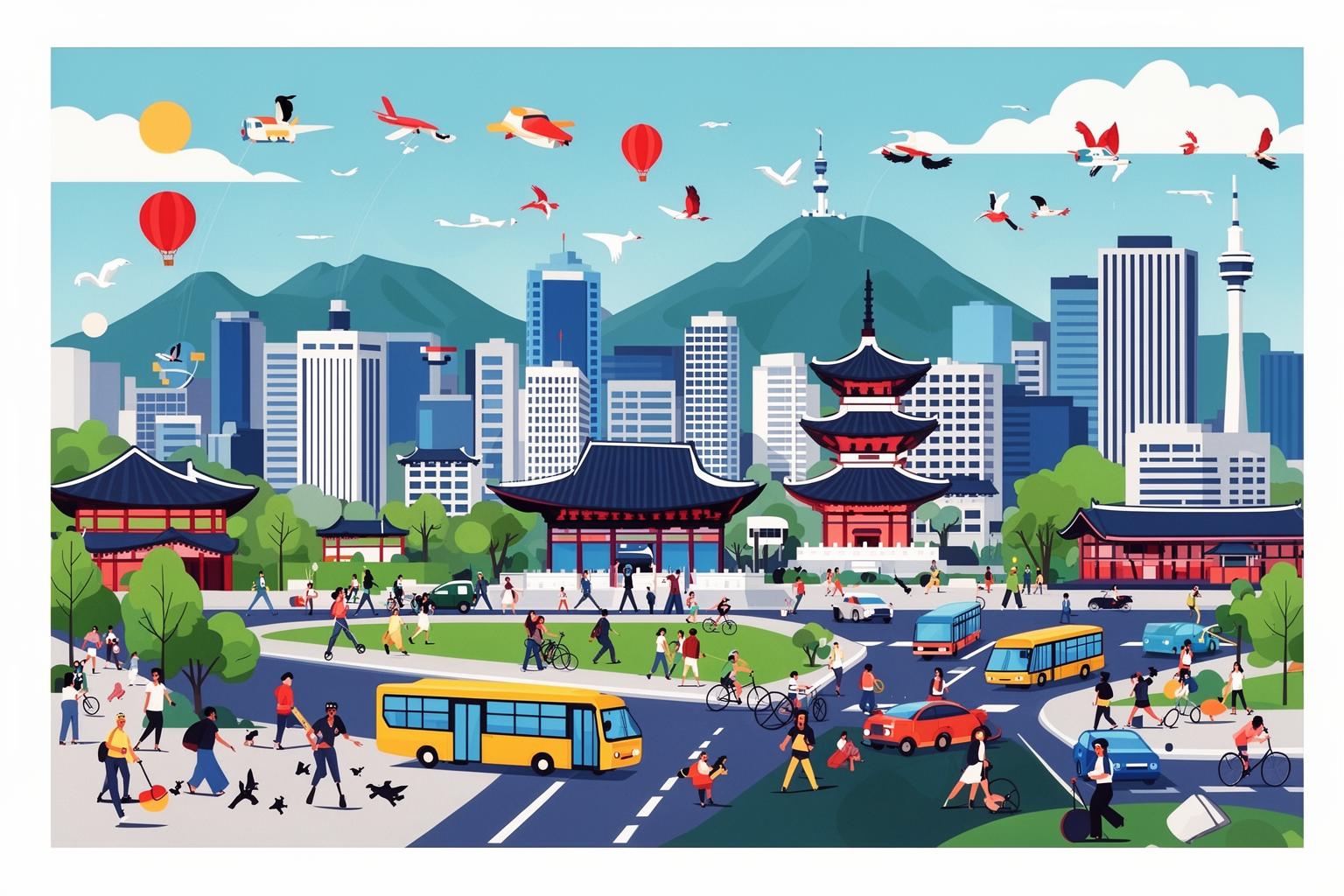
Your journey through Seoul’s cafes is more than just a simple tour of coffee spots; it is a profound exploration of a city that endlessly dreams, creates, and reinvents itself. The story unfolds through the scent of freshly ground beans, the architectural framework of a converted factory, the playful strokes of a 2D-inspired world, and the subtle whispers within a traditional hanok. Each cafe represents a chapter—an individual expression of an idea, a mood, a fantasy. These places are microcosms of the broader city, where tradition and cutting-edge modernity, quiet reflection and vibrant pop culture, industrial roughness and refined elegance not only coexist but intertwine in a lively, harmonious symphony. The culture is a living, breathing force, constantly evolving with the changing trends and tastes of its people.
The cafe you visit today might be entirely transformed or replaced by an even bolder concept a year from now. This fleeting, dynamic quality is precisely what makes the scene so endlessly fascinating. It stands as a testament to the creative spirit and relentless quest for innovation that define modern Seoul. So, as you take your last sip of a perfectly crafted cream latte, gazing out at the bustling city streets, know that you have not merely enjoyed a coffee. You have taken part in a cultural ritual. You have found a temporary refuge in a city of millions. You have experienced a fragment of Seoul’s living, evolving art. The real joy lies not only in visiting the most famous locations but in those moments of discovery—the small, unnamed cafe hidden in a quiet alley, the unexpected chat with a warm barista, the ideal corner seat where the light falls just right. Let your curiosity lead you, get wonderfully lost, and uncover your own perfect cup of Seoul.