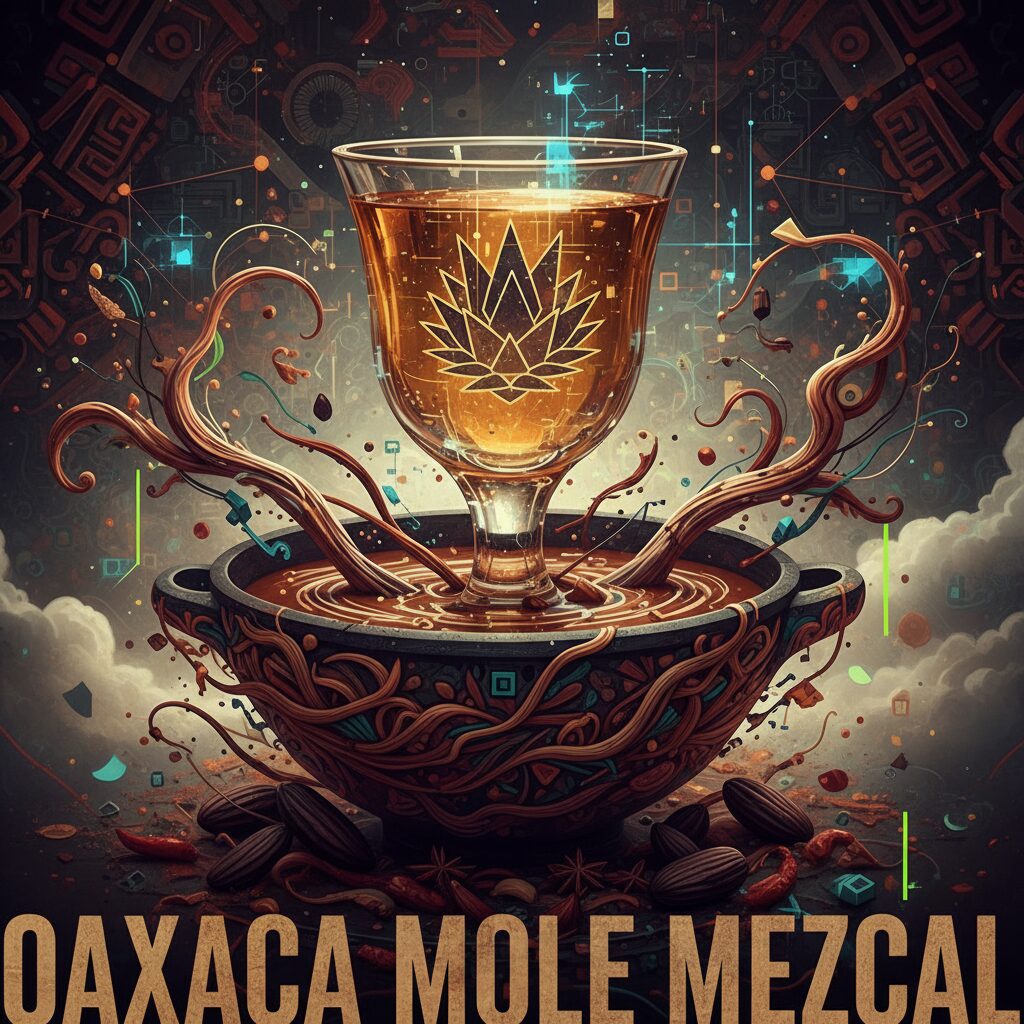
There are places on this earth that you don’t just visit; you experience them with every single one of your senses. They call to a certain kind of traveler, the one seeking not just a destination, but a deeper connection, a story told in flavor and spirit. Oaxaca, the vibrant, beating heart of southern Mexico, is one such place. It’s more than a city; it’s a living, breathing codex of history, culture, and art, where the most sacred texts are written in recipes passed down through generations. For the culinary pilgrim, this is a holy land. The air itself seems seasoned with the earthy aroma of roasting chiles, the sweet perfume of corn simmering into masa, and the distinct, smoky whisper of agave hearts transforming into the legendary spirit, mezcal. To journey here is to embark on a pilgrimage to the very source of flavors that have captivated the world, a quest to understand the soul of Mexico through its two most revered creations: the complex, mysterious mole and the wild, untamable mezcal. This isn’t just about eating and drinking; it’s about communion. It’s about tasting history, tradition, and the very land itself in every bite and every sip. It’s a journey that rewires your palate and leaves an indelible mark on your soul, a vibrant splash of color on the canvas of your memory. Before you take your first step into this intoxicating world, get your bearings and feel the pulse of the city’s center, the Zócalo, where every Oaxacan story begins.
For a different kind of pilgrimage that explores a city’s spirit through its unique transportation, consider a journey through Medellín’s sky-bound soul.
The City’s Living Room: Breathing in the Essence of El Zócalo
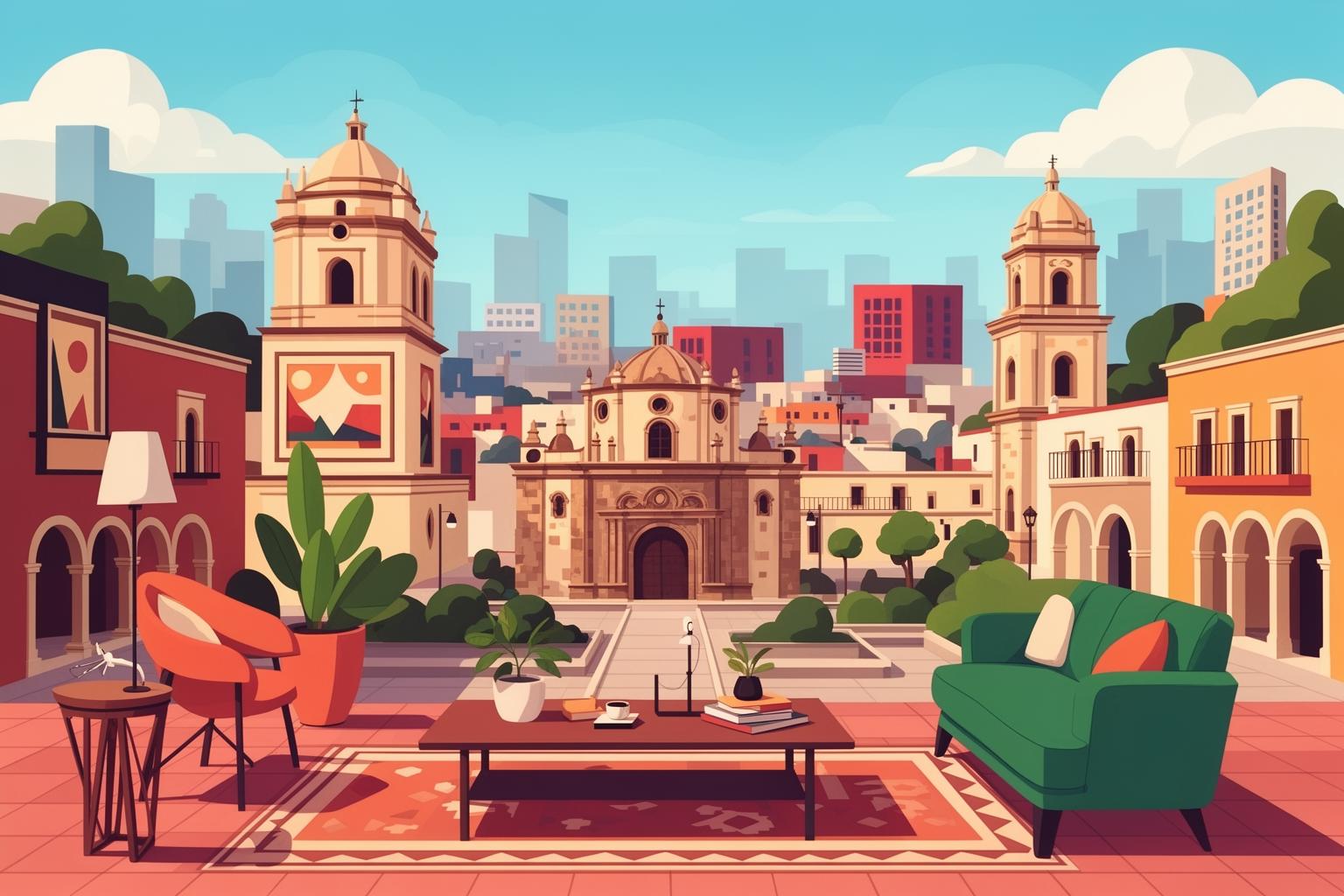
Every pilgrimage requires a starting point, a central altar from which all paths diverge. In Oaxaca, that spot is the Zócalo, officially known as the Plaza de la Constitución. Yet calling it just a plaza doesn’t do it justice. This is the city’s living room—vibrant, chaotic, and utterly captivating. Step beneath the expansive Indian laurel trees that create a thick, green canopy overhead, and you enter a different world. Light filters through in dappled patterns, playing on the wrought-iron benches and stone floors worn smooth by centuries of footsteps. The air hums with a symphony of sounds: the soft strumming of a solitary guitarist, the cheerful shouts of balloon vendors, conversations in Spanish and Zapotec, and the rhythmic polishing of shoes by local boleros. It’s a place of continuous, gentle motion.
Encircling the square are grand colonial arcades, their stone arches framing a vibrant mosaic of activity. Below them, stylish cafes extend onto the pavement, tables filled with locals and visitors alike, savoring rich Oaxacan coffee or refreshing horchata. This is where you come to watch the city breathe. You sense the pulse of the place not in a museum, but here—observing families on their evening paseo, friends catching up over drinks, and artisans showcasing their vivid textiles. The ambiance is one of relaxed energy, a tangible sense of community. It’s inviting and endlessly intriguing. Take a seat, order a drink, and just be. Let the rhythm of the Zócalo sink into your soul. This isn’t time wasted; it’s essential preparation for the sensory journey ahead. Here, you grasp that in Oaxaca, life is meant to be savored, not hurried—a philosophy that underpins its culinary traditions.
Adjacent to the Zócalo stands the magnificent Catedral Metropolitana de Nuestra Señora de la Asunción, its baroque facade carved from the region’s iconic green cantera stone. Its bells mark the hours, weaving a historical cadence into the modern vibrancy of the square. This blending of the sacred and the social, the ancient and the everyday, is deeply Oaxacan. It’s the perfect introduction to mole and mezcal—creations that themselves merge pre-Hispanic ingredients with colonial influences, sacred ritual with daily nourishment.
A Symphony of Chiles: The Sacred Seven Moles of Oaxaca
To speak of Oaxacan cuisine is to speak of mole. The word itself, derived from the Nahuatl mōlli, simply means “sauce,” but this modest definition conceals a world of complexity. Mole is not just a dish; it is an art form, a culinary saga, a sauce so intricate and layered that a single spoonful can tell a story spanning generations. Oaxaca is famously known as the “Land of the Seven Moles,” a celestial array of sauces that form the foundation of its gastronomy. Each one possesses a unique personality, a distinct emotional landscape crafted from a dizzying variety of ingredients—chiles, nuts, seeds, spices, fruits, and occasionally even a hint of chocolate. Preparing a mole from scratch is a labor of love, a devoted process that can take days of toasting, grinding, and simmering. To taste them is to be initiated into the deepest secrets of the Oaxacan kitchen.
Mole Negro: The Dark, Velvety Soul
This is the king, the most revered and complex of all. Mole Negro is a masterpiece of balance, a profound and enigmatic sauce that is simultaneously savory, sweet, smoky, and spicy. Its color is the deep, dark night, achieved through the careful toasting—almost to the point of burning—of its key ingredients, especially the rare and precious chilhuacle negro chile. It contains more than thirty ingredients, including a symphony of other chiles like pasilla and mulato, a medley of nuts and seeds, plantains, raisins, avocado leaves, and a whisper of Oaxacan chocolate that adds depth without overt sweetness. The first taste is a revelation. It coats the tongue with a velvety texture, unleashing waves of flavor that evolve with each moment: the warmth of cinnamon and clove, the smokiness of the chiles, subtle fruitiness, and an earthy foundation. It’s often served over turkey or chicken, the richness of the sauce clinging to the meat. Experiencing Mole Negro is a meditative moment, a taste of something truly ancient and sacred.
Mole Rojo: The Fiery Heart
If Mole Negro is the night, Mole Rojo, or red mole, is the vibrant sunset. It’s brighter, spicier, and more direct, yet no less complex. Its brilliant brick-red hue comes from a generous blend of guajillo and ancho chiles, which offer a clean, fruity heat. While it also includes nuts, seeds, and spices, its profile is less smoky and more focused on bright, warm spice. Notes of cinnamon and oregano dance with the tangy heat of the chiles. It’s a celebratory mole, often found at weddings and fiestas. With its robust and satisfying character, it pairs beautifully with pork or enchiladas, its flavor bold and unapologetic. It represents the passionate, fiery heart of the mole family, full of life and vigor.
Mole Coloradito: The Sweet and Subtle Companion
Meaning “little red one,” Mole Coloradito is the sweet-toothed cousin of Mole Rojo. It’s a gentler, more approachable sauce with a beautiful reddish-brown color. Its sweetness comes from ripe plantains and a higher proportion of fruit, balanced by the mild heat of ancho and guajillo chiles. A key ingredient is the pasilla oaxaqueña chile, which imparts a unique smoky flavor grounding the sauce. Its texture is often lighter, and its flavor profile is a delightful interplay between sweet, smoky, and subtly spicy. It’s an incredibly versatile mole, wonderful with chicken, beef, or even as a base for rich, comforting enchiladas. This mole feels like a warm embrace, comforting and deeply satisfying.
Mole Amarillo: The Sunshine of the Earth
Don’t let the name “yellow mole” mislead you; this sauce’s color can range from a vibrant yellow to a deep orange-red, depending on the chiles used. What distinguishes Mole Amarillo is its herbaceous, lighter character. It’s thickened with masa harina (corn flour) rather than nuts and seeds, giving it a unique texture. The flavor is bright and fresh, driven by the fruity heat of chilcostle and guajillo chiles, and fragrant with the aroma of hoja santa, a sacred herb with a complex flavor reminiscent of anise, eucalyptus, and black pepper. Often prepared as a stew with vegetables like chayote and green beans, along with your choice of meat, Mole Amarillo embodies the taste of the Oaxacan countryside—a rustic, soulful dish that feels both ancient and incredibly vibrant. It’s sunshine in a bowl.
Mole Verde: The Verdant Garden
Fresh, zesty, and herbaceous, Mole Verde stands in sharp contrast to its darker, more brooding counterparts. It embodies the essence of green, a vibrant celebration of fresh ingredients. Its base is a blend of tomatillos, pumpkin seeds (pepitas), and a cornucopia of fresh herbs, including cilantro, epazote, and the indispensable hoja santa. Jalapeños or serranos provide a clean, sharp heat. Unlike the other moles, which require long, slow simmering, Mole Verde is cooked relatively quickly to preserve the freshness and bright flavors of its components. The result is a light, tangy, and invigorating sauce, often served with chicken or pork spine. It tastes like a stroll through an Oaxacan garden after a summer rain—utterly refreshing and full of life.
The Rarer Gems: Chichilo and Manchamanteles
Beyond the five most common moles lie two more elusive creations that reveal the deeper, more nuanced corners of Oaxacan gastronomy.
Mole Chichilo
This might be the most challenging and intriguing mole for the uninitiated palate. Mole Chichilo is a dark, intensely smoky, and savory sauce. Its defining characteristic is the use of toasted avocado leaves and chiles (chilhuacle negro, pasilla) that are burned to ash, alongside tortillas also toasted until blackened. This process imparts a powerful, almost bitter-smoky flavor not suited for the faint of heart. It’s thickened with masa and has a pronounced savory depth, with little to no sweetness. Chichilo is a stark, powerful, and deeply traditional mole, often served with beef. To appreciate it is to embrace the full spectrum of Oaxacan flavor, including its more austere and profound expressions.
Mole Manchamanteles
Literally meaning “tablecloth stainer,” this mole is a vibrant, fruity, sweet-and-spicy concoction that lives up to its name. Its brilliant red color comes from ancho chiles, but its soul lies in the fruit. Manchamanteles uniquely includes large chunks of fresh fruit, typically pineapple, plantain, and sometimes sweet potato or apple, simmered in the sauce. The result is a delightful collision of sweet, savory, and spicy. The fruit breaks down slightly, lending its sweetness to the rich chile base. It’s a festive, joyful mole, often served with pork, its sweet and tangy notes making it an unforgettable experience. This mole reminds us that Oaxacan cuisine embraces playfulness and boldness.
The Spirit of Agave: A Journey into the World of Mezcal
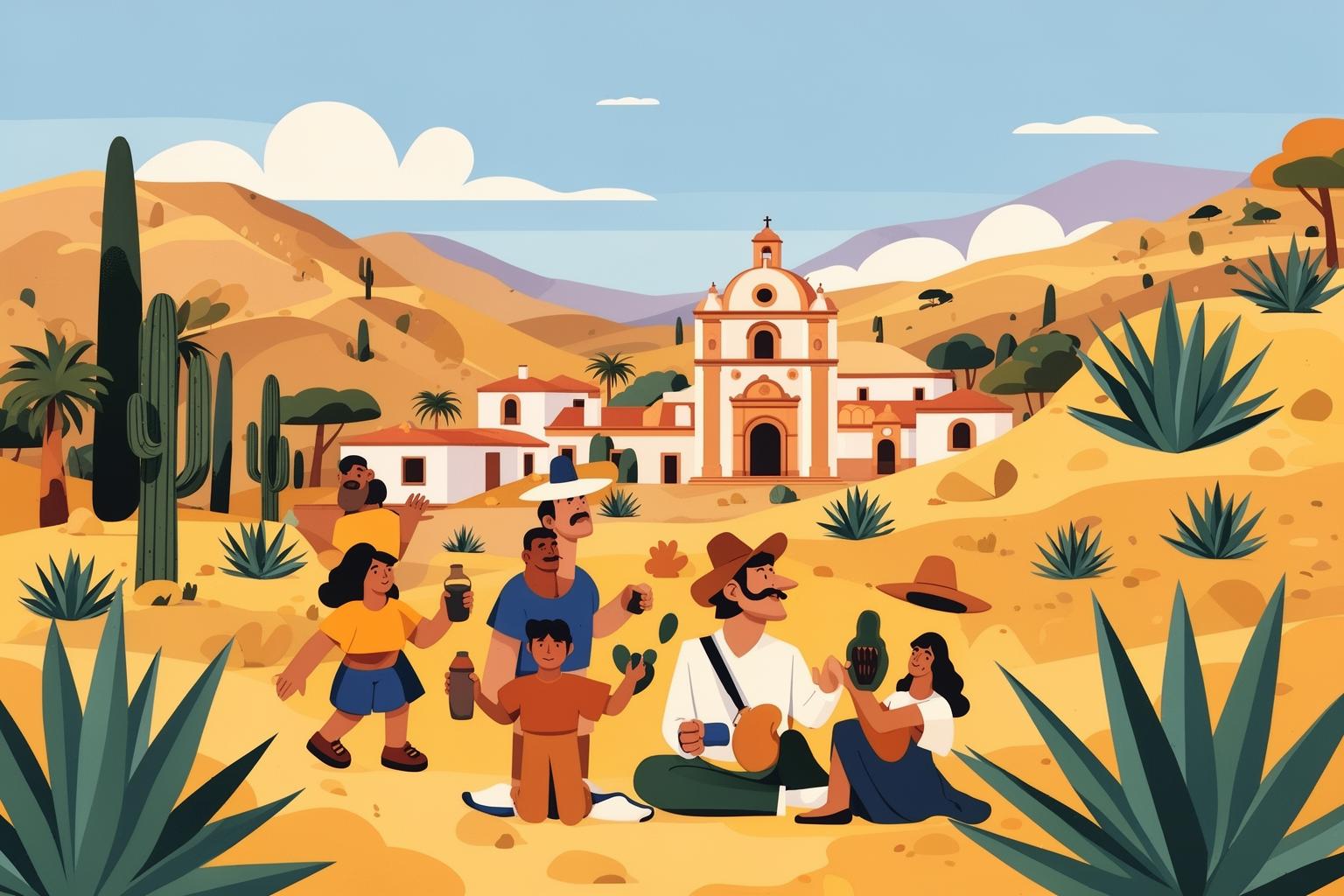
If mole is the heart of Oaxaca, mezcal is its soul. This is not a spirit for shot glasses and lime wedges; it is meant to be savored, a liquid archive of the Oaxacan landscape. For centuries, this artisanal elixir has been woven into rituals, celebrations, and everyday life. To truly grasp Oaxaca, you must appreciate the magic of mezcal—a spirit born from the sacred agave plant, known locally as maguey.
From Earth to Bottle: The Ancestral Craft
Mezcal is not merely made; it is gently drawn from the earth. The process is a tribute to patience and tradition, a craft that has changed little over hundreds of years. It all begins with the maguey. Unlike tequila, which can only be produced from the blue weber agave, mezcal is created from over thirty different varieties, each lending its own unique character to the final spirit. An agave plant takes anywhere from seven to thirty years to mature, patiently storing the sun’s energy in its heart, or piña.
When the moment arrives, the jimador harvests the piña, a laborious task done entirely by hand. These massive hearts are then cooked for several days in a conical earthen pit oven lined with volcanic rocks. This crucial step gives mezcal its signature smoky flavor. The aroma of roasting agave—a rich, sweet, caramelized, and smoky scent—is the hallmark fragrance of the mezcal-producing valleys. After cooking, the piñas are crushed, traditionally by a massive stone wheel called a tahona, pulled by a horse or donkey. The resulting mash is mixed with water and left to ferment in large wooden vats, where wild, airborne yeasts perform their transformation. Finally, the fermented liquid is distilled twice, usually in small copper or clay pot stills. The maestro mezcalero, the master distiller, is an artist who uses their senses to navigate the entire process, deciding by taste and smell when the spirit reaches perfection.
The Palenque Pilgrimage: Beyond the City Limits
To truly connect with mezcal, you must leave the city behind and travel to a palenque, a traditional distillery. The roads leading out of Oaxaca City, especially toward Santiago Matatlán, the self-proclaimed “World Capital of Mezcal,” are dotted with these rustic, family-run establishments. A visit to a palenque is an immersive experience. You are not just a tourist; you are a welcomed guest. The maestro mezcalero will often guide you through the entire process, from the agave fields to the final drop. You’ll feel the intense heat of the earthen oven, watch the patient turning of the tahona, and breathe in the pungent, sweet air from the fermentation vats.
Then comes the tasting. This is not a lively bar scene but a moment of quiet reverence. Mezcal is served in a copita (a small clay cup) or a veladora (a small glass originally used as a church candle holder). You don’t shoot it; you sip it, offering it what’s called a “kiss.” The maestro will instruct you on how to taste: observe the “pearls” or bubbles that form when it’s swirled, a sign of its proof and quality. Inhale the aromas. Take a small sip, swish it around your mouth to awaken your palate, then take another gentle sip. The flavors unfold on your tongue: smoke, earth, citrus, fruit, herbs, minerals. Each mezcal tells the story of its agave, the soil it grew in, the hands that crafted it, and the village where it was born. This is terroir expressed at its deepest level.
Navigating the Agave Spectrum
Your journey will introduce you to a fascinating array of agaves.
Espadín
Espadín is the workhorse of mezcal, the most commonly cultivated agave. It matures in about seven to ten years and produces a spirit that serves as a beautiful canvas for the distiller’s skill. A fine Espadín is perfectly balanced, with notes of sweet cooked agave, gentle smokiness, and hints of citrus and earth. It’s an ideal introduction to the world of mezcal.
Tobalá
Known as the “king of agaves,” Tobalá is a wild, small agave that grows in rocky, high-altitude terrains. It’s difficult to cultivate and must be foraged. Due to its small size, many piñas are required to produce a small amount of mezcal, making it rare and costly. Its flavor profile is distinct: more floral, fruity, and complex, with a softer, more refined smokiness. Tasting Tobalá offers a special experience, a sip of the wild Oaxacan landscape.
Tepeztate
Another wild agave, Tepeztate can take up to thirty years to mature. It often grows dramatically, clinging to steep, rocky cliffs. Tepeztate mezcals are known for their intense and unique aromatics. Expect powerful notes of green bell pepper, jalapeño, and pungent herbs. The flavor is bold, electric, and mineral-driven—a truly wild expression of the spirit. It’s a mezcal that demands your full attention and respect.
Weaving It All Together: Markets, Ruins, and Crafts
A pilgrimage to Oaxaca’s culinary core extends beyond restaurants and distilleries. The food culture is intricately woven into everyday life, present in the lively markets, ancient ruins, and vibrant artisanal traditions. To truly appreciate mole and mezcal, you must immerse yourself in the world that shaped them.
The Soul of the City: The Central Markets
Just a few blocks south of the Zócalo, you’ll encounter the sprawling, chaotic, and utterly captivating duo of Mercado Benito Juárez and Mercado 20 de Noviembre. This is where locals come to shop, eat, and socialize. Benito Juárez is a maze of stalls offering everything from fresh produce and mountains of chiles to local cheeses, artisan chocolate, and even crispy fried grasshoppers, chapulines. The air brims with a thousand different aromas—fresh herbs, butchered meat, sweet fruits, and the earthy scent of corn.
Cross the street to Mercado 20 de Noviembre, and you’re immediately enveloped in a cloud of fragrant woodsmoke. This is home to the famous Pasillo de Humo, or Smoke Alley. Here, you select your preferred cut of thinly sliced beef (tasajo), pork (cecina), or chorizo from a vendor, who then grills it over charcoal right before your eyes. The entire hall resonates with sizzling sounds and savory smoke. You grab a basket of your grilled meat, find a table, and complement your feast with fresh tortillas, salsas, and guacamole from surrounding stalls. It’s a primal, communal, and unforgettable Oaxacan dining experience.
Echoes in Stone: Monte Albán and Mitla
To grasp the deep roots of Oaxacan culture, visiting its most important archaeological sites is essential. Perched on a flattened mountaintop overlooking the valley stands Monte Albán, the magnificent ancient capital of the Zapotec civilization. Wandering among its grand plazas, pyramids, and ball courts, you can feel the weight of centuries. This was a sophisticated society with profound knowledge of astronomy, agriculture, and ritual. It’s here that you begin to envision the pre-Hispanic origins of local cuisine and the reverence for corn, chiles, and agave as sacred gifts from the gods.
Further down the valley lies Mitla, renowned for its unique and intricate geometric mosaic fretwork. The precision and beauty of the stone puzzles decorating its walls reveal incredible artistic sensibility. This same attention to detail and dedication to intricate patterns are reflected in the weaving of traditional rugs and the complex layering of ingredients in a mole. It’s all part of the same cultural DNA—a deep-seated drive to create beauty and complexity.
The Hands of the People: Oaxacan Folk Art
The creativity that animates the kitchen also thrives in the hands of Oaxaca’s artisans. The region is a treasure trove of folk art. In the village of San Martín Tilcajete, workshops produce the fantastical wooden creatures known as alebrijes. In San Bartolo Coyotepec, families uphold the ancient tradition of crafting elegant, shimmering black pottery, barro negro. And in Teotitlán del Valle, Zapotec weavers use natural dyes derived from insects, plants, and minerals to create stunningly intricate wool rugs on traditional looms. Exploring these villages, meeting the artists, and witnessing their craft reveals a profound bond with the land and a commitment to preserving ancestral knowledge—the very principles guiding the maestra making her mole and the maestro shaping his mezcal.
A Practical Guide for the Culinary Pilgrim
Planning your trip to this land of flavors requires some foresight. With the right preparation, your journey will be smooth, delicious, and deeply rewarding.
The Best Time to Visit
Oaxaca is a fantastic destination throughout the year, though the climate changes by season. The dry season, roughly from October to April, is generally regarded as the ideal time to visit. Expect sunny days and cool, pleasant evenings, perfect for exploring the city on foot and venturing into the valleys. The rainy season, from May to September, brings afternoon showers that transform the landscape into a brilliant, lush green. These rains seldom last all day, making this season a beautiful and less crowded time to visit.
Two of the most remarkable times to be in Oaxaca are during its major festivals. The Guelaguetza in July is a stunning celebration of the state’s diverse indigenous cultures, featuring traditional music, dance, and food. The Days of the Dead, Día de los Muertos, at the end of October and beginning of November, offer a profoundly beautiful and moving experience, as the city is adorned with marigolds and elaborate altars, and families gather in cemeteries to honor their ancestors. It’s truly magical and unforgettable.
Getting Around the City and Beyond
Oaxaca’s historic center is highly walkable. The streets are arranged in a grid, and most main attractions, restaurants, and shops are within easy walking distance of the Zócalo. For trips further afield, such as to Monte Albán or artisan villages, you have several options. Colectivos (shared taxis) provide an affordable and authentic way to travel, following set routes out of the city. For more flexibility, you can hire a private taxi driver for the day. Many drivers are knowledgeable guides who can craft a personalized itinerary, allowing you to explore the mezcal route or craft villages at your own pace.
Tips for First-Time Visitors
- Carry Cash: While many hotels and upscale restaurants accept credit cards, cash is essential in markets, with street food vendors, and in many small shops and palenques. It’s always smart to have a good supply of Mexican pesos on hand.
- Stay Hydrated: The combination of altitude and warm climate can be dehydrating. Drink plenty of bottled water throughout the day. And when enjoying mezcal, remember to sip water between drinks!
- Embrace the Pace: Life in Oaxaca follows a different rhythm. Don’t rush. Service in restaurants can be unhurried, and things may not always follow a strict schedule. Relax, be patient, and soak in the atmosphere—this is part of the charm.
- Learn Some Spanish: While you can get by with English in many tourist areas, knowing a few basic Spanish phrases—por favor (please), gracias (thank you), hola (hello), buen provecho (enjoy your meal)—will be greatly appreciated and open doors to more authentic interactions.
- Be Adventurous but Cautious: Street food in Oaxaca is a must-try. Choose stalls busy with locals, as this usually indicates quality and freshness. If you have a sensitive stomach, start slowly. When it comes to water, stick to bottled or purified varieties.
The Lingering Taste of a Sacred Journey
A trip to Oaxaca lingers with you long after you’ve returned home. It lives in the memory of the deep, velvety richness of a perfect Mole Negro. It lingers in the ghost of woodsmoke on your palate from a sip of artisanal mezcal. It shines in the vibrant colors of the market, the intricate patterns of a Zapotec rug, and the warm, welcoming smiles of the people who share their culture with pride and grace.
This is more than just a food destination; it’s a place that nourishes the spirit. The mole and mezcal you experience here are not merely products; they are expressions of identity, vessels of history, and acts of love. They offer a delicious invitation to slow down, to pay attention, and to savor the profound beauty found in a well-crafted meal and a thoughtfully made drink. You arrive in Oaxaca as a traveler, but depart as a pilgrim, carrying with you the sacred flavors of its land, a taste of its heart, and a deeper understanding of the magic that unfolds when culture, history, and cuisine unite.