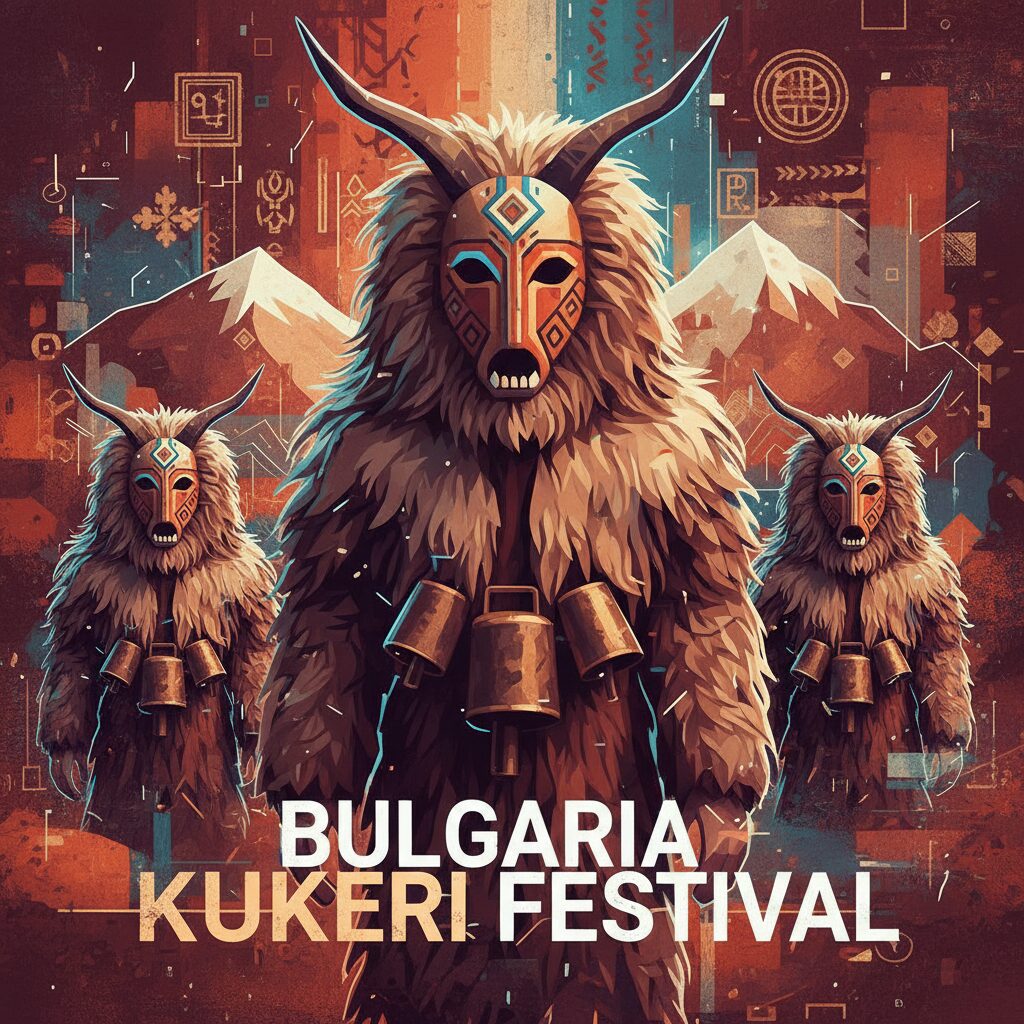
There’s a sound that fractures the winter silence of the Bulgarian countryside. It begins as a distant, metallic whisper, a rumor carried on the frozen air. Then, it grows. It becomes a clang, a jangle, a deep, resonant roar that seems to rise from the very earth. This is the sound of the Kukeri, the monstrous, magnificent harbingers of spring, and it’s a sound that calls you back in time. Long before the grand cathedrals of Europe pierced the sky, ancient rituals pulsed through these mountains and valleys. The Kukeri Festival is not a reenactment; it is a living, breathing continuation of those primeval traditions, a surreal and profoundly moving spectacle where folklore, art, and raw human energy collide. Each year, as winter tightens its grip, thousands of Bulgarians don costumes of fur, leather, and wood, adorned with towering horns and terrifying masks, and dance to banish evil spirits, awaken the sleeping earth, and usher in a season of health and fertility. This is more than a festival; it’s a visceral plunge into the soul of the Balkans, a chaotic, beautiful, and utterly unforgettable experience that connects you to the deep, cyclical rhythms of nature and human belief. It’s a journey for the traveler who seeks not just to see, but to feel a place, to hear its ancient heartbeat in the thunderous chorus of a thousand bells.
For those captivated by such profound cultural immersions, you might also appreciate the unique ritual of Budapest’s thermal baths.
The Thundering Heartbeat of Surva: Pernik’s Grand Carnival
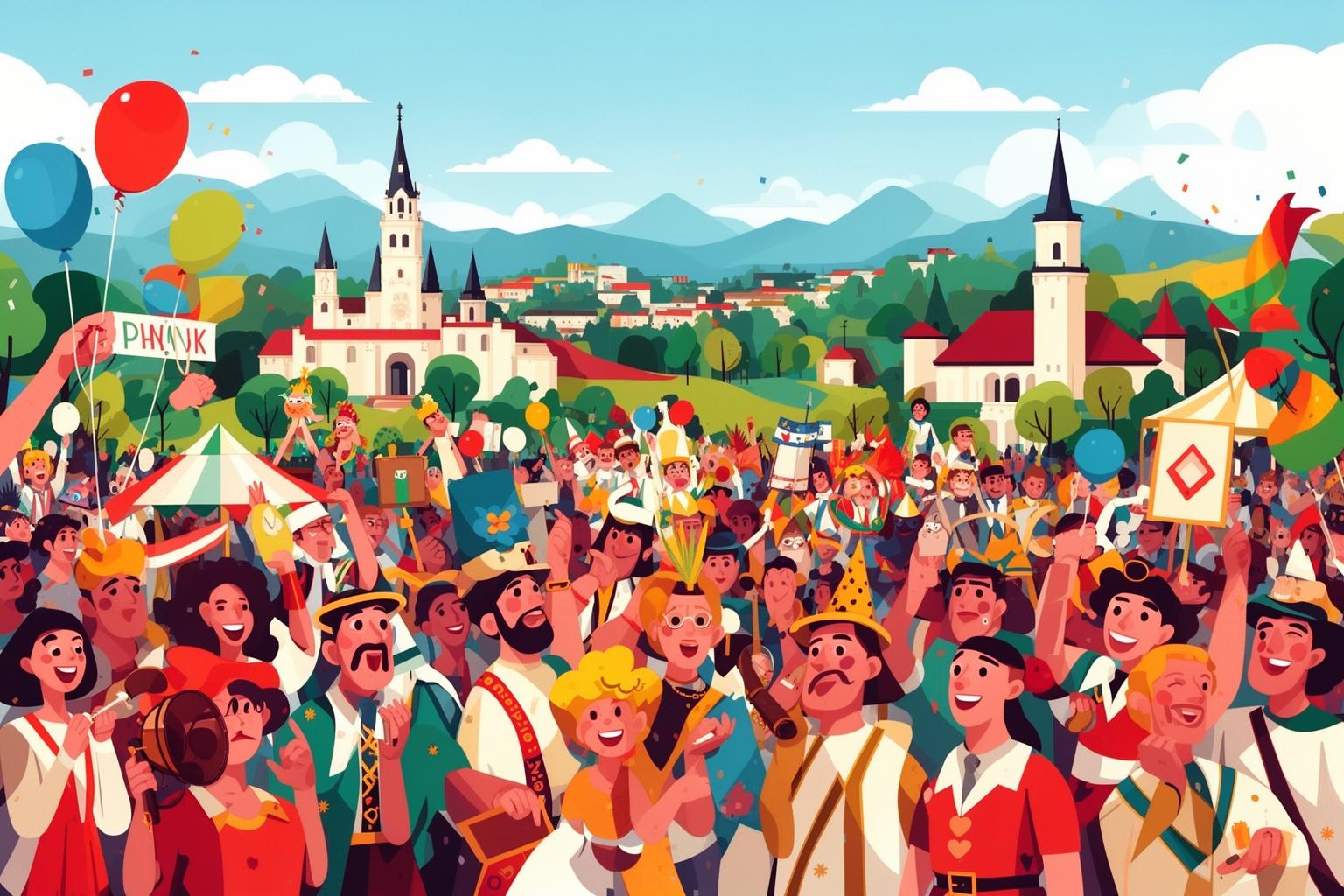
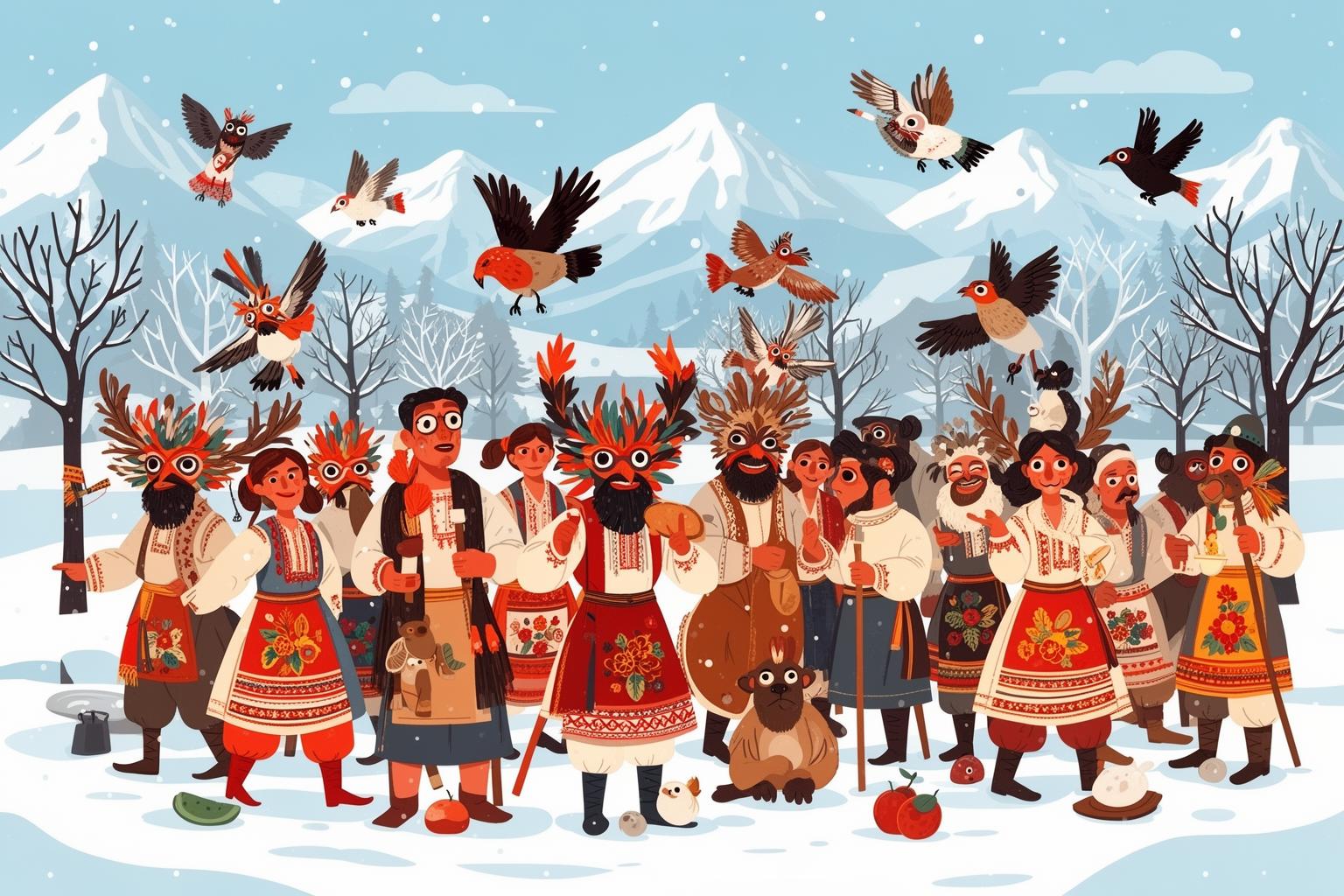
The heart of this ancient tradition, especially for international visitors, lies in the city of Pernik. Just a short trip from the capital, Sofia, Pernik is home to the Surva International Festival of Masquerade Games. This event is far from a simple local festival; it’s the largest of its kind in the Balkans, a three-day burst of sound, color, and pagan pageantry officially recognized by UNESCO as an Intangible Cultural Heritage of Humanity. Picture a city square, chilled by the late January air, suddenly filled with figures from a forgotten realm. Towering beings clad in shaggy goat and sheep hides move with a primal, rhythmic stomp. Their faces are concealed behind intricately carved wooden masks — some grotesque and fearsome with gaping jaws and wild eyes, others more whimsical, decorated with beads, ribbons, and mirrors to deflect evil spirits. The most striking element is the sound. Huge copper and bronze bells, known as chaнове (chanove), weighing up to dozens of kilograms, are strapped around their waists. With every leap and synchronized step, they unleash an overwhelming, hypnotic chorus that vibrates through your entire body. It’s a sound meant to overpower, a sonic weapon against the lingering ghosts of winter.
The atmosphere in Pernik is electric. The air is filled with the scent of woodsmoke from crackling fires and grilled meats from numerous food stalls. The crowd’s energy is a vibrant blend of awe, excitement, and playful fear. Children shriek with delight as a particularly monstrous Kuker playfully taps them with a wooden staff, bestowing good health. Though hidden behind masks, the performers display remarkable stamina and dedication, dancing for hours in their heavy, sweltering costumes. It’s a marathon of tradition, a fully immersive sensory experience. You don’t simply watch the Surva festival; you become part of its swirling, chaotic energy.
Navigating the Spectacle in Pernik
To fully enjoy Surva, you need to go with the flow. The highlight is the grand parade, where troupes from across Bulgaria and beyond march through the city center. Each region presents its unique style of costume and mask, contributing to the festival’s incredible diversity. Some masks rise over a meter, adorned with elaborate horns and feathers, while others are more zoomorphic, resembling bears, goats, or mythical creatures. This variety reflects the rich, localized tapestry of Bulgarian folklore. Arrive early to secure a good spot along the main parade route, but don’t hesitate to explore. Some of the most magical moments occur on side streets, where you can approach performers as they rest, adjust their heavy bells, or interact with spectators. Stages host performances, craft markets offer miniature Kukeri masks and traditional pottery, and there are endless opportunities to sample Bulgarian street food. A warm, flaky banitsa (cheese-filled pastry) paired with a cup of mulled wine is an essential companion for a day at Surva.
The Ancient Roots: Unmasking the Meaning of Kukeri
To witness the Kukeri is to observe history unfolding. This tradition dates back thousands of years, with its origins deeply rooted in the Thracian cult of Dionysus, the god of wine, revelry, and cyclical rebirth. The ritual’s core purpose has remained constant for millennia: to drive away the dark, malevolent spirits of winter and to ensure a prosperous spring. It serves as a rite of passage for the season itself. Even the creation of the costumes is a ritual in its own right. The masks, often handed down through generations, are believed to hold special power. The materials used carry profound symbolism: goat and sheep fur represents fertility and pastoral life, bright red colors signify nature’s renewal and the rising sun, while the heavy bells act as the ritual’s voice, their thunderous sound purifying the land.
The Cast of Characters in a Ritual Play
The Kukeri procession is not merely a random parade; it is a form of folk theatre featuring a recurring cast of characters. The central figure is, naturally, the Kuker. These are typically young, strong men whose endurance is challenged by the weight of their costumes and the intensity of their dance. They are accompanied by other symbolic figures. One might see a character portraying a bear, a powerful symbol of fertility and strength in Slavic folklore. Often, there is a symbolic bride and groom, whose mock wedding serves as a potent charm for fruitfulness in the coming year. A crucial element of the ritual includes a mock plowing and sowing of the fields—a direct and potent act of sympathetic magic intended to encourage the earth’s fertility. The procession concludes with a massive bonfire, the final purification act, where the day’s chaos is consumed by flames, leaving the village cleansed and ready for spring’s arrival. Understanding this rich symbolism transforms the festival from a strange spectacle into a profound and moving cultural expression.
Beyond Pernik: Exploring the Diverse World of Bulgarian Masquerades
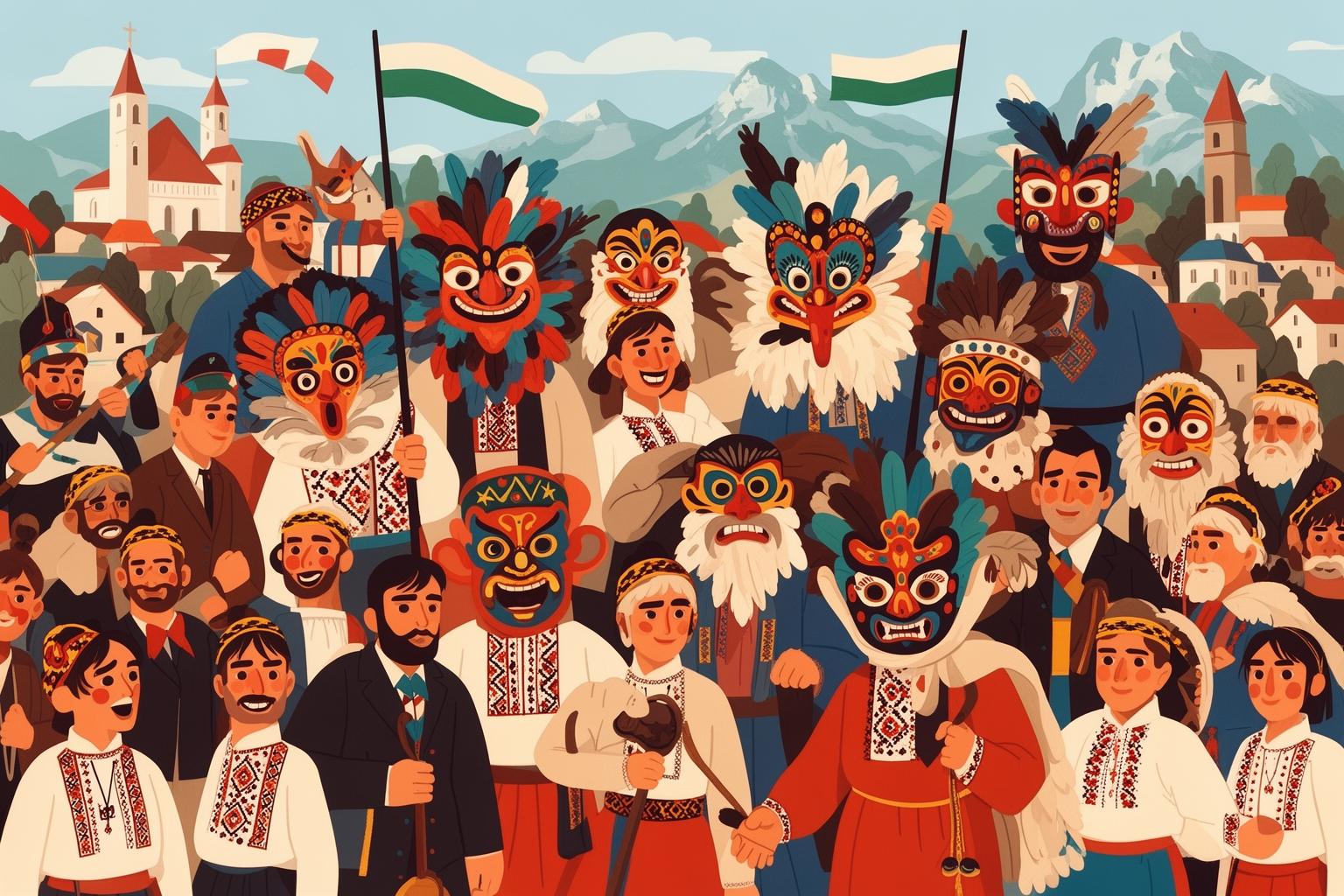
While Pernik’s Surva festival stands out as the most accessible and grandest of the Kukeri celebrations, it is far from being the only one. For travelers willing to explore further, an array of hyper-local, deeply authentic rituals awaits. These traditions differ greatly from region to region, each offering a distinct flavor and timing. Many of these smaller festivals occur in the weeks leading up to Lent, during a period known as Sirni Zagovezni (Shrovetide or Forgiveness Sunday).
Shiroka Laka: Music and Monsters in the Rhodope Mountains
Nestled deep within the snow-covered Rhodope Mountains is the picturesque village of Shiroka Laka. Renowned for its traditional architecture and a national school for folk music, the village hosts one of the most unique Kukeri festivals on the first Sunday of March. Here, the masquerade is called Pesponedelnik. The costumes differ from those in Pernik, with masks often painted to resemble dramatic, almost menacing faces. Participants, known as startsi (old men), wield wooden swords and dance to the haunting sound of the kaba gaida, the deep-toned Rhodope bagpipe. The bagpipes’ echoes through the narrow stone streets create a hauntingly beautiful atmosphere. The ritual also involves the Kuker forcefully parting the crowd to clear a path for the procession, alongside a distinctive custom where a figure smears ash on onlookers’ faces for good health. The blend of stunning mountain scenery and unique local traditions makes a visit to Shiroka Laka an unforgettable experience.
The Starchevata of Razlog: A Fierce and Fiery Competition
In the Pirin Mountains region, especially in the towns of Razlog and Bansko, the masquerade tradition is known as Starchevata. Held on January 1st, it serves as a spectacular and boisterous welcome to the New Year. The atmosphere is characterized by fierce but friendly competition. Different neighborhoods (mahali) spend months crafting their costumes and routines, each striving to be the most impressive, fearsome, and loudest. The masks are often exceptionally tall, made from goat skins and topped with large, curved horns. The characters, called chaushi, move with powerful, aggressive gestures. They leap and stomp as their bells create a cacophony that reverberates off the surrounding mountain peaks. The day is filled with parades, folk music, and elaborate dances, culminating in a celebration that feels both ancient and vibrantly alive.
A Practical Guide to Your Kukeri Adventure
Planning a trip to witness this remarkable tradition requires some advance planning, especially considering the winter timing and increasing popularity of the festivals. However, with proper preparation, your journey into the heart of Bulgarian folklore will be both smooth and rewarding.
When and Where to Go
The first step is to choose which festival you want to attend. The dates are important and can vary slightly each year, so always check official tourism websites or local municipal sources before making any bookings.
- Surva in Pernik: This is the main event. It reliably takes place on the last weekend of January. It’s the easiest to plan for and showcases the widest range of masquerade traditions in one location.
- Starchevata in Razlog/Bansko: If you want to kick off the New Year with excitement, this festival is ideal. It occurs on January 1st.
- Festivals around Shrovetide (Sirni Zagovezni): This is a movable feast, held seven weeks before Orthodox Easter. The dates change yearly, usually falling in late February or early March. Many villages, including Shiroka Laka, celebrate during this weekend. This period offers a chance to experience more intimate, village-based rituals.
Getting There and Getting Around
Bulgaria is well-connected, but reaching the more remote villages demands some planning.
- Flights: The primary international gateway is Sofia Airport (SOF). It is served by numerous European airlines and budget carriers, making it an affordable point of entry.
- From Sofia to Pernik: This is the simplest stretch of any Kukeri trip. Pernik is only about 30 kilometers from Sofia. Options include a local train, which is a cheap and scenic choice, a public bus, or a taxi. The trip takes less than an hour, making it feasible to stay in Sofia and visit Pernik as a day trip, though lodging in Pernik offers a more immersive experience.
- Reaching Other Regions: For places like Shiroka Laka or Razlog, renting a car is your best bet. It gives you the flexibility to explore the beautiful countryside at your own pace. Ensure your rental vehicle has winter tires, as mountain roads can be snowy and icy. Public buses also run from Sofia to major towns like Smolyan (for Shiroka Laka) or Blagoevgrad and Razlog, but these journeys take longer and require more careful planning.
Where to Stay
Accommodation fills up quickly, especially in towns hosting the festivals. It’s best to book well in advance—ideally months ahead.
- Pernik: The city has several hotels and guesthouses, but these often sell out for Surva. A popular alternative is to stay in Sofia, which offers a wide range of accommodation from stylish boutique hotels to budget hostels. The easy commute makes this a very convenient option.
- Shiroka Laka: Accommodation within the village is limited to traditional guesthouses (kashti za gosti), offering an authentic experience but with few options. A preferable choice could be staying in nearby Smolyan or the ski resort of Pamporovo, both of which provide a broader selection of hotels and are just a short drive away.
- Razlog/Bansko: As a major winter sports destination, this area has extensive accommodation options, from luxury spa hotels to cozy, family-run chalets. Booking here tends to be easier, but prices are often higher due to the ski season.
Dressing for the Harsh Winter
This cannot be stressed enough: Bulgarian winters are cold. You’ll be outside for hours, often in sub-zero temperatures and possibly in snow. Dressing appropriately is the most important factor in your enjoyment of the festival.
- Layering is Crucial: Begin with a thermal base layer (top and bottom). Add a fleece or wool mid-layer for insulation. Top it off with a waterproof and windproof jacket and pants. This layering system lets you adjust to varying conditions.
- Protect Extremities: Hands, feet, and head get cold first. Wear insulated, waterproof boots with a good grip. Use thick wool socks (bring extra pairs). A warm hat covering your ears is essential, as are quality insulated gloves. Hand and foot warmers are a small luxury that makes a big difference.
- Safeguard Your Devices: Cold drains camera and phone batteries quickly. Keep them in an inside pocket close to your body heat and carry a portable power bank along with spare batteries.
Savoring the Flavors of a Bulgarian Winter
A trip to Bulgaria wouldn’t be complete without savoring its hearty, soulful cuisine. Winter is an ideal season to discover the country’s rich culinary heritage, which is well-suited to keeping out the cold. When you take a break from the festival, visit a traditional tavern, or mehana, often adorned with rustic wooden furniture and folk art, and get ready for a feast.
- Hearty Soups: Begin with a comforting bowl of soup. Bob chorba is a thick, flavorful bean soup, widely regarded as a national dish. Shkembe chorba (tripe soup) is a local favorite, traditionally seasoned at the table with garlic, vinegar, and chili flakes—it’s reputed to be the ultimate hangover remedy.
- Grilled Meats and Savory Stews: Bulgarian cuisine shines with its grilled meats (skara). Try kyufte (seasoned meatballs) and kebapche (grilled minced meat sausages). For something heartier, look for kavarma, a slow-cooked stew of pork or chicken with vegetables, often served in a traditional clay pot called a gyuveche.
- Shopska Salata: Even during winter, you must try the national salad. A simple yet delicious mix of chopped tomatoes, cucumbers, onions, and peppers, topped with a generous layer of grated sirene, a white brine cheese similar to feta. Its colors—white, green, and red—reflect the Bulgarian flag.
- Banitsa and Pastries: This savory pastry is everywhere and utterly addictive. Made with layers of phyllo dough and a filling of eggs and sirene cheese, it’s the perfect snack any time of day. You’ll find it in bakeries and street stalls all over.
- A Toast with Rakia: No Bulgarian meal is truly complete without a small glass of rakia, the potent national fruit brandy. It’s usually enjoyed as an aperitif, sipped slowly alongside a salad. Beware: homemade rakia can be very strong. Nazdrave! (Cheers!)
A Final Roar: The Enduring Magic of the Kukeri
As the last echoes of the bells fade away and the final bonfire burns down to glowing embers, a sense of calm settles over the village. The air feels transformed—cleansed, lighter, and alive with the quiet promise of spring. Witnessing the Kukeri Festival is to experience the powerful, enduring spirit of a culture steadfast in its ancient beliefs. It serves as a reminder that beneath the surface of our modern world, older, wilder energies continue to flow. The haunting beauty of the masks, the earth-shaking rhythm of the dance, and the communal joy of a people honoring their heritage—these are the moments that linger. You leave Bulgaria not just with photographs of monsters, but with the thunder of their bells echoing in your soul, a primal sound of hope and renewal that will draw you back to these mystical mountains time and time again.