
There’s a place at the top of the world where the compass spins, where the sun either never sets or never rises, and where the silence is so profound it feels like a sound in itself. This is Svalbard, a Norwegian archipelago adrift in the Arctic Ocean, halfway between the mainland and the North Pole. It is a kingdom of ice and rock, a stark, brutal, and breathtakingly beautiful wilderness that serves as one of the last great strongholds for the planet’s largest land predator: the polar bear. To journey here is to step into a living painting, a world rendered in shades of white, blue, and grey. But to come seeking Ursus maritimus, the sea bear, the king of the Arctic, is more than a trip; it’s a pilgrimage. It’s a quest that comes with a heavy weight of responsibility. In an age where our world’s wild places are shrinking, a journey to see the polar bear is not about conquering or collecting an experience; it’s about witnessing, understanding, and learning how to travel with a lighter touch, ensuring that the ghost of the north can continue to haunt these frozen shores for generations to come. This is a guide to planning that journey, an expedition rooted in respect, patience, and a deep, abiding love for the wild heart of our planet.
For a deeper dive into planning a respectful and unforgettable journey to see these majestic creatures in their natural habitat, explore our comprehensive guide to ethical polar bear encounters in Svalbard.
The Soul of the Arctic: Answering Svalbard’s Call
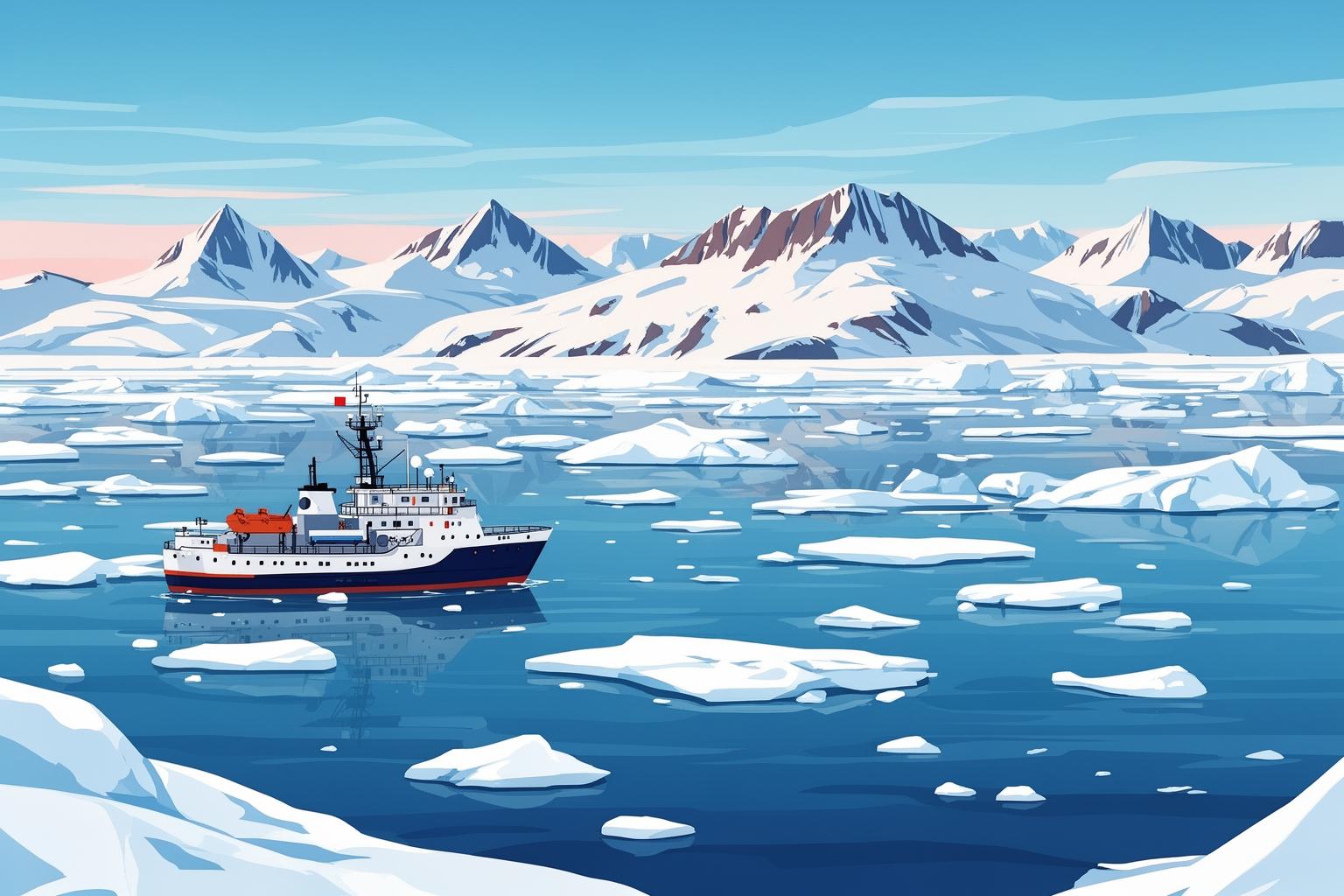
What attracts a soul to a place so seemingly inhospitable? Svalbard’s appeal lies not in comfort but in its raw authenticity. It is a land reduced to its bare essentials. Standing on the deck of a small expedition ship, navigating a fjord filled with ethereal blue icebergs, the noise of modern life fades away. It is replaced by the creak of the hull, the distant rumble of a calving glacier, and the cries of thousands of kittiwakes nesting on a sheer cliff face. The air is so pure it feels as if you’ve never truly breathed before. It is sharp, cold, and carries the scent of salt and ancient ice. This place recalibrates your sense of scale. A mountain that appears nearby might be a day’s journey away. A small, dark shape on a distant ice floe could be a seal or the very bear you hoped to see. Time itself behaves differently here. Under the Midnight Sun of summer, the day stretches into an endless, dreamlike glow of golden light. During the Polar Night, the world is bathed in the soft luminescence of moonlight and snow, interrupted by the dancing, otherworldly curtains of the Aurora Borealis. This environment has inspired countless explorers, scientists, and artists. You can feel the presence of whalers and trappers who carved out a hard living from this land. You sense the quiet dedication of the international researchers who study everything from geology to climate change, using Svalbard as a pristine natural laboratory. The atmosphere is one of profound humility. You are a guest in a powerful, unforgiving world. You are not in control here; the ice, the weather, and the wildlife are. This awareness is both daunting and deeply freeing. It is the feeling of connecting with something elemental—something that existed long before us and will endure long after. This is the true pilgrimage: not just to see an animal, but to sense your own place within the grand, indifferent, and magnificent tapestry of nature.
The King of the North: Understanding the Polar Bear in its Realm
The polar bear is more than just an animal; it embodies the very spirit of the Arctic. Its entire existence represents a masterpiece of evolution, finely tuned for this harsh and specific environment. Its thick blubber and dense, water-repellent fur provide insulation against the severe cold. Its enormous paws function like snowshoes, distributing its weight as it traverses thin ice, with rough pads and non-retractable claws offering traction. Its scientific name, Ursus maritimus, meaning “sea bear,” is well deserved. These powerful swimmers cover vast distances in frigid Arctic waters, using their front paws as strong paddles. Their primary hunting grounds are the sea ice, a floating platform from which they prey mainly on ringed and bearded seals. A polar bear’s life revolves around a constant energy balance—calculating calories gained versus calories spent. They wait patiently for hours, sometimes days, by a seal’s breathing hole in the ice, ready to strike at the perfect moment. This dependence on sea ice lies at the heart of their existence, but also their greatest vulnerability. As the climate warms and Arctic sea ice melts earlier in spring and forms later in autumn, the bears’ hunting season grows shorter. This forces them onto land more frequently, where food is scarce, resulting in malnutrition and increased encounters with human settlements. To see a polar bear in Svalbard is to witness both this struggle and this majesty up close. It is not a zoo viewing; the bear is not there for entertainment. You are a guest in its home. An ethical encounter acknowledges this power dynamic, which means observing from a safe and respectful distance and never disturbing the bear’s natural behavior. It means appreciating the sight of a bear walking peacefully along a shoreline, or a mother guiding her cubs across a vast ice field, without feeling the need to get closer for a better photo. Often, the most profound moments are the quietest: watching through binoculars as a bear digs a snow daybed, rolls on its back, or sniffs the air—a pristine image of wildness. Understanding the biology and plight of the polar bear transforms the journey from a simple sightseeing experience into a profound lesson in conservation and coexistence. You come to realize that the true reward is not a photograph, but the privilege of sharing a moment in its world—a moment that highlights our shared responsibility to protect it.
The Journey to the Edge: Reaching the High Arctic
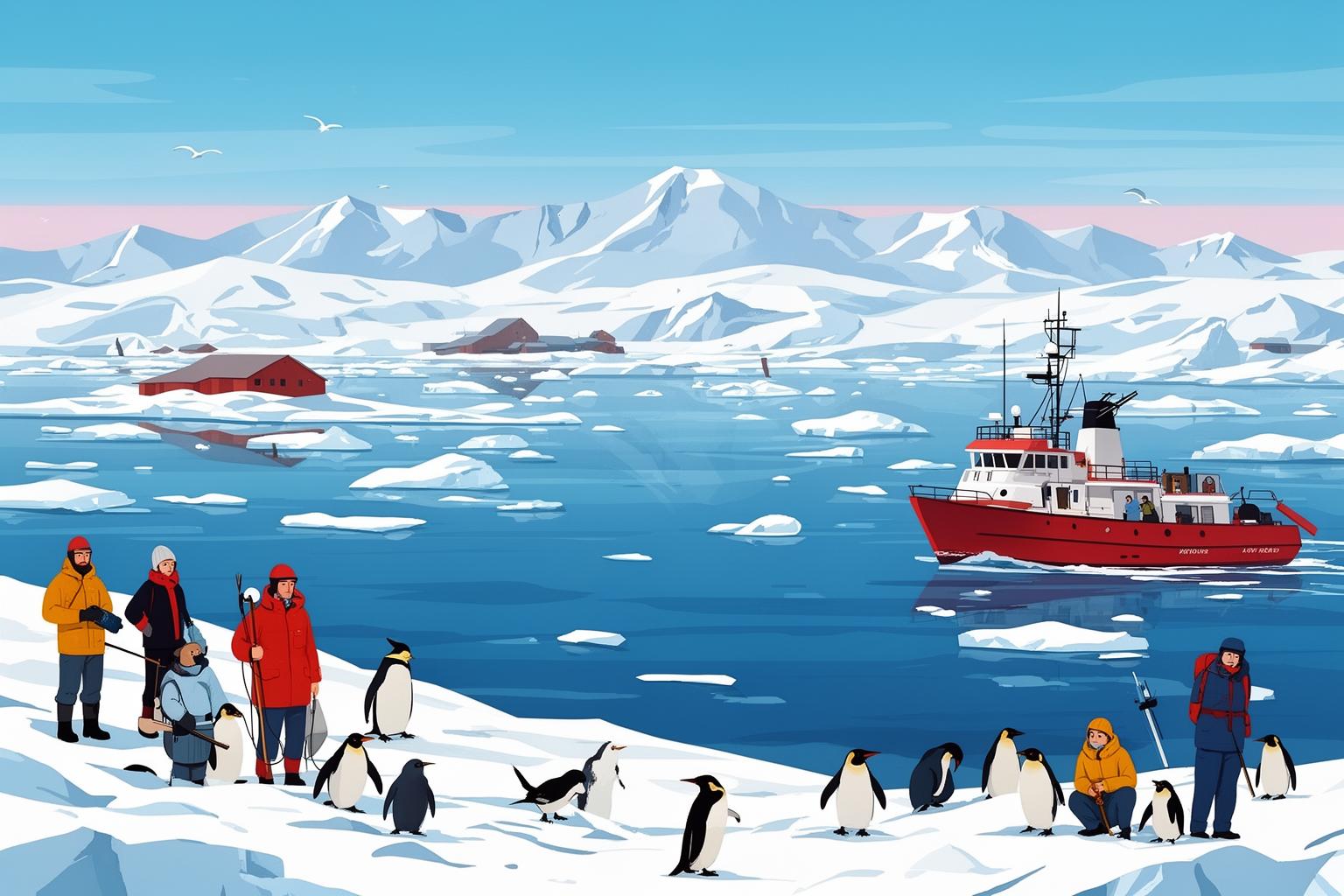
Your adventure to Svalbard begins well before you glimpse your first glacier. It starts with a journey to one of the northernmost airports in the world, located in Longyearbyen. For most travelers, reaching the archipelago means flying, usually from Oslo or Tromsø on mainland Norway. The flight itself is part of the journey. As you leave Norway’s coast, the landscape below changes dramatically. Green terrain fades into the dark, icy waters of the Barents Sea. Gradually, the first signs of Svalbard emerge on the horizon: jagged, snow-covered peaks rising straight from the ocean. The descent into Longyearbyen feels surreal. The runway lies in a broad, treeless valley, bordered by flat-topped mountains marked by glacial activity. Upon stepping off the plane, the air immediately strikes you—crisp, pure, and carrying a chill unlike any other cold you’ve experienced. Longyearbyen is a frontier town in every sense. It’s a small, practical settlement, a splash of color amid a monochrome landscape. Its roots lie in coal mining, which has largely diminished, but the town’s tough, utilitarian character endures. In winter, you’ll find more snowmobiles than cars parked outside homes. You’ll also notice the utilidor—a system of above-ground pipes transporting water, heat, and sewage, essential because the permafrost prevents underground installation. The most prominent rule for residents and visitors is the ever-present caution regarding polar bears. Though seeing a bear within the settlement is extremely rare, venturing beyond town limits legally requires carrying a rifle and knowing how to use it—not for hunting, but as a last-resort protection. As a tourist, you will always be accompanied by a professional guide responsible for this safety. This fact alone sets the tone for your visit: you are in polar bear territory. It fosters a profound respect for the environment and a constant, exhilarating awareness of the wilderness encircling this tiny human outpost. The initial hours in Longyearbyen are meant for acclimatization—not just to the climate but to this altered reality. It’s time to explore the small town center, visit the excellent Svalbard Museum to grasp the archipelago’s history, and prepare for the main event: the expedition into the true wilderness.
The Ethical Vessel: The Heart of Your Expedition
How you decide to explore Svalbard is the single most crucial choice you will make and ultimately determines whether your trip is ethical. Most of the archipelago is protected wilderness without roads or infrastructure. The only true way to immerse yourself in the polar bear’s environment is by sea. In this, the choice of vessel is vital. Forget the giant cruise ships common elsewhere. An ethical Svalbard expedition takes place on a small ship, usually carrying fewer than 150 passengers, often significantly fewer. These are ice-strengthened vessels designed for exploration, not entertainment. The luxury lies not in amenities like pools or casinos, but in access, expertise, and a philosophy of minimal impact. Smaller ships can navigate narrower fjords and approach interesting coastlines, providing a more intimate landscape experience. They also limit the number of people ashore at one time, greatly reducing the human footprint on sensitive tundra and historic sites. The most reputable operators belong to AECO, the Association of Arctic Expedition Cruise Operators, which enforces strict guidelines for responsible tourism, covering wildlife viewing distances and shore landing conduct. AECO members are dedicated to ensuring tourism does not disturb wildlife or harm the environment. A day aboard these expeditions teaches patience and observation, with the schedule dictated by ice, weather, and wildlife rather than a fixed itinerary. The captain and expedition leader constantly search for opportunities, adjusting course to investigate whale sightings or explore newly accessible fjords. The onboard experience focuses on education, with experts such as glaciologists, marine biologists, ornithologists, and historians delivering daily lectures that deepen understanding—turning a glacier into a tale of geological time and a flock of birds into a lesson in Arctic ecology. When a polar bear appears, strict protocols are observed: the ship slows down, and if possible, cuts its engines to drift silently. Announcements are whispered, and no pursuit occurs. The aim is to observe the bear naturally, without causing it to feel threatened or overly curious. If the bear alters its behavior—stops hunting or moves away—the ship moves on. The bear’s welfare always comes first. Zodiacs, the small inflatable boats used for landings and cruises, follow similar rules by maintaining respectful distances and often cutting engines for quiet observation. Choosing an operator committed to this philosophy is your promise to the Arctic, ensuring your presence supports rather than harms this incredible ecosystem. It means your money backs conservation-minded practices and funds the research vital to understanding and protecting this fragile environment.
Svalbard’s Other Wonders: Beyond the Polar Bear
While the polar bear may be the main attraction, focusing exclusively on this magnificent creature would mean overlooking the rich tapestry of life and landscapes that make Svalbard so enchanting. The archipelago serves as a sanctuary for an impressive variety of wildlife, each species showcasing the resilience of life in harsh conditions. On the rocky shores and ice floes, you are almost certain to encounter walruses. These enormous, tusked pinnipeds are highly social, often found resting in large, noisy, and odoriferous colonies. Watching them jostle for space, bellowing and grunting, is an unforgettable sensory experience. The surrounding waters also host several whale species. Keep an eye out for the spout of a humpback, the sleek back of a minke, or, if fortune favors you, the ghostly white silhouette of a beluga whale gliding through the shallows. On land, you will find the unique Svalbard reindeer, a subspecies found nowhere else on Earth. Smaller and stockier than their mainland relatives, with shorter legs and thicker coats, they are perfectly adapted to the severe environment. You might also catch sight of the elusive Arctic fox, a flash of white against the snow in winter or mottled grey-brown in summer, as it darts across the tundra, always opportunistic. For bird enthusiasts, Svalbard is a paradise, especially during summer. The cliffs transform into bustling, chaotic seabird colonies known as “bird cliffs.” Hundreds of thousands of Brünnich’s guillemots, little auks, and black-legged kittiwakes create a dizzying spectacle of sight and sound. Their immense numbers are staggering, and their role in the ecosystem is crucial, as their guano fertilizes the sparse tundra below, fostering pockets of lush green vegetation. The landscape itself plays a vital role in this grand scene. Svalbard’s glaciers are alive, groaning, cracking, and shifting as rivers of ancient ice carve their path through mountains to the sea. Witnessing a glacier calving—when a massive ice chunk breaks off and crashes into the water with a thunderous roar—is to experience nature’s raw power. The ice presents endless variety in shape and hue, from towering blue icebergs to delicate, translucent sea ice that tinkers like glass as the ship moves through it. During winter and early spring, the landscape becomes a pristine white expanse, offering snowmobiling and dog sledding adventures into silent, frozen valleys. You can explore shimmering ice caves, natural cathedrals sculpted by meltwater flowing beneath the glaciers. Then, of course, there is the light—the ethereal glow of the Midnight Sun that bathes the mountains in pink and gold for weeks, and the profound Polar Night that provides the best opportunity to witness the celestial dance of the Northern Lights, a spectacle so beautiful it can leave you speechless. Each of these elements adds depth to your journey, creating a holistic experience that celebrates the entire Arctic ecosystem, a world where every part is interconnected and equally magnificent.
Life on the Permafrost: The Community of Longyearbyen
Before you explore the vast wilderness or return with a heart full of icy vistas, it’s worthwhile to spend some time getting to know Longyearbyen. It is much more than just a logistical hub; it’s a unique and captivating community with its own distinct character. With a population of just over two thousand people from more than fifty different countries, it is truly an international settlement. This diversity fosters a vibrant, resilient, and surprisingly cosmopolitan atmosphere in one of the most remote places on Earth. A stroll through the town reveals its layered history. You’ll notice remnants of the old coal mining infrastructure, including the wooden cableway trestles winding across the hillsides—silent monuments to the industry that founded the town. Yet you’ll also find modern research facilities, a university center, and a surprising number of art galleries and high-quality restaurants. The culture of Longyearbyen is deeply influenced by its environment. There is a strong sense of community, with an understanding that people must rely on one another to thrive in such an extreme place. Customs that might seem unusual elsewhere are normal here. For example, you’ll be asked to remove your shoes when entering most buildings—from museums to hotels and private homes—a tradition originating from the mining days to keep coal dust out. You’ll learn about the Svalbard Global Seed Vault, a futuristic facility carved into the side of a mountain that stores duplicates of seed samples from around the world, serving as a last-resort backup for humanity’s food supply. Though you cannot go inside, seeing its entrance offers a powerful reminder of Svalbard’s global importance. Visit the Svalbard Museum for a comprehensive and beautifully curated overview of the archipelago’s 400-year history, from the first whalers to modern scientific endeavors. Explore Galleri Svalbard to see how this stark landscape has inspired artists. Enjoy a meal at one of the excellent restaurants, which range from gourmet Arctic cuisine to hearty pub fare—a welcome comfort after a day in the cold. It’s also a place to notice the small details of Arctic life. You won’t find any cats, as they are banned to protect the local bird population. The town graveyard stopped accepting new burials decades ago because the permafrost prevents bodies from decomposing. These details are not merely trivia; they offer insight into what it means to live where the rules of nature hold absolute sway. Longyearbyen stands as a testament to human adaptability—a small, warm heart within the vast, cold expanse of the Arctic.
Gearing Up for the High North: Practical Preparations
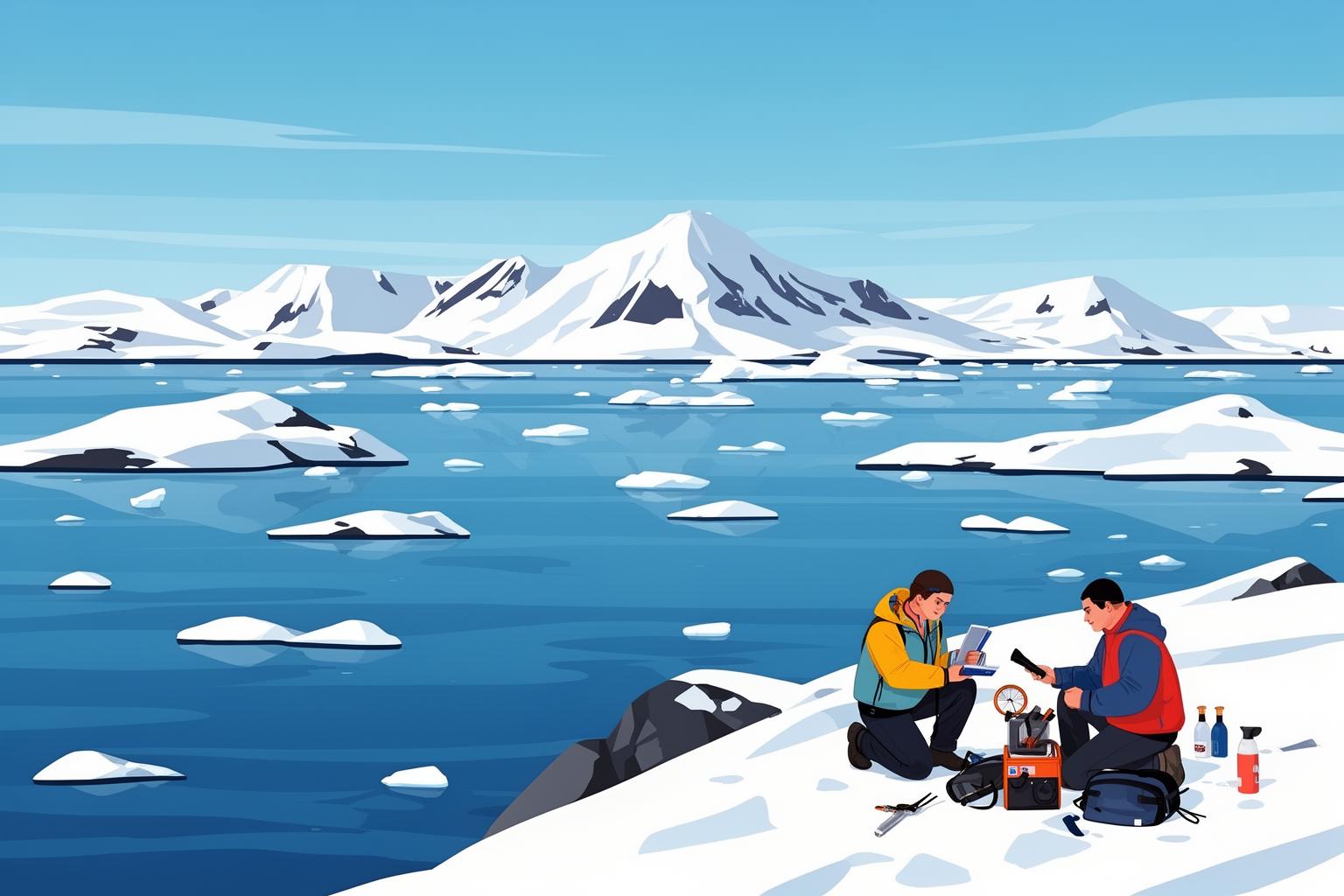
A journey to the Arctic demands careful preparation. The right equipment isn’t about style; it’s crucial for safety and comfort, enabling you to fully engage in the experience without being distracted by the cold. The fundamental principle is layering. Your clothing system should include three main layers. First, a base layer made of merino wool or high-quality synthetic fabric that wicks moisture away from your skin. Avoid cotton at all costs, as it holds moisture and will make you cold. Second, an insulating mid-layer, such as fleece or a down vest, which traps your body heat. Lastly, a waterproof and windproof outer shell to protect you from rapidly changing weather conditions. Quality waterproof trousers and a parka are essential. Since your extremities are most susceptible to the cold, invest in warm, waterproof boots with good traction for walking on snow and ice. Bring several pairs of warm socks, with wool being the best option. A warm hat that covers your ears, a neck gaiter or scarf, and well-insulated, waterproof gloves or mittens are indispensable. Many expedition companies supply heavy-duty parkas and insulated boots, so check with your operator before purchasing. Beyond clothing, other essentials are important. The sun, even if it seems weak, can be intense when reflected off snow and ice. Bring high-quality sunglasses or glacier glasses and strong SPF 50+ sunscreen. Binoculars are vital since much wildlife viewing will be from afar, allowing you to see details like the texture of a polar bear’s fur or the bright colors on a puffin’s beak. For photographers, preparation is key. Bring extra batteries, as cold temperatures drain them faster than usual. Store spares in an inner pocket close to your body heat. Have plenty of memory cards on hand. A polarizing filter can reduce glare from water and ice, and a sturdy tripod is useful for low-light situations, especially if you want to capture the Northern Lights. Lastly, mental preparation is essential. A Svalbard expedition is no guarantee of wildlife sightings. These are wild animals in a vast wilderness. You might see a dozen polar bears or none at all. It’s important to embrace the journey as it is: an opportunity to experience one of the world’s last great wild places. Manage your expectations and find joy in every aspect of the trip—the ice, the light, the silence, the talks, and the camaraderie among fellow travelers. The true magic of Svalbard lies in the experience as a whole, not in any single encounter. Approach it with an open mind and patient heart, and you will be rewarded in ways you cannot yet imagine.
A Pledge to the Arctic: The Traveler’s Responsibility
Visiting a place as fragile and pristine as Svalbard is a privilege that carries a deep responsibility. Here, the principle of “Leave No Trace” is not just a recommendation—it is essential. Every action you take can have an impact, and the aim is to keep that impact as minimal as possible. When you go ashore, you will be asked to walk carefully and stay with your group. The Arctic tundra is extremely delicate; its thin soil layer and slow-growing plants can be easily harmed by footsteps, with a single boot print lasting for decades. Do not pick flowers or take natural souvenirs like rocks, bones, or driftwood, as everything is part of the ecosystem. You will also be instructed to keep a safe distance from wildlife, both for your safety and, more importantly, for the animals’ well-being. Approaching too closely can cause stress, disrupt feeding or resting, or even lead a mother to abandon her young. Your guide will set a safe perimeter, and it is your responsibility to respect it. Follow your guides’ directions—they are highly trained professionals with extensive experience in this environment, and their instructions are designed to protect both you and the wildlife. Additionally, your responsibility extends to your economic choices. By selecting a responsible, AECO-affiliated tour operator, you support tourism that prioritizes conservation. In Longyearbyen, support local businesses by purchasing authentic souvenirs from local artisans instead of mass-produced items. Your journey is a chance to become an ambassador for the Arctic. The sights and knowledge you gain will stay with you forever. Share your experiences with friends and family—talk about the landscape’s beauty, the wildlife’s majesty, and the urgent threat posed by climate change. Use your voice and photographs to advocate for the protection of this vital region of our planet. A trip to Svalbard should transform you, deepening your appreciation for nature and sparking a passion for its preservation. Embracing your role as a responsible traveler is the most meaningful way to honor the Arctic for the wonders it has revealed to you.
Echoes of the Ice

Returning from Svalbard feels like emerging from a vivid dream. The silence of the fjords lingers in your ears, and the image of a glacier’s impossible blue is etched into your memory. You recall the chill of the icy wind on your face, the sound of a whale breaking the surface, and the sight of a polar bear moving with patient strength across its frozen realm. A part of your heart remains at the top of the world, yet you take with you a piece of the Arctic. It is a newfound awareness of wilderness, a deeper respect for the delicate balance of life, and a quiet but urgent sense of purpose. This journey does not end the moment you step off the plane at home. It is a pilgrimage that plants a seed of consciousness. It is an experience that urges you to live more mindfully, to advocate for the places without a voice, and to remember that we are all connected to this fragile planet. The spirit of the north, the magnificent sea bear, continues its ancient rhythm in its icy domain. The greatest gift from this journey is the inspiration to help ensure it endures forever.