Hello, dreamers and wanderers! It’s Sofia, ready to take you on a journey that’s a little different from our usual sun-drenched escapes. Today, we’re stepping off the beaten path and into the pages of a book, into the surreal, mesmerizing world of one of Japan’s most profound literary giants: Kobo Abe. If you’ve ever read his work, you know that landscapes in his stories are more than just settings; they are characters, prisons, and existential puzzles. He transforms the familiar chaos of Tokyo and the serene beauty of a sand dune into something deeply philosophical, something that gets under your skin and stays there long after you’ve closed the book. This isn’t just a tour; it’s an exploration of the psychological geography of modern Japan, a quest to find the tangible echoes of Abe’s abstract worlds. We’re going to chase the ghost of the Box Man through the neon-lit canyons of Shinjuku, feel the profound isolation of The Woman in the Dunes on a windswept coast, and trace the life of the master himself, from his birthplace in Tokyo to his final, peaceful resting place. This journey is about seeing Japan through a different lens, a fractured, beautiful, and utterly unforgettable perspective. It’s about finding the photogenic in the philosophical, the style in the surreal. So, pack your most comfortable shoes and your most curious mind. Our literary adventure begins in the very heart of the labyrinth where Kobo Abe’s story first took root.
If you’re captivated by the idea of tracing an author’s influence through a landscape, you might also be drawn to the stark beauty of an ethical pilgrimage to Svalbard.
The Concrete Jungle: Kobo Abe’s Tokyo
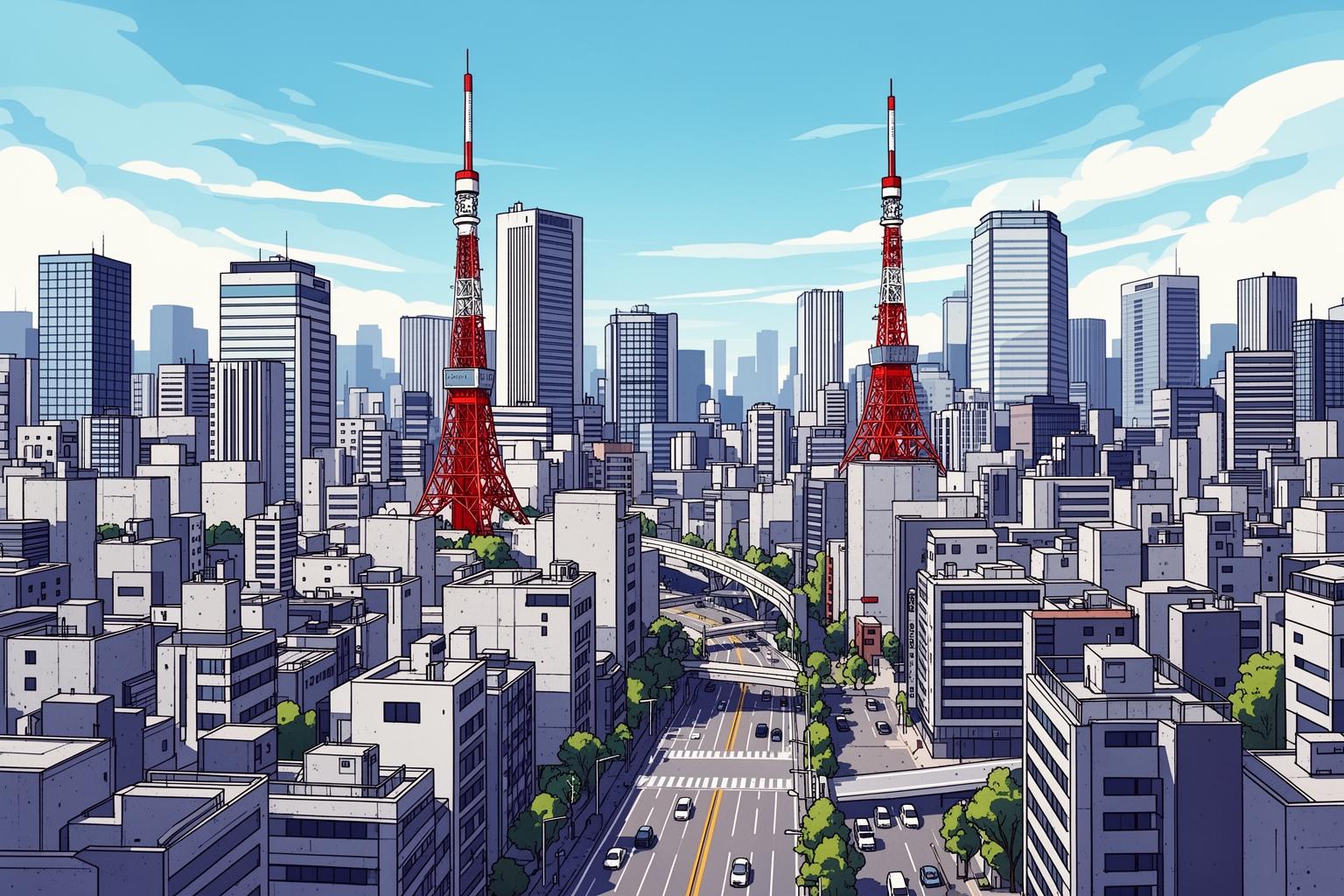
Tokyo is more than just a city; it’s a living, breathing entity—a vast metropolis that served as the central stage for Kobo Abe’s examinations of identity and alienation. To truly understand Abe, one must first grasp his Tokyo—a realm of boundless possibility and stifling anonymity. Our journey begins where his did, in the northern stretches of the city, moving inward toward the vibrant, glowing core that inspired much of his literary brilliance. Here, the concrete blends with the metaphysical, every street corner brimming with the potential for a story, as we start to unravel the layers of Abe’s intricate connection to his hometown.
Birth of an Avant-Garde Mind: Kita Ward
Every narrative has its starting point, and for Kobo Abe, that was Kita Ward. Born in 1924, this northern district of Tokyo might have looked very different then, yet its character as a predominantly residential, somewhat subdued area still holds. It’s an ideal place to begin our pilgrimage, offering a baseline and a glimpse into the ordinary world that Abe’s characters often struggle to escape or redefine. Kita Ward isn’t the ultra-modern Tokyo of dazzling billboards and bullet trains you might envision. Instead, it’s a charming mosaic of quiet residential streets, vintage shotengai shopping arcades, and expansive, lovely parks. It feels rooted, authentic, and distinctly local.
To truly soak in the atmosphere, I recommend a leisurely walk through Asukayama Park. It’s one of Tokyo’s oldest and most cherished public spaces, renowned for its cherry blossoms in spring. Picture a young Abe wandering these same paths, the sparks of his remarkable imagination beginning to ignite. The park exudes a nostalgic charm, with vintage trams running alongside it and even a small, free monorail, the “Asuka Park Rail,” ferrying visitors up the gentle hill. It feels like a place out of time, a perfect counterbalance to the surrealism Abe would later embrace. From the hilltop, the city unfolds—a vast sea of buildings embodying both promise and peril, a recurring theme in Abe’s works. Spending a morning here, sipping coffee from a local kissaten, allows a connection to the quiet origins of a writer who would go on to challenge literary conventions. For newcomers, Kita Ward offers a gentle introduction to Tokyo life beyond the tourist-packed districts. Access is very convenient; Oji Station, served by the JR Keihin-Tohoku Line and the Tokyo Metro Namboku Line, deposits you right at the park’s base. It’s a peaceful start to a journey into a beautifully complex mind.
The University Years: Hongo’s Academic Air
From Kita’s calm beginnings, we move to the intellectual forge that shaped Abe’s mind: the University of Tokyo. He enrolled in medical school in 1943, though his true passion lay elsewhere. The Hongo campus, holding the university’s main facilities, is a world unto itself. Passing through the famous Akamon (Red Gate) transports you to another era. The architecture, a grand blend of Japanese and Western styles, reflects a period of rapid modernization and intellectual curiosity in Japan. The atmosphere is thick with history and ambition, and you can almost sense the accumulation of knowledge nurtured here over generations.
The campus’s most iconic feature is the stunning ginkgo-lined avenue leading to Yasuda Auditorium. In autumn, this entire stretch transforms into a brilliant, almost surreal golden canopy. It’s a strikingly photogenic spot, ideal for reflection on the intellectual path Abe traveled. Although he showed little enthusiasm for his medical studies, this period saw him delve into philosophy, mathematics, and literature, absorbing the works of Kafka, Dostoevsky, and Poe. This academic environment, with its ordered quest for knowledge, must have stood in fascinating contrast to the chaotic, unpredictable worlds he began crafting in his writing. Visiting Hongo isn’t about locating a specific seat Abe once occupied; it’s about immersing yourself in the intellectual energy that shaped him. Wander the grounds at your leisure. Find a bench, open a book, and watch the students come and go. It’s a place of deep thought and quiet intensity. For a moment of serene reflection, visit Sanshiro Pond, a beautiful, heart-shaped pond tucked away within the campus—a small natural retreat. Reaching Hongo is easy via Hongo-sanchome Station on the Tokyo Metro Marunouchi and Oedo lines. It’s an essential stop for anyone intrigued by Japan’s intellectual heritage and a crucial piece of the Kobo Abe story.
Shinjuku: The Labyrinth of the Box Man
Now we plunge into the heart of the beast. If any place in Tokyo seems ripped straight from the pages of a Kobo Abe novel, it’s Shinjuku. This vast, frenetic, endlessly captivating district embodies the urban alienation and surrealism at the core of much of his work, especially The Box Man. The novel’s protagonist, who abandons his identity to live inside a cardboard box worn over his head, epitomizes the urge to disappear amid the overwhelming sensory overload of the modern city. Shinjuku is that city personified.
Shinjuku Station—the world’s busiest train station—is a dizzying maze of tunnels and exits capable of confounding even the most experienced traveler. This is your gateway. Allow yourself to become momentarily lost; it’s part of the experience. Emerging on the west side, you’re surrounded by the towering skyscrapers of the Tokyo Metropolitan Government Building—a cold, angular realm of concrete and glass. Ascend to the free observation decks for a breathtaking, almost unnerving view of the sprawling urban expanse. From here, people below resemble ants, their personal stories swallowed by the enormity. This viewpoint reflects the detached perspective of Abe’s narrators.
Crossing to the east side, the mood shifts dramatically. Here lies the Shinjuku of neon fantasies and hidden alleys. Your first stop should be Omoide Yokocho, colloquially known as “Memory Lane” or more colorfully, “Piss Alley.” This narrow, smoke-filled tangle of alleys is packed with tiny yakitori stalls, each seating only a few patrons. The air is rich with the aroma of grilled meat and beer, punctuated by laughter and conversation echoing from corrugated tin walls. It feels like a throwback to the post-war era when Abe was part of avant-garde artistic circles flourishing in these gritty, vibrant enclaves. Here, you can truly sense the city’s raw, human pulse.
From there, explore the celebrated Golden Gai district. This intricate maze of six narrow alleys houses over 200 tiny, quirky bars. Many date back to the mid-20th century, frequented by writers, artists, and filmmakers, including, reportedly, Kobo Abe himself. Each bar boasts a distinct theme and a devoted clientele, with some accommodating merely five or six guests. Walking through Golden Gai at night is like stepping into cinema—the dim glow of paper lanterns, the mismatched signs, the muffled melodies and conversations spilling from behind closed doors—all coalescing into an enchanting atmosphere. Visitors should note some bars are members-only, though many welcome newcomers; look for English signs or a friendly vibe. It’s an ideal place to enjoy a drink and envision the spirited, alcohol-fueled debates on art and existence that likely unfolded here. Shinjuku is a sensory immersion—it can be overwhelming, certainly, but equally exhilarating. It stands as the perfect physical embodiment of Abe’s examination of modern existence—a place to feel utterly isolated amid millions, where the boundary between reality and hallucination becomes thrillingly, terrifyingly thin.
Beyond the City: Echoes in the Landscape
While Tokyo served as Abe’s main laboratory for probing the human condition, his most renowned work transports us to a landscape that stands in stark contrast: a vast, elemental, and unavoidable world of sand. To truly grasp the breadth of his vision, we must leave behind the concrete maze and journey to a place where nature itself becomes the backdrop for a profound existential drama. This leg of our journey leads us to the coast of the Sea of Japan, to a site of immense beauty and unsettling force—a landscape forever linked to the legacy of his masterpiece.
The Shifting Sands of an Allegory: Tottori Sand Dunes
Kobo Abe never explicitly confirmed that the Tottori Sand Dunes served as the setting for his haunting 1962 novel, The Woman in the Dunes. Yet, standing before this immense, otherworldly terrain, one cannot help but feel a deep connection. The dunes, located in Tottori Prefecture, are Japan’s largest and among its most surreal natural wonders. Stretching 16 kilometers along the coast, they form a miniature desert that seems completely alien to the lush, mountainous Japan we commonly envision. Visiting the Tottori Sand Dunes is less like a beach trip and more like stepping onto another planet.
The experience here is richly atmospheric. The first time you crest a dune and behold the vast expanse of sand rolling toward the deep blue Sea of Japan, it truly takes your breath away. The scale is staggering. The silence, interrupted only by the wind’s sound, is profound. This is the essence of the novel’s setting: a world where the relentless, shifting sand commands the terms of existence. The protagonist, an entomologist trapped in a sand pit with a mysterious woman, must shovel sand day after day simply to survive. Surrounded by these massive, ever-changing dunes, you begin to grasp the physical and psychological weight of that struggle. It’s a place that makes you feel small, vulnerable, and deeply aware of nature’s power.
For your visit, the best times to experience the dunes are at sunrise or sunset. The low, golden light casts dramatic shadows, highlighting the remarkable rippled patterns in the sand known as fumon. The sky’s colors reflecting off the sand and sea are breathtaking. For a truly unique experience, try paragliding or sandboarding—activities that offer thrilling perspectives of the landscape. For a quieter, more reflective approach, simply walk. Remove your shoes and feel the sand’s texture, shifting from cool and firm to hot and soft throughout the day. Ascend to the highest point, Umanose or “horse’s back” dune, for the most commanding views. Near the entrance, you’ll find The Sand Museum, showcasing astonishingly intricate, large-scale sand sculptures by artists from around the world. Though themes vary annually, the artistry never fails to amaze.
Capturing the Dunes
From a photographer’s viewpoint, this place is a dream. The minimalist landscape provides endless opportunities for stunning compositions. Focus on the dance of light and shadow, the delicate textures of wind-blown ripples, and the striking contrast between the warm sand tones and the cool blues of the sea and sky. Look for solitary figures walking on the ridges to add scale and narrative to your shots. The weather can be dramatic here; a cloudy, moody day can be as photogenic as a sunny one, adding a layer of mystery that resonates with Abe’s novel. Protect your camera gear from the fine sand—a simple plastic bag can be invaluable. This isn’t just about capturing an image; it’s about conveying a feeling—of solitude, vastness, and the strange, unsettling beauty Kobo Abe portrayed so masterfully.
A Taste of the Coast
After a day exploring this elemental landscape, indulge in the exceptional local cuisine. Tottori is renowned for its seafood, especially the Matsuba crab, a winter delicacy celebrated for its sweet, succulent meat. You’ll also encounter fresh squid, rock oysters, and other treasures from the Sea of Japan. Savoring a meal of fresh seafood while gazing out over the water is the perfect way to ground yourself after a day spent in the abstract, philosophical world of the dunes. Reaching Tottori involves a bit of travel, typically via train or flight to Tottori City, from where the dunes are a short bus or taxi ride away. But the journey is more than worthwhile. It’s an essential pilgrimage for any admirer of Kobo Abe, offering the chance to physically inhabit the landscape of his most enduring allegory.
The Quiet Years and Final Rest
After the vibrant noise and chaos of Shinjuku and the elemental drama of the dunes, our journey shifts to a quieter, more contemplative path. Like many artists, Kobo Abe eventually sought refuge from the intense pressures of central Tokyo to concentrate on his work and life. The concluding chapters of our pilgrimage explore these more intimate spaces—places of creative refuge and, ultimately, lasting peace. These locations offer a different perspective on the man behind the surrealist masterpieces, revealing a grounded, private side deeply attuned to the subtle beauty of everyday life.
A Writer’s Sanctuary: Chofu
In his later years, Kobo Abe and his wife, the artist Machi Abe, settled in Chofu, a suburb in western Tokyo. This move marked a compelling shift from the chaotic urban scenes that characterized his earlier works. Far removed from Shinjuku’s neon glow, Chofu is primarily a residential city known for its green spaces, historic temples, and a gentler pace of life. It was here, in his home studio, that Abe continued writing, producing plays with his troupe, and nurturing his interests in photography and inventions. This was his sanctuary—the quiet workshop where his famously intricate ideas took shape.
Though his private residence is not open to tourists, you can still soak in the atmosphere Abe chose for his creative life by visiting Jindaiji Temple, one of the oldest and most beautiful temples in the Tokyo region. Strolling through the temple grounds feels like a step back in time. The air is perfumed with incense, and the venerable wooden structures are surrounded by a lush, expansive forest. The area around the temple is renowned for its traditional soba restaurants, many of which have been family-run for generations. Enjoying a meal of handmade soba noodles by a peaceful stream is a quintessential Chofu experience, offering a moment for quiet reflection.
Next to the temple lies the Jindai Botanical Gardens, a vast and meticulously maintained space showcasing a broad array of plants and flowers. It is a place of order, beauty, and calm observation—a stark contrast to the chaotic, entropic worlds found in his novels. One can imagine Abe discovering a peculiar sense of peace here, a respite from the existential anxieties he so masterfully explored in his work. Visiting Chofu highlights the importance of balance, suggesting that even an artist fascinated by labyrinthine complexity and absurdity needed simplicity, nature, and a tranquil home. This adds a vital, humanizing dimension to our understanding of the author. Chofu is easily reached from Shinjuku via the Keio Line, making it an ideal, peaceful day trip.
Serenity in Kamakura: A Final Resting Place
Our final stop is a place of profound beauty and historical importance: the coastal city of Kamakura. This ancient Japanese capital, with its numerous temples and shrines nestled among wooded hills, is where Kobo Abe was laid to rest after his death in 1993. His grave lies within a local cemetery, and while locating the exact spot may be a personal quest for devoted fans, the real reason for visiting Kamakura as part of this pilgrimage is to embrace the atmosphere of serenity and timelessness befitting the end of such a remarkable life.
Kamakura invites quiet reflection. Unlike Tokyo’s forward-looking energy, Kamakura’s spirit is rooted in its deep history as the first shogunate’s seat of power. This history permeates every corner—from the iconic Great Buddha (Daibutsu) at Kotoku-in Temple, sitting in peaceful contemplation for centuries, to the moss-covered steps of Hasedera Temple overlooking the sea. A visit here should be leisurely. Ride the charming Enoden electric railway, which clatters along the coastline and passes through tranquil residential neighborhoods, connecting major sites. Spend time at Zen temples like Engaku-ji or Kencho-ji, where you can walk beneath grand wooden gates and sit quietly in serene gardens. The rustling bamboo groves at Hokoku-ji Temple provide a soothing natural soundtrack for reflection.
Visiting Kamakura as the concluding stop on a Kobo Abe tour isn’t about morbidity; it’s about context. It’s about situating the life of a 20th-century avant-garde genius within the long, flowing continuum of Japanese culture and spirituality. Abe’s work often featured characters alienated from tradition, history, and community. Yet here, in his final resting place, he is part of a landscape rich in all three. It is a poignant and beautiful paradox. The journey ends not in a sandpit or a cardboard box, but in a place of enduring peace, embraced by the quiet dignity of nature and history. It offers a sense of closure—a final, peaceful note to a thrilling and thought-provoking symphony.
Planning Your Kobo Abe Pilgrimage
Exploring Kobo Abe’s Japan is a deeply rewarding journey, though it requires some planning to connect the diverse and intriguing locations. Consider it as weaving your own narrative, transitioning from the vibrant urban core of his life to the symbolic landscapes of his work. Here’s some guidance to help you create your own stylish and seamless literary adventure.
A Practical Itinerary
A sensible and engaging route is to begin where Abe began: Tokyo. Spend at least three to four days discovering the capital.
- Day 1: Start with quiet beginnings. Visit Kita Ward and Asukayama Park in the morning, followed by an afternoon at the University of Tokyo’s Hongo campus for an intellectual immersion.
- Day 2: Embrace the surreal. Dedicate the full day and evening to Shinjuku. Explore department stores and skyscrapers by day, then lose yourself in the charm of Omoide Yokocho and Golden Gai by night.
- Day 3: Find calm. Take a day trip to Chofu via the Keio Line. Visit Jindaiji Temple and its botanical gardens for a serene contrast to the city’s buzz.
From Tokyo, the next stage is a journey to the Tottori Sand Dunes. This requires a bigger commitment. The fastest option is a domestic flight from Haneda Airport to Tottori Airport. Alternatively, for a classic Japanese travel experience, take the Shinkansen (bullet train) to Okayama, then transfer to a limited express train to Tottori. Spend at least one full day and night there to enjoy the dunes at sunrise or sunset.
Lastly, Kamakura is a convenient day trip from Tokyo. You can visit it on its own or as bookends to your trip. The JR Yokosuka Line runs directly from Tokyo Station to Kamakura Station in about an hour, making it very accessible.
Getting Around
For a trip like this, the Japan Rail Pass is an excellent investment, especially if you plan to travel between Tokyo and Tottori by train. It covers all JR trains, including most Shinkansen (except the Nozomi and Mizuho services). Within Tokyo, a Suica or Pasmo IC card is vital for easily hopping on and off subways and local trains. Don’t be daunted by the Tokyo metro map; it’s highly efficient, and apps like Google Maps or Japan Transit Planner simplify navigation. In Tottori, local buses run frequently from the main station to the sand dunes.
What to Read Before You Go
To truly enrich your experience, immersing yourself in Abe’s writing is essential. Reading his works in the places that inspired them creates a magical connection.
- The Woman in the Dunes: Essential reading before visiting Tottori. Carrying the novel’s haunting atmosphere in your mind while wandering the dunes transforms the trip into a profound literary encounter.
- The Box Man: Read before or during your time in Tokyo. It will alter your perception of Shinjuku’s crowds and canyons, revealing the city’s anonymous corners and hidden lives.
- The Face of Another: Another Tokyo-focused novel exploring themes of identity, this book adds depth to your exploration of the city’s disorienting and transformative energy.
The Unseen Map of Kobo Abe
As our journey comes to an end, what remains is more than a mere collection of photographs and memories. We possess a new map of Japan, an unseen chart lying just beneath the familiar one given to tourists. This is a psychological map, crafted by Kobo Abe, revealing the anxieties, absurdities, and profound hidden beauties of modern life. Traveling through Abe’s world means realizing that a crowded intersection in Shinjuku can feel as isolating as an endless desert, while a quiet suburban temple can stand as a radical act of rebellion against chaos. His landscapes are not passive backdrops; they actively participate in the human drama, shaping and defining those who inhabit them. This pilgrimage teaches you to see the world differently, to seek the story beneath the surface, and to discover the surreal in the everyday. You come to understand that the labyrinth is more than a physical place—it is the condition of living in the modern world. And as you leave Japan, you carry a piece of that labyrinth with you: a beautiful, unsettling puzzle that lingers in your mind, urging you to keep questioning, exploring, and searching for the face behind the mask.