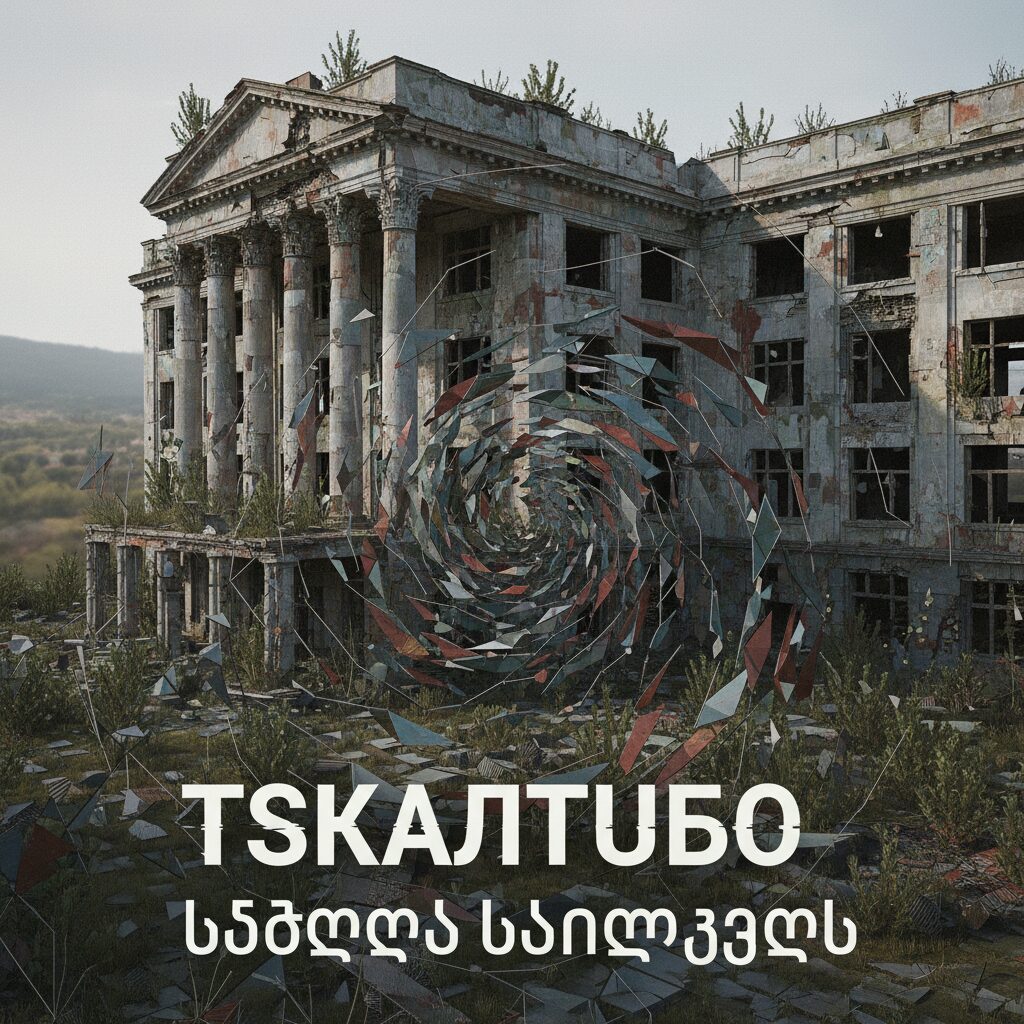
There’s a unique silence that lives in places abandoned by time but not by memory. It’s a quiet hum of what was, and a stark visual testament to what remains. Deep in the lush, rolling hills of western Georgia lies such a place: Tskaltubo. This isn’t just a town; it’s a sprawling, open-air museum of faded grandeur, a necropolis of Soviet utopian dreams. Once the glittering jewel of the USSR’s health tourism, a mandatory destination for workers and party elite seeking rejuvenation in its legendary radon-infused waters, Tskaltubo is now a phantom of its former self. Its magnificent sanatoriums, monuments of Stalinist Empire-style architecture, stand like sleeping giants, slowly being consumed by nature. For the urban explorer, the photographer, or the historian, this is not a ruin; it is a pilgrimage site. It’s a journey into a frozen moment of history, a place where the colossal weight of an empire’s collapse can be felt in the dust motes dancing in sunbeams that slice through broken windows. The air here is thick with stories—of healing, of ideology, of sudden abandonment, and of profound human resilience. To walk these silent corridors is to engage in a dialogue with ghosts, to photograph the beautiful, melancholic decay of a world that promised a perfect future and left behind a perfectly imperfect present. This is a journey that captures more than just images; it captures the very soul of an era.
This photographic pilgrimage to Tskaltubo shares a kindred spirit with the journey of chasing artistic legends through photography.
The Soviet Riviera: A Dream Built on Water and Ideology
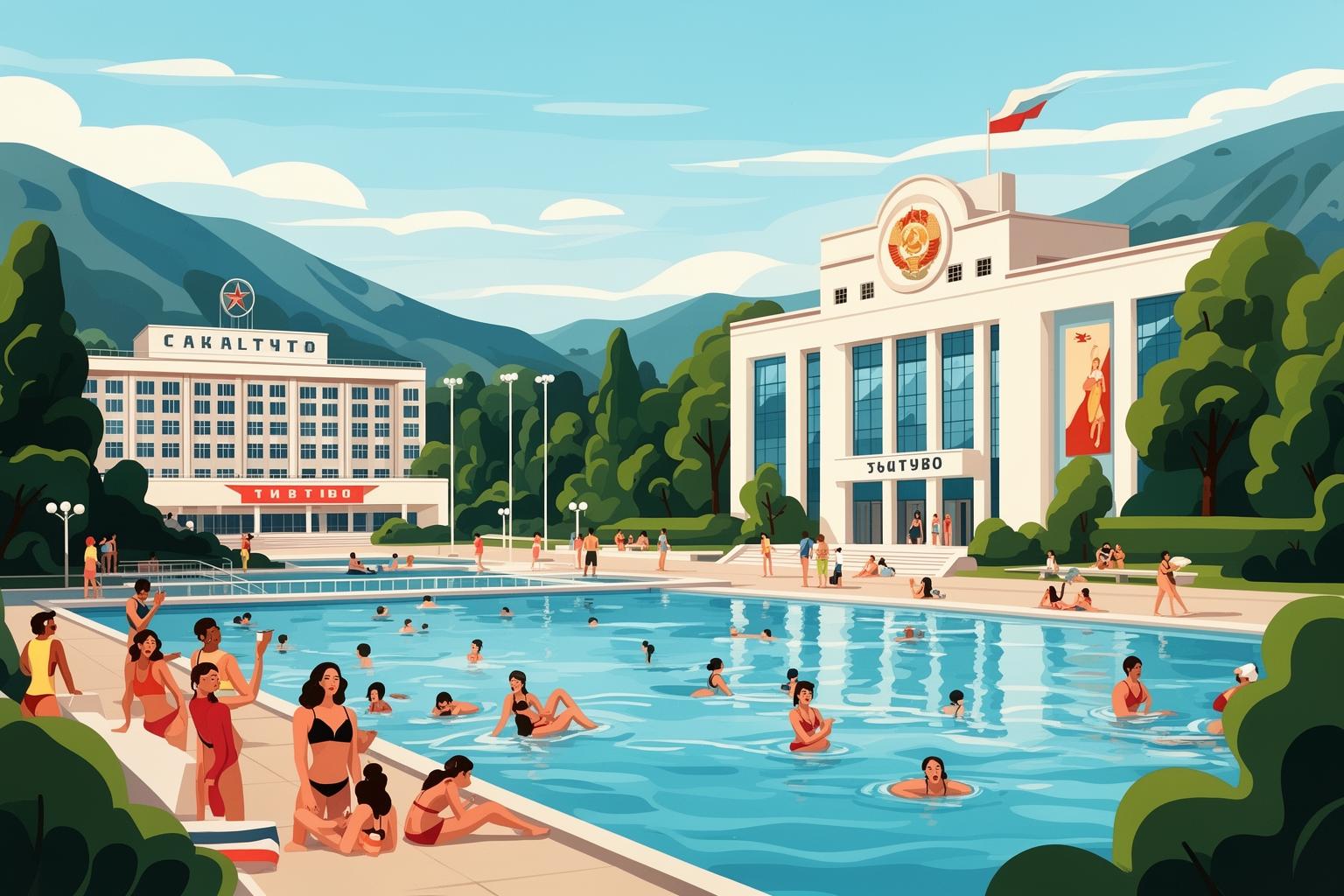
To truly appreciate the haunting beauty of Tskaltubo today, one must first comprehend the vast vision that brought it to life. This was far from an ordinary resort town. At its peak, under the direct patronage of Moscow and even Stalin himself, Tskaltubo was imagined as a workers’ paradise, embodying the Soviet Union’s dedication to the health of its proletariat. The town was carefully designed, a grand blend of neoclassical and Stalinist Empire architecture nestled within a lush, subtropical park. The unique healing qualities of its natural radon-carbonate mineral waters, which flow from the earth at a steady and ideal body temperature of 33-35°C, sparked this development. These waters were believed to treat numerous ailments, prompting the state to build an extensive infrastructure to deliver this natural therapy to the people.
Nineteen lavish sanatoriums and nine bathhouses were constructed, each a palace in itself, linked by a circular road and park system. Trains arrived straight from Moscow, bringing thousands of citizens sent by state doctors to stay here. It was a privilege, a reward for their work. Envision grand dining halls filled with the voices of factory workers from the Urals, miners from Siberia, and party officials from Leningrad, all mingling beneath crystal chandeliers. Imagine them wandering manicured gardens, attending evening concerts in ornate theaters, and, of course, taking their prescribed baths in the healing waters. The architecture played a crucial role in the therapy; it was made to awe and uplift. Towering colonnades, sweeping marble staircases, detailed friezes depicting heroic workers, and vast, airy lobbies were intended to convey the power, permanence, and benevolence of the Soviet state. It stood as a tangible symbol of a social contract: your labor for the state will be rewarded with rest and rejuvenation in a palace built for you. This background is essential, as the decay seen today signifies not only the deterioration of plaster and stone but the collapse of that very ideology. The crumbling facades and flooded ballrooms are physical reminders of the broken promise.
A New Chapter Written by Conflict: The IDP Presence
The collapse of the Soviet Union in 1991 cut off Tskaltubo’s lifeline. The influx of state-sponsored visitors stopped almost instantly, and the vast infrastructure, too costly to upkeep without Moscow’s support, began to deteriorate. However, the story took a sharply human turn. In the early 1990s, a brutal conflict in the nearby region of Abkhazia forced hundreds of thousands of ethnic Georgians to flee their homes. With nowhere else to turn, the Georgian government offered them shelter in the now-empty sanatoriums of Tskaltubo. What were once temporary refuges became permanent residences. For nearly thirty years, families have lived within these crumbling halls, raising children and grandchildren amidst the remnants of the Soviet elite.
This is what makes exploring Tskaltubo a truly unique experience compared to other abandoned sites. It is not completely deserted. It is a living ruin. As you walk down a dark, silent corridor, you might suddenly turn a corner to find a doorway with a welcome mat, hear the faint sound of a television, or smell food cooking. Laundry lines stretch across ornate balconies where party officials once smoked cigars. Makeshift walls divide grand ballrooms into small family apartments. This contrast is both startling and deeply moving. It stands as a testament to human resilience and the ability to create a home anywhere. It also calls for a different kind of respect from visitors. You are not merely in a ruin; you are passing through someone’s neighborhood, their home. It is crucial to be quiet, unobtrusive, and highly respectful of the residents. While many are friendly and used to curious visitors, this is their space. The presence of the Internally Displaced Persons (IDPs) adds a layer of living history that is both poignant and powerful, reminding us that beyond the sweeping narratives of empires and ideologies, there are always personal human stories of survival and endurance.
A Pilgrimage Through the Palaces of Decay: Key Sanatoriums to Explore
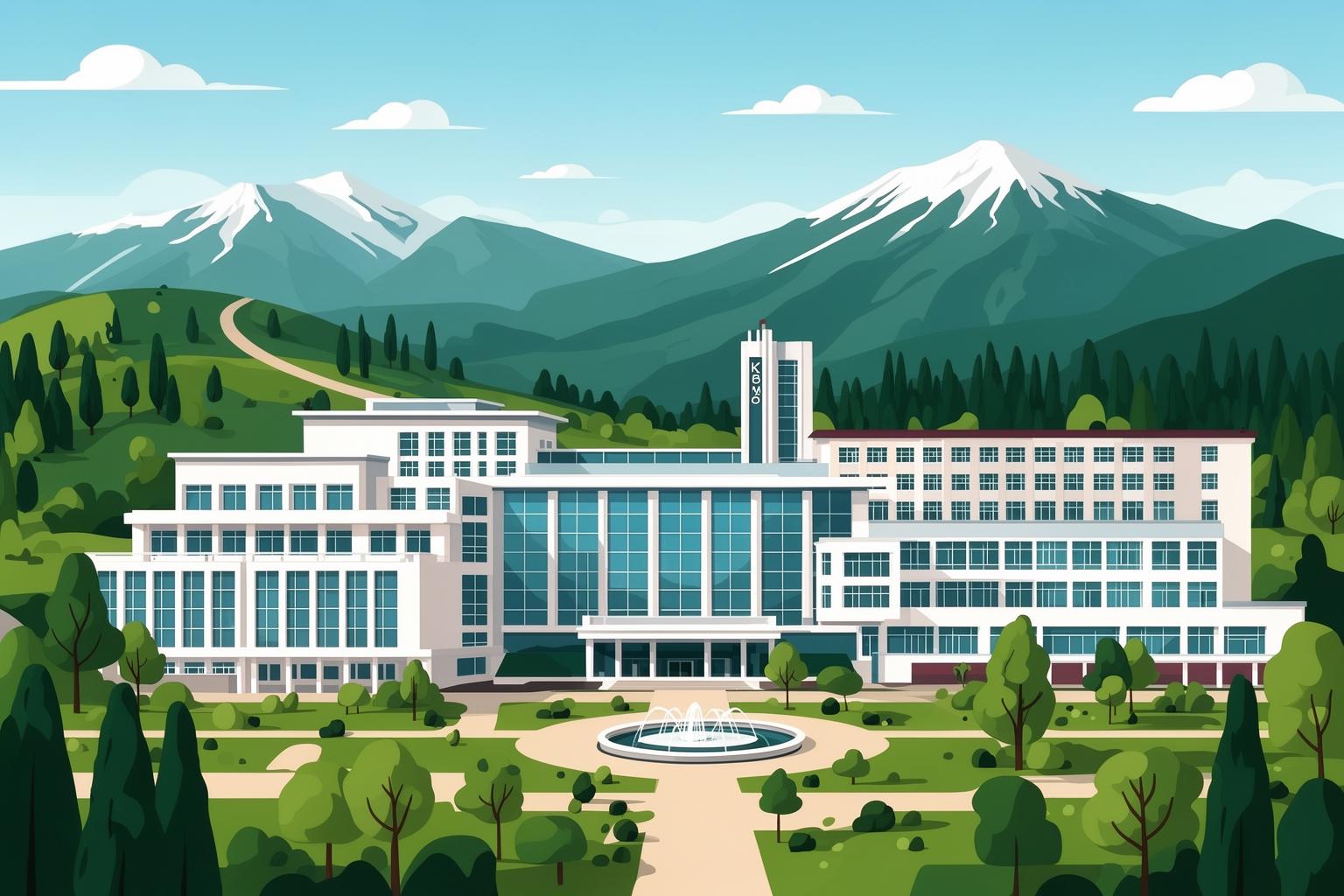
Each sanatorium in Tskaltubo possesses its own character, with stories whispered through its crumbling architecture. Although there are many to explore, a handful stand out as essential stops on any urban explorer’s journey. While it’s possible to walk between them if you’re determined, the sites are scattered around the central park, so hiring a local taxi for a few hours is a smart and affordable choice. The drivers know every location and can serve as invaluable guides.
Sanatorium Medea: The Grand Dame
Arguably the most iconic and photographed of all Tskaltubo’s sanatoriums, Medea (formerly Sanatorium Metalurgi) is a stunning masterpiece of Stalinist Empire architecture. Its vast scale is simply breathtaking. You approach through a grand, columned archway reminiscent of a Roman temple entrance. The facade is dominated by a towering portico, with massive columns supporting a pediment adorned with statues of workers. At the heart of Medea lies its main staircase. Upon entering the cavernous, echoing lobby, a colossal, three-pronged staircase sweeps upward toward a huge, now-shattered skylight. The scale is designed to dwarf you, impressing the power of the state that erected it. Sunlight filters through the broken glass, illuminating thick layers of dust and casting long, dramatic shadows. Exploring the building’s wings reveals endless corridors, rooms with peeling wallpaper in vivid floral patterns, and balconies overlooking overgrown grounds. You can find an old theater, its stage now covered in moss and debris, and the remnants of a library, with shelves still lining the walls. Medea is a perfect introduction to Tskaltubo, where grandeur and decay exist in dramatic balance. For photographers, this location is a dream: the symmetry of the main hall, textures of peeling paint, and light pouring into dark spaces offer endless compositional possibilities. You could spend hours here and still only scratch the surface of its mysteries.
Sanatorium Iveria: A Labyrinth of Light and Shadow
Where Medea embodies imposing grandeur, Iveria focuses on ethereal beauty and intricate details. It feels more intimate, like a decaying country palace. Its most renowned feature is a stunning circular rotunda on an upper floor, where light floods in from every angle, creating a soft, almost spiritual atmosphere. The true enchantment of Iveria lies in its details. Look closely at the walls, and you’ll discover delicate bas-reliefs and plasterwork—subtle artistic flourishes that have endured decades of neglect. The building’s complex, winding layout makes it a joy to get lost in. One corridor might lead to a sunlit solarium with floor-to-ceiling windows, while another descends into a dark, damp basement where rusting machinery lies in peace. The main entrance hall boasts a beautiful curved staircase that appears to float upward. Here, you can truly appreciate the blend of nature and architecture; vines creep through broken windows, and small trees have rooted on balconies, their green leaves vividly contrasting with pale, crumbling plaster. Iveria is also a place where the presence of internally displaced persons (IDPs) is often more visible, with inhabited areas clearly marked. It’s a poignant reminder of the building’s dual role as both a historic relic and a contemporary home.
Sanatorium Shakhtiori: The Miner’s Palace
Shakhtiori, meaning “The Miners,” serves as a monument to a specific group of Soviet workers. Its design is heavy, imposing, and powerful, much like the industry it honors. The entrance is flanked by striking bas-reliefs depicting miners at work, their heroic poses exemplifying socialist realism. The interior feels darker and more dramatic than some of the other sanatoriums. Its highlight is a small, semi-circular amphitheater or cinema. Standing on the stage, gazing out at the empty, decaying seats, is an incredibly atmospheric experience—you can almost hear the echoes of Soviet films and lectures that once filled the space. The building’s layout is straightforward, featuring long, straight corridors that create dramatic leading lines for photography. The rooftop offers one of the best panoramic views of Tskaltubo, showcasing how these grand structures nestle within dense green forest. Shakhtiori feels solid and melancholic, a fortress of ideology breached by time. It reflects a different facet of the Soviet dream—not only healing but also glorifying industrial labor.
The Central Bathhouses: Where Water Was Worshiped
Though the sanatoriums are the main attraction, the bathhouses lie at the core of Tskaltubo’s original purpose. Most are completely abandoned, but Bathhouse Number 6 remains operational, offering a fascinating glimpse into the past. Here, radon water treatments can still be experienced in rooms that appear untouched since the 1950s. However, the abandoned bathhouses are just as compelling. Bathhouse Number 5, for example, is a beautiful circular building with private bathing rooms radiating from a central hall. Each room contains a tiled tub, now filled with leaves and rainwater. The most famous is a semi-private bathing facility said to have been built for Stalin himself. It’s a small, tiled room—modest by today’s standards but a tangible link to the Soviet Union’s most powerful figure. Exploring these bathhouses offers a different perspective on Tskaltubo, focusing less on the grandeur of living spaces and more on the intimate, ritualistic process of healing that defined the town’s existence. The silence in these tiled, echoing chambers is profound—a stark contrast to the splashing and laughter that must once have filled them.
The Art of Urbex: Practical Guidance for a Respectful Exploration
Urban exploration in Tskaltubo is a memorable experience but demands preparation, awareness, and a strong sense of respect. This is not a polished tourist site; it is a raw, unmanaged setting with inherent dangers and a resident community that must be considered.
Navigating with Respect
The key rule in Tskaltubo is to remember you are a guest. Many buildings, even those that seem completely abandoned, shelter IDP families. Act as if you’re walking through a residential area. Keep your voice low. Avoid looking into windows or doorways that appear occupied. If you notice personal items, laundry, or any signs of life, steer clear of that area. A simple nod or a quiet “Gamarjoba” (hello in Georgian) to anyone you encounter goes a long way. Never enter areas that are clearly blocked off or have closed doors. Residents are generally used to visitors, but maintaining respectful behavior helps ensure this unique access remains available to future explorers. Avoid large, noisy groups; exploring alone or with one or two quiet companions is the best way to appreciate the atmosphere and show respect.
Safety and Preparation
These buildings have been deteriorating for over thirty years and are unsafe. You explore at your own risk. Floors may be weak, ceilings could collapse, and broken glass and rusty metal are everywhere.
- Footwear is Essential: Wear sturdy, closed-toe boots with thick soles. A rusty nail or glass shard can quickly end your exploration.
- See and Be Seen: A powerful flashlight or headlamp is vital, even in daylight. Many hallways and basements are completely dark, and good lighting is crucial for spotting hazards like open elevator shafts or floor holes.
- Breathe Safely: The air inside is thick with dust, mold, and plaster particles. If you are sensitive or plan to spend hours inside, wearing a dust mask (such as an N95) is highly recommended.
- First Aid: Bring a small first-aid kit with antiseptic wipes, bandages, and plasters. Small cuts and scrapes are common.
- Stay Connected: Make sure your phone is fully charged and consider a portable power bank. While immersion is key, having a way to call for help or check a map is important.
What to Bring for the Journey
Your day pack for Tskaltubo should be light but well-equipped. Besides safety gear, bring plenty of water and snacks. Shops near the sanatoriums are scarce, and walking around, especially in summer, can dehydrate you. For photographers, this is a great opportunity to get creative. A wide-angle lens is perfect for capturing the scale of grand halls and staircases. A prime lens with a wide aperture (like a 50mm f/1.8) is ideal for low-light interior details. A tripod is highly advised, as interiors are dark and long exposures are needed to capture the full dynamic range and evoke stillness and motion in the dust-filled air. Above all, bring curiosity and an open heart. The emotional impact of Tskaltubo is as profound as its visual impression.
Beyond the Ruins: Tskaltubo’s Living Heart and Surrounding Wonders

While the abandoned sanatoriums remain the main attraction for many visitors, Tskaltubo and its surrounding area offer much more than just beautiful ruins. Exploring the vibrant parts of the region reveals a richer, more complete perspective of this intriguing corner of Georgia.
Tskaltubo Central Park and Bathhouse Number 6
The expansive central park linking the sanatoriums remains a charming and tranquil spot for a walk. Although some sections are overgrown, the main pathways are kept up, and locals frequently enjoy the green space. It reflects the town’s original vision as a garden city. The park also houses the notable Bathhouse Number 6. Even if you don’t partake in a treatment, it’s worth a visit to experience a living piece of history. The architecture and interior have been preserved, and the staff continue the balneotherapy traditions that once made Tskaltubo famous. This creates a meaningful contrast, providing a living connection that enhances understanding of the silent giants surrounding it.
Stalin’s Dacha
Nestled on the outskirts of the park, concealed among trees, is a modest dacha (summer residence) once reserved for Joseph Stalin. He was known to visit Tskaltubo for its therapeutic waters. Though the dacha is a simple green-painted house, it offers a direct, personal link to the area’s history. It’s a peaceful, reflective spot highlighting the immense power and influence that once centred on this small Georgian town.
A Base in Kutaisi
Only a 20-minute drive from Tskaltubo lies Kutaisi, Georgia’s third-largest city and one of the oldest continuously inhabited cities worldwide. It serves as an excellent base for exploring the region. Kutaisi features a charming, beautifully restored city center with a lively market, excellent restaurants offering delicious Imeretian cuisine, and a variety of accommodations. Its historical landmarks, including the impressive Bagrati Cathedral and Gelati Monastery (a UNESCO World Heritage site), are well worth visiting. Spending your evenings in bustling Kutaisi after a day of quiet, melancholic exploration in Tskaltubo creates a perfect travel balance.
Natural Wonders of Imereti
The area around Tskaltubo is abundant in natural beauty. Just a short drive away, the Prometheus Cave showcases a stunning karst system with underground rivers and breathtaking formations. Nearby, the Okatse and Martvili Canyons offer hiking and boat tours through spectacular scenery. Including these natural wonders in your itinerary adds a wonderful contrast to the man-made decay of the sanatoriums and highlights the extraordinary diversity of Georgia.
The Photographer’s Perspective: Capturing the Soul of Tskaltubo
For a photographer, Tskaltubo is much more than just a location; it represents a complex visual narrative. It offers a study in texture, light, and the relentless passage of time. My own approach, informed by a fascination with how history leaves its mark on physical spaces, found a profound connection here. There is a certain East Asian aesthetic sensibility at play, often likened to the Japanese concept of wabi-sabi, which embraces the beauty in imperfection and impermanence. Tskaltubo stands as a grand, unintended monument to this philosophy.
The Dance of Light
Light takes center stage in the story of Tskaltubo’s decay. The prime times for shooting are early morning or late afternoon. Low, angled sunlight streams through tall windows, casting long, dramatic shadows that highlight the texture of peeling paint and crumbling plaster. These beams of light pierce the dusty air, forming visible rays that seem almost tangible—an enchanting effect on camera. While midday light can be harsh, it works well for creating high-contrast, graphic images, particularly when capturing symmetrical architectural features. Do not shy away from the darkness; deep shadows are just as crucial as the highlights, adding mystery and depth that guide the viewer’s eye through the composition.
Composing Decay
The architecture itself offers powerful compositional elements. Long, repeating patterns of corridors and columns create ideal leading lines. Broken windows and crumbling doorways act as natural frames, introducing layers to your composition. Focus on details that tell a story: a lone chair in an empty ballroom, a decaying piano with exposed keys, Soviet-era newspapers used as insulation, or the delicate moss patterns spreading over a marble balustrade. The contrast between the rigid, geometric architectural lines and the chaotic, organic forms of nature reclaiming the space is a central motif. Seek out places where these two forces meet—where vines twist around columns or roots break through tiled floors. This intersection lies at the core of Tskaltubo’s visual narrative.
The Human Element
Capturing the human element is a subtle yet essential aspect of photographing Tskaltubo. This doesn’t necessarily mean taking portraits of the IDP residents, which should be done only with explicit and enthusiastic consent. Rather, it involves capturing the traces of life they leave behind: a laundry line stretched against a grand facade, a child’s bicycle resting against a crumbling wall, a satellite dish attached to an ornate balcony. These details transform the images beyond mere architectural abstractions into compelling stories of resilience. They prevent the place from becoming simple “ruin porn,” grounding it instead in a living, breathing reality. This is the visual proof of the second life these buildings have assumed—a life far removed from their original purpose, yet no less meaningful.
A Final Echo
A journey to Tskaltubo stays with you long after you’ve brushed the plaster off your clothes. It’s a place that poses more questions than it provides answers for. It invites reflection on the nature of empires, the ambitions behind ideologies, and the vulnerability of human creations against the passage of time. Yet, it’s not a somber place. There is a profound and defiant beauty in how nature has softened the harsh lines of Soviet concrete, and an inspiring resilience in the people who have made their homes amidst the ruins. Visiting Tskaltubo is like walking through a dream, a memory, and a living community all at once. It is a pilgrimage to a place where the past is not dead; it is not even past. It lives on in every crumbling colonnade and every ray of sunlight breaking through the darkness, ready to share its silent, powerful story.