There’s a moment when you first enter Yosemite National Park when the world outside simply melts away. It’s a quiet dissolve, a gentle surrender to a scale that defies human comprehension. The air changes, carrying the scent of pine and damp earth. The light filters through ancient trees, dappling the road in a shifting mosaic. Then, the valley opens up, a revelation carved from pure granite and sky. This is not merely a park; it is a sanctuary, a cathedral of nature that has called to souls for millennia. It is a place that feels both ancient and alive, a landscape so profound it has become a sacred text for artists, poets, conservationists, and wanderers from every corner of the globe. For many, Yosemite is the landscape that photographer Ansel Adams taught us how to see, a world of dramatic light and shadow, of stark contrasts and subtle textures. It is the wilderness that author and naturalist John Muir championed with a fierce and poetic love, his words echoing in the roar of its waterfalls and the whisper of its winds. To visit Yosemite for the first time is not just a vacation; it is a pilgrimage. It is a chance to walk in the footsteps of giants, both geological and human, and to find a piece of that wild, untamable spirit within yourself. This three-day journey is designed to be an immersion, a deep breath of mountain air that will fill your lungs and linger in your memory long after you’ve departed. It’s an introduction to the icons, a taste of the trails, and an invitation to begin your own lifelong conversation with this incredible place. Let the granite walls be your guide and the rhythm of the river be your soundtrack. Welcome to Yosemite.
If you find yourself drawn to the idea of a spiritual journey through a historic landscape, you might also enjoy a pilgrimage to the coastal shrines of Kamakura.
Before You Arrive: Preparing for Your Yosemite Journey
A pilgrimage to a place as revered as Yosemite requires more than just a map and a full tank of gas. It calls for some foresight and thoughtful preparation, enabling you to fully immerse yourself in the experience upon arrival. The effort you put in beforehand rewards you with peace of mind, allowing the park’s magic to take hold without the distraction of logistical challenges. Think of it as tuning your instrument before a grand performance; the preparation is an essential part of the art itself.
The Sacred Art of Timing Your Visit
Yosemite does not have just one season; it boasts a revolving wardrobe of four distinct and breathtaking personalities. Deciding when to visit is the first and most crucial choice, shaping your entire experience. There is no “best” time, only the time that best suits the Yosemite you want to encounter.
Spring, from April to June, is a season of vibrant life. This is the time of waterfalls. Winter snowpack in the High Sierra melts into torrents, and every cascade in the park thunders with power. Yosemite Falls, Bridalveil Fall, Vernal Fall—they reach their peak, spraying mist that feels like a cleansing rain along the trails. Wildflowers burst across meadows and hillsides in a riot of colors, while dogwood trees bloom with delicate white blossoms. The air is fresh and cool, but be ready for changing weather; sunny afternoons can quickly turn to chilly, rainy evenings. Some higher elevation areas may still be snowy or closed, but the Valley floor thrives as a vibrant, roaring spectacle.
Summer, from July to September, reveals Yosemite in its most expansive and popular form. Days are long, warm, and mostly sunny—ideal for long hikes and alpine adventures. The entire park, including the high-country splendor along Tioga Road and Glacier Point Road, becomes fully accessible. Waterfalls ease back from their spring torrents to a gentler flow, while the granite domes and alpine lakes shine at their best. As peak season, the park is shared with many other visitors. The key to a summer visit is to rise early, use the excellent shuttle system, and explore less-traveled trails to find moments of solitude.
Autumn, from October to November, offers serene beauty bathed in golden light. Summer crowds thin out, and a peaceful quiet settles over the valley. The air becomes crisp and clear, and big-leaf maples and black oaks burst into shades of gold, amber, and crimson, contrasting beautifully with grey granite and deep green pines. Waterfalls often dwindle to trickles, but the gentle flow of the Merced River reflecting autumn colors creates its own masterpiece. It’s a contemplative, poetic time ideal for photographers and those seeking a tranquil connection with the landscape.
Winter, from December to March, transforms Yosemite into a hushed, monochrome scene reminiscent of an Ansel Adams photograph. A thick snow blanket silences the landscape, dusting granite cliffs and towering sequoias in white. The park reaches its most peaceful state, offering profound solitude. While major roads like Tioga and Glacier Point close, Yosemite Valley remains accessible, presenting unique winter activities like snowshoeing, cross-country skiing, and ice skating with views of Half Dome. Waterfalls may be adorned with ice, and rare phenomena such as frazil ice flow turn creeks into surreal, slushy displays. Winter requires preparation for cold, snowy conditions, but the reward is an unparalleled experience of serenity.
Securing Your Passage: Reservations and Logistics
Yosemite’s secret is no longer hidden, and to protect its fragile ecosystems and ensure a quality visitor experience, the National Park Service has instituted reservation systems, especially during peak seasons. Checking the official National Park Service website for the most up-to-date information on entrance reservations is essential. Do not assume you can simply drive in during busy summer months. This system, although requiring planning, prevents past gridlock and preserves the park’s tranquil atmosphere.
Accommodations must be arranged months or even a year in advance. Staying inside Yosemite Valley is a truly magical experience—waking up to see sunrise hit Half Dome from your window or walking to a trailhead from your room offers unmatched convenience. Options range from the rustic canvas tents of Curry Village and the classic motel-style rooms of Yosemite Valley Lodge to the historic grandeur of the Ahwahnee Hotel—all of which fill up quickly. If you cannot secure lodging inside the park, nearby gateway towns like El Portal, Groveland, Mariposa, and Oakhurst provide a wide variety of hotels, motels, and vacation rentals. Just remember to account for daily driving time to and from the valley, which can be an hour or more each way.
Packing for a Pilgrimage
Packing for Yosemite means preparing for a vast landscape with shifting moods. This is no place for flimsy footwear or just one jacket. Layers are key. Sierra Nevada weather can change dramatically during the day and with elevation. A cool, misty morning may give way to a hot, sun-filled afternoon, followed by a surprisingly chilly evening. Begin with a moisture-wicking base layer, add an insulating layer like fleece or down vest, and top it with a waterproof, windproof outer shell. This layering system lets you adapt to whatever mountain conditions arise.
Sturdy, comfortable, well-broken-in hiking shoes or boots are essential. Your feet are your primary means of reaching the park’s wonders, so treat them well. Even if you plan only short, paved walks, proper footwear makes a significant difference. Bring a daypack to carry trail essentials: at least a liter of water per person (more for strenuous hikes), high-energy snacks such as nuts and granola bars, a map, sunscreen, a hat, and sunglasses. A basic first-aid kit is wise as well. And, of course, bring your camera—whether a professional DSLR or your phone—as you enter one of the world’s most photogenic landscapes. Consider including a journal too. Following Muir’s tradition, pausing to sit, observe, and jot down your impressions can deepen your connection to Yosemite in a powerful way.
Day One: The Grand Arrival and the Valley’s Icons
Your first day centers on introduction and orientation—allowing the vastness of Yosemite Valley to envelop you. It’s a day meant for awe, filled with those jaw-dropping moments that will shape your memories of this place. The itinerary is crafted to lead you from one iconic sight to the next, helping you gradually absorb the grandeur surrounding you.
Morning: Walking Among Ancient Giants
Many first-time visitors enter the park from the south on Highway 41, which provides the perfect opening to your Yosemite experience: the Mariposa Grove of Giant Sequoias. Even before you reach the famous granite cliffs of the valley, you’ll stand among the largest living organisms on Earth. It’s the ideal way to recalibrate your sense of scale.
The Sentinels of Mariposa Grove
Park your car and take the shuttle up to the grove. The moment you step off and onto the trail, the temperature drops, and a quiet reverence descends on the forest. These aren’t just towering trees—they are ancient entities. Their cinnamon-red bark, marked by centuries of fire and weather, rises like the pillars of a vast, living cathedral. Wander along the Big Trees Loop Trail, an easy and accessible path introducing you to these giants. You’ll encounter the Fallen Monarch, a colossal sequoia lying on the ground, with a hollowed trunk you can walk through, giving you a tangible sense of its immense size. Yet the true highlight is the Grizzly Giant. Estimated to be around 2,700 years old, it has stood here since before the Roman Empire. Its immense, gnarled limbs stretch out in all directions, each thicker than most ordinary trees. Stand at its base, look up to its crown, and feel the immense weight of time. It’s a humbling encounter—a reminder of nature’s resilience and majesty—that recalibrates your perspective for the splendors still ahead.
Afternoon: The Dramatic Reveal
After your morning among the sequoias, continue driving toward Yosemite Valley. The road winds through forests, building anticipation. Then you reach a tunnel. As you emerge from the darkness of the Wawona Tunnel, the world bursts open into one of the world’s most renowned and stunning panoramas.
The First Glimpse: Tunnel View’s Timeless Panorama
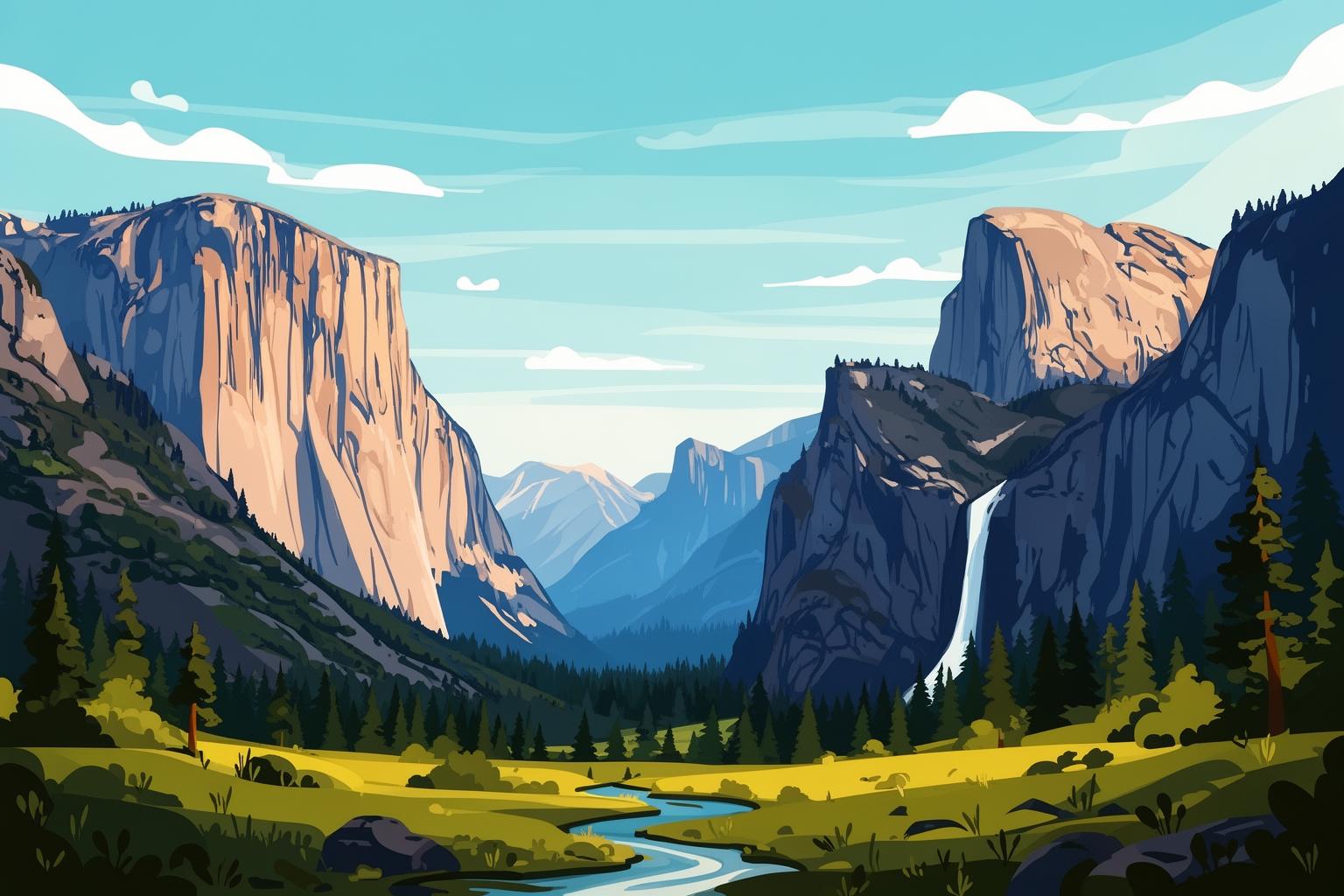
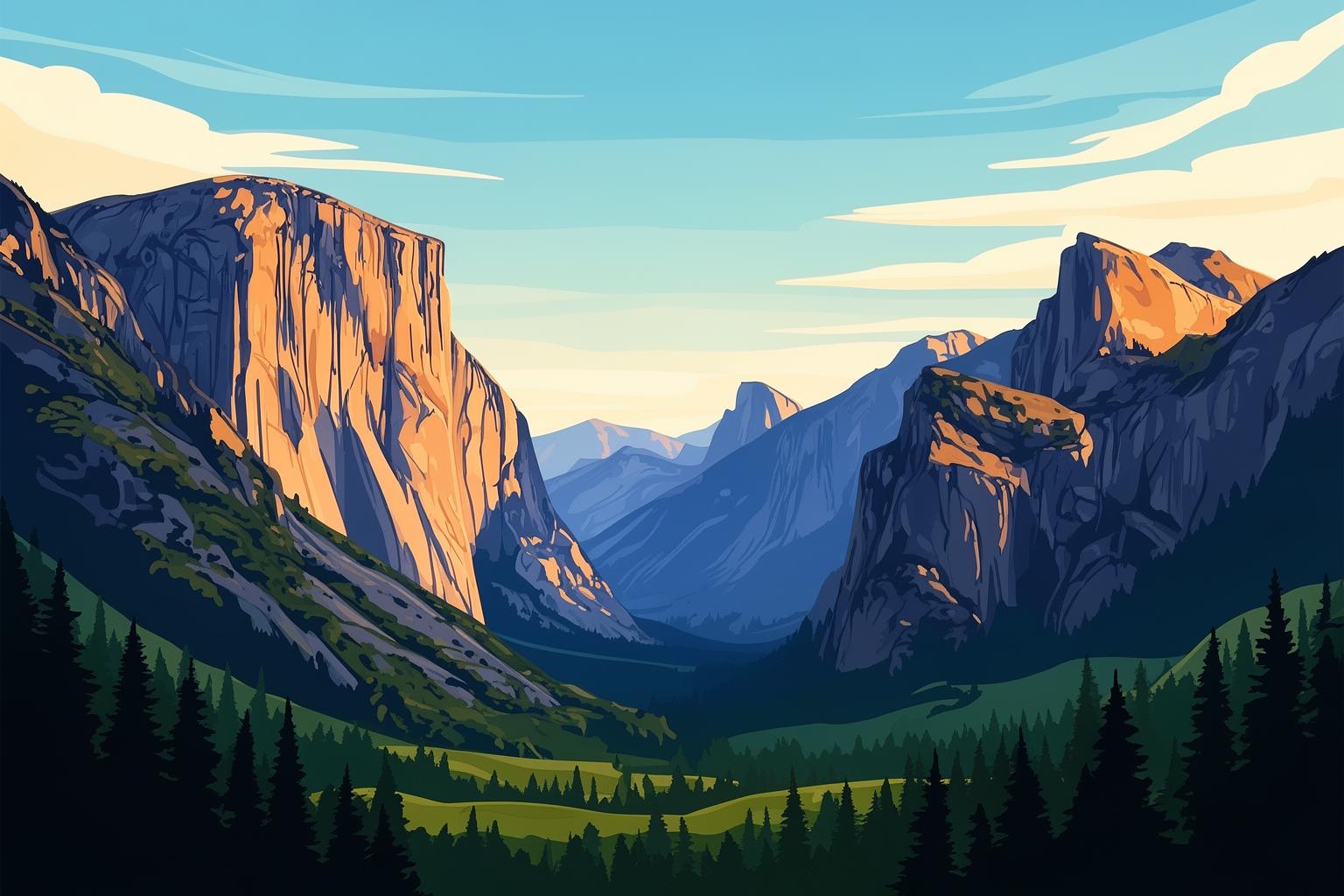
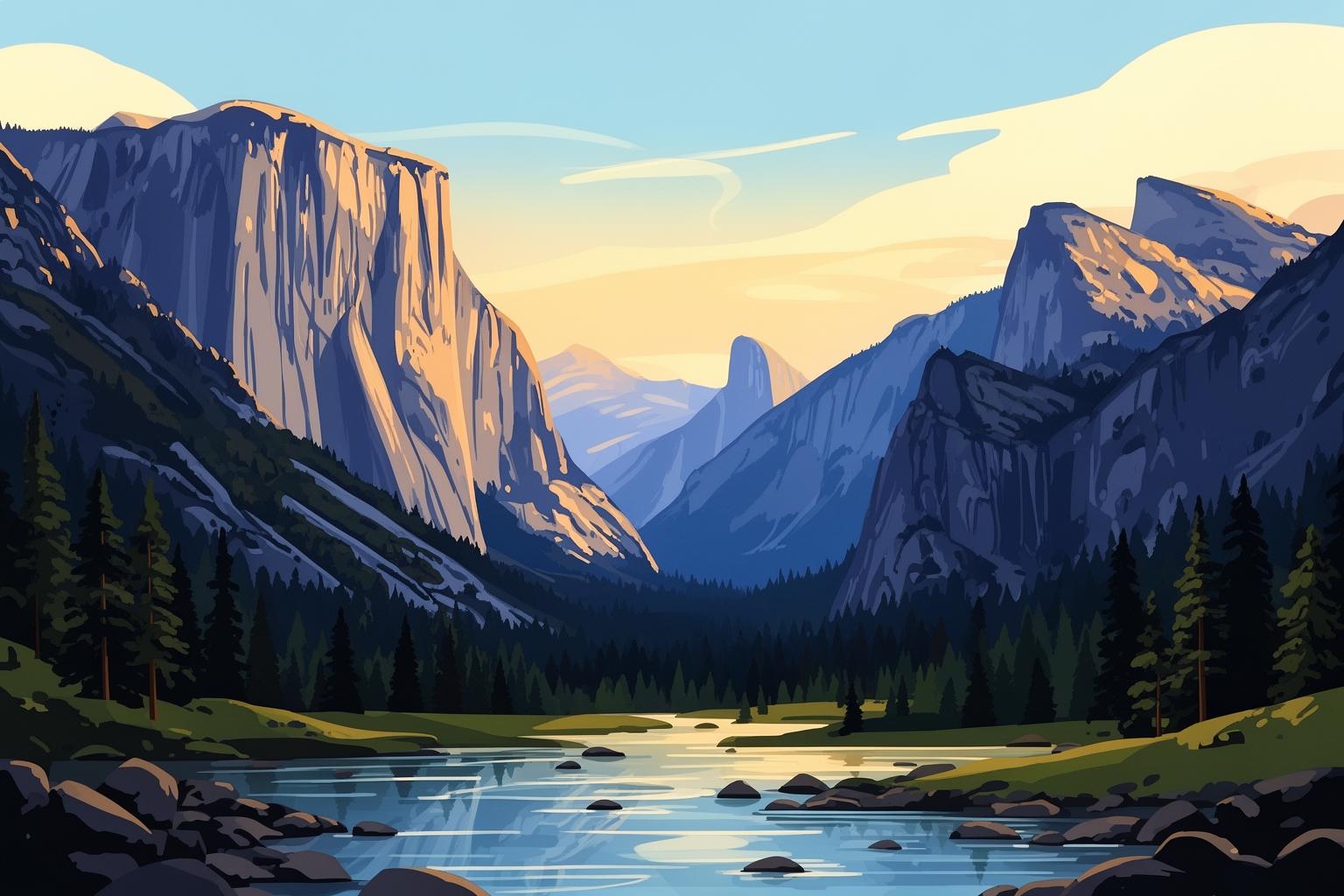
Pull over at the lively viewpoint. Before you stretches the entire masterpiece on a single canvas. To the left, El Capitan’s sheer, monolithic face rises 3,000 feet above the valley floor—a silent challenge for climbers and a testament to geological power. To the right, Bridalveil Fall whispers down the cliff’s edge, its mist catching the afternoon sun. In the distance, perfectly framed between the valley walls, stands Half Dome, the park’s ultimate icon with its distinctive granite profile. This is the view immortalized by Ansel Adams—the image that has drawn generations to this valley. Don’t rush this moment. Find a spot along the stone wall, take a deep breath, and let it all sink in. This is your official welcome to Yosemite Valley, a view that never ages and feels like a perfect work of natural art.
A Walk Among Giants: The Valley Floor
From Tunnel View, descend into the valley itself. The perspective shifts dramatically—you are no longer looking down on the scene, but are instead a small figure immersed within it. Find parking at Yosemite Village or Yosemite Falls (an early start or patience may be required) and set out on foot. This is the best way to sense the valley’s rhythm.
The Thundering Heart: Lower Yosemite Fall Trail
A short, paved, and accessible loop leads you to the base of North America’s tallest waterfall. Even in late summer, when the water flow diminishes, the scale still astounds. In spring, the roar is overwhelming, and the mist soaks you from hundreds of feet away. You can feel the water’s power vibrating through the ground. The trail weaves through oak and pine forest, offering tantalizing glimpses of the falls before delivering you to the footbridge at its base. It’s a sensory experience—the sound, the sight, the cool spray on your skin—that connects you directly to one of the park’s most dynamic forces.
Evening: Echoes in the Twilight
As the sun lowers in the sky, the valley’s mood changes once again. The light softens, shadows grow long, and a golden glow called alpenglow paints the granite cliffs’ peaks. This is a magical time to find a quiet spot and simply watch the day fade.
El Capitan Meadow at Sunset
Drive or take the shuttle to El Capitan Meadow, a wide-open space offering an unobstructed, ground-level view of the great monolith. Lay out a blanket and watch as the setting sun bathes El Capitan’s face in warm light—the granite seeming to radiate. This is a favorite spot for climbers and their families, who use telescopes to spot their loved ones on the rock. As dusk falls, you might see tiny pinpricks of light from climbers’ headlamps as they settle into their portaledges for the night, like stars stuck to the cliff. Nearby, the Merced River flows gently; the silence broken only by cricket chirps and the whispering wind. It’s a moment of profound peace and a perfect close to your first day.
A Meal to Match the Majesty
For dinner, choose from options that fit every taste. Grab a casual pizza at Curry Village Pizza Deck, enjoy a hearty meal at Yosemite Valley Lodge’s Mountain Room, or, for a truly special experience, dine in the historic elegance of The Ahwahnee Dining Room—with soaring 34-foot-high ceilings and massive sugar pine trestles. Or, for a simple and perhaps most memorable meal, enjoy a picnic you packed yourself in a meadow as the last light fades from the sky.
Day Two: Reaching Higher Ground and Whispers of the Past
With the valley’s iconic landmarks now familiar, your second day is about gaining a fresh perspective, both literally and figuratively. It’s a day to challenge yourself on a classic trail, to ascend above the valley floor, and to explore the rich human history intertwined with this landscape. It’s about understanding Yosemite not only as a geological marvel but also as a cultural touchstone.
Morning: The Mist Trail’s Baptism
Get ready for an early start, as this is one of Yosemite’s most popular and rewarding hikes. The Mist Trail engages all the senses, leading you into the heart of the Merced River’s powerful descent from the high country. Bring water, snacks, and waterproof gear—even on a sunny day—you’re going to get wet.
Ascending to Vernal Fall
The journey begins at the Happy Isles trailhead, accessible by park shuttle. The initial section of the trail is a paved, steady uphill climb alongside the rushing river. Soon you’ll arrive at the Vernal Fall Footbridge, which offers your first full view of the 317-foot waterfall ahead. This is a perfect rest spot and the turnaround point for a shorter walk. For those continuing, the real effort and magic begin here. The trail shifts into a steep staircase of over 600 granite steps carved into the cliffside. As you climb, you enter the waterfall’s spray zone. In spring, it’s a full-on drenching shower; in late summer, a refreshing mist. The air cools, the roar of the water grows deafening, and rainbows dance in the constant spray. This is the “Giant’s Tears,” and walking through it feels like a rite of passage. Your reward awaits at the top of Vernal Fall, where you can safely stand behind a railing and watch the massive water volume plunge just feet away. The view down the canyon you’ve climbed is spectacular.
The Rainbow’s Arch: Continuing to Nevada Fall
For those with the strength and ambition, the hike continues to the top of the next majestic waterfall, the 594-foot Nevada Fall. The trail grows rockier and more strenuous but leads you out of the mist and into the bright Sierra sun. Along the way, you’ll pass Emerald Pool and the Silver Apron—beautiful yet hazardous swift-water areas where swimming is prohibited. The final, grueling switchbacks bring you to the top of Nevada Fall, where a stunning panorama awaits: the High Sierra peaks, the backside of Half Dome, and the vast granite expanse. You can retrace your steps or choose the John Muir Trail, which offers a different, drier, and less steep descent with incredible views of Nevada Fall and Liberty Cap. A round trip to Vernal Fall takes a few hours; continuing to Nevada Fall makes it a solid half-day adventure.
Afternoon: A Journey Through Time
After a physically demanding morning, spend your afternoon immersed in a more intellectual and cultural exploration of the park. It’s time to learn about the people shaped by this land and those who, in turn, shaped our understanding of it.
The Ansel Adams Gallery: A Legacy in Black and White
Located in the heart of Yosemite Village, the Ansel Adams Gallery is more than a gift shop—it’s a direct link to the artistic spirit of the park. Step inside to immerse yourself in the world of the man who arguably defined Yosemite’s visual identity. His iconic black-and-white photographs showcase his mastery of light, composition, and tone. Seeing original prints of Half Dome, Clearing Winter Storm, or Moon and Half Dome is a powerful experience; you realize he wasn’t merely taking pictures, but interpreting the landscape, translating its emotional depth into a visual language. The gallery also displays works by contemporary photographers, continuing the tradition of capturing Yosemite’s beauty. It’s a quiet, inspiring space that will transform the way you see light and shadow on the granite walls outside.
The Yosemite Museum and Indian Village of the Ahwahnee
Next to the gallery is the Yosemite Museum, the first museum built within the National Park system. Inside, you’ll find a beautifully curated collection of exhibits covering the park’s geology, flora and fauna, and rich human history. The museum’s true heart lies in its focus on the Miwok and Paiute peoples, who have lived in the area for thousands of years. Exhibits feature their intricate basketry, tools, and traditions, providing a glimpse into a life lived in deep harmony with the land they called Ahwahnee. Just behind the museum, walk through a reconstructed village with traditional bark-covered houses (umachas), a ceremonial roundhouse, and displays on native food preparation. It’s a poignant reminder that Yosemite’s story didn’t begin with the first white explorers; it is an ancient homeland with a profound and enduring cultural legacy.
Evening: Stargazing in a Dark Sky Sanctuary
As night falls on Yosemite, a second, equally breathtaking spectacle emerges. Far from city light pollution, the valley’s sky fills with an incredible number of stars. Yosemite’s dark skies are a rare and precious resource, offering a view into the cosmos that few places can match.
A Celestial Canopy Above the Granite
You don’t need to go far to experience this. Find an open meadow like Cook’s Meadow or Sentinel Meadow, away from lodge lights. Lay out a blanket, let your eyes adjust for about 20 minutes, and watch the sky come alive. The Milky Way stretches across the heavens like a celestial river, a cloudy brushstroke of billions of distant suns. Constellations appear sharp and clear, and shooting stars frequently streak across the darkness. On a moonless night, the sheer density of stars can be overwhelming. Seeing this cosmic display framed by the silhouettes of El Capitan and Sentinel Rock is profoundly moving. It connects you not only to the earth beneath your feet but to the vast universe beyond, inspiring a sense of wonder and perspective that is the true gift of the wilderness.
Day Three: The High Country’s Expansive Soul
Your final day centers on expansion—leaving the beautiful confines of the valley to explore the vast open spaces of Yosemite’s high country. This journey takes you upward into a different realm of alpine meadows, pristine lakes, and sweeping vistas that reach the jagged horizon of the Sierra Nevada. Please note: This itinerary depends on Tioga Road (Highway 120) being open, generally from late May or early June until the first significant snowfall in November.
Morning: The Drive to Tioga Road’s Splendor
The drive itself is part of the adventure. Tioga Road, an engineering marvel, climbs thousands of feet from the valley. As you ascend, the landscape changes—the dense valley forests give way to sparser lodgepole pines, and granite walls transform into rolling granite domes and vast stretches of polished stone.
Olmsted Point: A Unique Perspective on Half Dome
Your first major stop along Tioga Road is Olmsted Point. This viewpoint provides a completely different and geologically fascinating view of Half Dome. Here, you see the massive, rounded backside of the iconic rock, revealing its true dome shape. Glacial striations—massive grooves carved into the granite by ancient glaciers—are clearly visible, offering a powerful sense of the immense forces that shaped this landscape. A short, rocky trail leads you onto the granite slab for an even more dramatic, unobstructed view that includes the shimmering waters of Tenaya Lake in the distance.
Afternoon: Meadows, Lakes, and Granite Domes
The heart of the high country reveals a landscape of gentle beauty and breathtaking openness. It’s a place John Muir called his “sky-parlor,” ideal for wandering and quiet reflection.
The Reflective Beauty of Tenaya Lake
Just past Olmsted Point, you’ll round a bend and be greeted by the stunning sight of Tenaya Lake. This immense alpine lake, one of the largest in Yosemite, is a jewel of brilliant blue water surrounded by gleaming granite domes and lodgepole pine forests. On a calm day, the lake’s surface becomes a perfect mirror, reflecting the sky and surrounding peaks. Sandy beaches along the shore make it an ideal spot for a picnic lunch. Though the water is frigid, a quick, brave dip on a hot summer day is unforgettable. This tranquil setting offers a peaceful contrast to the dramatic verticality of Yosemite Valley.
A Walk Through Tuolumne Meadows
Continue east to Tuolumne Meadows, a vast subalpine meadow that is the soul of Yosemite’s high country. At over 8,600 feet elevation, the air is thin and crisp. The gentle Tuolumne River meanders slowly through the grassy expanse, its banks lined with wildflowers in early summer. This landscape invites you to slow down. Park at one of the pullouts and simply walk. There are no grand destinations here; the meadow itself is the destination. Wander along the river, cross a charming footbridge, or sit on a warm granite slab watching the clouds drift by. Lembert Dome and Cathedral Peak provide a dramatic backdrop to this serene scene. This was John Muir’s favorite part of the park, and as you walk through this immense, sunlit space, it’s easy to see why.
Evening: A Farewell Panorama from Glacier Point
For your final evening, ascend once more to the grandest viewpoint of them all. Retrace your route toward the valley and take the turnoff for Glacier Point Road. The drive up is beautiful in its own right, but the destination is one of the world’s premier overlooks.
The Alpenglow on the High Sierra
Arrive at Glacier Point an hour or so before sunset. From this vantage point, 3,200 feet above the valley floor, the entire panorama of your journey unfolds beneath you. Yosemite Valley looks almost like a miniature model; you can see Yosemite Falls, trace the path of the Merced River, and gaze across at the face of Half Dome, which now feels incredibly close. To the east, the High Sierra crest stretches out in a jagged line of peaks, including Vernal and Nevada Falls, which you conquered the day before. Find a spot along the railing and watch the sun set. The magic happens just after the sun dips below the horizon, when the alpenglow begins—a soft, rosy light illuminating the highest peaks, a breathtaking and ethereal glow that seems to radiate from within the mountains themselves. It is a sublime, almost spiritual experience.
One Last Breath of Mountain Air
As the colors fade and stars begin to appear, take one last deep breath of the cool mountain air. This view encapsulates everything you have seen and done, tying together the valley, the waterfalls, and the high country into a single, magnificent whole. It is the perfect, awe-inspiring conclusion to your three-day pilgrimage—a final, unforgettable image of Yosemite to carry with you as you prepare to descend back into the world below.
Practical Wisdom for the Modern Pilgrim
Navigating Yosemite efficiently can elevate a good trip to a truly great one. A bit of insider knowledge proves invaluable in this vast wilderness, allowing you to spend more time marveling at the scenery and less time frustrated by avoidable hassles.
Navigating the Park: Shuttles, Cars, and Feet
For much of the year, Yosemite Valley offers a free, highly efficient shuttle system. Without a doubt, this is the best way to get around the eastern, most concentrated section of the valley. Parking is extremely limited and often fills up by mid-morning, especially during peak season. The smartest approach is to secure a parking spot early—either at the main visitor parking area or near Yosemite Valley Lodge—and leave your car there. Then, use the shuttle to travel between trailheads, viewpoints, and visitor centers. It runs frequently and saves you the frustration of searching endlessly for parking. To reach destinations beyond the valley loop, like Mariposa Grove, Glacier Point, or Tioga Road, having your car is necessary. But once inside the valley, rely on the shuttle as your best ally. And remember, your own two feet are invaluable—many of the valley’s most peaceful and scenic spots lie along trails connecting main attractions where shuttles don’t reach and cars can’t go.
Wildlife Encounters: Respecting the Locals
Yosemite is a vibrant, living ecosystem, and we are simply visitors in the home of countless wild animals. Wildlife sightings—from mule deer grazing in meadows to Steller’s jays calling from trees—are among the highlights of any visit. However, it’s essential to treat these creatures with respect and caution. The foremost rule concerns Yosemite’s black bears. These bears are smart and have an acute sense of smell. Never leave food, coolers, or scented items (such as toothpaste or deodorant) in your vehicle overnight. Always use the bear-proof food lockers provided at campsites and lodging areas. While hiking, stay alert and make noise to avoid surprising a bear. Although bear attacks are very rare, maintaining a safe and respectful distance from all wildlife is critical. Do not feed any animals, as this endangers their health and makes them dangerously accustomed to humans. Remember the saying: a fed bear is a dead bear.
Leave No Trace: Preserving the Sanctuary
Yosemite’s pristine beauty endures thanks to the shared responsibility of visitors who treat the park with care. The principles of Leave No Trace are essential guidelines for all who journey to this natural sanctuary. Plan ahead and prepare. Travel and camp on durable surfaces. Dispose of all waste properly—pack it in, pack it out—including everything from food wrappers to apple cores. Leave what you find so others can experience the wonder of a perfect pinecone or unique rock as you did. Minimize campfire impact and stay informed about fire restrictions, especially during dry summer and fall months. Respect wildlife, as mentioned earlier. And finally, be considerate of fellow visitors. Everyone comes here to enjoy the magic of this place. Keep noise levels down and share the trails courteously. By following these simple ethics, we each help preserve Yosemite’s sacredness for generations of visitors yet to come.
The Ever-Changing Canvas: Yosemite Through the Seasons
To truly grasp Yosemite is to recognize its ever-changing nature. The park you explore in May feels entirely different from the one present in October or February. Each season adorns the granite landscape with a distinct palette of light, color, and sound, presenting a fresh masterpiece to admire. A closer look at each season unveils the park’s constantly evolving spirit.
Spring: The Thundering Awakening
Spring in Yosemite overwhelms the senses in the most exhilarating way. It is the season of water and sound. Melting snow from the vast High Sierra watershed channels into the Merced River, transforming every creek and waterfall into a roaring spectacle. The immense volume of water pouring over Yosemite Falls generates winds strong enough to unbalance you, while its roar reverberates through the entire eastern valley. The Mist Trail becomes an immersive water feature, alive with rainbows and soaking spray. Yet the display is not only auditory and tactile. Nourished by abundant water, the valley floor bursts with life. Meadows turn a vivid, electric green. Western azaleas and dogwoods bloom, sprinkling white and pink hues through the understory. It is a time of renewal and raw energy, a vivid reminder of nature’s unstoppable power.
Summer: The Expansive Green and Gold
Summer brings access and abundant light. The sun rises early and sets late, offering long, golden days perfect for exploration. This is when the high country gates open, revealing the alpine marvels of Tioga Road and Glacier Point. The landscape reaches its peak verdancy. Meadows thrive, forests grow deep green, and the now calmer Merced River becomes a favored spot for rafting and swimming in designated slow-moving areas. Waterfalls carry less volume but remain beautiful, their flows intricate and detailed without spring’s overwhelming spray. Summer is also a time of community. Campgrounds fill, trails buzz with activity, and a spirit of shared adventure fills the air. This is Yosemite at its most classic, welcoming, and vibrant with both human and natural energy.
Autumn: The Golden Calm
As summer’s warmth fades, Yosemite settles into profound tranquility. Autumn is a season for photographers, poets, and those seeking peaceful reflection. The light adopts a warm, golden hue that lingers throughout much of the day, causing granite cliffs to glow. Crowds thin considerably, and a sense of peaceful solitude returns even to the most frequented trails. Deciduous trees—black oaks, big-leaf maples, and cottonwoods—stage a spectacular, if brief, show of color, turning brilliant shades of yellow, orange, and red that stand out against evergreen pines and stoic granite. The air is crisp and often so clear that the details on distant cliffs seem etched against a deep blue sky. It is a time of gentle beauty, a slow, colorful exhalation before winter arrives.
Winter: The Majestic Silence
Winter stands as Yosemite’s most underrated season. It is a time of deep silence and exquisite beauty, when the park feels truly wild and remote. A snowy blanket transforms the familiar scenery into something new and enchanting. Granite domes appear dusted with powdered sugar. Giant sequoias don white cloaks. The crowds vanish, replaced by a few dedicated visitors seeking solitude. The silence is so profound that you can hear the soft crunch of your footsteps in the snow and the faint murmur of wind through the pines. Activities shift to snowshoeing across silent meadows, cross-country skiing along the Merced River, or simply admiring the delicate ice formations that fringe the waterfalls. On clear days after storms, the contrast of fresh white snow against dark granite and intense blue sky creates a breathtaking display of stark beauty. To see Yosemite in winter is to witness its bare bones, its fundamental form, in a state of quiet grace.
A Parting Word: Carrying the Mountain Spirit Home
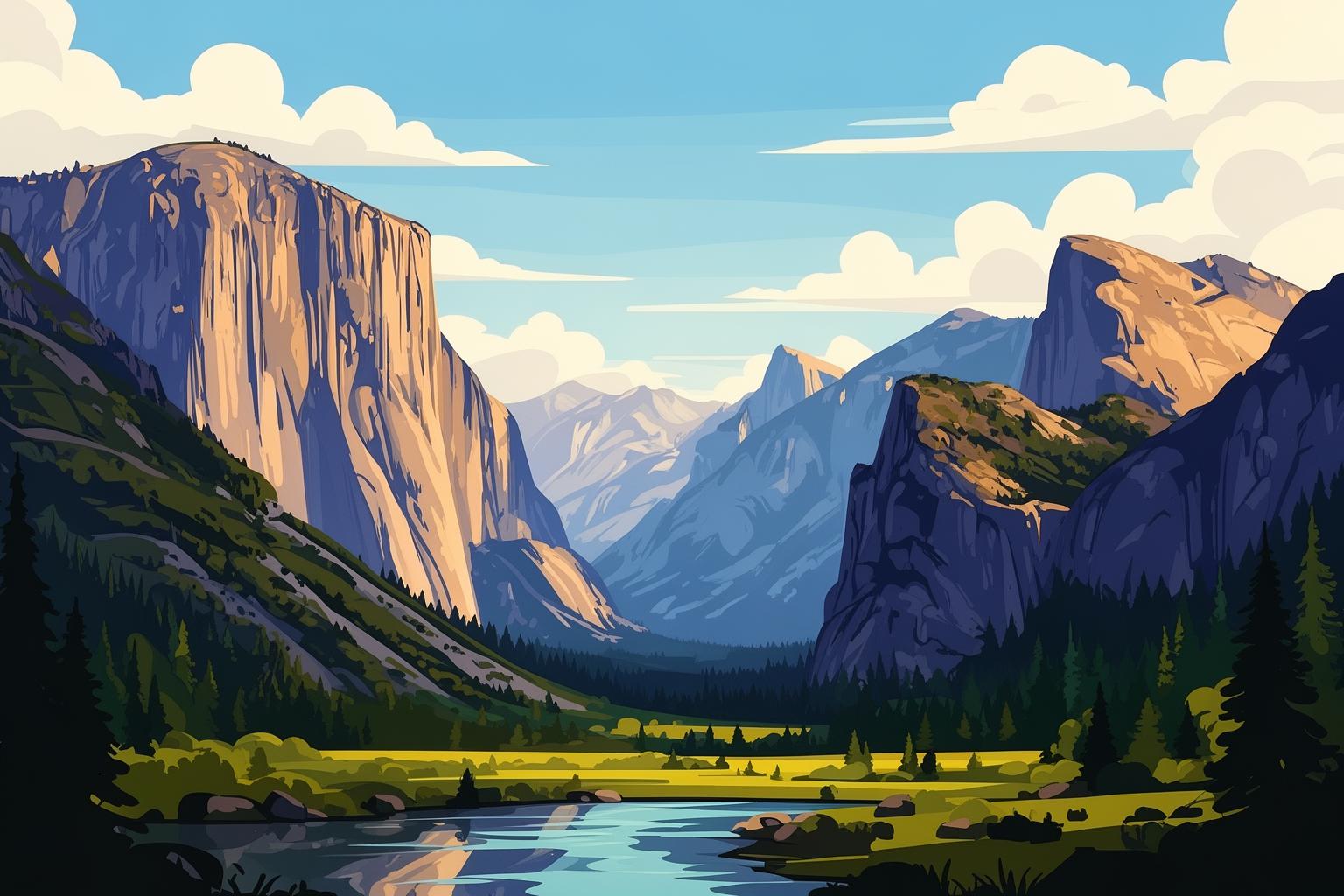
Leaving Yosemite can be challenging. As you drive out of the valley, watching the granite landmarks shrink in your rearview mirror, you may feel a sense of loss and an urge to turn back. Yet the true gift of a place like this lies not just in the time spent within its boundaries, but in what you carry away with you. Yosemite has a way of recalibrating the human spirit. It reminds you of a world that moves on a timescale far grander than our own—a world of patience, power, and profound beauty. It teaches you to observe more closely: the way light falls on a cliff face, the pattern of bark on a cedar, the sound of a river flowing over stones. The memories you’ve made—the burn in your legs on the Mist Trail, the humbling sight of the Grizzly Giant, the star-filled sky over El Capitan—become part of your inner landscape. You take with you not just photographs, but a renewed sense of wonder. John Muir famously wrote, “The mountains are calling and I must go.” After three days in the heart of the Sierra Nevada, you will understand what he meant. The call of Yosemite becomes part of you, a whisper that draws you back, and a quiet strength you can rely on wherever you may go.