There’s a moment in Hayao Miyazaki’s masterpiece, Spirited Away, when the world shifts. A sun-drenched, empty town dissolves into a vibrant, lantern-lit realm of spirits, gods, and monsters. For many of us who watched it, that shift happened in our own world, too. The film opened a door to a place both terrifying and beautiful, a landscape woven from dreams, folklore, and a uniquely Japanese sense of place. It’s a world that feels so real, so tangible, that you can’t help but wonder: could I go there? The answer, I discovered, is a breathtaking, resounding yes. While the spirit realm itself may be out of reach, its inspirations are scattered across the islands of Japan, waiting to be found.
This isn’t just about spotting a building that looks like one from a movie. This is a journey known in Japan as seichi junrei, a sacred pilgrimage to the real-world locations that have inspired our favorite stories. It’s a quest to understand the soul of a place, to see how history, culture, and nature can be distilled by a master storyteller into something universally magical. We’re not just chasing animated cels; we’re chasing a feeling. We’re following the footsteps of Chihiro, not into a bathhouse for spirits, but into the heart of the country that dreamed her into existence. From the ancient, steaming waters of one of Japan’s oldest hot springs to the quiet, Showa-era halls of a mountain inn, this is a pilgrimage to the soul of Spirited Away. Get ready to hold your breath and cross the bridge.
If you’re captivated by the idea of tracing the real-world roots of Miyazaki’s creations, you might also be drawn to the ancient forests of Yakushima, which served as the profound inspiration for another of his legendary films.
Dogo Onsen: Where the Gods Come to Bathe
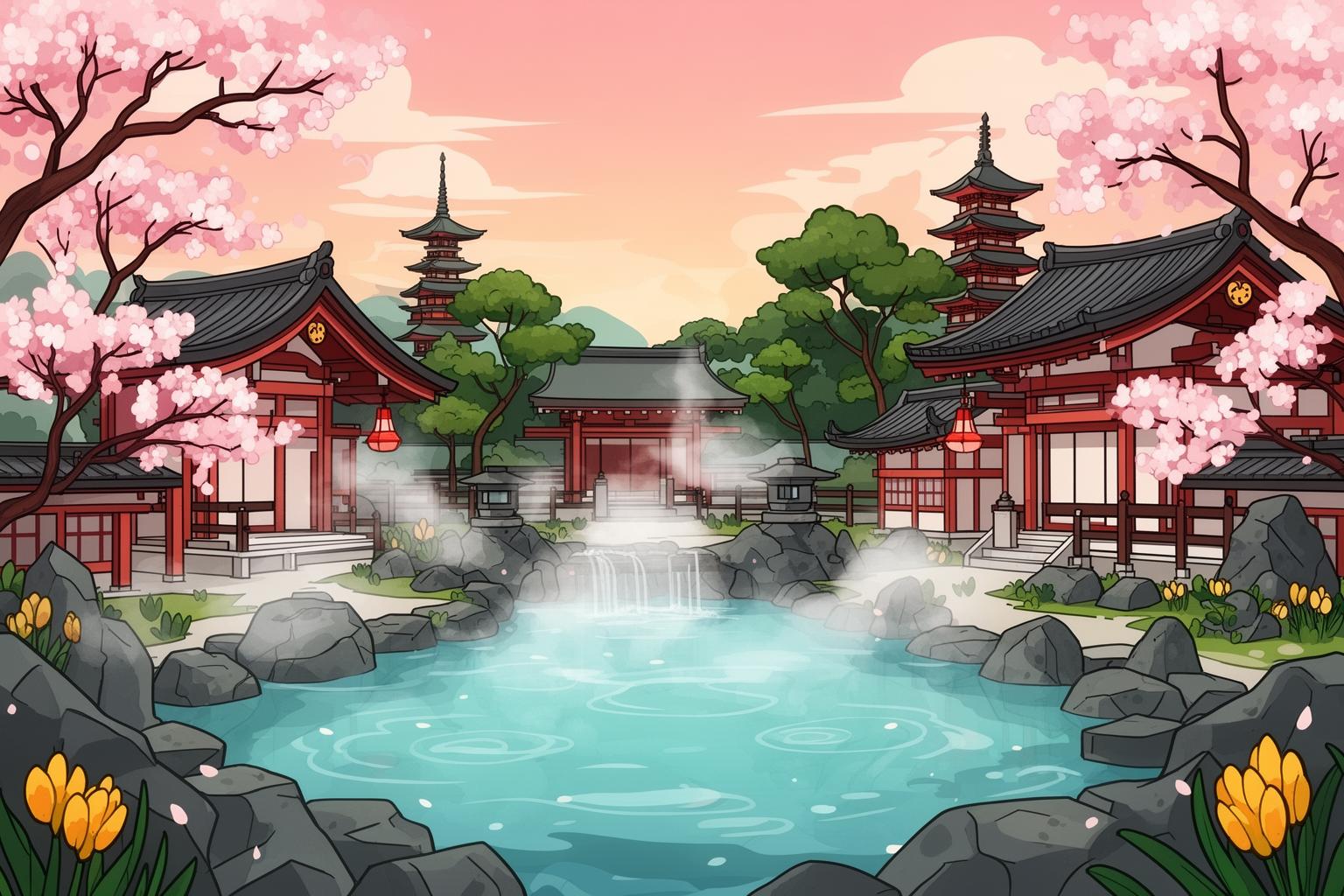
Our journey begins on the island of Shikoku, in Ehime Prefecture, a part of Japan often overlooked by bullet-train travelers. Here, in the city of Matsuyama, stands a stunning, multi-tiered wooden building, its castle-like outline topped with a graceful white heron. This is the Dogo Onsen Honkan, one of Japan’s oldest and most renowned hot springs, and the moment you lay eyes on it, you just know. This is Aburaya. The grand, bustling, wonderfully imposing bathhouse at the heart of Spirited Away lives and breathes within these walls. Though Studio Ghibli has never officially pinpointed a single location as the inspiration, the likeness is so striking, so spiritually precise, that its influence is undeniable.
The Bathhouse of the Gods
Approaching the Honkan is a sensory feast in the best sense. The faint aroma of sulfur lingers in the air, mingling with the sweet smells of street food drifting from the nearby shopping arcade. The soundscape is a gentle orchestra: the clip-clop of wooden geta sandals on pavement, vendors’ lively calls, and the steady murmur of a place that has welcomed bathers for over a millennium. The building itself, completed in 1894, is a Meiji-era marvel of interlaced corridors, steep stairs, and hidden chambers. It’s a maze you gladly lose yourself in, just like Chihiro.
Inside, there are two main public baths: the larger Kami-no-Yu (Bath of the Gods) on the first floor, and the cozier Tama-no-Yu (Bath of the Spirits) on the second. Selecting your ticket becomes part of the ritual. You can choose a basic bath or a more elaborate package that includes access to lounges, a guided tour of the Yushinden—a private bathing wing built for the Imperial Family—and the opportunity to relax in a rented yukata (light cotton kimono) while sipping tea and enjoying botchan dango, sweet rice dumplings unique to the area. I highly recommend the full experience. Sitting on the tatami mats in the second-floor lounge, gazing out over the lively streets below as steam rises from the rooftop heron, you feel less like a tourist and more like a weary spirit finally finding rest.
Atmosphere and Experience
The charm of Dogo Onsen truly comes alive at dusk. As the sun dips, gas lamps flicker on, casting a warm, amber glow on the Honkan’s dark wood. Lanterns hanging across the streets light the way as locals and visitors, all dressed in yukata provided by their accommodations, meander through town. It’s a scene pulled straight from Miyazaki’s imagination. The boundary between the real and spirit worlds dissolves completely. You half expect a Radish Spirit to wander by or No-Face to silently linger in a shadowed corner.
Navigating the onsen is a vital Japanese cultural experience. Remember the etiquette: wash thoroughly at the stations before entering the baths. The stone tubs, filled with simple alkaline spring water, are meant for soaking and reflection, not swimming or washing. It might feel daunting for first-timers, but the atmosphere is one of shared, peaceful relaxation. You’ll find yourself among elderly locals who have visited for decades and young families introducing their children to the tradition. It’s a beautiful moment of communal life preserved unchanged across generations. Don’t rush. Let the warmth seep into your bones and listen to the whispers of countless stories absorbed into the very tiles of the bath.
Practical Info for Your Visit
Reaching Matsuyama is simple. You can fly directly into Matsuyama Airport from major cities like Tokyo or Osaka, or take a combination of shinkansen and limited express trains. From JR Matsuyama Station, a quaint old-fashioned tram, affectionately called the “Botchan Train,” will take you straight to the Dogo Onsen district. For the fullest experience, stay in one of the local ryokan (traditional inns). They provide your own yukata and geta, letting you seamlessly blend into the town’s nighttime ambiance. One small tip: the Dogo Onsen Honkan is very popular and can become crowded. Visiting on a weekday or early morning will offer a more peaceful soak. Even if you decide against bathing, simply strolling around the building and the nearby covered shopping arcade is an adventure in itself.
Shima Onsen: The Red Bridge to Another World
If Dogo Onsen is the grand, bustling heart of the spirit world, then our next destination, nestled deep in the mountains of Gunma Prefecture, is its quiet, contemplative soul. Shima Onsen stands far apart from the grandeur of Matsuyama. It’s a classic, rustic onsen town—a string of traditional inns clinging to the banks of the crystalline Shima River. It feels like a secret. At its center is the Sekizenkan Ryokan, an inn so evocative of Spirited Away that it feels like stepping onto a movie set.
A Step Back in Time
The journey to Shima is part of the charm. After a bullet train ride from Tokyo, you transfer to a local bus that winds its way up into the forested hills. The air grows cooler, the scenery greener. Upon arrival, the first sight is a brilliant red bridge arching gracefully over the river. This is Keiun-bashi Bridge, and for any fan of the film, it’s a breathtaking moment. It unmistakably resembles the bridge Chihiro must cross to enter the spirit world, the one she dashes across while holding her breath as her body begins to fade. Standing on it, with the historic facade of the Sekizenkan Ryokan before you, is a true pilgrimage experience.
Sekizenkan is one of Japan’s oldest ryokans, with its main building dating back to the late 17th century. It is a living museum—an array of wooden structures connected by tunnels and covered walkways that feel wonderfully labyrinthine. This mysterious, interconnected layout is said to have inspired Miyazaki. The inn is famous for a long, dimly lit tunnel that links the main building to a newer annex, a passage seemingly full of untold stories and secrets, much like the hidden corridors of Aburaya.
The Ryokan Experience
Staying at Sekizenkan is an experience in itself. The rooms are traditional, featuring tatami mat floors, sliding paper screens, and futons laid out in the evening. But the true highlight is the bath. The Genroku no Yu is a stunning Romanesque-style onsen from the Taisho era (early 20th century). With its high, arched windows and steaming stone pools, it exudes a timeless, almost nostalgic atmosphere. Soaking here, you can sense the layers of history that permeate the entire inn.
Shima Onsen moves at a slower pace. The main activity is yu-meguri, or onsen-hopping, but I found the greatest joy in simply walking. Follow the river path and you’ll discover small waterfalls and quiet groves. The town has a few retro arcades and tiny snack shops that seem untouched by time. At night, when the ryokans’ lanterns reflect on the flowing river and the red bridge glows under the moonlight, the atmosphere is pure magic. It’s quieter than Dogo, more intimate. You feel as though you’ve stumbled upon a hidden world, with no rush to leave.
Getting There and Staying Over
Shima Onsen makes an excellent side trip from Tokyo. From Tokyo Station, take the Joetsu Shinkansen to Jomo-Kogen Station, or a limited express train to Nakanojo Station. From either station, a direct bus will take you to Shima Onsen. While a day trip is possible, I highly recommend staying overnight. Waking to the sound of the river, enjoying a traditional Japanese breakfast, and taking a final morning soak before departure are what make the trip truly memorable. Be sure to book your stay at Sekizenkan well in advance, especially for weekends or peak seasons like autumn, when the surrounding mountains burst with vibrant color.
The Edo-Tokyo Open Air Architectural Museum: Deconstructing the Dream
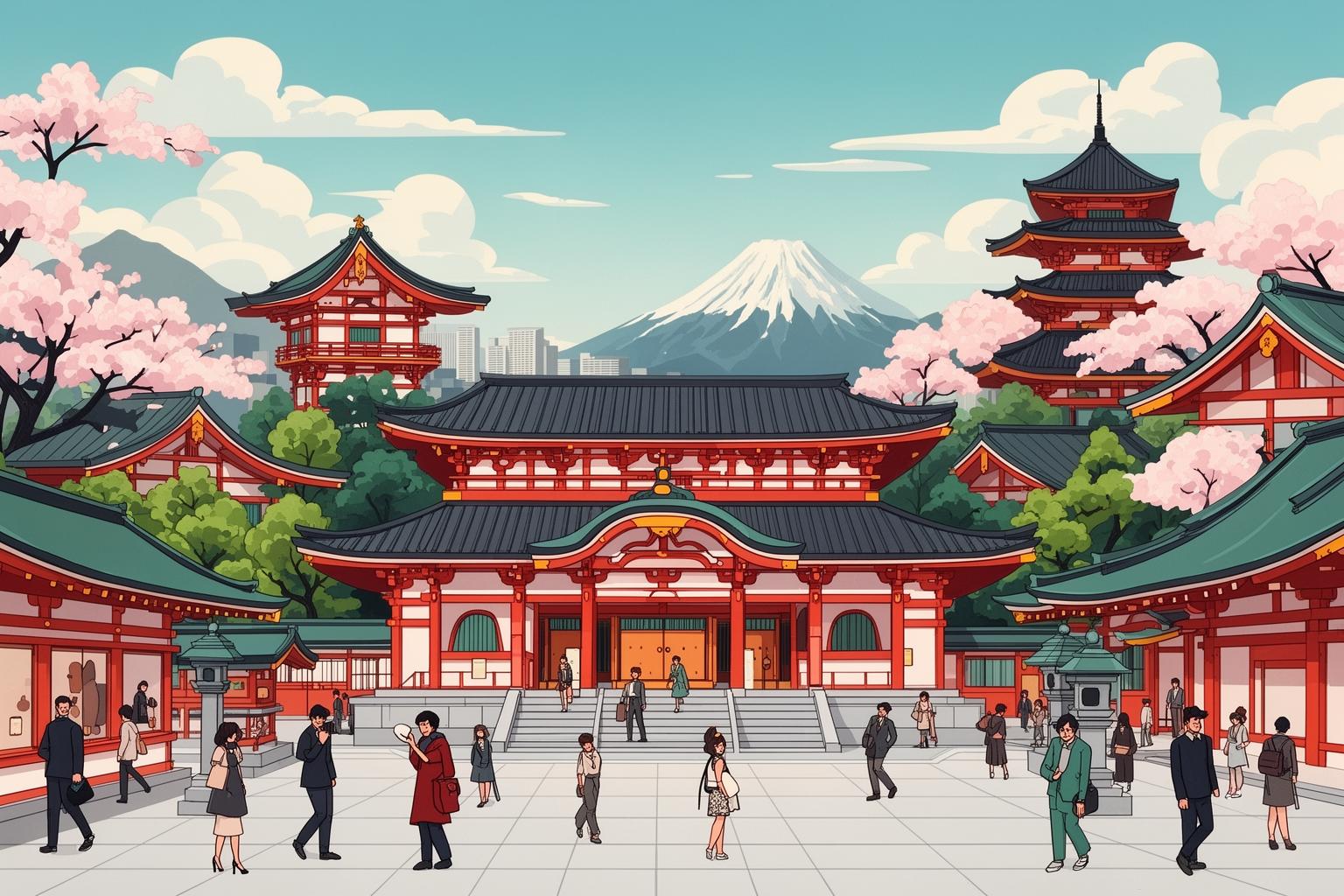
Our final destination brings us back to the vast metropolis of Tokyo, but to a place that feels like a small pocket of lost time. The Edo-Tokyo Open Air Architectural Museum in Koganei Park isn’t a single grand inspiration like Dogo Onsen or Sekizenkan. Instead, it serves as a toolbox. Nearby is the studio of Hayao Miyazaki, who often wandered here to absorb the details, textures, and atmospheres of a Japan long past. This expansive park houses a collection of historic buildings from around Tokyo, all carefully deconstructed, relocated, and meticulously reassembled. Strolling through it is like traveling through time, and here you’ll discover the specific, tangible details that lend the world of Spirited Away its remarkable depth and realism.
Kamaji’s Boiler Room and the Ghostly Town
The museum is designed like a town, featuring a main street lined with shops, a public bathhouse, and residential homes from various periods. As you walk along “Shitamachi Naka-dori” (Downtown Main Street), you’ll experience an eerie familiarity. This is the deserted town that Chihiro and her parents stumble upon at the beginning of the film. The vintage storefronts, faded advertisements, and quiet, expectant atmosphere—it’s all faithfully recreated. But the real gem for any Ghibli enthusiast is the stationery shop named Takei Sanshodo.
Step inside, and you’re instantly transported to Kamaji’s boiler room. The walls are covered with hundreds of small wooden drawers stretching from floor to ceiling. This is where the six-armed boiler man stored his herbs and salts, and the visual resemblance is exact and exhilarating. It’s a perfect example of how Miyazaki transforms a simple, everyday object—a cabinet used for storing paper and ink—into something fantastical. You can almost hear the Susuwatari, the tiny soot sprites, scampering around your feet.
Nearby stands the splendid Kodera-yu, a traditional public bathhouse (sento) dating back to 1929. With its grand temple-like curved roof (karahafu) and intricate carvings, its architectural influence is clearly reflected in the imposing façade of Aburaya. While Dogo Onsen contributed scale and spirit, buildings like Kodera-yu provided the specific aesthetic language. Peering inside at the changing rooms and the Mount Fuji painting above the tubs, you see how everyday communal spaces dedicated to cleansing were transformed into a palace for spirits.
A Living Museum of Memories
Exploring the museum is an all-day experience that goes far beyond just a Ghibli location. You can enter a wealthy farmer’s Meiji-era home, a sleek pre-war modernist residence, and even an early 20th-century police box. Each structure serves as a gateway to a different life and era. This rich reservoir of authentic, lived-in history was what Miyazaki drew from. He wasn’t merely observing buildings; he was embracing the memories they contained. He understands that a place is more than its architectural form; it’s the stories of the people who inhabited it. By preserving these buildings, the museum preserves the very atmosphere he so skillfully brought to life on screen. Wear comfortable shoes, as the park is extensive. Take your time, explore every nook, and allow your imagination to weave the connections. You’ll leave with a deeper appreciation for the extraordinary craftsmanship—both architectural and animated—that created the world of Spirited Away.
Planning Your Spirited Away Pilgrimage
Embarking on your own seichi junrei is an incredibly fulfilling experience, though it does require some planning to connect these geographically separate locations. Whether you have a week or a month, you can create an itinerary that truly brings the magic of the film to life. Here’s how to approach it.
Crafting Your Itinerary
These three key sites are scattered across Japan, so visiting them all involves some travel. Dogo Onsen is located on Shikoku Island, Shima Onsen is nestled in the mountains north of Tokyo, and the Edo-Tokyo Museum sits within Tokyo itself.
The Focused Tokyo Trip: If your time is limited and you’re based in Tokyo, the most practical plan is to combine a visit to the Edo-Tokyo Open Air Architectural Museum with an overnight stay at Shima Onsen. Spend a full day exploring the museum, then the next day take the Shinkansen and bus up to Gunma. This two-to-three-day itinerary offers a wonderful glimpse of both the urban and rural inspirations behind the film.
The Dedicated Pilgrim’s Route: For those with more time, a multi-leg journey offers the ultimate experience. Begin in Tokyo with a visit to the museum, then travel to Shima Onsen. Afterwards, return to Tokyo and take a domestic flight from Haneda Airport to Matsuyama Airport for Dogo Onsen. Alternatively, train enthusiasts can take the Tokaido Shinkansen from Tokyo to Okayama, then transfer to the Shiokaze Limited Express, which crosses the stunning Great Seto Bridge to Matsuyama. This route is fully covered by the Japan Rail Pass and is a scenic adventure in its own right.
Traveler’s Toolkit: Tips for the Journey
Transportation: For a trip covering multiple cities like this, the Japan Rail Pass offers excellent value. It covers the Shinkansen and JR trains needed to travel between Tokyo, the gateway to Shima Onsen, and the connection to Matsuyama. For reaching the onsen towns themselves, you’ll often need to use local buses, which are not covered by the pass. Keep cash handy for these smaller fares.
Accommodation: Staying in a traditional ryokan is an essential part of this pilgrimage. Use online booking platforms, but also check the ryokan’s own website, as they sometimes offer different room options. When booking, be sure to understand what your plan includes. Most ryokan stays feature elaborate multi-course kaiseki dinners and traditional Japanese breakfasts, which are highlights of the experience. Be punctual for your meal times!
Onsen Etiquette for First-Timers: The onsen is a place of relaxation and respect. The key rules are straightforward. First, thoroughly wash your body at the shower stations before entering the communal bath; small stools and buckets are provided. Second, enter the water with only a small modesty towel, which should not be immersed in the bath itself (most place it on their head or on the side of the tub). Third, onsen are for quiet soaking, not swimming. Finally, if you have large tattoos, some public baths may deny you entry. Check the policy of your ryokan or onsen in advance; many now offer private onsen (kashikiri) that can be rented by the hour, providing a great alternative.
When to Go: Japan is beautiful throughout the year, with each season offering a unique experience to your pilgrimage. Spring brings cherry blossoms that add extra magic to parks and towns. Summer can be hot and humid but showcases vibrant green landscapes. Autumn is often the most breathtaking, especially in mountain areas like Shima Onsen, where fall foliage is spectacular. Winter blankets the countryside in snow, creating a serene and peaceful atmosphere, though travel may be more challenging.
As you journey from place to place, you’ll come to see that this trip is about more than just a movie. It’s an exploration of Japan’s profound connection to nature, its respect for history, and its unique ability to discover magic in the everyday. It’s an immersion into the culture of hospitality and purification at the heart of Spirited Away. You aren’t just sightseeing; you are participating in rituals. You are bathing in the same waters, walking the same wooden halls, and feeling the same sense of wonder that inspired one of the greatest animated films of all time. This journey doesn’t just show you where Spirited Away originated; it lets you step into its world, even if only briefly. And that, you’ll find, is the most enchanting magic of all.