There’s a certain kind of magic that lives in childhood memory, a hazy, sun-drenched feeling of endless summer afternoons and the quiet belief that just beyond the next tree, something wondrous awaits. For millions around the world, this feeling is perfectly captured in Hayao Miyazaki’s timeless masterpiece, My Neighbor Totoro. It’s a film that doesn’t just tell a story; it bottles the very essence of childhood innocence and our profound connection to the natural world. We’ve all dreamt of waiting at that bus stop in the rain, of soaring through the sky on a magical spinning top, of falling asleep on the soft, furry belly of a gentle forest king. But what if I told you that you could walk through the very landscapes that breathed life into that dream? Tucked away on the border of Tokyo and Saitama Prefectures lies the Sayama Hills, a sprawling green oasis of rolling hills and dense woodlands. This is no theme park or movie set. This is the real Totoro’s Forest, the tangible earth and rustling leaves that served as the primary inspiration for one of the most beloved animated films of all time. A journey here is more than a simple act of fandom; it’s a pilgrimage to the heart of Miyazaki’s vision, a step back into a quieter, more enchanting version of Japan, and a chance to find that a piece of that childhood magic is still very much alive, waiting for you just a short train ride away from the world’s biggest metropolis.
Embark on a further exploration of childhood magic by venturing into Totoro’s forest, where the timeless allure of nature awaits your discovery.
The Whispers of Sayama Hills
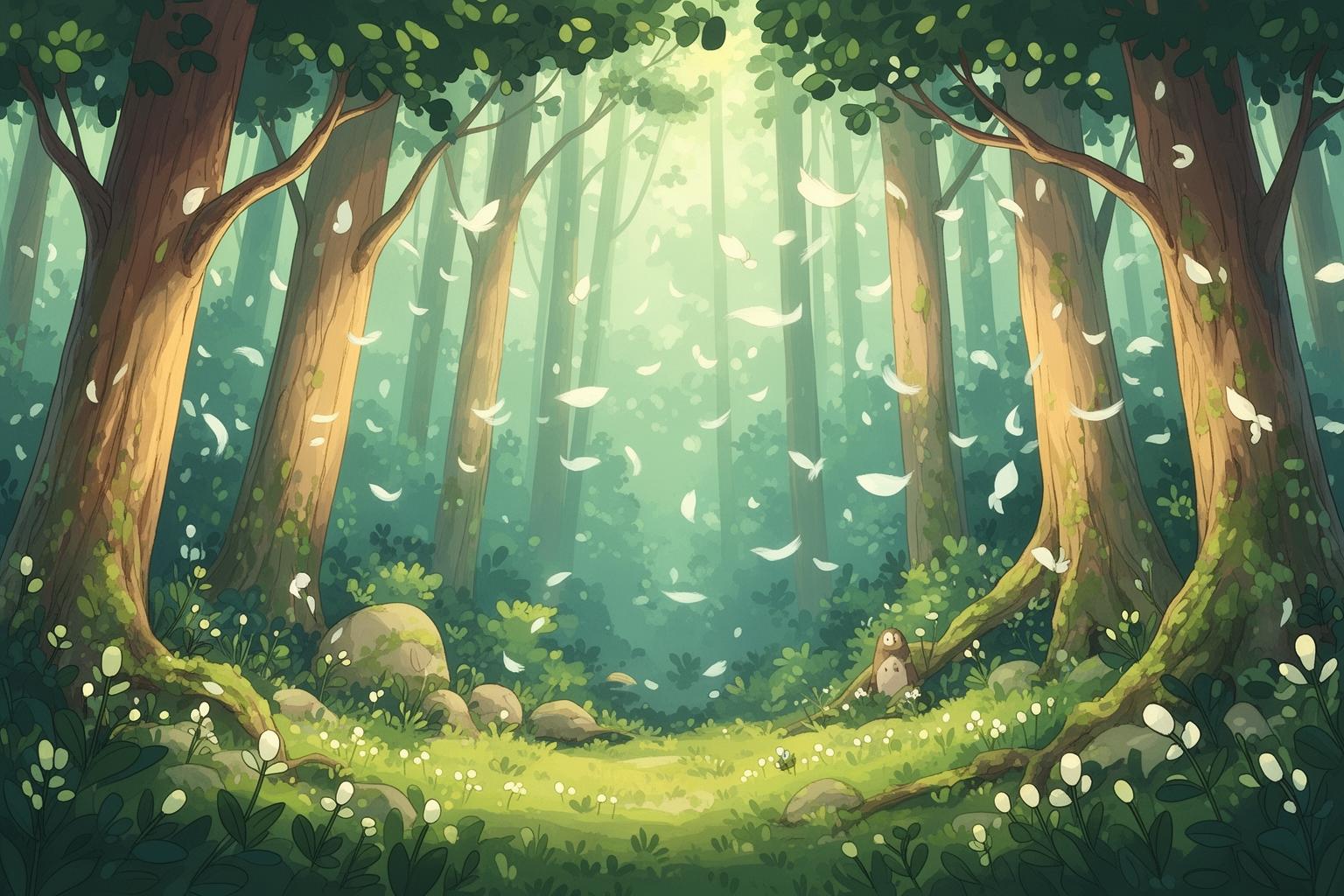
The adventure truly begins the moment you step off the train. The air changes immediately. The frantic, electric buzz of Tokyo gives way to the gentle symphony of the countryside—the distant hum of a farmer’s tractor, the chirping of hidden birds, and the deep, rustling sigh of the wind sweeping through thousands of trees. This is the transition zone, where the concrete jungle finally gives way to the realm of nature. The Sayama Hills, or Sayama Kyuryo as they are called in Japanese, aren’t dramatic mountains with sharp, daunting peaks. Instead, they are gentle, rolling, and warmly inviting. They feel ancient and alive, a patchwork of managed forests, wetlands, and small tea fields. Walking toward the designated trails, you pass traditional Japanese houses with tiled roofs and carefully tended gardens, their presence a quiet reminder that this is a living landscape, not merely a preserved park. A palpable sense of peace settles over you. It’s the kind of quiet that lets you hear your footsteps on the gravel path, to notice how sunlight filters through the dense canopy of leaves, dappling the forest floor with shifting patterns of light and shadow. In these moments, the world of Totoro feels breathtakingly near. You begin to see the world through the eyes of Satsuki and Mei, where every twisted root seems like a sleeping creature and every dark hollow at the base of a towering camphor tree could be a doorway to a magical realm. The atmosphere is one of reverence and nostalgia—a powerful blend that draws you deeper into the woods, eager to discover what lies around the next bend.
Charting Your Path Through Totoro’s Woods
Exploring the Sayama Hills is less about sticking to a strict itinerary and more about allowing yourself to roam freely and discover. The area is crossed by well-marked trails, but the true pleasure lies in surrendering to the gentle allure of the landscape. The whole region is part of a larger conservation effort, demonstrating how a beloved story can inspire real-world action. This is more than just a park; it is a protected sanctuary, a sense of stewardship you feel with every step.
The Totoro Forest No. 1 Trail
An ideal starting point for any visitor is the path to “Totoro no Mori 1-gochi” (Totoro’s Forest No. 1). This was the very first parcel of land acquired by the Totoro no Furusato Foundation, a national trust founded in 1990 with support from Hayao Miyazaki himself, using royalties from the film to safeguard the hills from urban sprawl. As you walk, you’ll encounter charming, hand-painted wooden signs adorned with illustrations of Totoro, guiding you and reminding you of the purpose behind this place. The trail is an easy, pleasant stroll winding through mixed forests of oak, chestnut, and konara trees. The path is often narrow, bordered by dense undergrowth of ferns and sasa bamboo that rustle with every breeze. It’s easy to imagine the two young sisters from the film running along these very paths, their laughter echoing through the trees. Along the trail, you’ll observe remarkable biodiversity. Dragonflies with iridescent wings dance over small clearings, vibrant butterflies flit among wildflowers, and the steady, rhythmic drone of cicadas in the summer months forms a constant, meditative soundtrack for your journey. This trail captures the essence of the entire conservation project: preserving the satoyama, the traditional Japanese landscape where people have lived in harmony with nature for centuries, creating a patchwork of woodlands, farmland, and villages.
Listening to the Landscape
One of the best tips for visiting the Sayama Hills is to simply slow down. Find a clearing, sit on a fallen log, and just listen. In our noisy, modern lives, we often overlook the richness of natural soundscapes. Here, you can truly tune in. Listen for the distinct calls of various birds—the sharp cry of a kite circling overhead or the cheerful warble of a Japanese bush warbler. Notice the subtle sounds, like the scurrying of a lizard through dry leaves or the gentle plop of an acorn falling to the ground. This mindful approach is key to unlocking the forest’s true magic. The film wasn’t just about seeing a magical creature; it was about Satsuki and Mei’s deep, immersive connection to their environment. They noticed the small details, felt the power of the camphor tree, and respected the spirit of the woods. By taking the time to do the same, your visit shifts from a simple sightseeing trip into a deeply personal and restorative experience. You begin to understand why Miyazaki fought so passionately to protect this place; its quiet, unassuming beauty is a soothing balm for the soul.
Kurosuke’s House: Where Soot Sprites Dwell
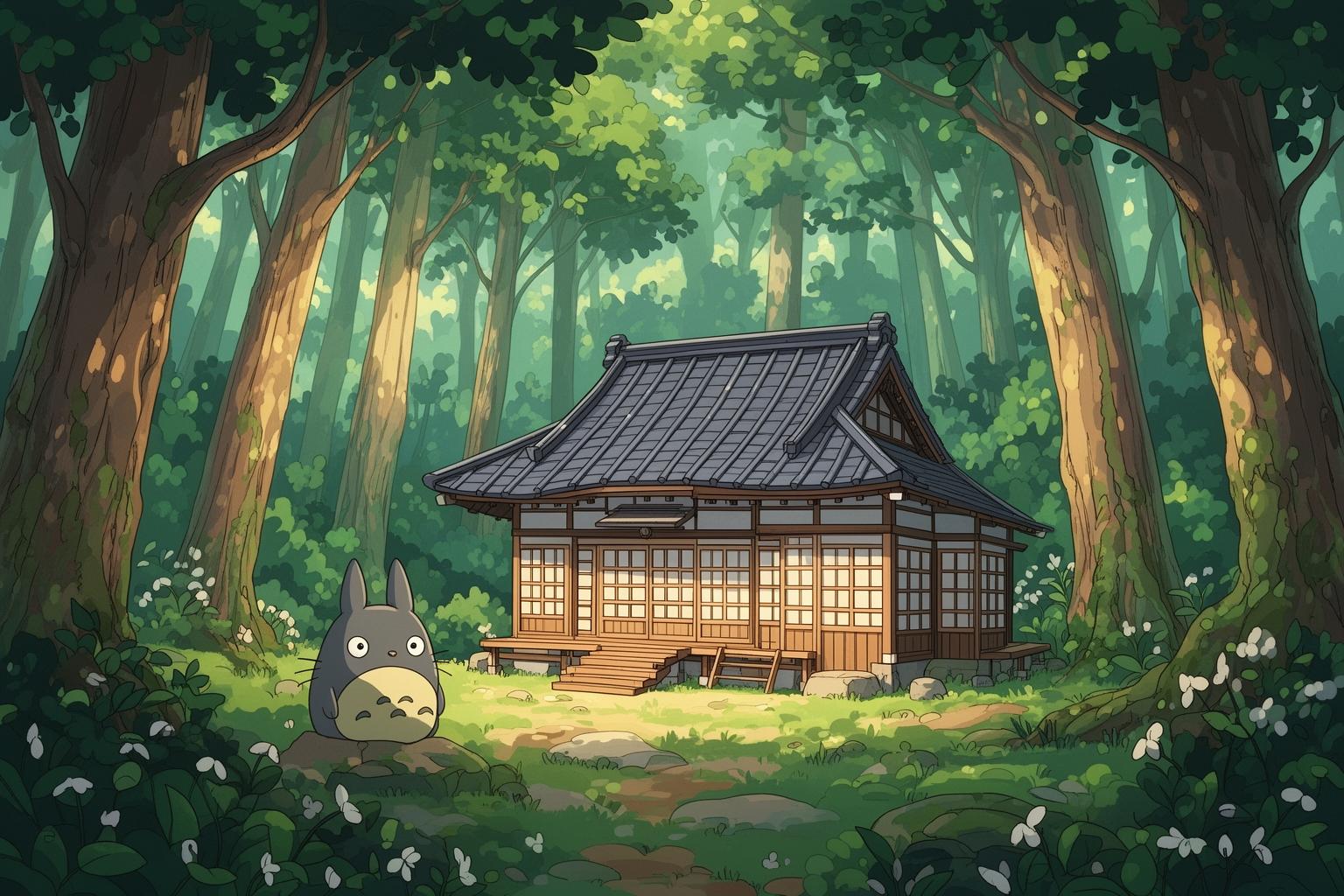
While the forest itself is the primary attraction, there is one destination that stands at the heart of the Totoro pilgrimage: Kurosuke no Ie, or Kurosuke’s House. Discovering this place feels like uncovering a hidden secret. Nestled down a quiet residential lane, it’s a beautifully preserved Showa-era home, offering a tangible glimpse into the mid-20th-century world portrayed in the film. Although the house itself wasn’t featured in the movie, it perfectly captures its nostalgic atmosphere and has been thoughtfully transformed into a community center and information hub for the Totoro no Furusato Foundation.
An Invitation to a Bygone Era
As you draw near, the classic wooden architecture, complete with a traditional tiled roof and weathered siding, instantly transports you back in time. It feels remarkably authentic—a home resonating with the echoes of a simpler life. Operated entirely by passionate and welcoming volunteers, the house is open only on Tuesdays, Wednesdays, and Saturdays, so planning your visit is important. Stepping through the sliding door is like stepping into a warm embrace. You’re welcomed by the scent of aged wood and tatami mats and almost certainly greeted by a cheerful volunteer eager to share the story of the house and the forest. You’ll be asked to remove your shoes, a customary practice that enhances the sense of being a cherished guest in this beloved home.
Finding the Magic Within
The main room holds the true wonder. Sitting grandly in the corner is a massive, larger-than-life Totoro figure, complete with his iconic leafy umbrella. It’s a stunning sight and an ideal photo spot for visitors of all ages. Adults’ faces light up with the same pure joy as the children’s. Volunteers will even lend you a small Satsuki or Mei doll to pose alongside the forest king. Yet, it’s the little details that make Kurosuke’s House so special. Look up to the dark wooden beams of the ceiling and into the dusty corners of the rooms, and you’ll spot them: tiny black Kurosuke, the susuwatari or “soot sprites” from the film, hiding in the shadows. This charming game of hide-and-seek makes the experience interactive and utterly delightful. The house also features exhibits about the local ecosystem, the history of the conservation trust, and a guestbook filled with heartfelt messages and adorable Totoro drawings from visitors worldwide. It stands as a powerful tribute to the film’s universal charm and the shared love that helps safeguard this precious landscape.
A Practical Guide to Your Ghibli Adventure
A trip to a place as enchanting as this calls for a bit of practical planning to make sure it goes as smoothly and enjoyably as possible. Although the Sayama Hills seem far removed from Tokyo, they are surprisingly easy to reach, making them an ideal day trip to escape the city’s hustle and reconnect with nature.
Access and Transportation
Seibukyūjō-mae Station on the Seibu Sayama Line is the most common starting point for exploring the area. Getting there is simple. From Ikebukuro Station in Tokyo, take the Seibu Ikebukuro Line to Nishi-Tokorozawa Station, then switch to the Seibu Sayama Line for the final, short part of the journey. The whole trip typically takes just under an hour. The station is located next to the MetLife Dome, home to the Saitama Seibu Lions baseball team. From there, your adventure begins on foot. The main trailheads and Kurosuke’s House are an enjoyable 15 to 20-minute walk from the station. This walk is part of the experience, taking you through quiet neighborhoods and past local vegetable gardens, gradually immersing you in the rural setting. Make sure to pick up a map from the station or, even better, from Kurosuke’s House, as the trail network can be a bit tricky at first. Don’t hesitate to get slightly lost; every path leads to its own little discovery.
Timing Your Visit: The Four Seasons of Sayama
The Sayama Hills are stunning all year round, each season bringing its own special appeal. Spring is arguably one of the most magical times to visit. From late March to early April, the hills are decorated with blooming cherry blossoms, creating a scenery that looks as if it came straight from a watercolor painting. The weather is mild and ideal for hiking. Summer brings a vibrant, almost overwhelming burst of green. The forests are thick and lush, filled with the sound of cicadas. However, be ready for the heat and humidity, which can be intense. This is when you’ll most appreciate the cool shade provided by the forest canopy. Autumn is another outstanding season. From late October through November, maple and oak trees display brilliant red, orange, and gold leaves. The air is crisp and clear, and the crunch of fallen leaves beneath your feet is deeply satisfying. Winter shows a different kind of beauty. With fewer crowds and the deciduous trees bare, views of the surrounding landscape and nearby lakes are clearer. A walk on a cold, sunny winter day can be truly refreshing.
What to Pack for the Woods
Being prepared is essential for a comfortable visit. First and foremost, wear sturdy, comfortable walking shoes. Although the trails aren’t especially difficult, you’ll spend a lot of time on unpaved paths. Dress in layers, since temperatures can be cooler in the forest shade than in open areas. In summer, lightweight, breathable clothing is essential, as is a hat and sunscreen. Bug spray is strongly recommended during the warmer months, as mosquitoes can be quite active. Always bring a bottle of water, especially in summer, along with some light snacks. While vending machines are available near the station, options are scarce once you venture deeper onto the trails. It’s also wise to carry a small plastic bag for your trash. The trails are maintained under a “pack it in, pack it out” principle. Lastly, bring your camera, but also remember to put it away occasionally. Some of the best memories come from simply taking in the experience with your own eyes.
The Spirit of Conservation: Miyazaki’s Enduring Message
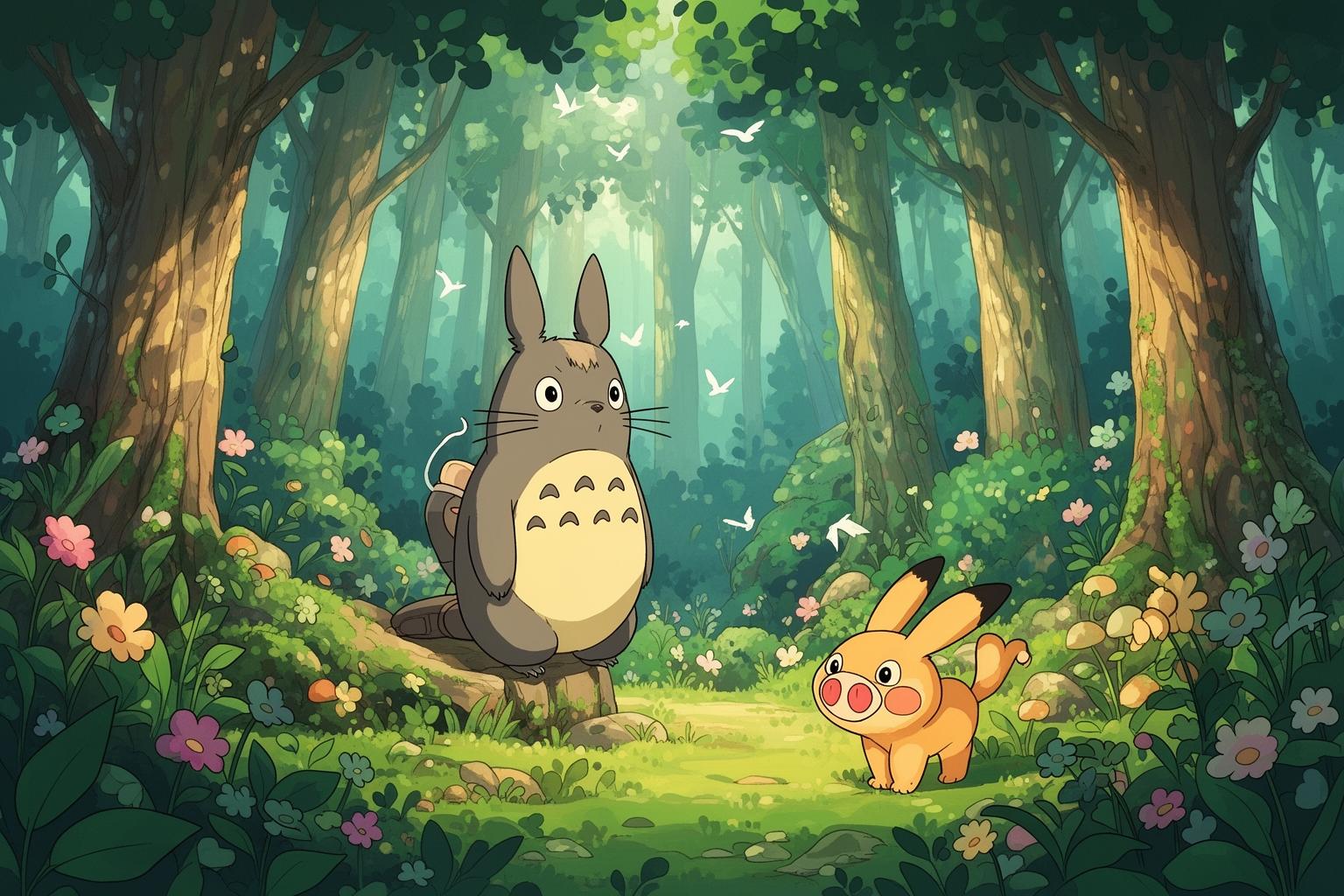
To truly appreciate a visit to Sayama Hills, it’s essential to recognize that you are walking through the result of a passionate, decades-long conservation effort. This is not merely a place that resembles the scenery from My Neighbor Totoro; it is the very location that Hayao Miyazaki, who has lived in the Tokorozawa area for many years, aimed to protect from the rampant urbanization that threatened Japan’s natural landscapes during the economic boom. When development plans endangered these woodlands, he co-founded the Totoro no Furusato Foundation. This initiative was groundbreaking, harnessing the cultural influence of a beloved animated character to mobilize public support and raise funds. People from across Japan and around the world donated money to help the foundation acquire tracts of forest land, preserving them for future generations. Each parcel is known as a “Totoro Forest,” and now dozens of them are spread throughout the hills. This background changes the experience. You are not just a visitor; you are witnessing a successful environmental campaign driven by art. The film’s core message about respecting nature and balancing human life with the environment is tangibly embodied here. The forest stands as a living monument to the idea that a story can change the world, or at least a small, cherished part of it. It’s a powerful example of community activism and the lasting legacy of an artist deeply devoted to his values.
Beyond the Forest Path
While the Totoro-related sites are the main attraction, the Sayama Hills area offers even more to discover if you have the time and desire to explore further. This region serves as an essential green lung for the Tokyo metropolitan area and boasts abundant natural beauty beyond the film-related trails.
Lake Sayama and Lake Tama
Just west of the primary forest trails lie two large, picturesque reservoirs: Lake Sayama (Sayama-ko) and Lake Tama (Tama-ko). These man-made lakes were originally created to supply water for Tokyo, but they have since become beautiful natural destinations in their own right. The dams and surrounding shoreline paths provide stunning panoramic views of the water set against the rolling hills. On clear days, especially during winter, the majestic snow-capped peak of Mount Fuji can be seen in the distance. The lakeside areas are ideal for a leisurely walk, a picnic, or simply sitting on a bench watching the sunset paint the sky and water with brilliant colors. It’s a peaceful and scenic extension to a day spent in the forest.
Local Flavors and Quiet Moments
The area around Seibukyūjō-mae Station remains relatively tranquil, with small, family-run restaurants offering classic Japanese comfort foods like ramen or udon noodles. Enjoying a simple, hearty meal here before or after your hike is a wonderful way to support the local community and recharge. The city of Tokorozawa has additional dining options and is home to the Tokorozawa Aviation Museum, an intriguing stop for anyone interested in the history of flight in Japan—a theme that recurs in many of Miyazaki’s other films. Venturing into these surrounding areas enriches your visit, anchoring the forest’s fantasy in the reality of the charming and peaceful community that inhabits this region.
Your pilgrimage to the Sayama Hills is ultimately a journey inward. It is an opportunity to disconnect from noise and reconnect with a slower, more mindful rhythm. You may not see a Catbus racing down the lane or a giant furry creature napping in a clearing, but that’s not the true purpose. The real magic lies not in spotting literal characters from the film, but in experiencing the feeling it evokes: the sense of wonder in the natural world, the comfort of nostalgia, and the quiet joy of a simple walk in the woods. You find it in the way the late afternoon light filters through the trees, in the sound of your breath as you climb a gentle slope, and in the shared smiles of fellow pilgrims who have come here for the same reason. You leave the Sayama Hills feeling lighter, calmer, and with a renewed appreciation for the beautiful, hidden worlds that exist just beyond our busy cities. You came searching for Totoro, but you leave having found a piece of that gentle, protective spirit within yourself.