
There’s a feeling that washes over you when you step off the train in Hida-Furukawa, a gentle sense of déjà vu that hums in the crisp mountain air. It’s a quiet whisper of familiarity, a scene etched into your memory not by experience, but by art. For anyone who has been swept away by Makoto Shinkai’s transcendent masterpiece, Your Name (Kimi no Na wa), this small town nestled in the heart of Gifu Prefecture isn’t just a destination; it’s a homecoming for the soul. This is the real-world canvas upon which the fictional town of Itomori was painted, a place where the threads of animation and reality intertwine in the most breathtaking way. This journey is what we call seichi junrei in Japan—a pilgrimage to the sacred sites of our favorite stories. But a trip to Hida is more than just a quest to match scenes from a film. It’s an immersion into a timeless corner of Japan, a discovery of tradition, craft, and a landscape that feels just as magical as its animated counterpart. It’s about finding the real-life musubi, the connections that bind people, places, and time, which lie at the very core of the film’s narrative. Prepare to walk through the frames and into a story that is waiting for you to become a part of it.
Allow the whispers of Hida to guide you on an anime pilgrimage that intertwines the charm of everyday life with the timeless magic of Makoto Shinkai’s narrative.
The Tale of Two Towns: Hida-Furukawa and Takayama
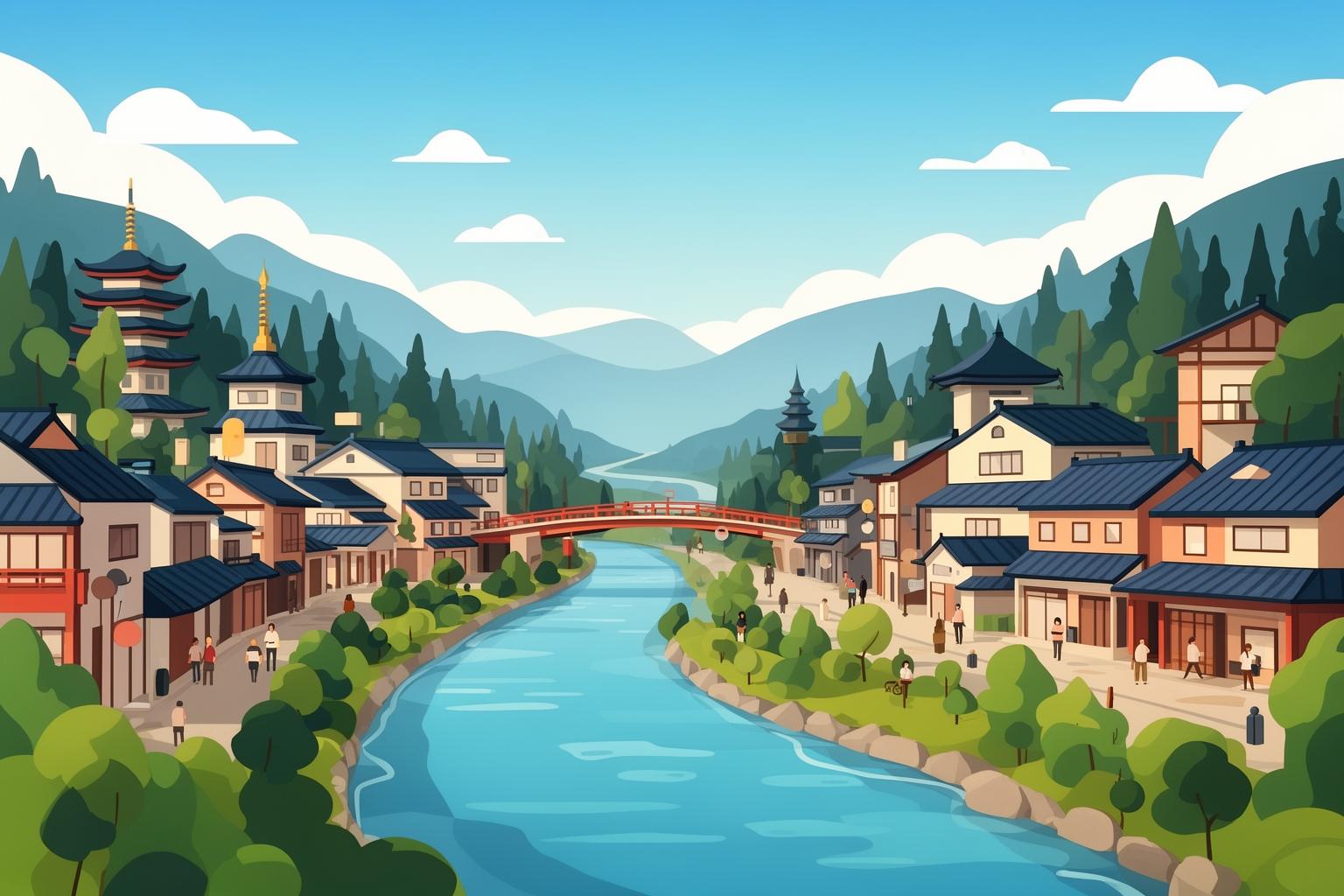
The magic of Itomori did not originate from a single location but is a blended dream crafted from two distinct yet harmonious towns: Hida-Furukawa and the nearby city of Takayama. While Furukawa provides the precise, almost surgically specific spots that fans eagerly photograph, Takayama contributes the broader atmospheric elements—the heart of a lively, traditional mountain town. Together, they create a complete image of the world inhabited by Taki and Mitsuha. The Hida region itself stands apart, nestled within the imposing Japanese Alps. Life here follows a unique rhythm, shaped by the changing seasons and a deep reverence for tradition. The towns are marked by their dark wooden lattices, canals filled with colorful koi, and the constant outline of forested mountains against the sky. It is a landscape that feels both ancient and vibrant, the perfect backdrop for a story that weaves through time.
Walking Through the Frames: Uncovering Itomori in Hida-Furukawa
The true pilgrimage begins in Hida-Furukawa, where the boundary between the screen and the street feels especially delicate. The town is compact and easily explored on foot, which is the ideal way to soak in its quiet charm. Every corner seems to hold a possible piece of the puzzle, a subtle whisper of the story. The air is fresh, the streets are peaceful, and the experience feels deeply personal, as if the town is quietly sharing its secrets with you alone.
The Iconic Pedestrian Bridge
Your first stop, shortly after arriving, will undoubtedly be Hida-Furukawa Station. It’s a modest, unpretentious station, yet it holds an almost mythical status. The true cinematic moment, however, is found on the pedestrian overpass crossing the tracks. Standing there, you are placed directly in one of the film’s key scenes, where Taki and his friends first arrive in their search for Mitsuha. The perspective is uncannily perfect. You see the long, straight railway tracks stretching into the distance, bordered by the rustic station building on one side and the vast, green mountains on the other. You can almost sense the anticipation and uncertainty the characters felt. For an ideal recreation, time your visit with the arrival of the JR Hida Wide View Express train. Its distinctive shape is instantly recognizable from the anime. Leaning on the railing and feeling the subtle rumble of a passing train, you’ll realize this spot is more than just a photo opportunity; it’s an emotional anchor to the film’s entire journey.
The Whispers of the Town Library
One of the most pivotal sequences in Your Name is Taki’s urgent search for information about Itomori and the comet strike. This research takes place in a beautiful, warm, and inviting library — the Hida City Library, which exists exactly as depicted in the film. Stepping inside feels surreal. The architecture, shelf arrangement, distinctive wooden beams, and soft light filtering through large windows are all just as shown. The scent of aged paper and polished wood fills the air, creating a calm and contemplative ambiance. However, this is a fully operational public library, so a deep respect is essential. The staff, well aware of the library’s fame, are very welcoming to visitors. If you want to take photos, you must first ask permission at the main counter. They will provide you with a pass and request that you remain quiet and unobtrusive. There is even a small dedicated corner with a guestbook and information about the film, highlighting the special bond between the town and the story that has drawn so many visitors here.
Keta Wakamiya Shrine and the Echoes of Miyamizu
While no single shrine in Hida-Furukawa is a perfect replica of the Miyamizu Shrine, Keta Wakamiya Shrine captures its spirit beautifully. A short, pleasant walk from the town center, the shrine is a pocket of serenity. The approach begins with a climb up a flight of long, weathered stone steps, shaded by towering cedar trees. With each step, town noises fade, replaced by the rustling leaves and birdsong. The feeling is one of entering a sacred space, separate from everyday life. This mirrors Mitsuha’s experience as a shrine maiden, caught between modern life and ancient tradition. The shrine itself is humble yet dignified, a place for quiet reflection. In this stillness, you can contemplate the film’s deeper themes of ritual, heritage, and the spiritual connections that bind generations. The Furukawa Festival, held here each April, further enriches this connection, showcasing vibrant local traditions that bring life to these sacred grounds.
Takayama’s Old Town Charm: The Soul of a Mountain City
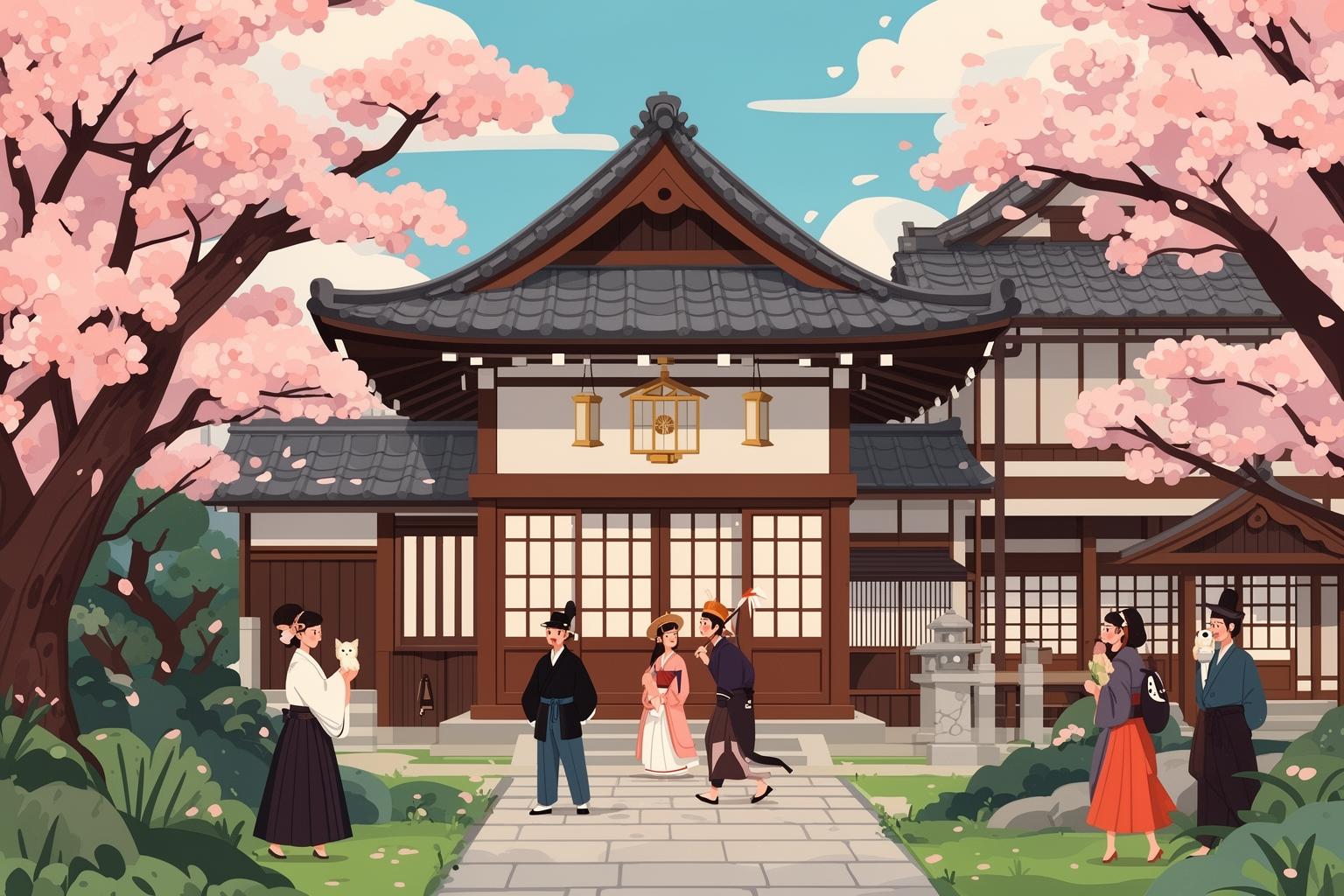
A short, scenic train ride from Hida-Furukawa brings you to Takayama, a larger and more frequented city that is an essential stop on any Your Name pilgrimage. While Furukawa offers the exact scenes, Takayama provides the heart and spirit. Its Sanmachi Suji district, a collection of beautifully preserved Edo-period streets, seems to serve as the blueprint for the overall aesthetic of Itomori’s town center. Walking through here feels like stepping back in time. The streets are lined with dark wooden merchant houses, many now transformed into sake breweries, craft shops, and cozy cafes. The atmosphere is a charming mix of historic reverence and vibrant energy. You can hear the gentle flow of water in the narrow canals, smell the sweet and savory scents of street food, and admire the intricate latticework adorning the buildings. It’s a sensory feast, providing the rich cultural texture that makes the film’s world so immersive and believable.
A Taste of Hida: Culinary Pilgrimages
Immersing yourself in a place means tasting its flavors, and the Hida region is a paradise for food enthusiasts. This culinary adventure is an integral part of the pilgrimage. The most famous local specialty is Hida beef, a type of wagyu known for its exquisite marbling and buttery texture. It can be enjoyed in many ways, but for an authentic experience, try a Hida beef skewer or a steamed bun from street vendors in Takayama’s old town. Another must-try is mitarashi dango. Unlike the sweet versions found elsewhere in Japan, Takayama’s are coated with a savory soy sauce glaze and grilled over an open flame, delivering a smoky, delicious snack. And you absolutely can’t miss gohei mochi, a flattened rice cake skewered, coated in a sweet miso and walnut sauce, then grilled. This is the very snack that Taki and his friends enjoy in the film, creating a tangible connection to their journey. These simple, flavorful foods capture the essence of the region and the taste of daily life in the mountains.
Hie Shrine: The Visual Cue
For many, the most memorable image of the Miyamizu Shrine is its dramatic entrance: a long, steep staircase ascending into a dense, mystical forest. While Keta Wakamiya Shrine in Furukawa embodies the spiritual essence, the Hie Shrine on the outskirts of Takayama is widely considered the direct visual inspiration for that iconic stairway. The similarity is unmistakable. The moss-covered stone steps climb steeply, framed by towering ancient trees that form a canopy overhead, casting dappled shadows along the path. Climbing these stairs feels like truly ascending into another world, offering a powerful and atmospheric experience that captures the awe and mystery surrounding Mitsuha’s family shrine. It’s a bit of a walk from the town center, but the journey is well worth it for the sheer cinematic impact of the location.
Planning Your Pilgrimage: A Practical Guide
Traveling to the Hida region is surprisingly simple, though a bit of planning will help make your experience as smooth and enchanting as possible. The journey itself is an integral part of the adventure, offering breathtaking views of Japan’s rural heartland.
Getting to Hida
The most popular and scenic way to reach Hida-Furukawa and Takayama is by train, with Nagoya serving as the main gateway city. From there, the JR Hida Wide View Express travels northward into the mountains. This train ride is an experience in itself, featuring large panoramic windows that provide unobstructed views of dramatic gorges, emerald rivers, and dense forests along the route. The trip takes about two and a half hours from Nagoya to Takayama, with Hida-Furukawa just 15 minutes further up the line. Alternatively, you can access the area via Toyama or Kanazawa if you are exploring the Hokuriku region. Long-distance buses also connect Takayama to major cities like Tokyo and Kyoto, offering a more affordable option.
When to Visit: The Four Seasons of Itomori
The Hida region is beautiful year-round, with each season offering a unique perspective on the world of Your Name. Summer, the season shown in the film, features lush, vibrant greens and warm days—ideal for exploring. The landscape looks alive and verdant, just as Taki first sees it. In spring, delicate cherry blossoms adorn the towns, adding a fleeting layer of beauty. Autumn is perhaps the most spectacular time, as the surrounding mountains burst into a fiery palette of reds, oranges, and yellows; this season attracts more visitors. However, winter holds its own unique and profound magic, with heavy snowfall covering traditional buildings and silent forests in a thick white blanket. The towns become peaceful and quiet, creating a contemplative atmosphere that is both beautiful and melancholic, reminiscent of the film’s more somber moments. A winter visit is truly a special experience.
Navigating the Towns
Once there, getting around is easy. Hida-Furukawa is very small, with all key anime locations within a 15-minute walk from the station. Renting a bicycle is a great way to explore the nearby rice paddies and peaceful riverbanks at a relaxed pace. Takayama is larger, but its main historic districts and attractions are still concentrated and very walkable. The train connecting Hida-Furukawa and Takayama runs frequently, making it convenient to stay in one town while exploring both. Spending a night in one of the towns, ideally in a traditional ryokan inn, is highly recommended to fully immerse yourself in the atmosphere once day-trippers have left.
Beyond the Frames: Embracing the Spirit of Hida

While the anime locations initially attract visitors, the true delight of a trip to Hida lies in uncovering the living culture that inspired the film’s core themes. This is where the pilgrimage transforms from mere sightseeing into a deeply personal and enriching journey.
The Art of Kumihimo
One of the most significant cultural elements in Your Name is kumihimo, the traditional Japanese art of cord braiding. Mitsuha’s red braided cord represents musubi, the invisible thread of fate connecting her to Taki. This is not just a fictional symbol; kumihimo is an authentic and treasured craft in the Hida region. Numerous shops in both Hida-Furukawa and Takayama offer workshops where you can sit at a traditional wooden stand called a marudai and create your own kumihimo bracelet. The process is meditative and rhythmic, a simple sequence of movements that gradually weaves individual threads into a strong, intricate cord. By crafting the bracelet yourself, the film’s themes acquire a new, tangible significance. Leaving Hida with a bracelet you braided by hand serves as the perfect souvenir—a personal emblem of your connection to the story and this special place.
The Sake Breweries of Sanmachi
The ritual of kuchikamizake, the ancient form of sake Mitsuha makes for the shrine, holds a pivotal role in the film’s climax. Although this specific practice is no longer performed, the deep cultural significance of sake remains vibrant in Hida. Takayama is especially renowned for its premium sake, made possible by pure mountain water and cold winters. The Sanmachi Suji district hosts several historic breweries, recognizable by large cedar balls, or sugidama, hanging above their entrances. Many breweries offer tours and tastings, giving you the chance to sample various types and learn about the brewing process. This experience allows you to engage with the region’s traditions on a deeper, sensory level, appreciating the craftsmanship passed down through generations.
The Local Festivals
To see the Hida region at its liveliest, consider planning your visit around one of its major festivals. The Takayama Spring and Autumn Festivals are regarded as some of Japan’s most beautiful, showcasing incredible, ornate floats paraded through the old streets. In Hida-Furukawa, the Furukawa Festival in April is a more wild and dynamic celebration, famous for its massive drum performances and thrilling processions. These events highlight the strong community spirit and living traditions that form the foundation of these towns—the same traditions Mitsuha both cherished and wished to escape. Experiencing a festival here means witnessing the culture of Itomori not as a static backdrop but as a living, breathing force.
A Final Reflection: The Meaning of Musubi
A journey to Hida begins as a quest to find the locations of a beloved film, but it ends as something far more meaningful. You arrive seeking Itomori and leave having discovered Hida-Furukawa and Takayama. You come for the art, and you remain for the reality, which is equally captivating. The trip teaches the film’s central theme of musubi—the binding of threads. It is the connection you feel standing on the station overpass, the link to the past sensed in the quiet of a shrine, and the bond formed when you braid your own kumihimo cord. Traveling here is weaving your own story into the rich tapestry of the place. You are no longer merely a spectator of Taki and Mitsuha’s tale; you become an active participant in the world that shaped it. The echoes of their dream are everywhere in Hida, waiting for you to hear them. And as you board the train to leave, you carry a piece of this place with you—a connection that, like Mitsuha’s red ribbon, will remain long after you have gone.