
There’s a certain kind of magic that settles over Tokyo when the light is just right. It’s a city of chrome and concrete, of relentless forward motion, yet in the quiet moments—a sunbeam cutting through the canopy of a park, the melancholic glow of a vending machine on a lonely street, the reflection of neon on rain-slicked asphalt—it reveals a soul that is both deeply modern and achingly nostalgic. No one captures this ephemeral beauty quite like filmmaker Makoto Shinkai. His works are more than just animated stories; they are love letters to the city itself, painting its landscapes with such photorealistic detail and emotional depth that they become characters in their own right. For fans around the world, watching a Shinkai film is to see Tokyo through a filter of profound beauty and possibility. This has given rise to a unique form of travel known as seichi junrei, or anime pilgrimage, where enthusiasts walk the very streets and stand in the exact spots that brought their favorite stories to life. It’s a journey that blurs the line between fiction and reality, transforming a simple city tour into a deeply personal quest. Today, we’re stepping into this world, tracing the ethereal footsteps of characters from two of his most celebrated masterpieces, ‘The Garden of Words’ and ‘Your Name,’ to discover the tangible magic hidden within the metropolis.
Tokyo’s reflective streets not only evoke Shinkai’s poetic vision but also inspire travelers to explore Tokyo’s real-life Your Name locations, deepening their connection to the city’s ephemeral magic.
The Emerald Heart of Tokyo: Shinjuku Gyoen and ‘The Garden of Words’
Our pilgrimage begins in a place that feels like a hidden gem, an oasis of improbable tranquility nestled alongside the frantic energy of one of the world’s busiest districts. Shinjuku Gyoen National Garden serves as the heartbeat of The Garden of Words, a story that unfolds almost entirely within its lush boundaries. Stepping through its gates, the city’s roar fades to a distant murmur. The air shifts, growing cooler and scented with damp earth and vibrant chlorophyll. This sensory transformation is so immediate that you instantly understand why the film’s protagonists, Takao and Yukino, sought solace here from their own worlds. The park offers sanctuary not only from urban sprawl but also from the quiet storms within. Shinkai masterfully captures this atmosphere, especially during the rainy season, or tsuyu, when the garden is at its most vivid. The rain in the film isn’t a gloomy backdrop; it’s a living force that cleanses the world, deepening the greens of the maples and turning each leaf into a shimmering jewel. Visiting on a misty morning, you’ll see how reality matches his art with breathtaking precision.
The Gazebo of Quiet Conversations
Tucked deep within the garden’s traditional Japanese landscape lies the film’s most sacred spot: the gazebo where Takao and Yukino’s unlikely friendship blooms. Finding it feels like a revelation. You follow winding paths, cross graceful wooden bridges, and suddenly there it is, perched over the water, instantly familiar. It’s smaller and more intimate than you might expect from the screen. Sitting on the same wooden bench, gazing out over the tranquil pond, you can almost hear the gentle pitter-patter of rain and the soft murmur of their whispered talks. This is the heart of the seichi junrei experience—the strange and wondrous feeling of inhabiting a space that exists both in the real world and in the story you adore. It creates a powerful connection. You’ll notice other visitors, some sketching like Takao, others quietly reflecting. There is a shared, silent understanding among them all: they are here to experience a piece of that story.
Walking Through a Living Painting
While the gazebo is the highlight, the entire park serves as a living canvas from the film. Shinjuku Gyoen is a landscape design masterpiece, elegantly blending three distinct styles: a traditional Japanese garden with carefully placed rocks and ponds, a formal French garden with its symmetrical flowerbeds, and an expansive English landscape garden with broad, open lawns. Shinkai’s animators painstakingly recreated these scenes. The sight of the NTT Docomo Yoyogi Building peeking above the treetops, a recurring motif symbolizing the outside world, is a popular photo spot. The old Imperial Rest House, the Taiwan Pavilion, and the many teahouses scattered throughout the park all appear as well. The best way to explore is to wander without a strict itinerary. Let yourself get lost on the smaller paths. Notice how light filters through the dense foliage, the texture of moss on an ancient stone lantern, and the slow movements of the giant carp in the Upper Pond. Each detail is a frame from the film, ready to be rediscovered.
Planning Your Visit
A little planning goes a long way to make the most of your visit. Shinjuku Gyoen charges a modest entrance fee, well worth the peace it grants. The park is open from 9:00 AM to 4:00 PM or later depending on the season, and is closed on Mondays, so be sure to check the official schedule before you go. The rainy season from June to July offers the most authentic Garden of Words experience, but every season has its own allure. Spring delivers a breathtaking bloom of cherry blossoms, attracting large crowds, while autumn ignites the maples in fiery reds and golds. Winter is quieter, a time to appreciate the stark, graceful forms of the trees. To avoid crowds, aim for a weekday morning visit when the park is most peaceful, allowing you to find your own tranquil spot.
A Moment of Calm
Embrace the spirit of the film during your visit. Bring a light snack and a drink—perhaps some chocolate and a can of beer if you want to be true to the characters. Find a bench, open a book, or simply watch the world drift by. This isn’t a place to rush through. In terms of style, think comfortable yet chic. Breathable fabrics and sturdy walking shoes are essential, as you’ll cover plenty of ground. A stylish trench coat or a beautiful umbrella will not only prepare you for sudden showers but also help you feel like a character stepping out of a carefully crafted scene. Remember this is a treasured public space; be mindful of rules like no alcohol and no sports equipment to preserve its peaceful atmosphere. The aim is to leave feeling refreshed, just as the characters did.
Echoes of a Fateful Encounter: The Stairways of Yotsuya
From the tranquil greenery of Shinjuku Gyoen, we set off toward a location brimming with a different kind of energy: anticipation. Our destination is a modest flight of red-railed stairs nestled within a quiet residential area near Yotsuya Station. To local residents, it’s merely part of their daily routine. To fans of ‘Your Name,’ it is sacred ground. This site serves as the backdrop for the film’s heart-stopping climax, where protagonists Taki and Mitsuha, years after their magical connection has faded into memory, finally meet again. The emotional power of this scene has transformed this otherwise ordinary spot into one of modern anime’s most iconic pilgrimage destinations. The journey itself adds to the experience. As you leave the main road’s hustle and bustle and wander into Yotsuya’s maze-like backstreets, the city’s noise fades away. You pass small houses, quaint local shops, and the occasional neighborhood shrine. With every turn and every glance at your map, anticipation mounts. And then, suddenly, you see it.
More Than Just Steps
Standing at the base of the Suga Shrine stairs and looking upward, the view feels strangely familiar. The gentle curve, the red railing, the buildings framing the sky above—it’s a flawless reproduction. The real magic unfolds as you climb. With each step, you can almost sense the frantic rhythm of the film’s score. You might even glance over your shoulder, half-expecting to spot a familiar face. When you reach the top and look back, the scene is complete. This is the exact perspective from the film’s final, hopeful moments. It’s a testament to Shinkai’s brilliance that he could infuse such a mundane urban feature with profound emotional significance. For many, this spot embodies the story’s central message: the invisible threads that connect us across time and distance. It symbolizes hope, searching, and the possibility of reunion.
Navigating the Neighborhood
The stairs stand adjacent to Suga Shrine, a small but charming local shrine worth a brief visit. The easiest route is from Yotsuya Station, served by the JR Chuo and Sobu lines, as well as the Tokyo Metro Marunouchi and Namboku lines. From the station, it’s about a 10-minute walk. While navigation apps are helpful, take time to enjoy the stroll. The neighborhood itself offers a glimpse into a quieter, more residential side of Tokyo that many tourists overlook. Unlike the towering skyscrapers of Shinjuku, this area features a more human scale and a slower pace of life. This contrast is part of what makes the pilgrimage special; you are literally moving from Taki’s urban world into a space that resonates more closely with Mitsuha’s small-town sensibilities—a meeting point of their two realities.
A Pilgrim’s Etiquette
When visiting the Suga Shrine stairs, it’s important to remember that you are a guest in a quiet residential neighborhood. People live here. Children play here. This is not a film set or a theme park. The surge in popularity has at times created tension with local residents. To be a considerate pilgrim, keep your voice low. Don’t block the stairs for extended periods, especially if residents need to pass. Avoid visiting very early in the morning or late at night. Take your photos, absorb the atmosphere, but do so respectfully. The shrine itself is a place of worship, so please observe proper decorum. A small bow before passing through the torii gate is customary. By being mindful, you help preserve this special spot so fans can continue to enjoy it for years to come without disturbing those who call it home.
The Urban Pulse of ‘Your Name’: Shinjuku’s Landmarks
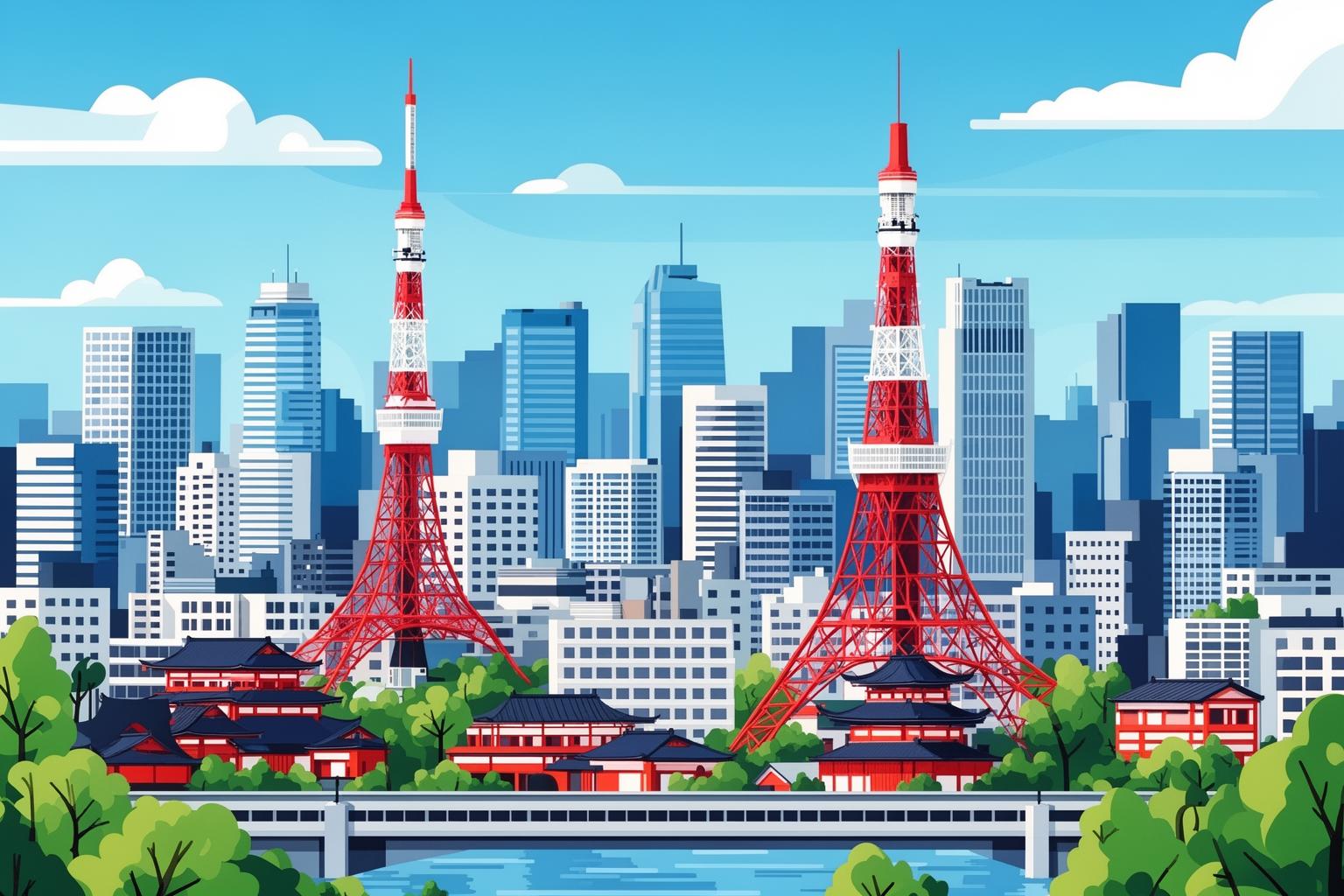
While ‘Your Name’ holds its quiet, emotional core in Yotsuya, its essence and spirit are rooted in the vibrant, bustling panorama of Shinjuku. This is Taki’s realm—a landscape of towering skyscrapers, glowing billboards, and rivers of people streaming through one of the world’s busiest transport hubs. Shinkai doesn’t merely portray this urban density; he elevates it, discovering beauty in its scale and intricacy. A journey through Shinjuku contrasts sharply with the reflective strolls in the park or the tranquil neighborhood. Here, you plunge into the city’s lively pulse, viewing familiar landmarks not as tourist destinations but as the backdrop to Taki’s everyday life, his part-time job, and his unforgettable date with his coworker, Okudera-senpai.
The View from Shinjuku Station
Shinjuku Station plays a character-like role in the film. It’s an expansive, multi-tiered maze that can overwhelm even locals. For our interests, the most captivating spots lie just outside. The pedestrian bridge near the South Exit provides a sweeping vista of the surrounding streets and train tracks, a scene prominently featured in the film. From this vantage point, you observe the web of roads, the steady stream of traffic, and trains weaving in and out of the station. It perfectly symbolizes the interconnectedness that defines both Tokyo and the story’s narrative. Another notable landmark is the iconic Shinjuku ‘LOVE’ sculpture, a pop art piece by Robert Indiana. Taki and his friends pass by it, and it serves as a popular meeting point—a fun pilgrimage site to mark off before venturing deeper into the city.
A Date with a View
One of the film’s standout scenes is Taki’s date with Okudera-senpai. Although the Italian restaurant where Taki works, ‘Il Giardino Delle Parole’ (a subtle nod to ‘The Garden of Words’), is fictional, their date occurs at real locations. They visit the National Art Center in Roppongi, known for its stunning wave-like glass facade, before stopping at a café with panoramic city views. While the precise café is debated among fans, recreating the experience is easy. The Tokyo Metropolitan Government Building in Shinjuku offers free observation decks boasting breathtaking views of the city skyline—a perfect spot to watch the sunset and see city lights start to flicker on, just like in the film. Alternatively, upper-floor cafes in major department stores such as Isetan or Takashimaya provide similarly intimate cityscapes to enjoy over coffee, capturing the charm of that memorable date scene.
Embracing the Chaos
Navigating Shinjuku demands the right approach. Rather than resisting the crowds, move with their flow. The station is best explored by following clearly marked signs to your chosen exit (South, East, West, and New South are primary). Don’t hesitate to pause and orient yourself. For the full ‘Your Name’ immersion, visit after dark. That’s when Shinjuku truly comes alive, transforming into the glittering, neon-lit spectacle depicted in the film. The area around the East Exit, including Kabukicho, bursts with a sensory overload of light and sound that’s quintessentially Tokyo. For travelers, especially when alone, a bit of situational awareness goes a long way. Stick to main, well-lit streets, and keep your belongings secure. Wearing a cross-body bag in front is a savvy choice in crowded spaces. Also, know the time of your last train, since Shinjuku’s energy can easily make you lose track of time.
Capturing the Shinkai Aesthetic: A Traveler’s Guide
A Makoto Shinkai pilgrimage goes beyond simply ticking off a list of locations. It invites you to learn to view the world through his uniquely sensitive and artistic perspective. It’s about discovering the extraordinary within the ordinary, the magic within the mundane. His films encourage us to notice the details we might otherwise miss in our rush from one famous landmark to another. This final stage of the journey isn’t about a place, but about adopting a new way of seeing.
Chasing the Light
Light stands as perhaps the most important character in any Shinkai film. He masterfully captures its every subtlety: the sharp, golden rays of late afternoon sunlight slanting through a train window; the soft, diffused glow of an overcast day; the breathtaking, almost divine crepuscular rays that pierce through clouds, known in Japanese as ‘angel’s ladder’ (tenshi no hashigo). As you explore Tokyo, deliberately seek out these moments. Observe how sunlight glints off a skyscraper’s glass facade. Pause beneath a tree in a park to watch the dappled light—komorebi—dance on the ground. Stay out during the ‘magic hour’ after sunset, when the sky deepens to a rich blue and city lights begin to shimmer warmly. Capturing these instances, even with your phone, will give you a travel album that feels more intimate and cinematic.
The Sound of the City
Close your eyes for a moment amid the bustling city and simply listen. Shinkai’s films are woven with a rich soundscape that grounds them in reality. The rhythmic clatter of a train crossing, the cheerful electronic chime signaling a safe pedestrian crossing, the distant wail of a siren, the murmur of a crowd—all form Tokyo’s unique soundtrack. In The Garden of Words, rain is a constant, soothing presence. In Your Name, the buzz of cicadas instantly evokes the humid Japanese summer. Seek out these sounds. Sit in a café by a busy intersection, or stand on a train platform and immerse yourself in the auditory world. This adds another dimension to your experience, deepening your connection to the place.
Everyday Magic
The key lesson from a Shinkai pilgrimage is that beauty exists everywhere. It’s found in the tangled network of power lines silhouetted against twilight. It’s in the steam rising from a ramen shop on a cold evening. It’s in the perfectly arranged rows of drinks in a brightly lit vending machine. Shinkai transforms these everyday scenes into moments of breathtaking art. This journey invites you to slow down. Instead of rushing through the station, pause to watch the trains arrive and depart. Instead of simply walking down a street, take note of the small details in the architecture, signs, and potted plants outside shops. This shift in perspective is the true souvenir you bring home—an ability to perceive the magic not only in Shinkai’s Tokyo but in the overlooked corners of your own world.
Wandering the streets of Shinjuku and Yotsuya in the footsteps of Taki, Mitsuha, Takao, and Yukino is a deeply moving experience. It bridges the divide between the world on screen and the world beneath your feet. You come searching for scenes from an anime, but you leave with a much richer appreciation of Tokyo itself—its moments of quiet reflection, its bursts of vibrant energy, and the everyday cinematic beauty hidden in plain sight. It’s a reminder that stories have the power not only to change how we feel but also to transform how we see.