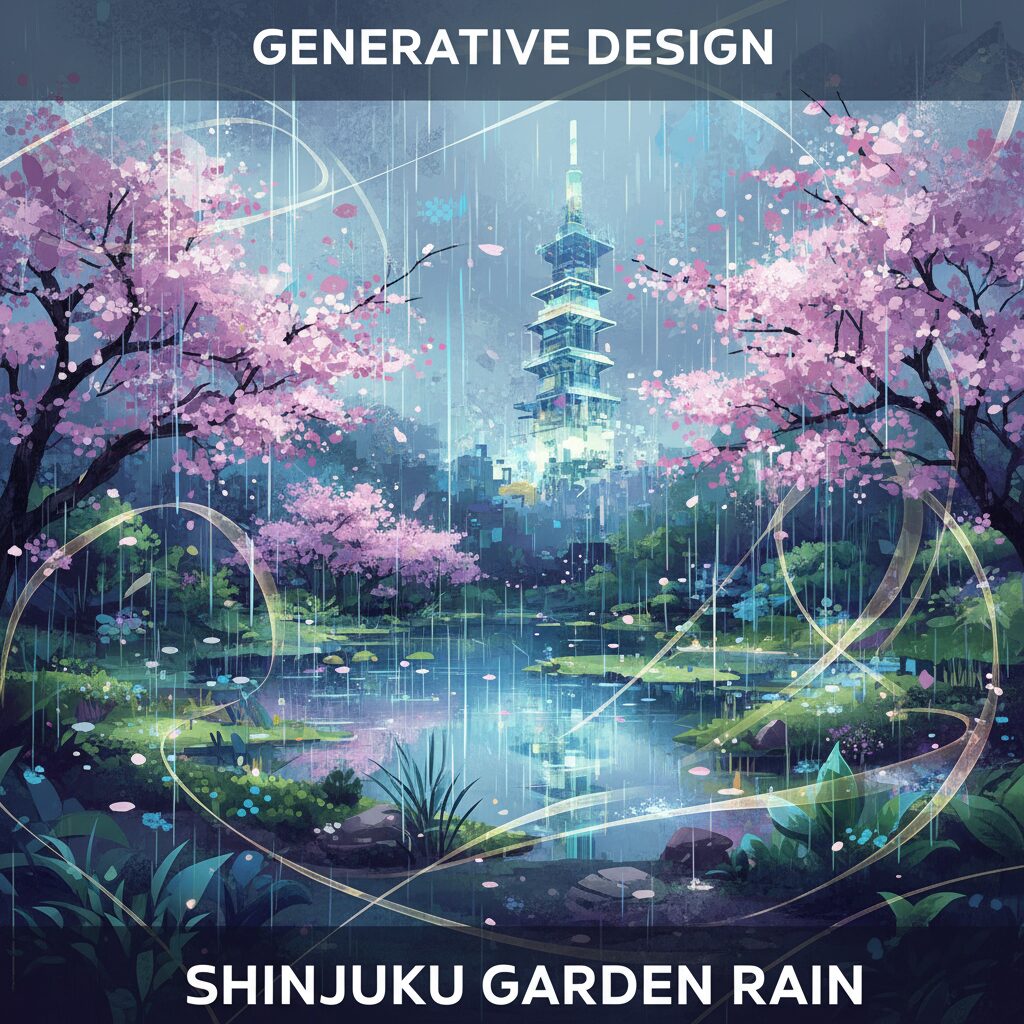
There’s a certain magic to a rainy day in Tokyo. The city, so often a symphony of sharp angles and neon brilliance, softens under a grey sky. The relentless pulse of its streets slows to a more contemplative rhythm. Puddles reflect the world in shimmering, distorted watercolors, and the air grows thick with the scent of wet asphalt and blooming flowers. It’s a moment of quiet poetry, a fleeting pause in the urban epic. And nowhere is this poetry more beautifully captured, more deeply felt, than in Makoto Shinkai’s cinematic masterpiece, The Garden of Words. The film doesn’t just show you the rain; it makes you feel its every drop, each one a note in a melody of longing and unspoken connection. For fans of the film, and for anyone seeking to find the soul of Tokyo beneath its bustling surface, there is a place where this animated world bleeds seamlessly into reality. That place is Shinjuku Gyoen National Garden, an emerald heart beating silently amidst the concrete and steel of one of the world’s most frenetic districts. This journey isn’t just about finding a movie location; it’s a pilgrimage, a seichi junrei, to the emotional core of a story that has touched millions. It’s about stepping through the screen and into the frame, to sit where the characters sat, to see what they saw, and to feel the same quiet promise of a rainy morning in the garden.
To further explore Japan’s film-inspired landscapes, some travelers find that a visit to Takayama’s evocative trails offers a parallel pilgrimage where art meets real-world ambiance.
The Heart of the Film: Shinjuku Gyoen National Garden
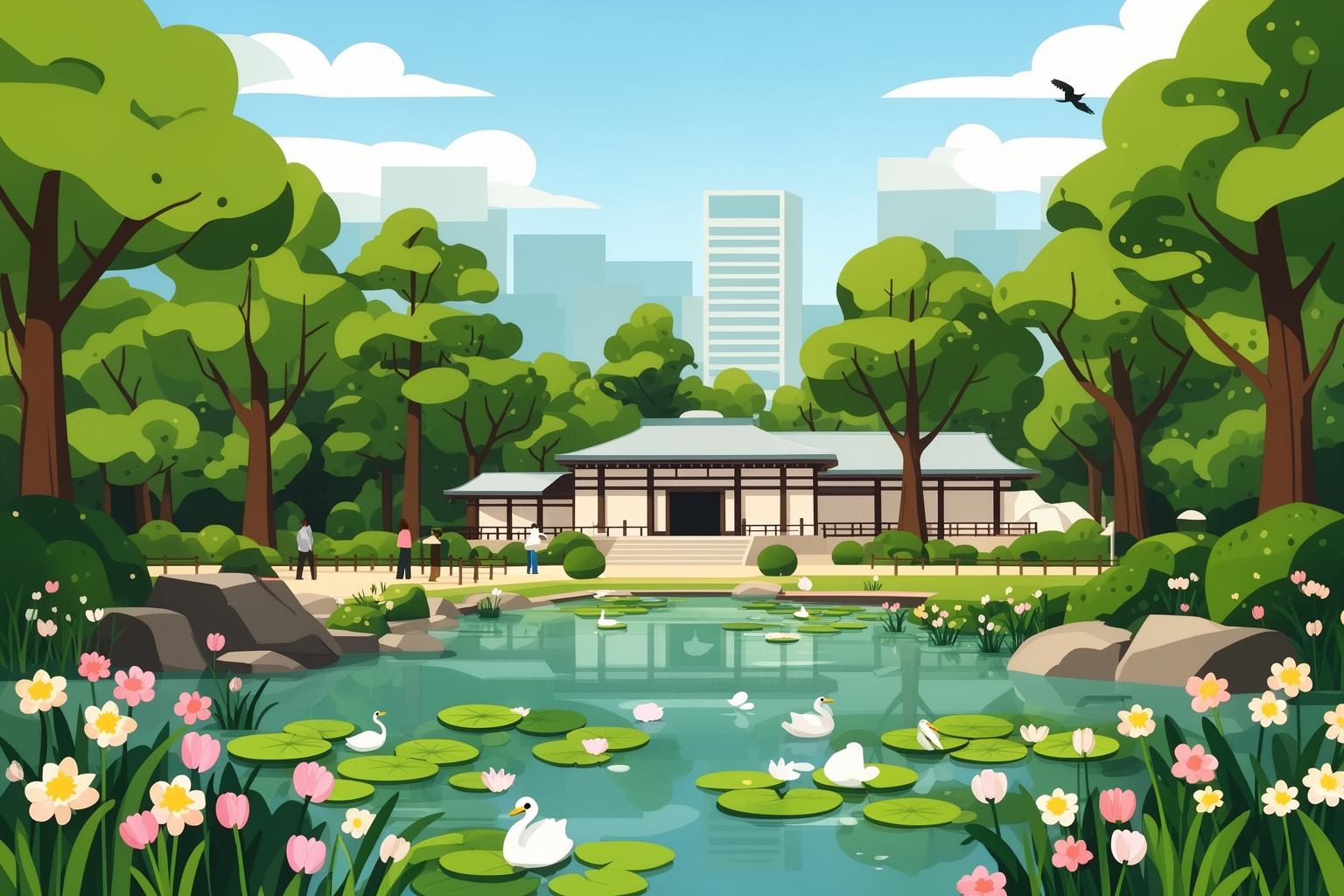
Stepping through the gates of Shinjuku Gyoen immediately evokes a profound sense of dislocation. One moment, you are immersed in the auditory and visual chaos of Shinjuku, a bustling district that never seems to rest, and the next, you find yourself surrounded by deep, resonant silence, broken only by the rustling leaves and distant bird calls. The air shifts, shedding its urban sharpness and taking on the rich, earthy scent of damp soil and chlorophyll. This sanctuary is the refuge chosen by Takao Akizuki, the film’s aspiring shoemaker protagonist. It is more than just a park; it is a suspension of reality, a carefully crafted world of natural beauty that stands in bold contrast to the towering skyscrapers peeking over its treetops, silent witnesses to the tranquility within. The garden serves as a living museum of landscape design, a meeting place of diverse worlds. Yet, for those tracing the path of The Garden of Words, these magnificent landscapes are merely the prelude to the central sacred space of the story.
A Sanctuary Amid the City’s Hustle
The atmosphere inside Shinjuku Gyoen is one of peaceful intention. Every pathway is thoughtfully laid out, each tree shaped by time and attentive care. The park reveals itself through a series of stunning discoveries. You might wander into a classic English Landscape Garden, with sprawling lawns and majestic trees reminiscent of a country estate. Just a few steps away, you find yourself in a French Formal Garden, where symmetrical flowerbeds and perfectly aligned plane trees evoke the grandeur of Versailles. However, the heart of the garden—and the emotional backdrop of the film—is the Japanese Traditional Garden. Here, water, stone, and plants blend in a delicate harmony that invites quiet reflection. Ponds glitter with reflections of stone lanterns and gracefully arched bridges, while ancient pine trees, shaped over decades, seem to sit in silent meditation. It is in this section of the garden that the film’s essence truly emerges. You can almost hear Takao’s pencil softly sketching in his notebook, the subtle click of Yukari Yukino’s lighter, and the unsaid thoughts floating in the humid air between them.
Discovering the Iconic Gazebo
The ultimate destination for any pilgrim is, naturally, the small gazebo—or azumaya—where Takao and Yukino first crossed paths. Finding it feels like uncovering a well-kept secret, despite its fame. To reach it, you follow the winding trails of the Japanese garden toward the area near Kyu Goryotei, also known as the Taiwan Pavilion. As you draw nearer, anticipation mounts. Turning a corner, passing beneath the canopy of a weeping willow, there it stands. Smaller and more intimate than one might expect from the film’s wide, dramatic shots, the wooden structure rests peacefully at the edge of the pond, its simple form perfectly framing the lush greenery around it. Seeing it in person is surreal; the line between the animated world and reality dissolves entirely. You cease to be a mere observer of the story and become a participant. If fortune grants you a rainy visit, the experience goes beyond sightseeing. The sound of raindrops tapping the roof becomes the film’s soundtrack alive. The scent of petrichor, the sight of ripples in the pond, and the cool dampness on your skin culminate in a full sensory immersion. Many fans arrive prepared, carrying a can of beer and a bar of chocolate, just as Yukino did. Though alcohol is officially forbidden in the park, this quiet tribute is a common occurrence. Sitting on that bench, gazing at the same timeless view of nature and water, you come to understand why this spot was chosen. It is a place for peaceful reflection, a refuge from both literal and emotional storms.
Beyond the Gazebo: Tracing the Characters’ Footsteps
The pilgrimage to the world of The Garden of Words starts well before you step through the park gates. The film gives as much importance to the journey as to the destination, and following Takao’s route from the heart of Shinjuku is a crucial part of the experience. Shinkai excels at portraying the understated poetry of urban life, and the neighborhoods surrounding the garden serve as characters in the film just as much as the park itself. By retracing these steps, you develop a deeper understanding of the contrast that defines the narrative: the overwhelming, often isolating energy of the city contrasted with the intimate, healing embrace of the garden.
The Path to the Garden: The Journey from Shinjuku Station
Start your journey at Shinjuku Station, a hub of controlled chaos. It’s one of the busiest transport centers in the world, a vast maze of train lines, underground corridors, and an unending flow of people. This is where Takao’s story begins every rainy morning. Let yourself get slightly swept away by its currents. Take in the symphony of sounds: the electronic chimes signaling train departures, the hum of countless conversations, the rhythmic tap of shoes on polished floors. This is the world from which Takao is escaping. As you leave the station, look upward. The sky, framed by an overwhelming cluster of skyscrapers, is a constant motif in Shinkai’s work. One of the most recognizable landmarks, prominently featured in the film, is the NTT Docomo Yoyogi Building. Its distinctive spire, resembling a clock tower, stands as a steady point of reference—a symbol of the modern world towering over the garden’s traditional sanctuary. The walk from the station to the Shinjuku Gate of the garden is a slow transition. The crowds thin out, the noise softens, and nature begins to reclaim its presence. You pass grand department stores and office buildings, their sleek, modern designs familiar from the film’s backdrops. Each step draws you nearer to the garden’s world, making its peace all the more striking.
Capturing the Essence of a Shinkai Sky
Makoto Shinkai is often hailed as the master of light and sky. His films are celebrated for their stunningly realistic and emotionally evocative portrayals of clouds, sunlight, and rain. To fully appreciate The Garden of Words, you need to become a keen observer of the sky. The ideal time to visit is during the rainy season, or tsuyu, which usually lasts from early June to mid-July. This period brings out the garden’s lushest and most vibrant colors, heightened by moisture, with the air thick with the film’s signature ambiance. A gentle drizzling morning offers the most authentic experience. The park is quieter, and the soft, diffused light paints a world of gentle greens and muted hues. Yet, the garden’s charm is not limited to rainy days. An early morning visit on a sunny day reveals a different kind of magic. You can witness komorebi, the Japanese term for sunlight filtering through tree leaves, casting dappled patterns on the ground below. This phenomenon is a recurring visual motif in Shinkai’s films, symbolizing moments of hope and transient beauty. As a travel writer with a passion for art and fashion, I find the garden’s color palette endlessly inspiring. The intense, almost electric green of early summer’s maple leaves, the fiery reds and golds of autumn, the stark, sculptural forms of bare branches against a winter sky—each season paints the garden in fresh hues, offering a distinct emotional experience. To capture the Shinkai spirit, bring a quality camera, but more importantly, bring a patient eye. Spend time simply looking up, watching clouds drift and light shift. That is where the true magic of the film resides.
A Practical Guide for the Modern Pilgrim
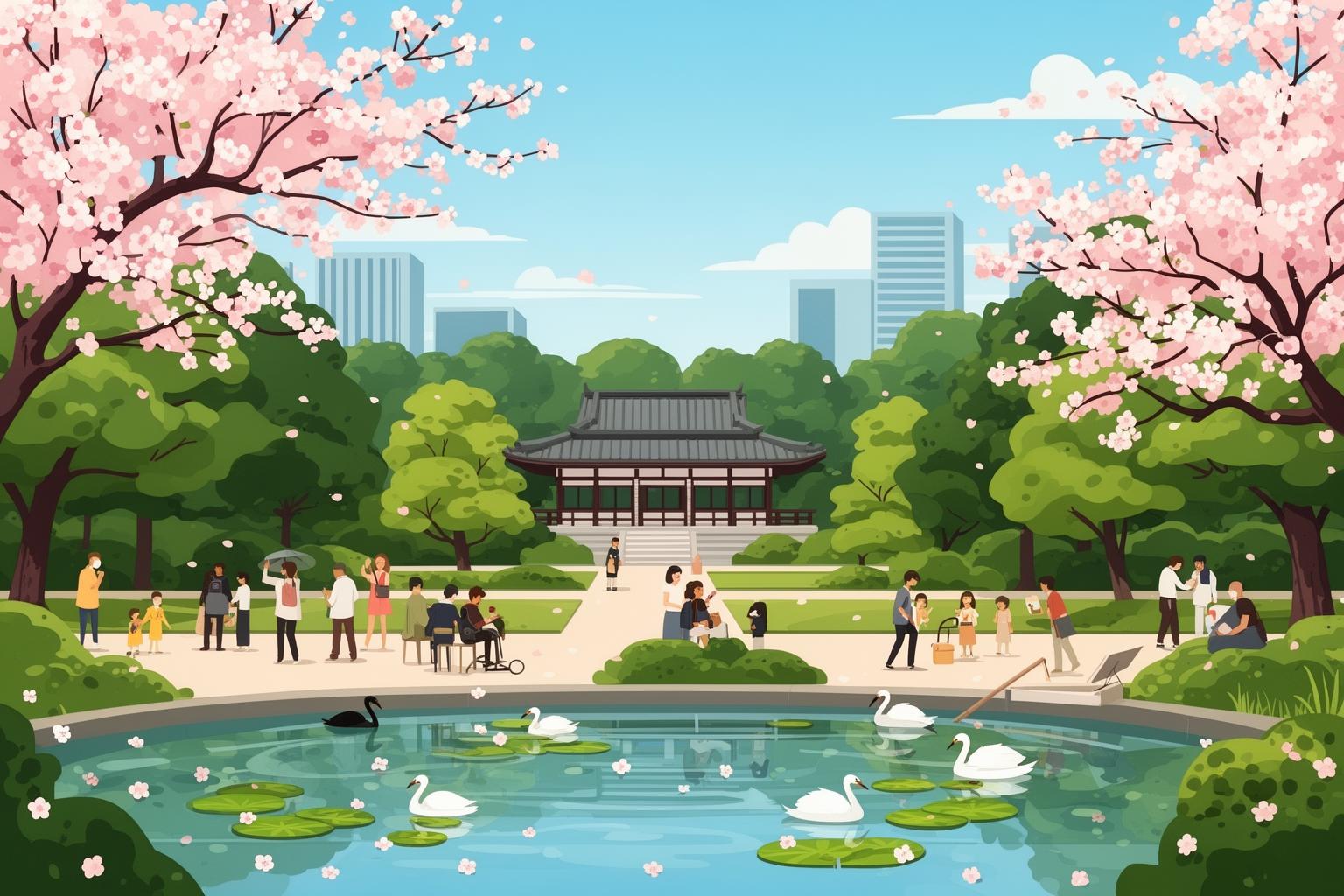
Embarking on this pilgrimage requires some planning to ensure the experience is as smooth and immersive as possible. Shinjuku Gyoen is a vast and popular destination, but with a bit of preparation, you can navigate it easily and discover your own quiet moments of connection. From figuring out the best way to get there to familiarizing yourself with the park’s straightforward rules, these practical tips will allow you to focus on the atmosphere and the art, rather than the logistics.
Access and Admission
Shinjuku Gyoen is highly accessible, located just a short walk from several major train and subway stations. It features three main gates. The Shinjuku Gate is the largest and about a ten-minute walk from JR Shinjuku Station’s New South Exit. Alternatively, it is a five-minute walk from Shinjuku-gyoemmae Station on the Tokyo Metro Marunouchi Line. The Okido Gate is also close to Shinjuku-gyoemmae Station. For those wishing to enter near the Japanese Traditional Garden and the iconic gazebo, the Sendagaya Gate is the best choice. It is roughly a five-minute walk from JR Sendagaya Station on the Chuo-Sobu Line. Upon arrival, you will need to buy an entrance ticket from one of the automated vending machines. The fee is quite reasonable, a small price to pay for access to such a vast and beautiful oasis. Be sure to check the opening hours before your visit, as they may vary by season. The park is generally open from morning until late afternoon, with last admission one hour before closing. An important note for travelers: Shinjuku Gyoen is usually closed on Mondays, except when Monday is a public holiday, in which case it closes on the following Tuesday. Always verify the official website for the latest information to avoid any disappointment.
When to Visit: A Tale of Four Seasons and a Rainy Day
While a rainy morning in early summer provides the quintessential Garden of Words experience, Shinjuku Gyoen offers beauty throughout the year. Each season tells its own story. Spring is undoubtedly the most popular time. The park is home to over a thousand cherry trees of various types, creating a staggered, extended blooming period that blankets the landscape in shades of pink and white. It’s a stunning sight but expect large crowds. Summer, especially during the rainy season, is ideal for pilgrims. The garden transforms into a tapestry of countless shades of green, the air filled with the sound of cicadas, and the humidity gives the atmosphere a tangible weight, just like in the film. From my perspective, this season is also great for experimenting with fashion. A stylish, high-quality umbrella and fashionable waterproof boots aren’t just practical—they become part of the aesthetic, allowing you to embrace the rain with comfort and elegance. Autumn brings another transformation, setting the maple trees ablaze with vibrant crimson and gold hues. The crisp air makes for perfect, reflective walks. Winter offers a time of quiet minimalism. The crowds fade away, and the garden’s elegant structure reveals itself. The stark beauty of bare trees against manicured lawns and evergreen pines creates a serene, almost meditative atmosphere.
Navigating the Park with Grace and Safety
Shinjuku Gyoen is an exceptionally safe and welcoming place, ideal for solo travelers. However, as in any large city, a little vigilance goes a long way. The area around Shinjuku Station can be overwhelming, so keep your belongings secure and be mindful of pedestrian traffic. Once inside the park, the feeling changes completely. The grounds are expansive, so be sure to pick up a map at the entrance to orient yourself. The paths are well-kept and clearly marked. To fully appreciate your visit, allow yourself at least a few hours to explore all three main garden styles. Begin with the Japanese Traditional Garden to find the gazebo, then wander through the English and French gardens to enjoy the contrast. Keep in mind the park’s rules, which help preserve its peacefulness. As mentioned, alcohol is prohibited. Bringing sports equipment or playing games on the lawns is also not allowed, ensuring the environment stays conducive to quiet enjoyment and nature appreciation. For refreshments, there are several small teahouses and rest areas within the park where you can purchase drinks and simple snacks. The Rakuu-tei teahouse, located in the Japanese garden, is a particularly charming spot to savor a traditional cup of matcha and a sweet treat, offering a moment of authentic Japanese culture amidst your anime pilgrimage.
Deepening the Connection: The Art of Observation
To genuinely honor the spirit of The Garden of Words, your visit should be more than a simple photo tour. The film is a meditation on observation, cherishing small details, and the quiet, creative process. Takao didn’t just come to the garden; he used it as his inspiration, sketching designs, studying the shape of feet, and absorbing the environment around him. To connect with the film more deeply, you must do the same. This experience is about shifting from a tourist to an observer, allowing the garden to subtly work its magic on you just as it did on the characters.
Beyond Just a Photo Spot
Certainly, take a photo at the gazebo—it’s a rite of passage, a way to mark your presence at such a meaningful place. But then, put the camera down. Find a spot on the bench and simply sit. Listen. Watch. Notice how the light shifts as clouds drift overhead. Observe the carp gliding silently through the dark pond water. Watch raindrops bead on the wide lotus leaves. This captures the film’s aesthetic essence. Bring a notebook, as Takao did. You don’t need to be an artist. Write down your thoughts, sketch a leaf, or record your sensory impressions. The garden acts as a powerful catalyst for creativity and introspection. The film explores deep themes of loneliness, the search for belonging, and the courage to chase a dream—all universal human experiences. The garden’s quiet solitude offers the perfect setting to reflect on these themes together with your own life. It’s a place to disconnect from digital noise and reconnect with yourself. Engaging with the space at this deeper level turns the gazebo from mere film set into a personal sanctuary.
Savoring the Film: Finding Your Own ‘Beer and Chocolate’
Food and drink have a small but meaningful role in the film. Yukino’s unusual pairing of chocolate and beer reveals much about her character—a woman who resists conformity and seeks small, private comforts. While drinking beer isn’t allowed in the park, you can recreate the spirit of her ritual. Before entering, stop by a nearby convenience store or the basement food hall of a department store like Takashimaya, known as a depachika. These are treasure troves of high-quality snacks and drinks. Choose a bar of fine Japanese chocolate, perhaps Meiji, a brand featured in the film. Pair it with a cold bottle of green tea or a non-alcoholic beer. Find a bench, either in the gazebo or shaded under a large tree, and enjoy your simple treat. This mindful act of savoring a small pleasure connects directly to the characters’ experience. After soaking in the garden, the Shinjuku area offers numerous cafes and restaurants. To perfectly end your day, visit a café on an upper floor of one of the nearby buildings. From there, you can look down on the park—a perfect green square amid the vast cityscape. This view reinforces the garden’s role as an urban oasis, a place set apart from the world, and a perfect spot to reflect on your journey through the world of words and gardens.
An Invitation to Find Your Own Story
A pilgrimage to Shinjuku Gyoen following the footsteps of Takao and Yukino offers a unique and deeply fulfilling experience. It’s a journey that blurs the line between fiction and reality, allowing you to spend a few hours immersed in a world shaped by light, color, and emotion. You arrive hoping to glimpse the familiar scenes from a beloved story, but you leave with something more intimate and profound. You discover that the rain on the gazebo roof sounds just as you imagined, that the summer leaves are even more vibrant than onscreen, and that the peacefulness within the garden’s walls is wonderfully tangible. Yet, the true magic of this place lies not in its perfect recreation of the art that made it famous, but in the new stories it inspires. It lives in the quiet moments of reflection on a secluded bench, the unexpected beauty of an unfamiliar flower, and the silent connection shared with another fan seated in the gazebo. Shinjuku Gyoen is not merely a setting for The Garden of Words; it is a living, breathing character itself. It invites you to be more than a spectator, asking you to listen, observe, and feel. So come, whether the sun is shining or the sky is weeping. Find your own shelter from the storm, your own quiet corner to dream. The garden awaits.