
There’s a curious magic that happens when a place you’ve only seen in a story becomes real. The lines blur. The air hums with a familiar energy, a whisper of a narrative you hold dear. For millions around the world, that story is Makoto Shinkai’s breathtaking anime masterpiece, Kimi no Na wa, or Your Name. And the place where its soul resides, nestled deep within the mountainous heart of Gifu Prefecture, is the impossibly charming town of Hida-Furukawa. This isn’t just a filming location; it’s the tangible, breathing counterpart to the film’s fictional town of Itomori. It’s where the vibrant threads of animation are woven into the quiet, sturdy fabric of Japanese rural life. Venturing here is more than a trip; it’s a pilgrimage, a seichi junrei, where fans step through the screen to walk the same paths as the characters they love. It’s a journey to find not just the backdrop of a beloved film, but the profound, enduring beauty of a town that has its own powerful story to tell, a story of tradition, community, and the quiet rhythm of the seasons.
As you continue your pilgrimage through Hida-Furukawa’s storied paths, you might also be inspired by a complementary forest pilgrimage that delves into nature’s timeless mysteries.
The Echoes of Itomori: Finding Cinematic Scenes in Daily Life
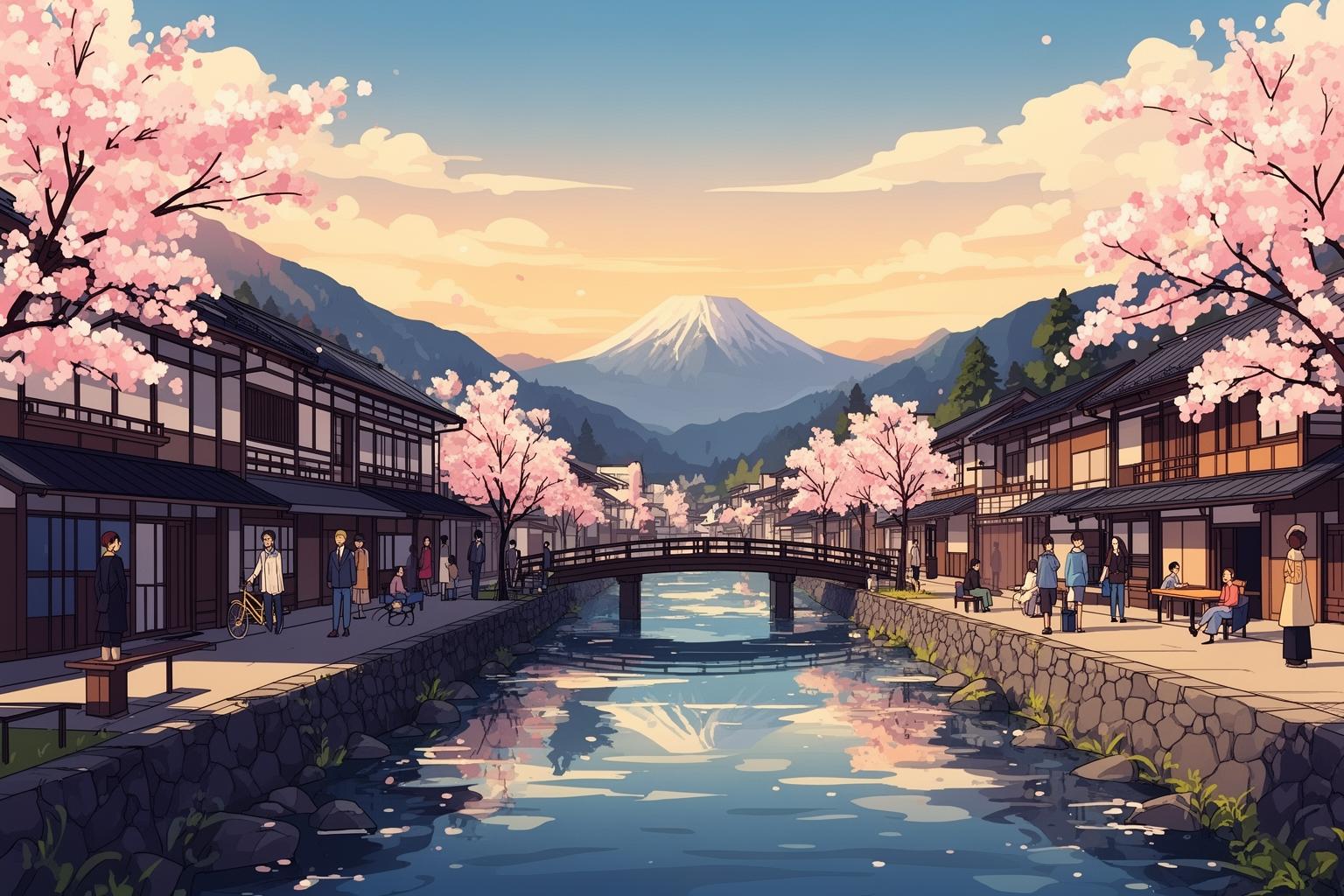
The excitement of a pilgrimage begins with that initial moment of recognition, a cinematic déjà vu that stirs a wave of exhilaration within you. In Hida-Furukawa, these moments abound, patiently waiting in plain view. They are not cordoned-off attractions but seamlessly woven into the daily life of the town, making the discovery feel both intimate and profound. This is where the world of Your Name truly springs to life—not as a mere replica, but as the authentic source of inspiration itself.
Hida-Furukawa Station: The Starting Point of Your Journey
Your adventure, much like Taki’s urgent quest in the film, will likely begin at Hida-Furukawa Station. As you step off the JR Hida Wide View train, the crisp mountain air and the modest charm of the station building immediately ground you. The sense of arrival is tangible. This quaint wooden station closely resembles the one where Taki and his friends first come, their urban energy contrasting sharply with the sleepy rural surroundings. You’ll notice it right away: the taxi stand, the platform’s layout, and the pedestrian overpass from which Taki stares out, trying to unravel a memory from a dream. Look carefully at the platform, and you’ll spot the playful cow mascot, Hida-gyu, a delightful local emblem that made its way into the film. Standing here, you can almost hear the train announcements echo through the still air—a sign that you’ve crossed into another world. The station is more than just a transit point; it is the gateway to your pilgrimage. It’s where the fiction in your heart meets the reality beneath your feet. Pause on the overpass, gaze along the tracks stretching into the distance, and let the vastness of the landscape sink in. This cinematic opening sets the stage for your own story.
The Hida City Library: A Sanctuary of Discovery
A short, scenic walk from the station brings you to perhaps the most iconic interior location from the film: the Hida City Library. This is no ordinary library—it is an architectural marvel, showcasing the region’s expert craftsmanship in woodwork. Sunlight streams through expansive windows, bathing the warm, honey-hued timber that defines the space. The soft aroma of wood and aged paper fills the air. For fans, this is hallowed ground. It was here that Taki meticulously researched the history of Itomori, uncovering the tragic truth through town records and microfiche. You’ll find the very tables and chairs seen in the film. The layout, the gentle curve of the desks, and the way light filters in—it’s all uncannily accurate. Inside, the atmosphere is one of calm concentration. Local students and residents quietly go about their business, a gentle reminder that this beautiful space is a living, breathing part of the community. Visitors are welcome but are asked to be respectful. Photography is often restricted or requires prior permission from staff to avoid disturbing others. Ask politely; they are used to enthusiasts and are generally very accommodating. Settling into a quiet corner, surrounded by books and the subdued sounds of a working library, you can feel the same sense of focused discovery that propelled Taki forward. It is a moment of quiet connection, bridging the gap between screen and reality.
Keta Wakamiya Shrine: The Touch of the Mystical
Though the Miyamizu Shrine in the film is a blend of several sites and creative interpretation, its spiritual essence resonates at the Keta Wakamiya Shrine in Hida-Furukawa. A flight of stone steps, shaded by towering ancient trees, leads to the main shrine building. This climb closely evokes the steps Mitsuha and her sister ascended to perform their sacred rituals. While it may lack the dramatic caldera backdrop seen in the film, the atmosphere here is rich with history and reverence. The air is cooler, and the sounds of the town give way to the rustle of leaves and the caws of crows. You can almost envision the quiet ceremonies, sacred dances, and the weight of tradition that shaped Mitsuha’s life. Unlike the more heavily visited shrines of Kyoto, Keta Wakamiya offers an intimate, local ambiance. There are no crowds, only a deep sense of tranquility. It is a place to contemplate the film’s deeper spiritual themes—the interconnectedness of people, the flow of time, and the significance of memory and tradition. Spend time here, listen to the silence, and feel the ancient heartbeat of the town. It is a potent reminder that the magical elements of Your Name are grounded in Japan’s very real and profound spiritual heritage.
Beyond the Silver Screen: The Authentic Soul of Hida
While the initial appeal lies in the joy of spotting film locations, the true enchantment of Hida-Furukawa emerges when you look beyond the anime scenes. This town is not a theme park; it is a beautifully preserved fragment of old Japan, a community proud of its heritage and craftsmanship. To fully appreciate your pilgrimage, you must immerse yourself in the culture that inspired the film’s rich, detailed world-building. The soul of Itomori is found not just in its visuals but in its spirit—a spirit that remains alive and vibrant in Hida.
The Shirakabe Dozogai Street: A Walk Through Time
The most picturesque area of Hida-Furukawa is undoubtedly Shirakabe Dozogai. Here, traditional merchant houses with distinctive latticework stand alongside striking white-walled storehouses called kura. Running alongside this historic street is the Seto River, a narrow, stone-lined canal filled with over a thousand colorful koi carp. The gentle murmur of the water and the slow, graceful movements of the fish create a mesmerizing, peaceful ambiance. This is the heart of old Hida, where time seems to slow. Walking along the canal, you’ll see the reflections of willow trees and ancient buildings shimmering on the water’s surface. Though not explicitly featured in Your Name, this scene perfectly captures the idyllic, timeless essence of Itomori before the disaster. It reflects a deep bond with nature and a respect for history. A helpful tip for visitors: the koi are a cherished attraction in the town and are carefully relocated to a deeper, warmer pond during winter, usually from late November to early April. Visiting in warmer months ensures you see them at their most vibrant. The street also houses several sake breweries, with large, brown sugidama (cedar balls) hanging outside to signal the pressing of a new batch. Stepping into one of these breweries for a tasting means experiencing a craft refined over centuries, adding another thread to the rich cultural fabric of the region.
The Art of Craftsmanship: Hida’s Living Traditions
Hida has long been renowned for its master woodworkers, the Hida no Takumi. This heritage is visible throughout Furukawa, from the complex wooden joinery in temples to the finely crafted furniture in local shops. This enduring tradition of handcrafting resonates strongly with the themes in Your Name, especially Mitsuha’s family art of making kumihimo, the delicately braided cords central to the plot and symbolizing connection, time, and fate. While you may not find kumihimo workshops here, you can still explore the town’s profound respect for craftsmanship. Visit local candle shops like Mishima Japanese Candlestore, where artisans have been handcrafting traditional candles for generations using techniques scarcely changed over time. The process is slow, intentional, and beautiful—a meditation in wax and wick. Alternatively, visit a woodworking studio to witness the remarkable skill involved in producing Hida’s signature Shunkei lacquerware. Engaging with these living traditions offers a deeper appreciation of the cultural roots from which a story like Your Name could arise—one that values patience, skill, and the beauty of handmade objects imbued with meaning.
Flavors and Feelings: Experiencing Hida Like a Local
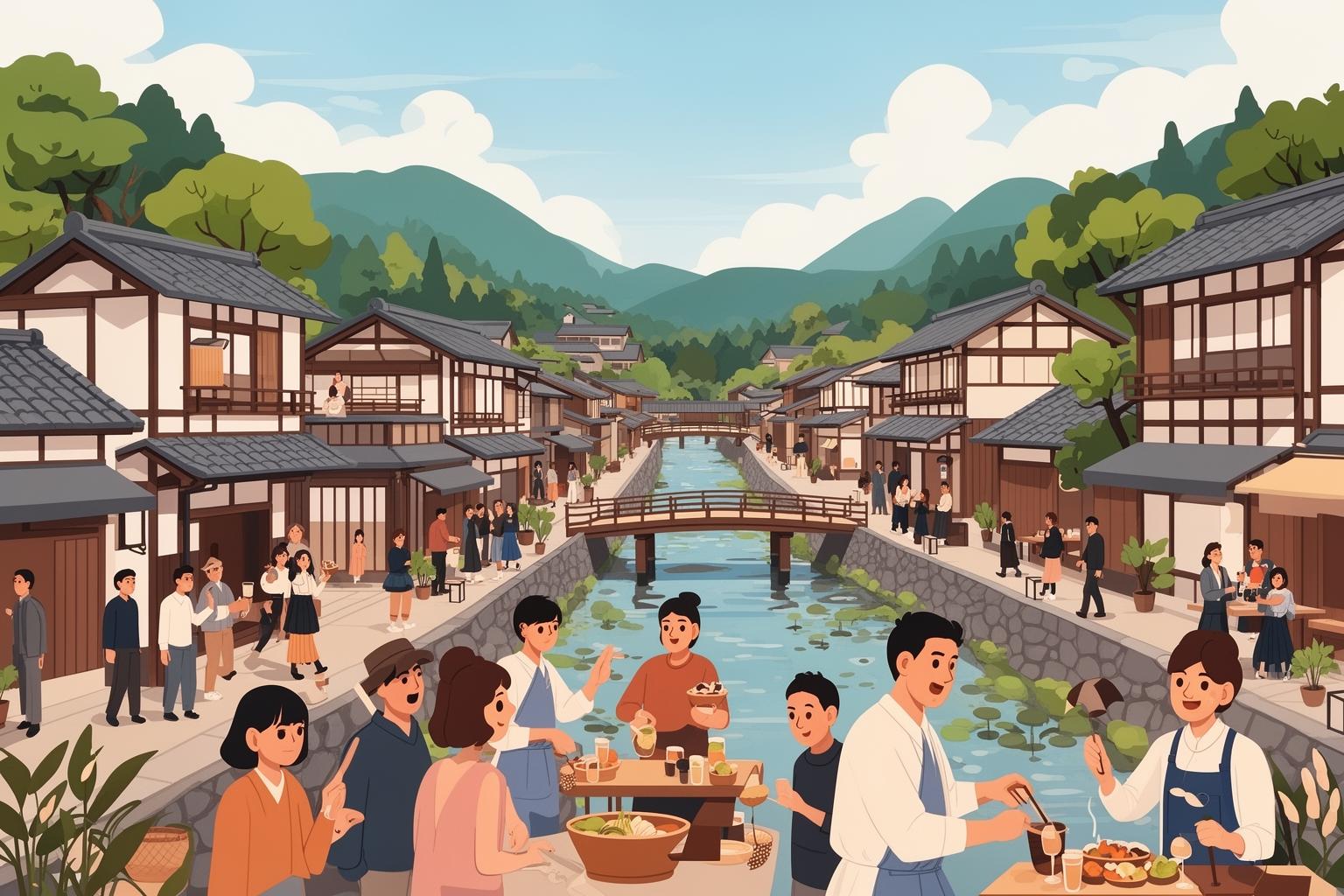
A journey is incomplete without savoring the local flavors. The cuisine of the Hida region is hearty, straightforward, and deeply intertwined with the mountainous terrain. It offers another way to connect with the daily life of the town and, by extension, the world depicted in the film. Dining here is not merely about nourishment; it’s about engaging with the local culture and creating your own treasured memories.
Culinary Delights: From Hida Beef to Goheimochi
The region’s most famous culinary export is Hida Beef, a type of wagyu celebrated for its exquisite marbling and melt-in-your-mouth tenderness. It can be enjoyed in many forms, from elegant steaks to more casual options like beef croquettes or steamed buns sold at street-side stalls. For an authentic taste of local life, however, be sure to try the regional comfort foods. Watch for goheimochi, a snack Taki is seen eating in the film. It consists of pounded rice on a skewer, coated in a sweet and savory glaze made from miso, soy sauce, and walnuts, then grilled over an open flame. The result is a rustic delight—crispy on the outside, soft and chewy on the inside, with a rich, nutty, umami flavor. Another local specialty is hoba miso, where miso paste mixed with green onions and other ingredients is spread on a large magnolia leaf (hoba) and grilled over a small charcoal burner at your table. The aroma is incredible, and it pairs perfectly with a bowl of rice and some grilled vegetables. To discover these local dishes, explore streets off the main tourist path and seek out small, family-run eateries. A particularly popular spot among fans is Ajidokoro Furukawa, a restaurant that embraces its film connection and provides a warm, inviting atmosphere for visitors.
The Morning Market and Local Sake
To truly feel the town’s heartbeat, try to visit one of the small morning markets (asaichi) that appear on certain days. Here, local farmers sell fresh produce, homemade pickles, and other regional specialties. It’s a wonderful chance to interact with locals and see the ingredients fundamental to Hida cuisine. The friendly chatter and vibrant colors of the vegetables offer a slice of authentic daily life that no souvenir shop can match. As mentioned earlier, Hida is also a reputable sake-producing region. The pure mountain water produces exceptionally smooth and flavorful sake. Many breweries, such as Watanabe Brewery, offer tours and tastings. Learning about the brewing process and sampling various types is a fantastic way to spend your afternoon, connecting you to the agricultural rhythms of the land and a tradition central to Japanese culture—much like the rituals at the Miyamizu shrine in the film.
Practical Pilgrim’s Compass: Navigating Your Journey
Though Hida-Furukawa feels like a world apart, reaching it and navigating the town is refreshingly simple. With a bit of planning, your pilgrimage will run smoothly, allowing you to immerse yourself in the atmosphere without fretting over logistics. This journey truly rewards a slower, more intentional pace.
Getting to Hida-Furukawa
The most scenic and convenient way to reach Hida-Furukawa is by train, as the town sits on the JR Takayama Main Line. The Limited Express Hida Wide View train is the most popular route, offering an experience in itself with its expansive panoramic windows that reveal stunning views of deep river gorges and lush mountain valleys. The trip from Nagoya takes about two and a half hours. Alternatively, many visitors choose to stay in the larger, more tourist-friendly town of Takayama, which is only a short, 15-minute train ride from Hida-Furukawa. This makes Furukawa an easy day trip, though staying overnight is highly recommended to enjoy the town’s peaceful charm after the day-trippers have left. For travelers coming from Tokyo, taking the Shinkansen (bullet train) to Nagoya and then transferring to the Hida Wide View line is the most straightforward route. The entire journey is covered by the Japan Rail Pass, making it an excellent deal for international tourists.
When to Visit: A Town for All Seasons
Hida-Furukawa is breathtaking throughout the year, with each season showcasing a unique character reminiscent of the beautiful seasonal imagery in Makoto Shinkai’s films. Spring brings delicate cherry blossoms that softly frame the historic streets and canals in shades of pink. Summer fills the town with lush greenery and the cheerful chorus of cicadas, a classic sound of Japanese summer. Autumn may be the most spectacular season, as the mountains around the town burst into vibrant shades of red, orange, and yellow. Winter turns Hida-Furukawa into a quiet, monochrome wonderland, cloaked in a thick layer of snow that muffles sound and creates a magical, serene atmosphere. One of the town’s most notable events is the Furukawa Festival, held every April 19th and 20th. This lively, energetic festival features massive, ornate floats and dramatic drum performances, offering a spectacular display of sound and passion that highlights the community’s spirited nature.
A First-Timer’s Guide to Graceful Exploration
To enjoy your visit fully, keep a few simple tips in mind. First, Hida-Furukawa is a small, compact town best explored on foot. Wear comfortable shoes and be ready to wander, as the main pilgrimage sites are all within easy walking distance from the station. Second, and most importantly, remember that you are visiting a living community. While the town embraces the attention brought by the film, it remains a quiet residential area. Be respectful of residents’ privacy, especially when photographing, and keep your voice low, particularly near the library and residential neighborhoods. The charm of Hida-Furukawa lies in its authenticity, and preserving that requires thoughtful behavior from visitors. Third, stop by the tourist information center just outside the station for a helpful pilgrimage map highlighting key anime locations, as well as details on local events and dining options. Finally, consider renting a bicycle to cover more ground and explore the beautiful rural landscapes and rice paddies surrounding the town, giving you a deeper sense of the setting that inspired Itomori’s pastoral beauty.
As you stroll the tranquil streets of Hida-Furukawa, something beautiful unfolds. The initial quest to find scenes from a movie gradually fades into genuine appreciation for the town itself. You arrive seeking the ghost of Itomori but depart carrying the spirit of Hida within your heart. The real place proves even more enchanting than its fictional counterpart, enriched by the warmth of its people, its rich history, and the gentle, enduring rhythm of life in the Japanese Alps. It’s a reminder that the most powerful stories are not mere flights of fancy; they are grounded in the beauty of the real world, inviting us to step inside and discover them firsthand. Hida-Furukawa is more than a backdrop—it’s a destination that continues the story and welcomes you to become a part of it.