There are places on the map that feel less like destinations and more like daydreams. Naoshima is one of them. Floating serenely in Japan’s Seto Inland Sea, this small island is a world-class art sanctuary, a place where concrete monoliths hold conversations with the ocean breeze, and sleepy fishing villages cradle avant-garde masterpieces. This isn’t a pilgrimage to a single monument or museum; it’s an immersion into a landscape entirely reimagined by art. For decades, a visionary project has been unfolding here, transforming a once-quiet island with a declining population into a global beacon for contemporary art, architecture, and sustainable revitalization. It’s a story of how creativity can heal and inspire, a testament to the profound dialogue that blossoms when human ingenuity meets the quiet power of nature. To arrive here is to step into a meticulously curated dreamscape, a journey for anyone whose heart beats faster for design, architecture, and the kind of beauty that settles deep within your soul. It’s a place to get lost, to find stillness, and to see the world through a new, art-filtered lens.
For those seeking further creative inspiration, this photographer’s pilgrimage to Hida offers an evocative glimpse into another facet of Japan’s artistic landscape.
The Concrete Canvas: Tadao Ando’s Architectural Vision
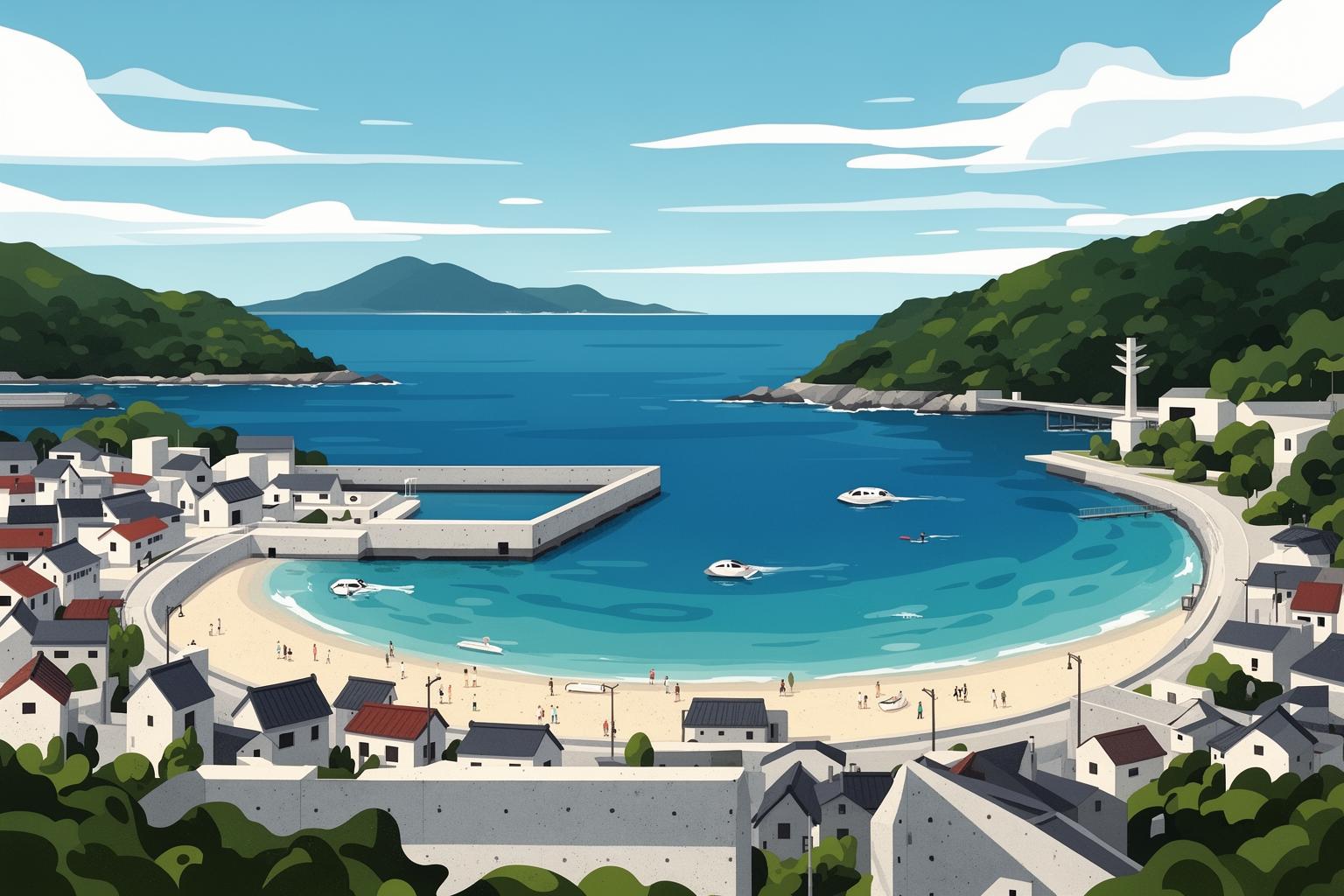
To truly understand Naoshima is to grasp the work of Tadao Ando, the self-taught architectural master whose vision is deeply embedded in the island’s very essence. Ando’s hallmark material—smooth, exposed concrete—is found everywhere, yet it never feels cold or overwhelming. Instead, it serves as a frame, a lens, a vessel for the natural world surrounding it. His designs don’t demand attention; they gently invite you into a carefully choreographed interplay of light, shadow, and space. Moving through one of his buildings is a sensory journey. You sense the temperature shift as you transition from a sunlit corridor to a cool, cavernous gallery. You observe how a narrow slit of daylight, precisely carved into a ceiling, can brighten an entire room, marking the slow passage of time on a gray wall. From a fashion and design viewpoint, his work exemplifies minimalist elegance—emphasizing pure form, clean lines, and a steadfast belief that simplicity holds the greatest power. He removes the unnecessary to reveal something essential about our connection to our environment. His buildings on Naoshima are more than just containers for art; they are monumental artworks themselves, encouraging quiet reflection and shaping your perception of the island before you’ve even viewed a single painting.
Ando’s brilliance lies in his philosophy of coexistence. His architecture never aims to overpower the landscape but to engage with it. Many of his most prominent structures, such as the Chichu Art Museum, are largely built underground, preserving the island’s natural coastline and lush hills. He compels you to rethink the boundary between inside and outside. A simple concrete wall might perfectly frame a stunning view of the Seto Inland Sea, transforming the scenery into a living masterpiece. An open courtyard becomes a dynamic space where you can feel the rain or the sun, connecting you intimately to the elements. This approach fosters a deep sense of harmony. You don’t feel like a passive observer watching nature from afar; you feel part of it. The island’s raw, untamed beauty flows into and through these crafted spaces, creating a seamless, meditative experience that lingers long after you have left.
The Museum Experience: Beyond the White Cube
Naoshima reimagines the concept of a museum. Forget about sterile white walls and stuffy galleries. Here, the art, architecture, and the island itself are inseparable, intertwined to create holistic, immersive environments that engage all your senses. Each museum represents a unique pilgrimage, a distinct universe with its own rhythm and rules of engagement. They demand your full attention and reward you with moments of profound beauty and introspection. This is not art to be passively consumed; it is art to be inhabited.
Chichu Art Museum: A Journey into Light
The Chichu Art Museum—whose name literally means “in the earth”—is perhaps the crown jewel of Naoshima and a stunning masterpiece of architectural design. Built almost entirely underground to preserve the island’s natural landscape, the museum experience starts long before encountering any artwork. Visitors follow a series of concrete pathways, ramps, and open-air courtyards that lead deeper into the hillside. This journey acts as a deliberate decompression, shedding the outside world and preparing your senses for what lies ahead. Inside, the museum is a sanctuary of natural light. Ando has ingeniously designed the building with skylights and apertures that capture and manipulate daylight, the sole source of illumination for the artworks. This means your experience of the art shifts depending on the time of day, season, and weather. A cloudy afternoon offers a soft, diffused glow, while a bright, sunny morning casts sharp, dramatic shadows.
The museum features works by only three artists, reflecting its focused, meditative philosophy. The first space is a vast hall dedicated to Claude Monet’s “Water Lilies” series. The room itself is a work of art, with pristine white walls and floors composed of 700,000 tiny marble cubes that create a soft, ethereal light, making the paintings appear to float. It’s a deeply moving experience to see these Impressionist masterpieces in such a contemporary, contemplative setting. The journey continues to installations by two American artists. Walter De Maria’s “Time/Timeless/No Time” is a breathtaking, cathedral-like space featuring a massive granite sphere on a grand staircase, with gilded geometric forms on the walls that catch the shifting daylight. It feels both ancient and futuristic at once. Finally, you enter the world of James Turrell, an artist who sculpts with light. His works play with your perception, blurring the lines between space, color, and form until you’re unsure of what you’re seeing. It’s disorienting, magical, and utterly unforgettable. A vital tip for visitors: tickets for the Chichu Art Museum are sold online for specific time slots and must be booked weeks or even months in advance. They sell out entirely, so planning ahead is essential.
Benesse House Museum: Where You Sleep with Art
If Chichu is an underground temple, Benesse House is a clifftop sanctuary. It’s the original core of the Naoshima art project—a facility that masterfully blends a museum with a luxury hotel. Designed by Tadao Ando, it sits on the island’s southern shore, offering panoramic views of the shimmering Seto Inland Sea. The core idea is to let visitors live with art, encountering it not only in formal galleries but also throughout corridors, outdoor spaces, and even within their own guest rooms. The main Museum building features spacious, light-filled galleries housing works by international artists such as Andy Warhol, David Hockney, and Jean-Michel Basquiat. But the magic extends far beyond these walls.
Artworks are scattered throughout the surrounding park and coastline, inviting exploration. You might stumble upon a giant, brightly colored sculpture by Niki de Saint Phalle on a lawn overlooking the sea or find a curious installation tucked among the trees. For the ultimate immersive experience, staying overnight at Benesse House is unparalleled. The property is divided into four distinct sections: Museum, Oval, Park, and Beach. The Museum rooms are located within the main gallery building, granting 24-hour access to art. The Oval is the most exclusive area, a small six-room annex perched atop a hill, accessible only by private monorail and featuring a stunning water-filled courtyard open to the sky. Staying here is like sleeping inside a work of art itself. Waking up to the sound of the ocean and seeing world-class sculptures against the sunrise is a truly sublime experience. Even if you’re not staying at the hotel, you can visit the museum and enjoy a meal at one of its excellent restaurants, where exquisite food is paired with breathtaking views.
Lee Ufan Museum: A Dialogue of Stone and Space
A short walk from Benesse House is the Lee Ufan Museum, another collaboration between Tadao Ando and a single artist. This time, the dialogue is with Lee Ufan, a Korean artist and philosopher who was a leading figure in the Mono-ha (“School of Things”) movement. The museum is a semi-underground structure that perfectly complements the artist’s minimalist and deeply philosophical work. Lee Ufan’s art explores the relationship between natural and man-made materials—often pairing large, unworked stones with pristine sheets of industrial steel. His paintings are equally meditative, frequently consisting of a single, deliberate brushstroke fading into nothingness on a white canvas.
The museum guides visitors through a carefully choreographed sequence of spaces. You approach via a long concrete walkway, enclosed by high walls that draw your attention to the sky above and the path ahead. This leads into courtyards and galleries where Lee Ufan’s sculptures and paintings are placed with surgical precision. The interplay between Ando’s concrete, Lee’s art, and the surrounding nature is poetic. You’re encouraged to slow down, breathe, and contemplate the simple yet profound presence of these objects in space. It’s not a museum to rush through but a place for quiet reflection—a space to ponder the connection between what is made and what is found and the quiet resonance between them. The atmosphere is one of profound tranquility and intellectual rigor, a perfect counterpoint to the visually striking art found elsewhere on the island.
The Island as a Gallery: Art in the Everyday
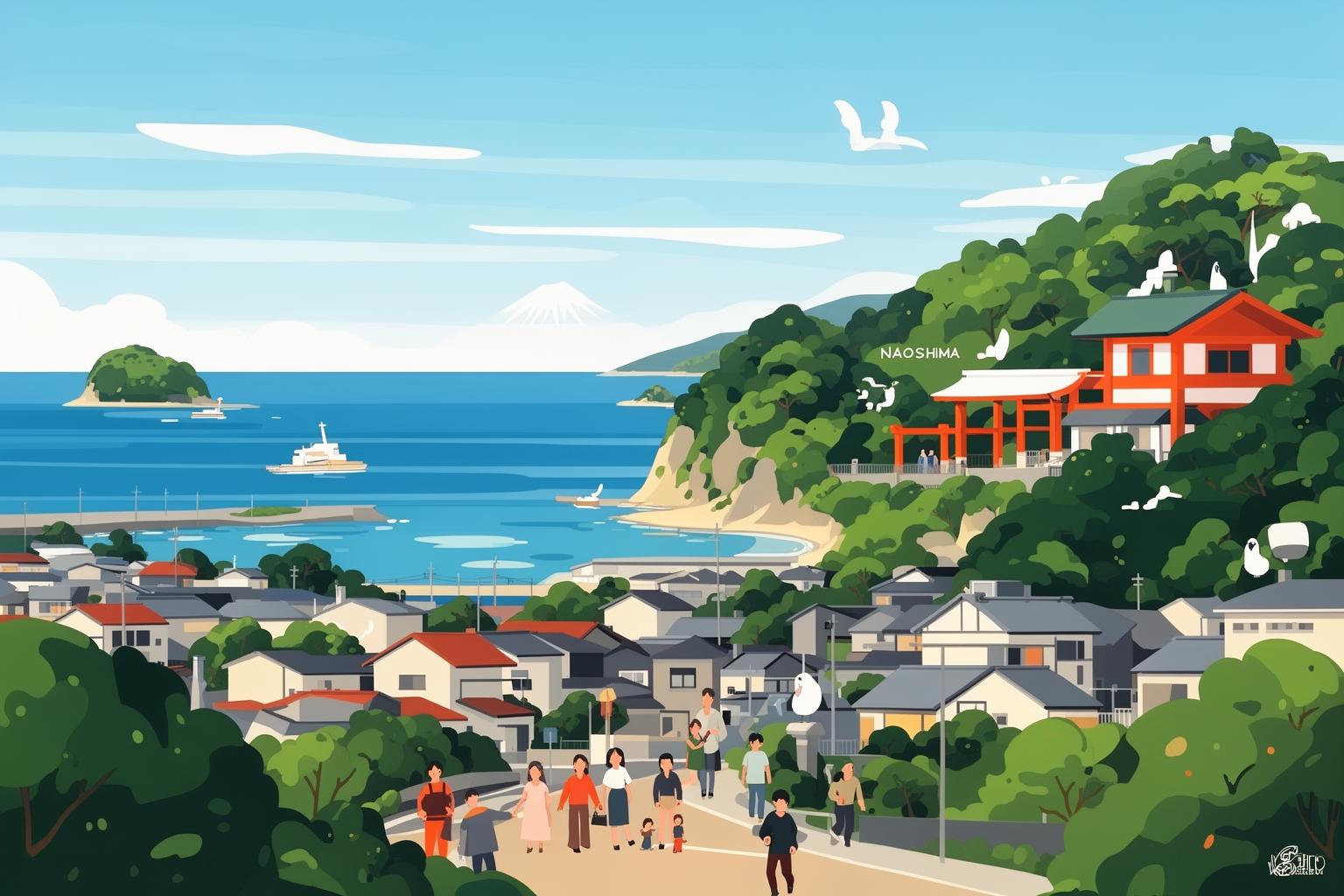
One of Naoshima’s most captivating features is how art extends beyond the museums and integrates seamlessly into everyday life. The whole island feels like an open-air gallery, where creativity is intricately woven into the landscape and the local community. This is most beautifully exemplified by the Art House Project, a unique initiative that revitalizes the island’s heritage.
The Art House Project: Blending Art with Daily Life
Situated in the Honmura district, a quaint old port town with narrow, winding streets and traditional wooden houses, the Art House Project transforms empty, abandoned homes into permanent art installations. This is not about gentrification; rather, it is a thoughtful and respectful collaboration with the community, preserving the exteriors of the old buildings while completely reinventing their interiors. It’s a treasure hunt for art lovers. Visitors buy a multi-site ticket from a local information center, then wander through the village, map in hand, discovering these hidden masterpieces.
Each house presents a unique world. At Kadoya, you’ll encounter a 200-year-old house with a pool of water in its shadowy interior, where 125 local residents contributed to setting the flicker patterns of brightly colored LED counters that symbolize the flow of time and life. Minamidera is a newly constructed building by Tadao Ando on the site of a former temple, featuring another mesmerizing light installation by James Turrell, “Backside of the Moon.” Visitors are led into total darkness and must patiently wait for their eyes to adapt as a faint, ethereal rectangle of light gradually appears. It’s an almost spiritual experience. Go’o Shrine, designed by artist Hiroshi Sugimoto, is a stunning example where a Shinto shrine is reimagined with a glass staircase that seems to descend deep into the earth, linking the living world with the realm of spirits. The project offers a beautiful way to engage with the village’s history, showcasing how contemporary art can honor and enliven the past. It encourages slow travel, rewarding those who take the time to explore quiet backstreets and appreciate local details.
The Iconic Polka-Dot Pumpkin: Yayoi Kusama’s Seaside Guardian
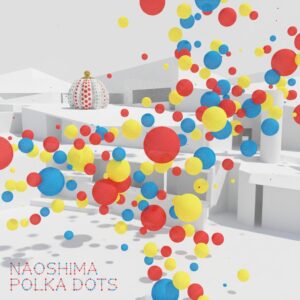
No image is more emblematic of Naoshima than Yayoi Kusama’s “Yellow Pumpkin.” Situated at the end of a small pier overlooking the sea near Benesse House, this iconic sculpture has become the island’s unofficial mascot. Its bright yellow body, covered in black polka dots, is a joyful, whimsical splash of color against the serene blues and greens of the environment. It has become a pilgrimage site and a must-have photo for every visitor. Its history also reflects the island’s resilience. In 2021, the pumpkin was swept away and severely damaged by a powerful typhoon, an event mourned by art enthusiasts worldwide. Yet, in a triumphant comeback, it was carefully restored and reinstalled in 2022, once again standing proudly as the island’s beloved sentinel. Seeing it firsthand is surprisingly moving. It symbolizes hope, playfulness, and the enduring ability of art to bring joy. There was also a “Red Pumpkin” at Miyanoura Port, the main entry point for most visitors. This larger, hollow pumpkin invites people inside, with its polka dots serving as playful windows to the outside world. These two works perfectly capture the spirit of Naoshima: bold, approachable, and harmoniously integrated with their seaside surroundings.
Practical Pilgrimage: Navigating Your Naoshima Journey
Although Naoshima might feel like it’s worlds away, reaching the island and getting around is surprisingly easy with a bit of preparation. The journey is as important as the destination, and embracing the island’s leisurely pace is essential for a truly unforgettable visit.
Getting There and Getting Around
The two primary access points to Naoshima are Uno Port in Okayama Prefecture and Takamatsu Port in Kagawa Prefecture, both of which are easily reachable. To get to Uno Port, take the Shinkansen (bullet train) to Okayama Station, followed by a short local train trip. To reach Takamatsu, you can fly into Takamatsu Airport or travel there by train. From either port, regular passenger ferries provide a quick and scenic trip to Naoshima’s Miyanoura Port. The ferry ride itself offers a beautiful introduction to the Seto Inland Sea, with its calm waters sprinkled with small, pine-covered islands.
Once on the island, you have several options for getting around. A local town bus connects the main ports and villages, and Benesse Art Site runs a free shuttle bus linking its museums. However, the best way to experience Naoshima is by renting an electric bicycle. The island’s hilly terrain makes an e-bike ideal, letting you conquer the climbs effortlessly while enjoying the fresh sea breeze. It offers the freedom to explore at your own pace, to pause whenever a stunning view catches your eye, and to discover secluded coves and hidden spots that buses might miss. E-bikes can be rented near Miyanoura Port upon arrival—just be sure to grab one early, especially on busy weekends, as they can run out.
Where to Stay and What to Eat
Accommodations on Naoshima range from luxurious to simple. For the ultimate art immersion, staying at Benesse House is unmatched. For a more local and budget-friendly experience, there are plenty of charming guesthouses, called minshuku, and small inns in the Miyanoura and Honmura districts. staying at one of these allows you to soak in the quiet rhythm of village life, with hosts often serving as excellent sources of local knowledge. It’s advisable to book well ahead since rooms are limited and fill quickly, especially during peak travel times like spring and autumn.
When it comes to dining, the island offers a delightful variety of choices. The museum cafes are great spots for lunch, particularly the Chichu Cafe, which features a stunning terrace with one of the best views on the island. In the villages, you’ll find an array of small, independently-run cafes and restaurants. Seek out cozy places in Honmura offering fresh seafood from the Setouchi waters or a simple, tasty bowl of udon noodles. Finding a stylish little café to relax with a coffee and a book is one of the island’s simple pleasures. Keep in mind that many smaller eateries operate on limited hours and may close early, so it’s smart to plan your dinner options in advance.
Planning Your Time: A One-Day Dash or a Two-Day Dream?
Although it’s possible to visit some of Naoshima’s key attractions in a whirlwind single-day trip, it tends to feel rushed and tiring. To genuinely savor the island’s unique atmosphere and avoid a frantic pace, I highly recommend staying at least one night. Spending two days allows for a more relaxed experience. You could dedicate your first day to the southern part of the island, visiting the Benesse House Museum, the Lee Ufan Museum, and the iconic Yellow Pumpkin. On the second day, immerse yourself in the Honmura district, taking your time with the Art House Project before returning to Miyanoura Port. This leisurely schedule allows for spontaneous discoveries, relaxed lunches, and moments of quiet reflection. Also, note that most museums and art sites are closed on Mondays. Always check the official Benesse Art Site Naoshima calendar online before your trip to verify opening hours and avoid any disappointment.
A Woman’s Perspective: Traveling Solo and Safely
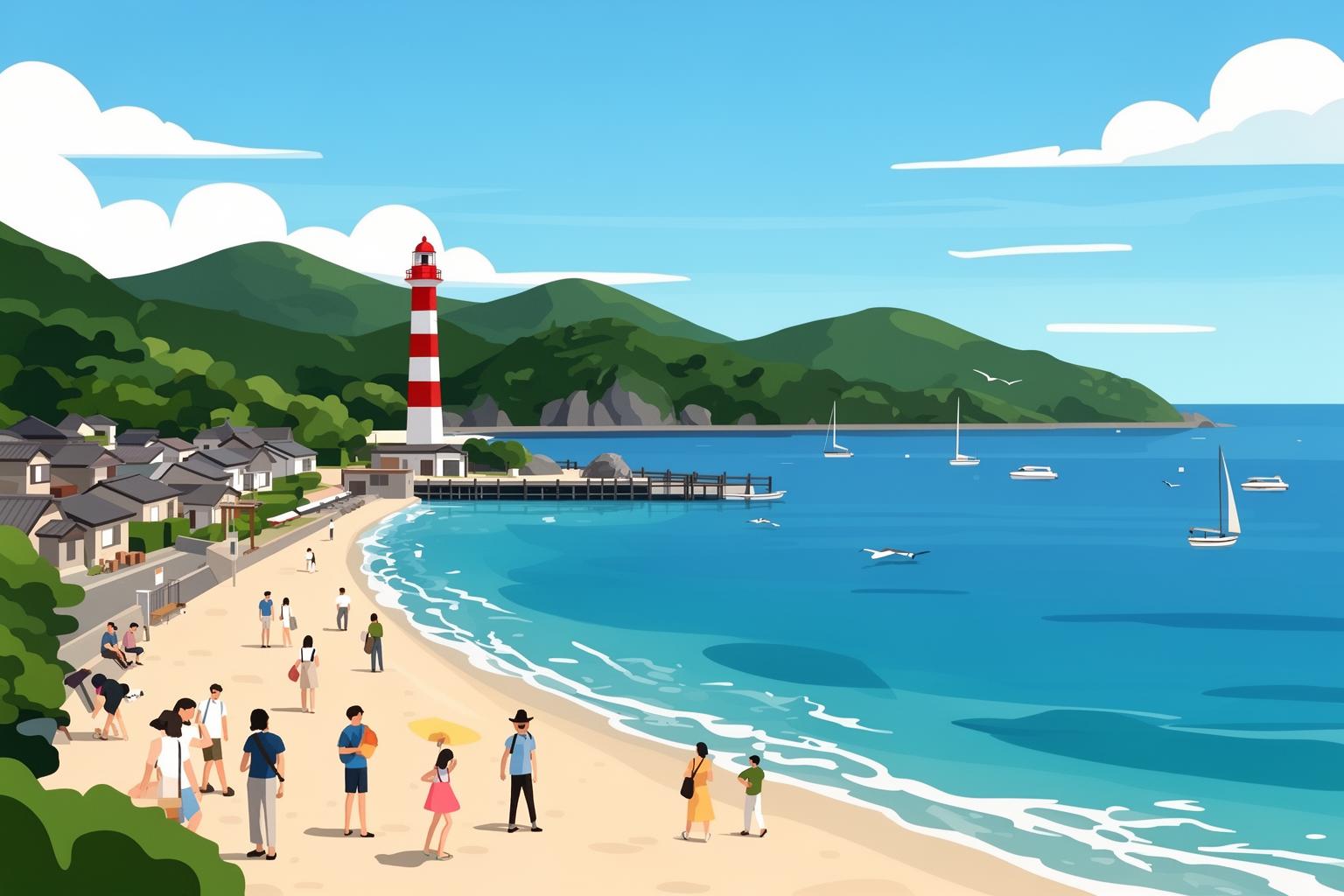
From a solo traveler’s perspective, Naoshima is an absolute paradise. The island is remarkably safe, featuring a small, close-knit community and a warm, inviting atmosphere. I felt completely comfortable exploring alone, whether cycling along a coastal road at dusk or wandering quietly through the lanes of Honmura after dark. The locals are friendly and helpful, even if they don’t always speak English. A simple smile and polite gesture go a long way.
When packing, prioritize stylish comfort. The island’s aesthetic is minimalist and elegant, but you’ll mainly be walking and cycling. A great pair of fashionable sneakers or comfortable flats is essential. The weather by the sea can be unpredictable, so layering is key—a light jacket or a chic scarf can make all the difference when the sea breeze picks up. Sun protection is vital too; a wide-brimmed hat, sunglasses, and high-SPF sunscreen are must-haves since you’ll spend plenty of time outdoors. Lastly, bring a portable power bank for your phone. You’ll be using it for navigation, photos, and checking museum details, so you won’t want to run out of battery.
For women traveling alone, Naoshima offers a rare and beautiful chance for self-reflection. The island’s peaceful, contemplative atmosphere encourages introspection. Allow yourself to fully embrace solitude. Sit alone at a café with a book. Spend an extra ten minutes by yourself in a James Turrell installation, letting your eyes adjust to the darkness. Take a long, solitary stroll along the beach. This journey is as much internal as it is external—a moment to reconnect with yourself in a place where beauty and tranquility reign supreme.
The Spirit of Naoshima: More Than Just Art
After a few days, you begin to realize that the spirit of Naoshima isn’t confined to the museum walls or the art installations. It’s present in the salty air, the gentle lapping of the waves, the sight of an elderly resident tending their garden, and the friendly cats lounging in sunny spots around the island. This is a place that teaches you to slow down and pay attention. You start to notice the small details: the texture of a weathered wooden wall, the shifting colors of the sea, the sound of cicadas in the summer heat.
This island tells a powerful story of regeneration. It stands as a living example of how a forward-thinking vision can collaborate with a local community to create something truly sustainable and meaningful. The project didn’t simply parachute in a collection of world-class art; it carefully integrated it into the existing culture and landscape, revitalizing the community and giving it a renewed sense of purpose and pride. This deep respect for the island’s history and its people is what gives Naoshima its soul. It’s a pilgrimage not only for art lovers but for anyone interested in the future of communities, the relationship between humanity and nature, and the enduring power of creative expression to transform our world.
Leaving Naoshima feels like waking from a beautiful dream. You carry the images with you: the stark silhouette of an Ando wall against a blue sky, the brilliant pop of a Kusama pumpkin against the sea, the profound darkness of a Turrell room giving way to light. But more than that, you carry the feeling—a sense of peace, clarity, and inspiration. It’s an island that doesn’t just show you art; it changes the way you see. It reminds you that beauty can be found anywhere, in the grandest gestures and the quietest moments, if you only take the time to look. Your own pilgrimage awaits.