
Deep within the remote, mountainous spine of Gifu Prefecture, cradled by the soaring peaks of the Ryōhaku Mountains, lies a valley that seems to have slipped through the cracks of time. Here, the Shogawa River carves a path through a landscape of emerald rice paddies and dense cedar forests, and nestled along its banks is a village where the very architecture seems to be locked in prayer. This is Shirakawa-go, a designated UNESCO World Heritage site and a breathtaking testament to Japan’s enduring spirit of community and resilience. Its iconic Gassho-zukuri farmhouses, with their steep, thatched roofs resembling hands pressed together in supplication, create a panorama of almost surreal beauty, a vision of a Japan preserved in amber. For centuries, this isolation was its shield, allowing a unique culture and way of life to flourish, far from the frantic pace of the modern world. But for a global community of anime enthusiasts, this idyllic village holds a second, far more unsettling identity. It is the living, breathing inspiration for Hinamizawa, the deceptively peaceful setting of the celebrated horror mystery series, Higurashi: When They Cry. To walk these ancient paths is to experience a profound duality: the serene, historical reality of a community in harmony with nature, and the chilling, fictional overlay of a village plagued by a dark, cyclical curse. It is a journey that engages not just the eyes, but the imagination, inviting you to see both the light and the shadows that a single, extraordinary place can hold.
For those enchanted by the mysterious interplay of tradition and eerie folklore, a photographic pilgrimage through Japan’s cinematic real-world landscapes offers an equally compelling journey.
The Architecture of Prayer: Unraveling the Gassho-Zukuri
To truly grasp Shirakawa-go, one must first appreciate its buildings. The Gassho-zukuri farmhouses are more than mere structures; they are living artifacts, remarkable feats of folk engineering shaped by the demands of a harsh and unforgiving environment. Their design embodies a dialogue between the people and the land, a conversation carried through generations.
A Design Shaped by Snow and Silk
The term gasshō-zukuri means “praying hands construction,” a poetic and fitting description of the sharply angled roofs that dominate the village skyline. This design is far from an aesthetic choice. Shirakawa-go is located in one of the world’s heaviest snowfall regions, and these steep roofs, angled at about sixty degrees, are crafted to shed enormous snow loads, preventing the kind of structural failures that a conventional roof would suffer. The roofs are thickly layered with kaya thatch, often over a meter deep, offering excellent insulation against both the harsh winter cold and the humid summer heat. What makes these houses truly exceptional is their construction: built with massive, flexible timber frames, they use no nails or metal fasteners. Instead, they rely on an intricate system of interlocking wooden joints and strong straw ropes. This flexibility enables the buildings to bend and sway, absorbing earth tremors and seasonal wood expansion and contraction. This clever design reflects a profound, instinctive understanding of natural materials. The entire structure stands as a model of sustainable living, long before sustainability was widely recognized. The houses’ maintenance was closely tied to community life. Re-thatching a roof was an enormous task too great for one family alone. This led to the creation of yui, a communal spirit of mutual aid where the whole village would unite to re-thatch a neighbor’s roof in a single, coordinated effort. It became a labor festival, a tangible expression of the strong bonds holding the isolated community together.
Inside the Living Museums
Entering one of these farmhouses, such as the historic Wada House or the Kanda House, is like stepping back in time. The air inside is cool and carries a faint scent of woodsmoke and aged timber. The ground floor was the family’s hub. At its center stood the irori, a sunken hearth that served as the home’s engine. It provided warmth, light for evening tasks, and a place to cook the hearty mountain dishes that sustained the villagers. The smoke from the irori was more than a byproduct; it acted as a vital preservative. As the smoke ascended through the house, soot coated the wooden beams and underside of the thatched roof, protecting them from moisture and insects, thus extending the structure’s lifespan for centuries. The upper floors reveal another facet of the village’s livelihood. These large, dark, and airy attics were not intended for storage but for sericulture—the raising of silkworms. From the Edo period until the early 20th century, silk production was Shirakawa-go’s main industry and economic foundation. The house’s design was perfectly adapted for this purpose, with open floor space and gabled windows ensuring the precise ventilation needed for the delicate silkworms. Standing in these quiet, cavernous spaces, one can almost hear the soft rustling of countless silkworms feeding on mulberry leaves—a sound that was once the heartbeat of the village’s economy.
A Village of Two Faces: Picturesque Reality and Anime Legend
Shirakawa-go’s atmosphere changes depending on the lens through which you observe it. On one side, it is a flawlessly preserved heritage site, serving as a living museum of traditional Japanese rural life. On the other, it is a pilgrimage destination for fans seeking a tangible connection to a chilling fictional narrative. The interplay between these two aspects adds a unique allure to any visit.
The Idyllic Scenery of Ogimachi Village
As you stroll through the Ogimachi district, the largest hamlet in Shirakawa-go, a deep sense of tranquility envelops you. The village layout follows the natural contours of the land rather than a strict grid. Crystal-clear, cold water channels flow alongside the paths, their gentle murmuring providing a soothing background sound. In spring and summer, these channels nourish the vibrant green rice paddies, arranged like puzzle pieces between the houses. The fields mirror the sky and thatched roofs, forming a mosaic of greens, browns, and blues. The air is fresh, filled with the scent of damp earth, blooming flowers, and the faint woodsmoke drifting from an active irori. Life here unfolds at a slower tempo. Locals tend their gardens with calm, purposeful movements. This feels worlds apart from Tokyo’s neon rush. To gain a full perspective, a walk up to the Shiroyama Viewpoint is a must. From this vantage point, the entire village reveals itself below, a cluster of storybook houses nestled amid the mountains. It is a picture of rustic perfection, a scene so harmonious it almost seems staged, yet it is the authentic outcome of centuries of life in this valley.
Walking the Streets of Hinamizawa
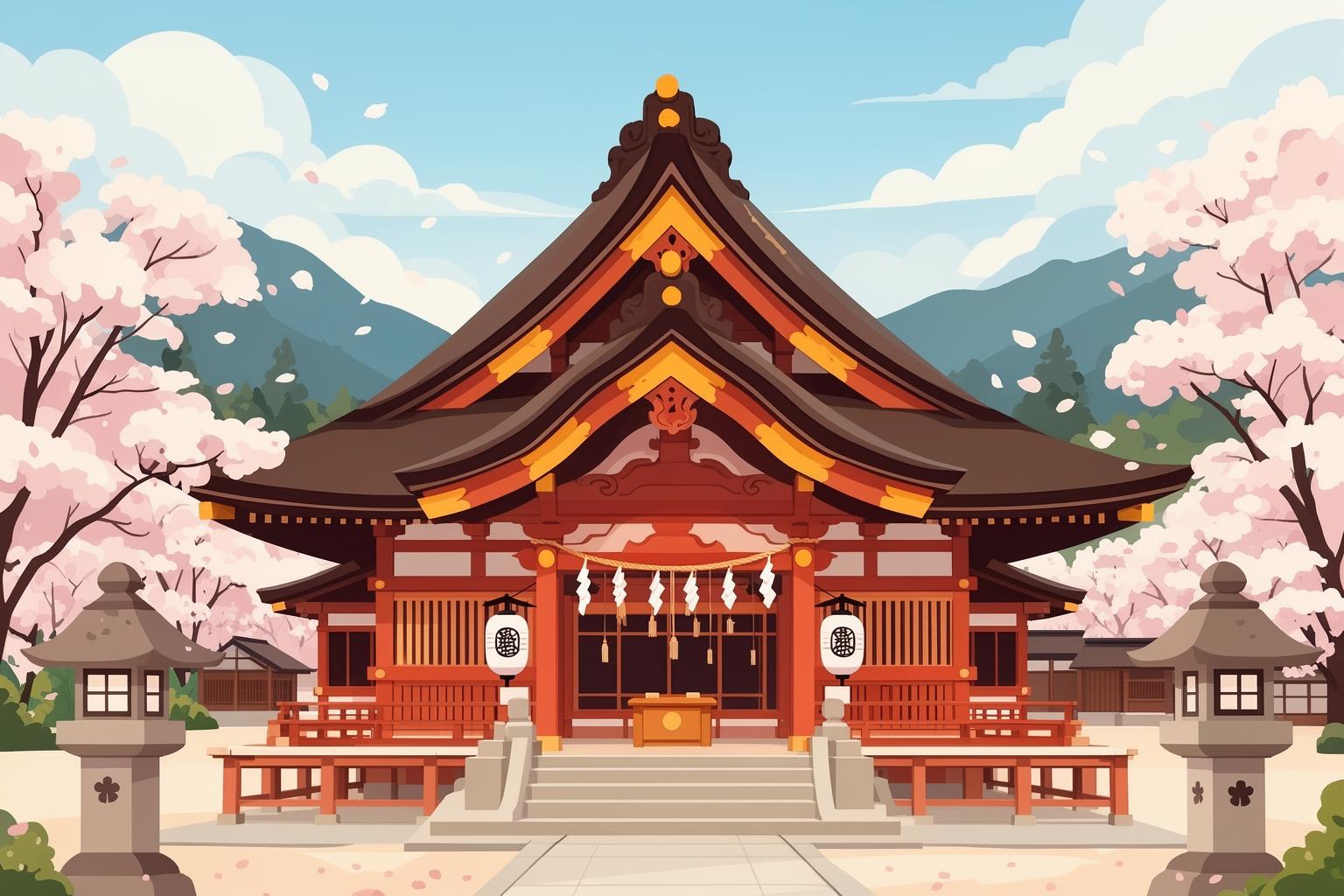
For those familiar with the world of Higurashi, this serene setting takes on a different aura. The Shiroyama Viewpoint is more than just a photo spot; it is the iconic overlook of Hinamizawa, the setting for the series’ mysteries. Descending back into the village, recognizable landmarks evoke an eerie sense of familiarity. The main suspension bridge over the Shogawa River, a simple, functional crossing for visitors, transforms in memory into a site of tense standoffs and whispered secrets. The most significant destination for pilgrims is the Shirakawa Hachiman Shrine, a quiet and dignified place of worship shaded by ancient cedar trees. In the Higurashi universe, this becomes Furude Shrine—the core of village traditions, sacred festivals, and darkest mysteries. Standing before the main hall, it’s easy to envision the story’s characters here, the line between reality and fiction blurring beneath dappled sunlight filtering through the leaves. The summer season intensifies this sensation. The deafening chorus of cicadas—a signature ambient sound in the anime that heightens suspense—is a constant presence in Shirakawa-go’s summer. This natural sound becomes a haunting reminder of the psychological horror that inspired the beautiful setting. It’s a fascinating experience to witness such genuine calm and beauty while your mind conjures phantoms from a beloved, yet terrifying, tale.
Embracing the Rhythms of Village Life
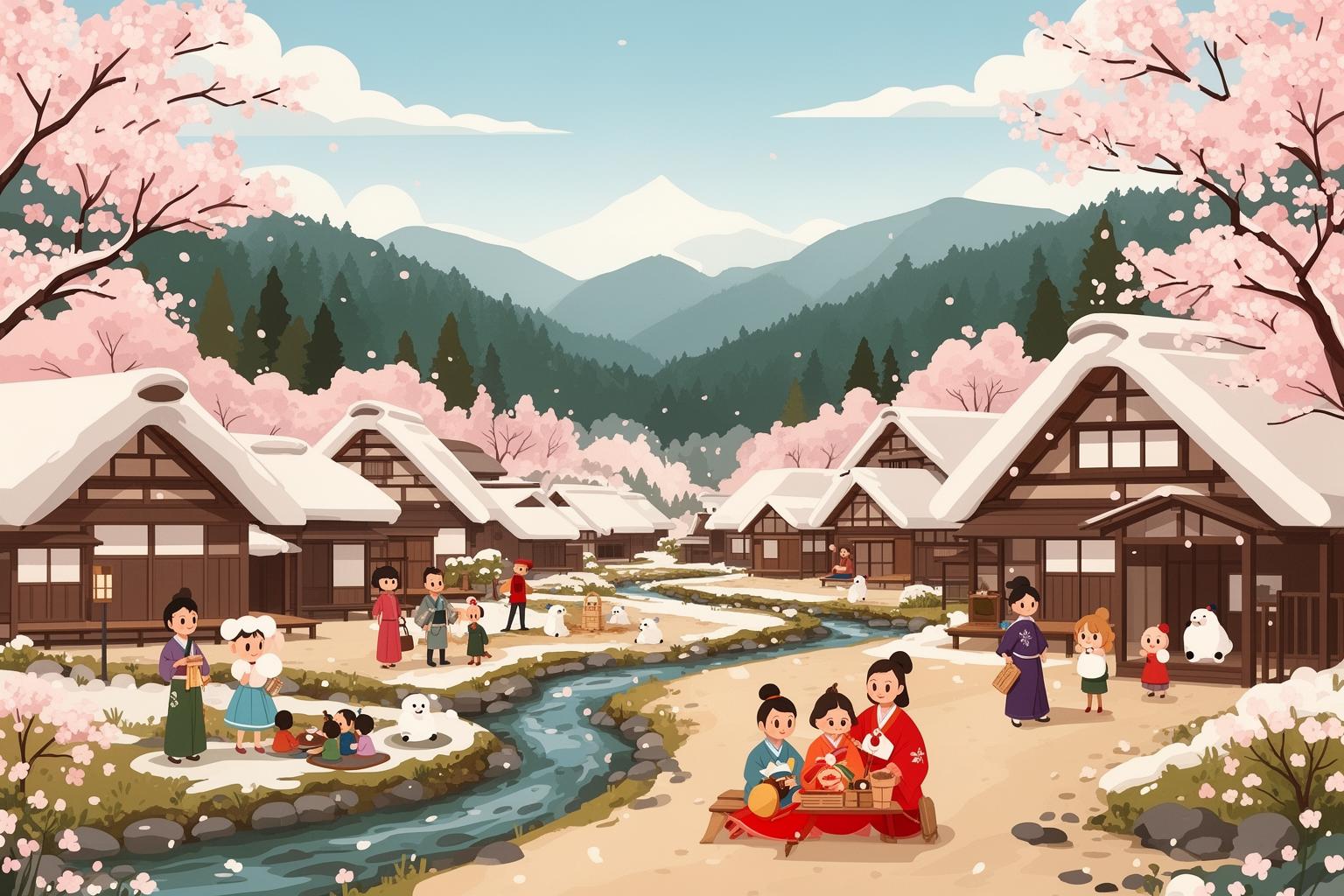
While a day trip provides a delightful glimpse, the true enchantment of Shirakawa-go is revealed to those who stay overnight. As the tour buses leave and a tranquil dusk settles over the valley, the village transforms, offering a richer, more personal connection to its history and people.
Beyond the Day-Trip: The Magic of an Overnight Stay
Opting to stay overnight in a minshuku, a traditional family-run guesthouse set within an authentic Gassho-zukuri farmhouse, is an unforgettable experience. It immerses you in a lifestyle that has nearly vanished from the rest of Japan. After check-in, you are shown to a simple yet elegant room with woven tatami mat floors and sliding shoji paper screens. As night falls, the true experience begins. Dinner is a communal event, enjoyed around the central irori. Guests and the host family gather by the glowing embers as course after course of local dishes is served. The meal celebrates the mountains: grilled river fish, tender Hida beef cooked on a magnolia leaf with savory miso, and a colorful array of sansai (wild mountain vegetables) you might never have seen before. Conversations flow, stories are shared, and the warmth of the fire seems to penetrate your very core. After dinner, stepping outside into the night is a revelation. The darkness is complete, broken only by the soft light glowing from the paper screens of other farmhouses and a stunning canopy of stars overhead. The only sounds are the gentle murmur of the river and the soft chirping of crickets. It is a profound, soul-stirring silence. Waking up in the morning to the mist-covered valley, with the aroma of breakfast cooking below, feels like awakening in a dream of old Japan.
The Flavors of the Mountains
Shirakawa-go’s cuisine directly reflects its environment—simple, hearty, and deeply attuned to the seasons. The most renowned local specialty is Hida beef, a premium wagyu from Gifu Prefecture noted for its exceptional marbling and melt-in-your-mouth texture. It is often served as hoba miso, where the beef, along with mushrooms and green onions, is grilled on a dried magnolia leaf over a small charcoal stove, the savory miso paste sizzling and caramelizing as it cooks. Another must-try snack is gohei mochi. This isn’t the soft, chewy mochi you might expect. Instead, it is a patty of pounded rice skewered, coated in a sweet and savory sauce made of miso, walnuts, and sesame, then grilled over an open flame until slightly crispy on the outside and wonderfully fragrant. Menus also feature a variety of dishes using sansai, the mountain forest’s bounty. These wild vegetables, from tender bamboo shoots in spring to foraged mushrooms in autumn, offer complex, earthy flavors that evoke the surrounding wilderness. To complete the meal, try a bowl of local soba noodles, whose simple, nutty taste perfectly balances the richer dishes of the region. Dining in Shirakawa-go is more than nourishment; it is a way to taste the landscape itself.
Practical Pilgrimage: Planning Your Journey into the Past
A trip to a remote and unique destination like Shirakawa-go requires some advance planning. Its seclusion adds to its appeal, but it also means that careful logistics are essential for a smooth and enjoyable experience. Thoughtful preparation helps you spend less time stressing about transportation and more time immersing yourself in the atmosphere.
Navigating to a Hidden World
There is no train line that goes directly to Shirakawa-go. The village can only be reached by road, which has helped maintain its isolated charm. Most visitors arrive via highway bus. The primary departure points for these buses are Takayama to the east and Kanazawa to the west, both accessible by Shinkansen or limited express trains. The Nohi Bus company provides regular services from these cities, and the ride itself is part of the experience. The bus travels through breathtaking mountain landscapes, navigating long tunnels and high bridges, building excitement as the urban scenery fades away. It is essential to book your bus tickets well in advance, especially during peak times like autumn foliage or the winter illumination events. Seats often sell out weeks or even months ahead. For those who prefer driving, renting a car offers greater flexibility, though the roads can be difficult, particularly in winter when snow and ice are significant hazards. Parking inside the village is reserved for residents, but there is a large public parking area across the river, connected to the village by the main suspension bridge.
Timing Your Visit for Maximum Impact
Shirakawa-go experiences four distinct and dramatic seasons, each providing a unique and equally enchanting experience. Your timing depends entirely on the type of scenery you wish to enjoy.
Winter’s Illuminated Dream
Winter is arguably the most iconic season in Shirakawa-go. The village is covered in deep, pristine snow, turning the Gassho-zukuri houses into fairy-tale gingerbread cottages. On select evenings in January and February, the village hosts its famous winter light-up events. Spotlights highlight the snow-covered roofs, creating an otherworldly scene, with warm light glowing from the windows against the cold blue twilight sky. These events are highly popular, and access is now strictly regulated, often requiring lottery participation or advance booking of special bus tours. It is a logistical challenge, but the reward is an unforgettable spectacle.
Spring’s Gentle Awakening
As the snow melts, spring brings new life to the valley. From late April to early May, cherry blossoms bloom, their delicate pink and white petals forming a soft, beautiful contrast with the dark timber of the farmhouses. The rice paddies are flooded, their surfaces reflecting the blue sky and lingering snow atop distant mountains. This season symbolizes renewal and quiet beauty, with fewer crowds than in winter or autumn.
Summer’s Verdant Embrace
Summer paints the landscape in lush, vibrant green. Rice plants grow tall, and the surrounding forests are teeming with life. It’s an ideal season for leisurely walks, exploring every corner of the village. The days are long and warm, accompanied by the quintessential sound of summer in Japan: the resonant chorus of cicadas. For fans of Higurashi, visiting in summer is essential to fully experience the atmospheric essence of Hinamizawa.
Autumn’s Fiery Palette
From mid-October to early November, the mountains surrounding Shirakawa-go burst into flames of color. The slopes blaze with fiery reds, bright oranges, and golden yellows, creating a stunning backdrop for the rustic village. The air is crisp and cool, marking harvest time. In mid-October, the village celebrates the Doburoku Festival, where both locals and visitors can enjoy a unique, unfiltered home-brewed sake. It’s a vibrant and festive occasion to experience the community’s living traditions.
A Traveler’s Guide to Mindful Exploration
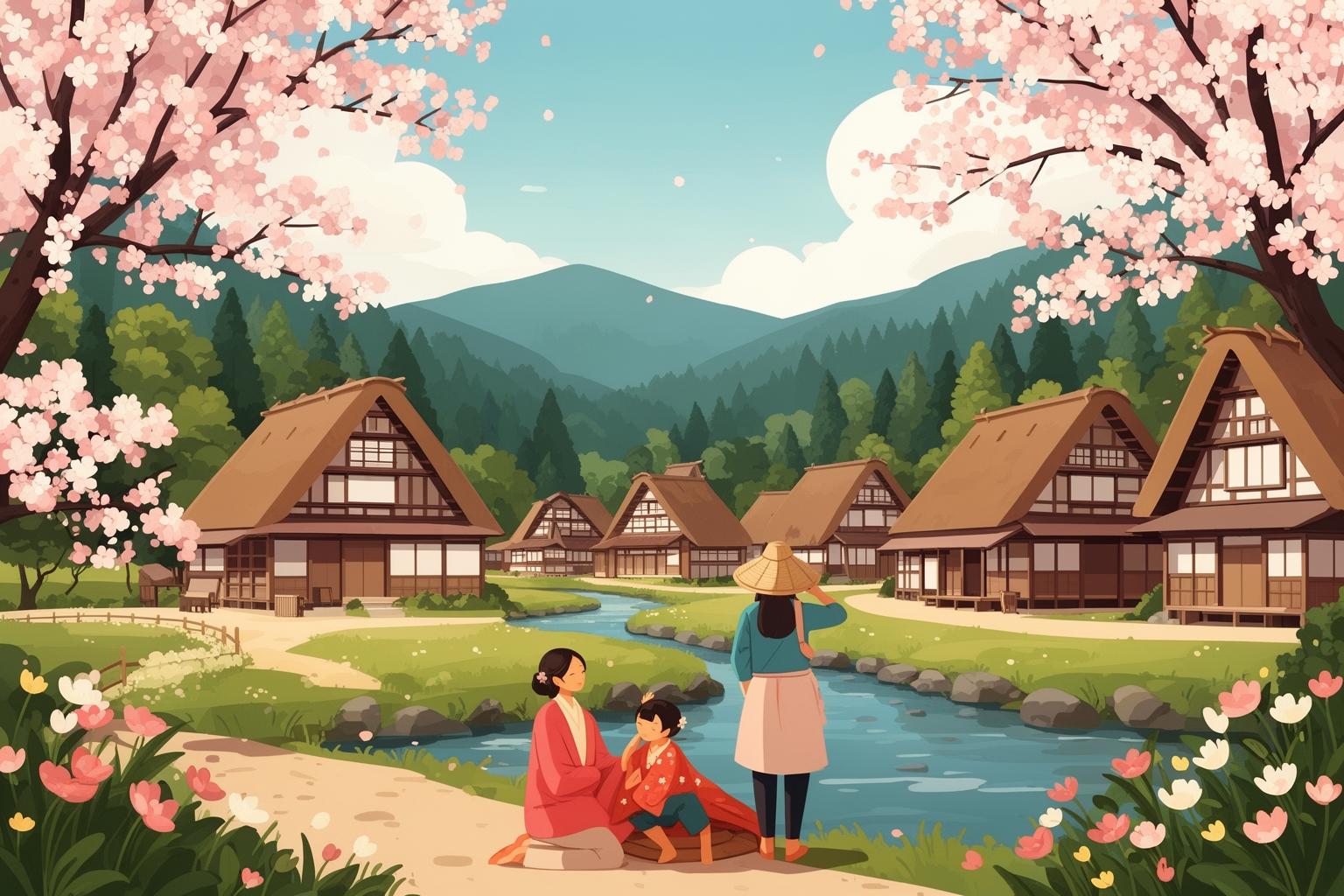
Visiting Shirakawa-go carries a unique responsibility. This is neither a theme park nor a movie set; it is a living, breathing community where residents go about their daily lives. Approaching your visit with respect and care helps ensure that this precious heritage is preserved for future generations.
Respecting a Living Heritage
The residents of Shirakawa-go have welcomed the world into their community, and it is an honor to walk its streets. Keep in mind that any houses not clearly identified as museums or guesthouses are private residences. Avoid entering private property, looking through windows, or opening doors. Stay on designated paths and keep your noise levels low, especially in the early mornings and evenings. The village’s tranquility is one of its greatest treasures. One of the best ways to show your appreciation is by supporting the local economy—purchase souvenirs from small village shops, dine at family-run restaurants, and buy local crafts. This direct support helps the community thrive and preserve its traditions despite mass tourism. Approach your visit not merely as a transaction, but as a cultural exchange, and you will gain a much richer experience.
Essential Tips for the First-Time Pilgrim
A few simple preparations can greatly enhance your visit. First, wear comfortable, sturdy walking shoes. The village paths can be uneven, and you’ll be doing quite a bit of walking, including a moderate hike to the viewpoint. If traveling with large luggage, take advantage of the coin lockers at the bus terminal—navigating narrow paths and crossing the suspension bridge with a big suitcase is difficult and disruptive. Although some larger venues are beginning to accept credit cards, much of Japan, especially rural areas, remains cash-based. Make sure to carry enough yen for small purchases, snacks, and entrance fees to historic houses. Lastly, take the chance to disconnect. While some spots offer Wi-Fi, connectivity can be unreliable. Rather than seeing this as a drawback, view it as an opportunity to put your phone away and fully immerse yourself in this extraordinary setting. Let your senses guide you—the sound of the water, the feel of the old wood, the taste of the mountain air.
Shirakawa-go is a rare and precious place where the past is not only remembered but actively lived. It is a journey into Japan’s architectural soul, a masterclass in how a community can adapt and thrive in a challenging environment. For some, it is a pilgrimage to the source of a cherished story, a chance to walk in the footsteps of fictional characters and experience the thrilling reality of a world brought to life. For others, it serves as a quiet retreat into a realm of profound natural beauty and human ingenuity. But for every visitor, regardless of their purpose, Shirakawa-go imparts the same powerful message: some places are more than mere destinations. They are stories etched in wood, thatch, and stone, waiting to be discovered. It is a story of resilience, community, and timeless beauty found in living harmoniously with nature. And it is a story that lingers—a quiet echo in your heart long after you leave its mountain embrace.